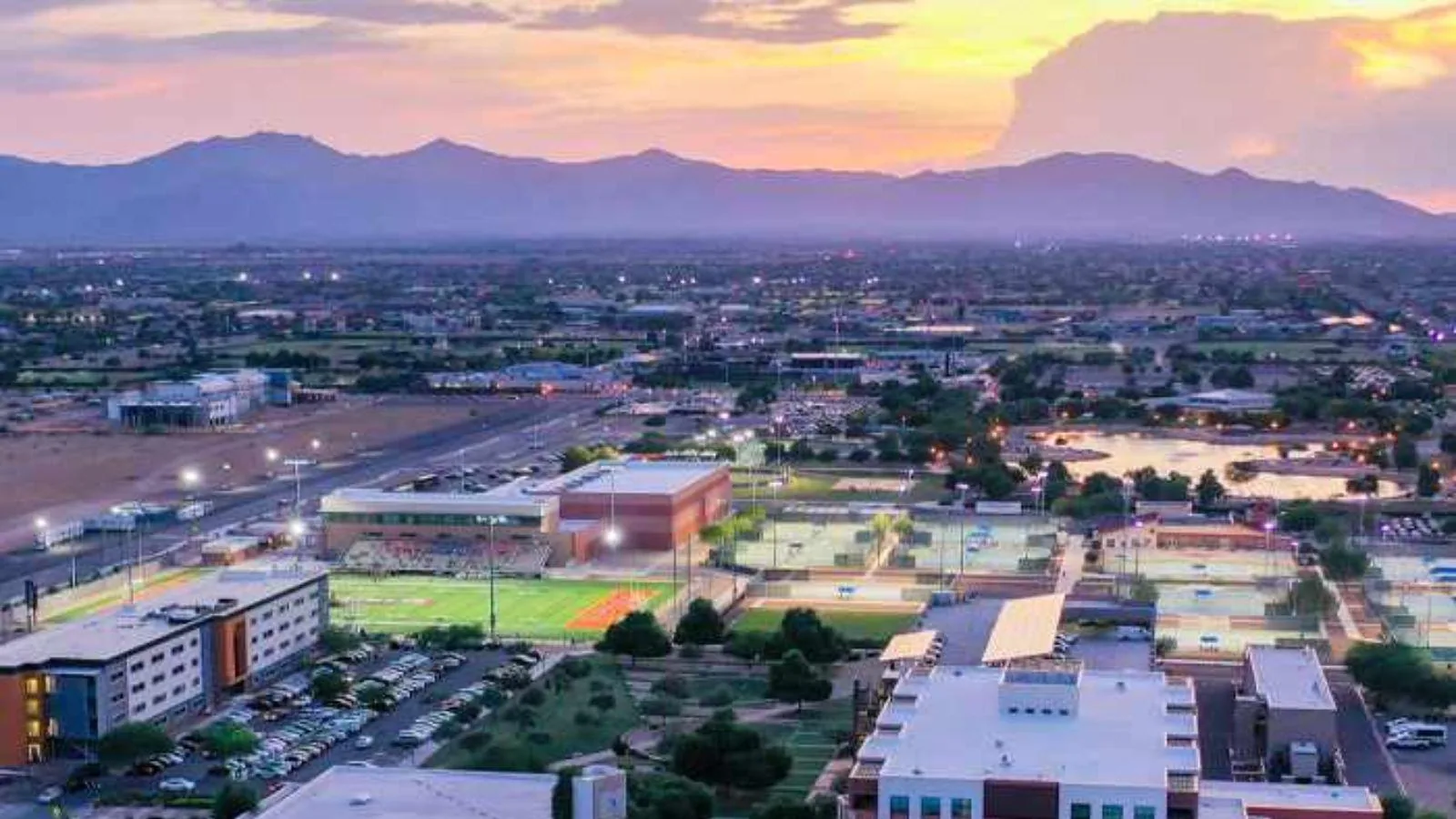
A distribution roof in Surprise can take wind across long membrane runs while dock doors stay active. After a gust front, a lifted edge, open seam or damaged curb may be visible. We inspect by section and mark what is damaged, intact or in need of a closer test. The Surprise Railplex includes manufacturing and freight-oriented development; a roof there needs a repair plan that accounts for both exposed perimeter details and active operations.
What wind can move
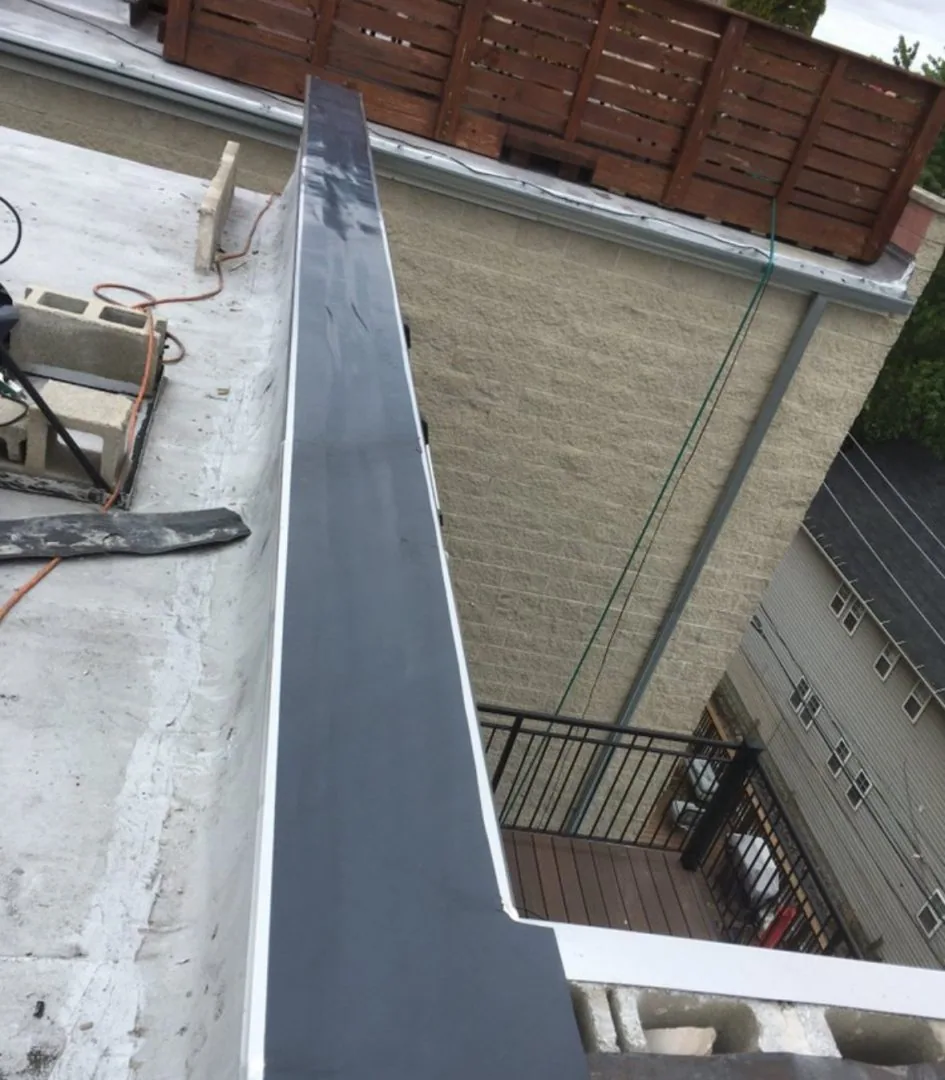
Wind pressure changes across a roof. Corners, parapets, canopies and equipment curbs may see different uplift than the field. We check edge metal, fasteners, terminations and membrane laps, then set the repair boundary from observed conditions.
Phoenix-metro summer monsoon thunderstorms can bring damaging wind and heavy rain. Edges, drains and equipment merit inspection, but a regional storm pattern does not prove damage at one property. We compare prior photos when available and record present conditions.
Uplift may loosen a low-slope termination without tearing the field sheet, leaving entry at a wall, curb or corner away from an interior stain. We check membrane tension, welds and substrate. A hail-damage follow-up can distinguish the immediate dry-in from permanent repair work, which matters when weather may return before materials are ready.
Walk the roof in a repeatable order
We start at access and perimeter conditions, then check seams, penetrations, equipment, drains and prior patches. Photos pair each detail with roof context, while a marked plan identifies its section. If a fastener line or termination has pulled free, we check adjacent attachment and substrate before opening the assembly.
For metal roofing, the walk includes panel clips, exposed fasteners, ridge and rake details, gutters, downspouts and transitions at walls. A standing-seam panel can remain in place while a clip or flashing detail needs correction, but that call follows inspection. On a membrane roof, we probe seams after cleaning and check whether the sheet is bonded or mechanically attached at the affected area. We record any interior water path separately from the roof opening, so the repair does not stop at the first visible symptom.
Two Surprise settings illustrate why access belongs in the scope. The Loop 303 corridor connects multiple employment and development areas, while City Center includes civic, retail, healthcare and service uses across a broader district. The district mix informs lift placement, tenant paths and work hours.
Keep the opening protected
A temporary measure should reduce immediate exposure without hiding a condition that needs permanent work. We secure loose material, cover an opening with a suitable dry-in and note what remains exposed. The crew tracks which section is closed, what is tied down and who checks the area before leaving. If the substrate is wet or unsafe to cross, we identify another access method.
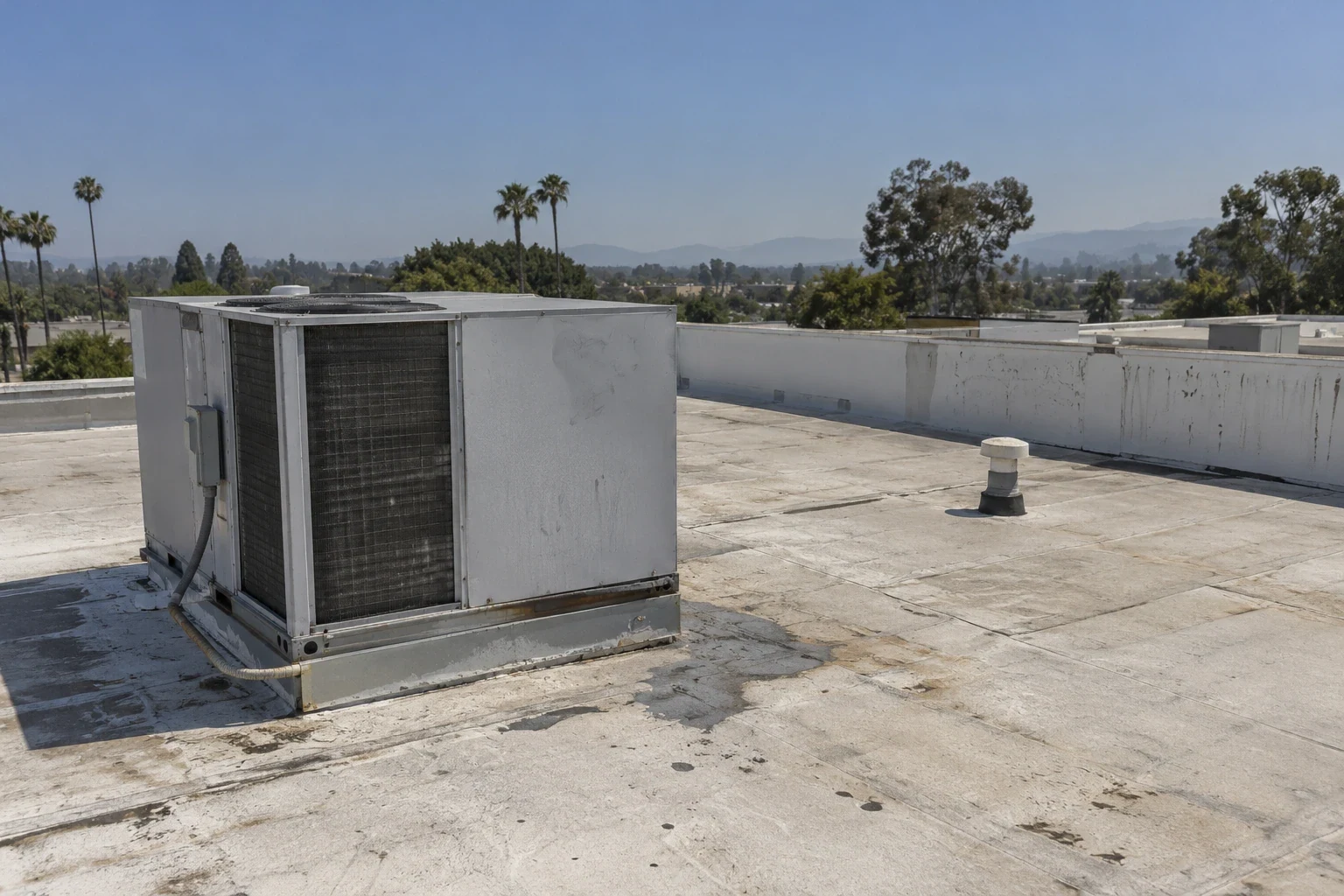
Roof access can cross HVAC service paths, solar equipment, skylights and tenant areas. We coordinate equipment moves and lane controls with the building lead, identify units that must stay on, and set a phased access plan should state which area is active and how the building team receives the handback.
For active water entry, we document affected rooms and roof conditions, then separate containment from permanent work. Urgent response is available around the clock, including nights and holidays; permanent work follows the inspected assembly.
Match the repair to the attachment
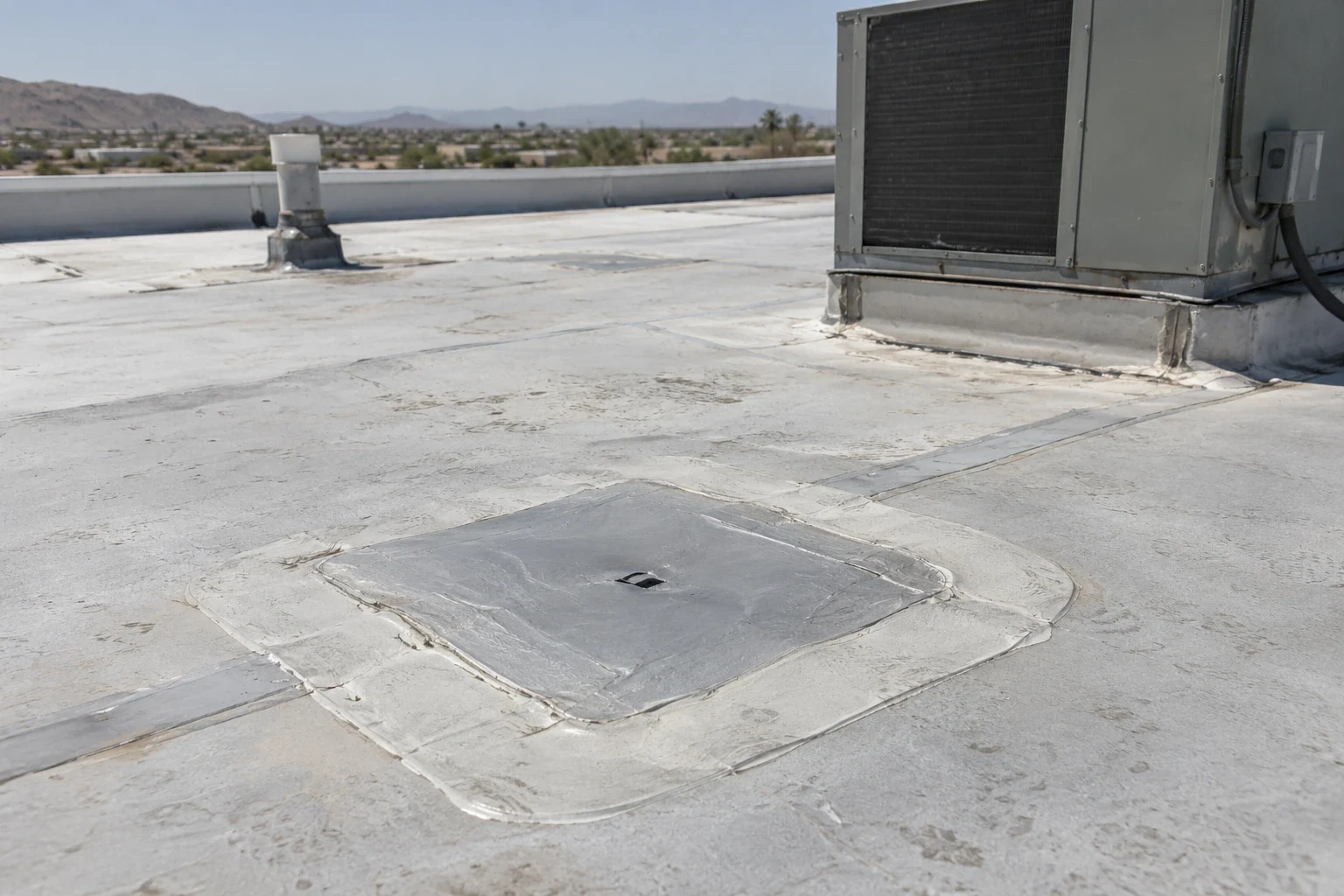
A membrane patch needs compatible material, sound substrate and overlap. A hail strike needs a separate check for bruising; see flashing-failure repair. A failed weld may require cleaning and hot-air work; a puncture needs a patch that bridges the cut without trapping moisture. Loose edge metal may need its cleat or supporting substrate corrected before rebuilding the termination. The written scope names these components instead of calling every condition a patch.
Metal scope may address a displaced clip, failed fastener, open lap, damaged panel or ridge flashing. We photograph the connection and note adjacent panels needing review, since a replacement fastener alone may leave movement or corrosion unresolved. A standing-seam repair should preserve the panel's movement and drainage path, not create a rigid seal that fails at the next temperature change.
If several sections show loose seams or recurring edge failure, compare localized repair with restoration or replacement after checking moisture, attachment and deck. A TPO assembly is one possible system, not a default. Existing layers, insulation, drainage, curbs and available roof area affect the scope; perimeter work may remain separate from field membrane repair.
Set weather and work limits
Wind repair timing depends on surface dryness, product application limits, access, material availability and the next weather window. We identify which work can proceed under current conditions and which must wait for a dry substrate. Set a stop point for gusts and open-roof conditions; shift closeout marks completed seams and safe access.
For work in Surprise, the permit path depends on repair scope and local amendments. We document the assembly and proposed work for project-team review; an emergency dry-in does not approve permanent construction.
A repair record names the area, material, photos, open concerns and next inspection trigger. We can organize observations for a claim file. A photo-based condition report gives the facilities lead a way to compare the repaired edge with later inspections. Keep the record with roof plans and service history, especially when another trade will work above the ceiling or near equipment.
Close the repair boundary
Before leaving, we confirm the patch or termination is finished, protection is secure, drains are clear and no loose material remains. Concealed conditions stay listed as unresolved. Closeout records remaining items and the next check.
If an edge, seam or curb fails again, compare earlier photos with the current condition. Repeated movement can point to attachment or substrate issues beyond the opening. We inspect adjacent details, define the repair boundary and separate immediate work from a larger correction, without assuming full replacement.
For multi-section buildings, a capital plan can separate urgent wind repair from planned envelope work. Leak tracing can distinguish water entry from surface damage. The decision follows verified conditions and access.
Commercial Roofing Questions
What should be checked first after a wind event?
Start with loose edge metal, coping, membrane terminations, rooftop equipment and any opening visible from a safe access point. We photograph the area, compare it with the roof plan and secure exposed material when conditions permit. A storm report alone does not establish what failed on the building.
Can a lifted edge be repaired without replacing the field membrane?
Sometimes. The answer depends on the attachment, substrate, membrane condition and how far the termination has separated. We inspect adjacent seams and the edge support, then state whether the work is a localized rebuild or part of a broader repair.
How do you keep a repair from interrupting loading?
We coordinate the roof access route and lift zone with the site lead, then identify any dock or service lane that needs a temporary control. The repair plan can divide work by roof section so active doors remain available where the safety boundary permits.
What goes in the wind-damage closeout?
The record should show the repaired roof area, material and attachment detail, dated photos, and any condition left open for another visit. We also identify the next check, such as a seam probe, drain review or inspection after weather.
When does wind damage point to a larger project?
Repeatedly loose edges, widespread seam separation, wet insulation or unstable attachment can move the decision beyond a patch. We document those conditions separately and compare repair with restoration or replacement after confirming the existing assembly.
Ready to review the roof scope?
Request a Roof Assessment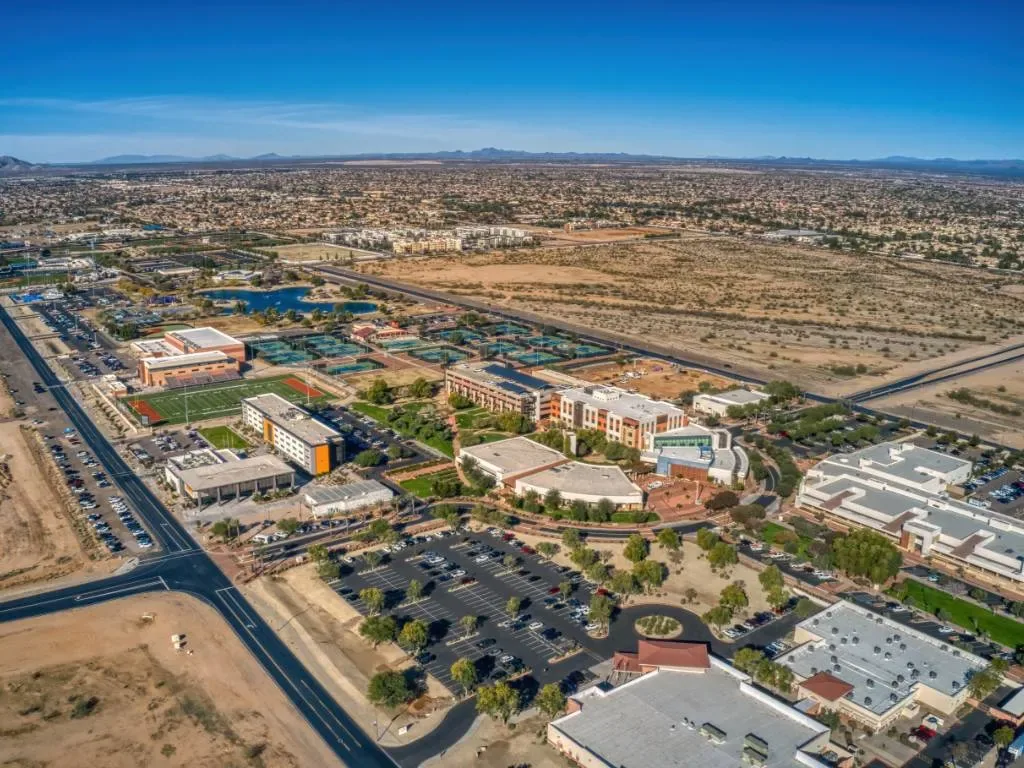
Related Roofing Work
Set a wind-repair work window
Share the roof plan, affected areas, access route and building schedule. We can coordinate a roof walk, secure exposed sections when conditions allow, and prepare a written scope with the repair boundary and remaining checks.