A commercial roof near Surprise's Loop 303 corridor should be evaluated against the building's use and access, not the freeway map alone. The City identifies Loop 303 as a north-south employment and transportation spine, with the Railplex, North Surprise and retail or mixed-use growth areas along or near the route. Those are broad development areas, not a statement about a specific roof. We inspect the actual assembly, plan around the site's service lane and deliveries, and write findings that let the owner decide between repair, testing and larger work.
Coordinate access as interchanges change
Loop 303 access and arterial work can affect how materials reach a project, but each property has its own gate, staging area and operating schedule. Before a roof walk, confirm current routes with the site lead and identify where a lift can stand without blocking loading or tenant access. The City has reported interchange planning and arterial upgrades at Loop 303 and US 60, along with improvements at other interchanges. That regional work is a reason to verify logistics with the site contact; it does not tell us whether a particular entrance is open or closed. Record the confirmed gate, delivery window and staging point in the work plan.
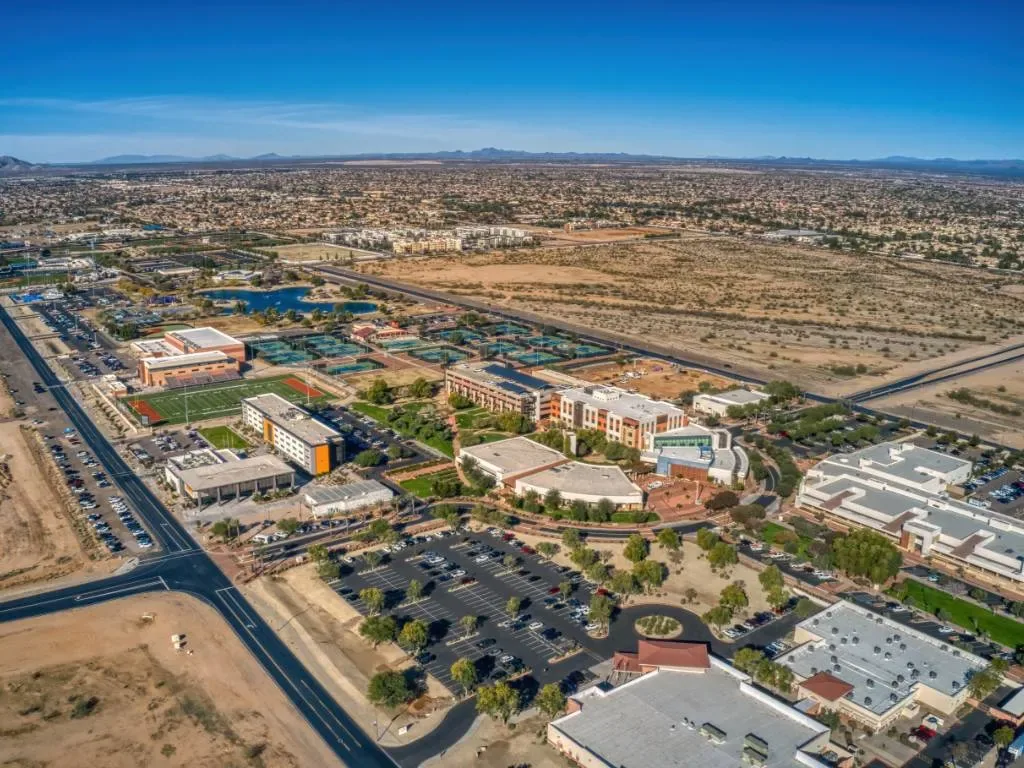
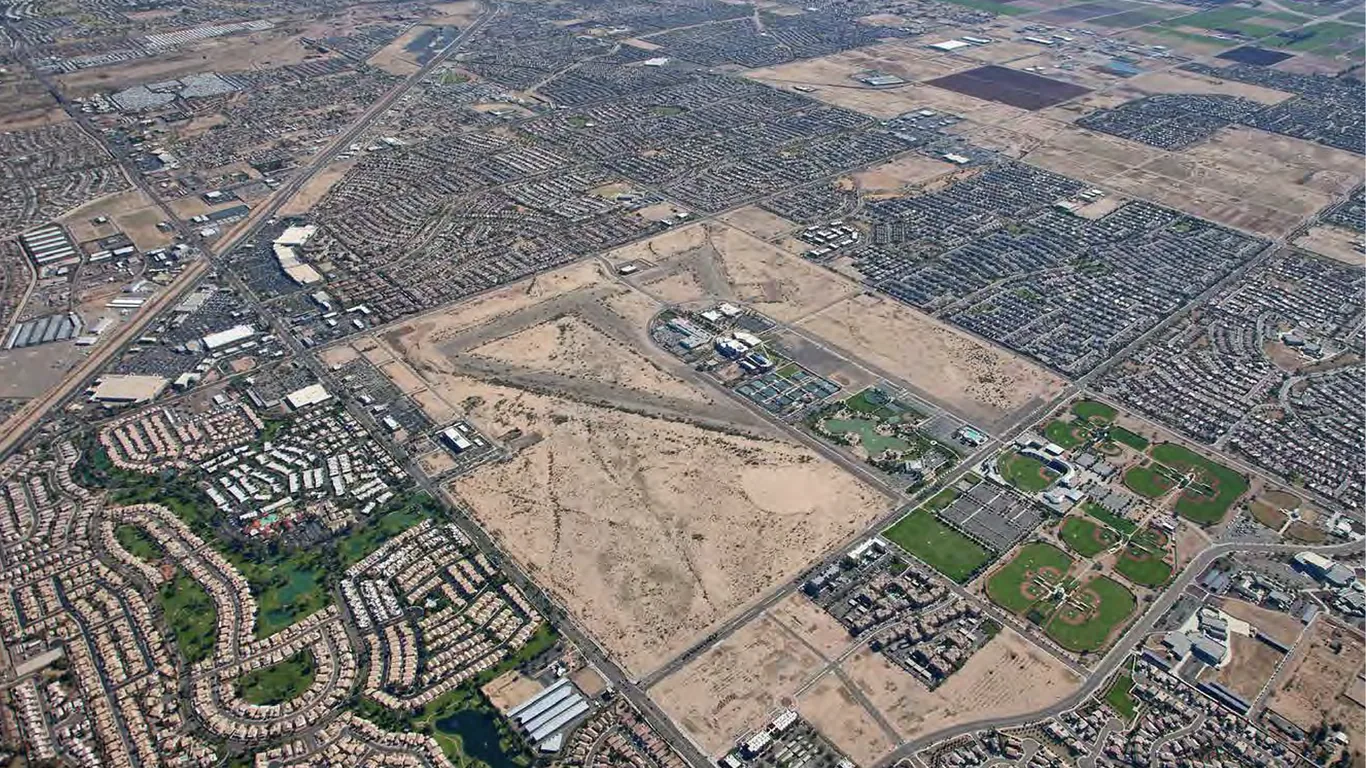
The corridor includes different kinds of development. The Surprise Railplex is a broad industrial area with freight access, while North Surprise is planned for employment and mixed use. Cactus Road and Loop 303 is a multi-development commercial corridor near the city's southern boundary. We keep those areas distinct in the scope. A Railplex inspection, North Surprise roof walk and work near Cactus Road each need the relevant site contact, safe access and roof plan.
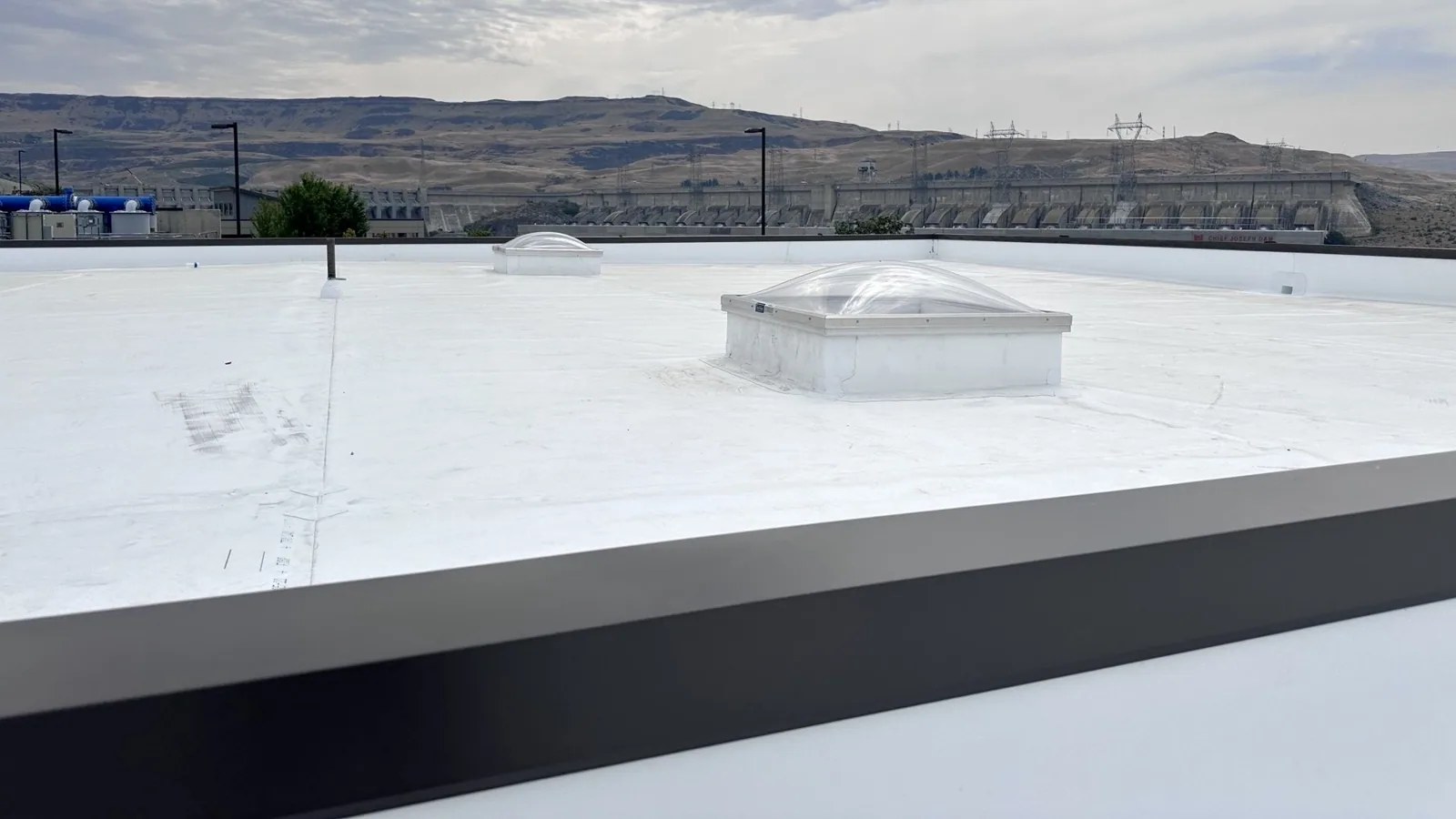
On the roof, we identify the assembly where possible and inspect edges, laps, transitions, drains, equipment curbs and earlier repairs. If a building is new or under construction, verify which roof layers are installed and whether the area is ready for inspection. A commercial roof inspection can note completed sections and open construction items. We do not assume that a corridor project is a warehouse, retail center or office; the owner or general contractor confirms the building's actual use.
Inspect details exposed to heat and storms
Summer heat in the Phoenix region makes membrane, flashing and sealant condition worth checking, especially where the roof changes direction or meets equipment. We look for brittle material, open seams, loose edge attachment, separated sealant and surface wear. A faded membrane does not by itself require replacement. We connect each observation to a possible water path, remaining material condition and next test. Where roof coatings are present, inspect adhesion and terminations before considering another application.
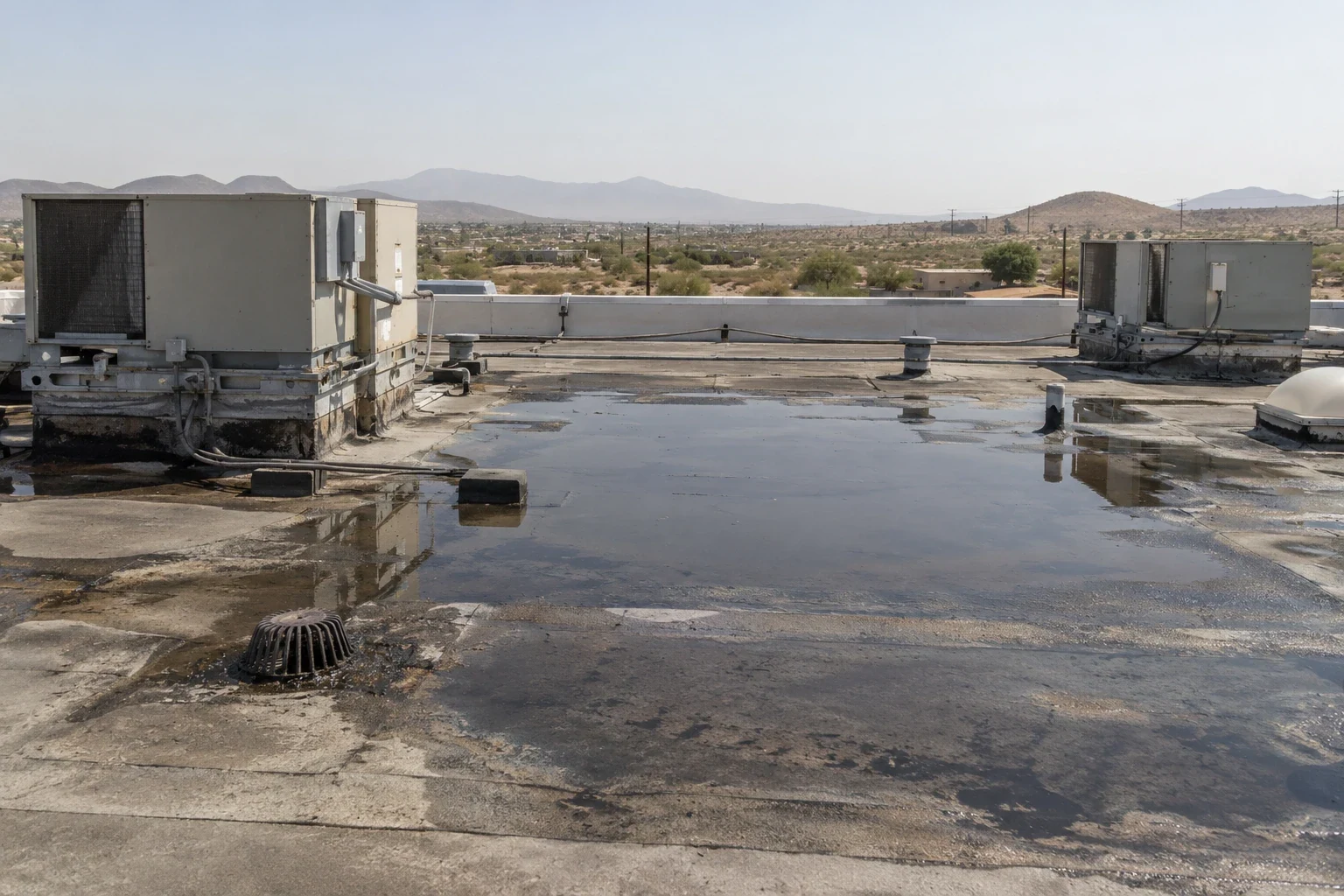
Phoenix-area monsoon thunderstorms can produce damaging wind and heavy rain. After an event, inspect the edge, roof-to-wall transition, equipment curbs and drainage outlets, then photograph any actual displacement or opening. A regional storm pattern does not show that a particular property was struck. If water remains on the roof, map the area and check drainage before treating it as a membrane failure. A ponding-water repair review can address the observed low point or outlet condition.
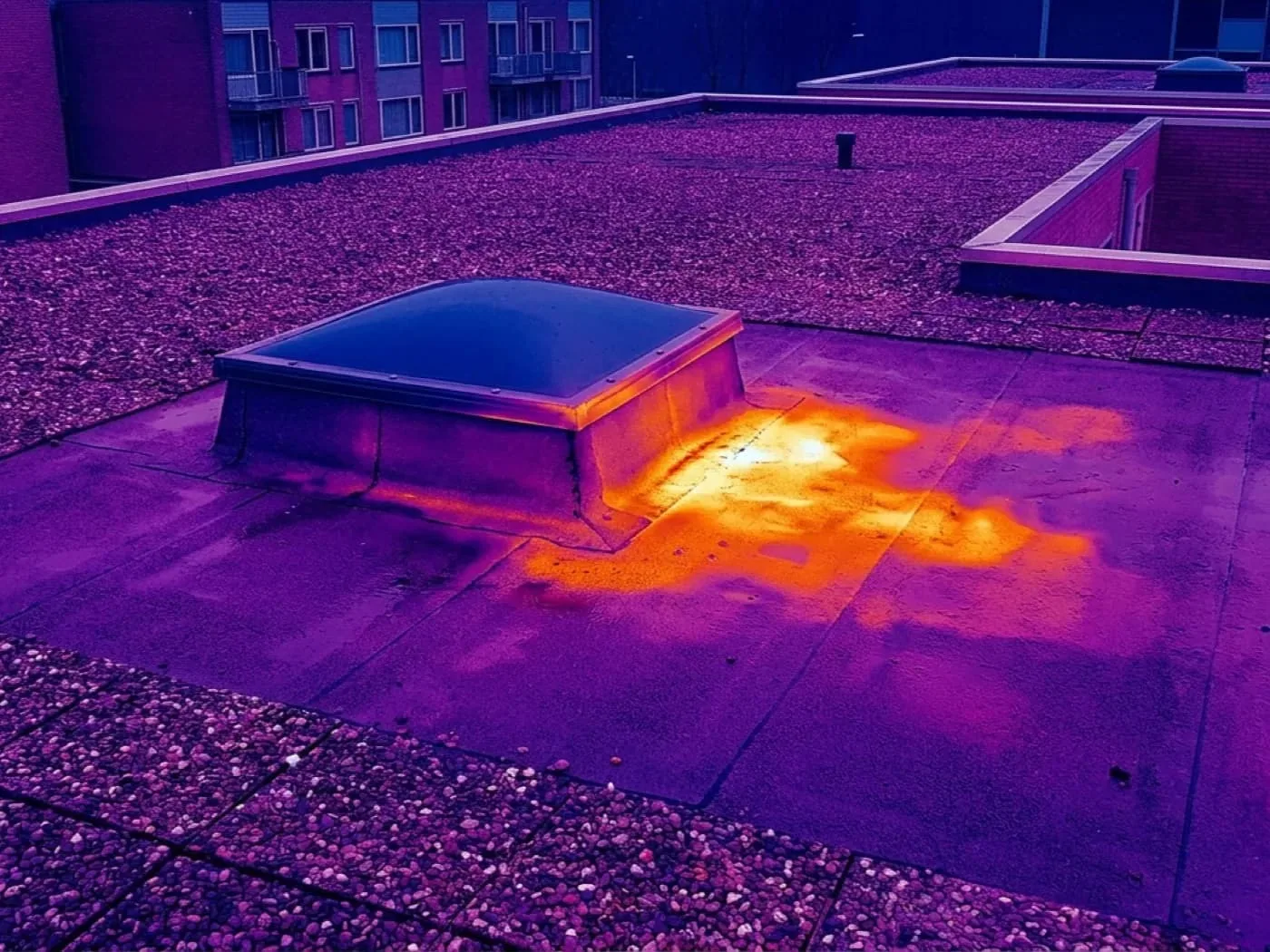
Loop 303 ties together employment and mixed-use development, so a single project may involve a new roof, active tenant space or an operating industrial building. In each case, the inspection should record roof sections, traffic areas, service routes, drain locations and rooftop equipment. If a mechanic or solar contractor has crossed the membrane, note the path and any altered flashing. We can provide a moisture survey where surface appearance leaves a question below the sheet, then recommend verification before scope is finalized.
Choose work that matches the roof
A localized seam, curb or drain defect may be repaired when the surrounding assembly is sound. We specify preparation, compatible material, tie-in, test and limits. If defects recur across several sections or moisture is confirmed below the membrane, a wider evaluation may be needed. A coating or recover depends on substrate condition, attachment, existing layers, drainage and project code requirements. Tear-off exposes concealed materials but changes debris handling, access and schedule.
A change to roof layers can alter the permit path. Surprise's adopted 2024 building and existing-building requirements include local amendments and took effect at the start of 2026. We document the existing assembly, insulation, penetrations and planned tie-ins so the project team can confirm review requirements before setting procurement and schedule. A replacement scope should distinguish known quantities from allowances for concealed deck or insulation repairs.
Cost and timing also follow the building's access, roof height, material availability, equipment relocation, interior protection and occupied hours. At an active property near an interchange or arterial project, confirm delivery and staging directly with the site manager. We prepare a scope that can be scheduled in phases if daily dry-in and tie-ins can be maintained. If a roof opening is active outside the planned window, we provide emergency response around the clock and document temporary protection separately from permanent repair.
Keep the roof record tied to the site
Closeout should identify the roof plan label, work completed, materials used, photographs, areas not reached and any follow-up test. If the repair was adjacent to rooftop equipment, note who controls future service work and where the flashing responsibility sits. That record is valuable when the next trade needs access or a leak appears nearby. The condition report can preserve findings, while the asset register can keep the repair history attached to the same building and section.
The north-south freeway corridor is broad, but service scope remains property-specific. We can meet with a general contractor, property manager or facilities lead to walk the roof, review existing documents and identify what needs immediate attention. Bring the roof plan, leak history, site rules and any planned mechanical work. We will separate the confirmed defect from a suspected moisture area, then provide options the owner can compare.
For a roof that needs urgent attention, call for emergency protection at any hour. For planned work, coordinate a roof walk before delivery routes or tenant schedules become fixed. Whether a building sits in the Railplex, near Cactus Road or in North Surprise, a useful roofing decision starts with its own membrane, transitions and drainage. We can return a written repair boundary that tells the project team what to do next and what condition could expand the work.
Commercial Roofing Questions
Does Loop 303 define one commercial roofing service area?
The corridor includes several development areas with different uses and access needs. We confirm the exact property, building contact and roof condition before setting the work scope.
Will road construction affect a roof project?
It can affect delivery routes or staging, but the site lead must confirm current access. We check the planned route before scheduling a lift or material drop.
What roof details are checked after high wind?
We inspect edges, terminations, equipment curbs, penetrations and drains for actual movement or openings. Photos and plan labels keep the findings tied to the roof rather than the event report.
Can you inspect a roof during construction?
Yes, once the relevant area is safe and the installed layers are ready for review. We coordinate with the general contractor and list incomplete or inaccessible details for a return visit.
How do you decide between repair and replacement?
The spread of defects, moisture, attachment, deck condition and repairability determine the comparison. We explain confirmed findings and list the test that could change the recommendation.
Ready to review the roof scope?
Request a Roof Assessment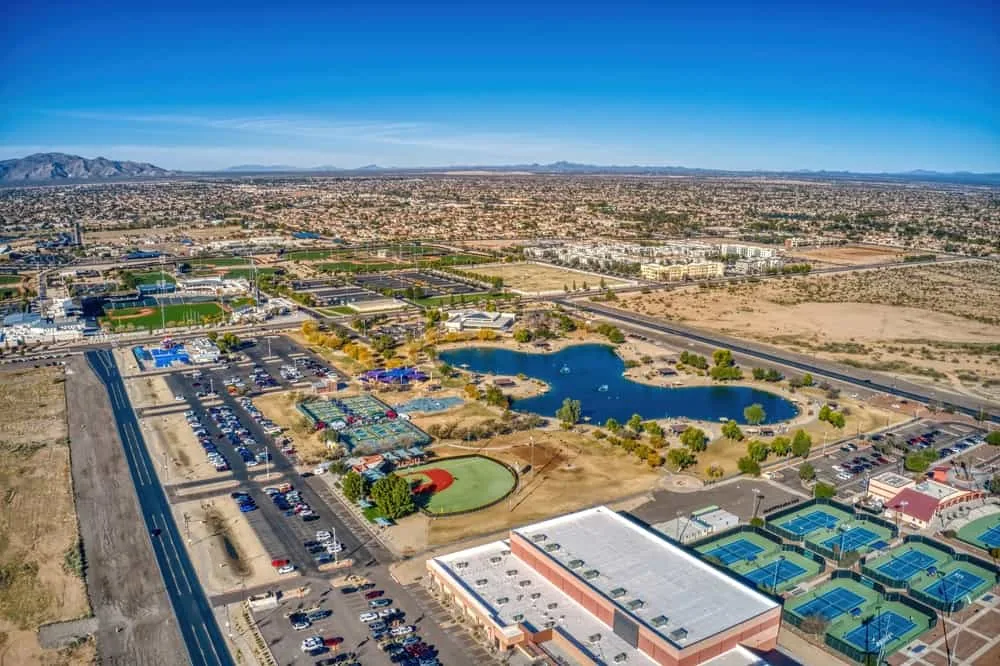
Related Roofing Work
Set a roof inspection around the site route
Send the property location, roof plan, access rules, loading schedule and current leak notes. We can inspect the roof, document the repair boundary and identify testing or permit questions.