More About Our Commercial Roofing Services
Choose work that fits the assembly
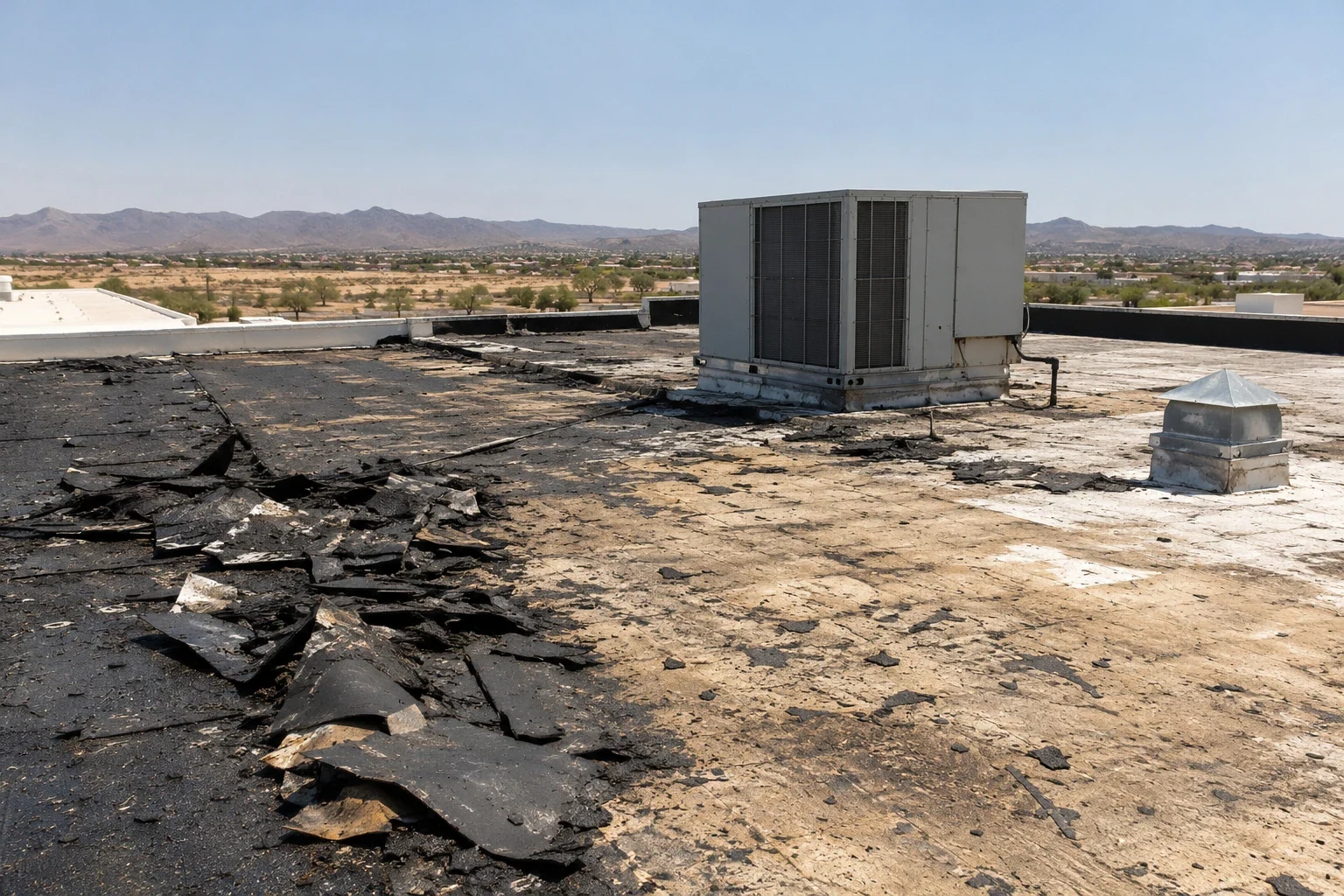
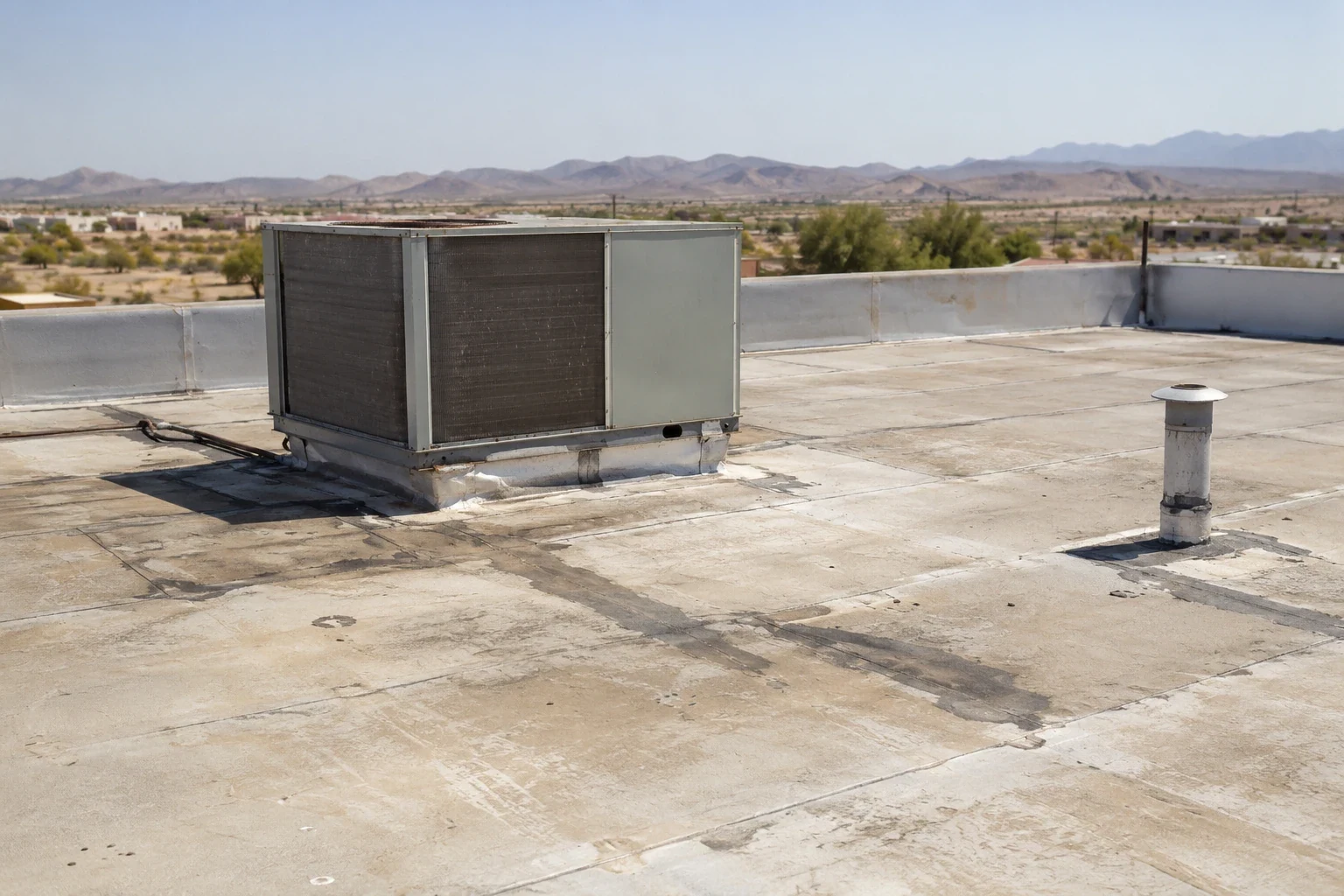
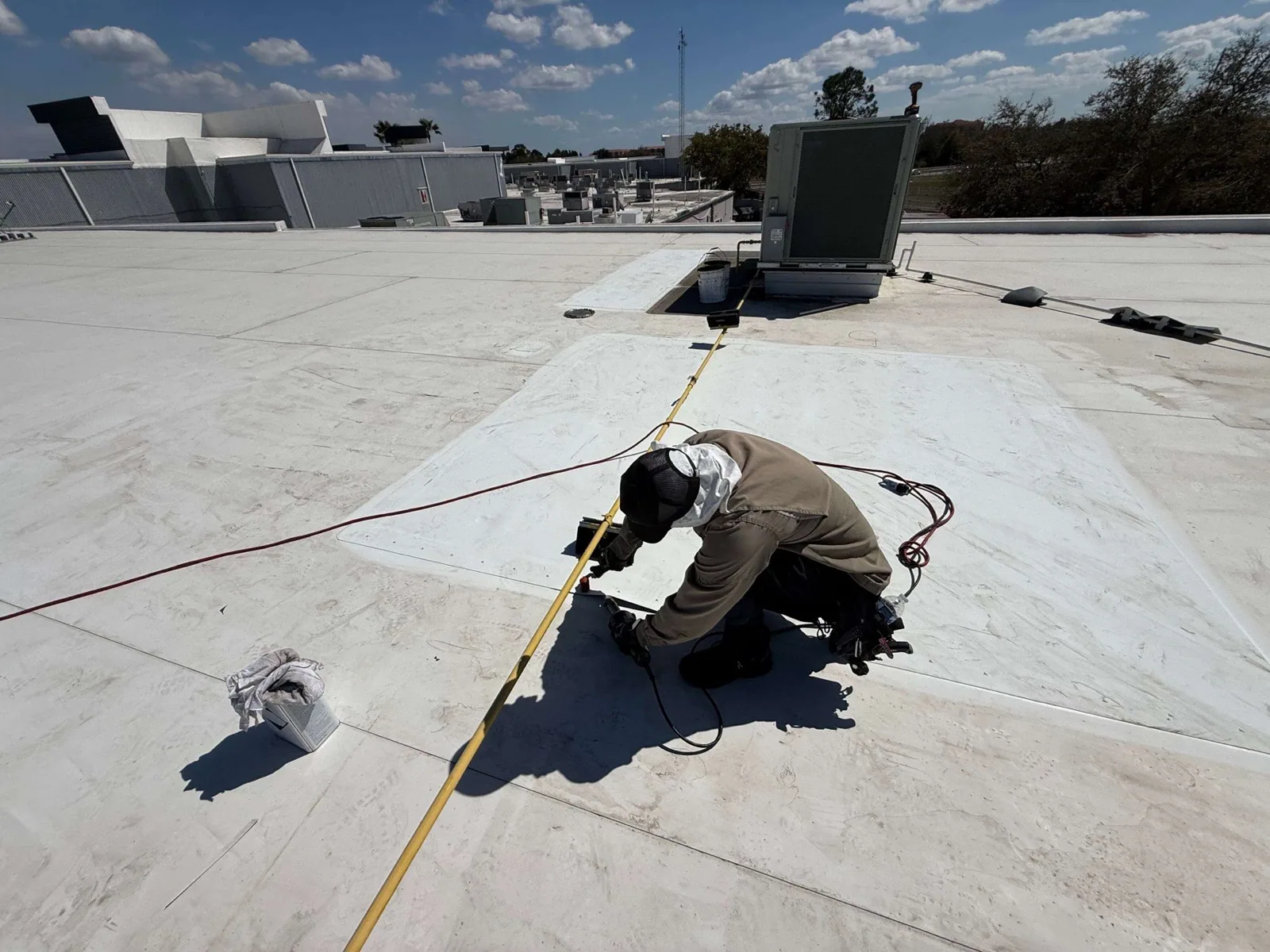
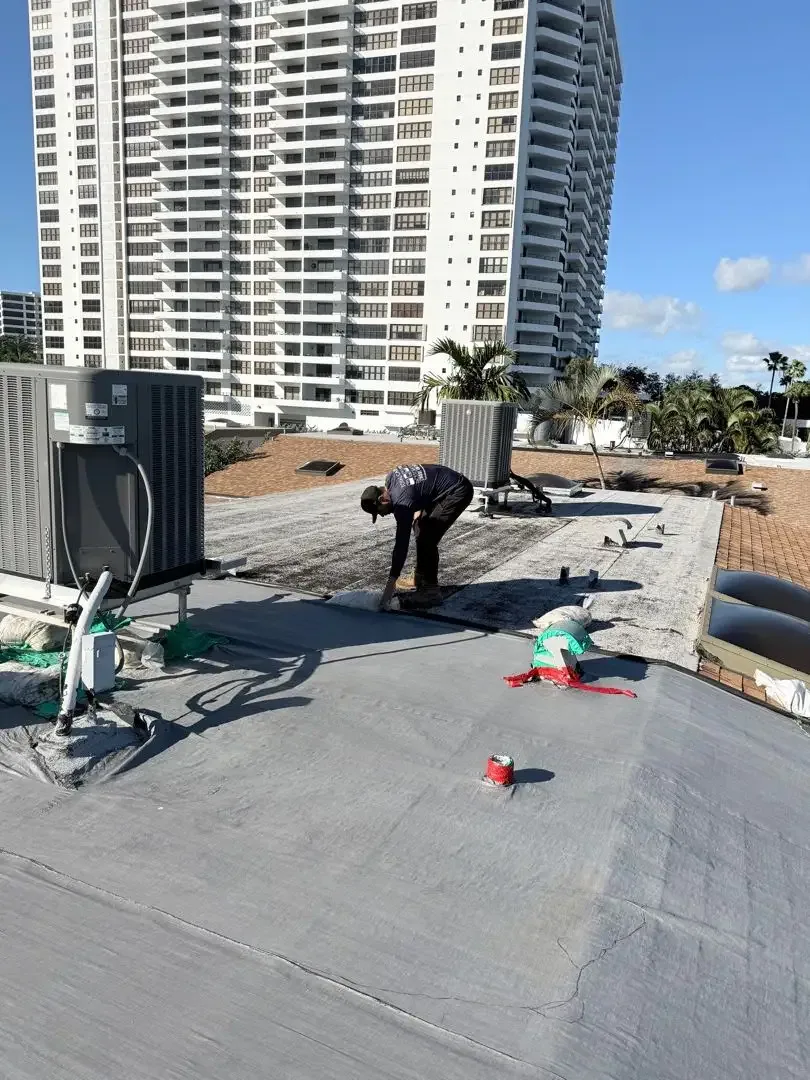
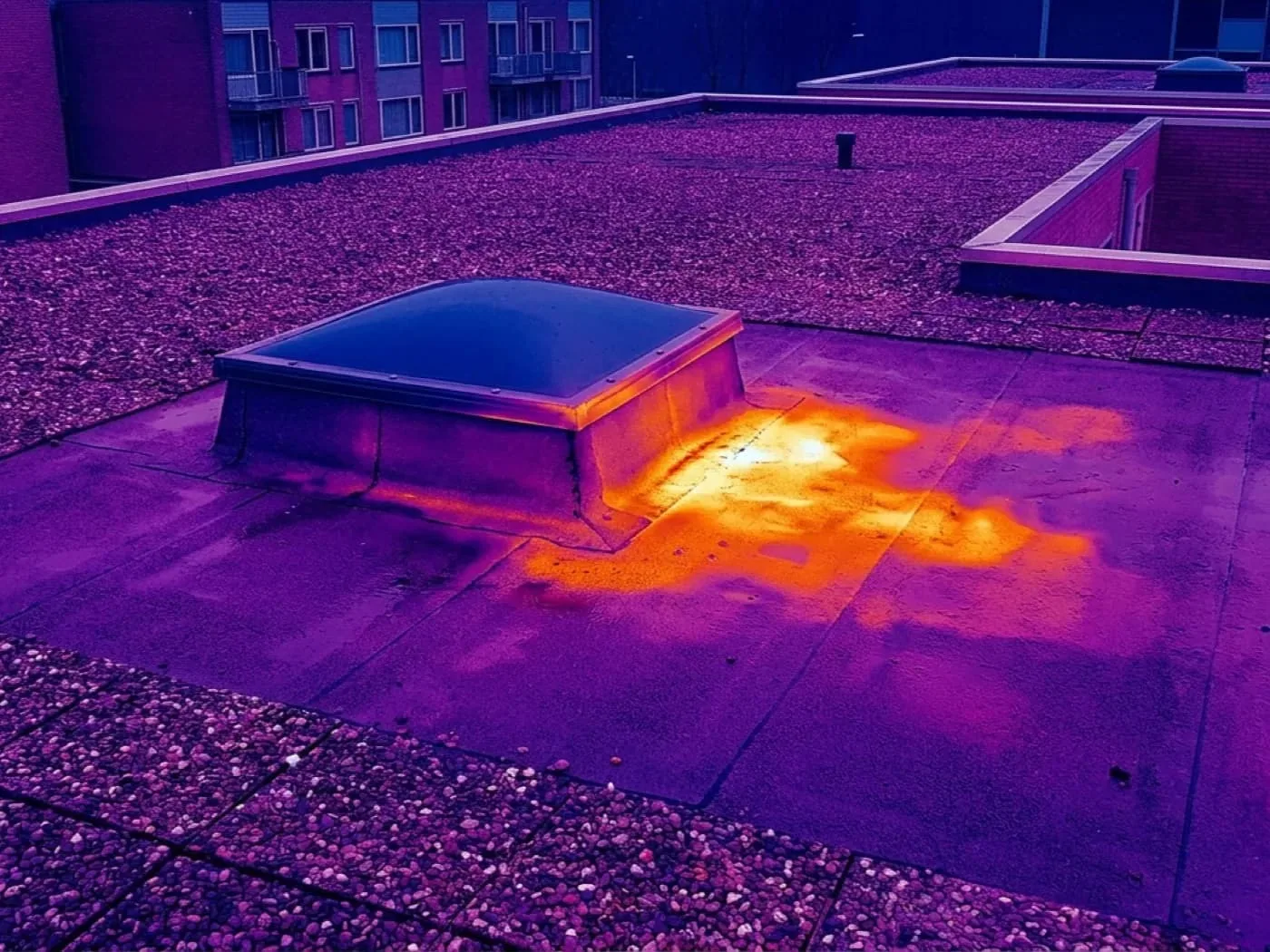
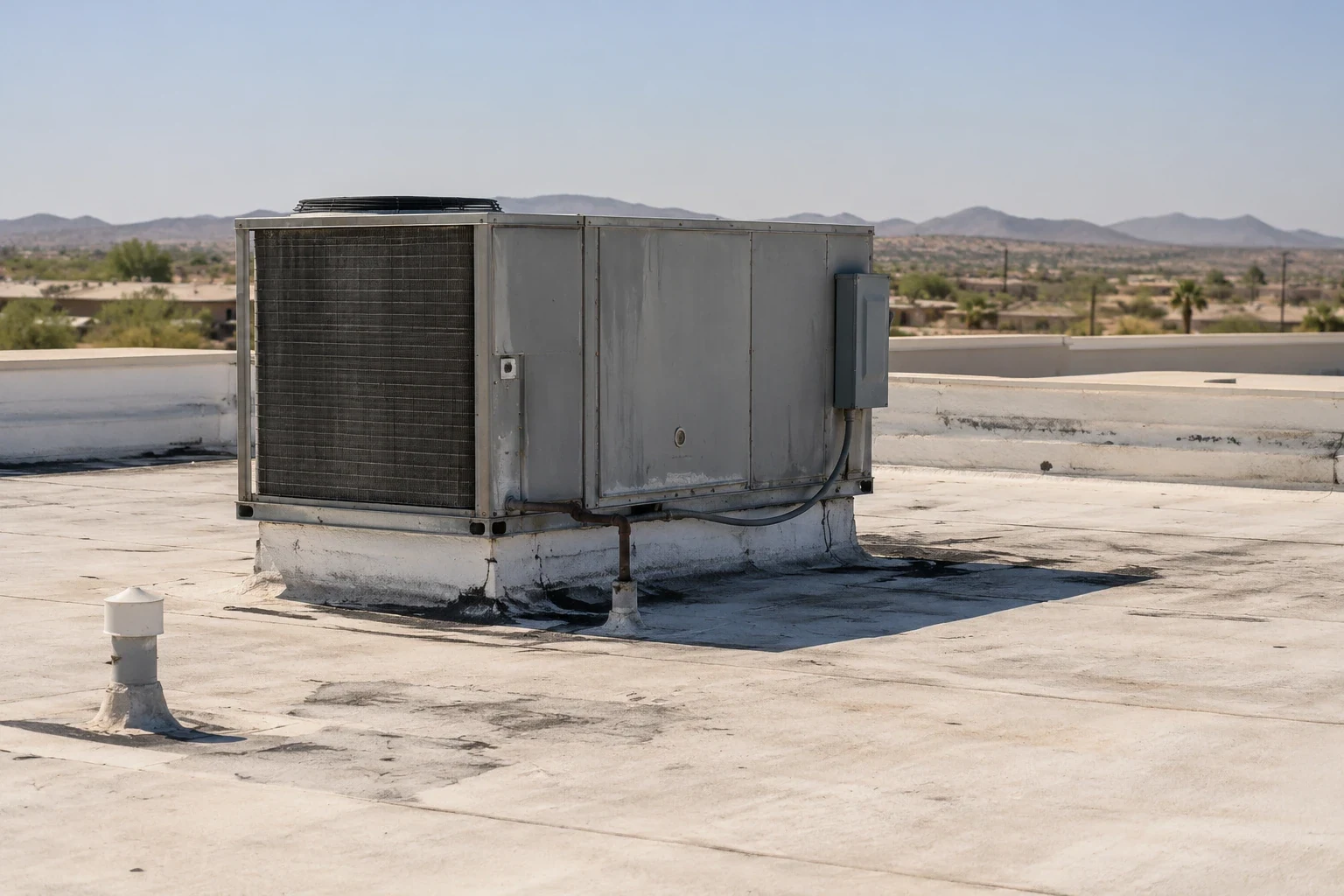
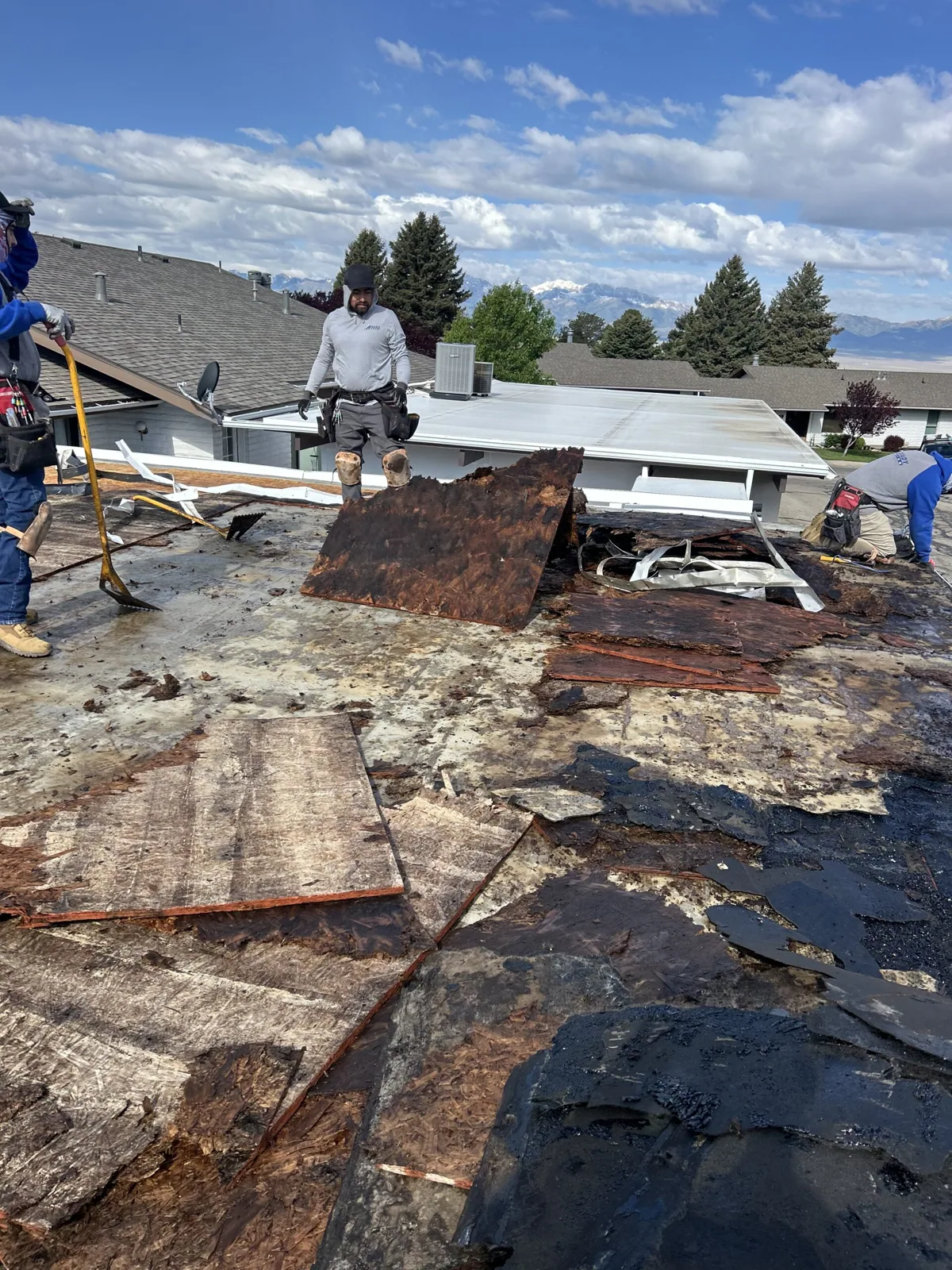
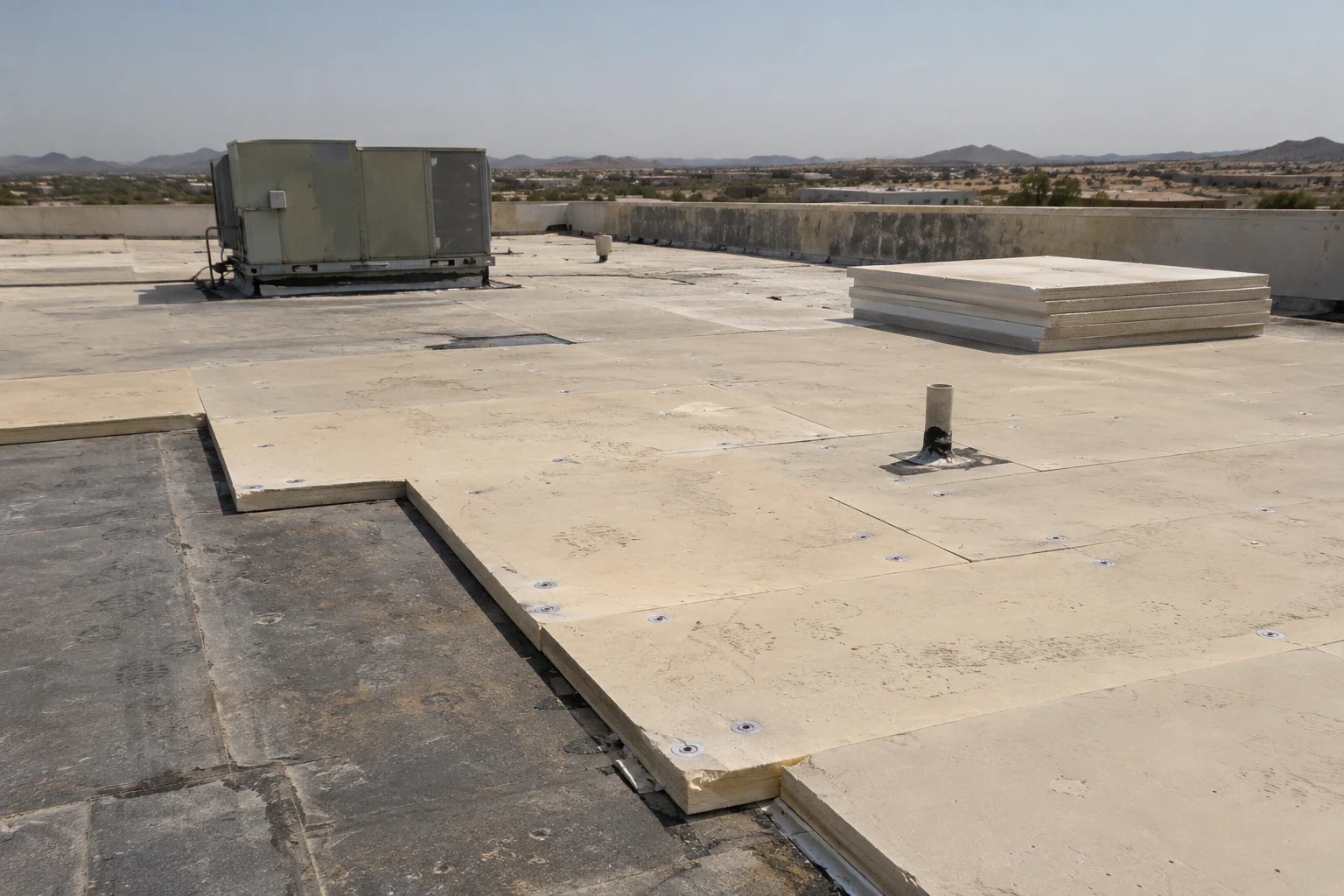
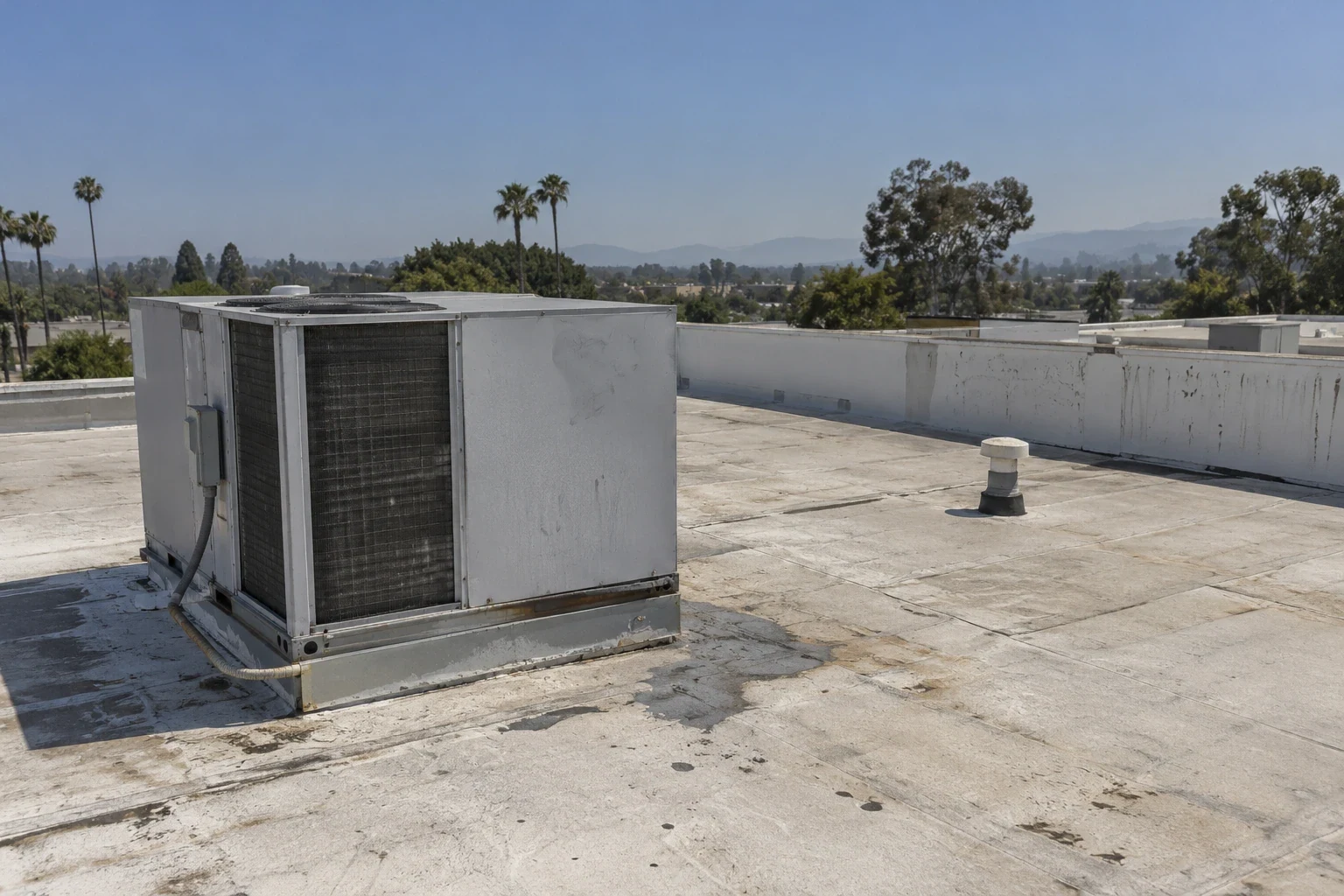
A patch can solve a contained defect when the surrounding surface and attachment remain sound. If moisture, repeated seam trouble or failed flashing extends farther, we map the affected zones and compare repair with restoration or replacement. Emergency response runs day and night, including holidays, with permanent work based on what the inspection can confirm. Our emergency roof response addresses exposure first, then records what still needs a scheduled return. A written condition report with inspection photos gives the owner a usable repair boundary.
Match the roof system to its details
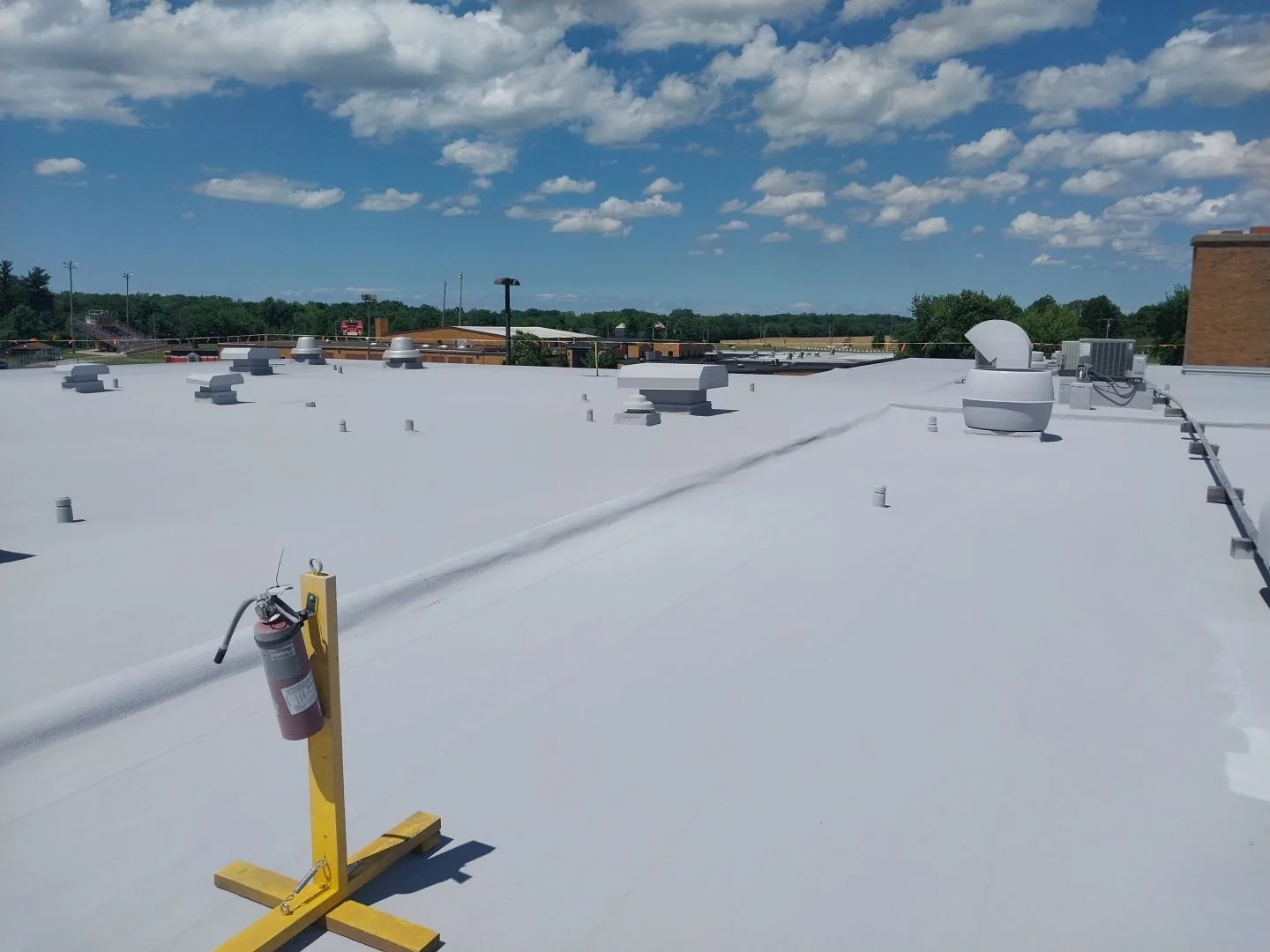
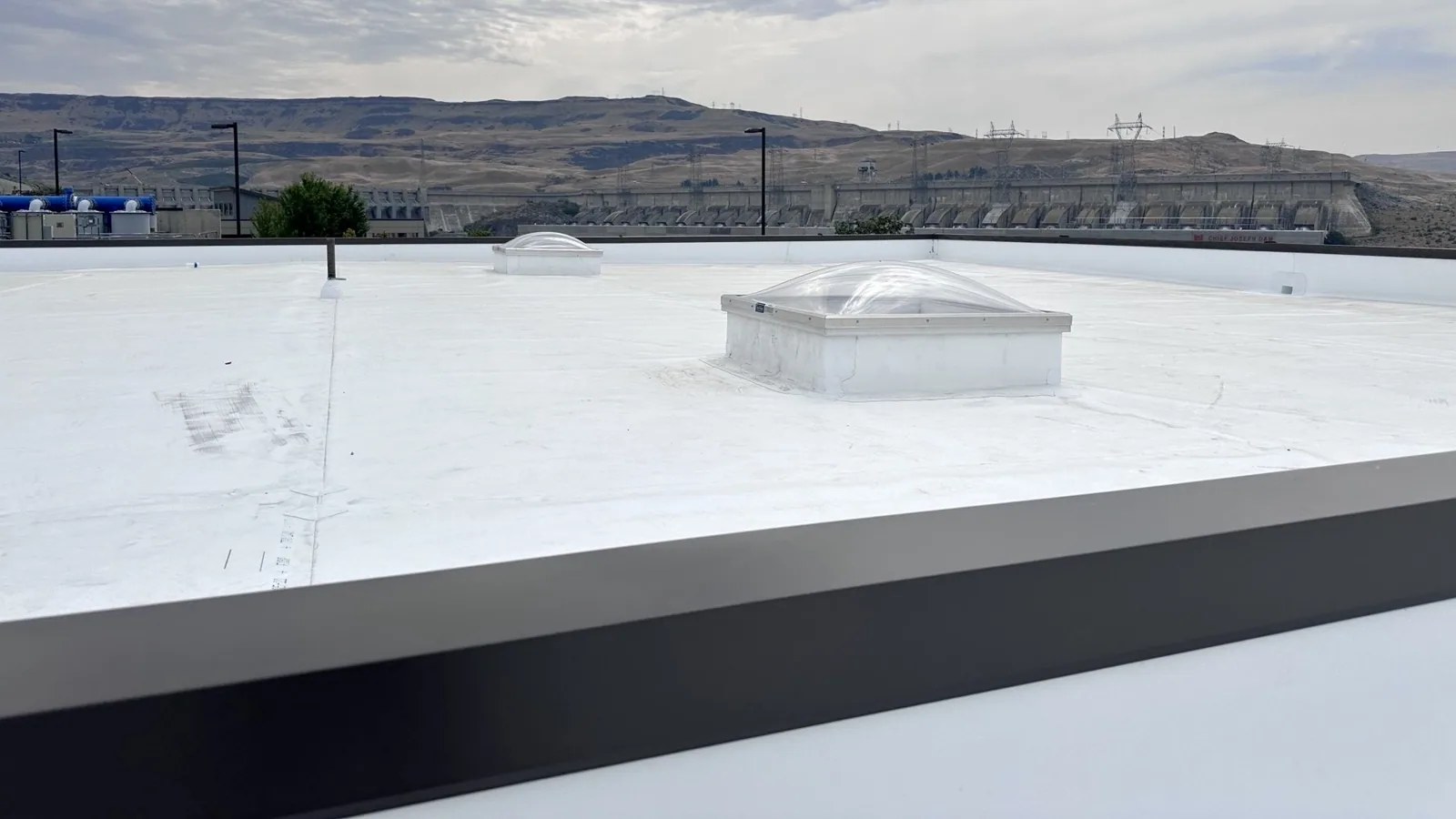
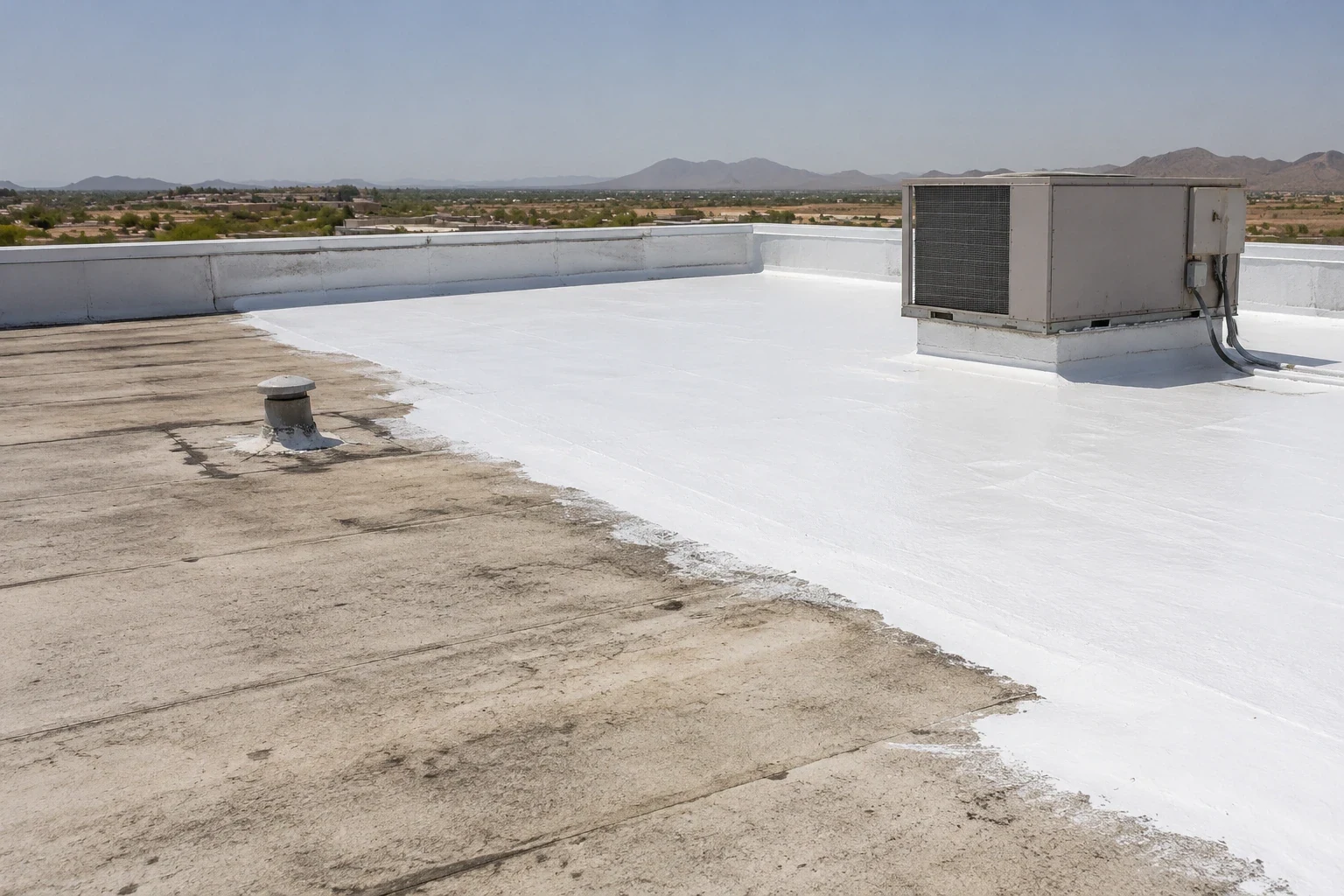
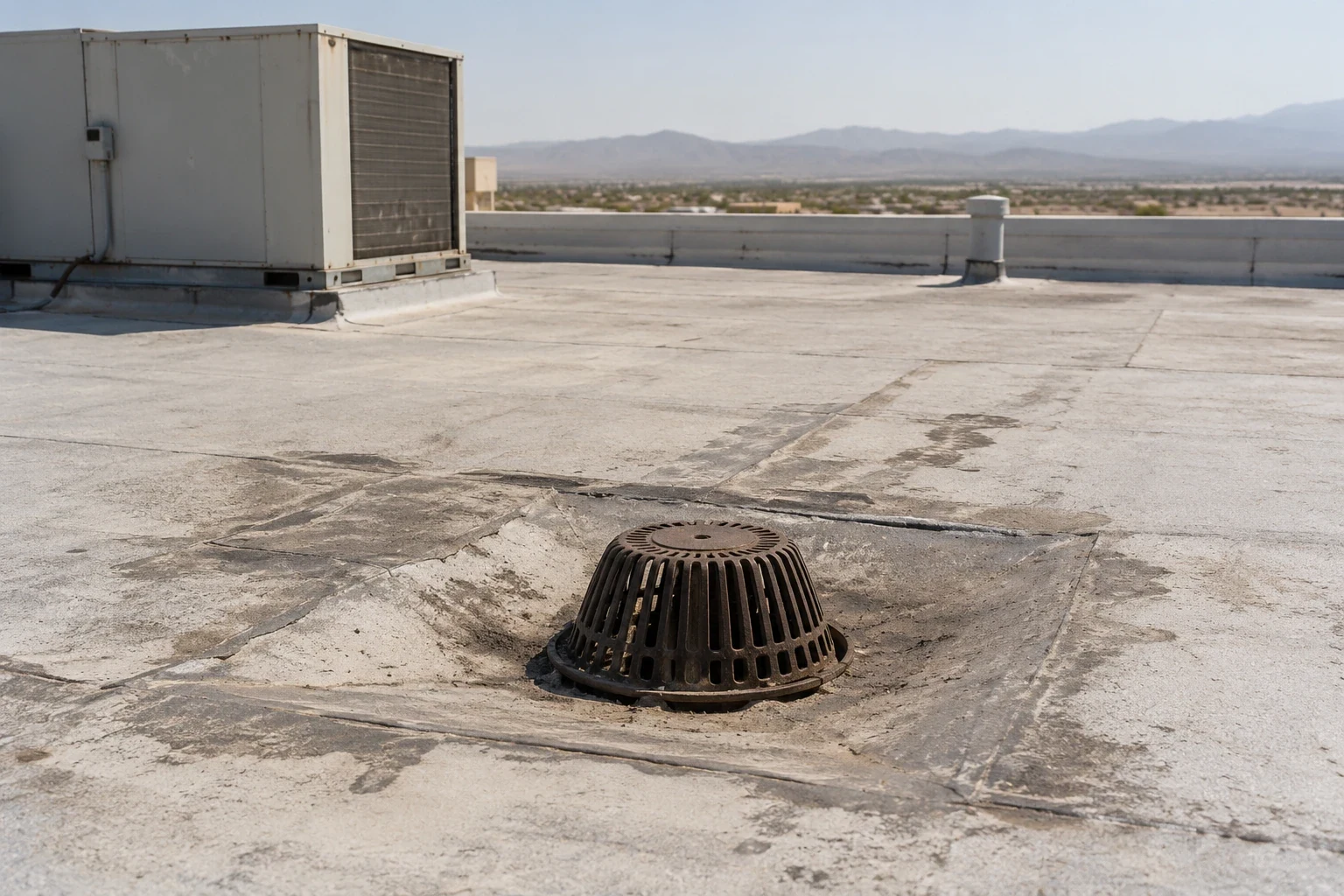
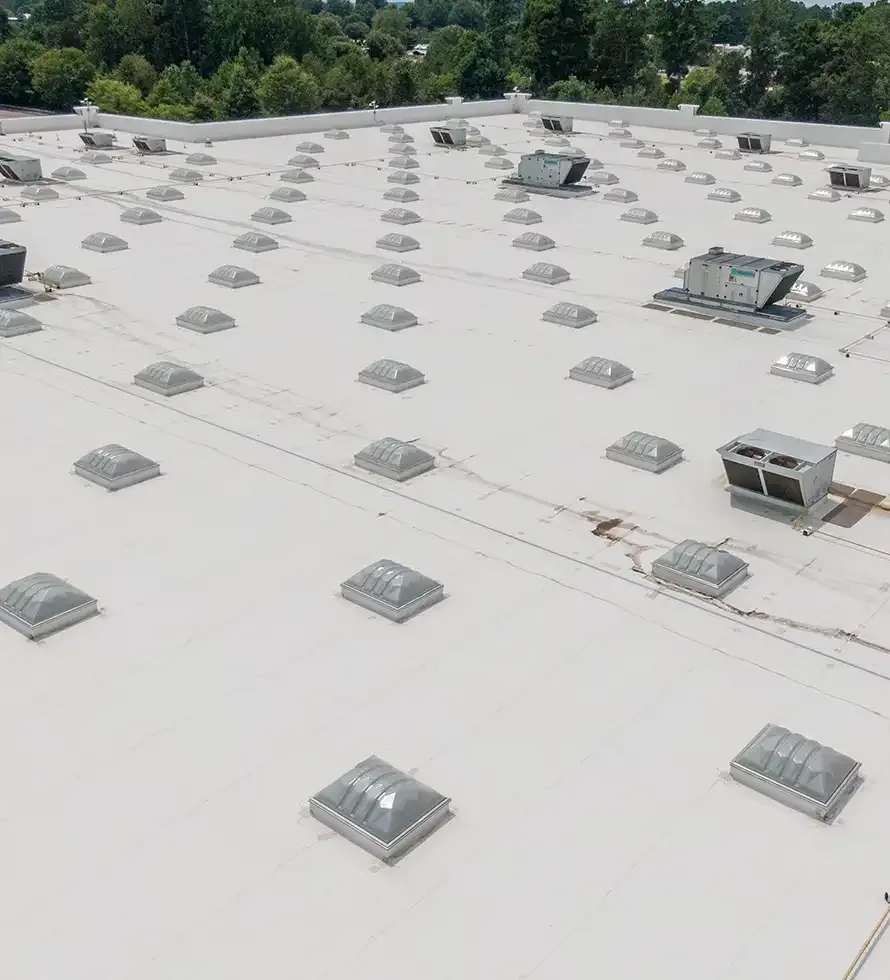
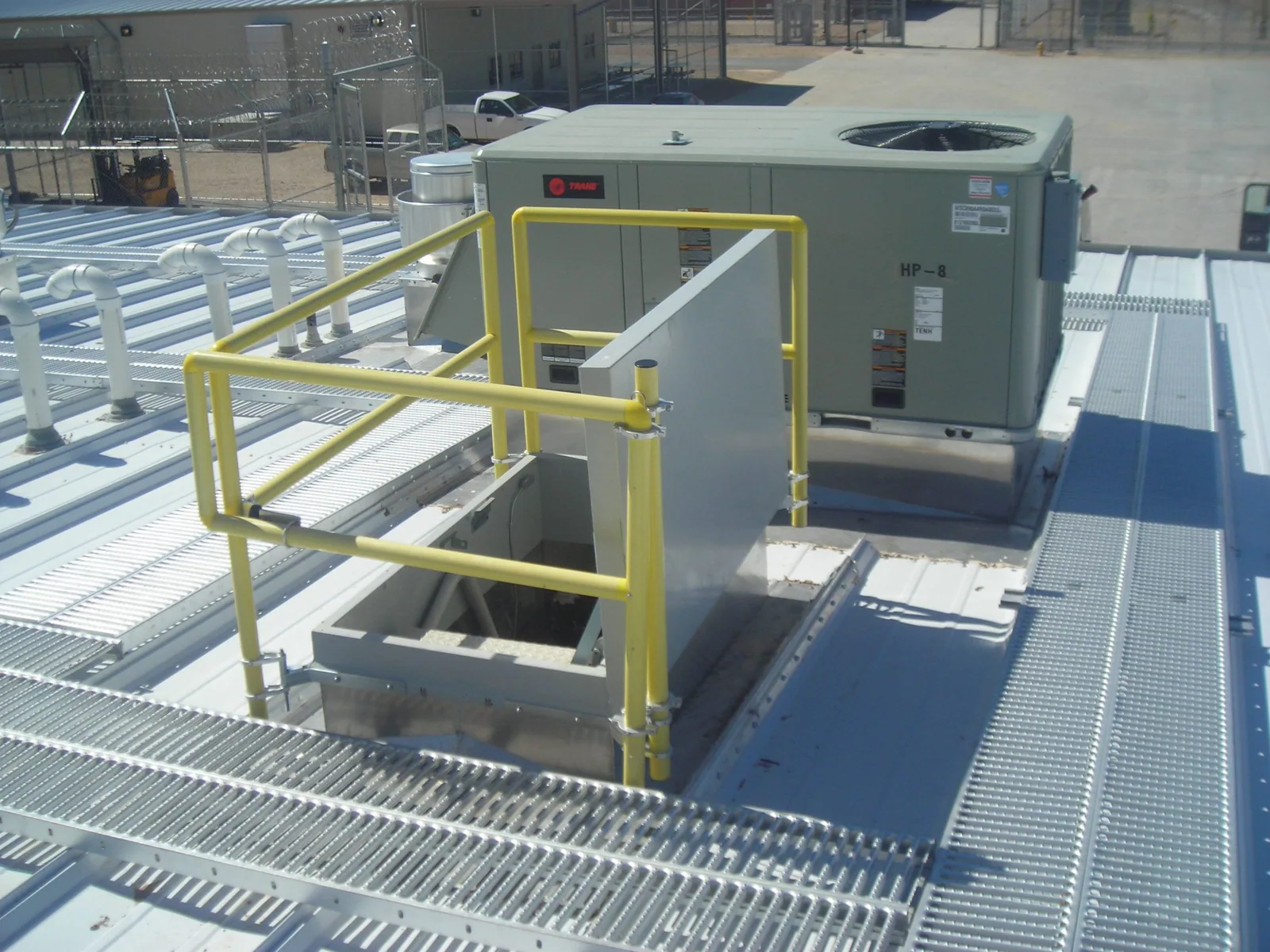
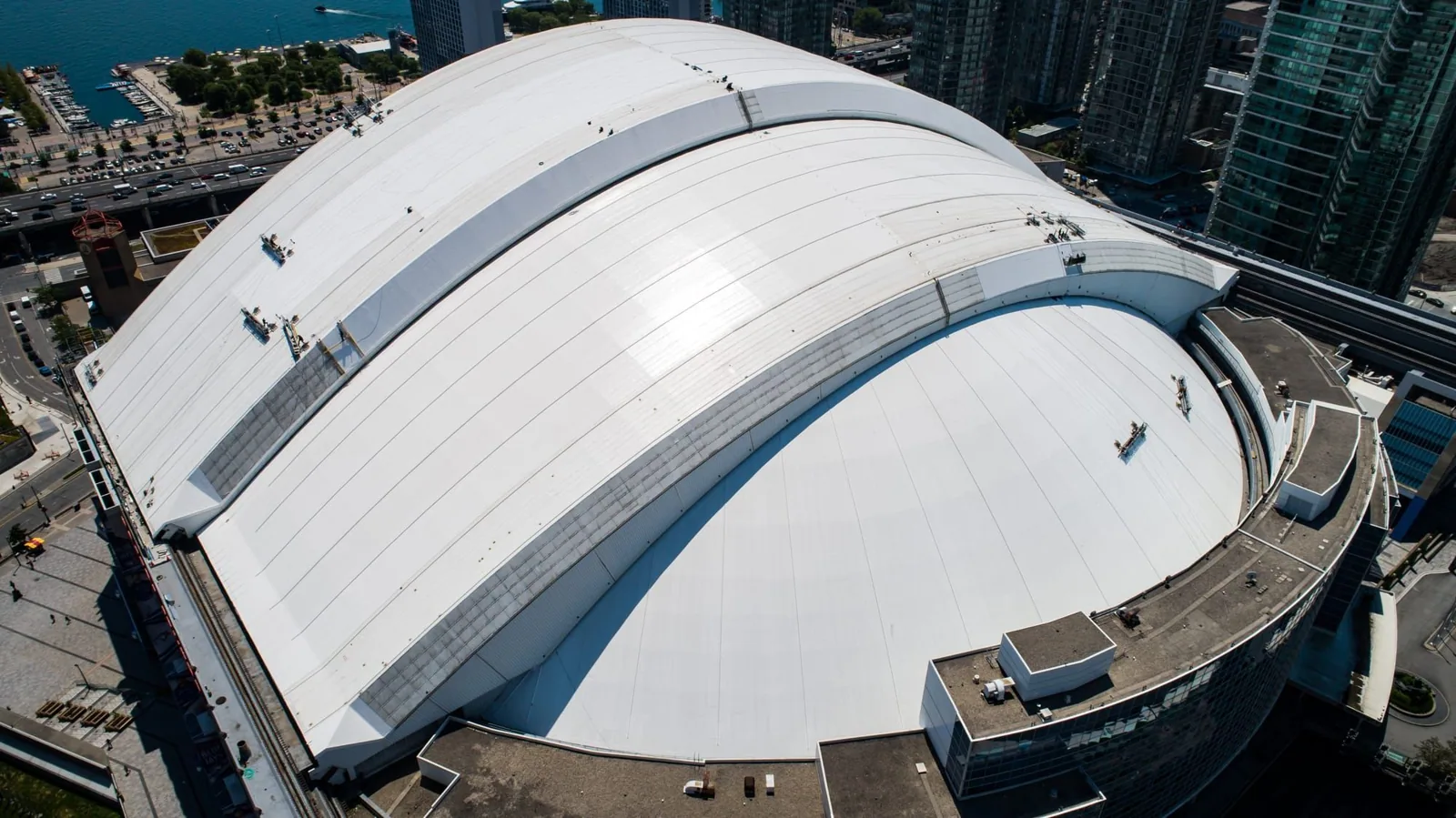
Single-ply, built-up, modified bitumen, metal and fluid-applied assemblies each have details that govern performance. A membrane choice alone does not resolve drain height, curb flashing, edge attachment or the condition of the deck below. We check how water leaves the roof and how equipment work could disturb a seam or support. A TPO system review considers attachment and welds; a coating and restoration evaluation starts with adhesion, substrate and moisture rather than color.
Plan around Surprise operations
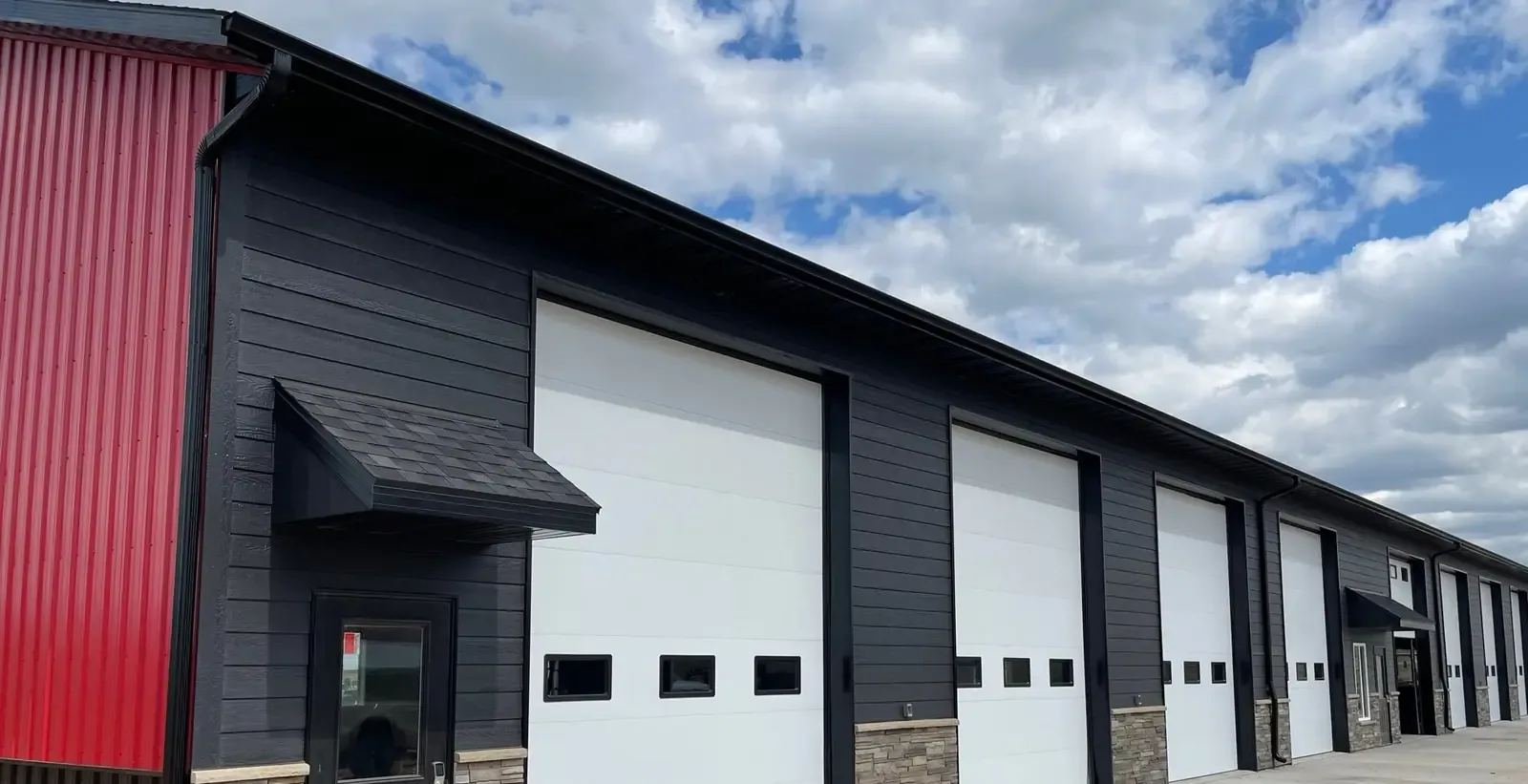
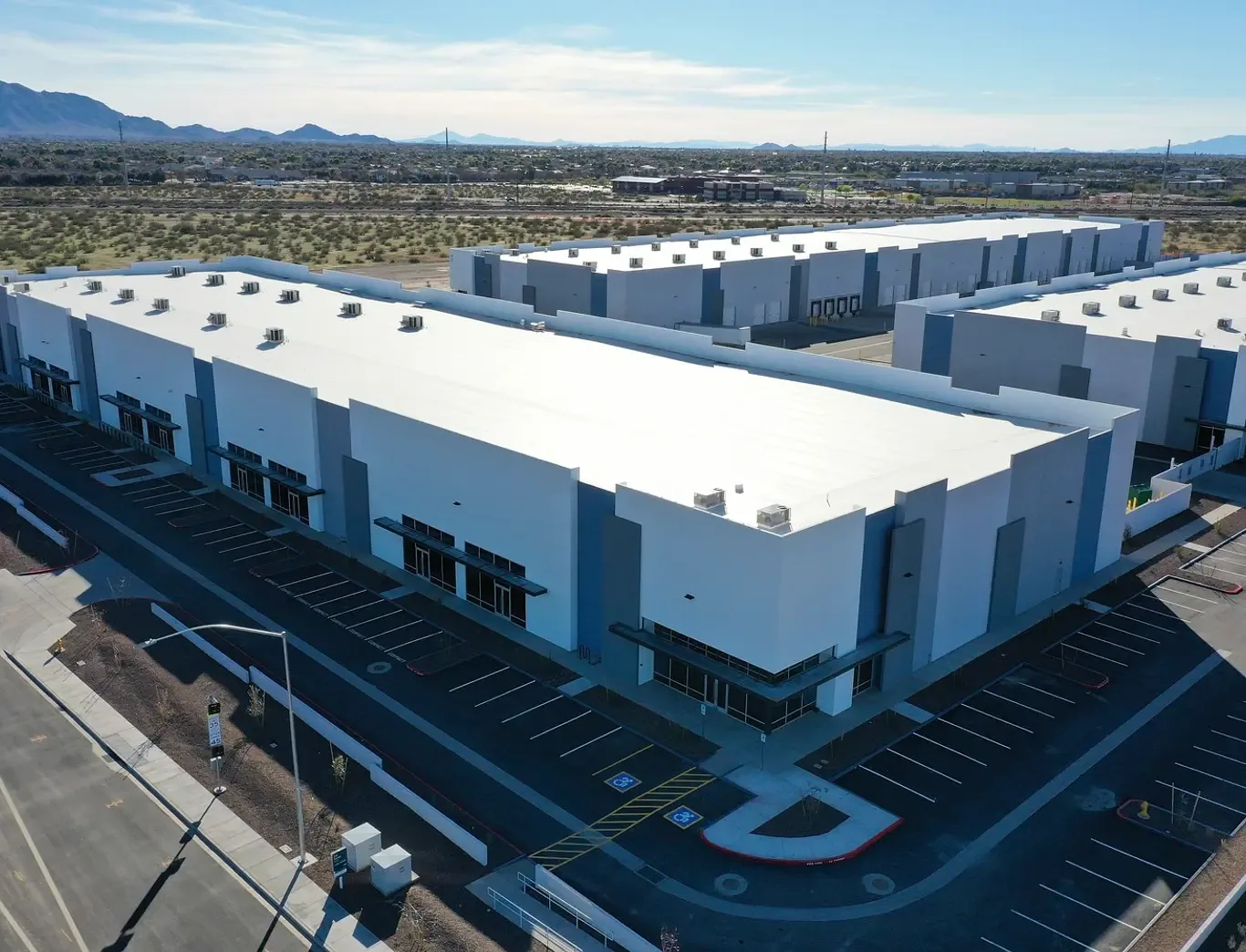
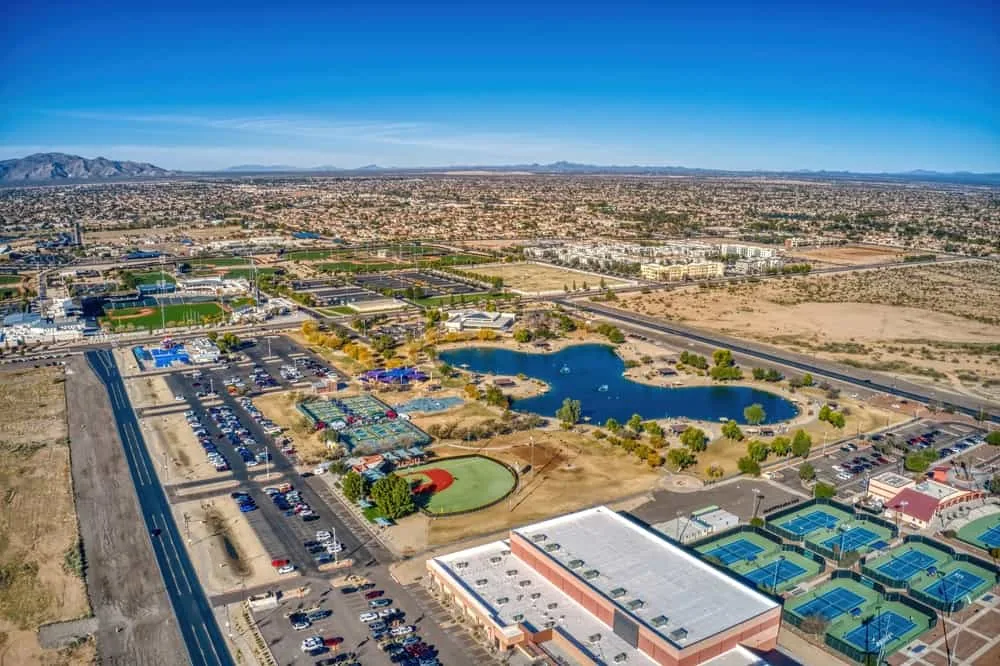
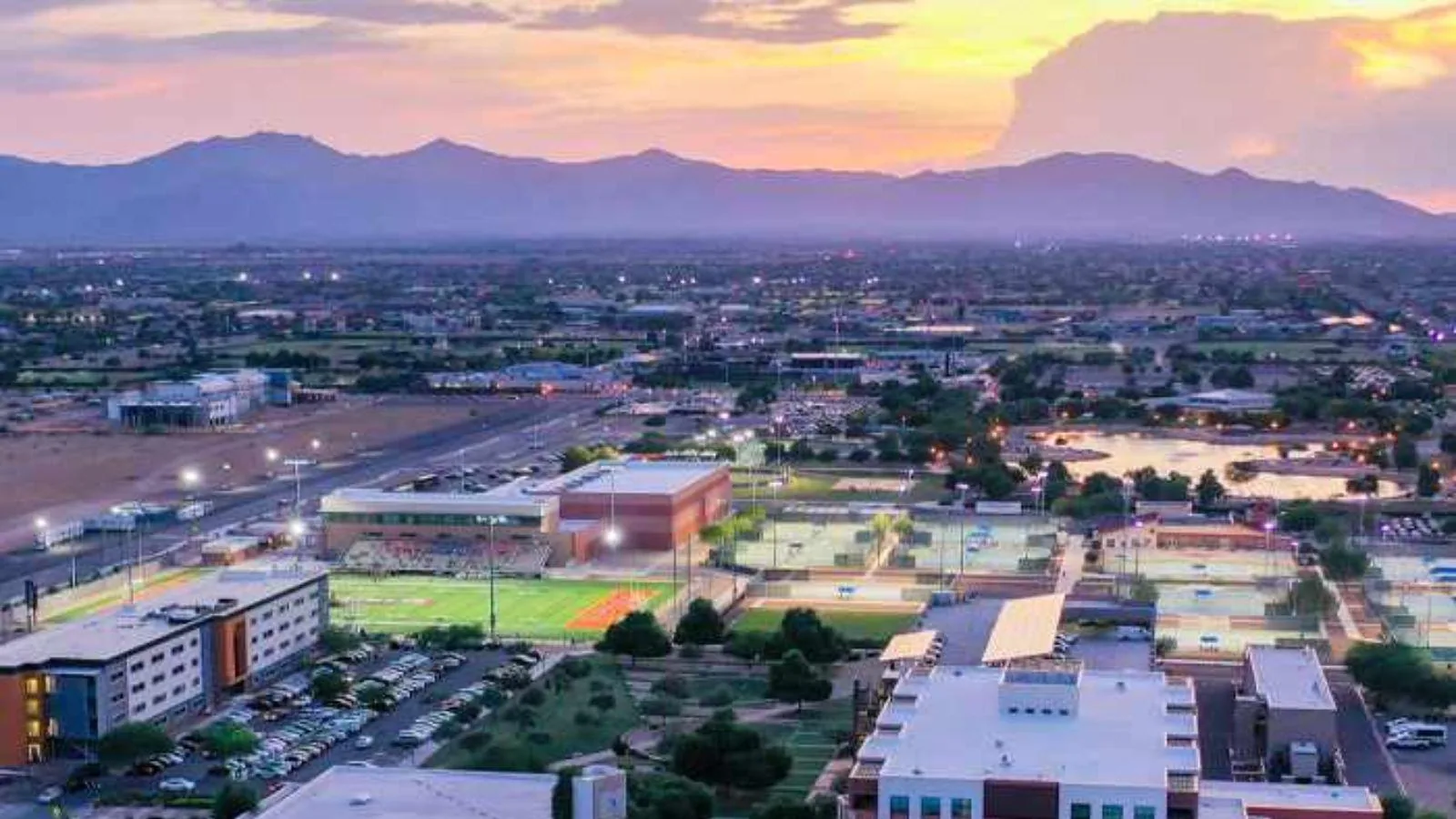
Surprise's Railplex and City Center represent different commercial settings, from industrial activity to civic, medical and retail uses. Roof work has to account for the actual property, not assume that every building in either area shares a construction type. We coordinate roof access, deliveries, tenant hours and temporary protection with the building contact. In the Railplex, the city's economic-development materials describe rail and utility access as part of the district; that context can make staging and active operations part of the planning conversation. It does not identify a roof assembly.
Leave with a clear decision
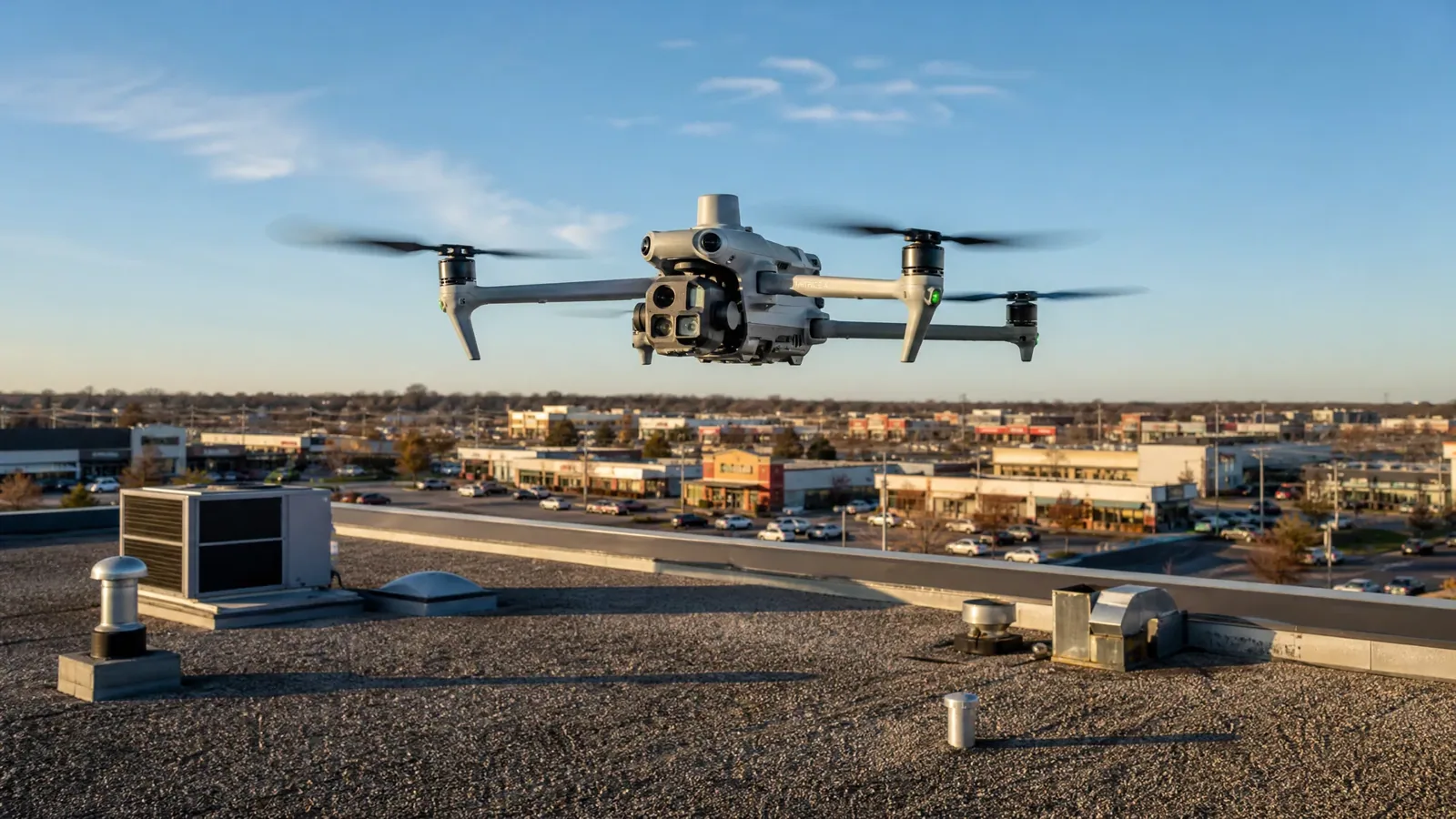
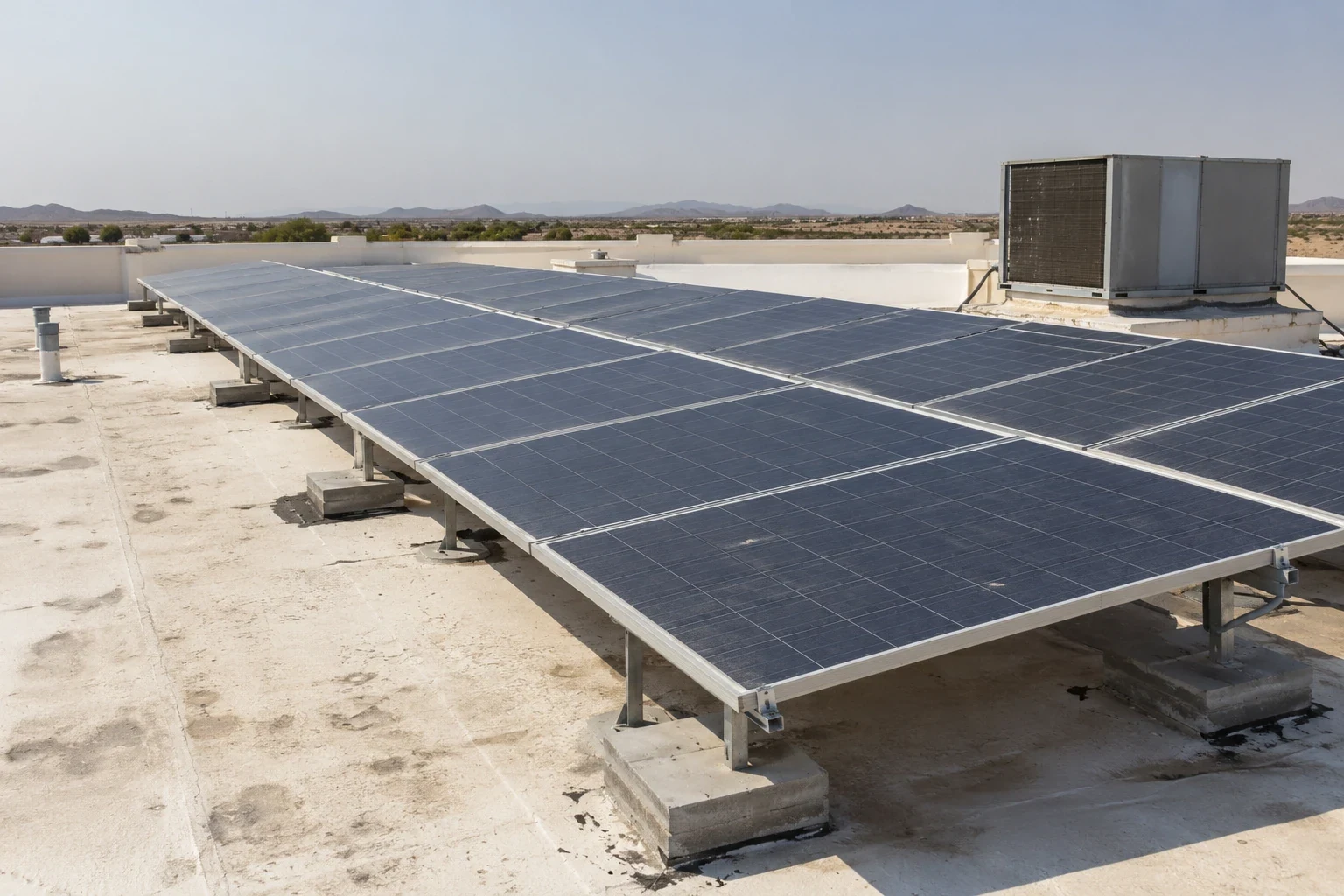
Before pricing, we document the roof areas, visible conditions, access limits and any testing that could change the recommendation. The owner can compare a targeted repair, a recover or a full replacement with the same facts in view. Where roof work meets solar, fire or electrical equipment, current local code requirements and project scope need review before details are set. Bring the leak history, prior repairs and access contact to the first conversation. We can then schedule a roof walk and return a written scope that fits the building's operating window.
Commercial Roofing Questions
What should be ready before a service call?
A leak location, recent repair history, roof access contact and any active tenant or production limits help us plan the first walk. We still verify the assembly on site before recommending a lasting repair.
Can restoration work proceed over an occupied building?
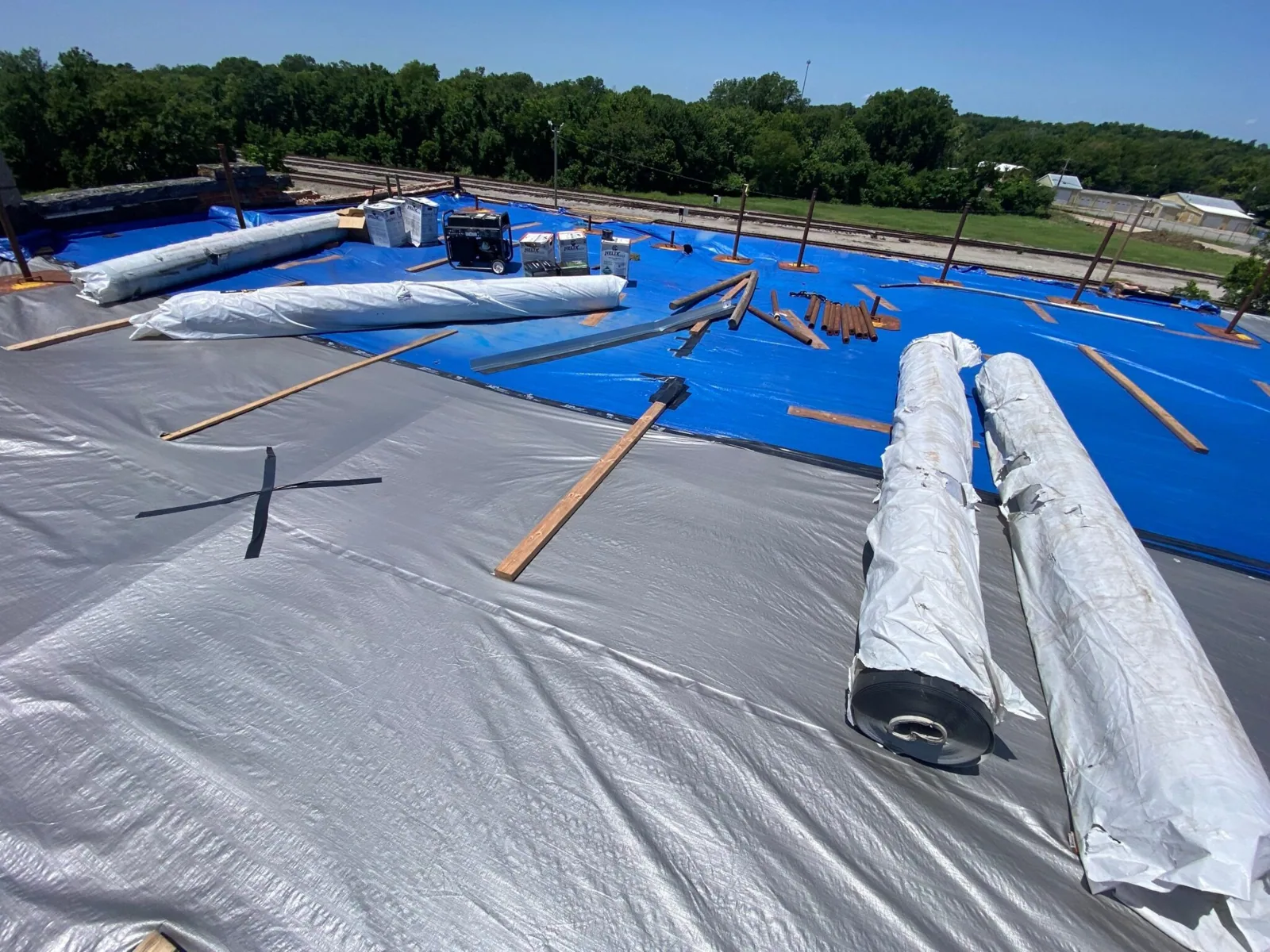
Yes, when the roof and access conditions allow it. We set the work zone, material route and temporary protection with the building contact, then phase noisy or disruptive tasks around the operating schedule.
When is a recover worth pricing?
We compare the existing layers, attachment, moisture, drainage and edge height before treating a recover as an option. Those conditions determine whether the new work can be supported without hiding a problem.
Does the Railplex setting change the roof recommendation?
It changes the coordination conversation when deliveries or active industrial operations affect access. The material, seams and transitions still come from a field review of the individual roof.
Schedule a Surprise roof walk
Share the property use, leak history and workable access window. We will inspect the assembly and provide a written next step.