
A commercial roof edge near Waddell Road can hide a leak path behind coping, fascia, or a gutter before water appears inside. The perimeter is not one part: metal cleats, joints, fasteners, sealant, membrane termination, and downspout connections each have a role. We check how those pieces meet the roof and wall, then mark whether the repair belongs to the membrane, sheet metal, or drainage system. A clear boundary keeps a small flashing repair from turning into an unexplained line item.
Follow the termination
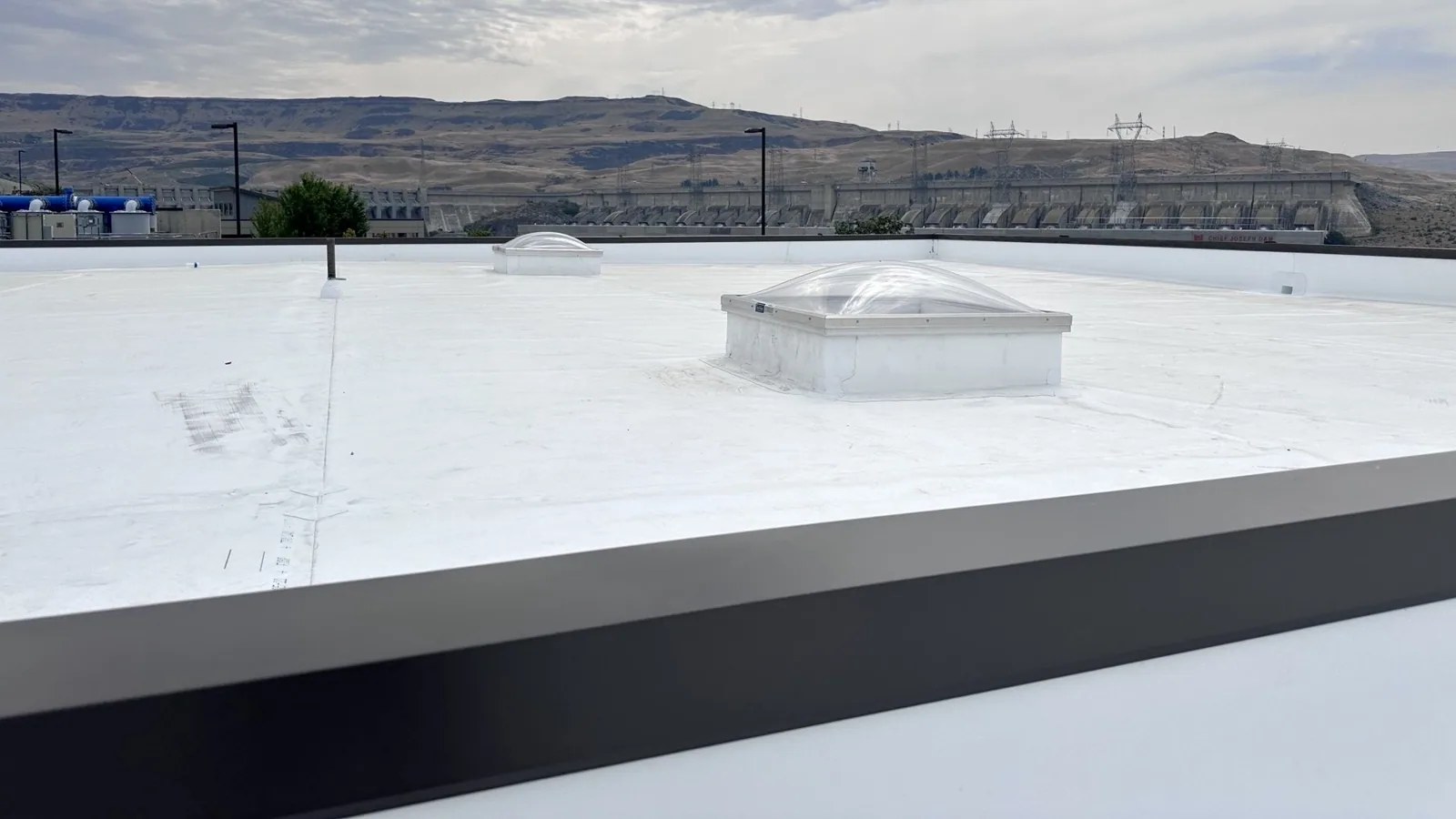
We look for loose cleats, open end laps, lifted coping, corrosion, separated sealant, and membrane that no longer turns up or terminates securely. At a parapet, the cap must shed water away from the wall and remain attached through its joints. At a gutter edge, the membrane termination and metal profile must keep runoff inside the drainage route. A missing splice plate or failed fastener can let water travel behind a face that still looks intact from the ground.
We photograph the joint, surrounding membrane, wall face, and any interior stain that the owner reports. The repair note states whether the metal can be reset, a section needs replacement, or the membrane tie-in is also damaged. For a full roof walk, commercial roof inspection can capture nearby seams and penetrations, and storm damage repair can address displaced details after a wind event. A repair boundary should name each transition to be opened and closed.
Edges after a wind event
Phoenix-area monsoon storms can produce damaging wind and heavy rain. We check perimeter details after a reported event for movement, lifted metal, exposed fasteners, and water that has crossed the intended discharge path. The regional pattern is a reason to inspect, not evidence that a particular property sustained damage. At a building with a long parapet, we record where the metal changes direction or height; at a lower edge, we check where runoff should reach a gutter or downspout.
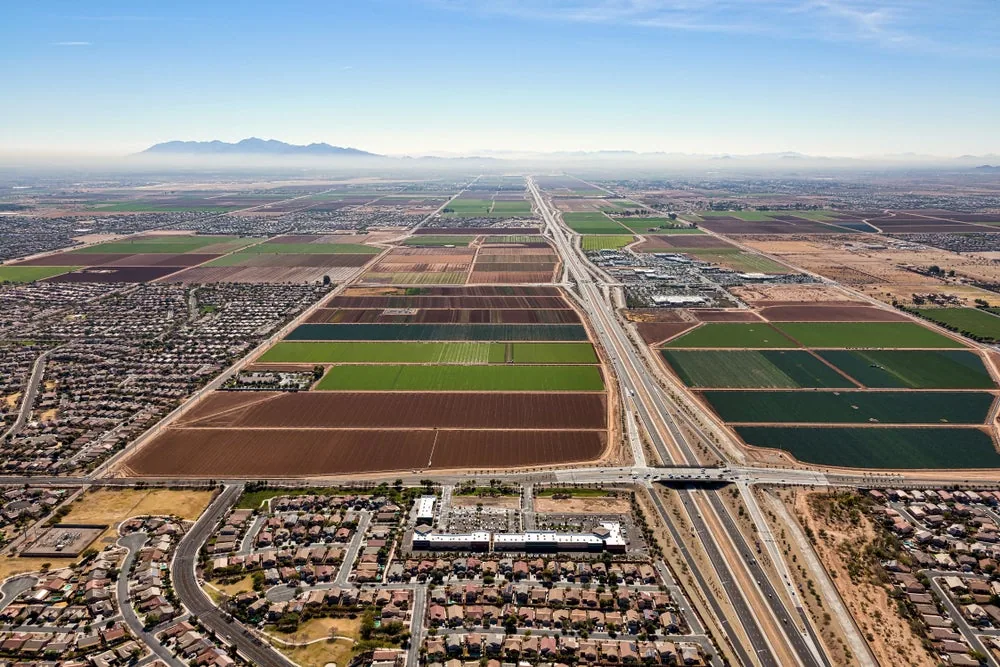
Waddell Road links western Surprise with the Prasada-area commercial districts, while Cactus Road and Loop 303 carry retail and service development. That traffic can shape lift timing and staging, so we confirm the service lane and exclusion area with site staff before metal comes off. For a Waddell Road roof walk, we trace the loading route and mark where the crew can stage without blocking tenant access.
Gutters, leaders, and discharge
A gutter that holds debris or spills at a joint can send water toward the roof edge or wall. We inspect the slope, outlet, hangers, seams, end caps, and downspout connection, then note whether the problem is blockage, separation, or a damaged component. Clearing a channel may restore flow, but it will not correct a reverse slope or a failed outlet. The scope should identify who will handle any ground-level discharge issue that falls outside the roof work.
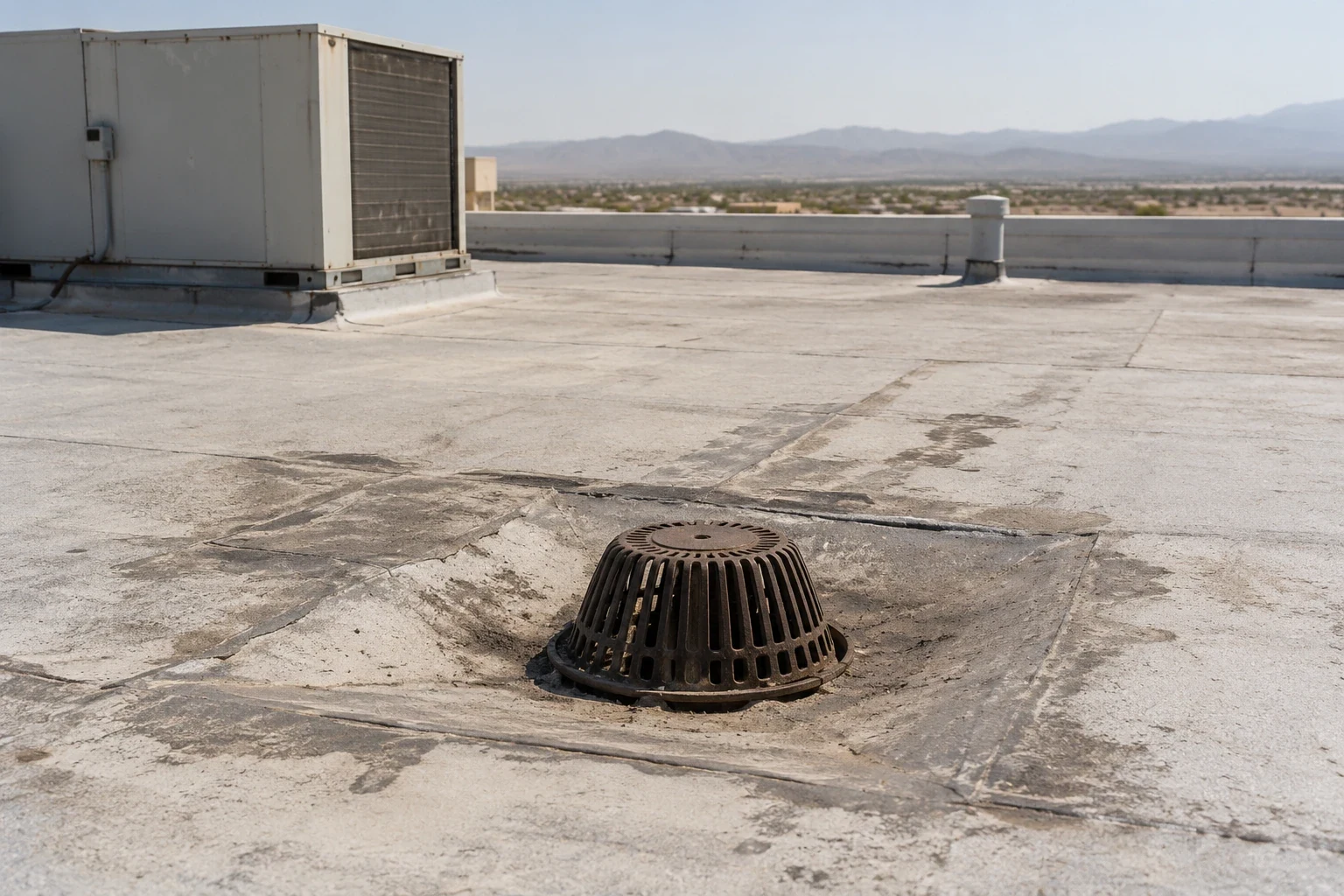
Where water backs up to a roof drain or scupper, the perimeter and field drainage paths need to be checked together. A scupper or drain repair may be the right scope if water cannot leave through the intended opening. If the field holds water because of a low area, tapered insulation planning may be needed before a new edge is set. We keep the interfaces visible so a corrected gutter does not get blamed for a separate ponding condition.
Metal details that match the roof
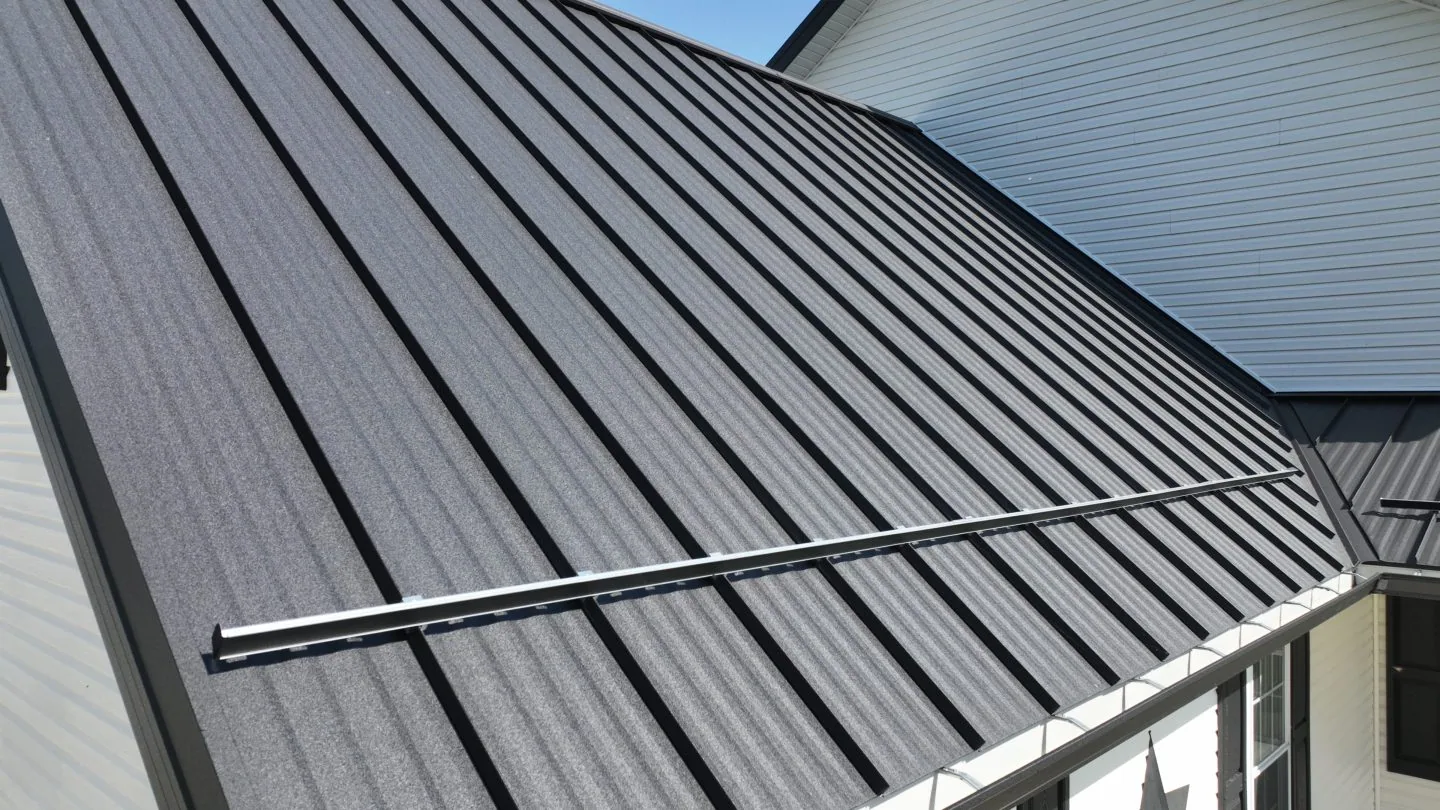
Replacement metal must suit the roof edge geometry, expected movement, attachment substrate, and membrane termination. We check whether the existing assembly has a continuous cleat, a secure splice, and enough room for a water-shedding profile. Sealant can close a compatible joint but cannot replace missing mechanical attachment or restore a deteriorated substrate. Where a metal roof panel meets coping or a wall, we identify the panel system and use a transition suited to that assembly rather than applying a low-slope membrane detail by habit.
The takeoff should account for corners, end dams, splice plates, fasteners, and transitions where height or wall material changes. Those pieces can require separate fabrication and affect lead time, so we identify them before the roof is opened. If the gutter outlet or downspout needs a matching connection, we show that interface in the sketch. This is also where we note whether existing insulation or fascia needs to stay protected while the edge is removed. A complete detail makes it easier to stage metal in sequence and close each section before the work zone moves.
Surprise applies its 2024 International Building and Existing Building Codes, with local amendments, effective January 1, 2026. Before changing a perimeter profile or its backing, the owner should confirm the permit path. We can document the current detail and proposed work. For a larger metal assembly, standing seam roof options and roof drainage repairs can be reviewed as separate scopes.
Close every edge opening
Before the crew leaves, we check the completed joint, fastener pattern, membrane tie-in, and gutter discharge. Photos show the repair from close range and from a view that identifies its place on the roof. If a length of coping was not included or a downspout still needs another trade, we state that plainly. The owner can then tell whether the perimeter is ready for service or whether a separate item remains open.
Surprise City Center brings civic, retail, restaurant, healthcare, hotel and commercial-service uses together across several blocks. For the Surprise City Center district, we set the work zone around the building's entrances, tenant routes and service lanes before metal removal begins. We coordinate the work area, protect open roof edges, and return any lifted membrane to a secure condition before the roof is left unattended. If an edge opening cannot be closed before the shift ends, call for emergency roof response; we can protect the roof, then scope the permanent repair with a clear handback.
Commercial Roofing Questions
Why can a wall leak when the roof field looks sound?
Water may pass behind coping, a loose counterflashing joint, or a failed membrane termination and travel down the wall before it appears indoors. We inspect the edge transition and follow the reported water path instead of assuming the field is the source. Photos help show where the detail opened.
Can new sealant repair loose coping?
Sealant can close a compatible joint, but it cannot secure a loose cleat or replace a missing splice. We check attachment, substrate, and metal movement, then specify resetting or replacing the affected section when the mechanical connection has failed.
What do you check on a gutter-related roof leak?
We look at the membrane edge, gutter pitch, seams, hangers, outlet, and downspout. The leak may come from overflow, a separated joint, or water entering behind the roof termination. The repair scope identifies which part is involved and whether ground discharge needs separate attention.
Does wind damage always require replacing the whole edge?
The repair length depends on where attachment and material remain sound. We map the displaced section, inspect adjacent joints, and show whether the damage continues past the visible opening. If only one detail failed, a defined replacement can be compared with broader perimeter work.
How do you keep a roof edge safe during repair?
We set an access and work-zone plan, protect open edges while metal is removed, and sequence the replacement so the roof is not left with an unsecured termination. A lift or staging area may need to be kept clear of a tenant entrance or service lane during the work.
Ready to review the roof scope?
Request a Roof Assessment
Related Roofing Work
Trace the edge and water path
Share the reported leak location, roof plan, and any photos of the coping or gutter. We can inspect the Surprise roof perimeter, mark the affected transitions, and write a repair scope with a clear handback.