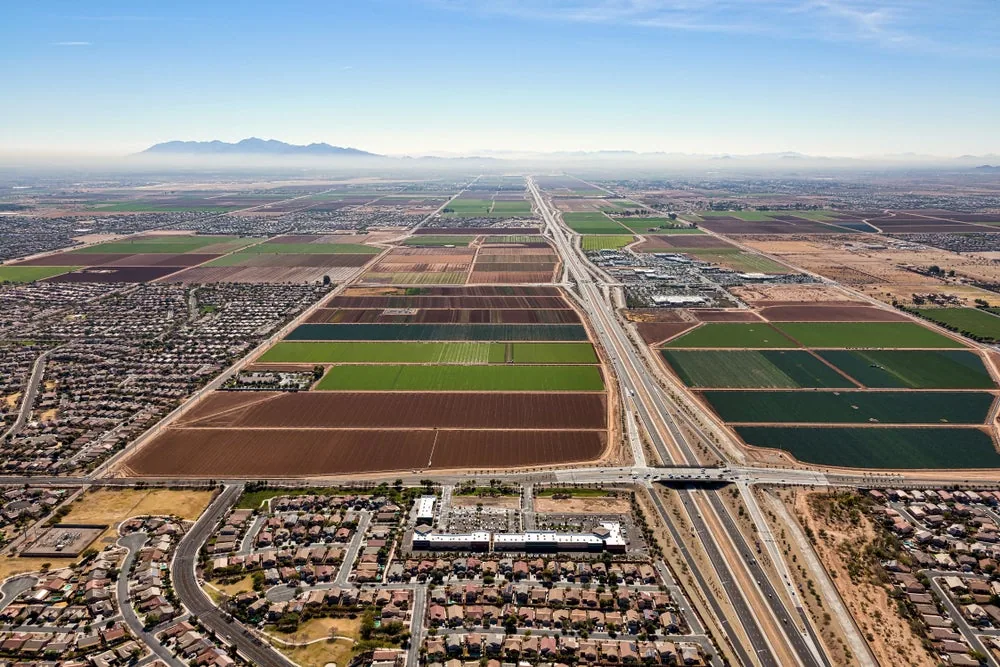
A roof inspection in the Surprise Railplex has to fit the work happening below it. The Railplex is a broad industrial area, roughly two square miles, with a BNSF rail spur and freight-oriented development. City planning identifies manufacturing, distribution, flex office and warehouse uses, but that does not establish the roof assembly on a particular property. We inspect the building in front of us, confirm access and loading constraints, then map seams, edges, curbs and drains before recommending a repair or larger scope. The record should keep the roof finding and the operating schedule in the same conversation.
Set the inspection route before climbing
Before the walk, confirm the site's gate rules, delivery activity, roof access, equipment contacts and the path from staging to the work area. A freight property may need dock lanes and yard movement kept clear while a lift or material load is positioned. We agree on the roof section that can be isolated and identify which units must remain available. This is not a claim about every Railplex building; the site lead confirms the route and operating limits for each property.
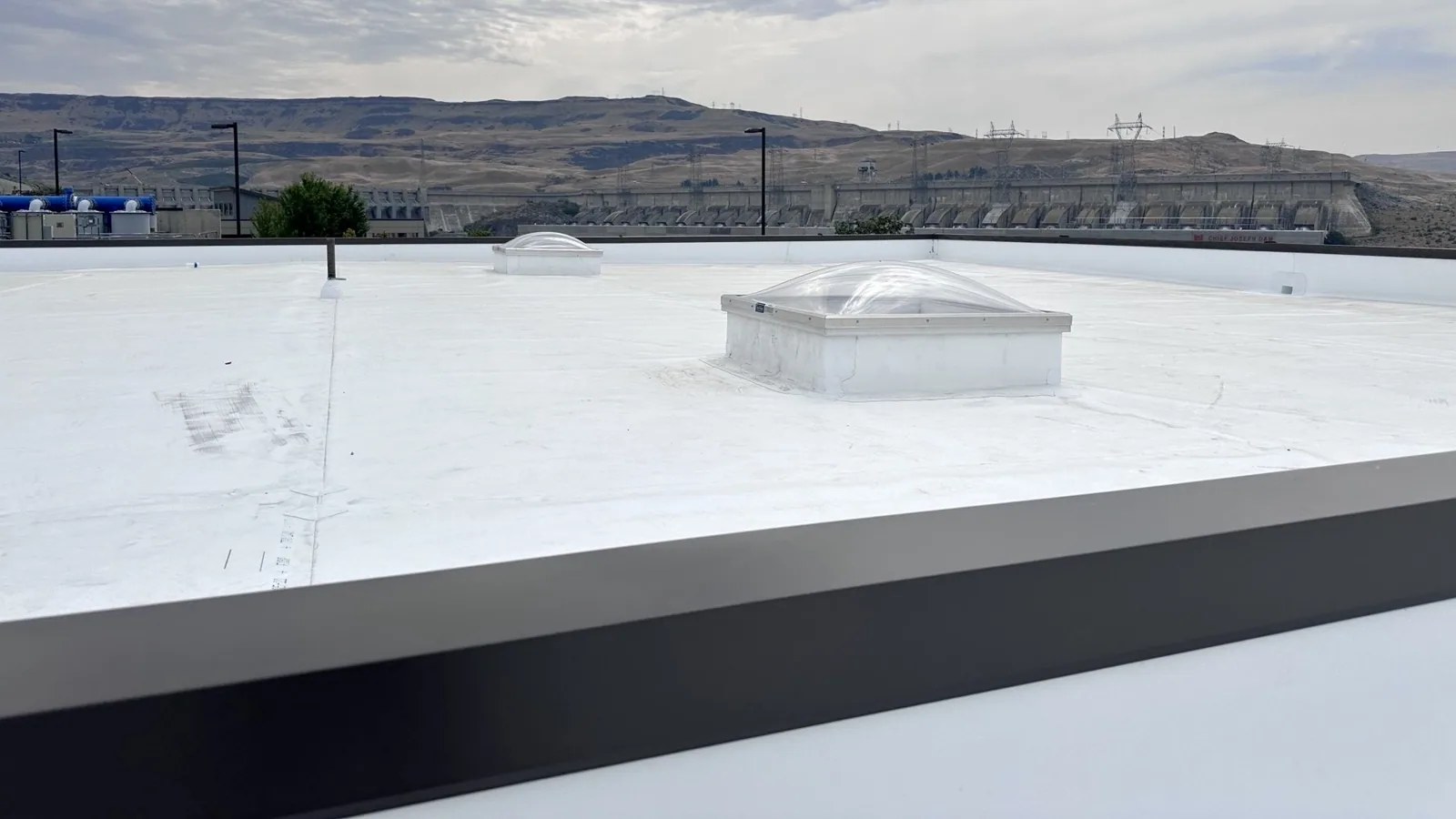
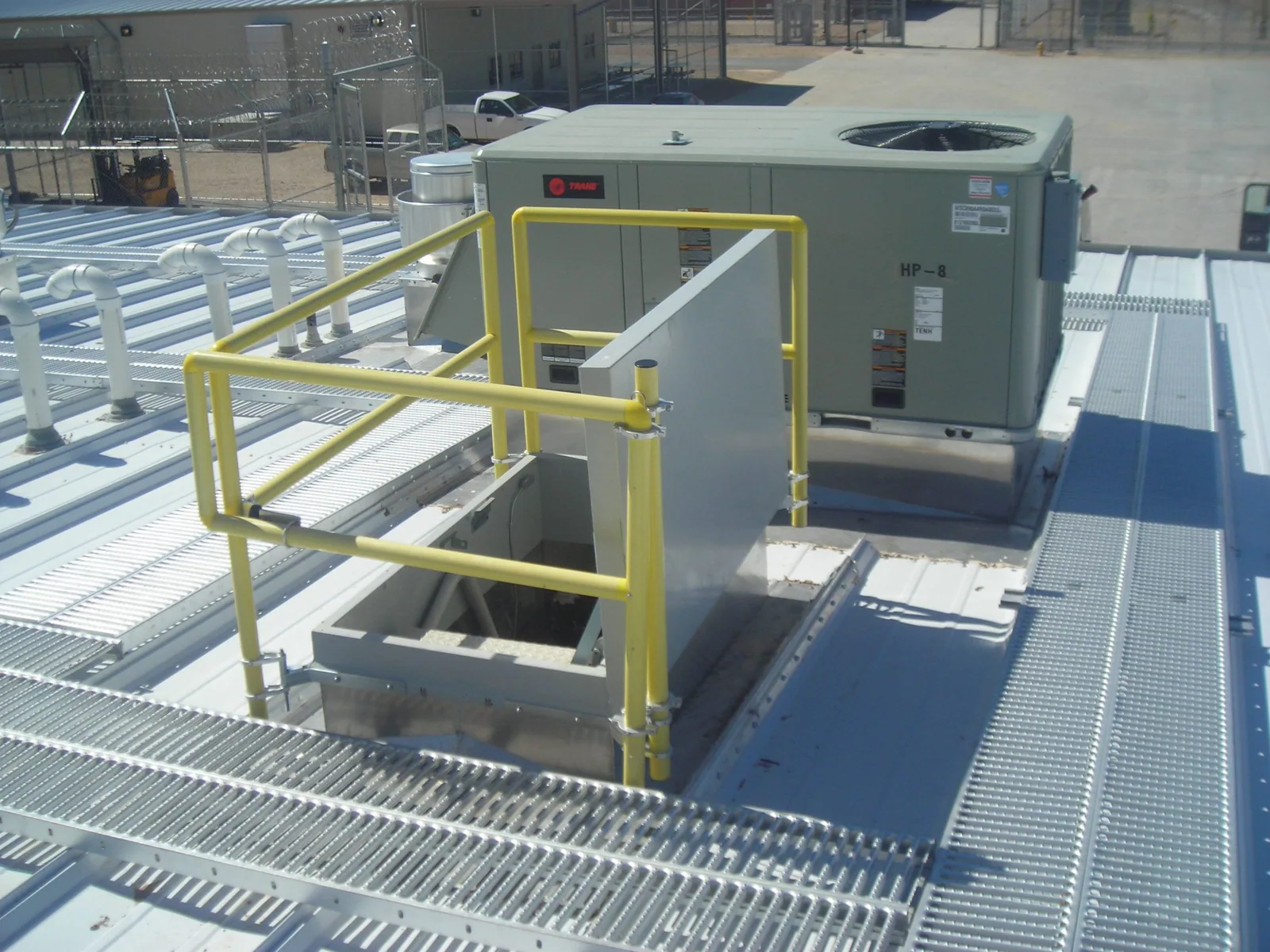
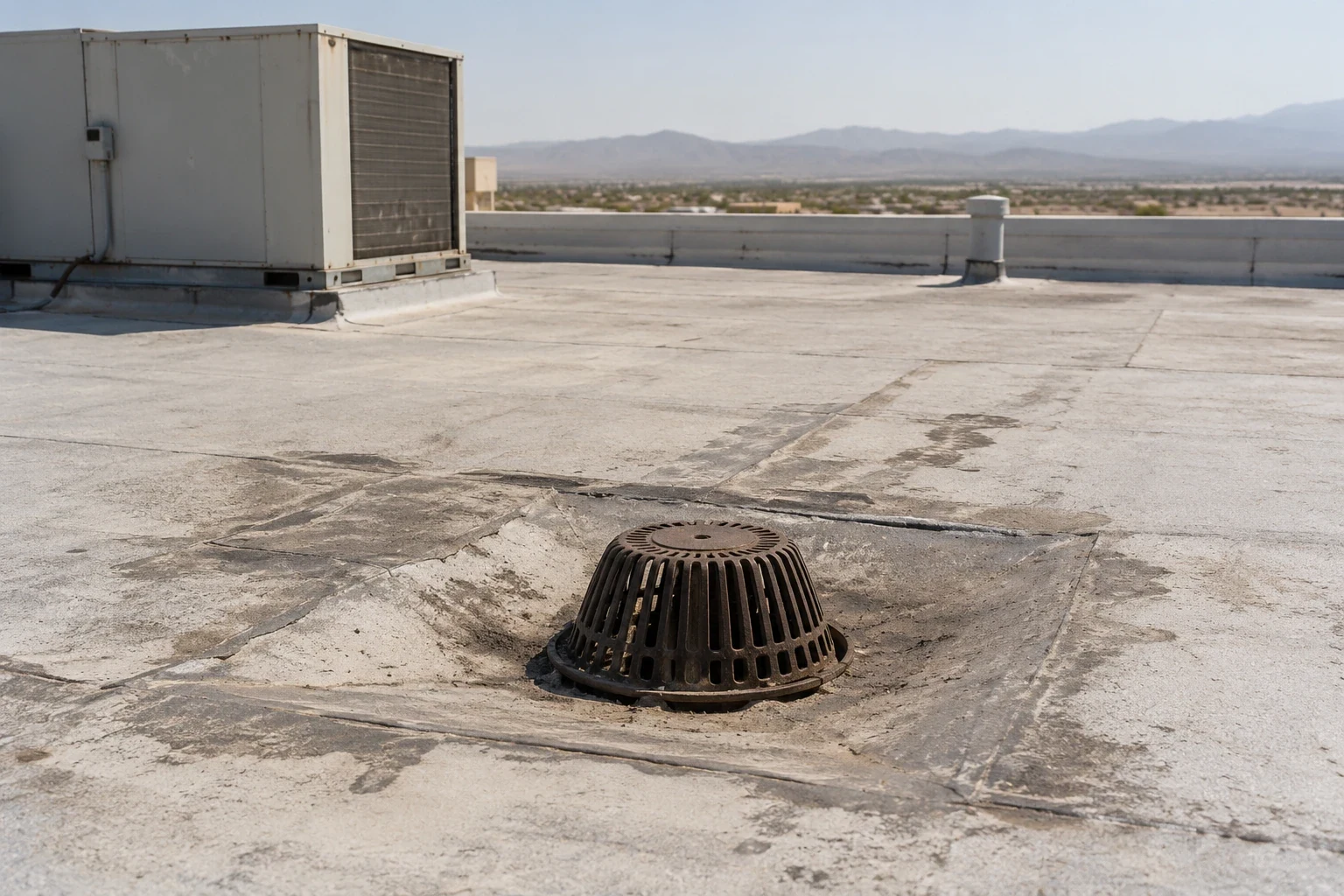
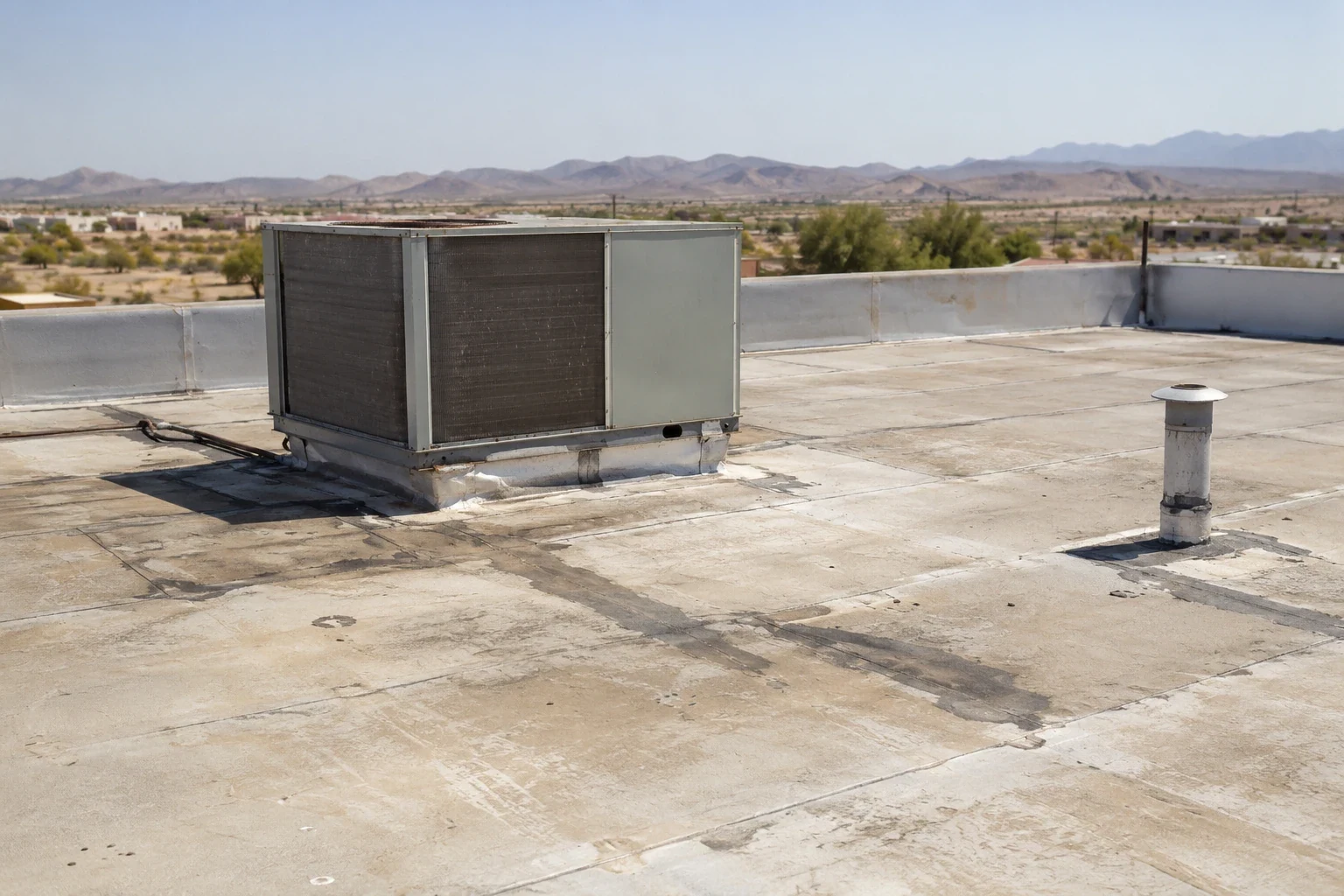
Once on the roof, we map the membrane field, seams, parapet and edge metal, equipment curbs, penetrations, drains and overflow paths. A recurring leak over a production or storage area should be traced against roof slope and interior conditions rather than patched where the ceiling mark appears. We note the condition, photograph it, and identify whether the assembly can be repaired locally or needs a test opening. A commercial inspection gives the project team a mapped starting point; a curb and support review can clarify a trade detail when equipment work intersects the roof.
The Railplex's BNSF spur and freight access help explain why the area attracts industrial and distribution uses. Roof work still depends on the specific dock layout, truck routes and safe lift position. The broader Loop 303 corridor connects development areas in Surprise, but a project schedule should use the property's actual gate and service lanes. We record those limits in the scope so the crew is not asked to solve them after materials arrive.
Check the whole weather plane
Industrial and warehouse roofs can have long membrane runs, but we do not infer roof length or system type from the business use. We identify the assembly from visible details or records where possible. Then we inspect seams, laps, field patches, base flashing, corners and penetrations for separation, movement, brittleness or incompatible repairs. A small opening near a curb can become a recurring leak if the flashing stops short or a mechanical trade moves a line across the detail.
Drainage deserves the same attention as membrane. We check whether drains and scuppers are clear, whether water has an outlet, and whether the slope directs it there. If ponding remains, note where it collects and whether the deck or insulation appears depressed. A drain repair can address a blocked or defective outlet, while a ponding-water scope may require checking drainage geometry and concealed layers. Neither should be selected without a roof walk and a clear repair boundary.
Summer heat in the Phoenix region is prolonged, and monsoon storms may bring strong wind and heavy rain. Those conditions make exposed edges, laps and equipment transitions useful points to inspect. They do not establish damage to a Railplex roof. We photograph the actual seam, metal edge, sealant, curb or outlet and keep any storm report separate from the observed defect. If a system is confirmed as TPO or another membrane, the repair needs compatible materials and preparation at the specific assembly.
Protect operations during repairs
Repair sequencing should state which roof area is open, how it will be dried in at the end of the shift and what interior protection is required. For a distribution operation, we coordinate a lift route and material staging away from active dock movement. For a production area, the work plan may need an equipment shutdown or a defined protection zone under the roof. If a roof opening cannot wait, we respond around the clock for emergency protection and then return to the permanent repair with the condition documented.
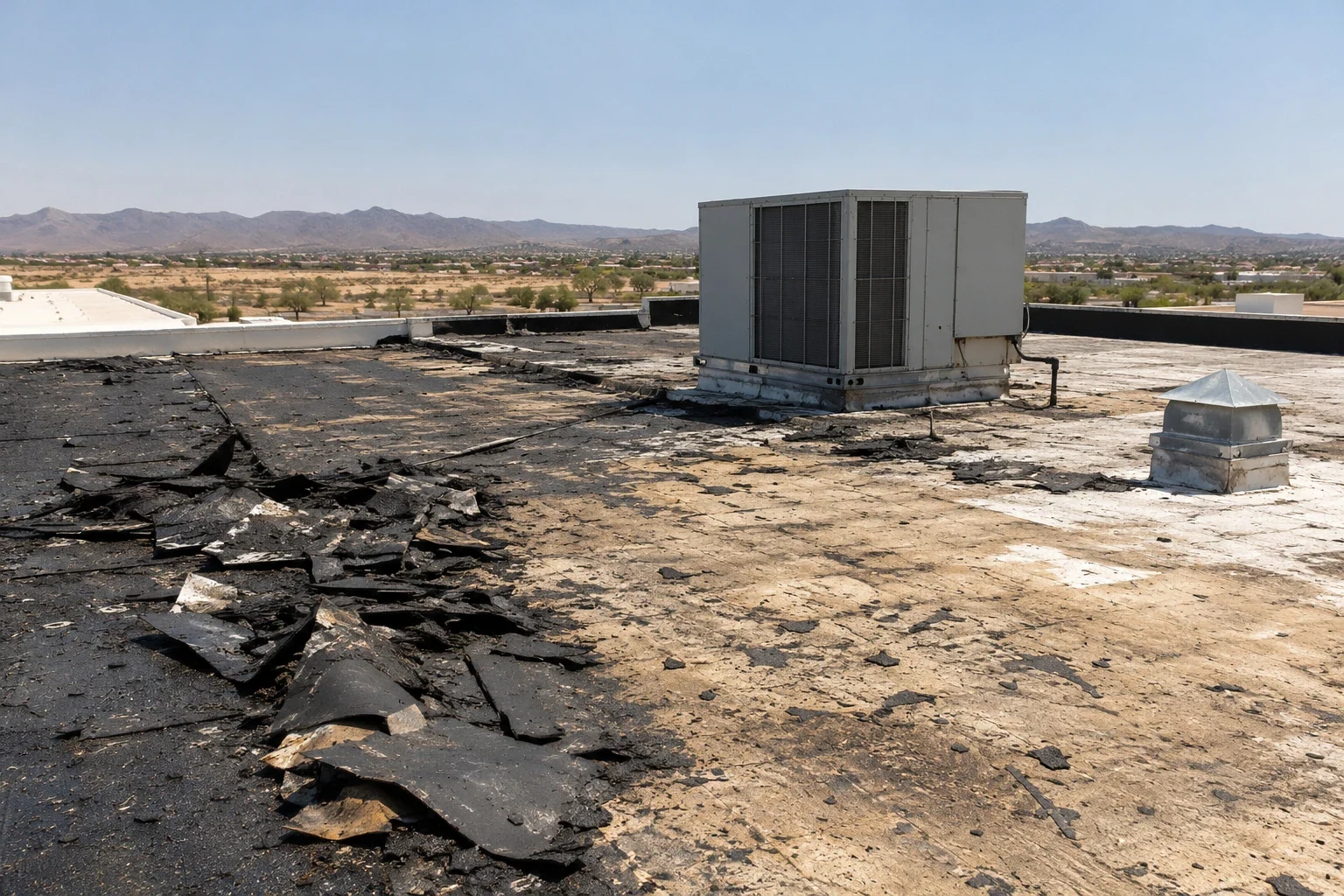
A recover or coating can appear faster on paper, yet suitability depends on moisture, attachment, surface condition, drainage, roof layers and the detail at each penetration. We identify what is known and what needs testing before the owner commits. Replacement may involve tear-off, deck repairs, equipment moves, insulation and new edge details; schedule and cost change with those quantities and access limits. The repair scope and replacement option should keep confirmed work separate from allowances.
For industrial property teams, the work handoff should include completed areas, photos, material used, roof sections still open and any condition found after removal. Keep a marked plan with the daily record. The Surprise Railplex sits among other city development areas, including North Surprise, where planned employment and mixed use bring their own access questions. A portfolio record can compare findings without assuming that development area descriptions predict roof condition.
Write the repair boundary clearly
A defined repair states the material, preparation, seam or flashing work, extent and test after completion. Where the substrate is concealed, list how that area will be inspected if the crew opens it. If the roof has a coating, verify its compatibility and adhesion before applying another layer. If metal edging is loose, check attachment and substrate rather than adding surface sealant as the only repair. The scope should also say what is excluded and what condition would expand the work.
A change to roof layers may need a local permit review. Surprise's code set moved to the 2024 International Building Code and Existing Building Code on January 1, 2026, with city amendments. We note present materials, proposed tie-ins, insulation and equipment interfaces so the project lead can confirm which review applies before committing to a work sequence. The report can preserve the existing layers, intended tie-ins and equipment clearances so the reviewer sees the same roof conditions the contractor priced.
We can meet with the general contractor, owner or facilities lead, walk the roof and provide a written repair or replacement scope. Bring the roof plan, recent leak history, equipment list and gate or dock requirements. A condition report can preserve the photo record, while a roof register keeps future visits tied to the same building labels. For work staged through the North Surprise employment area, confirm access with the individual site before setting a delivery window.
Commercial Roofing Questions
Can roofing work proceed while freight operations continue?
Often, with a route and work phase agreed before mobilization. We coordinate staging, dock access, lifts and temporary dry-in with the site lead, then keep the active work zone separate from loading paths.
Does the Railplex plan identify my building's roof system?
No. The plan describes area uses, not an individual assembly. We check the roof records and visible details, then leave the system unconfirmed if field evidence is not sufficient.
What do you inspect around rooftop equipment?
We check curb flashing, penetrations, lines and service clearances, including whether another trade has changed the detail. The scope assigns who will protect and close the opening before equipment work starts.
When does a repair become a replacement project?
That comparison follows the spread of defects, moisture, attachment and deck condition, plus whether a stable repair boundary exists. We describe each option and the test or exposure that could change it.
What should be in the daily roof work record?
Track completed roof sections, weather protection, materials, photos, remaining openings and any condition found after removal. We use the same plan labels so the next shift can locate the work.
Ready to review the roof scope?
Request a Roof Assessment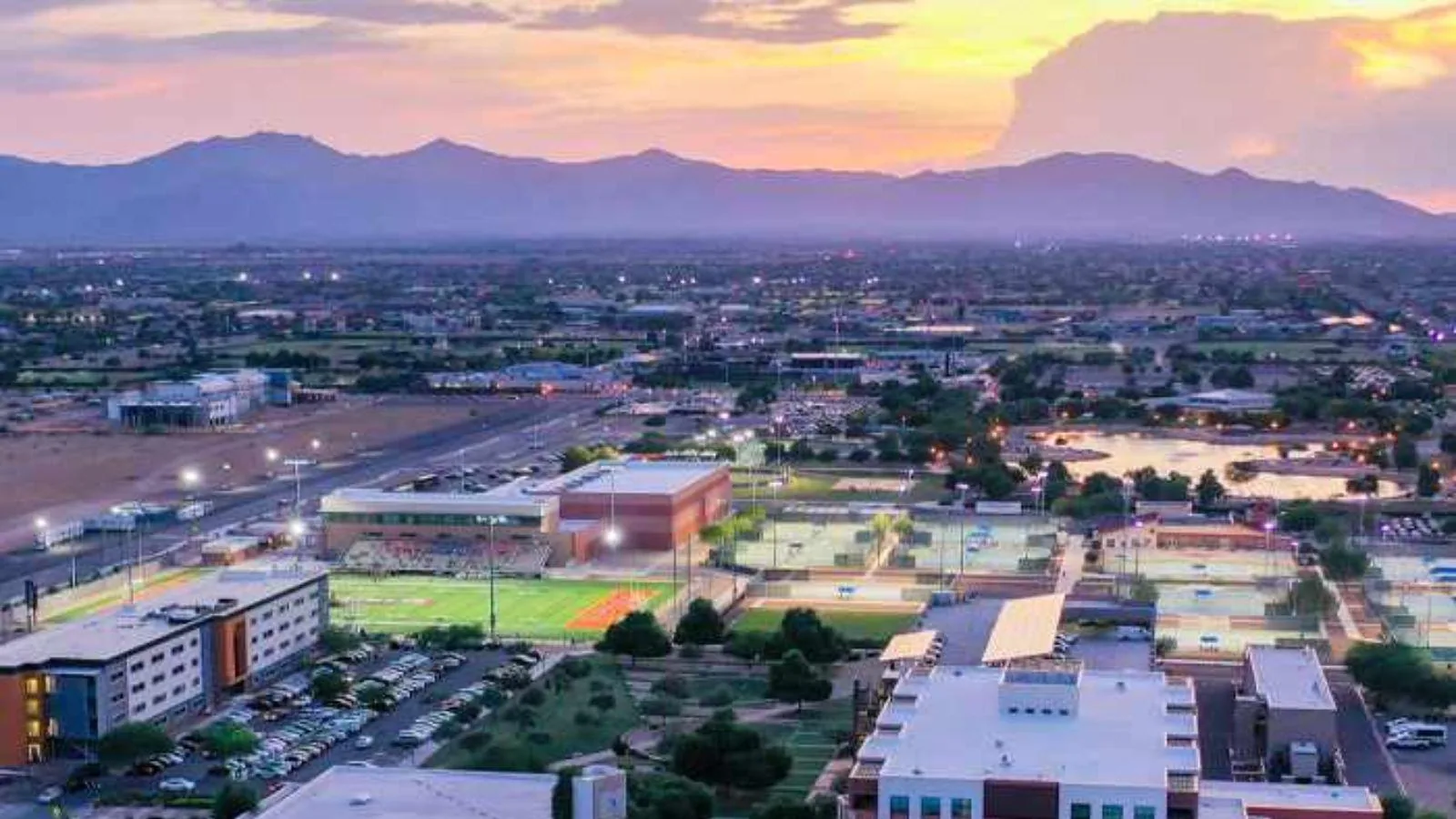
Related Roofing Work
Coordinate a Railplex roof inspection
Share the roof plan, loading schedule, equipment contacts, recent leak notes and site access rules. We can map the roof condition and prepare a repair boundary that fits the operation.