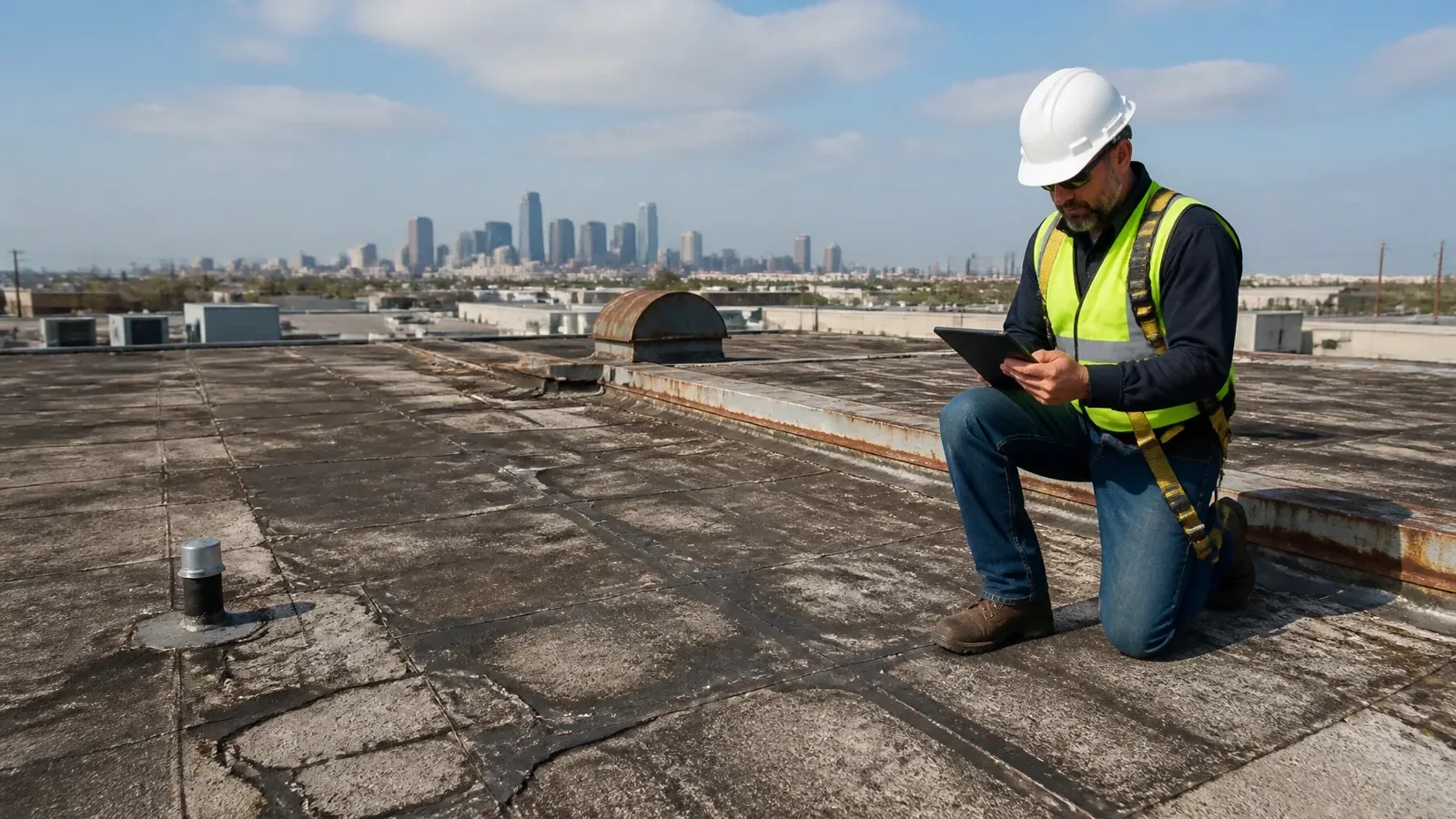
A commercial roof in North Surprise needs a field decision that fits both the building and the growth area around it. The City maps a broad northern employment and mixed-use planning area and identifies high-impact employment zoning. That describes a multi-property district, not one operating site or roof type. We inspect the actual assembly, identify safe access, and document visible seams, drains, curbs and edge details before writing a scope. If a building is still under construction or site access is changing, coordinate the walk with the project lead and confirm which roof areas are ready to inspect.
Treat the planning area as a working district
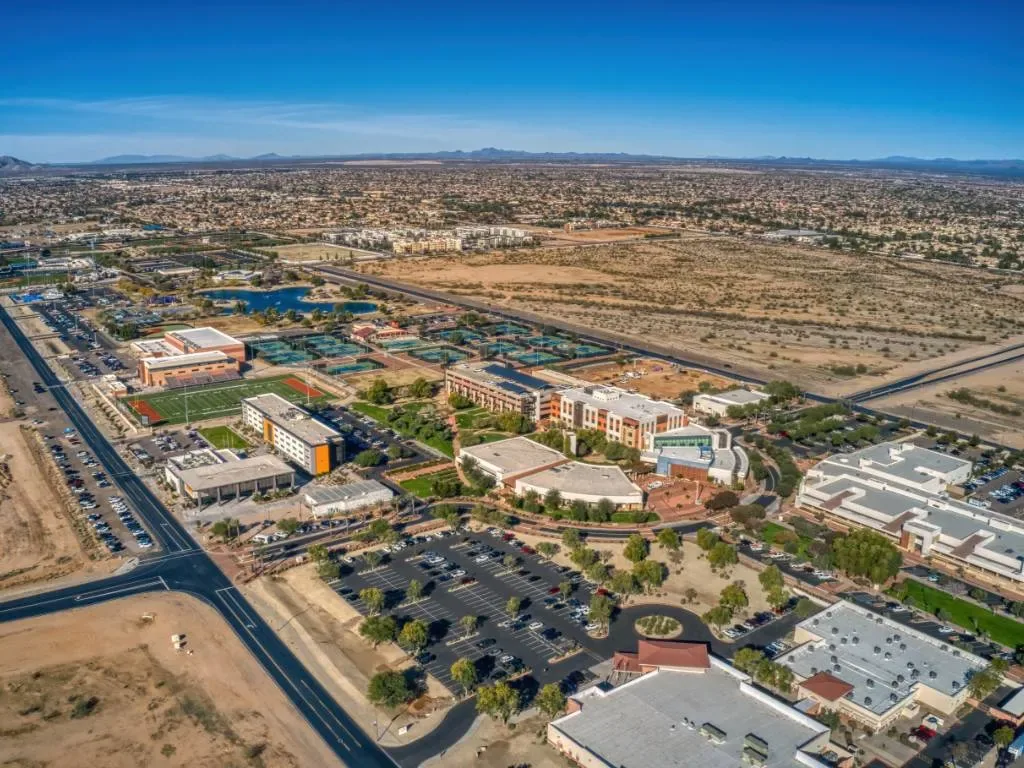
North Surprise covers a broad development area rather than a single tenant property. A roof walk there begins with the building's use, occupancy, roof plan and current construction phase. We do not assume that a planned employment zone means a completed warehouse, office or manufacturing building exists at a given parcel. The owner or general contractor can identify which structures are operational, where materials may stage and what site roads remain under construction.
The City has proposed a Loop 303 interchange at 155th Avenue to improve access to northwest Surprise. While roadway work and new access can affect delivery planning, they do not establish a particular site's gate, route or construction schedule. Confirm those with the site contact before bringing a lift or roofing materials. The nearby Loop 303 corridor includes multiple development areas, while the Railplex has its own freight-oriented industrial context. Each property requires its own access plan and roof record.
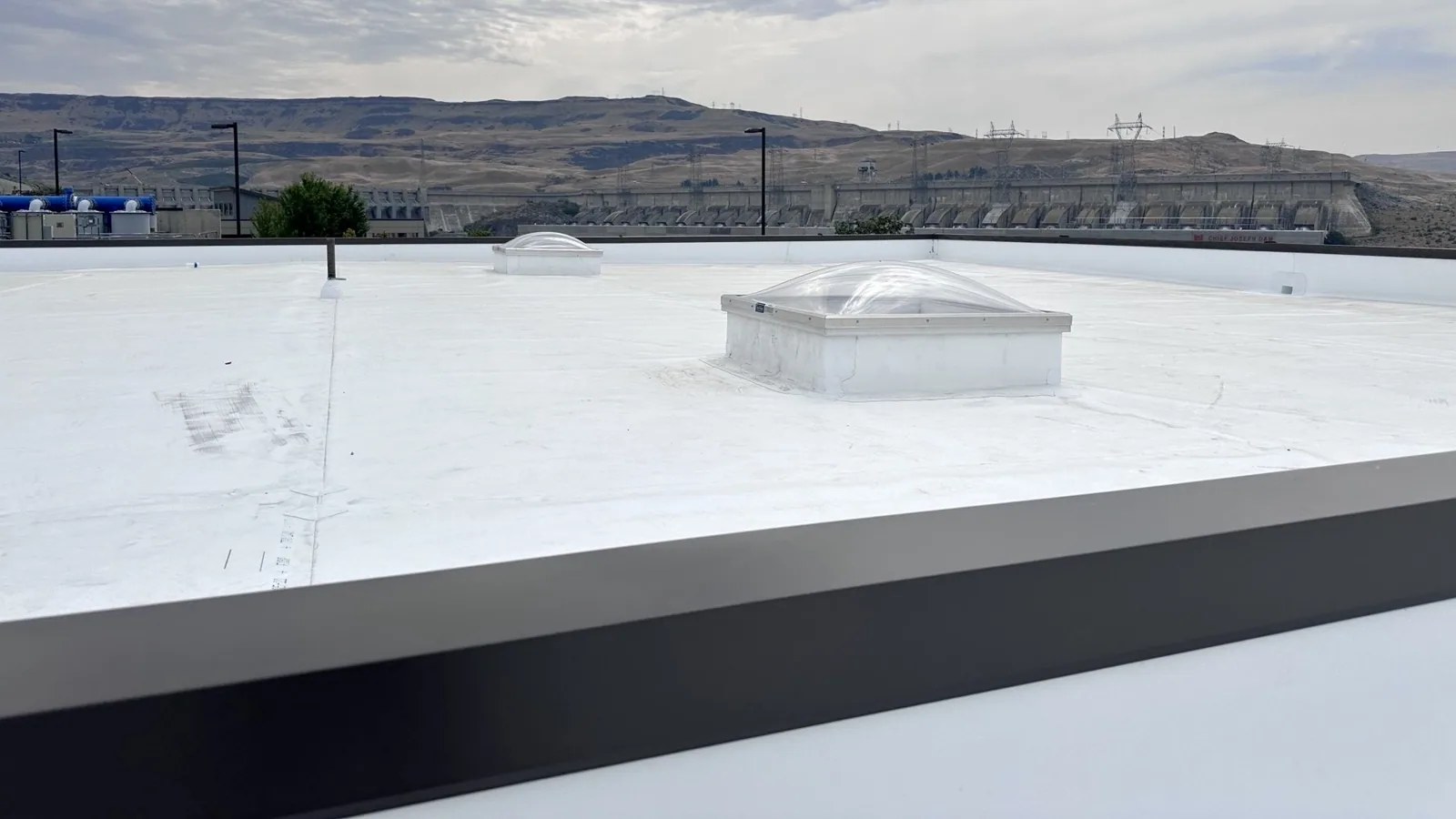
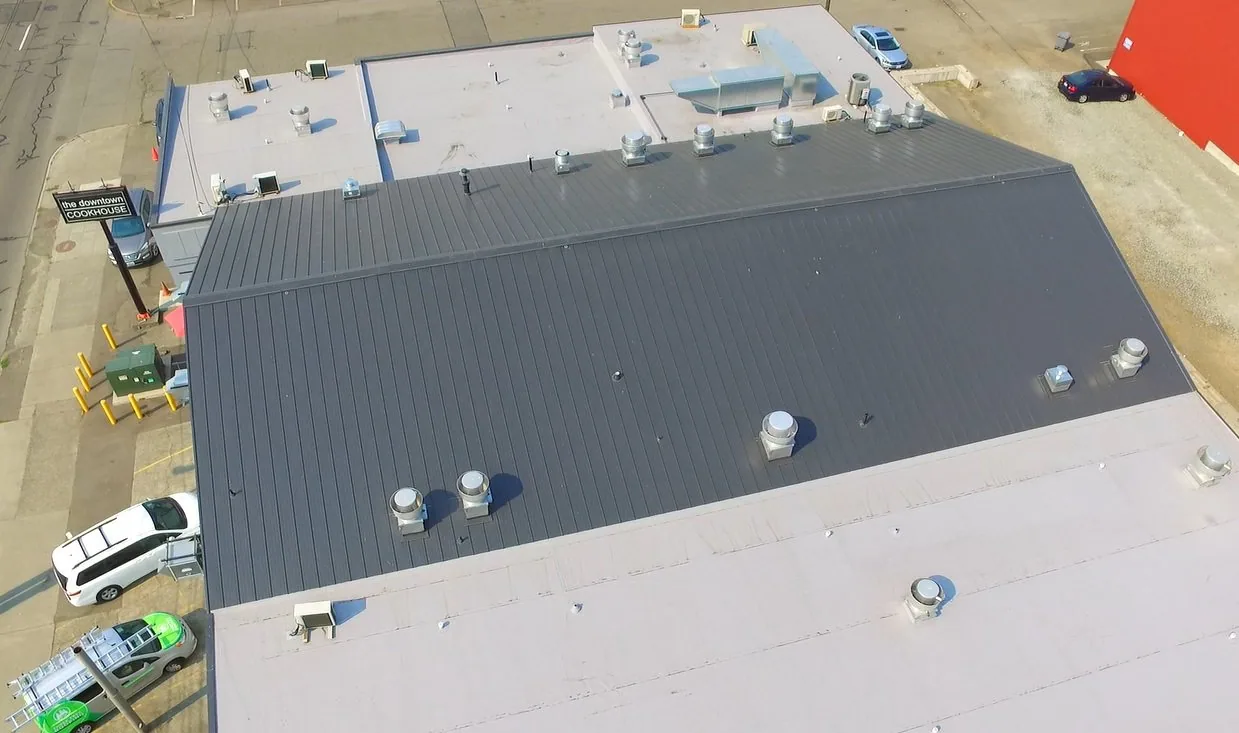
On an occupied low-slope building, we check membrane seams, edge metal, parapets, equipment curbs, penetrations, drains and overflow details. If construction is incomplete, confirm which layers are installed and whether temporary protection remains. A commercial roof inspection can document the visible assembly and list areas that need a return visit. If a new mechanical opening is planned, establish who will flash it and how the roof will be closed before the equipment trade leaves.
Check exposed details in the low desert
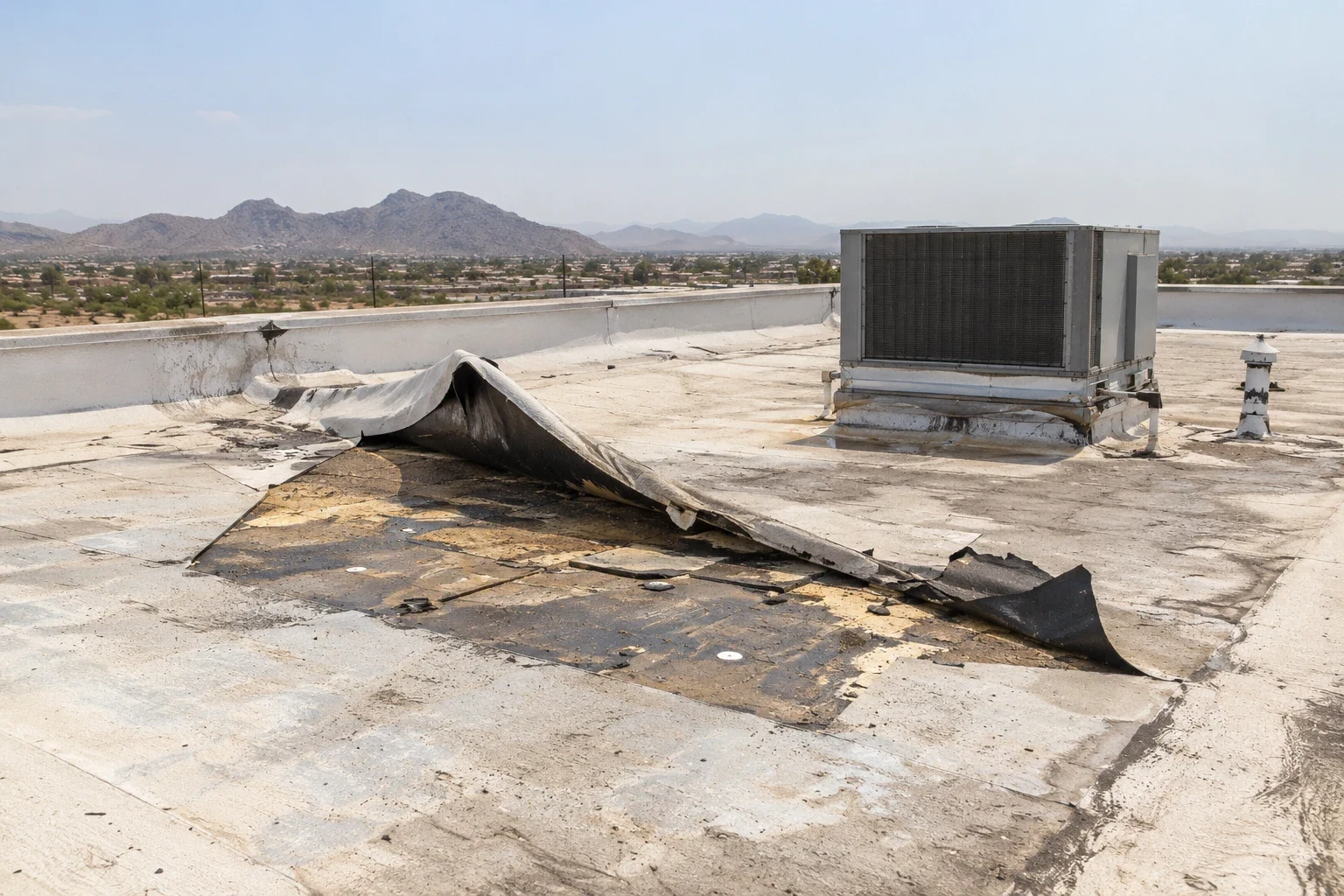
Summer heat in the Phoenix region keeps exposed membrane, sealants and flashing on the inspection list. We look for brittle or split material, open laps, loose termination bars, shrinkage at corners and sealant that has separated from the substrate. A regional climate benchmark is not a service-life formula. The specific roof assembly, shade, maintenance, repairs and present condition all matter. We record the actual defect and distinguish it from surface weathering that may not create a water path.
Monsoon thunderstorms in the Phoenix metro can bring damaging wind and heavy rain. After a reported storm, we check edges, equipment transitions, drain function and any interior water mark, then photograph what is present. We do not attribute a defect to a storm solely because the date is close. Wind pressure and water movement affect different details, so a wind-damage inspection should map a loose edge, displaced metal or open seam separately from a drainage concern.
Where a seam or curb flashing has opened, we trace the repair into sound, compatible material. If moisture may be below the sheet, verify it before covering the area with coating or a recover. The TPO system or another membrane should be identified from records and field details, not assumed from color. A condition report can preserve test locations and photos so the next visit can compare the same roof section.
Set the access and repair sequence
For a building in active construction, roof access may change with cranes, trade work, temporary power and perimeter controls. For an occupied facility, the issue may be tenant hours, equipment shutdowns, noise or interior protection. We coordinate the safe route with the project lead and identify which section can be isolated. Before opening the assembly, set daily dry-in, material staging, fire precautions and the handoff with HVAC or electrical trades. The written scope should say who owns each roof penetration.
Repair cost and schedule depend on the area, roof height, access, material compatibility, wet insulation, deck exposure, equipment moves and edge details. A small patch can be fast when the defect and tie-in are clear. Widespread moisture or a failed substrate may call for testing, tear-off and a replacement estimate. A recover or coating can be considered only after checking the layers, moisture, attachment, drainage and permit path. We keep confirmed work separate from allowances that depend on opening the roof.
When a repair changes insulation, membrane layers or rooftop interfaces, the project lead should verify the local permit path before work starts. Surprise's adopted codes include the 2024 International Building Code and Existing Building Code with city amendments. We provide observed layers and detail conditions for that review; the design team determines which requirements apply to the property. A changing district does not mean each job shares one permit or one schedule.
Close the loop with a usable roof record
After the visit, the general contractor should be able to find each condition on the plan, see the evidence and understand the proposed next step. We record the roof section, photo, repair limit, material and any area not inspected. If the scope changes after a test opening, update the record to show what was confirmed and how the boundary moved. A capital planning review can separate immediate protection from future work while keeping the test assumptions visible.
For any active roof opening that cannot wait, emergency response is available around the clock. We can stabilize the area, protect the interior and return to complete the permanent repair when access and materials are ready. That temporary step should be documented separately, including where the cover ends and what inspection remains. If project work affects roof access, keep the operations lead and roofing crew on the same daily handoff.
We can walk a building in North Surprise with the owner, general contractor or facilities lead, review current records and provide a written scope. Share the roof plans, work schedule, access restrictions and any known leak locations. We will identify what the roof shows, what requires testing and which details need a trade boundary. When development access changes, revisit the route before the next service call rather than carry forward an outdated site assumption. If a roof area remains behind a construction barrier, list the contact, access condition and return trigger. If a leak needs temporary cover, show the perimeter and planned inspection so the owner knows which part of the assembly still needs a permanent repair.
Commercial Roofing Questions
Does the North Surprise plan describe a specific roof type?
No. The planning materials describe a broad employment and mixed-use area. We confirm the building, installed assembly and construction phase from project records and a safe field inspection.
Can roof work happen while a site is still being built?
Yes, when the roof area is ready and access is controlled. We coordinate with the general contractor on cranes, trade access, temporary protection and which details are complete.
What should we check after monsoon wind or rain?
Inspect edges, seams, curbs, drains and interior leak locations, then record actual findings. A weather event is context, not proof that a particular roof has damage.
How do you price work when the insulation may be wet?
We map the suspected area and identify the test needed to confirm it. Confirmed repair quantities stay separate from allowances that depend on exposing concealed layers.
What information should we send before the site visit?
Provide roof plans, construction or tenant schedules, access rules, equipment contacts and known leak notes. We can then choose a safe route and plan for the areas available.
Ready to review the roof scope?
Request a Roof Assessment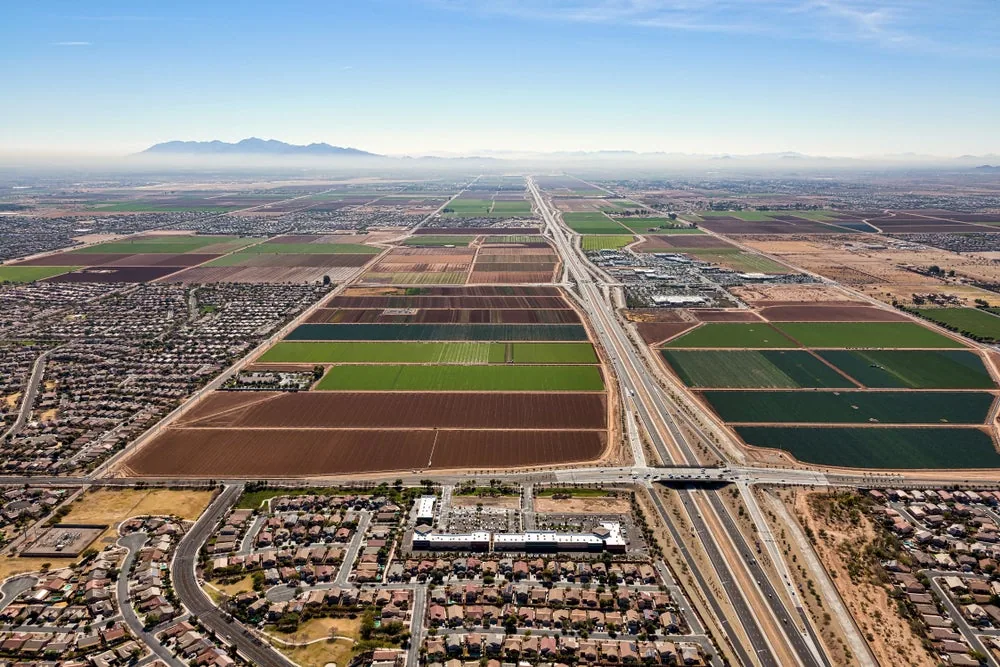
Related Roofing Work
Coordinate a North Surprise roof walk
Send the building list, roof plans, construction phase, access rules and known leak locations. We can inspect available areas and return a mapped scope with open tests identified.