
A roof condition report for a building in Surprise, AZ should let the next project lead find the same seam, curb, drain or patch without relying on the inspector's memory. We mark the roof plan, photograph the condition and write what was observed, what was tested and what remains uncertain. That distinction matters on the city's mix of retail, medical, civic, industrial and service properties, where one missed opening can interrupt work below. A report should make the repair boundary visible enough to price, schedule and check after the crew leaves.
Make each observation findable
We begin with a safe route across the roof and a plan that identifies sections and access points. Each finding receives a location label, a close photograph and a wider view that shows where it sits. The notes identify the roof material when it can be confirmed, nearby penetrations or seams, visible moisture signs and any earlier patch. A general note that a roof is worn does not tell a buyer which area needs work. A mapped note can distinguish an open lap from a weathered field or a blocked drain.
For a large property, divide the drawing into repeatable zones, then use the same labels in photos, repair proposals and follow-up visits. At the Surprise Railplex, industrial and distribution uses make dock access and material staging worth noting in the report. In City Center, civic uses sit among retail, restaurants, health care and hotels, so the building lead may need tenant-hour or public-access limits recorded with the roof route. Neither location establishes a roof defect; the report connects the actual building condition to its operating constraint.
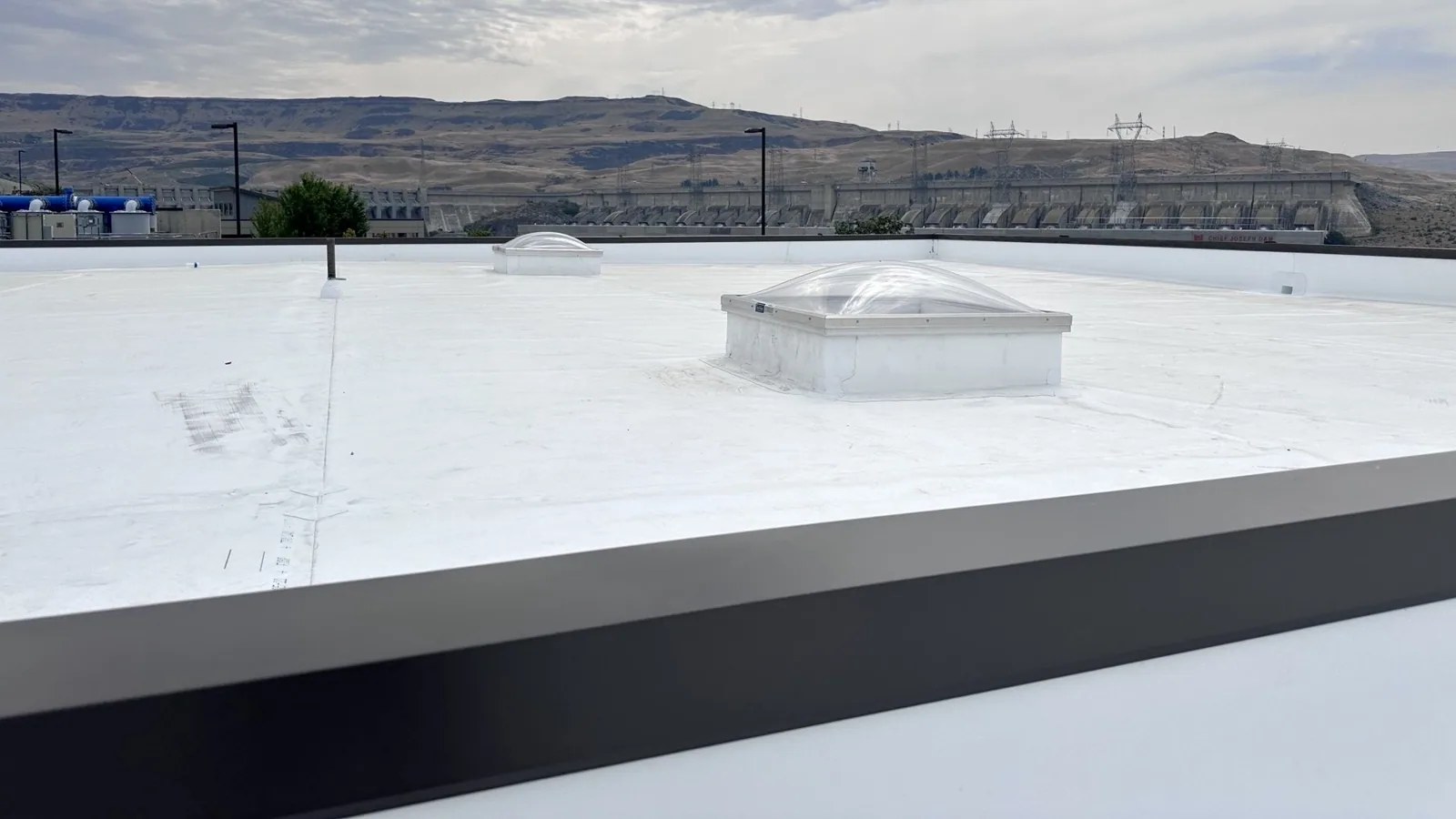
We document drains, scuppers, edge metal, roof-to-wall transitions, equipment curbs, skylights, seams and exposed fasteners as they apply to the assembly. If an area is blocked by equipment or unsafe to access, show the limit and list the follow-up needed. A commercial roof inspection can include hands-on review and, where appropriate, drone photographs of areas that are difficult to view from the roof. Aerial images supplement the walk; they do not replace checks that require contact or testing.
Separate fact, interpretation and test
Each report item should show three things: the visible condition, its likely roof consequence and the next step. A split seam is an observation. A possible water path is an interpretation. A test cut or moisture scan may be needed before wet insulation is confirmed. We keep those labels distinct so an owner does not price a broad tear-off on the basis of a suspected area, or ignore a real opening because the rest of the surface looks sound.
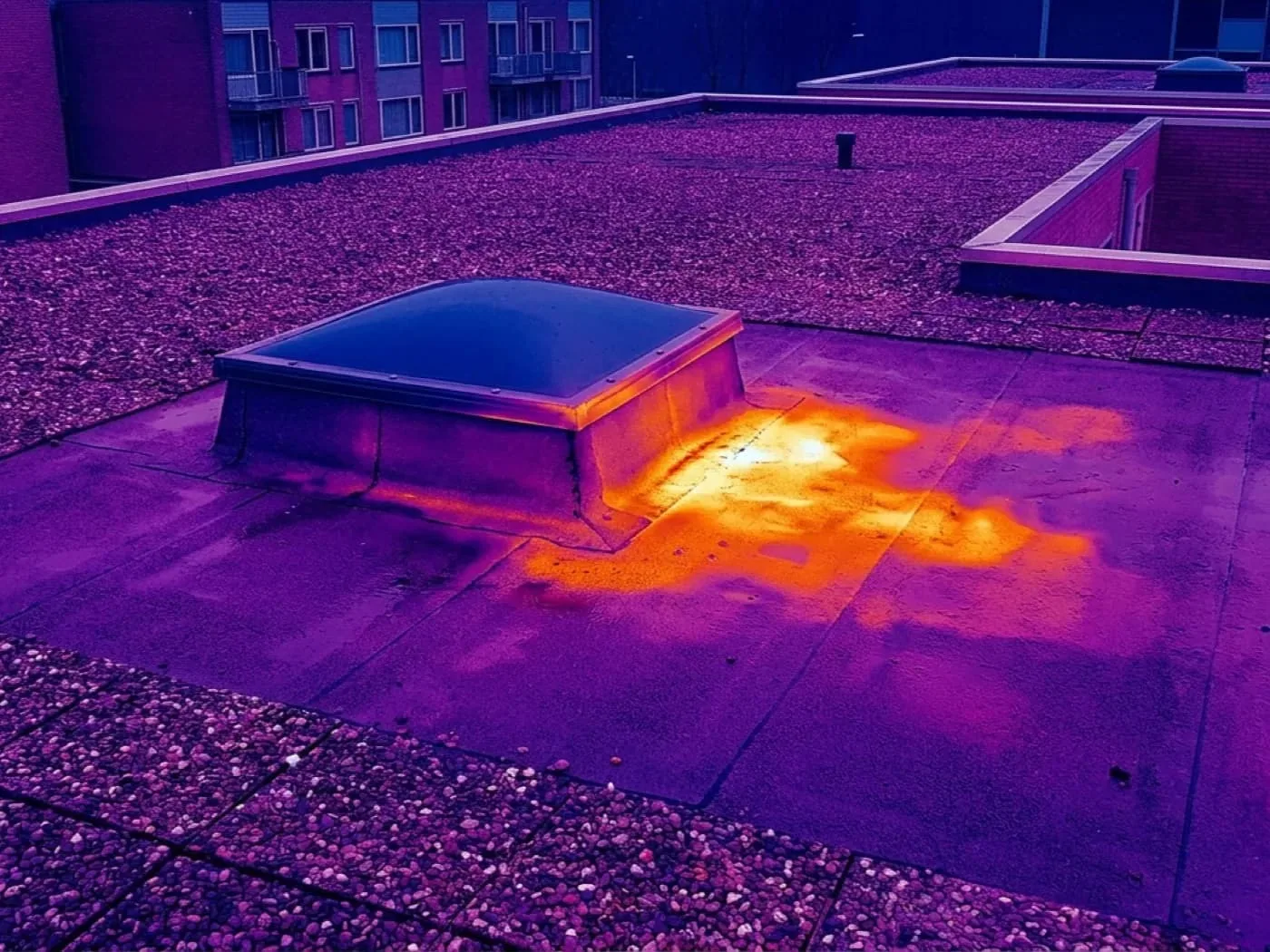
Thermal imaging can help identify temperature patterns consistent with retained moisture, but the roof assembly, weather, interior conditions and scan method affect what the image means. We identify the scan area and recommend verification where needed. The infrared moisture survey can be paired with test cuts and surface inspection to help confirm an area before its repair boundary is set. Photos should show the scan reference and the verification location, not just a colored image without context.
Surprise's hot low-desert climate and Phoenix-area monsoon thunderstorms make seam, edge, drainage and equipment details useful inspection points. Regional weather does not establish storm damage at a particular property. We record the reported event separately from observed punctures, displaced metal, open flashing or water entry. A hail review or wind assessment should name the physical evidence and areas checked. That gives a general contractor a record that can support a repair scope without overstating what a storm report proves.
Turn findings into a repair boundary
A report is only useful if it can guide the next work order. We identify the material, preparation, seam or flashing detail, extent of repair, nearby conditions and what needs protection during the work. If the defect continues beneath a curb or counterflashing, the report should say whether disassembly or a test opening is needed. For a coating candidate, document adhesion, moisture, surface preparation and termination needs rather than reducing the scope to coating alone. The repair should stop at a defensible boundary and state what would expand it.
When broad deterioration or moisture appears, we compare a localized patch with restoration, recover or replacement using confirmed conditions. A photo report can support a defined repair scope or show why a replacement evaluation needs more investigation. Include the areas excluded from treatment and any roof section that was not inspected. That protects the team from treating a partial walk as a complete statement about every roof surface.
The city has moved to its 2024 building and existing-structure codes, with local changes applying to project review. If the recommendation changes the assembly, insulation or roof layers, flag permit and energy-code review for the project team. We provide the field observations and scope assumptions; the applicable path should be confirmed for the specific work. The report should not promise an approval or substitute for the design team's review.
Leave a record the next visit can use
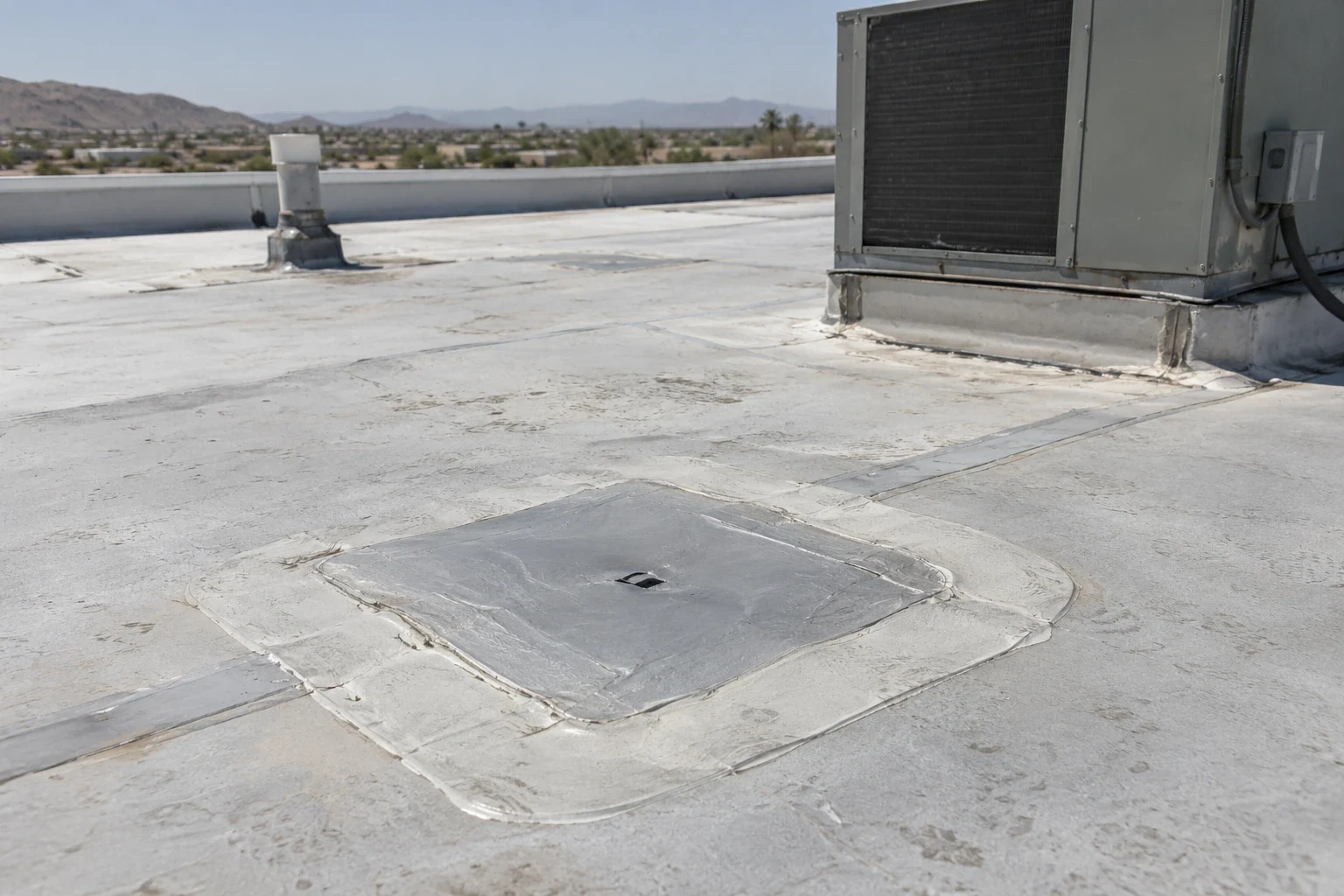
At closeout, include the marked plan, dated photographs, visible findings, test results, repair details and any work left open. If a drain was cleared, show its condition after service. If a patch was installed, identify the material and perimeter so the next inspector can see whether the same edge moved. Where an area could not be reached, name the access or safety issue and assign a return step. These details let the asset manager compare reports without confusing changed roof conditions with changed inspection methods.
Summer heat across the Phoenix region can age exposed membranes and sealants, while monsoon storms may bring wind and heavy rain. A report should not use those conditions as a diagnosis. It should say whether a seam opened, a curb flashing split, water remained at an outlet, or a surface showed wear, then explain what further check is appropriate. The asset record can preserve those findings by roof section, and a capital review can use them to compare timing and scope.
We can walk the roof with a general contractor, facilities lead or property manager, then review the findings at the plan. For an active leak, our emergency response is available around the clock; temporary protection and permanent repair should be identified as separate actions. If the building operates near the Loop 303 corridor or City Center, we can note loading, tenant or public-access constraints beside the roof work. Bring the roof plan, recent work orders and safe-access requirements so the report starts with the records your team already uses.
Commercial Roofing Questions
What should a roof report show besides photographs?
It should map each photo to a roof section, describe the visible condition, note tests and limitations, and identify the repair or investigation step. We include enough surrounding detail for another person to find the same location.
Does an infrared image confirm wet insulation?
No, a temperature pattern is a lead for verification. We identify the scan area and use roof knowledge, surface inspection and appropriate test openings before calling insulation wet.
Can a report give us a repair price?
When the repair boundary and material are clear, we can prepare a defined scope for pricing. If concealed layers or access could change the work, we list that uncertainty and the test or allowance needed.
How should inaccessible roof areas be handled?
The report should name the location and access reason, then identify what would allow a safe return. We leave it as an open item rather than imply the area was inspected.
What belongs in the closeout after repair?
Add the completed location, material, photographs, any excluded condition and a follow-up check. We can compare the next visit with the repair perimeter to see whether the same detail changed.
Ready to review the roof scope?
Request a Roof Assessment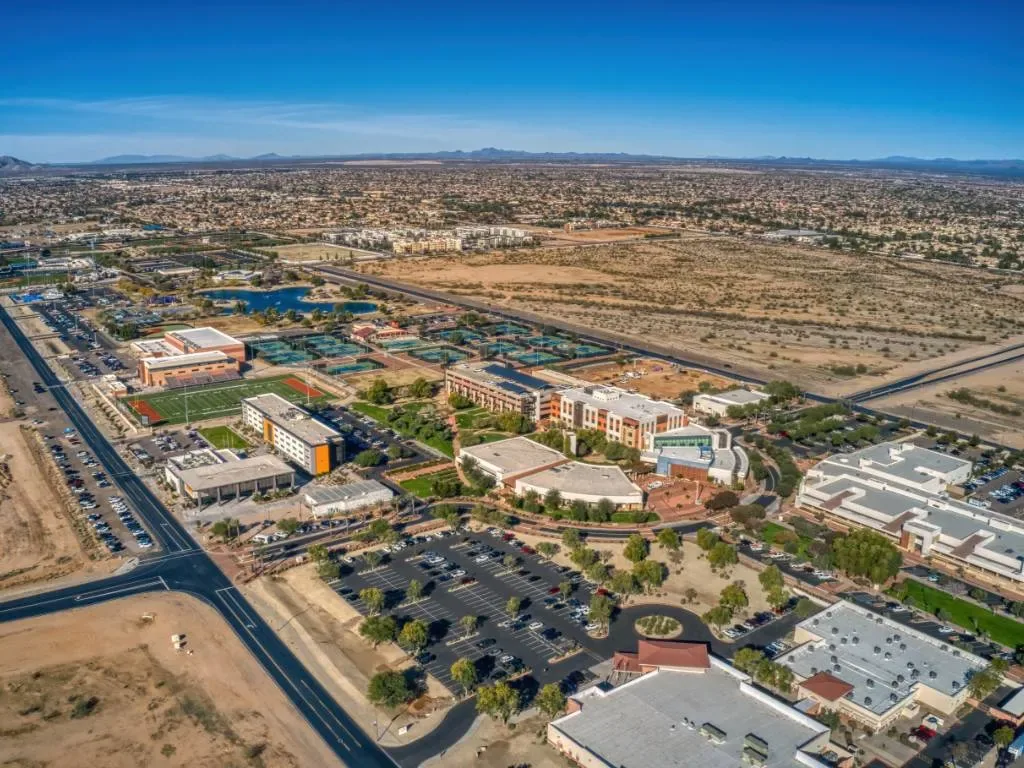
Related Roofing Work
Get a roof record the team can use
Send the roof plan, recent repair documents, site access limits and the decision you need to make. We can inspect the roof, map confirmed findings and list the tests and work that remain.