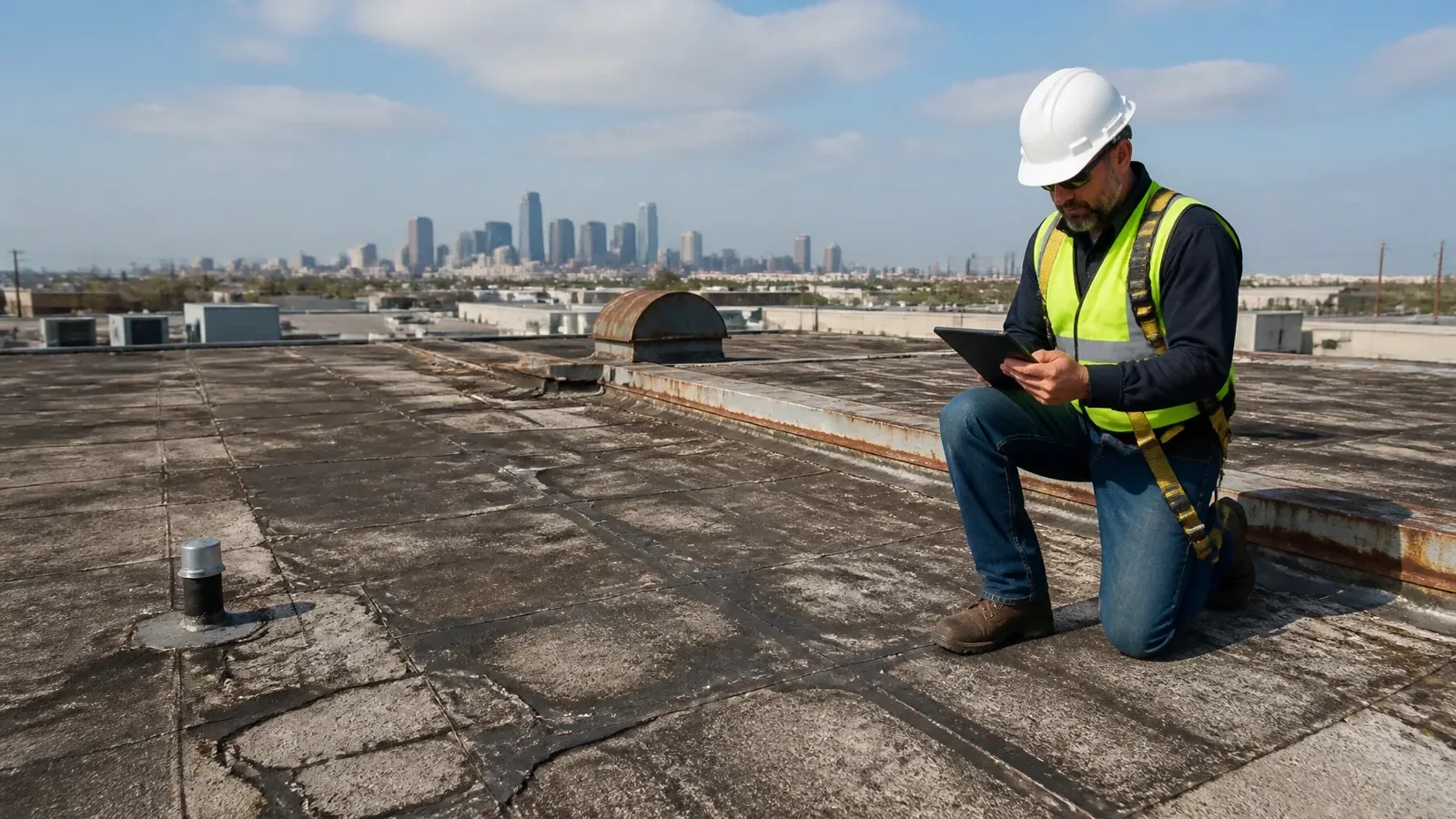
For a Buckeye property, roof decisions sit alongside the access and growth pattern of the West Valley. Buckeye lies along the Surprise-Buckeye segment of the US 60 and Loop 303 regional corridor, which connects Buckeye-side growth with Surprise and Peoria. We inspect the actual assembly before proposing work: membrane, seams, penetrations, edge details, drainage and any visible moisture. The scope follows the roof, not a corridor boundary.
Our visit begins with leak locations, repair history and safe access. We trace water back from interior marks, photograph the roof zones and separate a contained defect from signs of broader assembly trouble. Owners receive a clear record of observed conditions and the next useful step. A roof condition report with photos can support maintenance, budgeting or a replacement decision.
Keep regional access separate from site access
US 60 and Loop 303 connect Buckeye-side growth with Surprise and Peoria, but each property has its own delivery path and staging limits. Before material arrives, we confirm the gate, roof hatch, lift position and any route that must remain open. A site lead can also identify construction activity or tenant schedules that affect the work window. Regional roads provide context; the property contact sets the actual access plan.
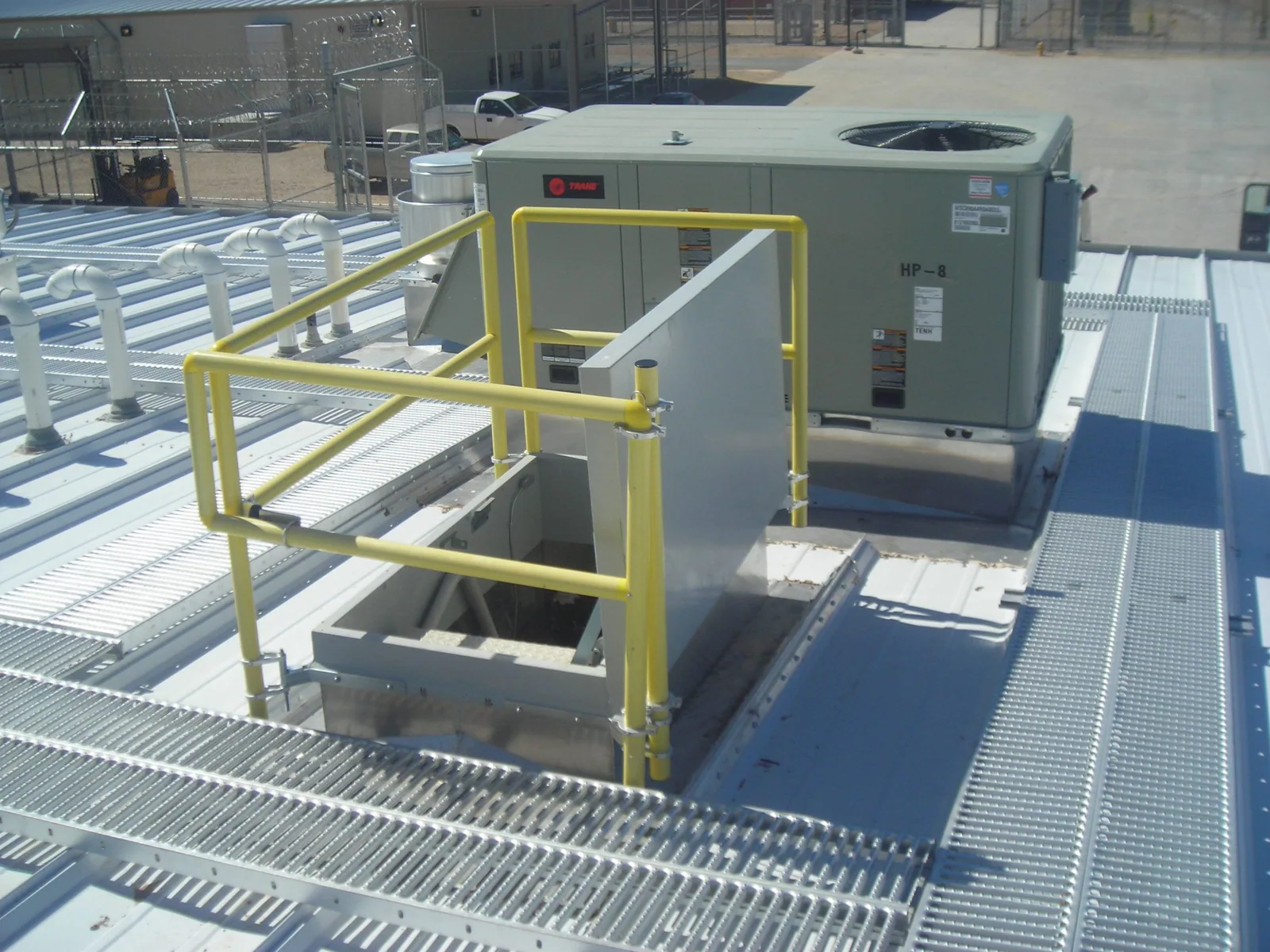
On the roof, we identify the system from records and field details, then check seam attachment, flashings, drains and edges. A leak above an occupied space may have traveled along the deck before appearing inside, so we inspect surrounding transitions as well as the reported point. If equipment changes are planned, the curb and support details should be coordinated before a trade cuts the membrane. Our equipment curb and support work restores that waterproof boundary.
The regional corridor does not establish a particular roof system or building type for an individual Buckeye property. We identify the material, layers, drainage and prior repairs in the field, then record findings for that building.
Check the low-desert roof after a storm
Buckeye shares the hot, dry Phoenix West Valley roof environment. Summer heat and sun exposure can age sealant, membrane and exposed flashing, so we inspect for split repairs, loose terminations and seams that have lost bond. Those signs are recorded by location; a roof's material, shade and service history affect what they mean. A climate description sets a reason to look, not a conclusion about a particular assembly.
Monsoon episodes can bring wind, hail and flash flooding in this part of the West Valley. After reported weather, we examine perimeter attachment, penetrations and drainage outlets, then photograph actual conditions. Wind-related movement and water backup may affect different roof details. We check whether the drain is obstructed, a strainer is loose or water is collecting because of slope. If water is entering the building now, emergency response is available at any hour, holidays included; temporary protection is documented separately from the permanent repair.
Hail marks should be evaluated with the membrane and equipment in view. We compare affected areas with adjacent surfaces and any earlier inspection photos, then identify whether a puncture or damaged flashing is present. We do not turn a weather report into a roof claim without an observed condition. For an insurance file, our claim documentation service can organize inspection findings and repair scope around the evidence on the property.
Choose a repair path with the assembly in view
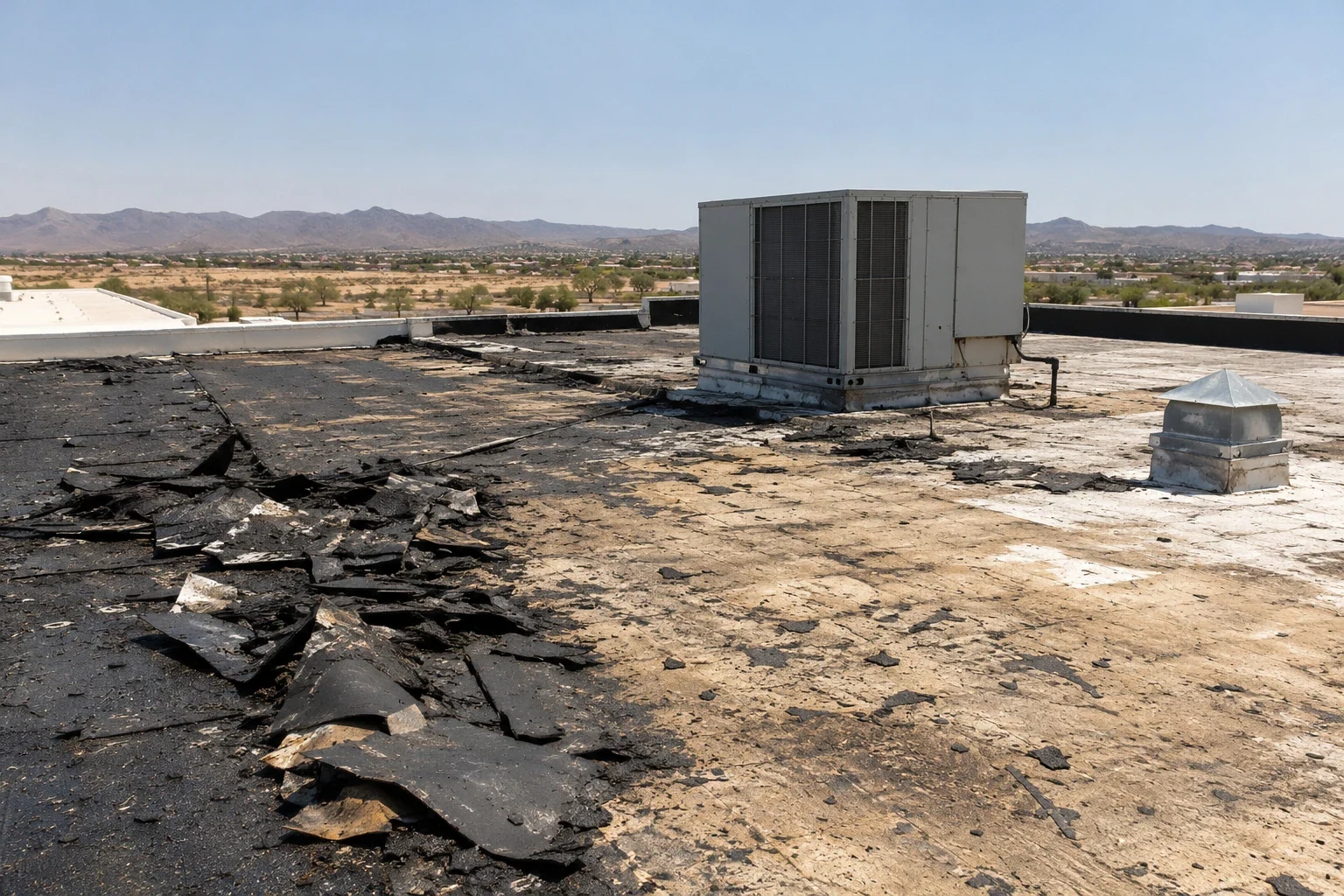
A bounded puncture, seam opening or failed curb flashing can be repaired if the surrounding material remains sound. We prepare the surface and extend the repair to a stable edge. When leaks recur across different zones or insulation is wet, spot repairs may leave the main issue untouched. We map those findings, note any test that could alter the scope, and give the owner a choice based on what was found.
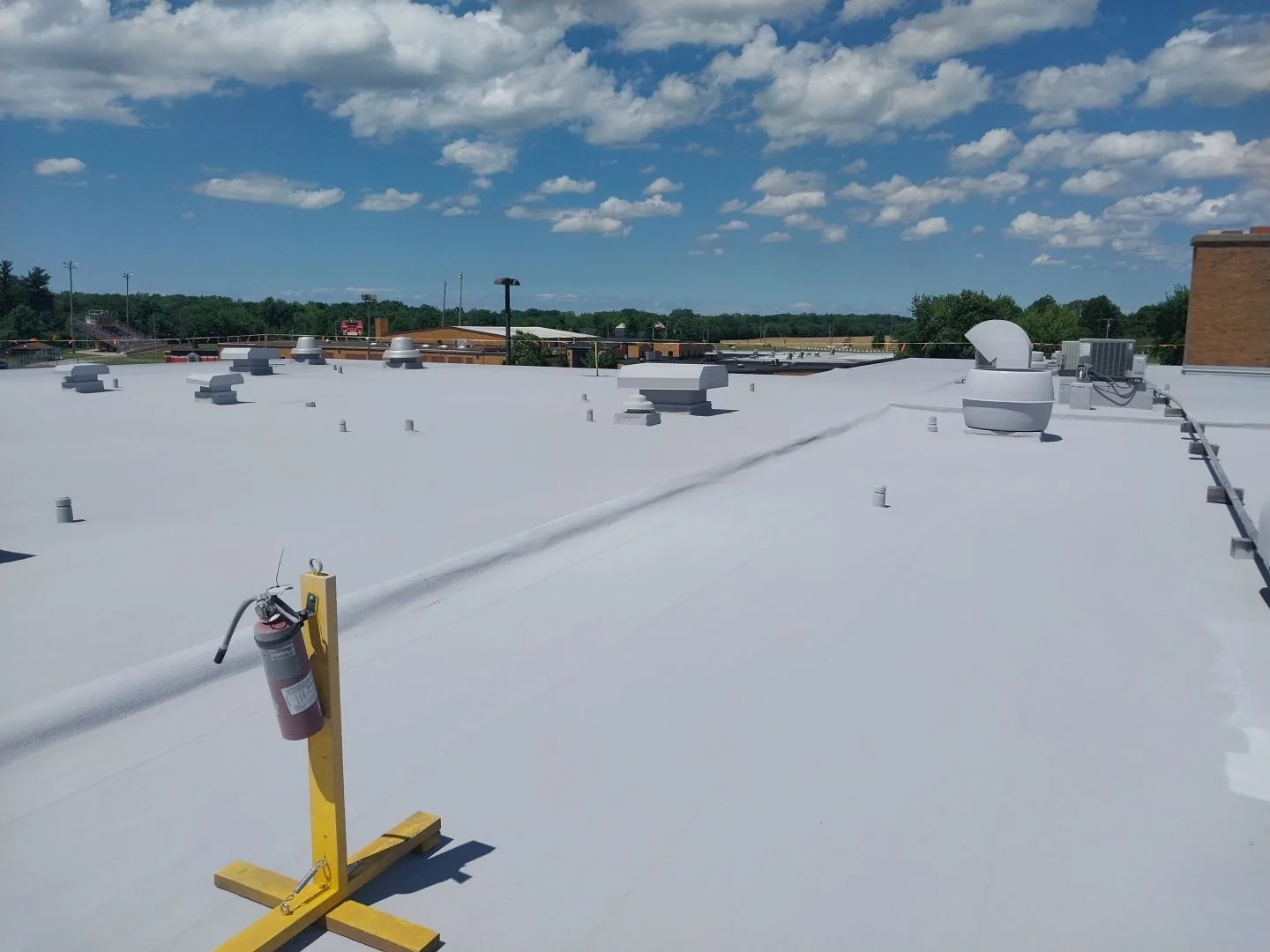
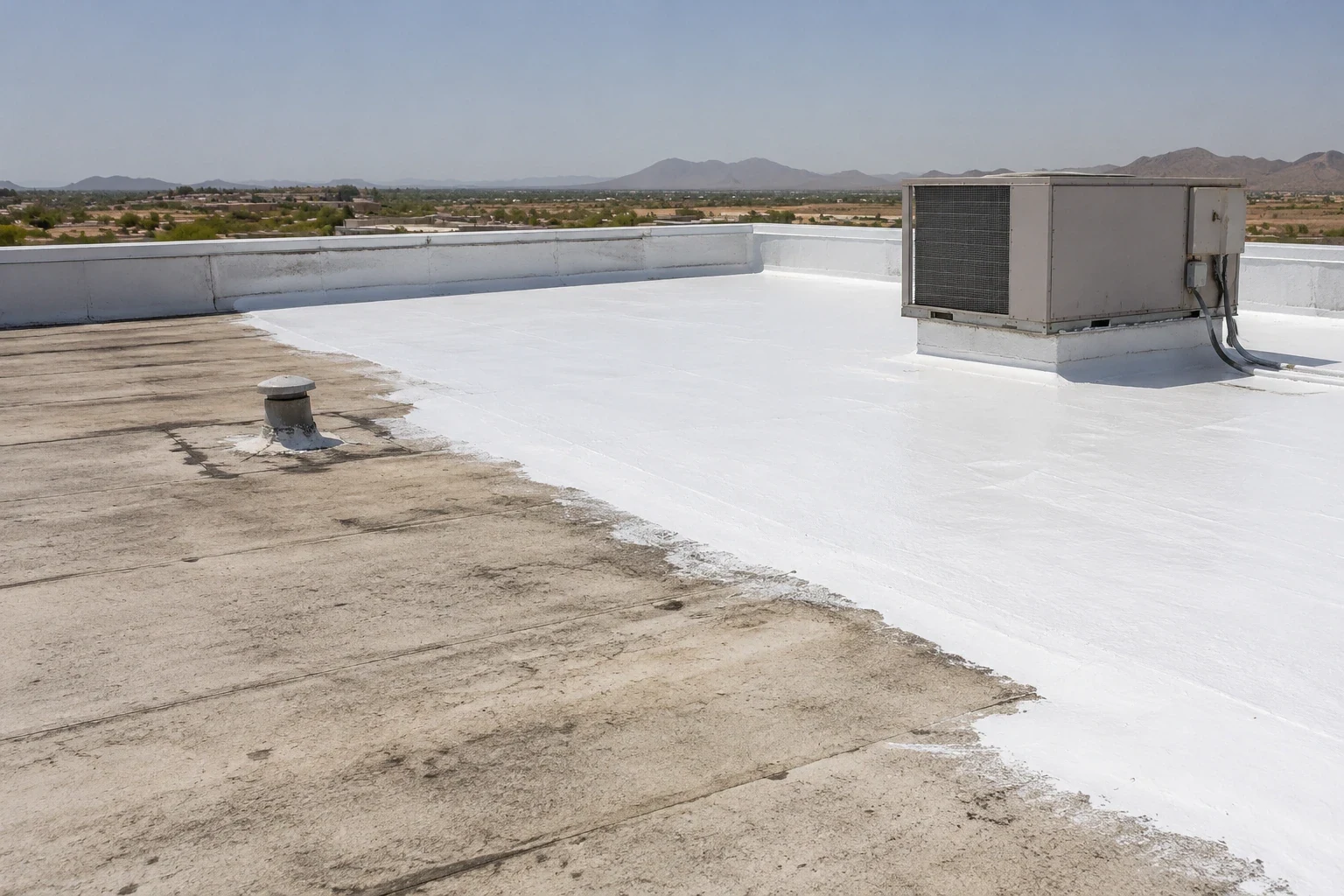
Recovering over an existing roof is possible only if the layers, attachment, moisture and detail heights permit it. A coating also needs compatible material and a surface that can be prepared properly. Wet insulation or loose membrane requires another plan. Our recover and overlay review checks those conditions first; coating and restoration is priced after substrate and transition review.
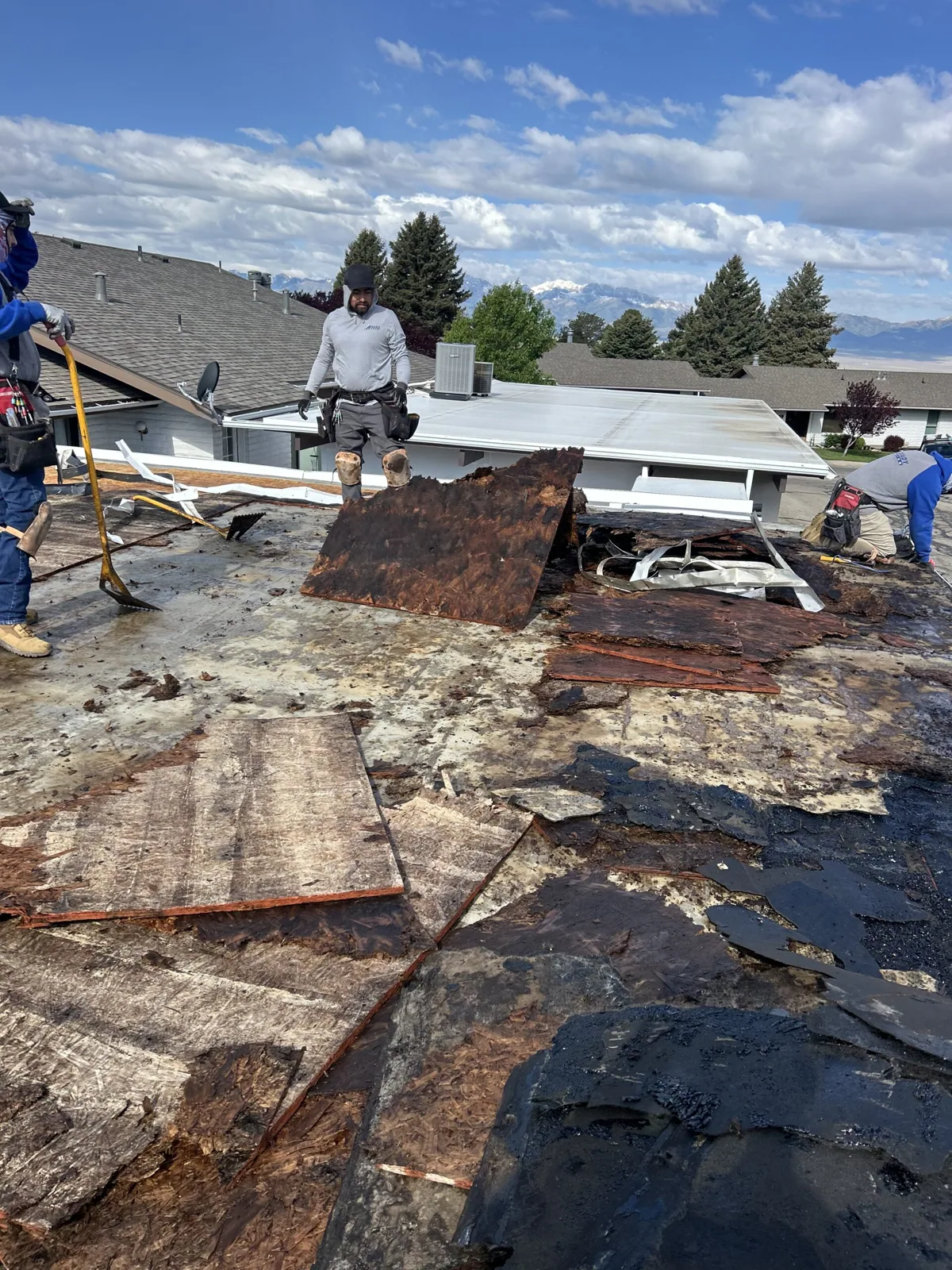
If replacement is the sound choice, the scope should state tear-off or overlay status, insulation, edge metal, drains, rooftop equipment, disposal, staging and phasing. Those quantities, along with roof access and building hours, drive cost and timing. We can separate immediate water protection from the permanent work so the owner understands which risk is reduced now and what remains in the capital plan. For a broader view, a replacement estimate lays out the assembly and sequence.
Plan the handoff before work starts
Before the crew opens a roof area, we agree on who authorizes access, where material may stage and which interior spaces need protection. If the property remains active, we set a daily work boundary and communicate changes to the site lead. Temporary openings are closed or protected before the shift ends. A clear handoff also names the rooftop trade contact when HVAC or electrical work touches a finished detail.
Regional roads tie Buckeye-side growth to Surprise and Peoria. At the building, the service lane, gate hours and lift location determine the field sequence. For occupied properties, our occupied-building reroofing process keeps tenants and access in view. The Surprise Loop 303 corridor and US 60 and Grand Avenue corridor connect those roof decisions to a broader regional view, with each property inspected on its own.
After a repair, keep the photo record, material note, leak location and closeout details with the building file. At follow-up, we can inspect the same seam, drain or edge and compare it with the prior condition. That helps distinguish a repair that is holding from a new source of water. If a larger project is deferred, a maintenance plan can identify the next inspection trigger and keep priority items visible.
For a scheduled walk, provide available drawings, the area where water appeared and any work already completed. We can inspect accessible roof sections, mark questions needing further testing and return an option set with cost and timing drivers. The decision should be legible to the owner and facilities lead, whether it is a repair, another evaluation or a full assembly plan. Each item receives a location, priority and follow-up action in the closeout record.
Commercial Roofing Questions
Do the US 60 and Loop 303 corridors indicate the roof system on a Buckeye building?
No. Those regional connections place Buckeye-side growth in context, not its roof assemblies. We identify the material and layers from building records and field details before we recommend repair, recover or replacement.
What should we inspect after wind, hail or heavy rain?
We check perimeter details, seams, penetrations, drains and any interior leak locations, then record observed conditions by roof area. Wind movement, impact and water backup have different signs, so we connect the finding to the repair needed.
Can you price an overlay before checking for moisture?
We need to review moisture, attachment, layers, drains and edge heights first. If the existing assembly is not stable or dry enough, an overlay could conceal a defect. We identify any test that may change the recommendation before pricing that path.
How do you schedule work when a property is expanding?
We verify current access and work areas with the site contact rather than relying on regional plans. Material staging, tenant hours, active trades and temporary protection go into the written sequence, which can be updated as the property changes.
Ready to review the roof scope?
Request a Roof Assessment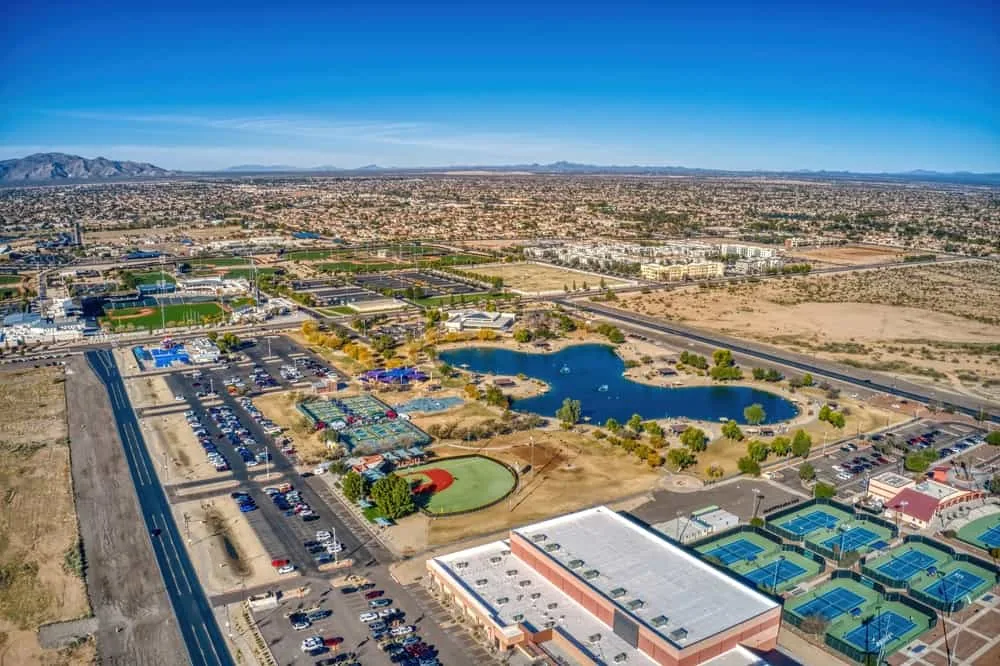
Related Roofing Work
Inspect the roof before selecting the system
Send the leak history, roof records and access requirements. We will inspect the assembly, document its condition and compare repair, restoration and replacement options for your Buckeye property.