A medical or retail roof near Surprise City Center may be a candidate for coating only when the existing assembly is still sound enough to keep. A coating is a restoration layer, not a way to bury wet insulation, open seams, or a weak deck. We inspect the field, edges, penetrations, and drain paths, then check whether the substrate can accept the selected system. That first decision matters more than the color of the finish. A written scope should show the repairs, preparation, and test areas that make the coating work possible.
The roof beneath the coating
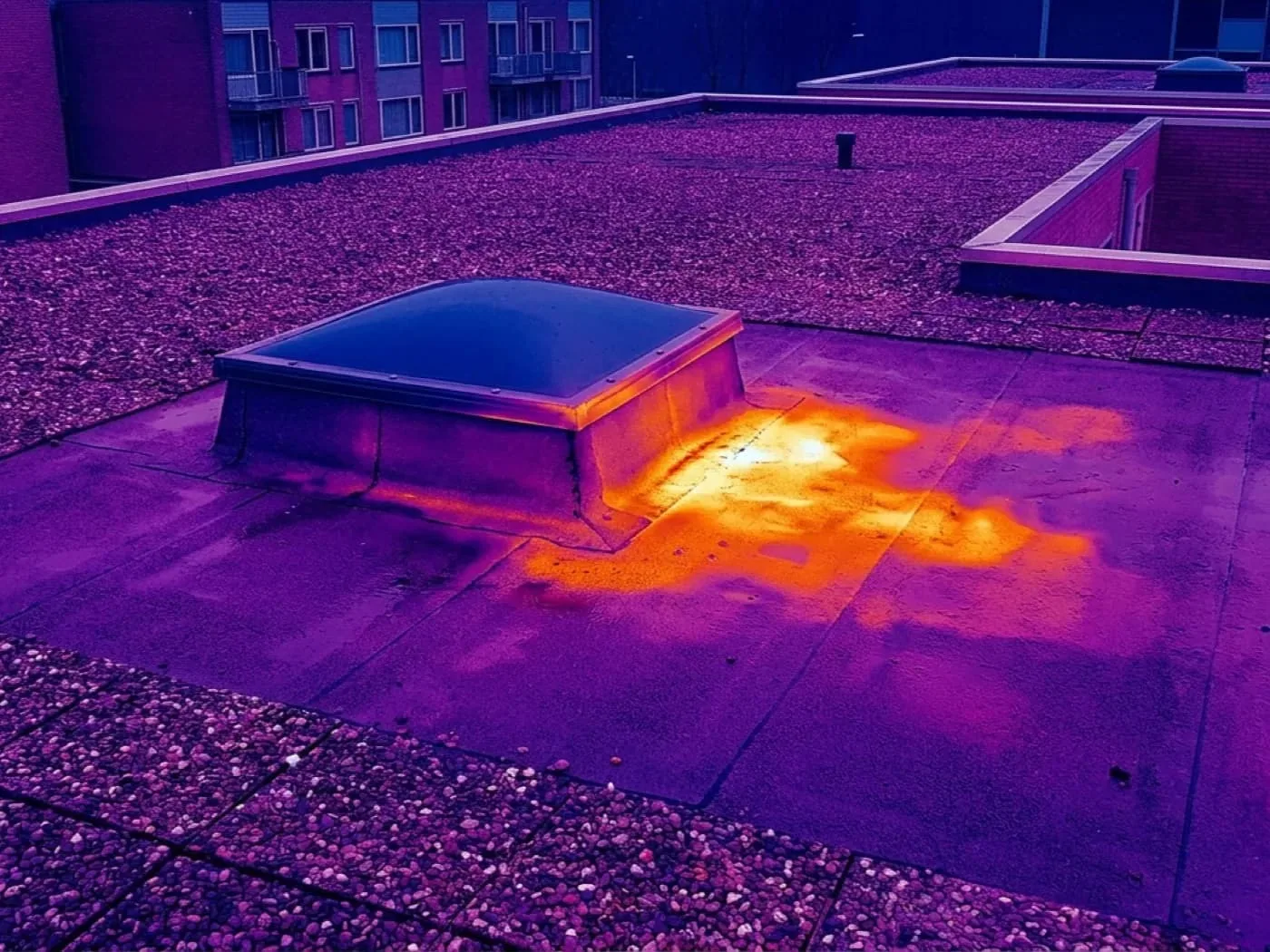
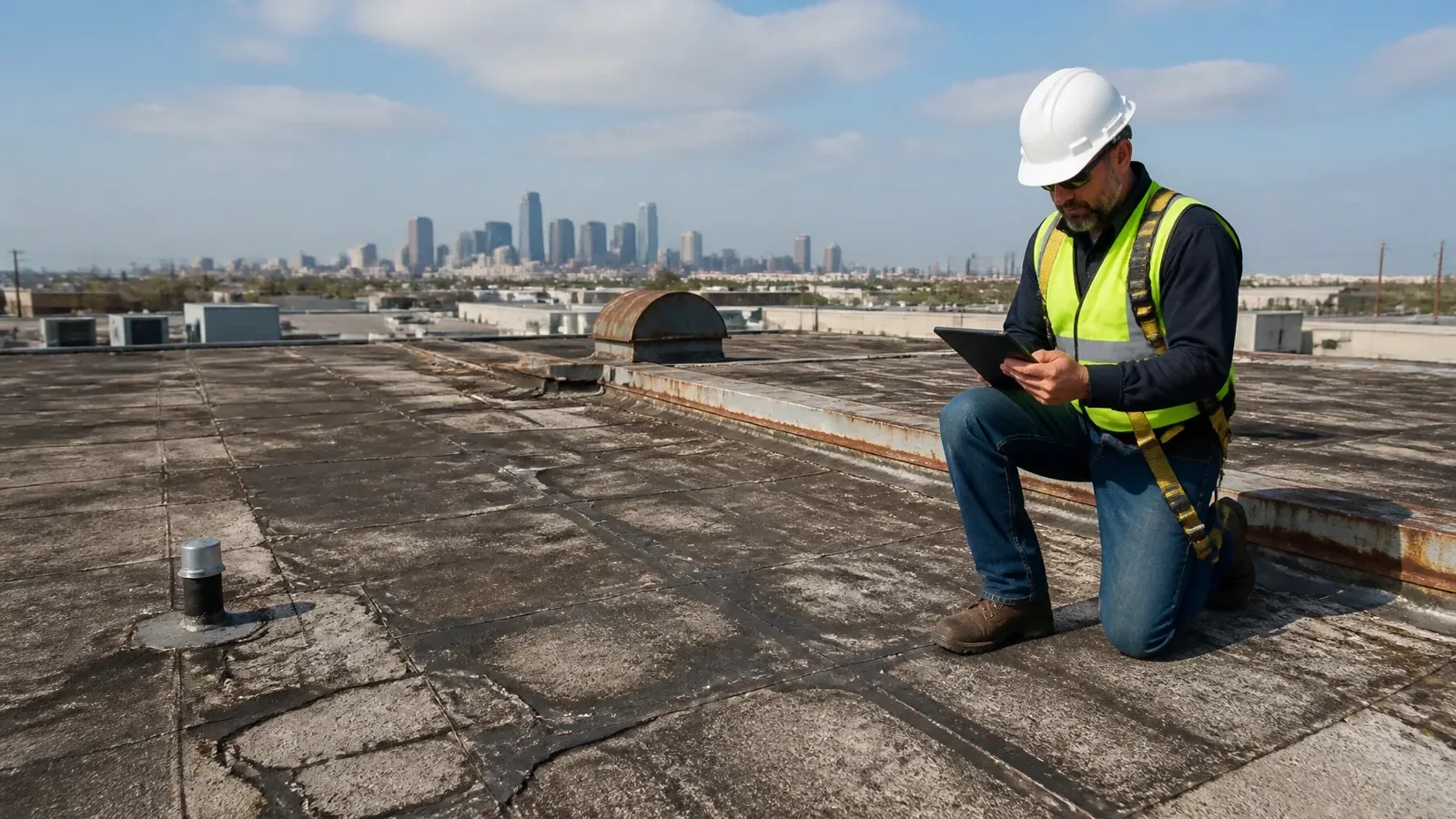
We begin by looking for active leaks, soft spots, widespread blistering, loose membrane, failed seams, and moisture that may be trapped below the surface. A coating bonds to what is prepared, so a dirty, chalked, oily, or incompatible surface can leave the new layer poorly attached. We identify the roof type, note prior coatings and patches, and test adhesion where the system calls for it. If a probe or moisture survey shows a deeper problem, that area needs its own repair plan before restoration is considered.
A localized defect can sometimes be repaired and included in a coating scope. Widespread wet insulation or unstable attachment can change the decision to a recover or tear-off. We record the boundary rather than treating the whole roof as one condition. For a broader assessment, a commercial roof inspection can map visible conditions, while infrared moisture screening can help identify areas for confirmation. Neither replaces opening the assembly where the findings require it.
Preparation sets the bond
Before coating, the roof must be cleaned and the details repaired to the system requirements. Loose material, dust, failed sealant, and incompatible patches can interrupt adhesion. We define how washing water will drain, how sensitive equipment will be protected, and whether a primer or reinforcement fabric belongs at a seam or transition. The scope should state the surface preparation method, repair materials, coating type, target coverage, and inspection points. Those items give the owner a way to compare bids that otherwise sound alike.
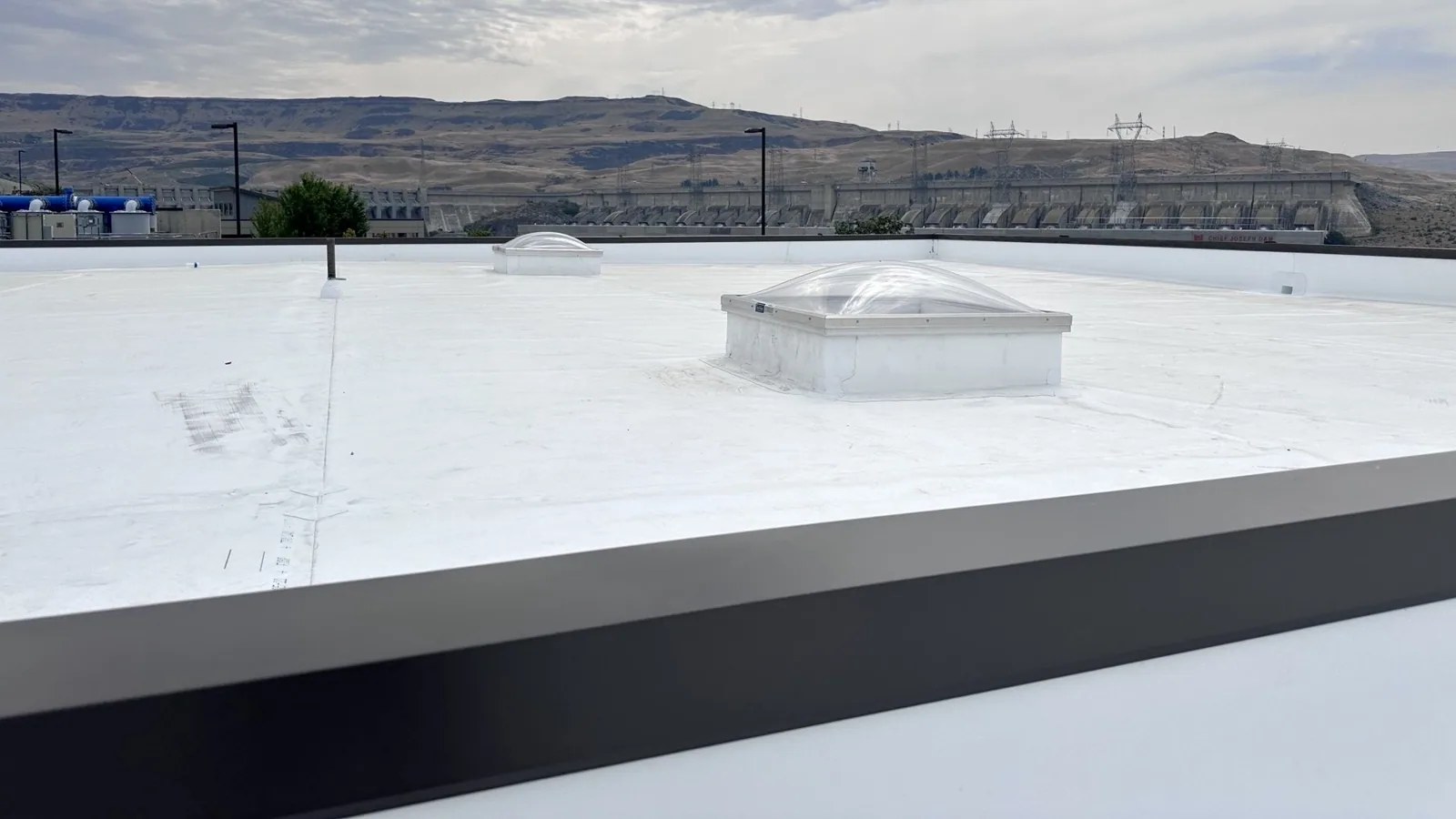
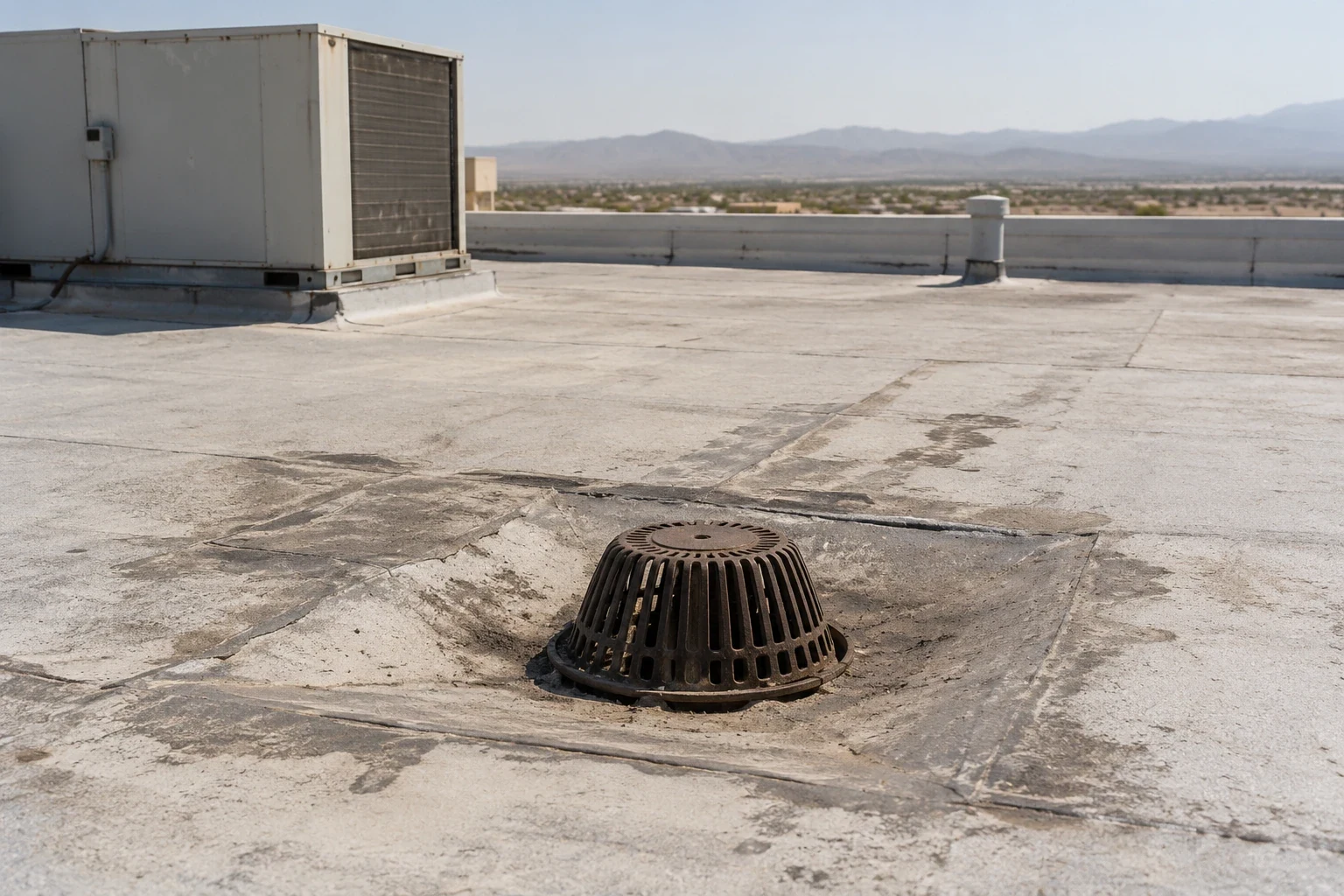
At a roof with many curbs, conduit runs, or skylights, detail work can take more planning than field application. We document each condition and stage repairs so the coating does not bridge a moving joint or cover a detail that needs a mechanical repair. Where the existing membrane is TPO, TPO roof repair and system options should be considered before choosing a coating. For a roof with drainage concerns, a separate drainage correction may be needed first.
Sun exposure and the application window
Summer sun puts a coating's adhesion and weathering under repeated heat, so the roof walk checks surface condition and moisture before choosing a restoration scope. Long hot periods make surface preparation and the coating manufacturer's application window important. The roof temperature, shade, dew, wind, and cure time can affect when a crew can apply the material and reopen the area. A written schedule should include the products' stated limits and a plan for work that cannot be completed before weather changes.
Monsoon thunderstorms in the Phoenix area can bring damaging gusts and heavy rain that test edges, drains, and rooftop openings. We check forecast timing, protect open work, and avoid leaving a partially prepared area exposed if rain may interrupt application. Cactus Road and Loop 303 is a broad retail and commercial corridor, while the Railplex has industrial and freight-related uses; access, staging, and operating hours differ between them. A coating inspection near Cactus Road and Loop 303 should fit the roof's actual use, not a regional assumption about every property.
Restoration or a new assembly
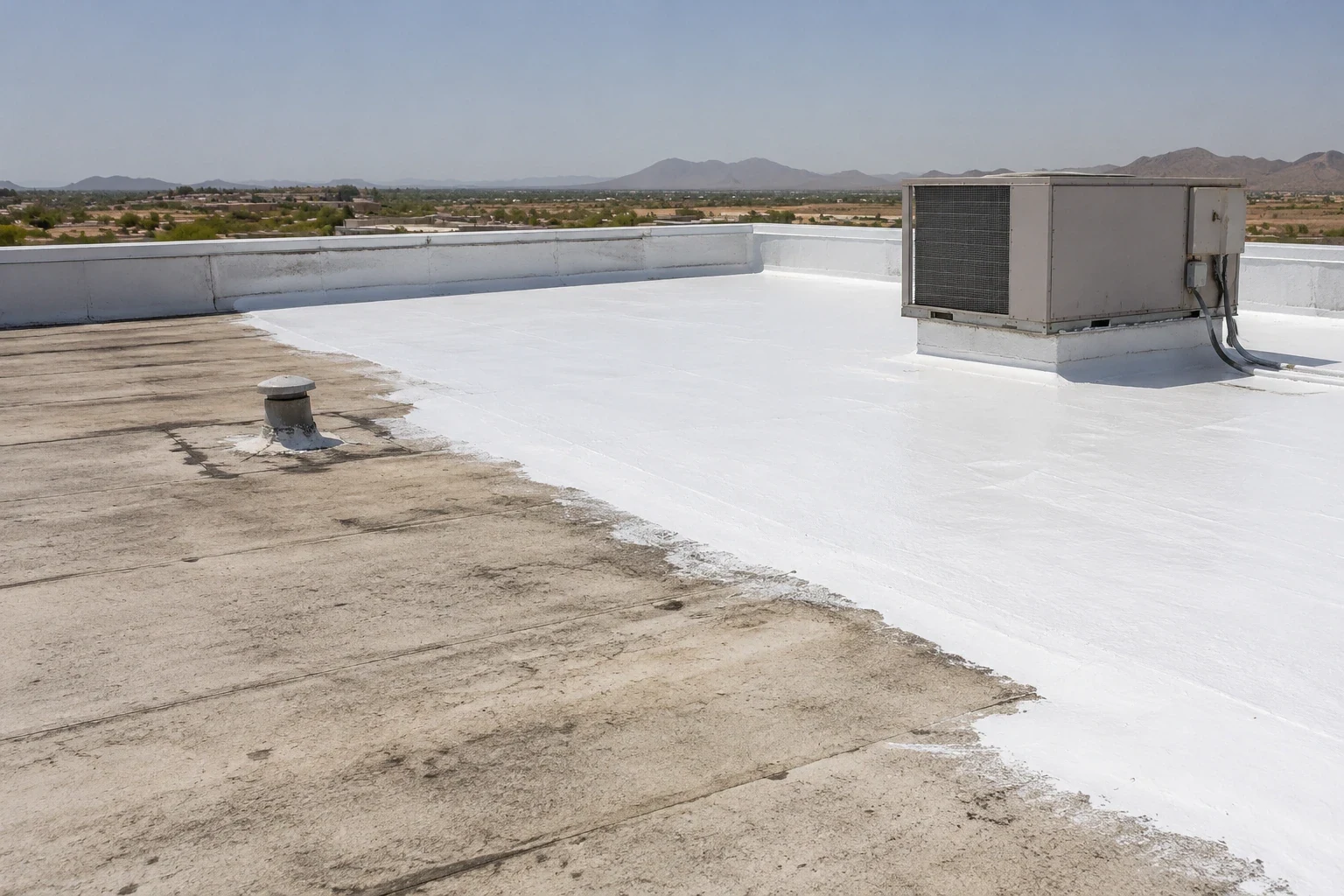
A coating can add a service layer when the existing roof is dry, stable, and compatible. It does not correct a failed deck, make wet insulation dry, or resolve inadequate slope by itself. When those conditions are present, we compare repair, recover, and replacement options with the owner. A recover may be possible if the old assembly, attachment, and added loading meet the project requirements. A tear-off can expose hidden damage and reset the assembly, but it also adds disposal, interior protection, and operating coordination to the work.
Surprise's locally amended 2024 International Energy Conservation Code took effect January 1, 2026. Energy-related reroof or alteration requirements should be checked against the project scope before the system is specified. We can coordinate the roof walk and provide a written coating or replacement scope, while the design team confirms applicable permit and energy requirements. A coating restoration plan is useful only when it describes the prepared substrate and repair boundary, not simply a topcoat allowance.
Keep openings and daily work under control
Coating work can involve noise from cleaning, odor from some materials, and temporary limits around roof access. We identify tenant hours, rooftop equipment operation, intake locations, and where materials can stage before the crew arrives. A phased plan lets the facility lead keep doors, service lanes, and critical operations usable while one roof area is prepared and coated. If the roof serves an occupied healthcare or retail use near City Center, we coordinate protection around air intakes and public access rather than treating the roof as an empty work zone.
Our handback records the areas completed, repairs made, and any condition left outside the agreed scope. That matters later if a leak appears near a separate curb or if a tenant reports a stain below an unrepaired area. A condition report with photos can keep those boundaries clear. For a roof whose damage followed a storm, storm repair and coating work should remain distinct until the damaged assembly is understood.
Commercial Roofing Questions
How can we tell whether a roof is a coating candidate?
The roof needs a stable, dry substrate and a surface the selected material can bond to after preparation. We inspect seams, flashing, drains, prior patches, and suspected moisture, then identify repairs or tests needed before a coating proposal is final. A coating is not the right answer where the deck or assembly has failed.
Will a coating stop a leak by itself?
Only if the source is identified and the repair is included in the scope. We correct open seams, penetrations, and other defects before coating. Water trapped below the membrane or entering at an unaddressed curb can continue to affect the building, so those findings need separate repair or investigation rather than a surface layer.
What controls how long a coating project takes?
Preparation, repair count, roof access, surface temperature, and cure conditions set the workable window. We also account for equipment, intakes, tenant hours, and whether rain could interrupt a section. The schedule should show where the crew can start, what must stay protected, and when each area can return to service.
Can coating be applied over a previous coating?
It can be considered only after we identify the old material, test compatibility and adhesion as needed, and check for trapped moisture or failed details. A prior layer that is loose or incompatible changes the scope. We document what was tested and any area that needs removal or repair before the new system is applied.
What should be included in a coating proposal?
Look for the roof conditions, cleaning and preparation method, repair locations, product system, coverage target, detail reinforcement, access plan, and inspection steps. We spell out excluded or inaccessible areas too. That lets the owner compare a restoration scope against recover or replacement without treating different assemblies as equal work.
Ready to review the roof scope?
Request a Roof Assessment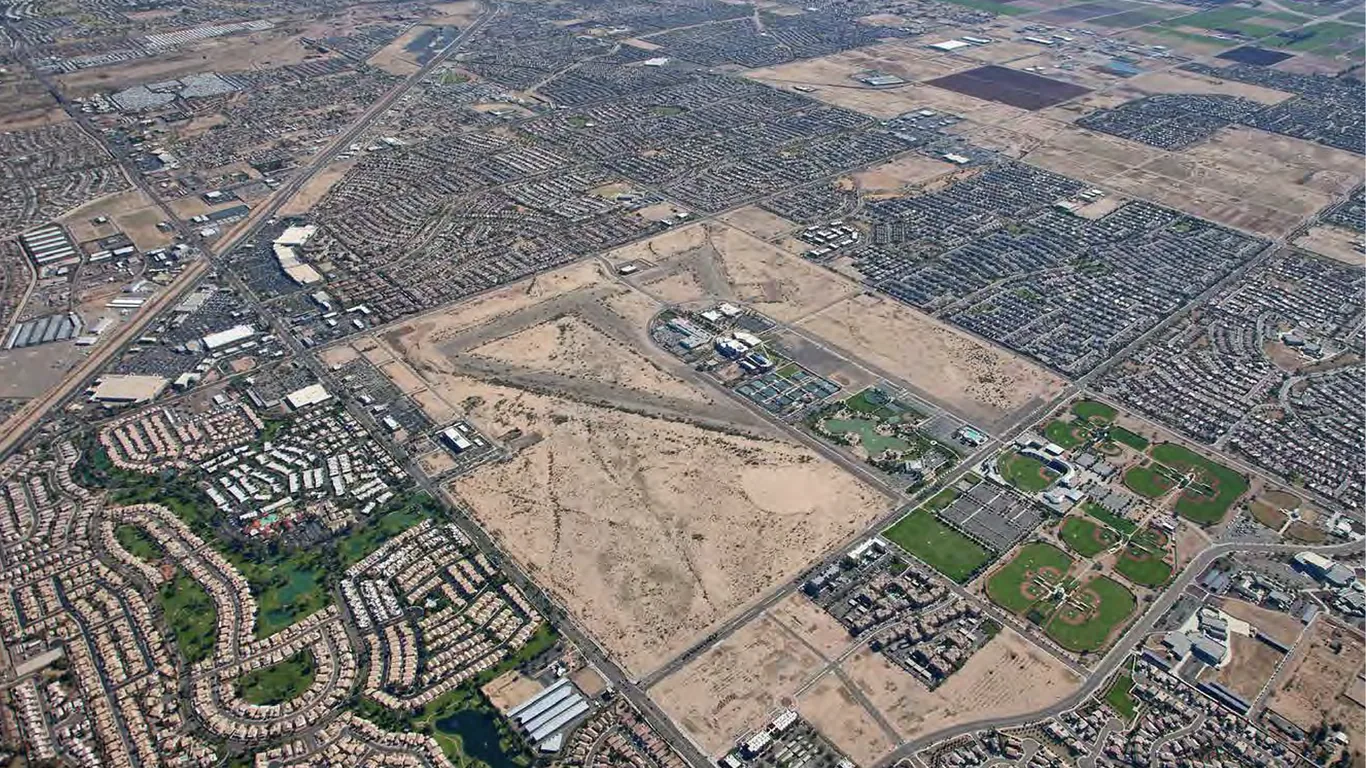
Related Roofing Work
Check the assembly before coating
Share the roof plan, prior coating records, and leak locations. We can walk the roof in Surprise, confirm preparation and repair needs, and write a restoration scope that identifies its limits.