
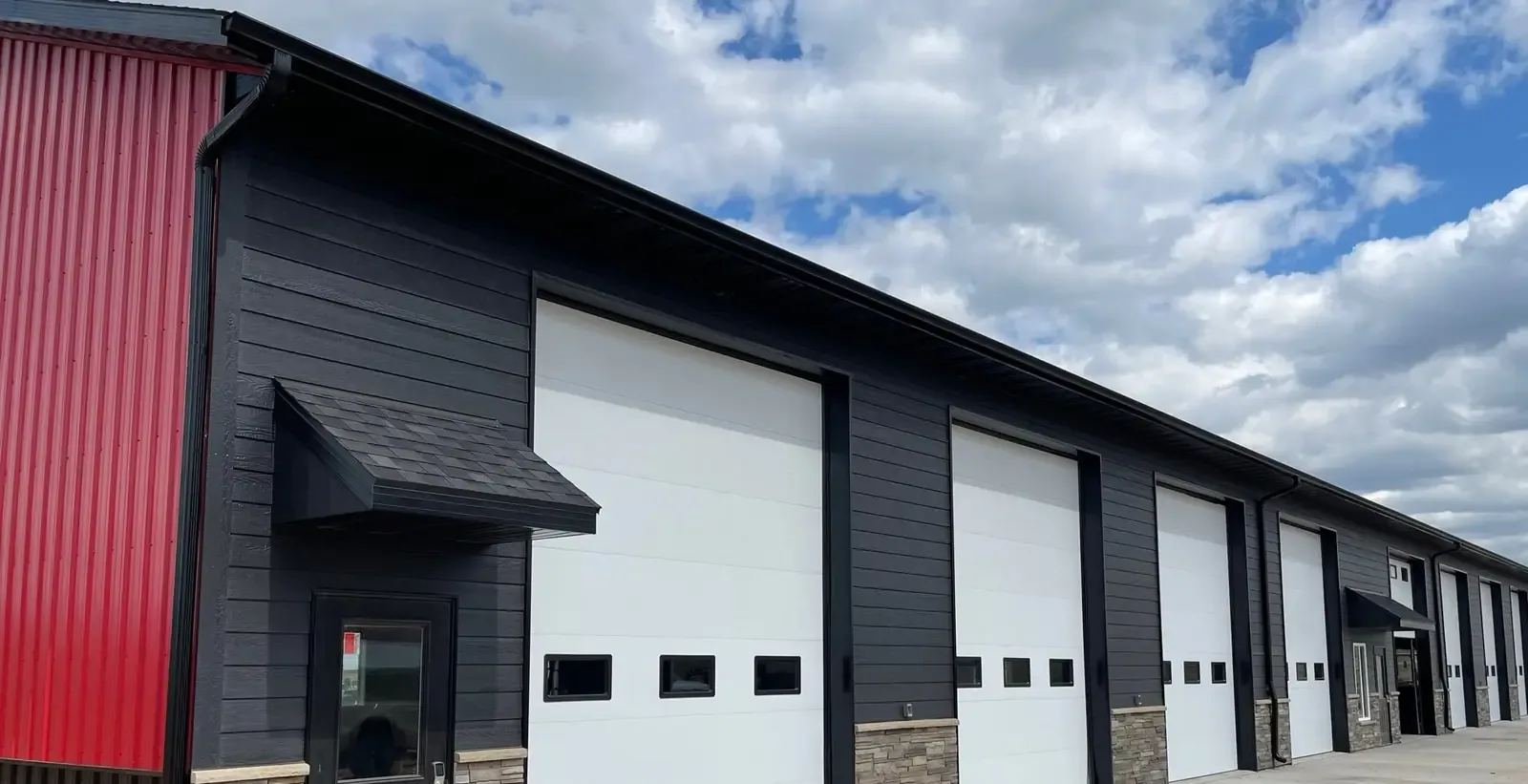
A commercial property near Cactus Road and Loop 303 in Surprise, AZ may sit among retail, fitness, home-improvement or restaurant uses, but the corridor does not tell us what is on any one roof. The City's updates describe multiple developments and planned road improvements in this area. We start with the property, confirm the roof assembly and access route, then inspect transitions, drainage and membrane condition before setting a repair boundary. For an occupied storefront or service building, the work plan needs to fit deliveries, customer access and the operating hours the site lead can provide.
Keep customer and service routes clear
On a commercial corridor, roof work begins at ground level. We ask where a lift can stage, which entrance needs to remain open, how deliveries move and who can authorize roof access. A planned road widening or active development can affect a route, but current access must be confirmed with the property contact. We identify the staging area and material path before selecting a roof section to open. That keeps the crew from carrying debris or materials through a customer entrance when another route is available.
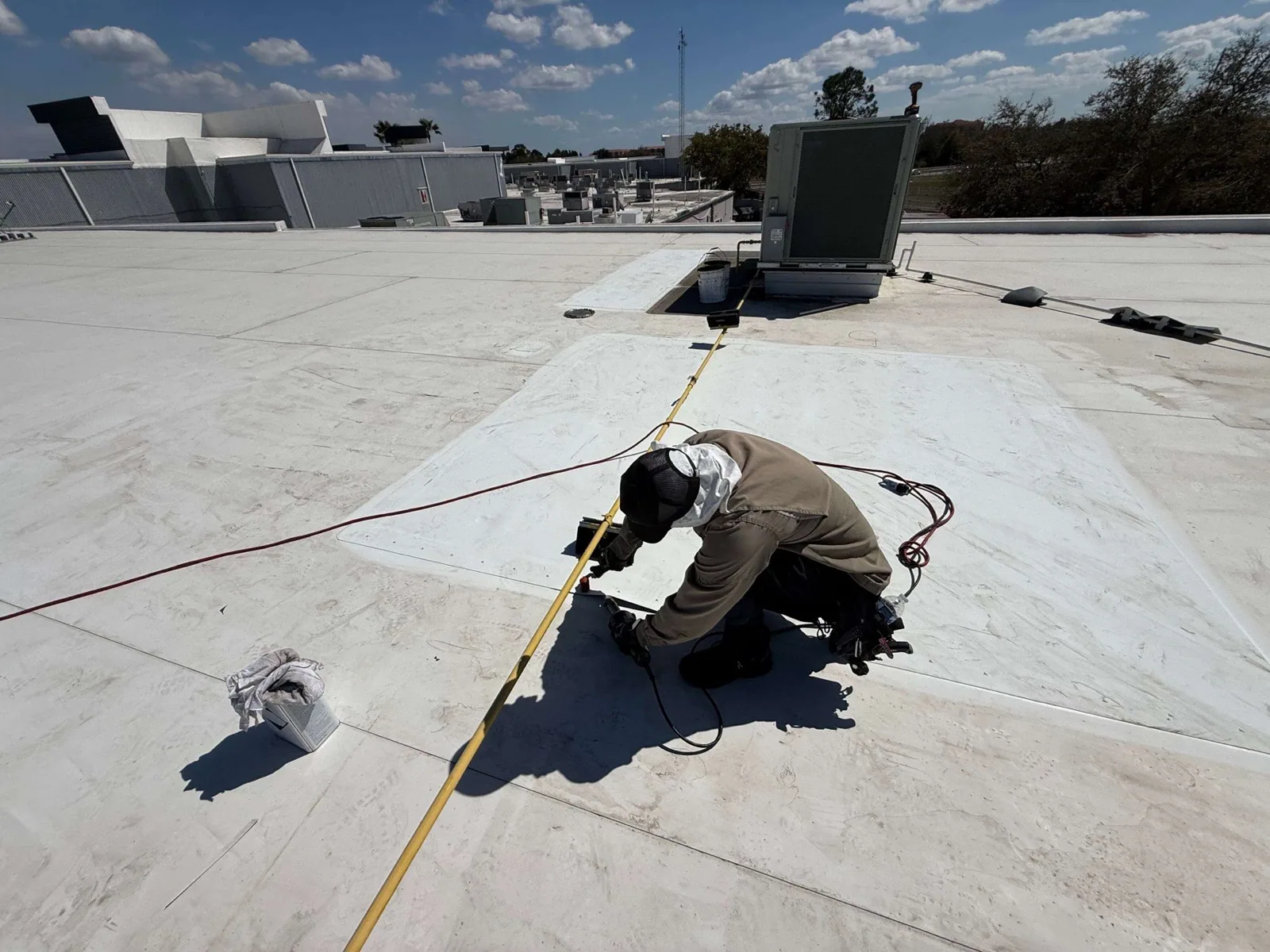
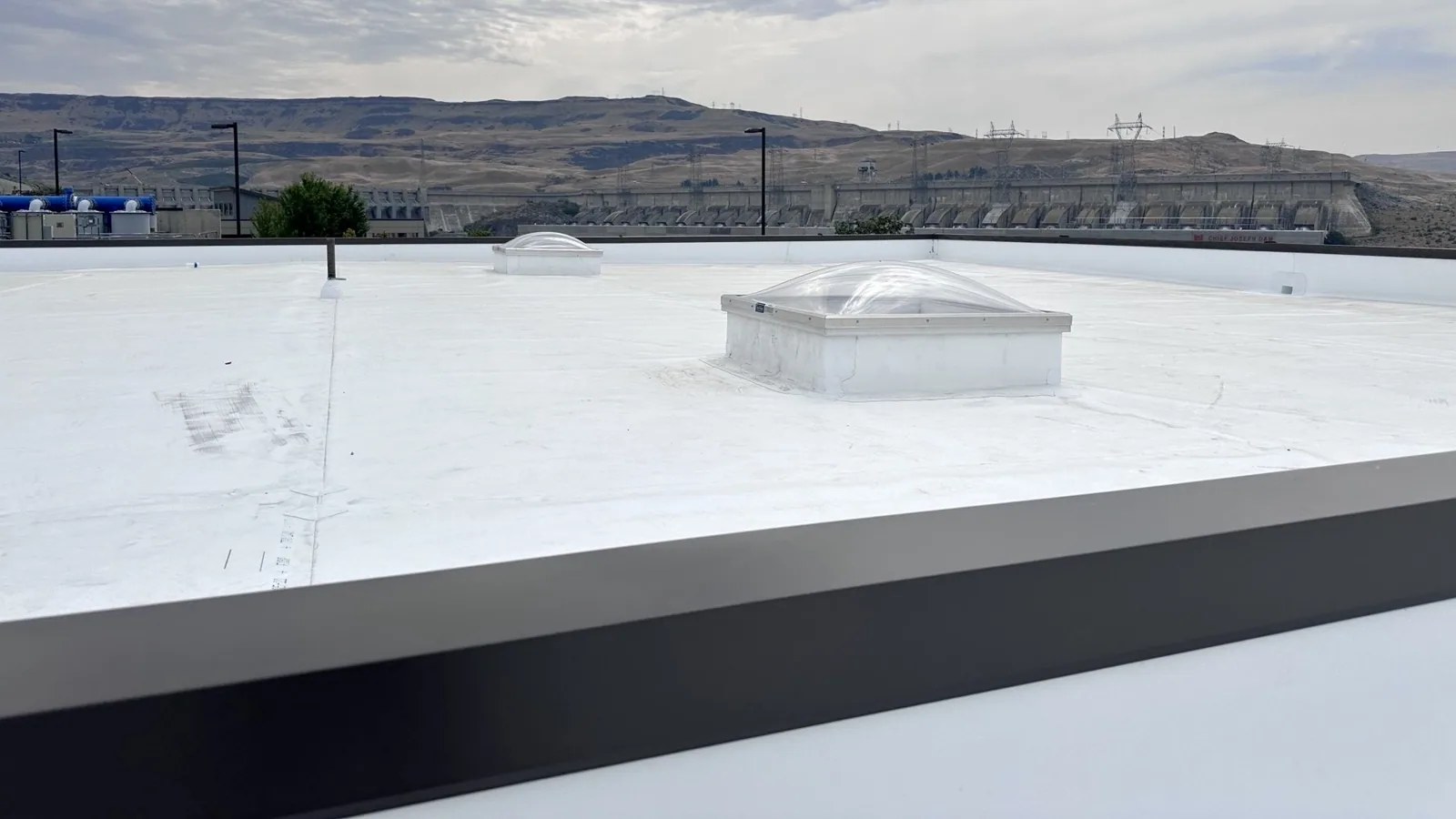
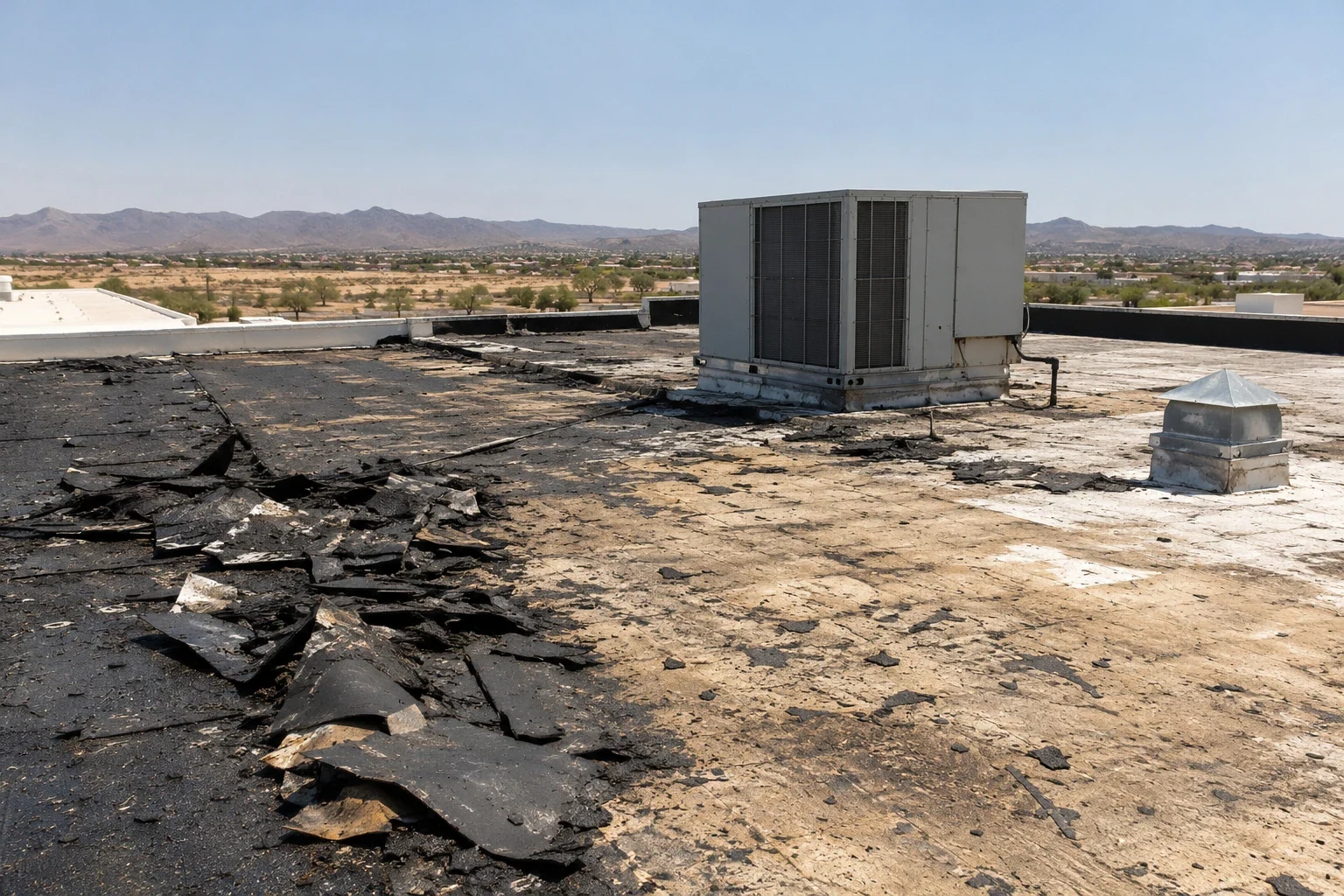
Once access is set, inspect the roof as its own assembly. We check field membrane, seams, flashing, parapets, rooftop equipment, skylights, drains and scuppers. A leak over a dining, fitness or retail area should be traced from the interior evidence to the likely roof path. We note whether the opening is confirmed, whether water may have traveled, and what test is needed to check insulation. A commercial leak repair can address a localized defect, while the inspection can record broader conditions and access limits.
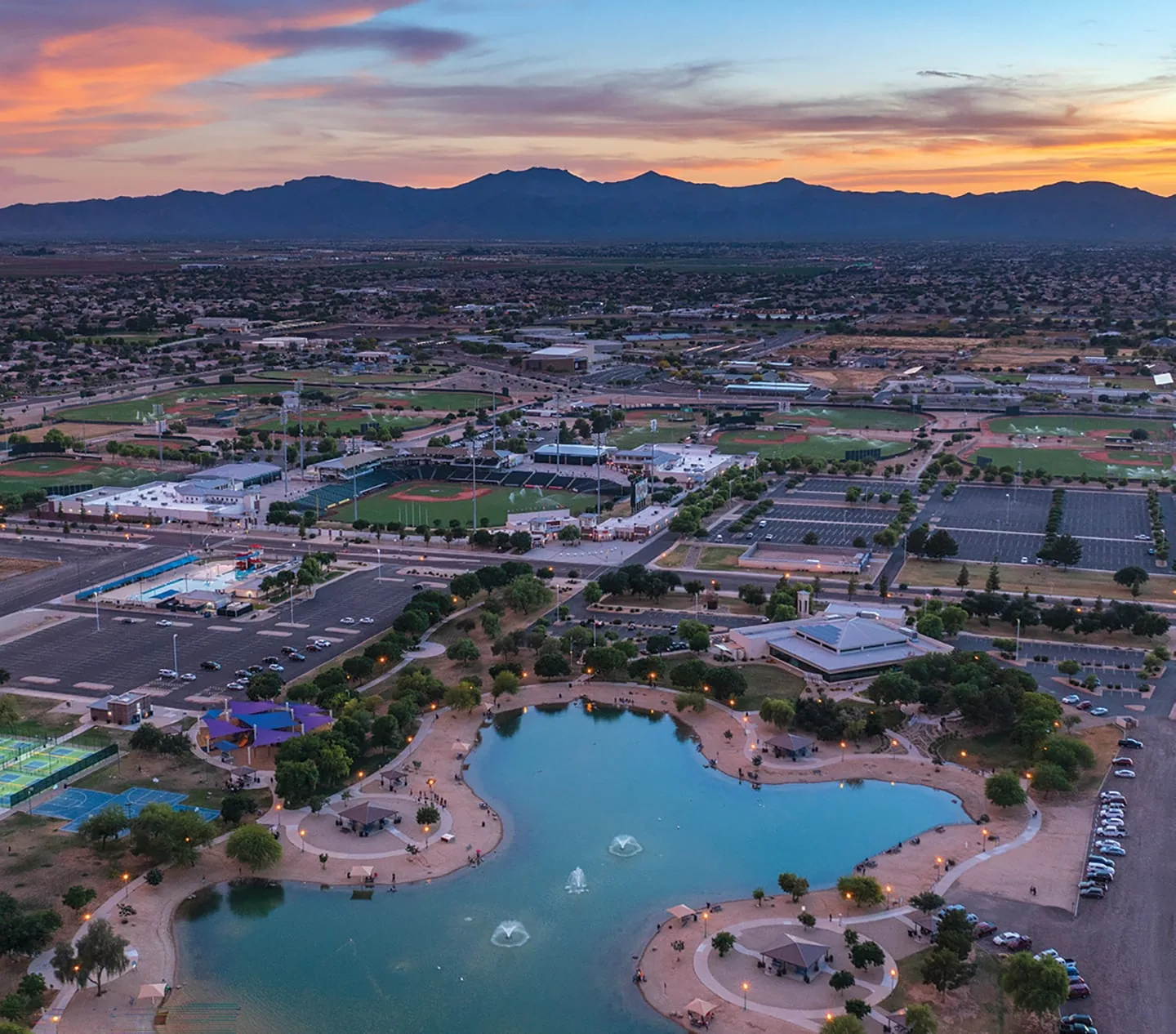
The Cactus Road commercial developments include uses opening or planned across a multi-property corridor. A roof scope should not assume every neighboring tenant is operating or that every building is complete. Near the Bell Road commercial corridor, retail and mixed-use areas create a separate access context. We coordinate with the site lead at the property being inspected and record the route, work window and any tenant notification needed for that building.
Inspect edges, openings and drainage
Edges and transitions are often where a repair scope needs precise limits. Check coping, edge metal, parapet terminations, wall flashings, curb corners and penetrations for movement, open joints, loose attachment or separated sealant. If rooftop equipment has been serviced, look for new lines, supports or fastener penetrations that cross the weather plane. The edge metal repair should address attachment and tie-in, not merely cover a loose edge with more sealant.
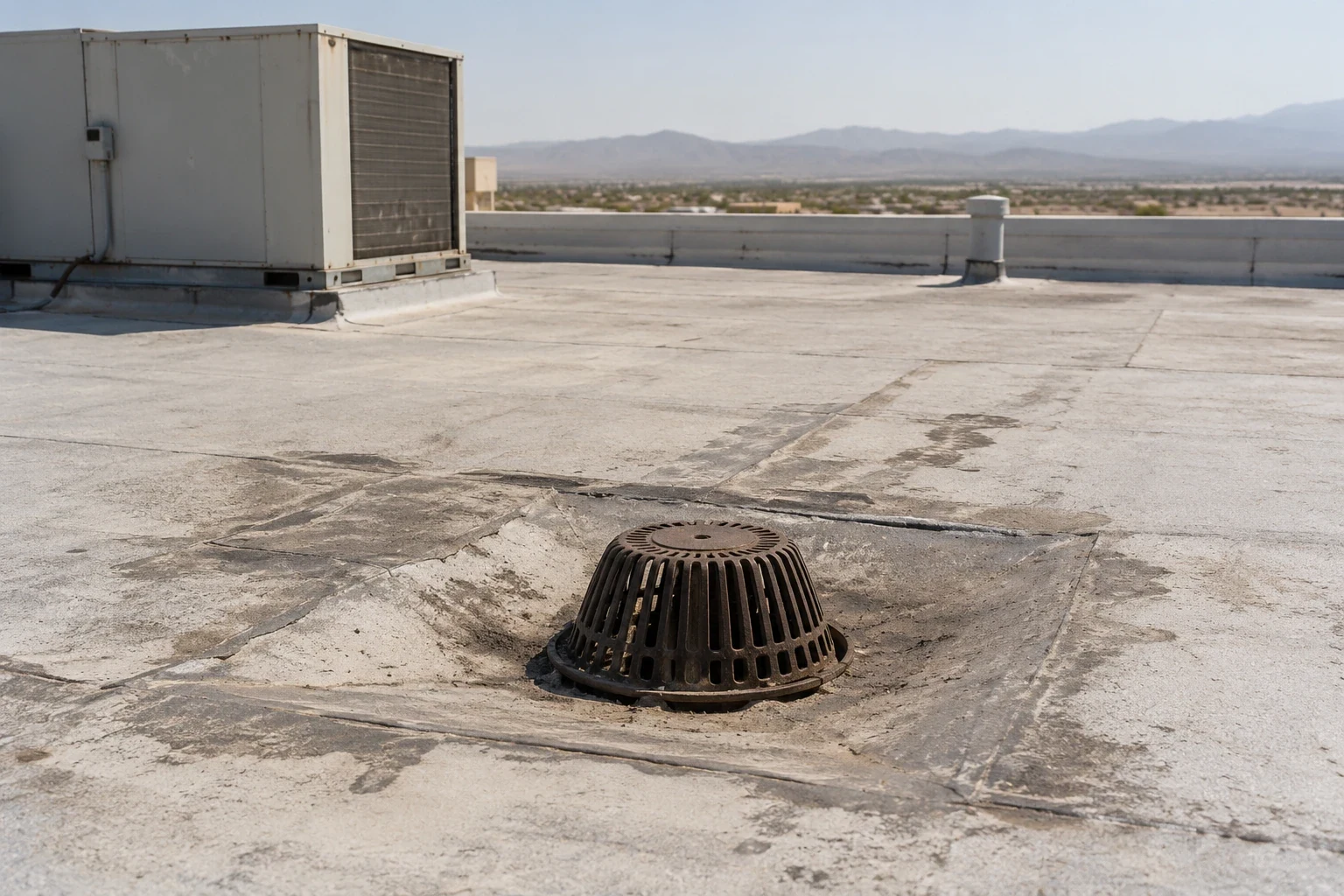
Drains and scuppers need an unobstructed route through the membrane and into the discharge path. We clear the immediate area for inspection, check the bowl and flange, and note whether water collects in a low area. A blocked strainer and a depressed deck are not the same problem. The drain scope should say which condition was observed and whether slope or insulation needs further review. If the roof has repeated ponding, map the area and identify a test before proposing a coating or recover.
Summer heat in the Phoenix region makes exposed membranes and sealants worth reviewing for cracking, shrinkage or loss of flexibility. Monsoon thunderstorms can bring damaging wind and heavy rain, so after a reported event we check edge metal, seams, equipment curbs and outlets. Regional weather is context; the roof needs physical evidence of a defect. A hail inspection should record actual impacts rather than infer them from the storm report. We keep weather notes, observed conditions and repair decisions in separate entries.
Compare an immediate patch with a wider scope
If the membrane is otherwise serviceable and the defect is limited, a compatible patch or flashing repair may address the water path. We specify preparation, material, tie-in and final check, then identify adjacent areas not included. If the sheet is loose, insulation is wet or defects appear across several sections, a broader evaluation may be safer. Coating can be considered only after substrate condition, adhesion, moisture and terminations are reviewed. It will not correct a failed drain or stabilize loose material.
Before adding insulation or another roof layer, confirm the permit route for the exact scope. Surprise put its 2024 building and existing-building code editions into effect on January 1, 2026, with local amendments. We can document the current assembly and planned transitions for the design team; they determine how the rules apply to this property. A replacement estimate should separate known work from allowances for concealed deck or insulation repairs. Roof height, access, lift placement, material, occupied hours and interior protection also change timing and cost.
For a property that needs immediate protection, our emergency roof response is available around the clock. We record temporary cover separately from permanent work and return to inspect the repaired area after the scope is complete. If a tenant schedules equipment work, identify the trade boundary before anyone opens the roof. The photo report can show the condition before and after, and a capital review can help the owner carry larger work forward without losing the evidence behind the recommendation.
Leave the next visit a clear map
Mark the roof plan with inspected sections, confirmed findings, repairs, test locations and areas not reached. Photos should show both the detail and enough of the surrounding roof to locate it. At closeout, record the material installed, repair perimeter, work completed, temporary protection removed and any next inspection trigger. If a leak returns, the owner can compare the same area rather than reopen a broad, undocumented scope.
City transportation planning includes Cactus Road widening, and the commercial corridor remains a multi-development area. Delivery timing can therefore matter for a roof project near active road or site work. Confirm current access with the property contact before scheduling materials. The broader Loop 303 corridor may connect to other jobs on the contractor's calendar, but each building needs a separate roof record, site route and work authorization.
We can walk the roof with the owner, facilities lead or general contractor and return a written scope tied to the observed conditions. Bring the roof plan, tenant hours, equipment contacts and recent water reports. We will identify what is repairable now, what needs testing and what should be compared with restoration or replacement. The job can be planned around the building's actual access and schedule, not an assumption drawn from the surrounding development map.
Commercial Roofing Questions
Will planned road improvements change the roofing schedule?
They may affect delivery routes, but we confirm current access with the property contact. The work plan records the agreed staging area, lift route and customer or tenant paths.
Can you work above an open retail or restaurant space?
We can phase the work around the site's operating hours when access, noise and interior protection are coordinated. The repair boundary and daily dry-in plan determine which areas can be worked at once.
How do you tell a drain blockage from a roof depression?
We inspect the drain bowl, flange, overflow and surrounding slope, then record whether water clears and whether the surface appears depressed. If the deck or insulation may be involved, we identify a test before setting a larger repair.
Should a coating be used over a leak repair?
Only after the assembly is dry, stable and compatible with the coating and preparation. We repair the water path first and confirm that seams, drains and terminations can be treated correctly.
What do you include after emergency roof work?
We identify temporary protection, the area stabilized, photos, materials used and the permanent repair still required. The closeout can then be compared with the next inspection.
Ready to review the roof scope?
Request a Roof Assessment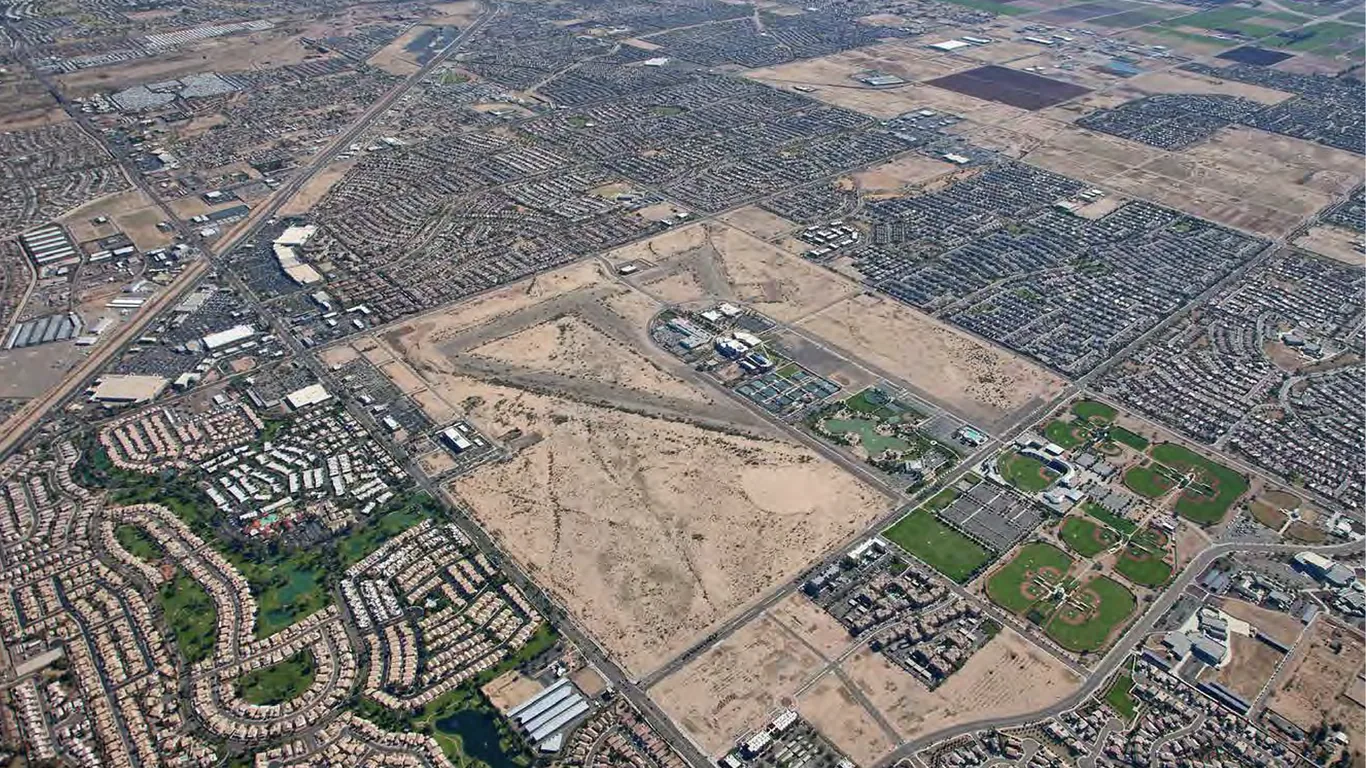
Related Roofing Work
Plan roofing around the corridor's active use
Send the property location, roof plan, delivery window, tenant schedule, equipment contact and leak history. We can inspect the building and prepare a defined repair or testing scope.