A roof plan for a Goodyear facility starts with the work happening below it. Goodyear includes industrial, business and commerce employment areas with access from I-10 and Loop 303. Those corridors serve different schedules and delivery needs, so we identify the building's operation, roof system and safe access before choosing a repair window. We inspect seams, penetrations, drains, edge metal and equipment supports, then document conditions that affect the next decision.
Goodyear's target sectors include health and life sciences, aerospace and aviation, advanced manufacturing, and information technology. Each operation has its own equipment and access constraints; the industry label alone does not tell us roof type or condition. We map the inspected area, compare it with leak notes and prior repairs, and separate an isolated defect from signs of wider assembly failure. A photo-backed condition report gives a facilities lead a record that can be used for both maintenance and budgeting.
Fit the inspection to the facility schedule
A production line, clinical operation or data room may require a different work window than a general office area. We confirm critical interior spaces, equipment shutdown rules, material staging and the roof entry route with the site contact. If the roof has several sections, we mark what can be isolated and where temporary protection must be restored before a crew leaves. A roof scope that ignores operations creates avoidable pressure on the owner and the crew.
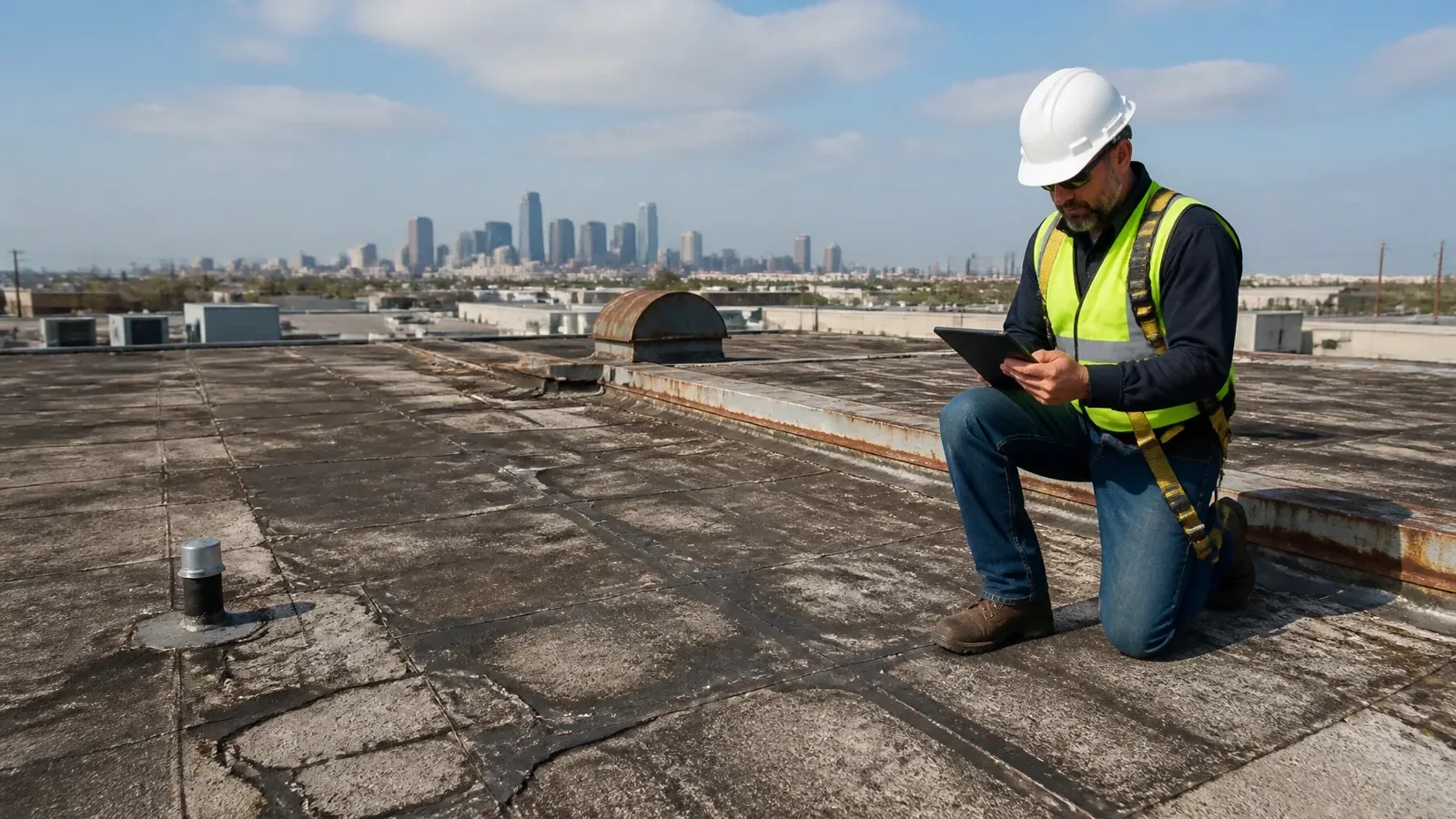
On the assembly, we check field seams, penetrations, equipment curbs, perimeter securement and drainage. A leak may appear away from the roof opening because water can move along insulation or a deck flute. We trace the path above the interior stain and note where moisture, loose flashing or an earlier patch changes the recommendation. For a low-slope membrane, our commercial inspection identifies visible conditions and questions that may need testing rather than assuming the whole roof has one problem.
I-10 and Loop 303 provide transportation access to the city's employment areas, but a site still has its own gate, loading area and safety rules. We confirm those with the facilities lead before scheduling material. A lift position or delivery path can affect how quickly a section is completed, especially when another trade needs rooftop access. For a project that touches HVAC supports or new penetrations, our curb and equipment support work sets the waterproofing boundary with that trade.
Work through low-desert exposure
The Phoenix region stays hot through summer, and monsoon thunderstorms can bring damaging wind and rain. That makes roof edges, membrane seams and water flow worth checking. A regional climate station is not a substitute for the condition of a specific Goodyear roof. We look at the surface in front of us: split sealant, open laps, dried repairs, loose terminations, damaged strainers and evidence of water entry. The roof's age, material, shade and maintenance history all affect what those marks mean.
Monsoon wind can pressure edge details, while heavy rain can test the route from roof slope to drain and overflow. We verify that outlets are open, inspect the connection around each drain and note where ponding remains after water has had time to leave. Hail concerns require a separate look at the exposed membrane and equipment, with observations recorded by zone. If a storm has caused active entry, emergency response is available at any hour, holidays included; we stabilize the opening and then document the permanent repair needed.
When a coating is being considered, heat exposure is only one part of the decision. We check adhesion, substrate condition, moisture and transitions before pricing preparation or application. A new coating cannot correct wet insulation or weak attachment underneath. If those conditions are present, the owner needs a repair or replacement scope that addresses the assembly rather than a surface-only treatment. Our coating and restoration evaluation begins with that suitability check.
Draw the line between repair and replacement
A localized puncture or open flashing can be repaired when the surrounding sheet and insulation remain sound. We prepare the surface, use compatible materials and extend the repair to a stable tie-in. Repeated leaks across separate areas, soft insulation or seams that keep separating point to a broader issue. We photograph each area and explain what is visible, what remains concealed and whether a test would change the recommendation.
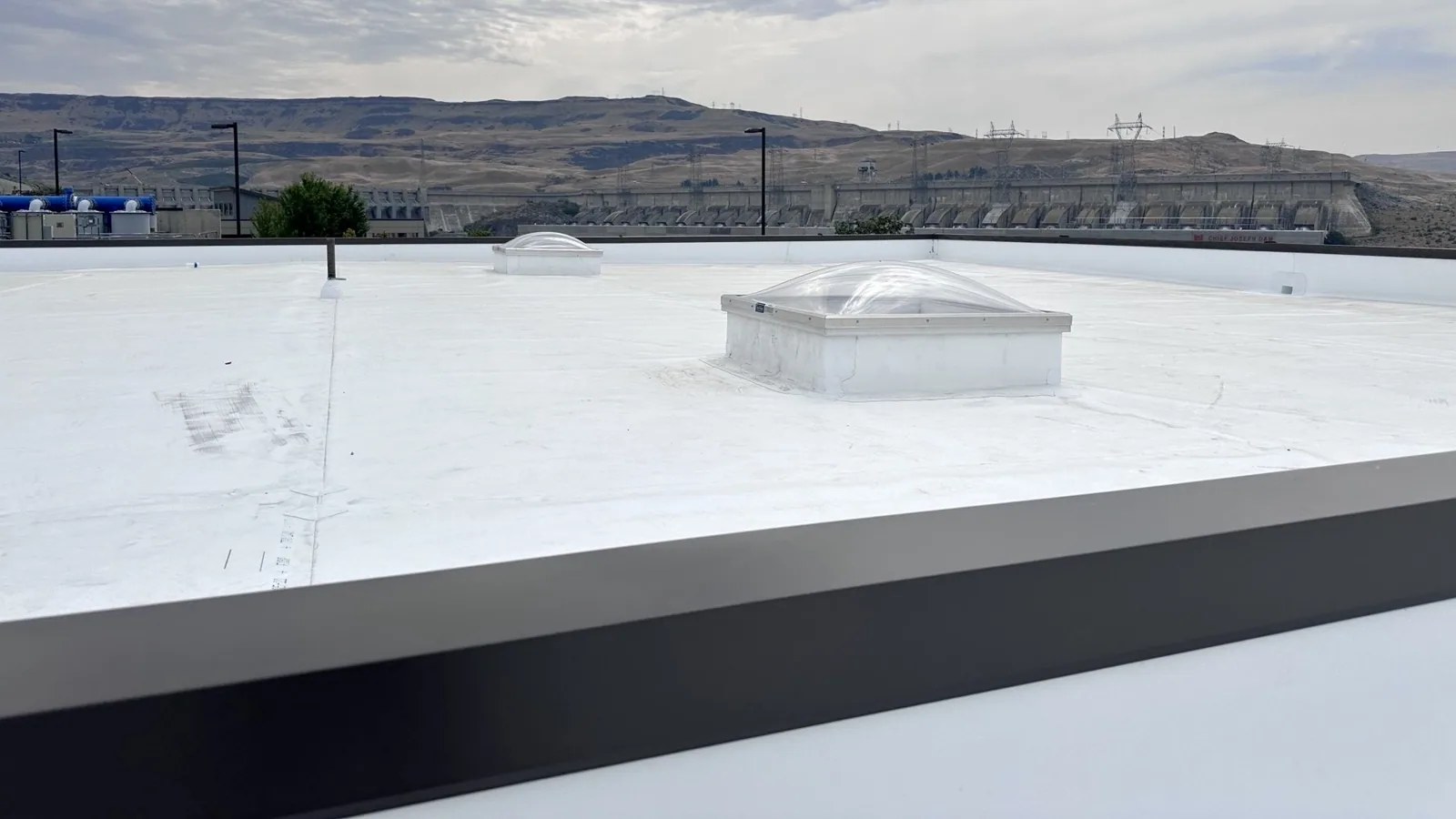
A recover may be an option when the existing roof is dry, attached and allowed to remain. We confirm the number of existing layers, check drain and curb heights and review the tie-ins before estimating another assembly. If replacement is needed, the estimate covers tear-off or overlay status, insulation, edge details, disposal and access. A recover or overlay review keeps eligibility questions separate from a full replacement scope.
Cost and timing depend on the roof area, material, number of penetrations and drains, insulation condition, staging, work hours and the amount of interior protection required. A written scope should distinguish emergency stabilization from permanent repairs, and state what happens if concealed damage appears after an opening. That gives the owner a useful comparison and helps the project lead coordinate the next trade.
Coordinate codes and access before mobilizing
For a reroof or alteration, we check the applicable permit path and local amendments before setting assembly details. Energy, fire and electrical interfaces can matter when insulation or rooftop systems change, so the roofing scope should be coordinated with the project team. The building's use and planned work determine which reviews apply. We provide observed roof conditions and a clear description of the proposed work for that review.
Goodyear's employment areas connect to I-10 and Loop 303; target sectors include health and life sciences, aerospace and aviation, advanced manufacturing, and information technology. That context makes property access and schedule coordination important, but it does not let us assume a particular facility's operations. We ask the contact what must remain open, where deliveries can stage and whether an equipment shutdown needs notice. For occupied buildings, our phased reroofing plan makes those work boundaries visible before installation.
Owners comparing multiple West Valley properties can keep a shared record without treating every roof as interchangeable. The Loop 303 corridor in Surprise and the US 60 and Grand Avenue area are distinct locations; an inspection still starts at each actual roof. We can review drawings, repair history and leak locations, then return options with access, sequence and cost drivers spelled out.
After the work, keep the photos, material details and repair notes with the building file. At the next visit, we can check whether the repaired seam, drain or curb remains sound and whether a new leak has appeared elsewhere. That comparison helps the owner decide whether maintenance is holding or a larger project needs to be planned. A roof record is useful when it follows the building and the work actually completed.
Commercial Roofing Questions
How do you inspect a Goodyear facility without interrupting production?
We agree on safe roof access, interior protection, equipment restrictions and a work window with the site contact. The inspection can be limited to the roof areas available that day, with any return access listed as an open item. For repairs, we sequence zones and restore temporary protection before leaving.
Does a leak over a controlled space require immediate replacement?
Not by itself. We trace the entry point, inspect nearby transitions and determine whether moisture extends beyond a repair boundary. A contained opening may be patched; broad membrane failure or wet insulation can justify comparing restoration and replacement options.
What makes a roof recover eligible?
The existing assembly must be stable, dry enough and able to accept another layer under the project requirements. We review attachment, insulation moisture, drain heights and curb details before pricing an overlay. If those conditions fail, we explain the repair or replacement path.
Which records help before a capital roof decision?
Leak maps, repair invoices, drawings, warranty information and photos help connect current findings with prior work. We can begin without a complete file, then record the roof areas inspected and the conditions that affect the recommended scope.
Ready to review the roof scope?
Request a Roof Assessment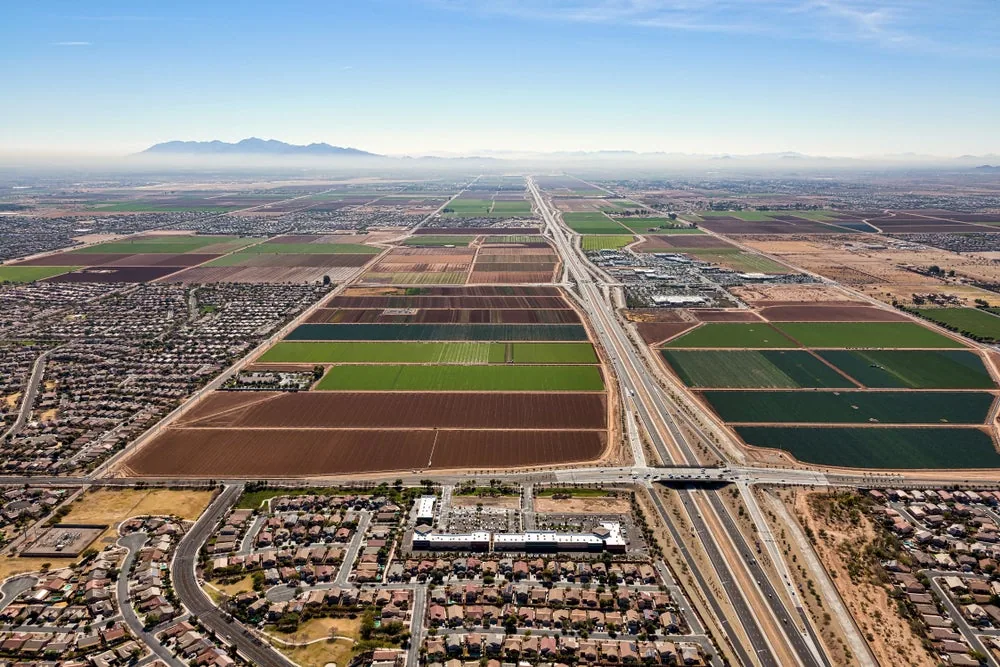
Related Roofing Work
Schedule a roof walk around the operation
Share the facility use, leak locations, access rules and any prior repair records. We will inspect the roof and return a documented scope with practical repair, maintenance or replacement options.