More About Our Roof Systems
Start below the visible surface
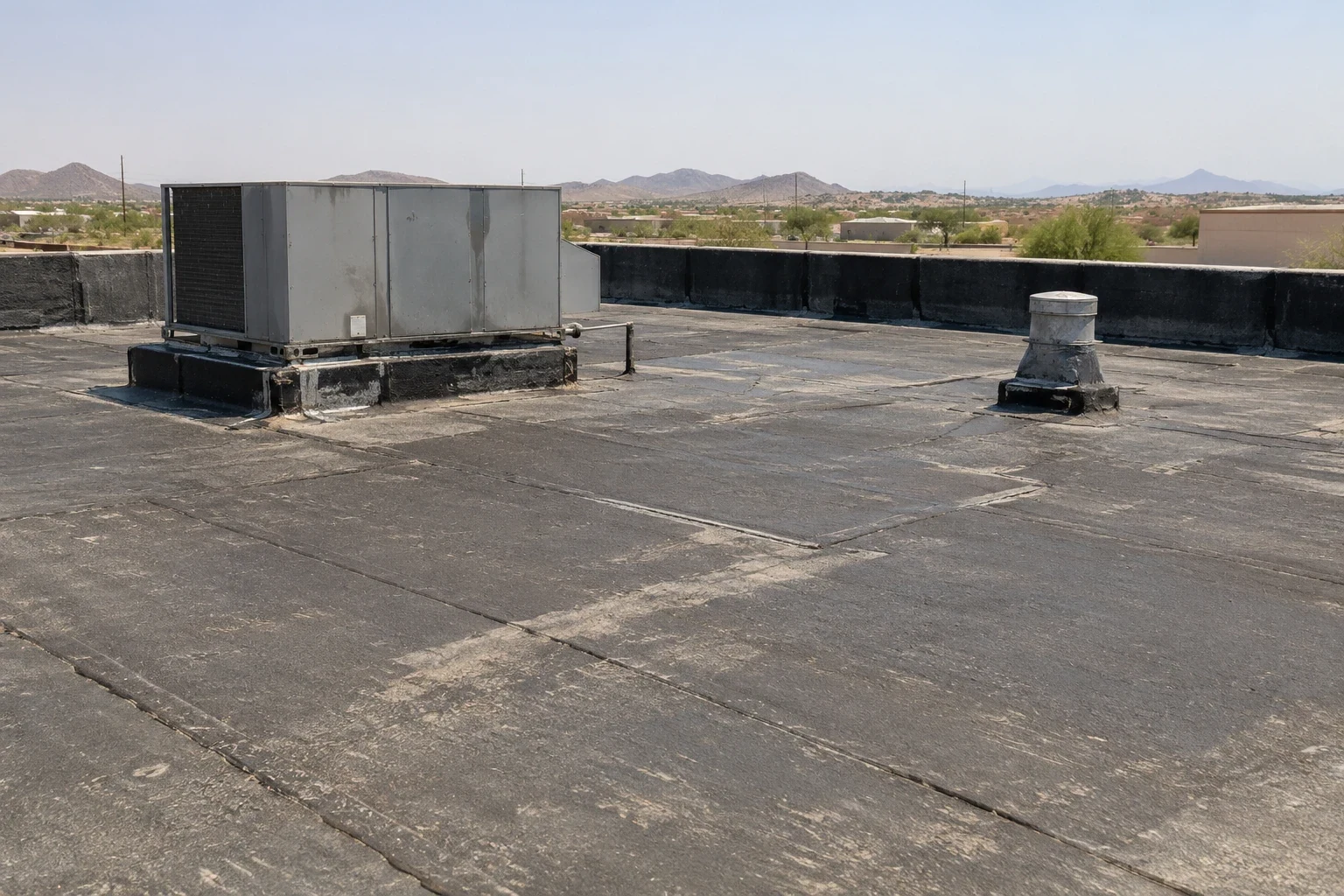
Moisture in insulation can change the scope even when the top surface looks serviceable. We trace leaks, inspect seams and transitions, and review existing layers before recommending a recover. If the roof is dry and stable, a recover assessment may be appropriate; if not, we document the removal and replacement needs. A moisture survey can help locate areas for confirmation, but results are interpreted with the roof walk and core or other testing where warranted.
Details carry the system across the roof
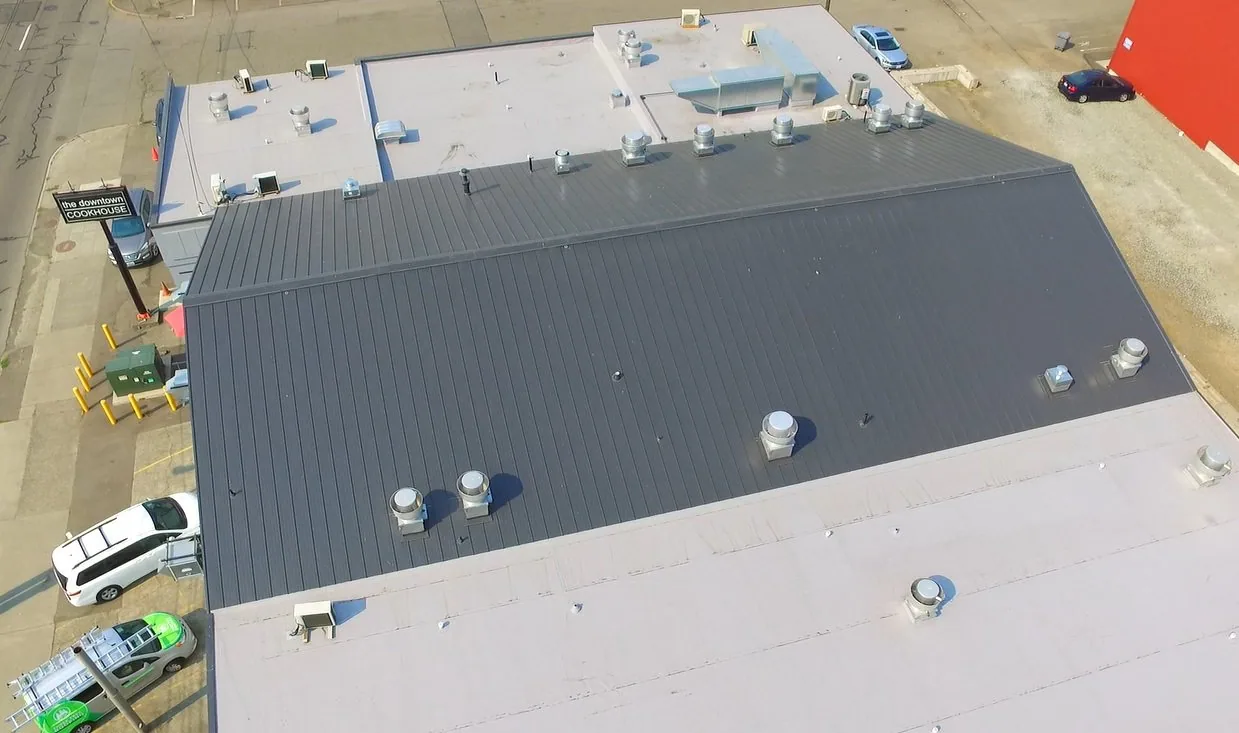
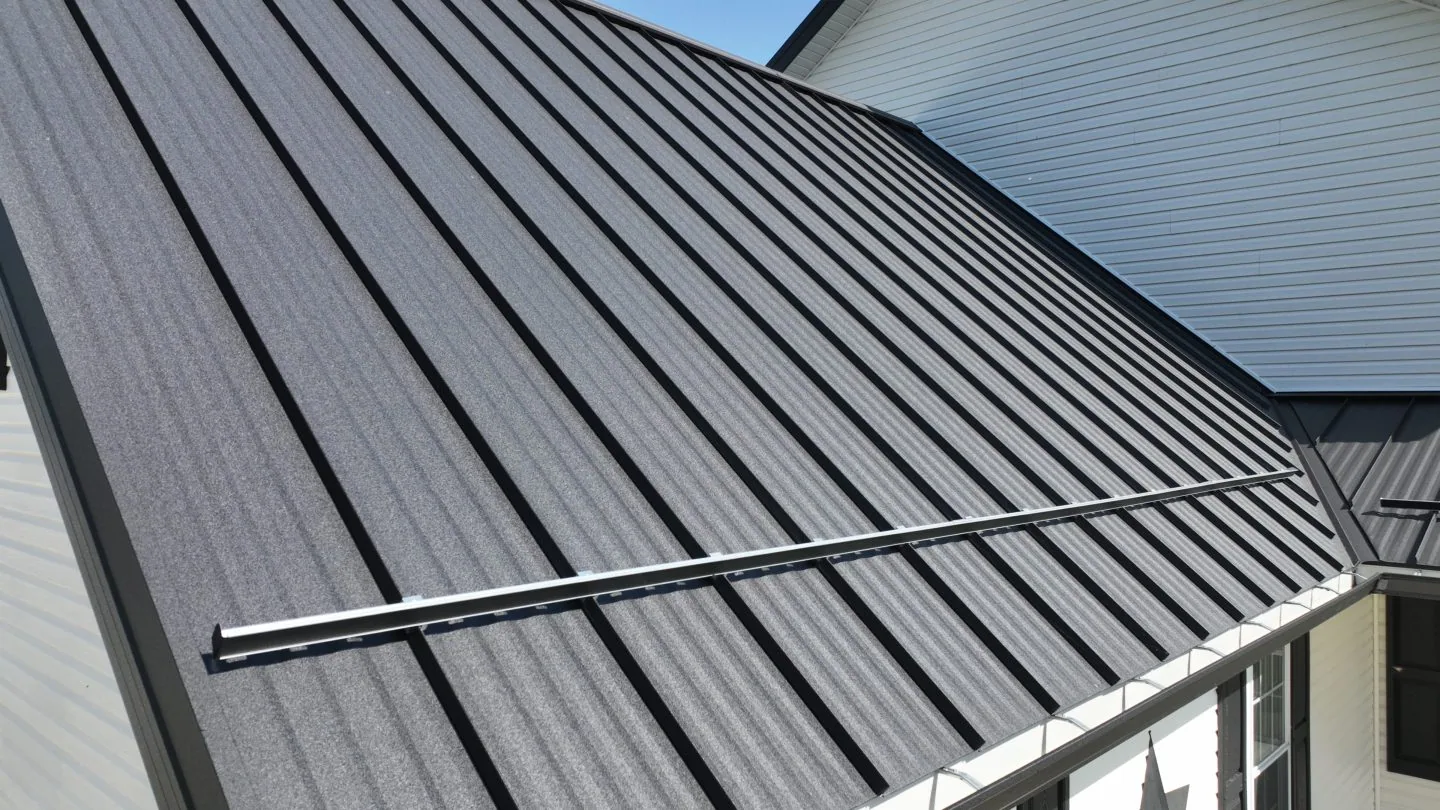
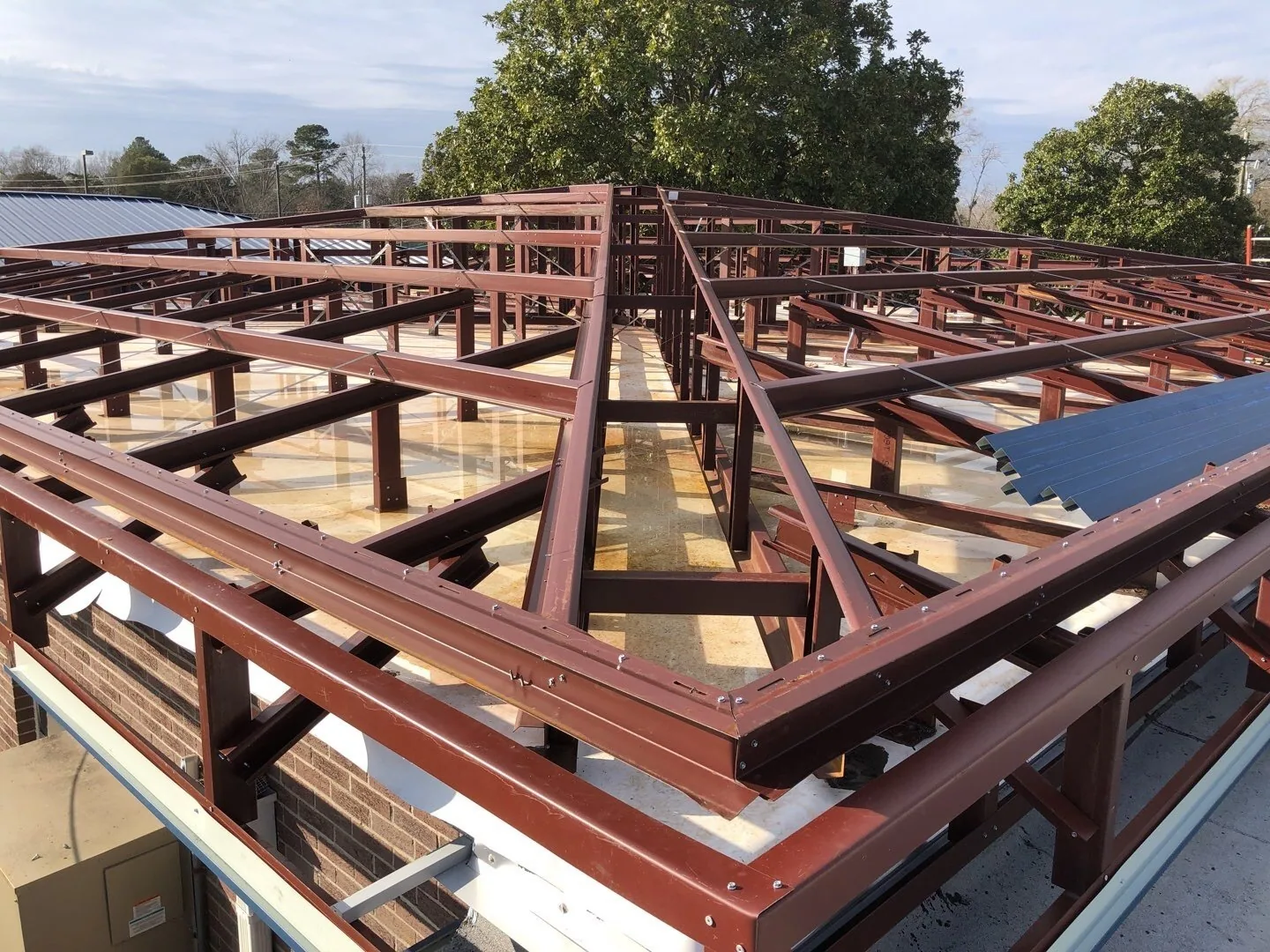
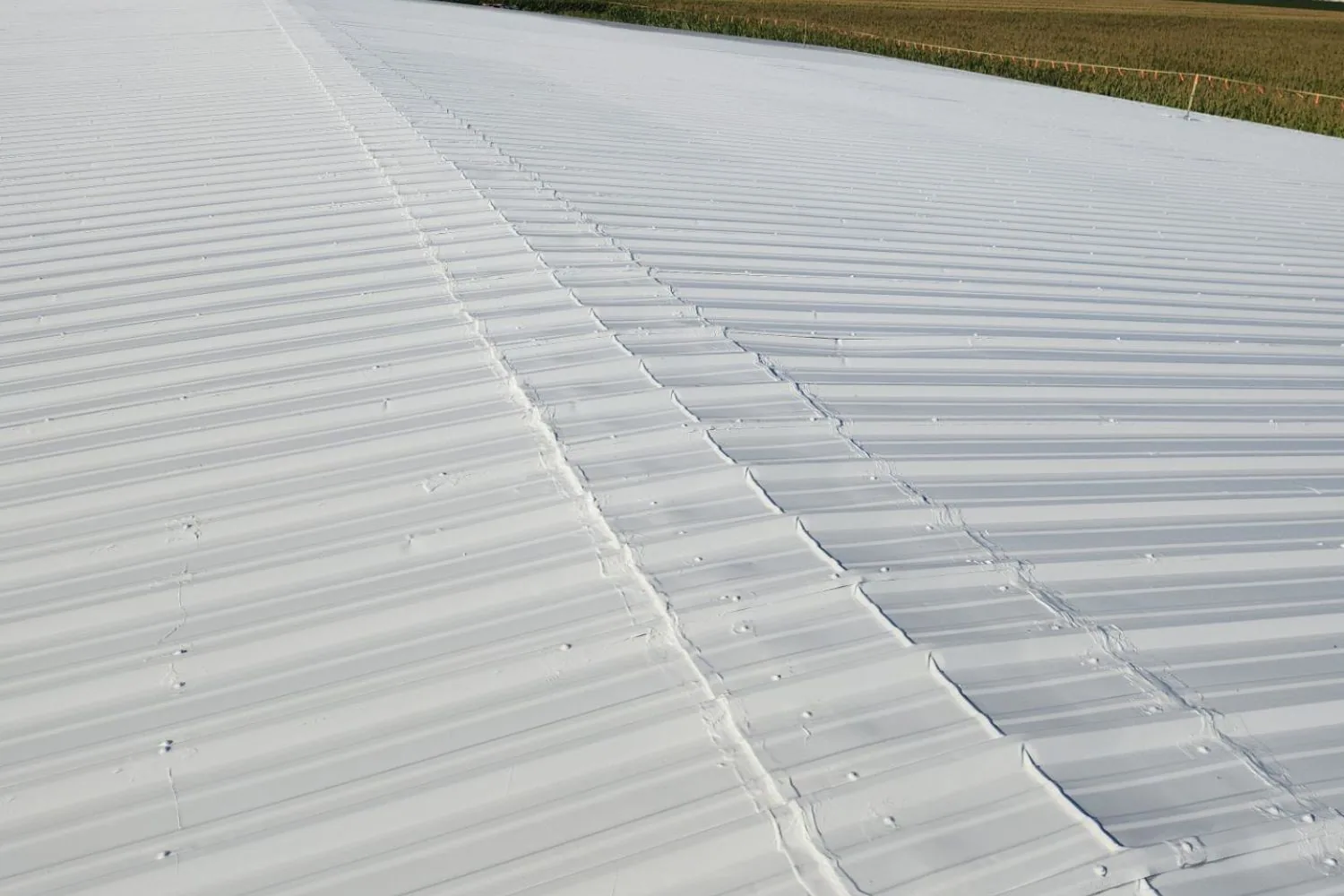
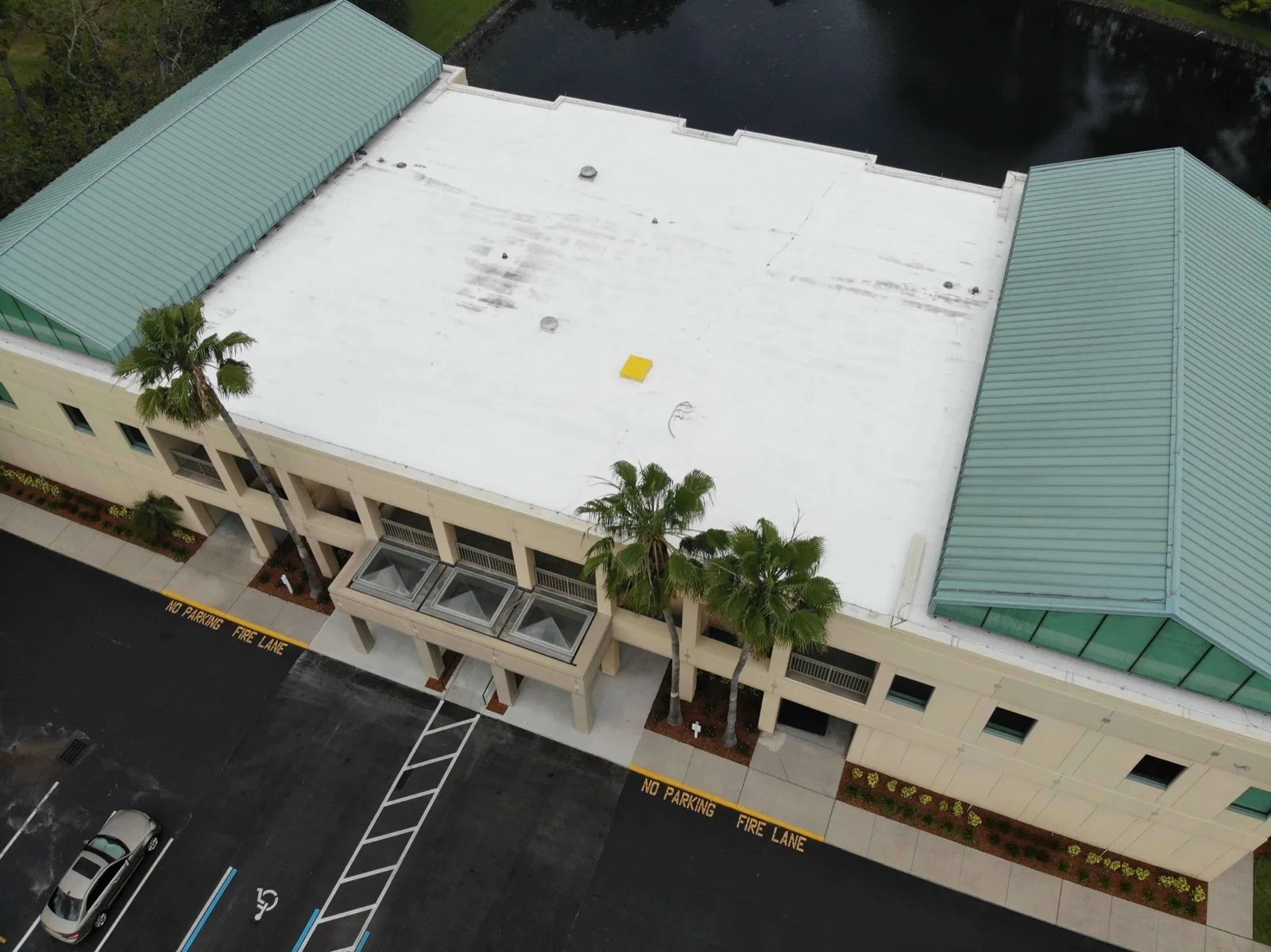
Drains, curbs, parapets and perimeter edges are where unrelated trades or water paths can complicate a membrane. We check flashing height, securement and the room left for maintenance, then record whether each detail can be repaired or needs rebuilding. A curb and equipment review matters when HVAC service could disturb the membrane. Metal panels need a different look at seams, fasteners, clips and penetrations than a single-ply sheet.
Match materials to local exposure
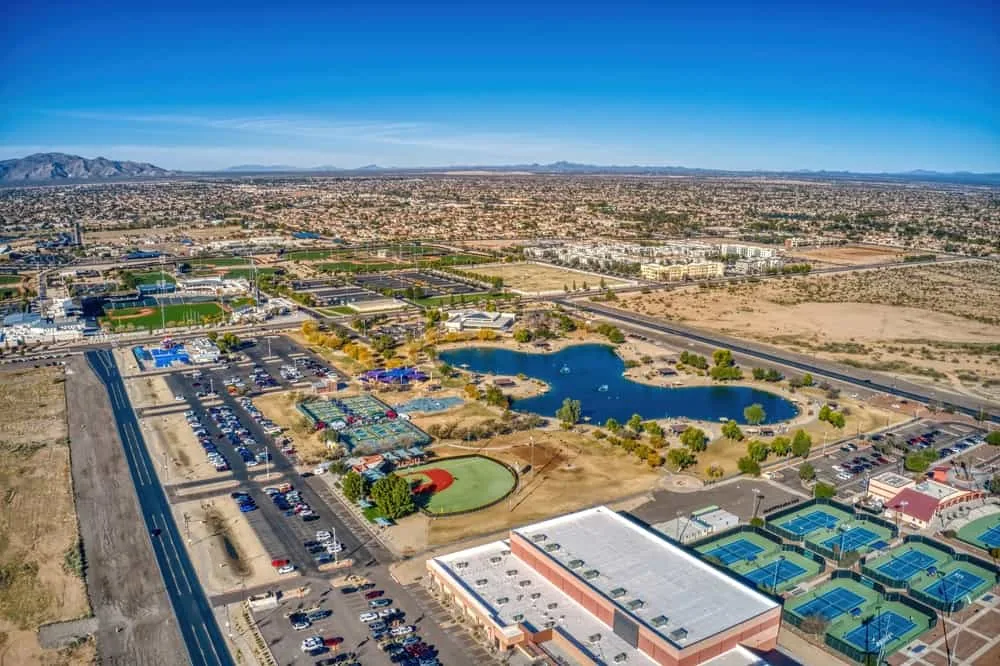
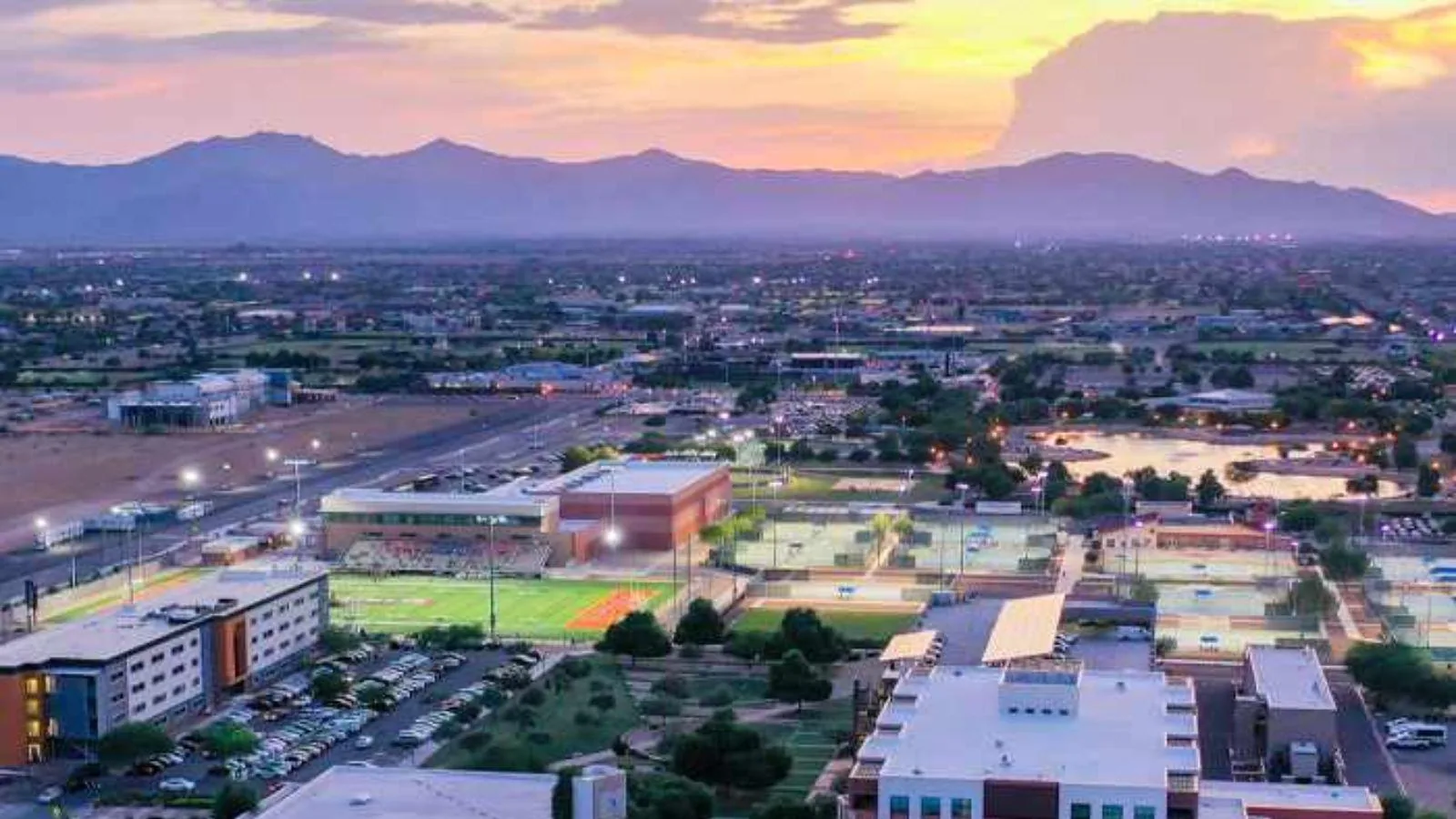
Phoenix-area summer heat bears on exposed membranes, flashing and sealants, while monsoon thunderstorms can put wind and heavy rain against edges and drainage. Those conditions make attachment and water flow part of system selection, not a cosmetic afterthought. Properties around Surprise City Center may run retail, medical or civic operations; the Railplex has an industrial and distribution context. Those locations do not establish a building's roof type. We use them to understand access and operating demands, then inspect each assembly.
Compare options on the same evidence
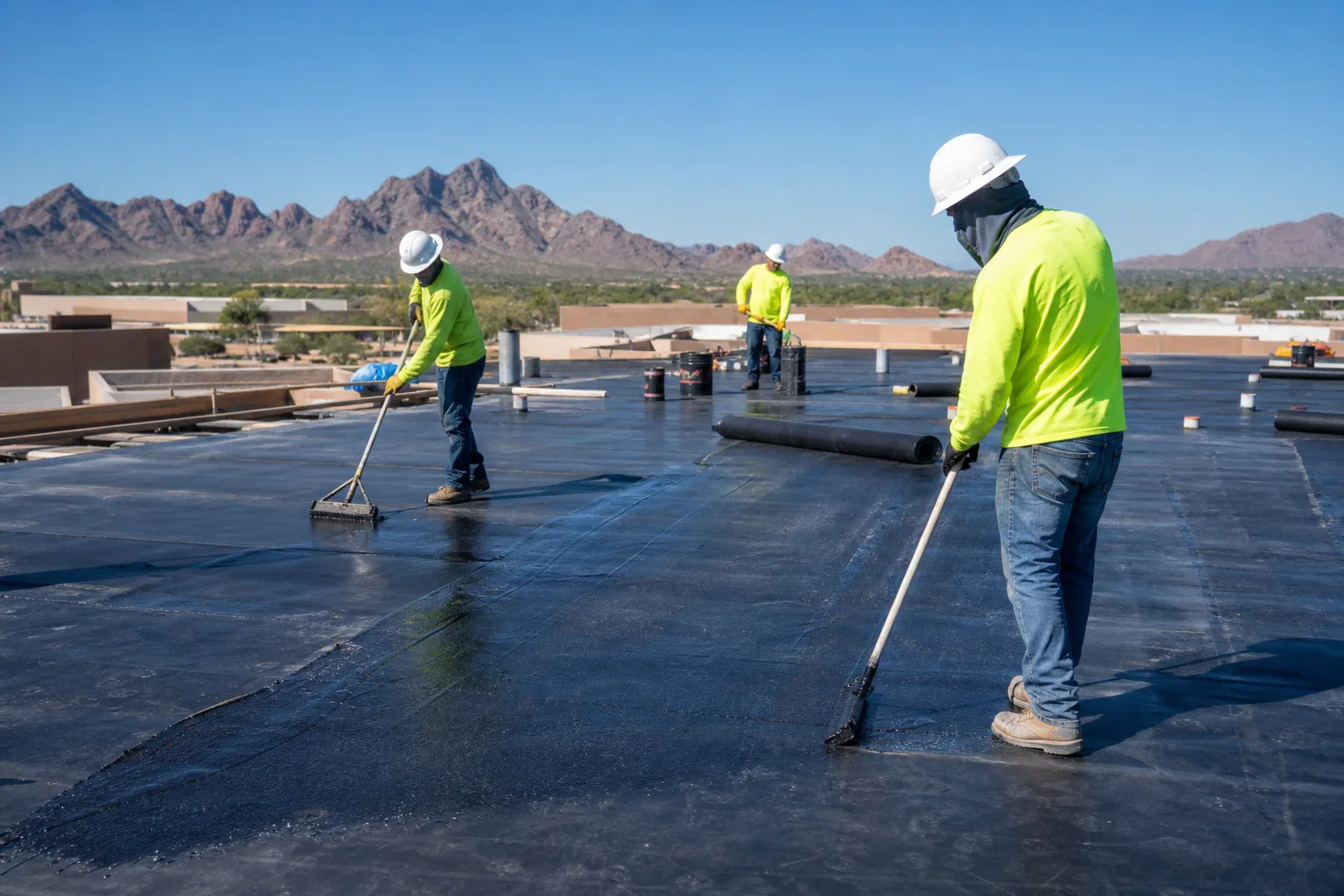
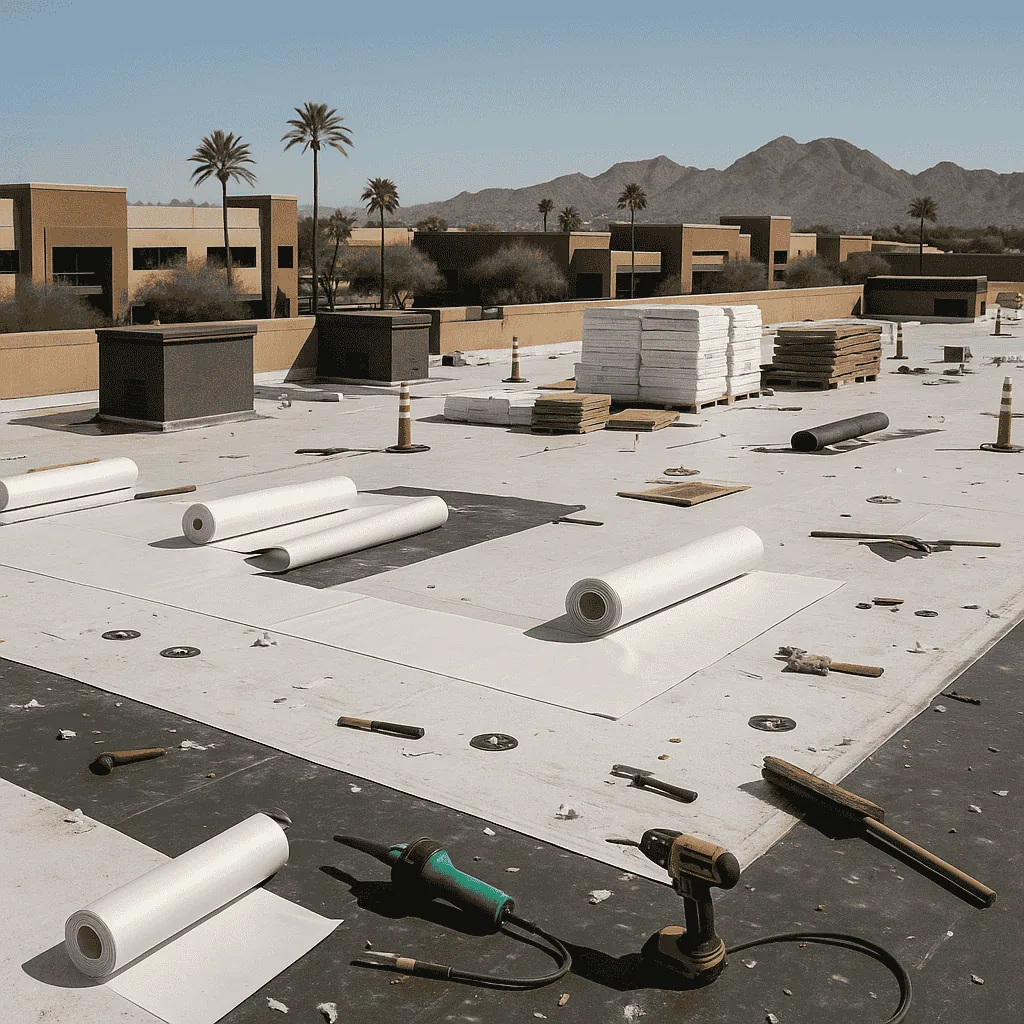
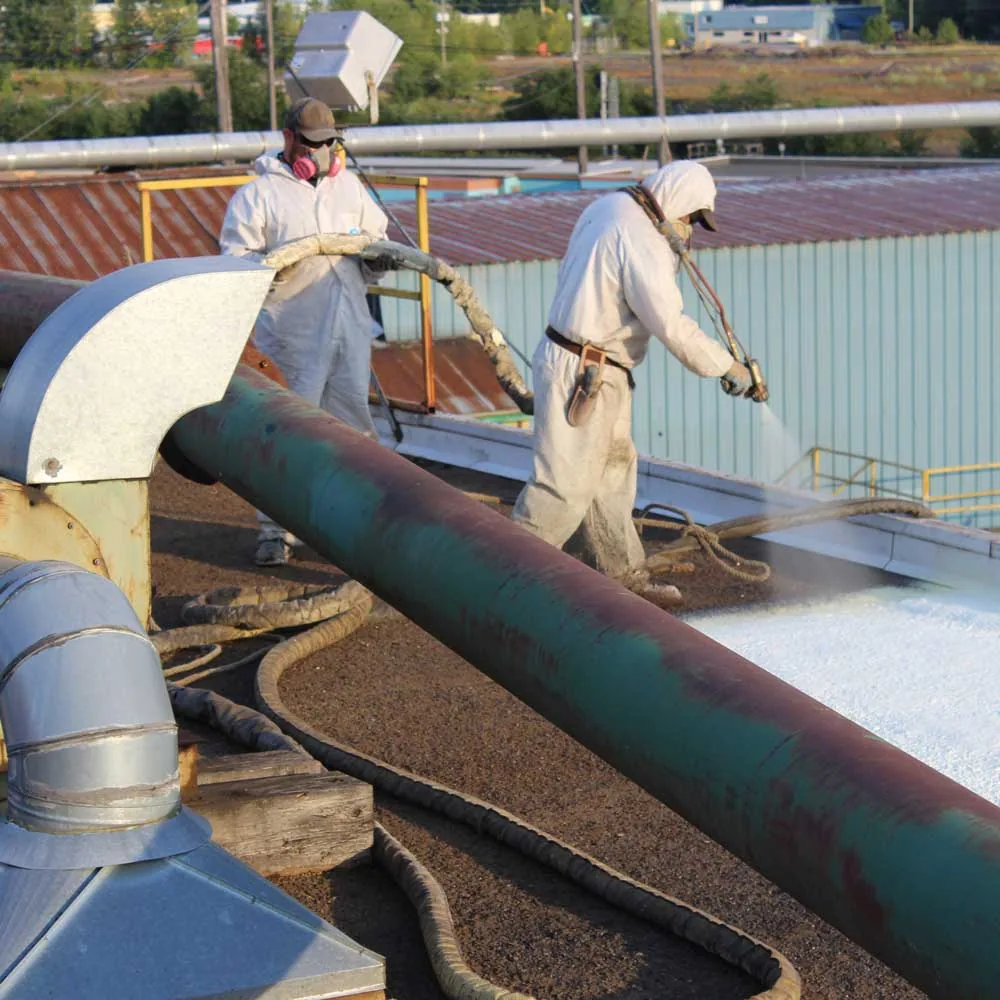
For each viable path, we identify preparation, insulation changes, flashing work, tear-off, staging and the limits of occupied-building access. A silicone or acrylic coating evaluation starts with substrate and adhesion. A replacement plan considers deck condition and code requirements for the permit scope. The owner receives photos, repair boundaries and a written comparison rather than a material name without context. We can then schedule a roof walk with a condition report as the record for maintenance or capital planning.
Commercial Roofing Questions
What makes two single-ply systems different?
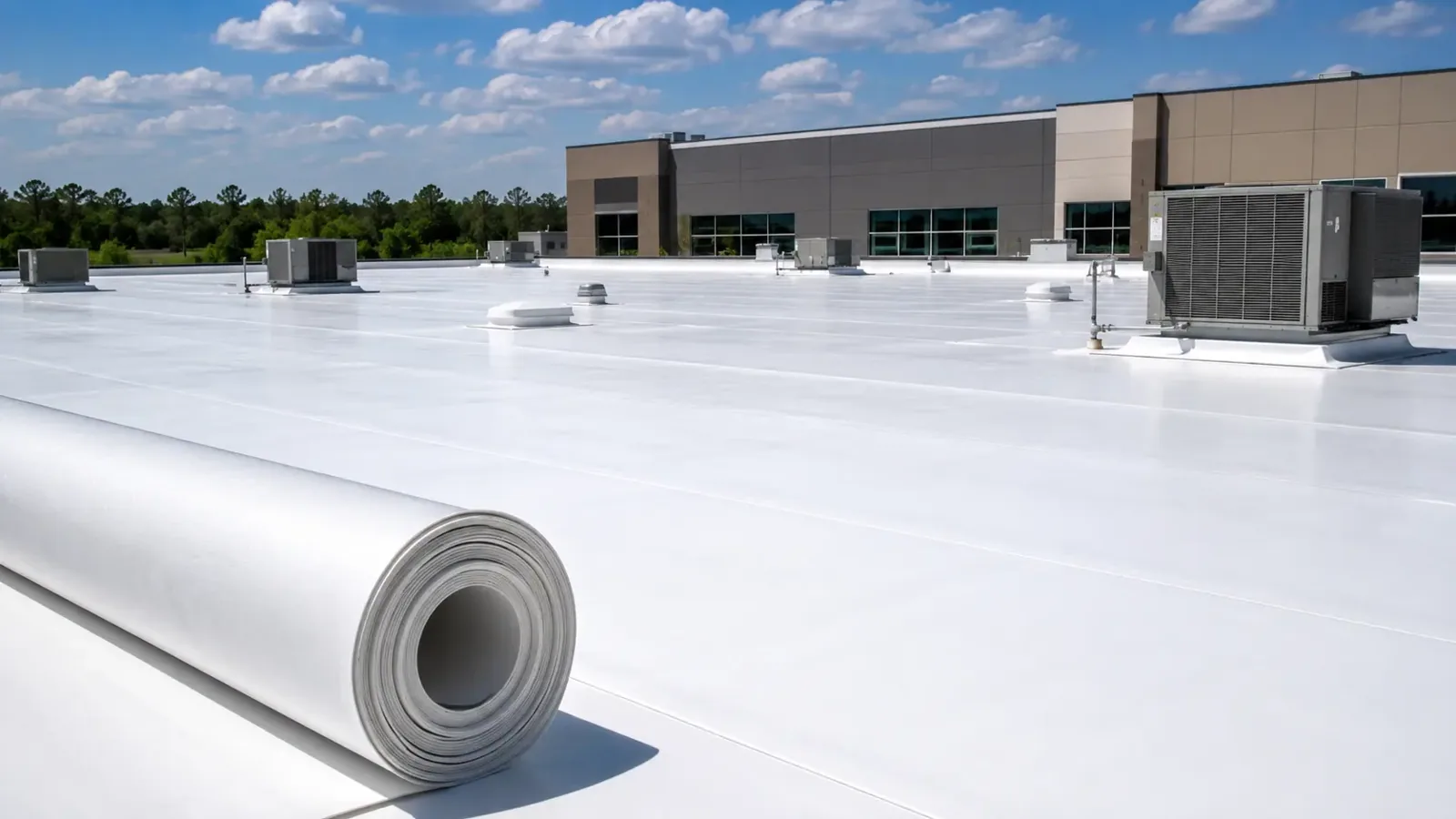
Seam method, reinforcement, attachment and flashing details vary by product. We compare the actual specification with the deck, wind design, penetrations and service access before proposing a system.
Can a coating solve an aging roof?
Only when the surface can accept it and the underlying assembly is suitable. We check adhesion, moisture, drainage and detail condition, then explain preparation and repairs that must happen before application.
How do monsoon storms affect system selection?
We review edge securement, transitions and drainage against the conditions found on the roof. A storm pattern does not prove damage, but it can make those details important to inspect and maintain.
What should accompany a replacement recommendation?
A useful scope records the existing layers, wet or damaged areas, deck findings, edge and curb details, and the work needed to close each transition. We include photos and staging limits so the owner can compare options.
Review the roof assembly
Tell us what is known about the deck, prior layers and operating hours. We will verify the details and prepare a system recommendation tied to observed conditions.