
A low-slope service building near North Surprise may have an older roof with many curbs, conduit runs and drains that are difficult to detail with sheet goods. Spray polyurethane foam, or SPF, creates a continuous insulated layer when the substrate and application conditions are right. It is then protected with a compatible coating system. The foam is not a finished roof by itself. We inspect the existing assembly, moisture, drainage and rooftop access before comparing SPF with a membrane replacement or restoration.
Understand the foam and protective coating
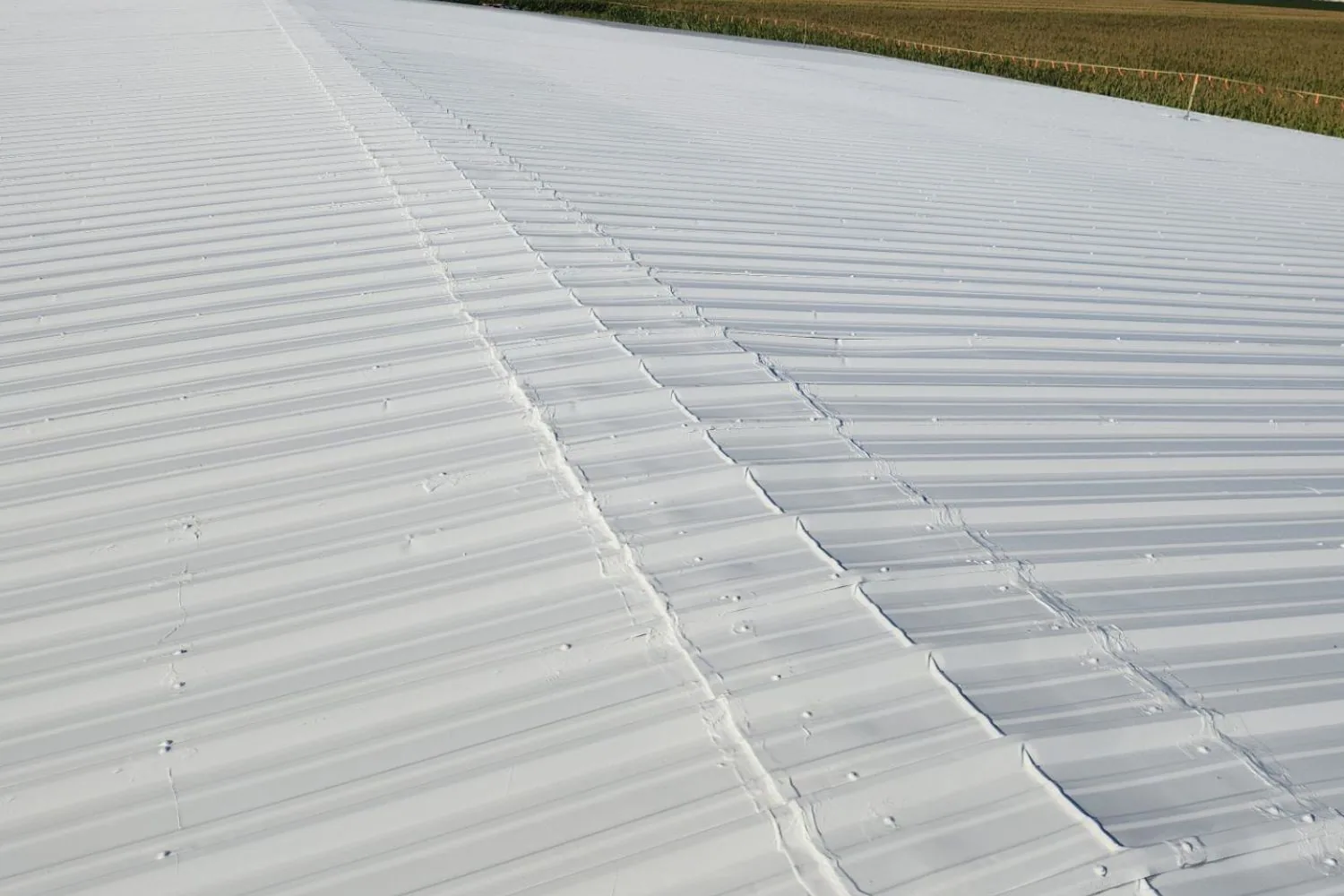
SPF is applied as a liquid reaction that expands and forms a closed-cell foam layer. The installer controls the substrate preparation, lift thickness, surface profile and coverage. A protective coating shields the foam from sunlight and weather; its type, application rate and reinforcement come from the approved system. The proposal should name each component and state how the roof is prepared before spraying.
Foam can follow irregular contours and build slope in selected locations, but that does not remove the need for drainage design. A ridge or sump should move water toward an outlet, not create a low pocket. The crew needs a plan for thickness changes at curbs, parapets, scuppers and equipment bases. We map those transitions before work so the applicator can verify the finished profile instead of relying on an unmarked visual guess.
A coating is part of the SPF assembly, not an optional cosmetic pass. It needs adequate coverage and a maintenance plan tied to exposure and product requirements. Compare silicone coating systems and acrylic options only after confirming compatibility with the foam and the expected ponding conditions.
Check the existing roof and substrate
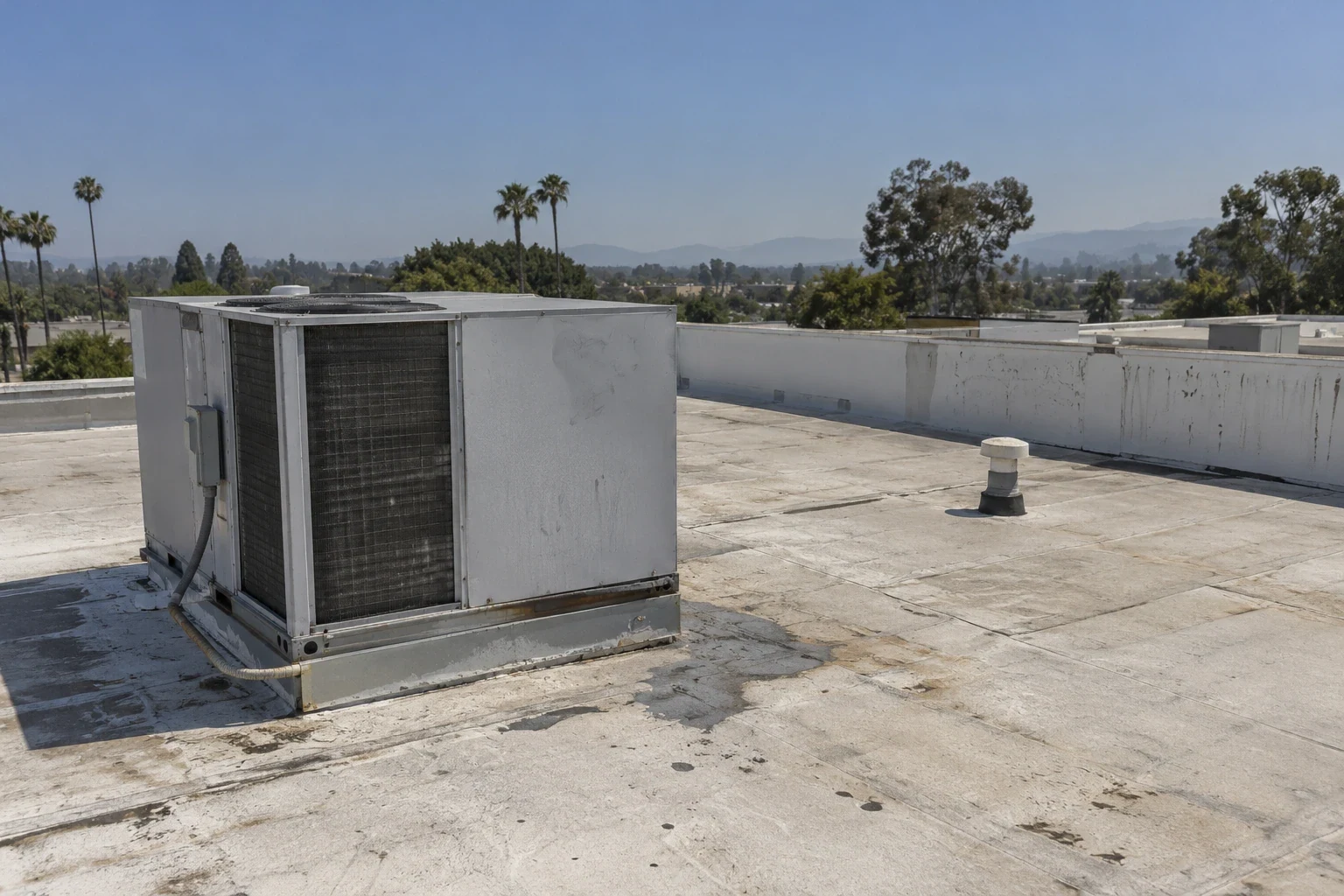
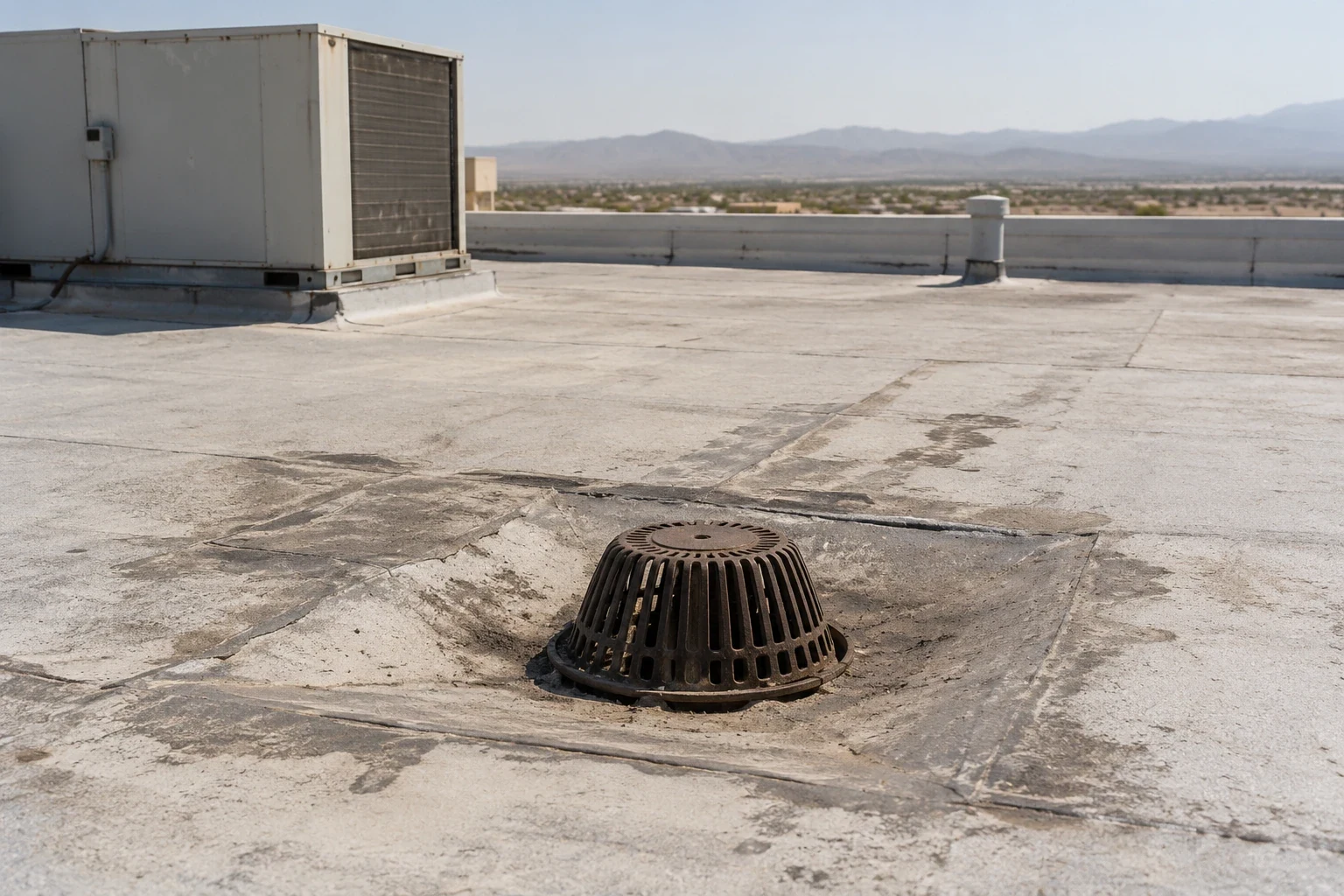
SPF can bond only to a prepared surface that the specified system accepts. We check for moisture, loose coating, oils, incompatible materials, rust, debris and damaged deck. If the existing roof is wet or unstable, spraying over it can conceal a condition that should be removed or repaired. Test cuts or moisture testing may help when authorized. Findings should be marked by roof area and photographed before any surface preparation begins.
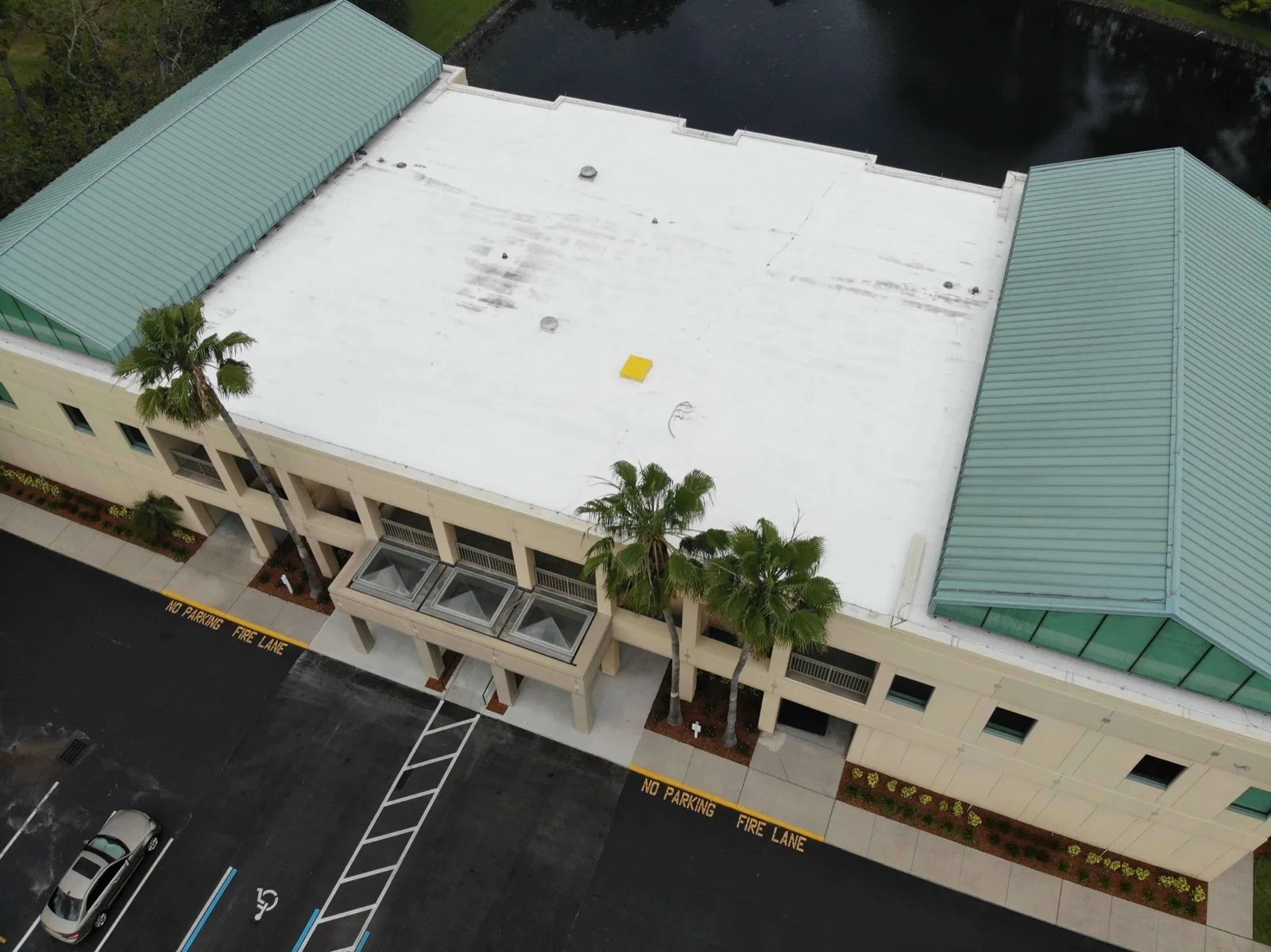
The building use shapes access and protection. A roof near Surprise's Cielo Crossing planning area has a different surrounding development context than one near the established north-city service corridors, but that context does not determine the substrate. The roof itself must be surveyed for drains, curbs, HVAC equipment, skylights, vents, conduit and foot-traffic paths. A commercial inspection can document the existing conditions and identify areas that need further evaluation.
Where foam is considered over an existing system, the design team should confirm attachment, fire classification, wind performance and local permit requirements. A foam re-cover still has to fit the existing assembly, so we map wet areas, fasteners, curbs and drainage before deciding whether the substrate can stay. The project professional confirms the specific compliance path. We provide system data and describe the roof; we do not assume that an older assembly is an approved substrate.
Control the spray window and adjacent areas
SPF application depends on dry conditions, surface temperature, wind and the product's application limits. The crew should check the forecast and substrate before spraying, then stop when conditions move outside the approved range. Wind can carry overspray beyond the roof edge, so protect nearby vehicles, equipment, air intakes and occupied spaces. The site plan should identify masking, warning lines, material staging and the person authorized to release the work area.
Summer heat in the Phoenix region is prolonged, and monsoon storms can bring wind and heavy rain. Those regional conditions call for a realistic start window and a secure end-of-shift boundary. Do not apply foam on a damp or contaminated surface or leave new foam without its specified protective layer. If weather threatens, crews need a clear method to protect completed work and stop at a safe transition.
Occupied buildings need advance notice about odors, access restrictions, rooftop equipment and possible air-intake controls. Facility staff should know which systems must be shut down or protected and who can restart them. A phased occupied-building plan can set those windows. The proposal should identify the controls needed for adjacent property, not leave them as an undefined field responsibility.
Shape transitions and verify drainage
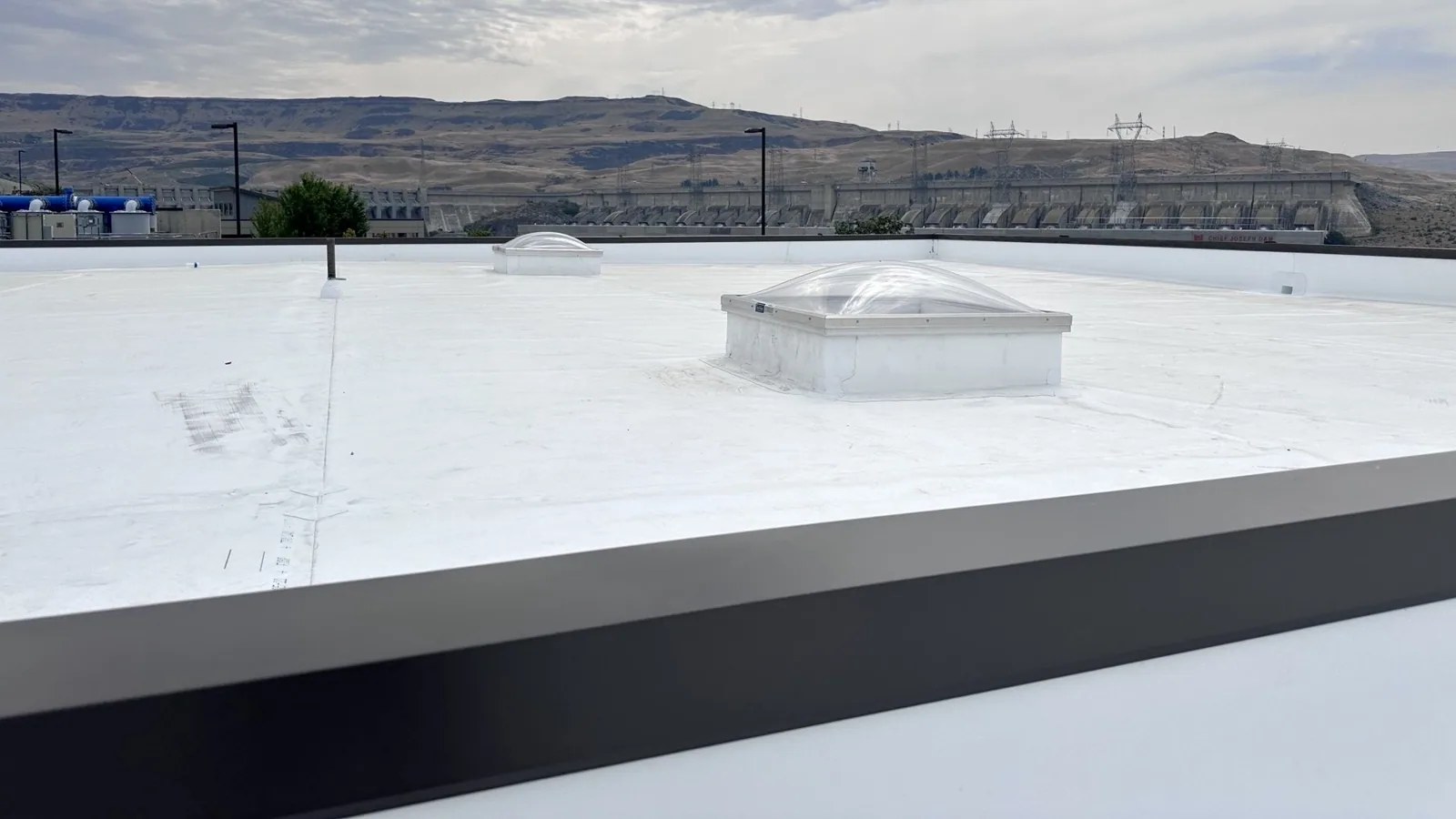
SPF is often selected for complex roof geometry, so detail work deserves close inspection. At a curb, the foam should transition smoothly without blocking service clearance. At drains, maintain the designed flow line and keep bowls free of foam or coating. At parapets and walls, terminate the system with the specified flashing and metal. At a penetration, confirm whether movement or heat requires a separate boot or reinforced detail.
We document the completed foam profile, thickness checks, surface preparation, coating coverage and repairs. A drainage test or visual check can confirm that water moves toward the intended outlets. Low areas should be corrected in the design rather than filled by hand without a profile. Include drainage work and edge-metal transitions where required. If a curb or pipe support changes, coordinate equipment supports before spraying around it.
Inspection photos should show both a broad roof area and the close detail. Keep a marked roof plan that notes where measurements were taken and what thickness was verified. That record helps the owner distinguish the base foam from later recoating and gives maintenance staff a reference if another trade disturbs the surface. Mark repair products and dates so a future coating visit can confirm compatibility before applying another layer. Record who inspects that area.
Compare SPF with membrane replacement
SPF can work where the surface is suitable, the contours benefit from foam and the owner will maintain the protective coating. A membrane system may be easier to inspect or repair in another setting. Compare the full replacement scope with foam restoration, including tear-off, insulation, drains, edges and penetrations. For an existing roof, a coating review should establish compatibility and adhesion before pricing.
Costs depend on preparation, roof complexity, foam thickness, coating type, masking, access, equipment protection, drains, curb details and repairs to the substrate. Ask the estimate to separate base application from concealed-condition allowances and list what protection is included. A North Surprise roof survey still needs a site walk; broad planning-area facts do not replace measurements at a property.
Maintenance needs a scheduled inspection. Check coating wear, exposed foam, punctures, ponding, debris, edge details and areas where service trades walked or stored material. Repair any damaged coating using the approved compatible system. Record the date, product and roof location. SPF can provide an insulated, shaped assembly, but its longevity depends on the coating staying intact and drainage remaining functional.
Commercial Roofing Questions
Is spray foam the finished roof surface?
No. SPF needs the specified protective coating and flashing details. The proposal should identify both the foam and coating system.
Can SPF correct ponding water?
It can be shaped to create slope where the design supports that approach. Drain locations, overflow routes and finished profiles should be documented before application.
What conditions prevent spraying?
Moisture, contamination, wind and surface temperatures outside the product limits can affect application. The installer should verify conditions and follow system instructions.
How often should SPF coating be checked?
Follow the selected product and warranty requirements. Routine inspection should note wear, exposed foam, punctures, drainage and any work by other trades.
Is SPF always cheaper than a membrane roof?
Not necessarily. Preparation, foam thickness, coating, masking, drainage shaping, access, equipment protection and future maintenance all affect the total cost.
Ready to review the roof scope?
Request a Roof Assessment
Related Roofing Work
Check substrate, profile and coating plan
Share the roof plan, existing system, moisture history and drainage layout. We can inspect the surface and outline SPF, coating and membrane alternatives.