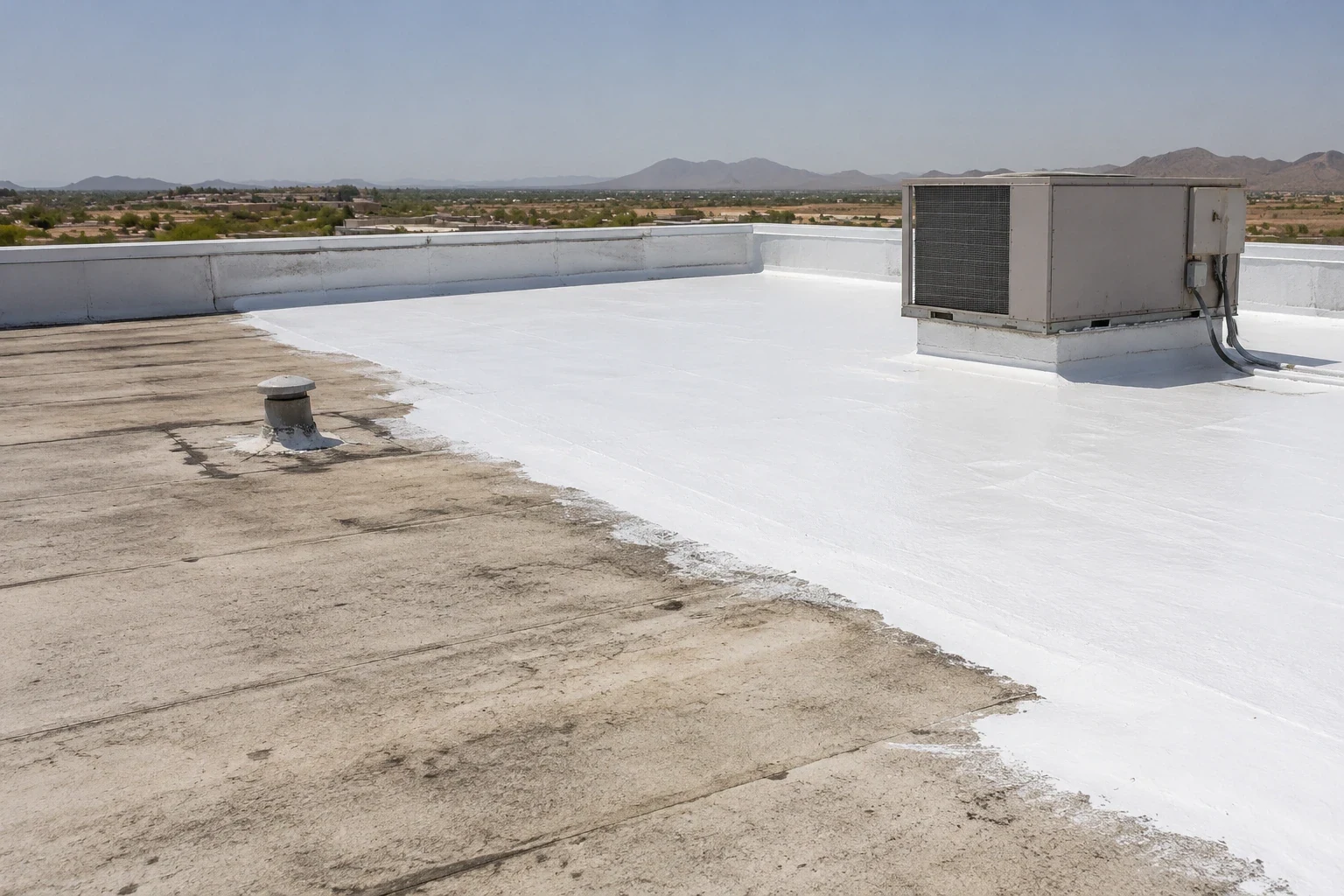
A low-slope retail roof near Surprise City Center may have sound membrane in the field but worn coating, open seams or ponding around a drain. Silicone coating can be a restoration option when the existing roof is dry, stable and compatible with the selected product. It is not a substitute for repairing wet insulation, failed attachment or damaged deck. We inspect the existing surface, test adhesion where appropriate and document the repairs needed before deciding whether to coat or replace.
Confirm the roof can accept a coating
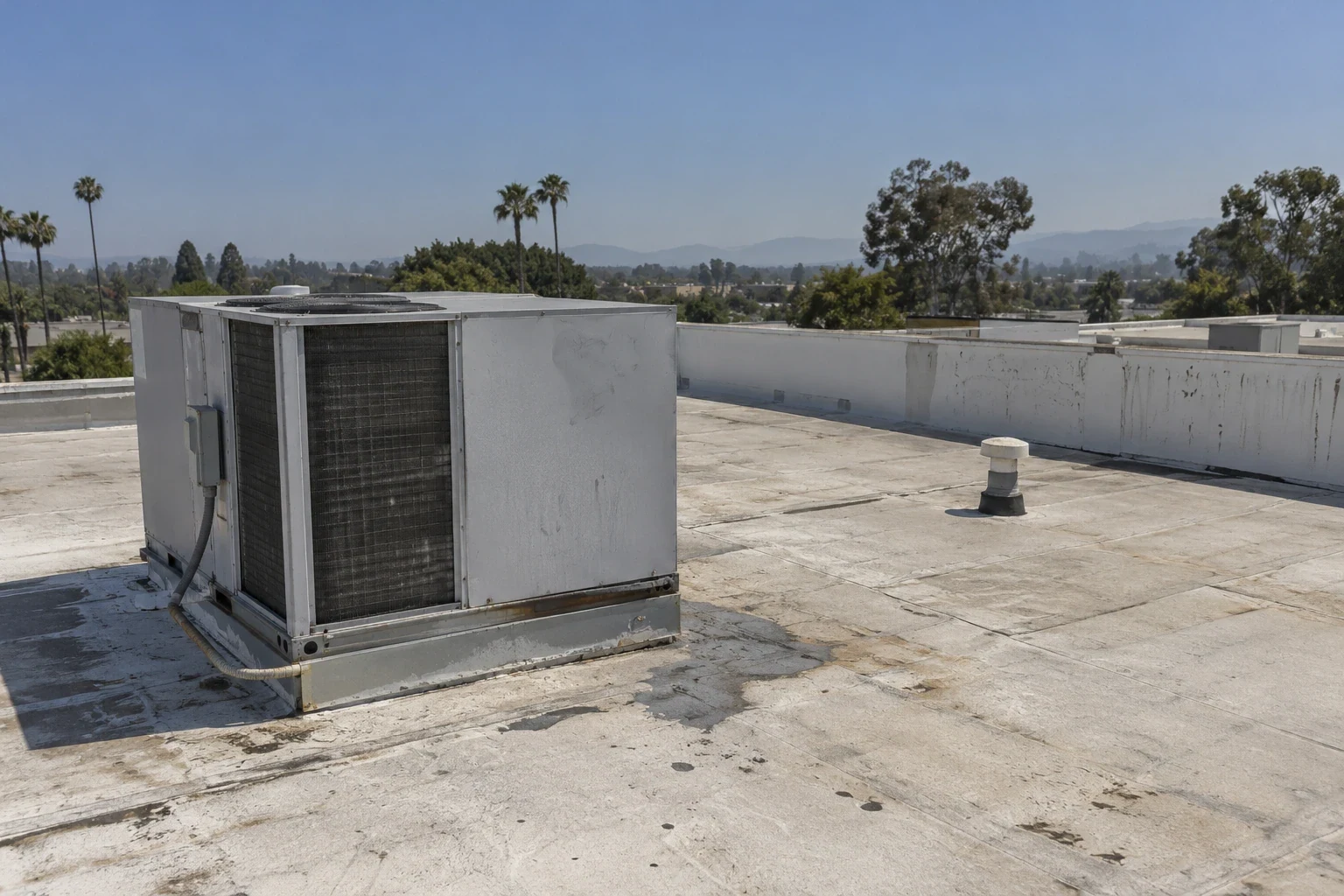
A coating bonds to what is underneath it. Before application, identify the roof material, previous coatings, loose granules, oil, dirt, biological growth, chalking and areas of trapped moisture. Clean and prepare the surface using the product instructions, then perform adhesion checks on representative areas if the system requires them. A coating should not be used to hide an unstable layer or bridge a moving seam without an approved detail.
We map blisters, splits, open laps, punctures, flashing failures and ponding separately. Repair the underlying condition first, then show which areas receive reinforcement, primer or a new detail. Inspection photos should be tied to a roof plan so the owner can compare the pre-work condition with the finished coating. The scope must name the products, preparation, repair materials and coverage method.
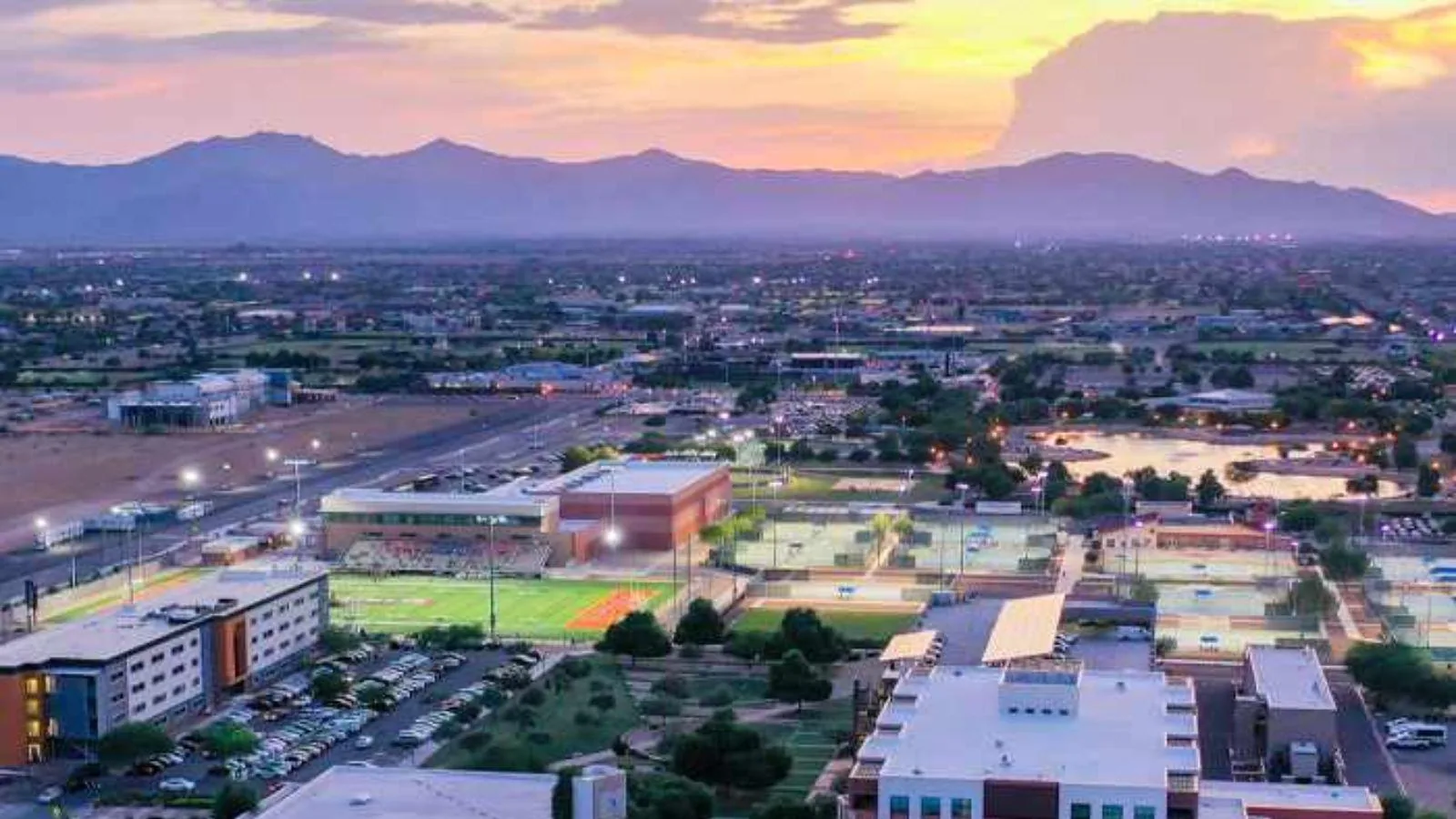
The Village at Prasada is a multi-property retail and restaurant development area near Waddell Road and Loop 303. Its commercial setting can mean service traffic and tenant hours to coordinate, but it does not tell us whether a specific building's roof can be coated. The roof inspection decides that. A condition survey and restoration review can identify the limits of a viable coating scope.
Understand silicone's place in the assembly
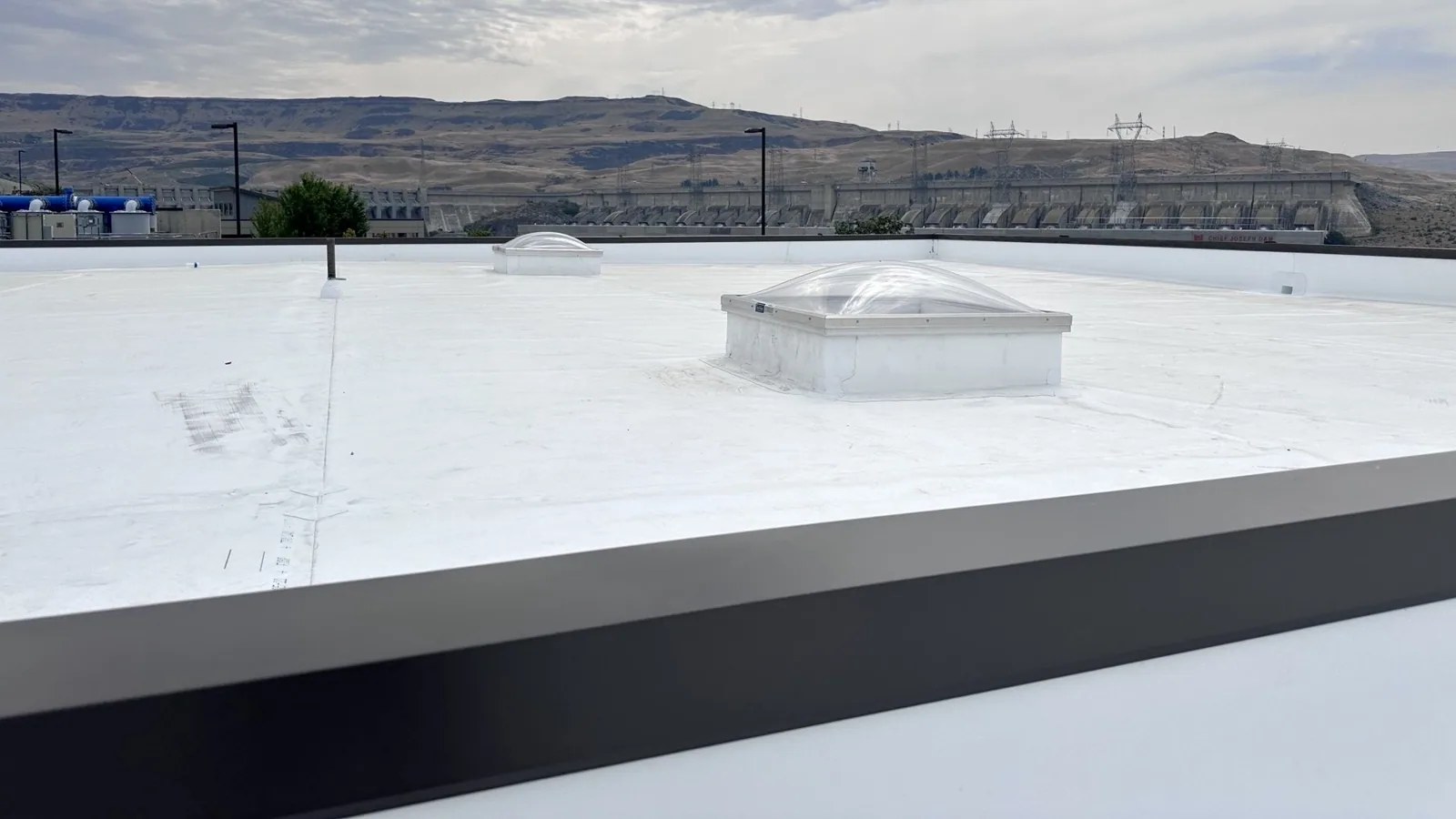
Silicone roof coatings are liquid-applied systems used over compatible roof surfaces. They cure into a protective layer, but the result depends on surface preparation, product selection, application conditions and the required dry-film thickness. The submittal should state the coating type, primer if needed, reinforcement at seams and penetrations, and warranty requirements. We do not infer a finished thickness from a single visual pass.
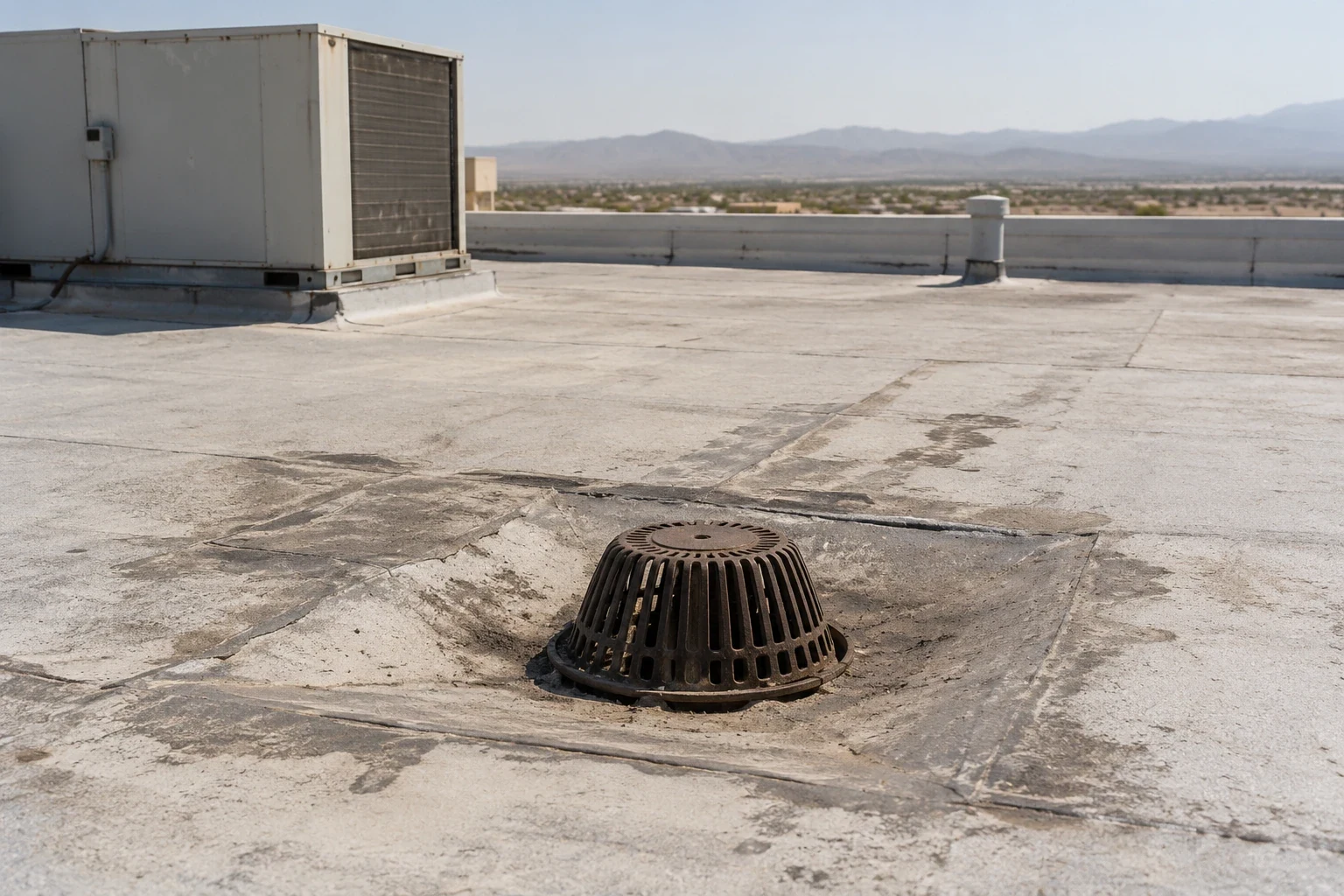
Silicone products are often considered where standing water is a concern, but that does not remove the need for functional drainage. A blocked drain, back-pitched area or low parapet can still create problems. The manufacturer may set limits for ponding or require additional work. We review where water sits, how long it remains and whether the roof has a designed path to drains or scuppers. If the existing roof needs slope correction, include it in the project rather than expecting the coating to reshape the field.
A coating scope needs a clean substrate and sound attachment; the inspection should separate preparation work from areas where the existing roof cannot support another layer. The design professional should confirm the permit path, fire and energy provisions for the actual scope. A coating can alter a roof's surface characteristics, but it does not replace a code review or a structural assessment when those are required.
Repair seams, drains and penetrations first
Before coating, close open seams and restore flashings using products approved for the substrate. At a curb, check the corner, vertical surface and top termination. Around a pipe, confirm whether a boot moves or has cracked. At parapets, determine whether the coating turns up to the required height and how it ends beneath metal. A field-applied layer is only as dependable as its transitions.
We check drains and scuppers for debris, loose rings, cracked bowls and water that does not reach the outlet. Keep drain openings clear during application and protect them from coating buildup. The scope should identify whether a drain reset, cricket or tapered insulation is included. Add drainage corrections and edge-metal details before the coating crew starts. If a skylight or equipment curb is involved, plan its flashing and service clearance in advance.
Surprise's summer monsoon pattern can bring damaging wind and heavy rain across the Phoenix metro. That weather does not prove a defect exists, but roof edges, drains and penetrations should be part of post-storm observation. Before coating, crews need a dry substrate and a suitable forecast window. Protect unfinished repairs and do not leave a partially coated transition exposed if the weather changes.
Plan cleaning, masking and access
Surface preparation can include washing, scraping, removing loose material and drying the roof, subject to the chosen product's instructions. Protect air intakes, rooftop units, walkways, vehicles and adjacent surfaces from overspray or wash water. Confirm where rinse water can flow and whether the property has sensitive operations below. The building contact should know the work area, equipment shutdown needs and time required for the coating to cure.
In the west-valley heat, application timing and substrate temperature matter. The applicator should check product limits, wind, humidity and rain forecast rather than rely on the calendar. Masking, staging and access routes need an approved plan. If tenants remain open, use a phased access schedule and keep customer paths separate from roof work. A defined stop point protects both the crew and occupants if a storm approaches.
Before the first coat, confirm repairs are complete and the surface is clean and dry. During application, monitor coverage and thickness at corners, field transitions and repaired areas. Keep a log of weather, product lot, application area and inspection. Do not let another trade walk or store equipment on a fresh coating until the product permits it.
Compare restoration with replacement
Coating is most useful when the existing roof remains a sound substrate and the repair scope is well defined. If moisture, widespread seam failure, unstable attachment or damaged deck is present, replacement may be a better long-term decision. Compare a replacement estimate with coating preparation, repairs, reinforcement and future maintenance. For a white membrane alternative, review TPO roofing; an acrylic coating system is another distinct product family with its own exposure limits.
Cost drivers include roof area, cleaning, primer, repair quantity, reinforcement, access, equipment protection, drain work and the number of coats specified. Ask the proposal to identify the minimum surface preparation, application rate, dry-film target, weather limits and warranty. An estimate should state what happens if adhesion fails in a test area or if wet insulation is discovered.
Closeout should include product data, daily application logs, inspection photos, repair map and maintenance instructions. The owner should know which coating is installed and what products are compatible for future repairs. A maintenance walk should look for erosion, punctures, exposed substrate, debris and drain blockage. Recoating is a planned renewal decision, not an automatic response to every stain or ponding area.
Commercial Roofing Questions
Can silicone coating be applied over any roof?
No. The existing surface, moisture, attachment, previous coatings and product compatibility must be checked first. Repairs and preparation are part of the scope.
Does silicone solve ponding water?
Not by itself. Drain function, roof slope, low areas and overflow paths should be reviewed, and any needed correction should be designed before coating.
How do you confirm adhesion?
The contractor can prepare representative test areas and follow the product's specified adhesion procedure. Failed or inconsistent results require a revised preparation or system choice.
Can tenants stay open during coating?
Often, with a planned work zone, notices, protected air intakes, access routes and cure-time limits. The property's operating needs should be reviewed before mobilizing.
When is replacement a better choice?
If the field review finds widespread moisture, weak attachment, failed seams or damaged deck, replacement may be the sounder path. We compare that scope with coating preparation and repair needs.
Ready to review the roof scope?
Request a Roof Assessment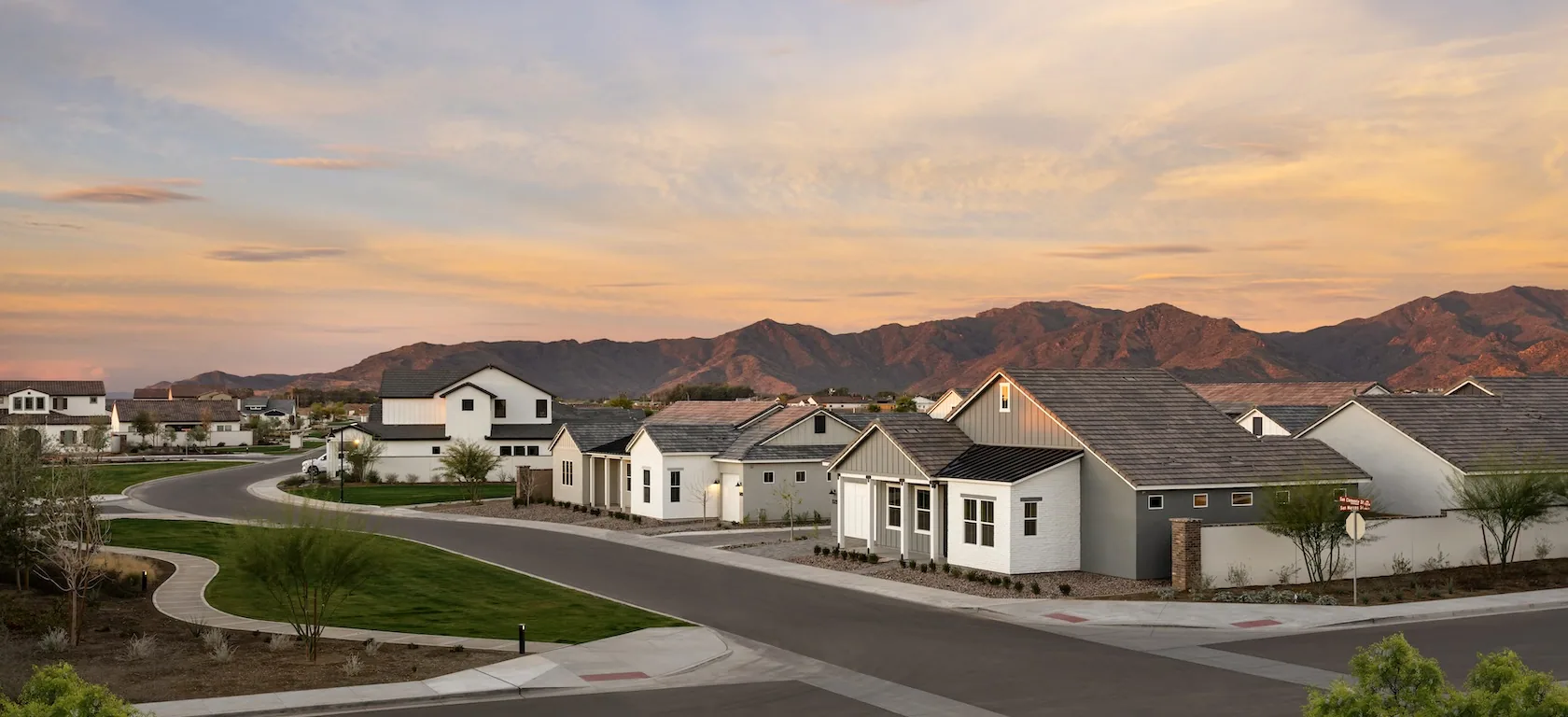
Related Roofing Work
Test the roof before pricing restoration
Share the existing roof type, repair history, ponding areas and access schedule. We can inspect the surface, identify preparation and compare coating with replacement.