A community or office roof near Sun City West can have a field surface that remains serviceable while seams, flashing or an older coating need attention. Acrylic coating may suit some roofs when the substrate is dry, firmly attached and compatible with the product. It is a restoration layer, not a way to bury moisture or correct a structural problem. We inspect the roof, map repairs and review water flow before recommending an acrylic system or a different roof path.
Verify the surface before selecting acrylic
Start by identifying the existing roof and any prior coatings. Acrylic products need an accepted substrate and proper preparation; loose paint, chalk, grease, moisture, degraded membrane or an incompatible coating can affect adhesion. We clean and prepare only as the product instructions allow, then test representative areas if required. Failed adhesion needs a different preparation or system choice, not a heavier coat over the same surface.
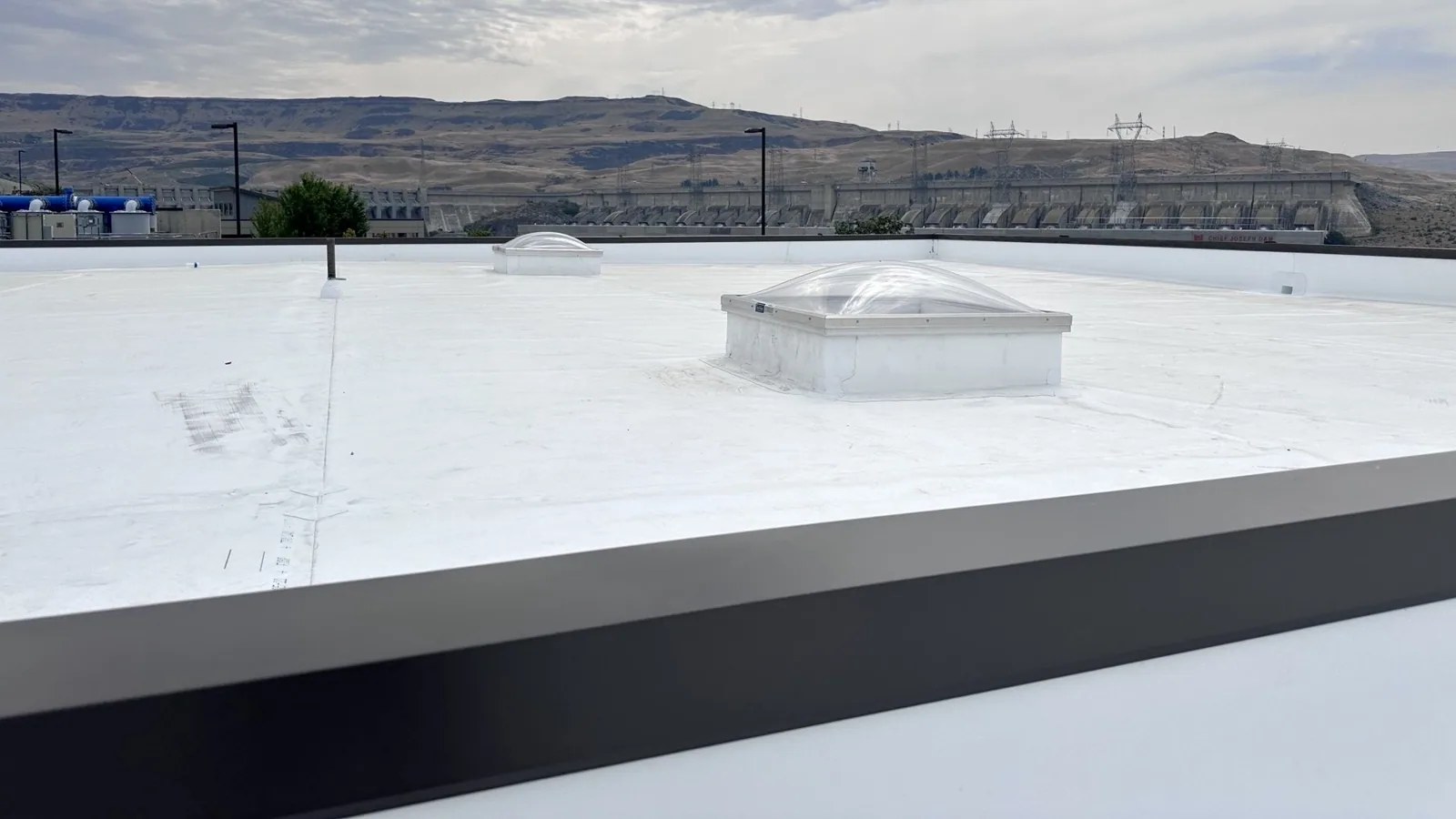
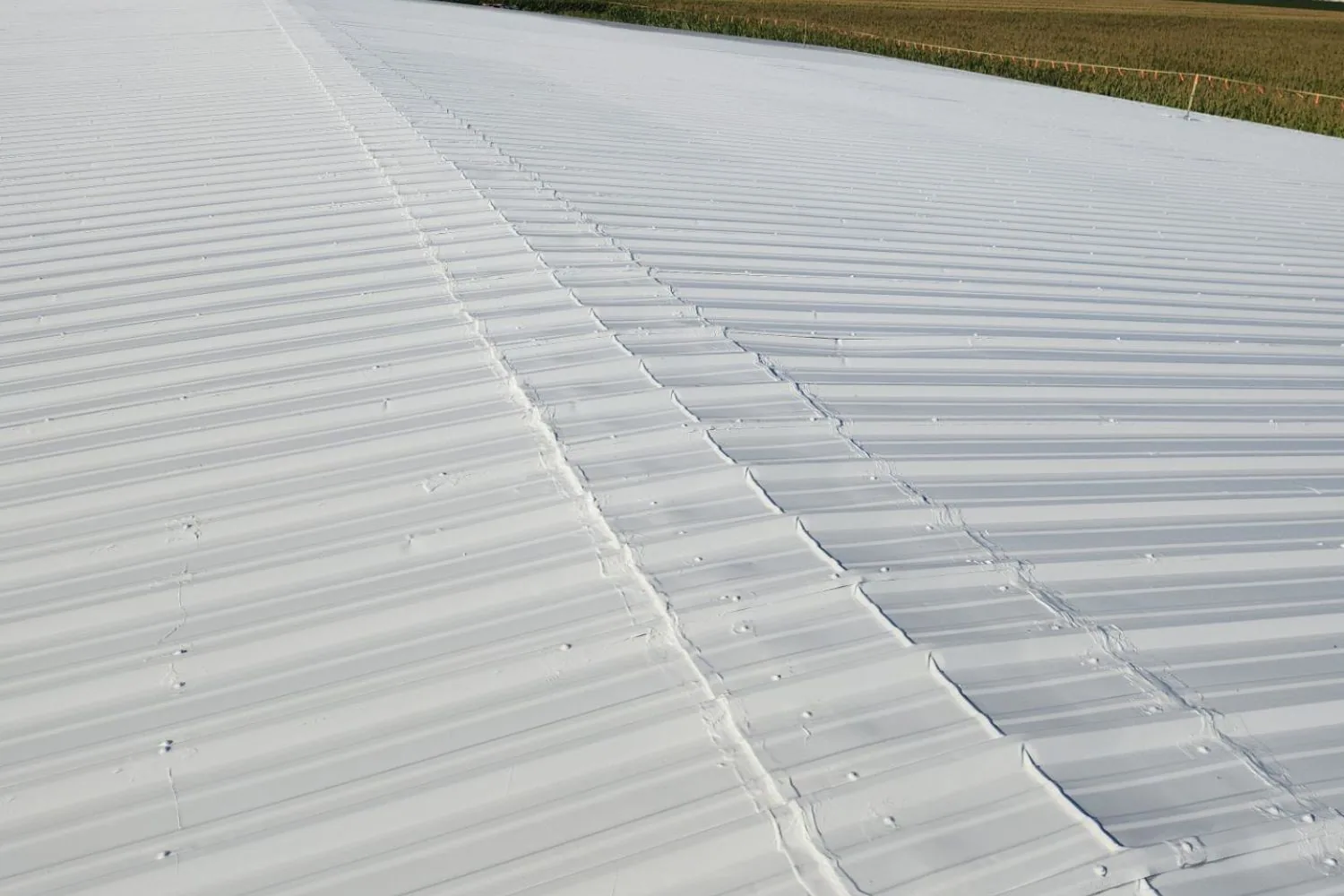
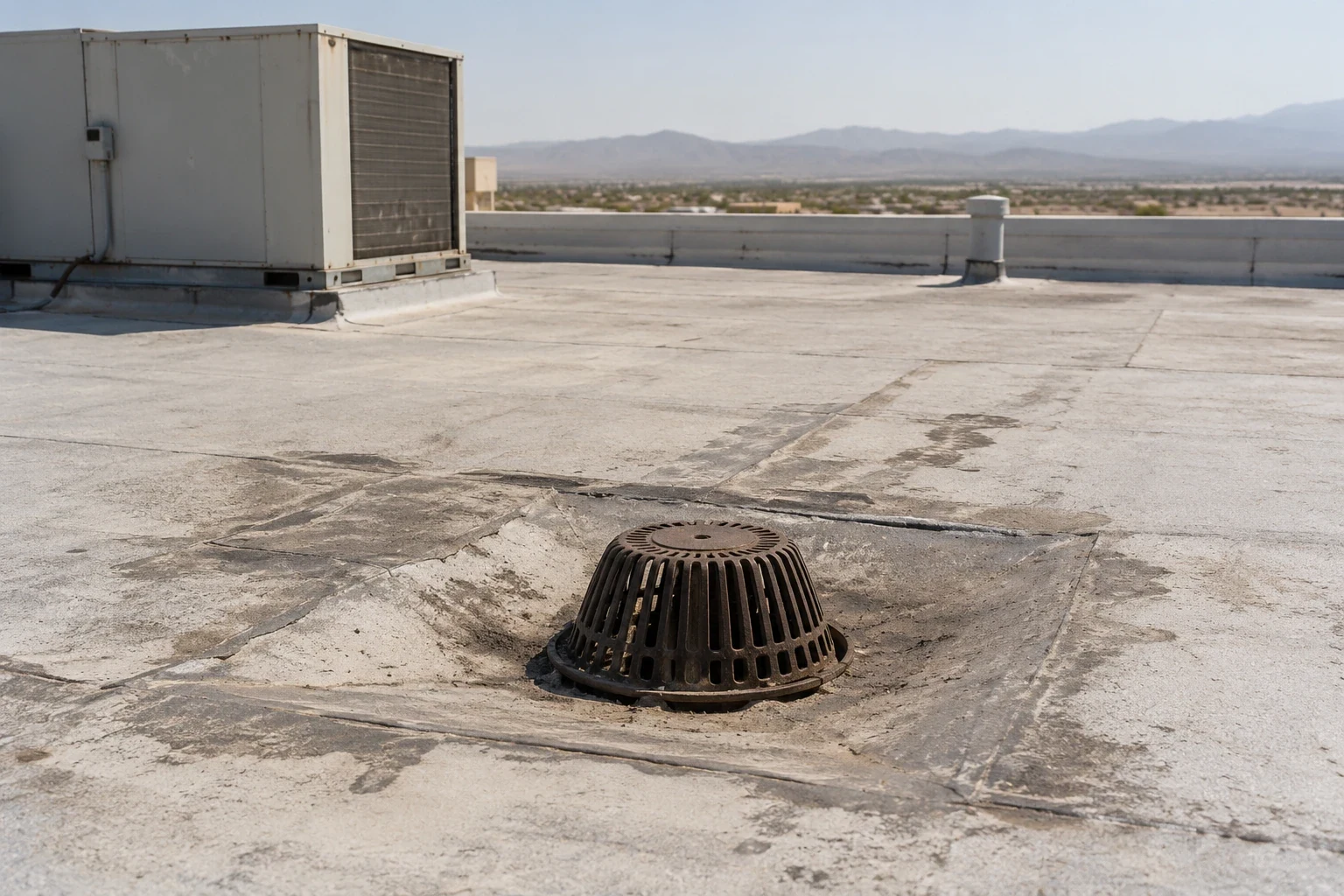
Walk the roof in a pattern that records field condition, seams, blisters, punctures, drains, curbs, skylights and edge metal. Photograph repairs with their location on a roof plan. If a wet area is suspected, use an appropriate inspection method before coating. A roof condition survey can separate a local defect from a broader failure. The estimate should show which repairs and reinforcement are included.
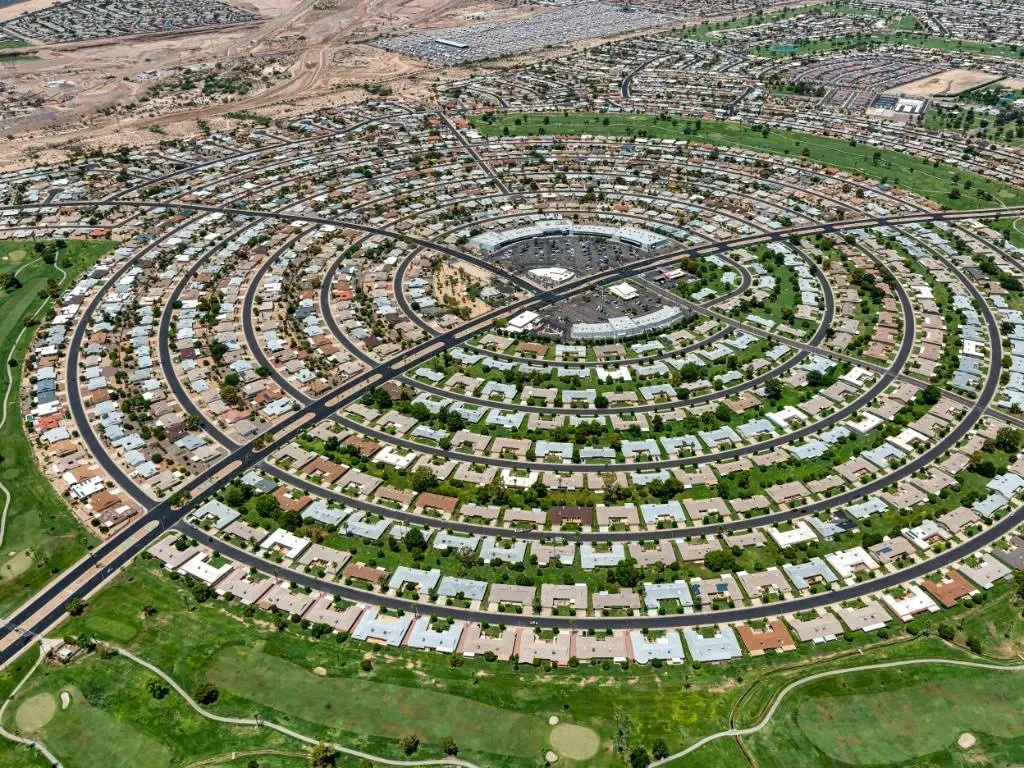
Sun City West is a real unincorporated community southeast of Surprise. Bell Road, Grand Avenue, and other West Valley arterials connect Sun City West with Surprise and Peoria. The roof mix in a nearby community is not evidence about the age or condition of an individual building. We need access to the actual property, its repair history and the manufacturer's maintenance record before preparing a coating proposal. The Sun City West service area is a geographic coverage area, not a claim about any particular roof.
Know what an acrylic coating can and cannot do
Acrylic coatings are liquid-applied products that cure into a protective film over a suitable roof surface. Formulations and application requirements differ, so the submittal should identify the manufacturer, primer, reinforcement, number of coats and required dry-film thickness. Some products are designed for particular roof materials or slopes. Follow the product data for coverage, weather, temperature and cure conditions rather than estimating from color or appearance.
Reflective coatings can reduce solar absorption compared with a dark surface, but they do not establish a fixed utility result. Insulation, HVAC condition, air leakage, internal loads and operating schedules all matter. A proposal can describe the coating and existing assembly; the owner should use a whole-building analysis to evaluate energy use.
Acrylic coatings may not be appropriate where water remains for extended periods or where the surface sees conditions outside the product's limits. Check slope, drains, overflow, low areas and parapet conditions before selecting the system. If ponding or repeated leaks are present, address the source first. A silicone coating is a different product family; compare silicone system characteristics against the actual roof rather than assume all coatings tolerate the same exposure.
Repair seams and transitions before coating
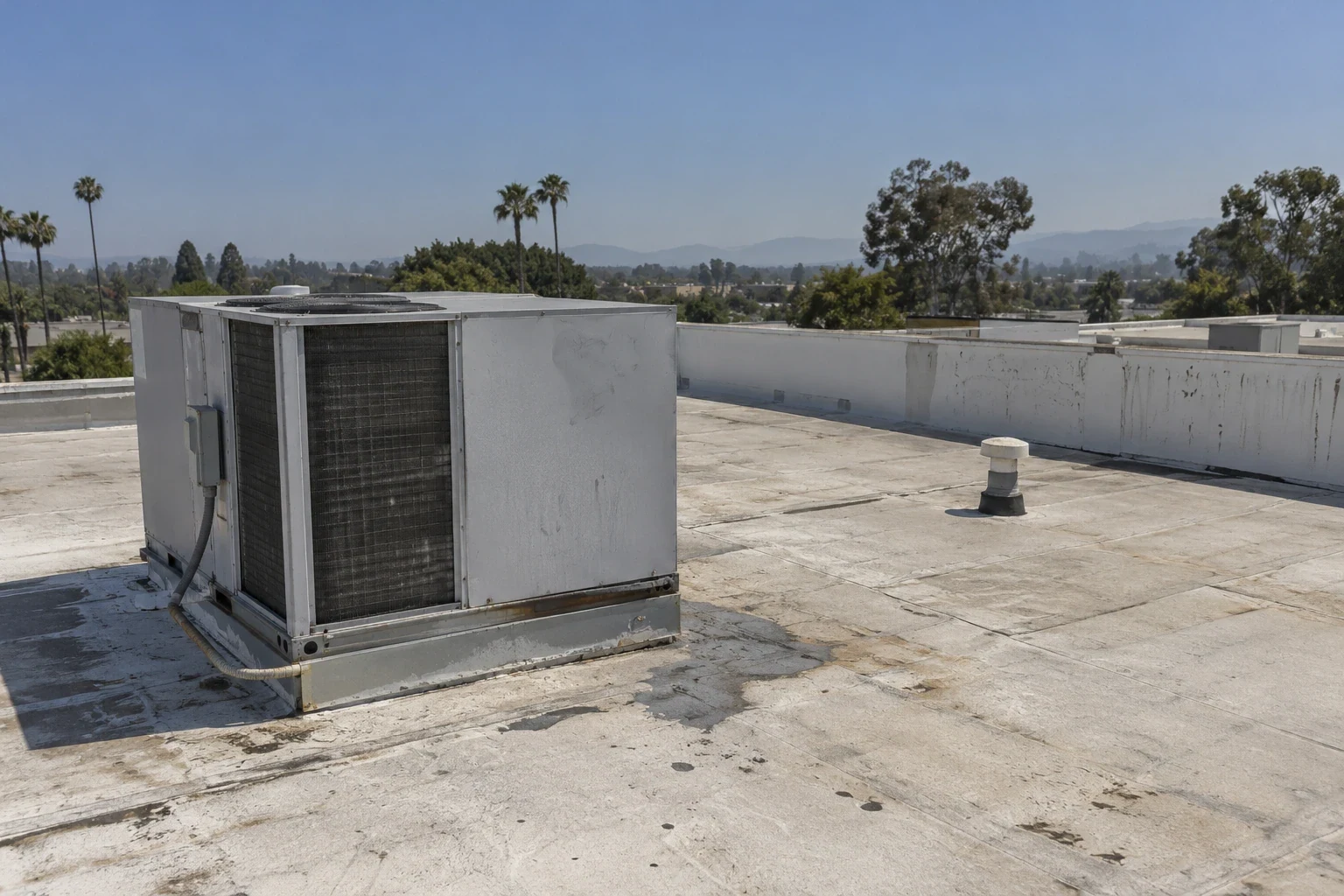
Coating work should follow an explicit repair plan. At seams, confirm adhesion and determine whether reinforcement is needed. At a curb, check corners, vertical transitions and the equipment service path. At a pipe or skylight, inspect the boot, counterflashing and movement. A coating does not replace a properly formed flashing detail, and sealant alone may not provide an approved transition.
Drains, scuppers and gutters need to remain open after application. The crew should protect each bowl from material buildup and verify that water reaches the intended outlet. If the roof lacks positive flow, tapered insulation, a cricket or drain work may be needed before coating. Include drainage corrections and perimeter details as separate scope items. Where equipment will be moved, coordinate its curb and support requirements before coating the surrounding field.
Surprise's summer monsoon season can bring heavy rain and damaging wind across the Phoenix metro. That exposure makes clean drains and secure edges worth monitoring, but it does not establish that a specific building has damage. Before application, the roof must be dry and the forecast must meet product limits. Keep a stop-work boundary so an incomplete repair or coat is not left exposed when conditions change.
Plan application around weather and operations
Preparation can be more demanding than the coating pass. Cleaning, drying, scraping and repair work need enough time before material is applied. Mask and protect air intakes, rooftop equipment, service lanes, adjacent property and vehicles where overspray or wash water could reach. The property contact should know when access is limited, when equipment shutdown is needed and how long the surface must remain undisturbed.
Acrylic products are water based, but application still depends on temperature, humidity, wind and rain forecast. The applicator should confirm that the surface and air are within the manufacturer's limits. Do not start a coat when there is not enough time for the required drying before a storm or dew period. In low-desert heat, timing and roof temperature may affect handling; the product instructions govern the actual application window.
On an occupied property, schedule work around tenant hours and critical equipment. A phased access plan can set notices, staging routes and stop points. Each day's log should record the work area, product lot, weather, repair work and completion status. Keep drains clear and secure material before leaving. If a surface is recoated in separate visits, note the overlap boundary so the next crew knows where the new film begins.
Compare coating with a membrane replacement
Acrylic may be a cost-effective restoration when the existing roof remains sound and the product can bond to the prepared surface. Widespread moisture, unstable attachment, failed seams or damaged deck may call for replacement. Compare a membrane replacement estimate with cleaning, repairs, reinforcement and coating maintenance. For a reflective sheet alternative, review TPO roofing with the roof assembly and project requirements in view.
Price depends on roof area, surface preparation, repair quantity, primer, reinforcement, number of coats, access, masking, equipment protection and drainage work. Ask the proposal to state the assumed substrate, minimum dry-film thickness, application conditions, warranty and concealed-condition process. If the roof has ponding, an adhesion concern or multiple old coatings, those items should be resolved before the estimate promises a life extension.
Closeout should include the coating data sheet, preparation log, daily conditions, coverage records, repair map and photos. The owner needs maintenance instructions for the installed product and a record of compatible future repair materials. Inspect the roof at intervals required by the system documents and after significant weather; look for erosion, punctures, exposed substrate, debris and blocked outlets. A coating's value depends on that continued maintenance, not on treating the roof as finished for good.
Commercial Roofing Questions
Will acrylic coating bond to any commercial roof?
No. Existing material, prior coatings, moisture, surface preparation and product instructions determine compatibility. Adhesion testing may be needed before the work is priced.
Can acrylic coating be used where water ponds?
Check the selected system's ponding limits and evaluate the roof's slope and drains. Correct water-flow problems before coating when the design requires it.
How long does an acrylic coating take to dry?
Drying depends on product, temperature, humidity, thickness and weather. The crew should follow the data sheet and avoid traffic until the coating permits it.
Does a reflective coating promise energy savings?
No. Reflectance is one factor; insulation, HVAC, building loads and operations affect energy use. A whole-building analysis is needed for a savings estimate.
When should the owner consider full replacement?
Widespread wet insulation, poor attachment, failed seams or deck damage may favor removal. Inspection findings should guide a comparison with restoration.
Ready to review the roof scope?
Request a Roof Assessment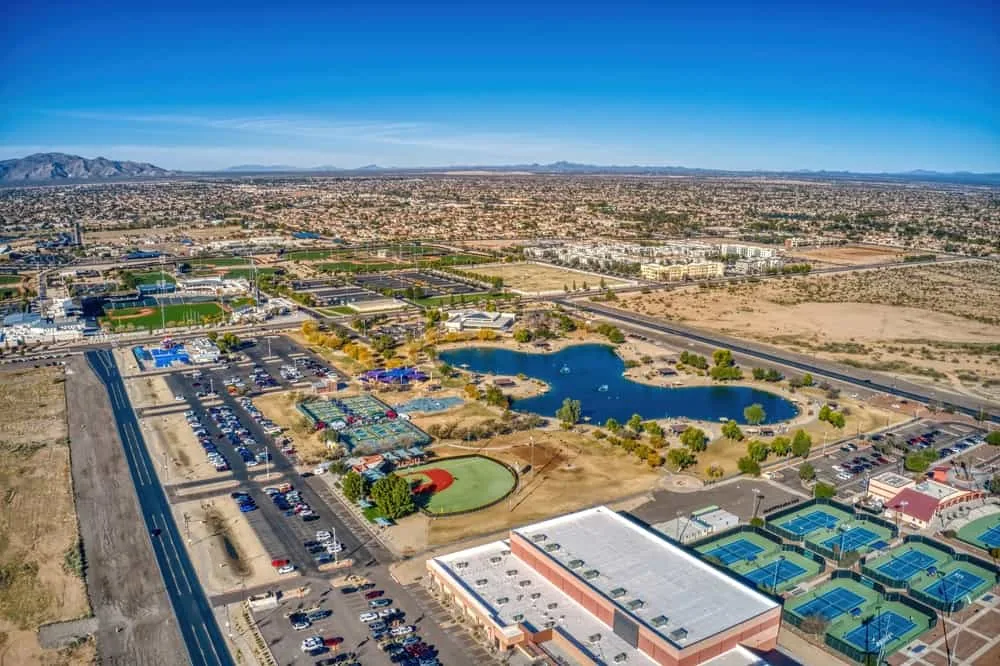
Related Roofing Work
Test compatibility before coating
Provide roof history, existing material, ponding observations and access limits. We can inspect the substrate, map repairs and compare acrylic with other system options.