
A low-slope service building along Surprise's Grand Avenue corridor may have an older multi-layer roof with patched seams, rooftop equipment and a history that is not fully documented. Modified bitumen can be a repair or replacement option when its layer design and installation method fit the deck and project requirements. We map the existing assembly first, then look at laps, flashings, drains and movement at curbs. A named system is only useful when the scope explains how its layers join at every transition.
Know how the modified-bitumen system is built
Modified bitumen is supplied in rolls and commonly uses a reinforced bituminous sheet modified with polymers. SBS and APP products have different material behavior and installation instructions. A project may specify one or more plies, a base sheet, a cap sheet and a protective surface. The exact product and assembly should be identified in submittals; “modified bitumen” by itself does not describe the full roof.
Installation methods can include torch application, hot asphalt, cold adhesive or self-adhered sheets, depending on the approved product and building. Each approach has safety controls, weather limits and substrate requirements. Hot work requires the site's approved procedures and fire watch when specified. Adhesives need the right surface and temperature conditions. The crew should not change methods because a detail is difficult without written approval of the revised assembly.
We review lap direction, end-lap staggering, base-sheet attachment, cap-sheet finish and terminations against the manufacturer documents. A finished surface can obscure the layer beneath it, so inspection points need to be planned before covering. The record should identify which seams were checked, where repairs were made and what flashing detail was installed around each curb or pipe.
Evaluate the existing roof and deck
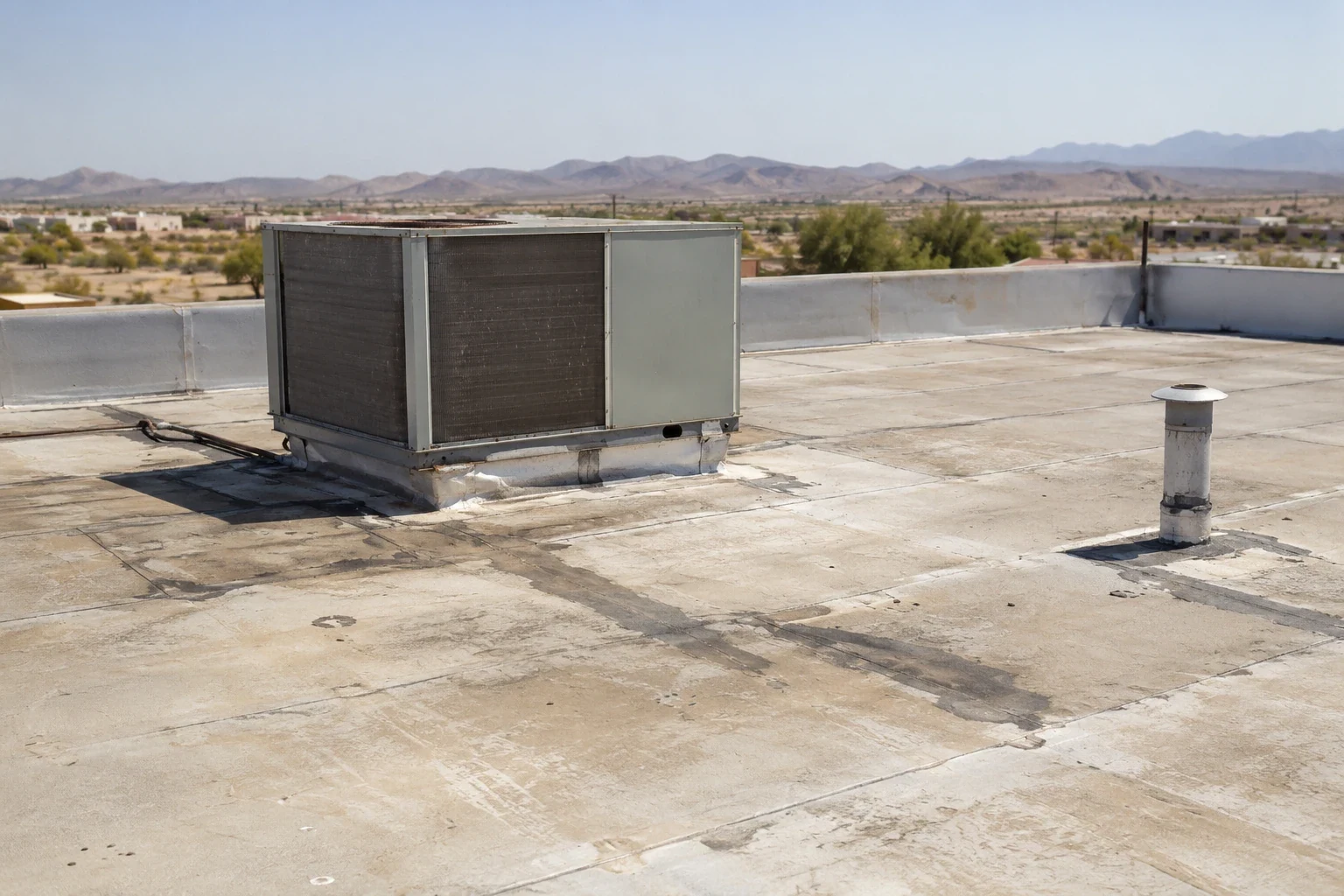
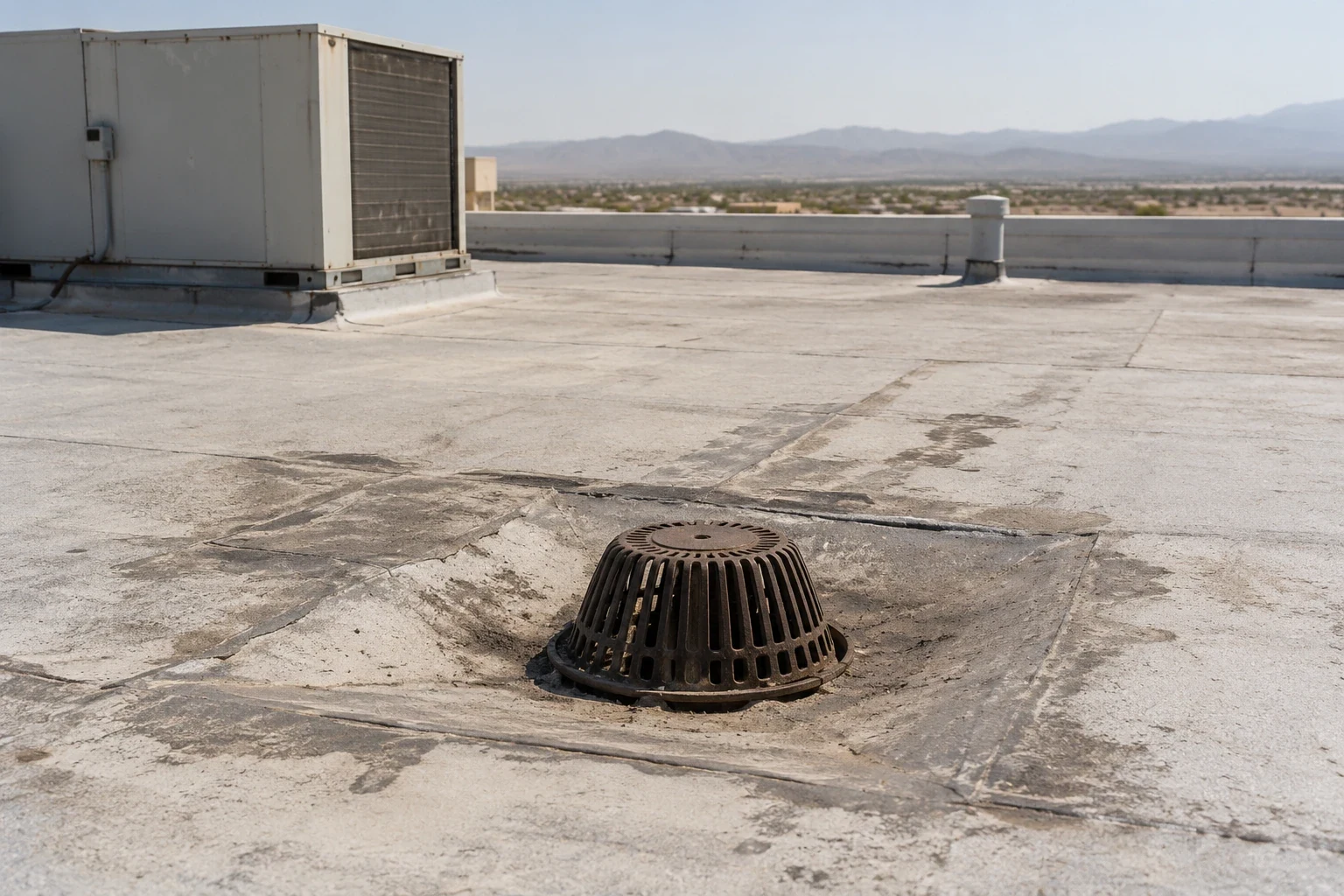
Before restoring or recovering an older roof, look for wet insulation, open laps, blisters, surface loss, soft deck, corrosion and recurring patches. A local repair can work when the damage is contained and adjacent material remains sound. Widespread trapped moisture or an unstable layer can make a recover a poor choice. We mark each finding by roof area and use photos that show both the field condition and its position relative to drains or equipment.
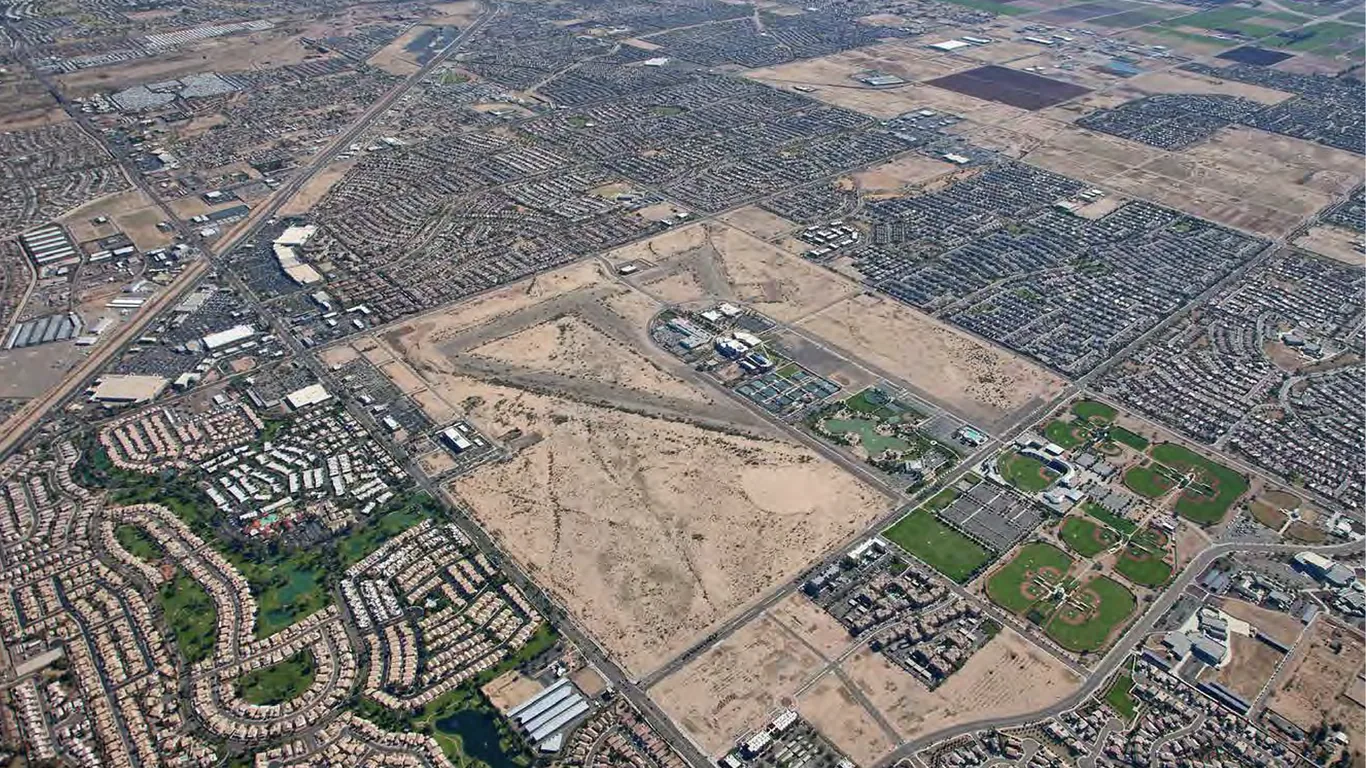
Grand Avenue / US 60 connects Surprise with Peoria and the wider West Valley transport network. That corridor contains varied commercial and service development, but corridor context is not proof of a particular roof's age or build-up. The building record, test cuts when authorized and direct roof observations guide the recommendation. A commercial roof inspection helps collect those observations; a targeted repair can address a limited failure without expanding the project unnecessarily.
If another layer is considered, verify weight, code path, height at drains, fire classification and manufacturer requirements. A modified-bitumen replacement starts with the existing layers, edge details and drainage paths; the field review shows where a new assembly can tie in cleanly. The design professional and permitting authority confirm how those provisions apply to the proposed scope.
Keep drainage and flashing in the design
Multi-ply roofs still depend on a clear water path. We check drain bowls, scuppers, overflow points, crickets and low areas before a new cap sheet is installed. If a drain sits too high or a cricket sends runoff the wrong direction, a new surface can preserve the same ponding condition. Tapered insulation or localized slope correction may be part of the work, but it needs a layout that the field crew can verify.
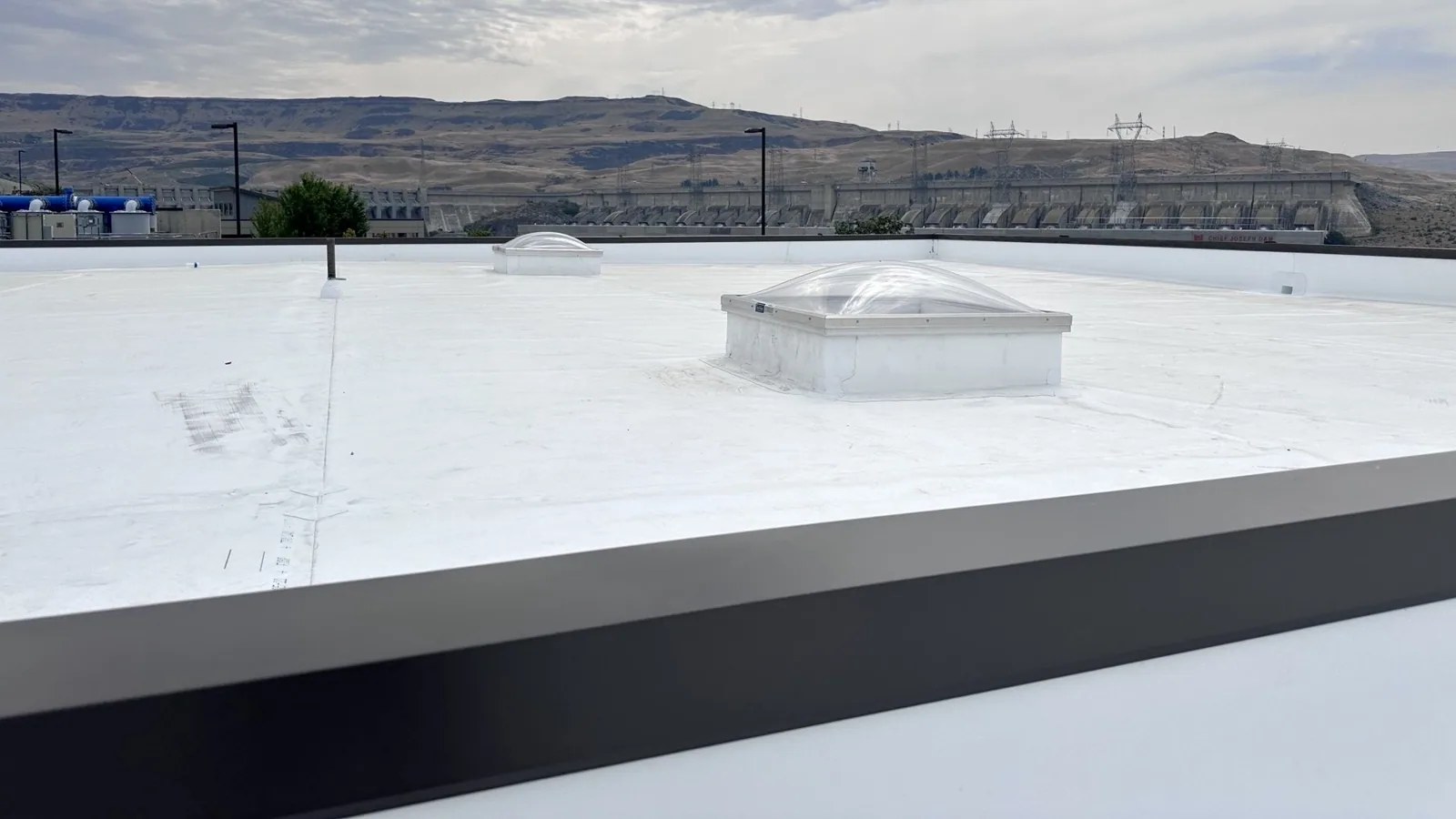
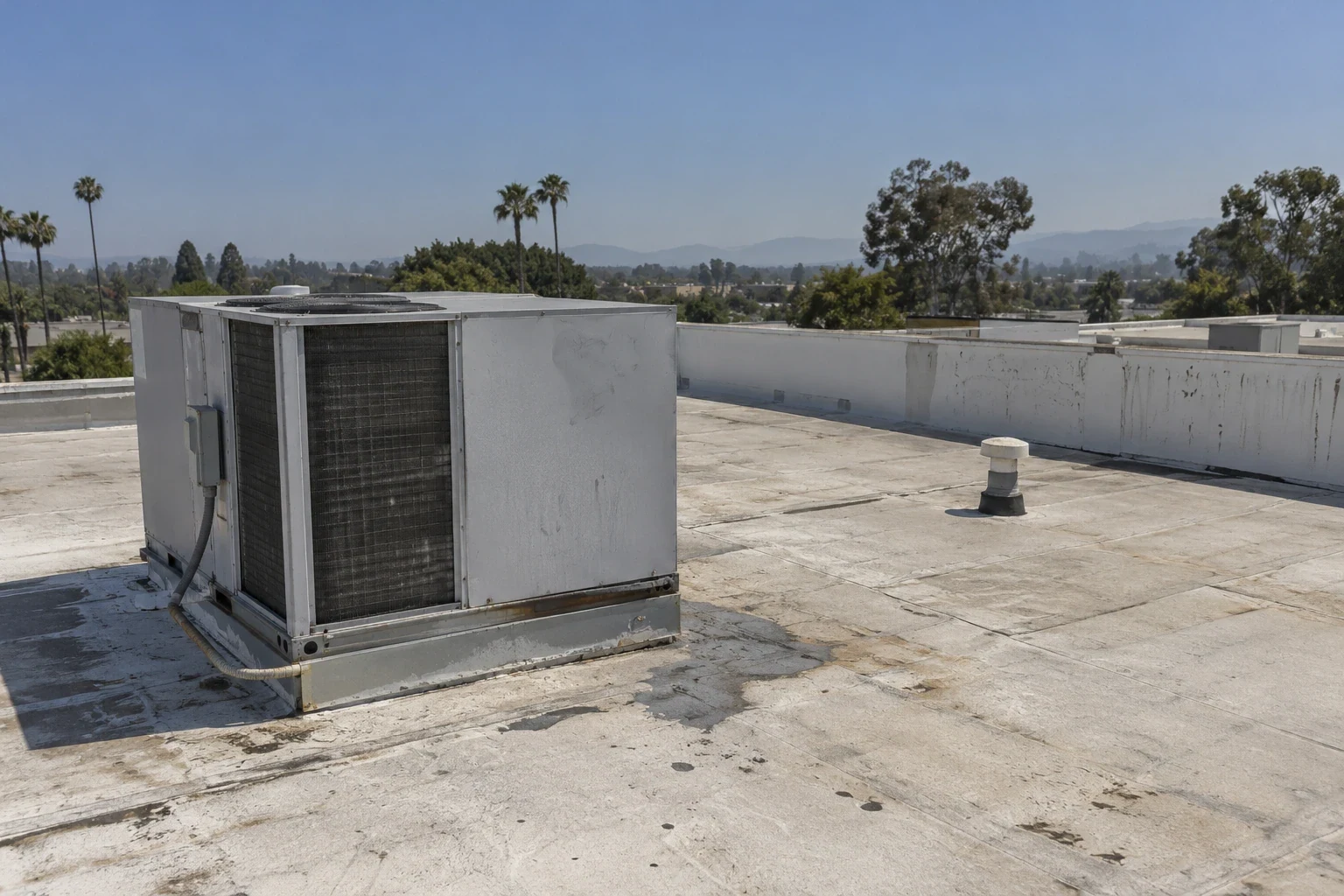
Flashing must turn up at walls and curbs without leaving an exposed edge or unsupported corner. At parapets, coordinate the membrane with coping and counterflashing. Around equipment, confirm curb height and mechanical access before choosing a detail. We link drain and scupper work with edge metal so each transition appears in the proposal. If a skylight or pipe is being replaced, the penetration detail should be finished as part of that sequence.
The Surprise Waddell Road corridor connects growing west-side commercial districts with Loop 303. In this setting, material deliveries and staging may share active roads and tenant access. The project plan should show where rolls, asphalt or other materials can be unloaded without blocking service lanes or emergency routes. Those site details affect schedule and safety as much as the selected cap sheet.
Plan heat, hot work and occupied access
In Surprise, summer roof work takes place under prolonged heat, and Phoenix-area monsoon storms can bring gusty wind and heavy rain. The crew needs a practical start window, shade and hydration plan, secured materials and an agreed stop point. Heat may also affect adhesives, primers and membrane handling, so the manufacturer's application range controls. Weather-sensitive work should be sequenced so temporary protection is ready before the roof is opened.
If the building remains open, coordinate odor, noise, delivery and hot-work controls with the owner. Separate pedestrian and vehicle paths from the work zone, protect rooftop units and keep drains functioning. A phased reroof plan can define notices, access windows and emergency routes. The facility contact should know which areas are active and how to reach the foreman when operations change.
For torch-applied material, comply with the approved fire safety procedure, maintain extinguishers and watch requirements, and remove combustible debris from the work area. Other methods have their own handling instructions. Do not leave open bitumen or temporary flashings exposed after the shift. Record the installed method and any condition that required a field adjustment.
Compare modified bitumen with other assemblies
A multi-ply system may suit a roof that needs layered coverage, while a single-ply membrane can reduce some field seams and simplify a different project sequence. Built-up roofing uses multiple plies and surfacing; see built-up system details when comparing layer construction. An EPDM assembly has another seam and attachment approach; review EPDM options only against the same roof conditions.
Cost depends on tear-off depth, deck repair, insulation, surface preparation, parapets, penetrations, equipment moves, fire watch, material staging and work hours. The estimate should state whether old layers are removed, how concealed moisture is handled and which perimeter details are included. A coating restoration is not a substitute for a new assembly if the substrate cannot support it; compare restoration scope only after the roof is found suitable.
Closeout should include the roof plan, installed product data, layer sequence, inspection photos, safety records, warranty and maintenance instructions. Store a copy with the facility maintenance log. Future service work should be recorded by location so the next contractor can see where the assembly was opened. After a monsoon storm, inspect drains, parapets and any repair area, then report changes before water has time to move beneath multiple layers.
Commercial Roofing Questions
Is modified bitumen the same as built-up roofing?
No. Both can use multiple layers, but their materials, reinforcement, surfacing and installation methods differ. The proposal should name the actual assembly and product.
Can an old modified-bitumen roof be coated?
Compatibility requires a dry, stable surface and a product-approved application. The roof should be inspected before a coating is considered.
What installation method will you use?
The specified method follows product instructions and job requirements. The scope should state whether it is torch-applied, adhered, self-adhered or another listed method.
Does a new cap sheet correct ponding?
Not by itself. Drain elevations, crickets, tapered insulation and overflow paths should be reviewed so water moves toward the intended outlets.
What changes the cost of a modified-bitumen reroof?
Tear-off, deck condition, insulation, number of plies, flashing, hot-work controls, access, equipment moves and occupied hours can all change the scope.
Ready to review the roof scope?
Request a Roof Assessment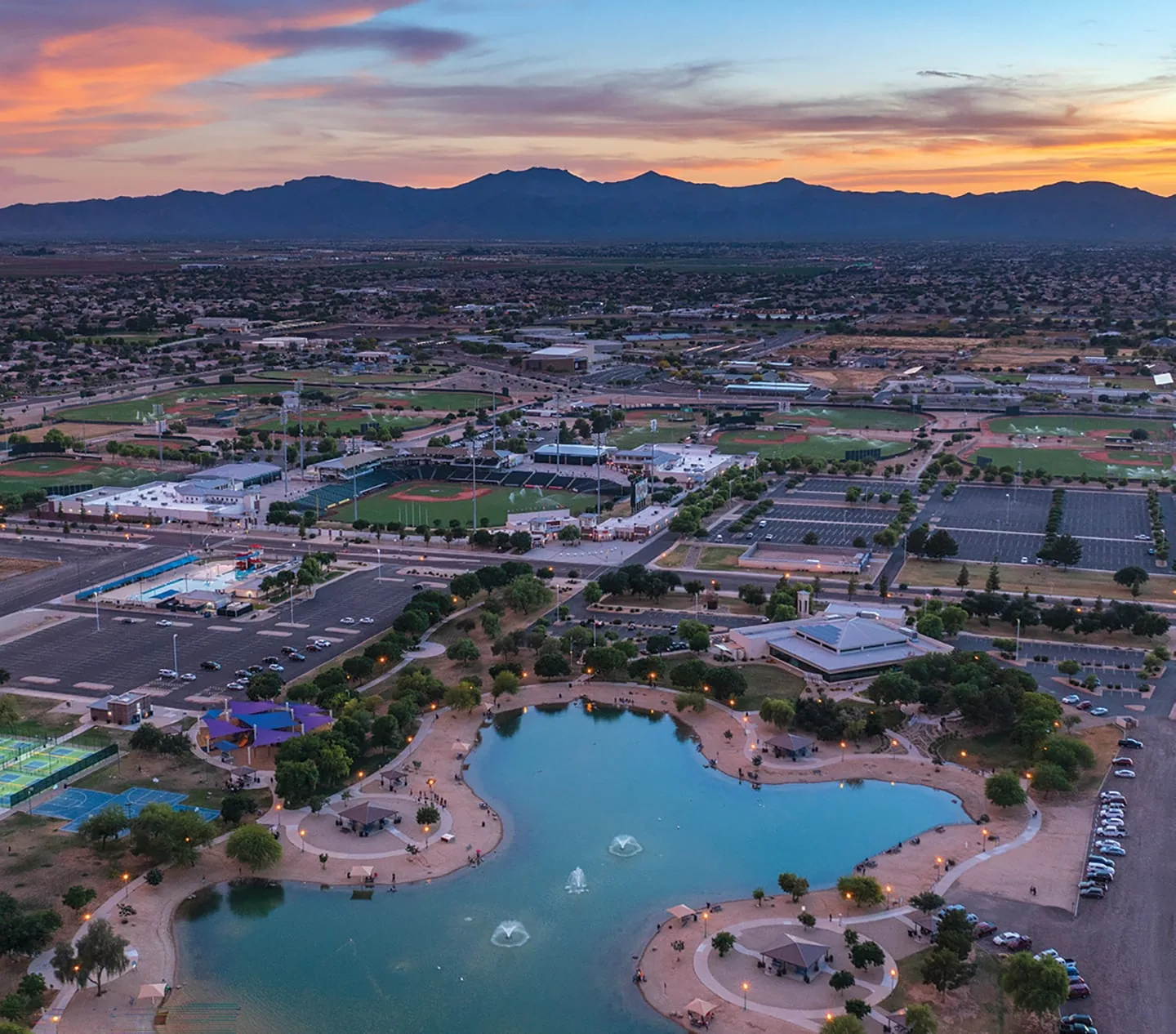
Related Roofing Work
Compare the roof layers before bidding
Send the roof plan, repair history, desired installation method and access schedule. We can inspect the existing assembly and identify drainage and flashing work for the scope.