A community building near Sun City West may have a broad low-slope roof, rooftop units and long service intervals between major projects. EPDM is a flexible rubber membrane that can suit some commercial assemblies, but its performance depends on how the sheet is attached and how every seam and penetration is finished. We inspect the deck, insulation, existing membrane, perimeter and drainage before comparing it with other systems. The roof condition, not the familiarity of the material, drives the recommendation.
Understand EPDM as a sheet assembly
Ethylene propylene diene monomer, commonly called EPDM, is a synthetic rubber membrane supplied in sheets. Depending on the approved system, it may be adhered, mechanically attached or ballasted. Seams can use manufacturer-approved tape or another specified joining method. The design must account for sheet layout, substrate, perimeter restraint, wind exposure, penetrations and how the finished edge resists movement.
EPDM is not heat-welded like TPO or PVC. A seam relies on compatible surfaces and correctly applied bonding materials, which makes cleaning, primer coverage, overlap and rolling important field steps. Dirt, moisture or contamination at a lap can weaken the bond. The quality plan should show when the installer checks seam condition, how a questionable lap is repaired and how the repair is documented before a walkway or equipment pad covers it.
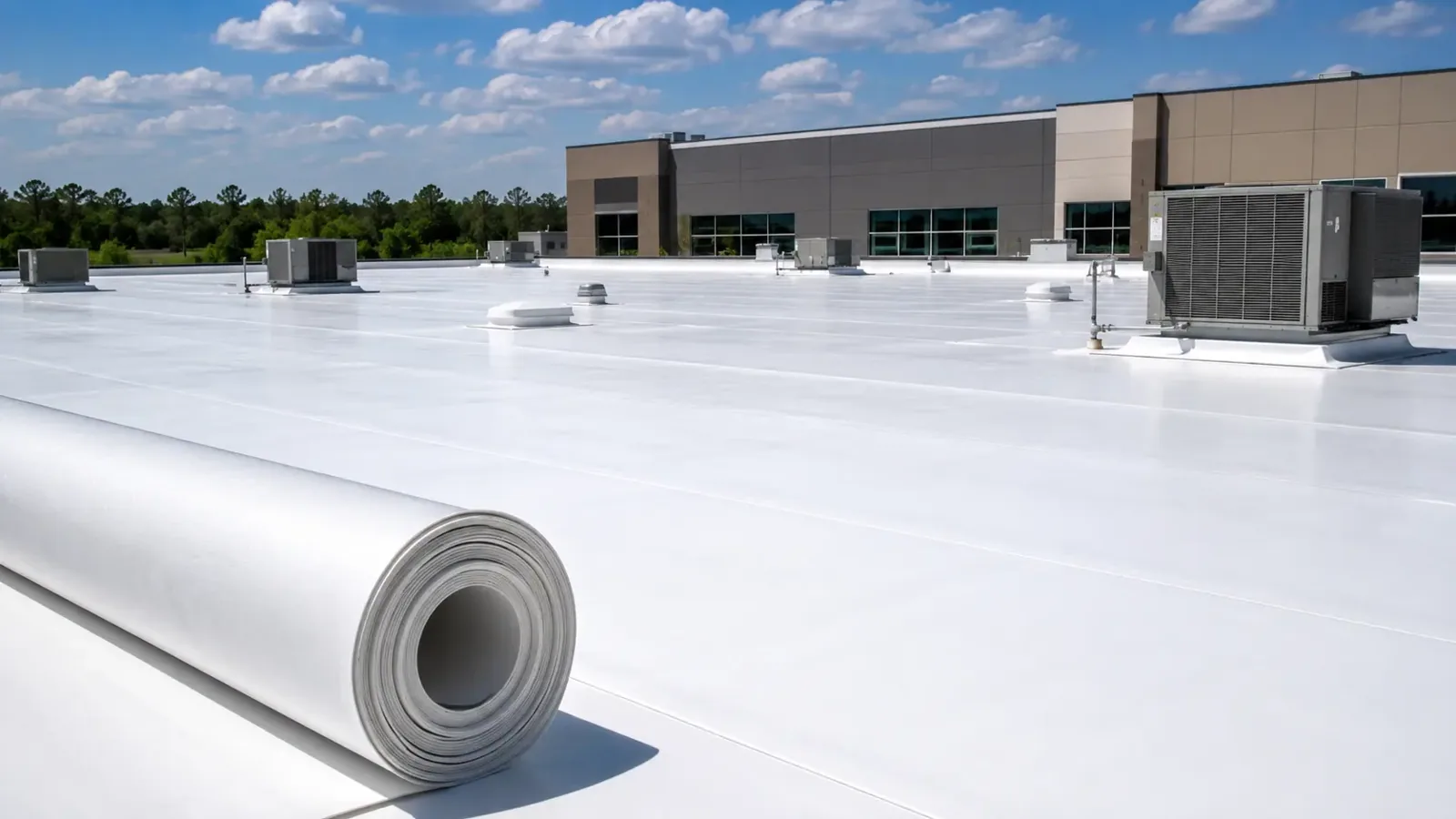
A dark sheet absorbs more sunlight than a reflective white membrane. In the low-desert setting, roof temperature and insulation deserve attention, but membrane color alone does not predict building energy use. The owner should compare roof layers, HVAC loads, operating hours and intended maintenance. If a lighter surface is a priority, review TPO membrane options or PVC assemblies against the project's actual requirements.
Inspect the roof before selecting a recover
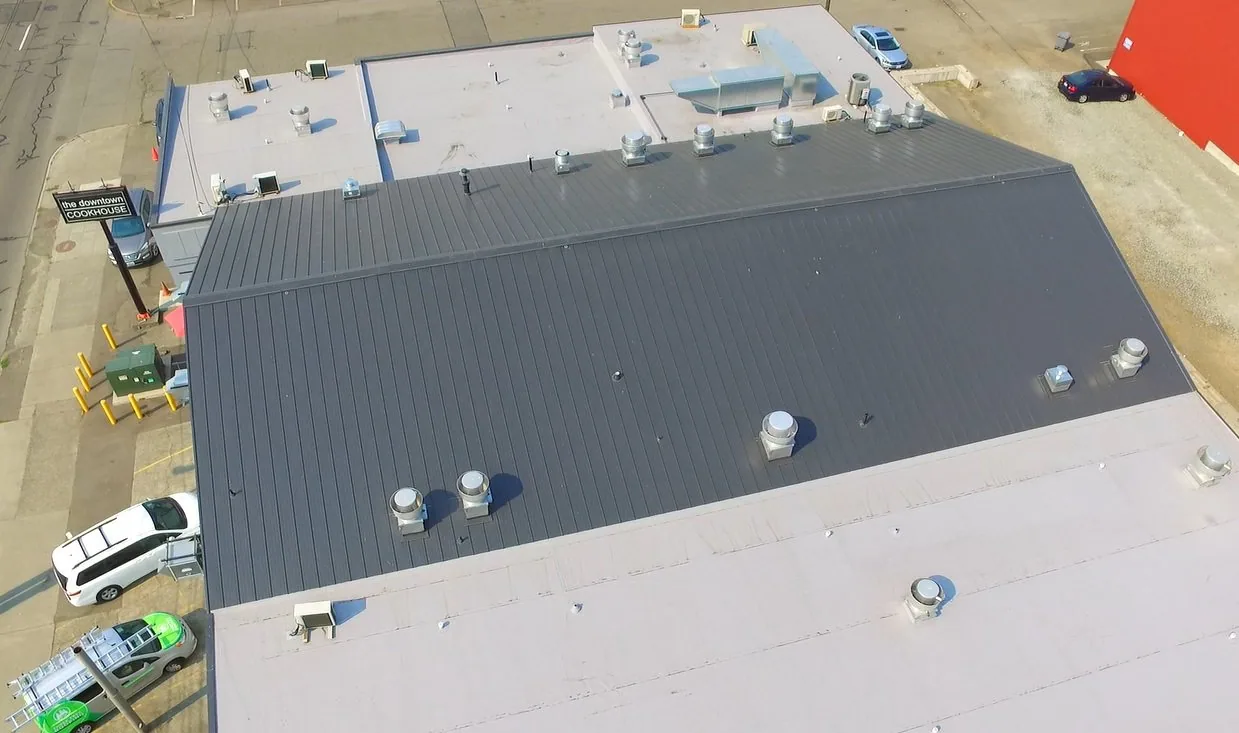
Before an EPDM recover is considered, we map the existing layers and look for wet insulation, unstable attachment, soft deck, repeated patches and trapped debris. A roof that appears sound at the hatch may have isolated wet areas or movement around a unit curb. Inspection photos should show the condition and its location, while moisture testing can help determine whether material needs removal. The scope must say what evidence supports leaving an existing layer in place.
For a tear-off, confirm deck type and expected repairs before ordering the new assembly. For a recover, verify the substrate and manufacturer requirements for the chosen attachment. An overlay can add height at drains, scuppers, parapets and door thresholds. We review the drainage path and roof edge at the same time, then identify any tapered insulation or metal modification needed to make the new surface work.
Sun City and Sun City West are nearby West Valley communities shown on regional transportation maps. Their established commercial and community properties can have varied roof ages, but a community name does not tell us the assembly under a particular building. We inspect that roof directly. A roof inspection documents visible conditions, and a recover evaluation can separate an overlay candidate from a roof that needs removal.
Choose attachment for the deck and perimeter
Adhered EPDM depends on a clean, compatible substrate and specified adhesive coverage. Mechanically attached systems depend on fastener capacity, deck condition and the approved fastening layout. Ballasted assemblies rely on design weight and perimeter treatment, so the structure and project criteria must support the load. Each option has a different installation sequence and inspection point; the proposal should identify which method is actually being priced.
Wind resistance is not achieved by adding fasteners at random. The designer establishes the tested assembly and attachment zones, with stronger restraint where the perimeter and corners see greater pressure. We document the substrate and provide product information for review. The design professional confirms the required uplift performance and any local permit criteria. If the field deck does not match the drawings, work pauses until the approved detail is clear.
Edges, corners and transitions need continuity between membrane and metal. A parapet termination, fascia, coping splice or gutter connection can admit water even when the field sheet is intact. We coordinate perimeter metal work and drain details with the EPDM sheet layout. At rooftop units and pipe supports, the curb and support details should be reviewed before membrane is cut.
Detail laps and penetrations with compatible materials
EPDM seams require a consistent surface-preparation routine. The installer cleans the lap, applies the specified primer and tape or adhesive, aligns the sheets and rolls the joint using the manufacturer's process. Field conditions matter: dust, high roof temperature, wind and an approaching storm can shorten the time available for a reliable bond. A test area and visual inspection should confirm readiness before production continues.
Pipe boots, corners and curb wraps must match membrane thickness and product requirements. A penetration that moves, carries heat or changes shape may need a fabricated detail rather than a generic boot. We identify the penetration owner and any equipment work that must happen first. A loose pipe support should be corrected before it is flashed, and a future cable route should not be cut through a completed membrane without an approved repair method.
After each shift, the crew checks temporary tie-ins and protects open edges. The Phoenix-area monsoon season can bring periods of heavy rain and gusty wind, so a practical sequence closes each area before the weather window changes. Keep roof drains clear during work and secure insulation and scrap. If severe weather is forecast, establish the stop point early instead of leaving a long open seam or unsecured sheet before the crew leaves.
Compare material, maintenance and project cost
EPDM can be a useful option when its sheet layout, attachment and maintenance needs fit the property. TPO and PVC use heat-welded seams and may better match some exposure or owner preferences. Silicone or acrylic coatings are different restoration systems, not interchangeable sheets. A coating requires a sound substrate and documented compatibility; see roof coating restoration only when the existing roof is a candidate.
Project cost changes with tear-off, deck repair, insulation, cover board, roof height, staging, equipment lifts, edge replacement, drain work and occupied-building restrictions. A quote should state those assumptions and separate base scope from concealed conditions. For portfolio owners, a condition report can organize photos and repair priorities across roof sections. A Sun City West roof review still needs an on-site assessment rather than a generic system specification.
After installation, keep the roof plan, seam and repair records, product data, warranty and inspection photographs together. Routine maintenance should check seams, edges, penetrations, drainage and any area disturbed by another trade. The maintenance instructions should reflect the selected EPDM product and project warranty, not an assumption that the sheet never needs service. A clear record helps the facility team identify the membrane and obtain the right repair materials later.
Commercial Roofing Questions
Is EPDM installed with hot-air welding?
No. EPDM seams commonly use manufacturer-approved tape or bonding methods. Surface preparation, primer, overlap and rolling need to follow the selected system instructions.
Can EPDM be adhered or mechanically attached?
Both methods may be available, along with other approved assemblies. Deck, substrate, structural design, wind requirements and manufacturer details determine which approach fits.
Is a recover appropriate for an older EPDM roof?
A recover needs a dry, stable substrate and an approved assembly. Moisture, loose attachment, trapped layers or added height at drains can make removal the better path.
How does EPDM compare with white membranes?
EPDM is typically a dark sheet, while TPO and PVC are often supplied in light colors. The owner should compare roof assembly, reflectance goals, exposure and maintenance, not color alone.
What should a maintenance walk record?
Record seam condition, penetrations, edge terminations, drainage and any trade activity. Note the roof area and photograph changes so repairs can be scoped accurately.
Ready to review the roof scope?
Request a Roof Assessment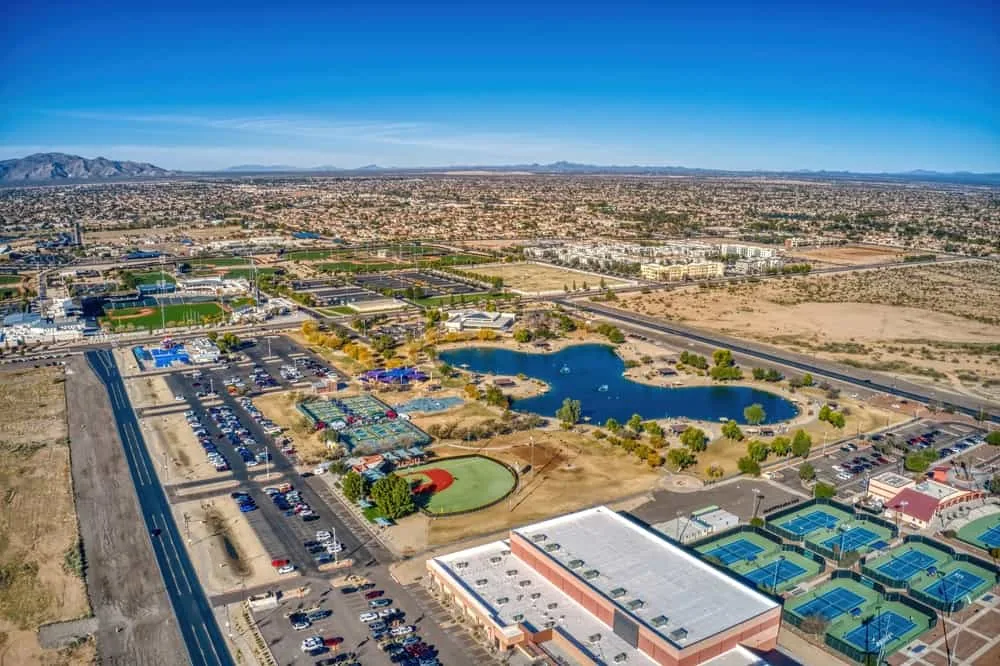
Related Roofing Work
Inspect the existing assembly first
Share roof plans, prior repair records, deck information and access limits. We can map the existing system and compare EPDM with replacement or restoration options.