
A restaurant roof in Surprise may have grease exhaust, service penetrations and equipment that concentrates wear near the roof surface. PVC is a heat-welded single-ply membrane often considered where chemical exposure or kitchen exhaust needs attention, but the project still turns on the existing assembly and the details around each curb. We check the discharge path, substrate, insulation and seam layout before presenting PVC as an option. A building in the Village at Prasada or near Bell Road has its own operating constraints; the material choice must follow inspection, not a neighborhood label.
Match the sheet to the exposure
Polyvinyl chloride membranes use hot-air-welded laps and reinforced sheets. Formulations can be selected for particular service conditions, yet no membrane should be treated as immune to every contaminant. We ask what moves across the roof, what the exhaust carries, how often grease is cleaned and whether oils or solvents can contact the sheet. That information helps determine whether PVC, another membrane or a targeted detail repair deserves closer review.
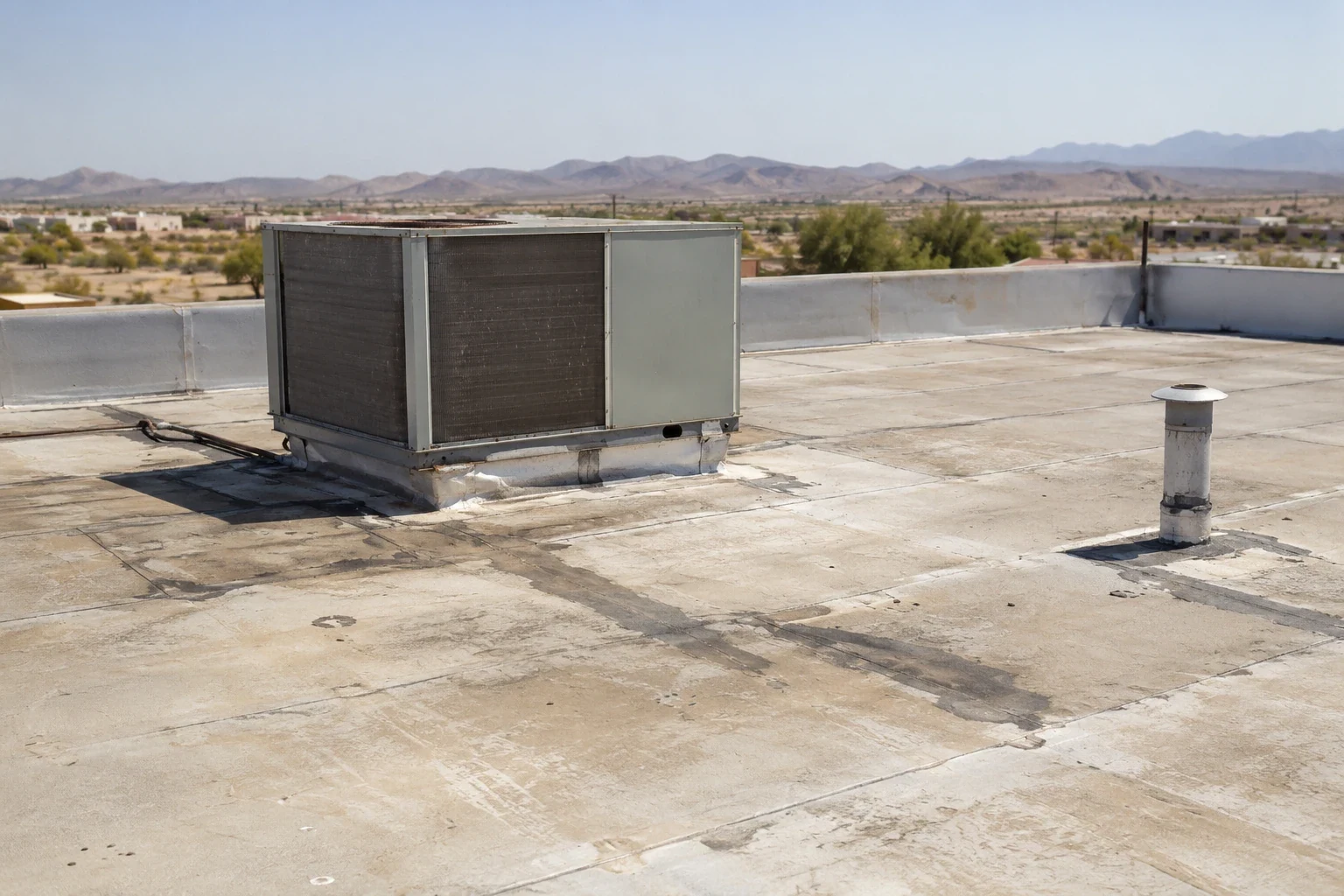
At food-service properties, an exhaust fan can leave residue near a curb or duct termination. The roofing scope should identify a compatible grease containment or maintenance approach instead of assuming that the membrane alone manages the discharge. We inspect the flashing, curb corners, surrounding seams and route to a drain. If a fan replacement or duct change is planned, the mechanical trade should share its dimensions and schedule before membrane work begins.
A PVC assembly also needs a sound substrate and a fastening or adhesive method approved for the roof design. We record the existing layers, wet areas, deck condition and perimeter details. A product data sheet, tested assembly and project specification should support the final selection. The proposal should say which membrane and reinforcement are included, where the field seams fall and how corners, terminations and transitions are finished.
Inspect exhaust, curb and drain conditions
We start at the places where operations touch the roof. Fan bases, grease ducts, electrical lines, plumbing vents and service walk pads should be shown on a roof plan. Inspection photos need a location and a direction so a facility manager can match the image to the actual curb. We note cracked flashings, open seams, staining, surface wear, loose metal and debris, then separate an observed defect from a suspected source that needs testing.
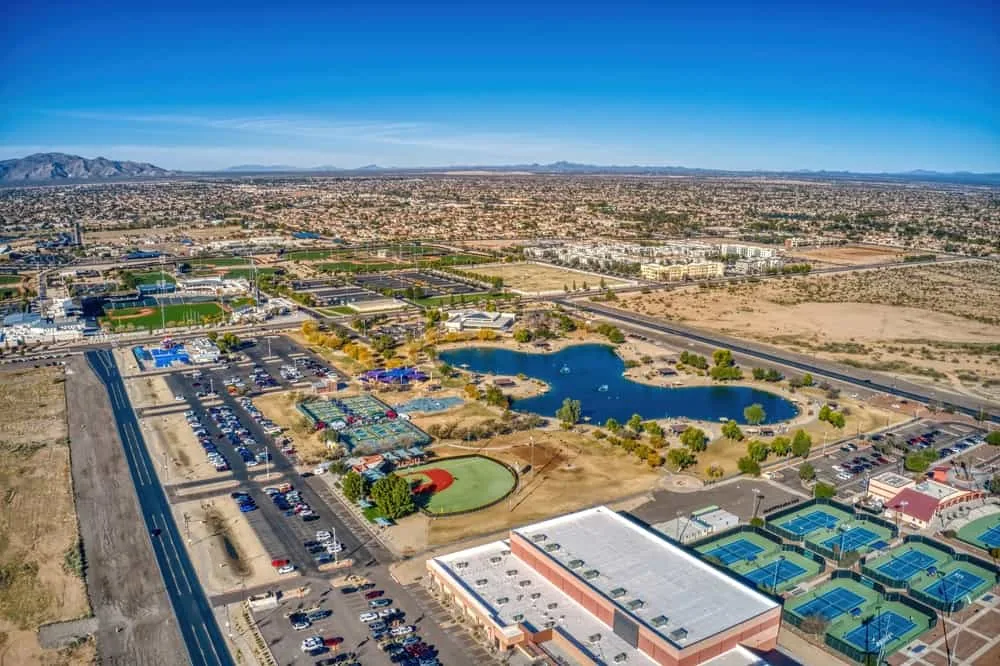
Surprise's City Center is a multi-block district with restaurant, retail, healthcare, hotel and civic uses. Those building types can create varied roof penetrations and service schedules, but we do not infer conditions at an individual property from the district plan. The inspection remains specific: fan use, cleaning practices, roof age, drainage, access and exposure at each penetration.
When a localized detail has failed, a repair scope may address it without replacing a sound roof. If the membrane has broader deterioration, compare a condition review with a full replacement evaluation. Drain height, grease deposits and overflow routes belong in the written observations; a blocked drain can create a water issue that a new membrane alone will not solve.
Build seams that can be inspected
Hot-air welding joins compatible PVC surfaces, but the installer must control overlap, cleanliness, temperature and travel speed. Dust, moisture, residue or a moving substrate can compromise a weld. Crews should make test seams when conditions change, allow the joint to cool and probe the finished lap. The quality plan should state what gets tested, how a repair is marked and who reviews field changes before the membrane is covered by another detail.
At corners and irregular penetrations, preformed accessories can reduce some field fabrication, while other shapes need carefully cut and welded pieces. We verify curb size, height and attachment before ordering flashing. A transition between PVC and an existing roof requires a compatible transition method and clear ownership for the adjoining surface. Do not use an unverified sealant as a substitute for a designed termination.
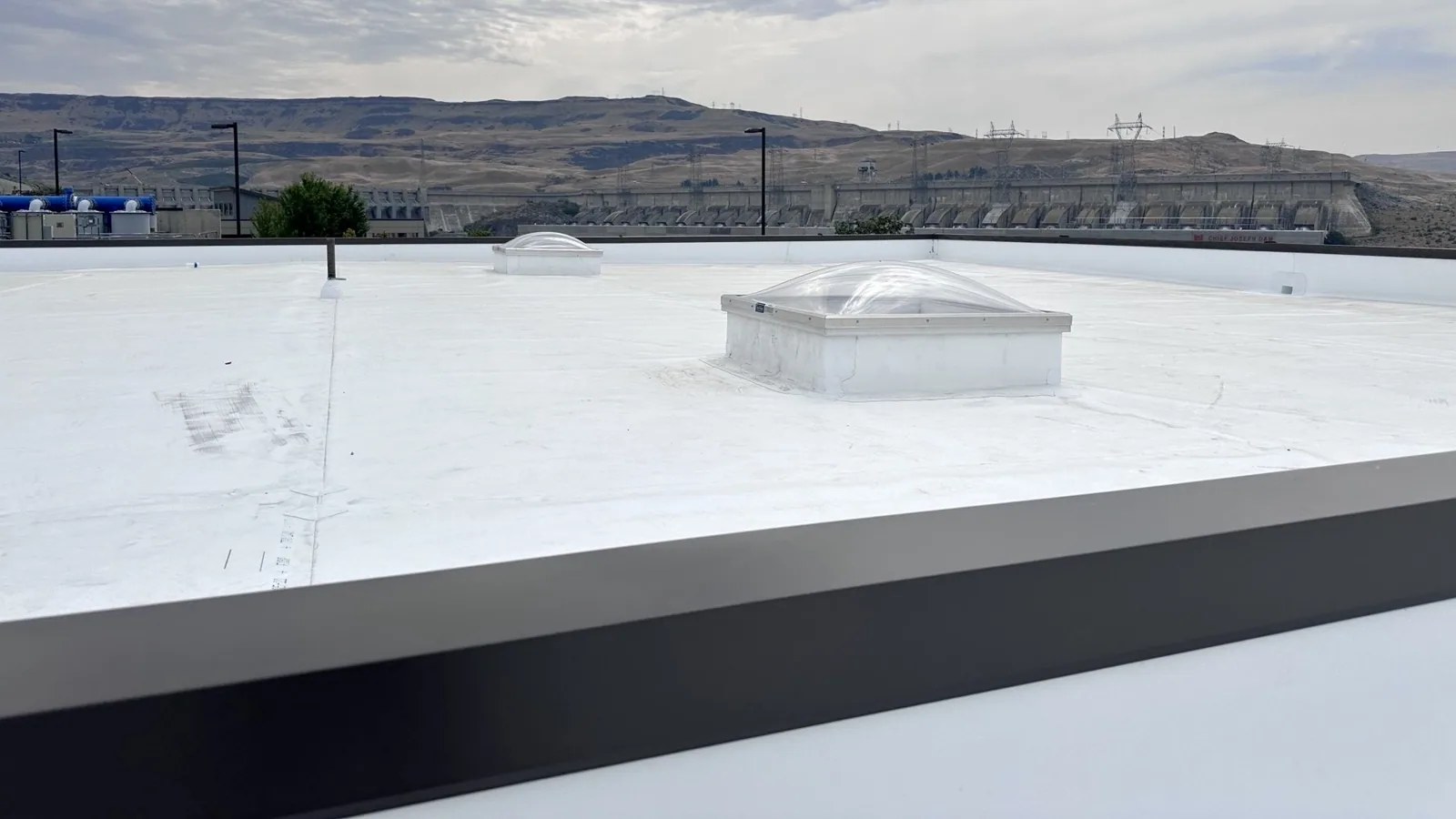
Roof edges need their own detail. Parapet walls, coping, fascia and gutters can move or retain water differently from the field sheet. We coordinate edge metal and coping with the membrane turn-up, and include skylight and penetration flashing where applicable. This is especially important on a roof where new equipment bases are being added at the same time.
Set insulation and drainage elevations
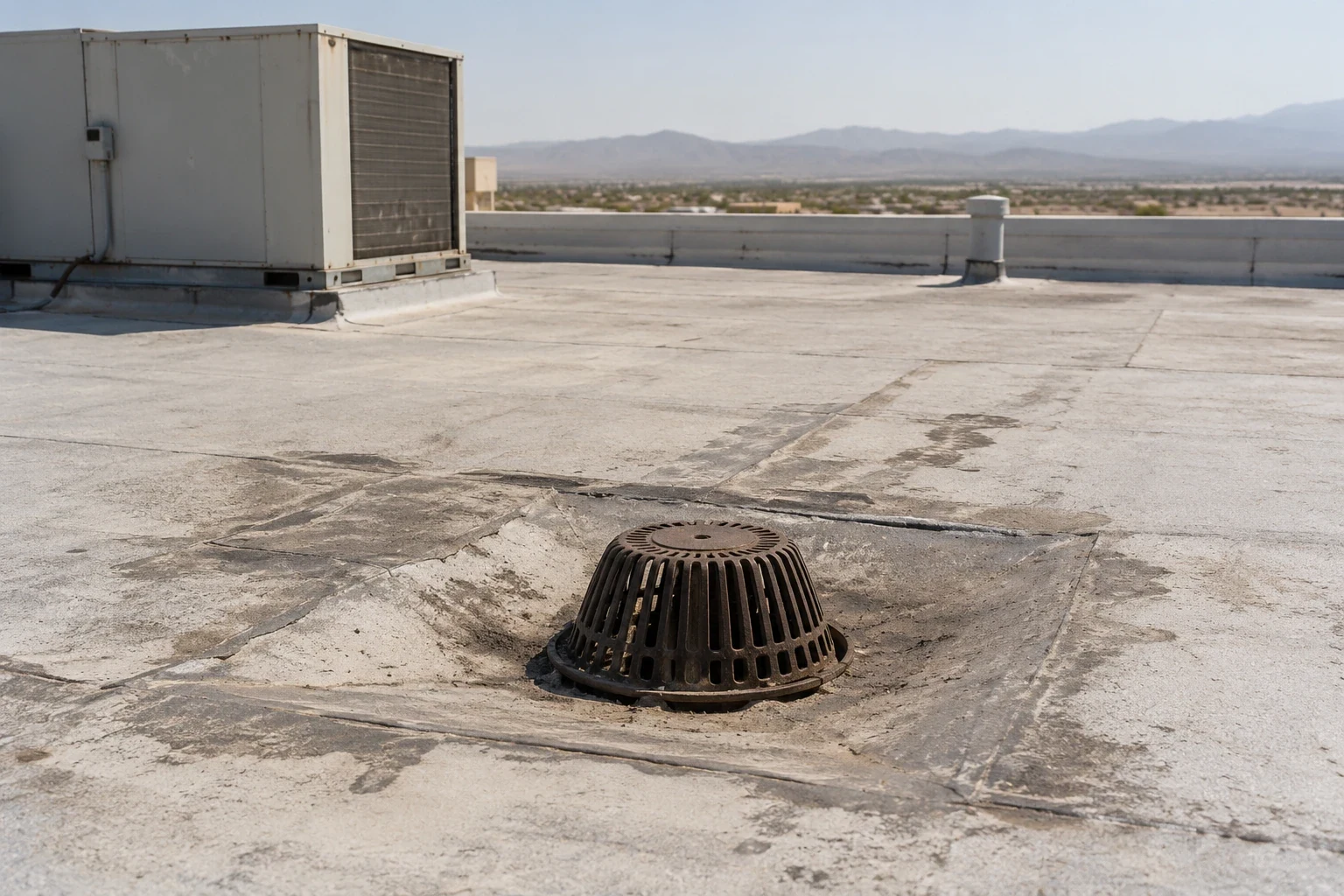
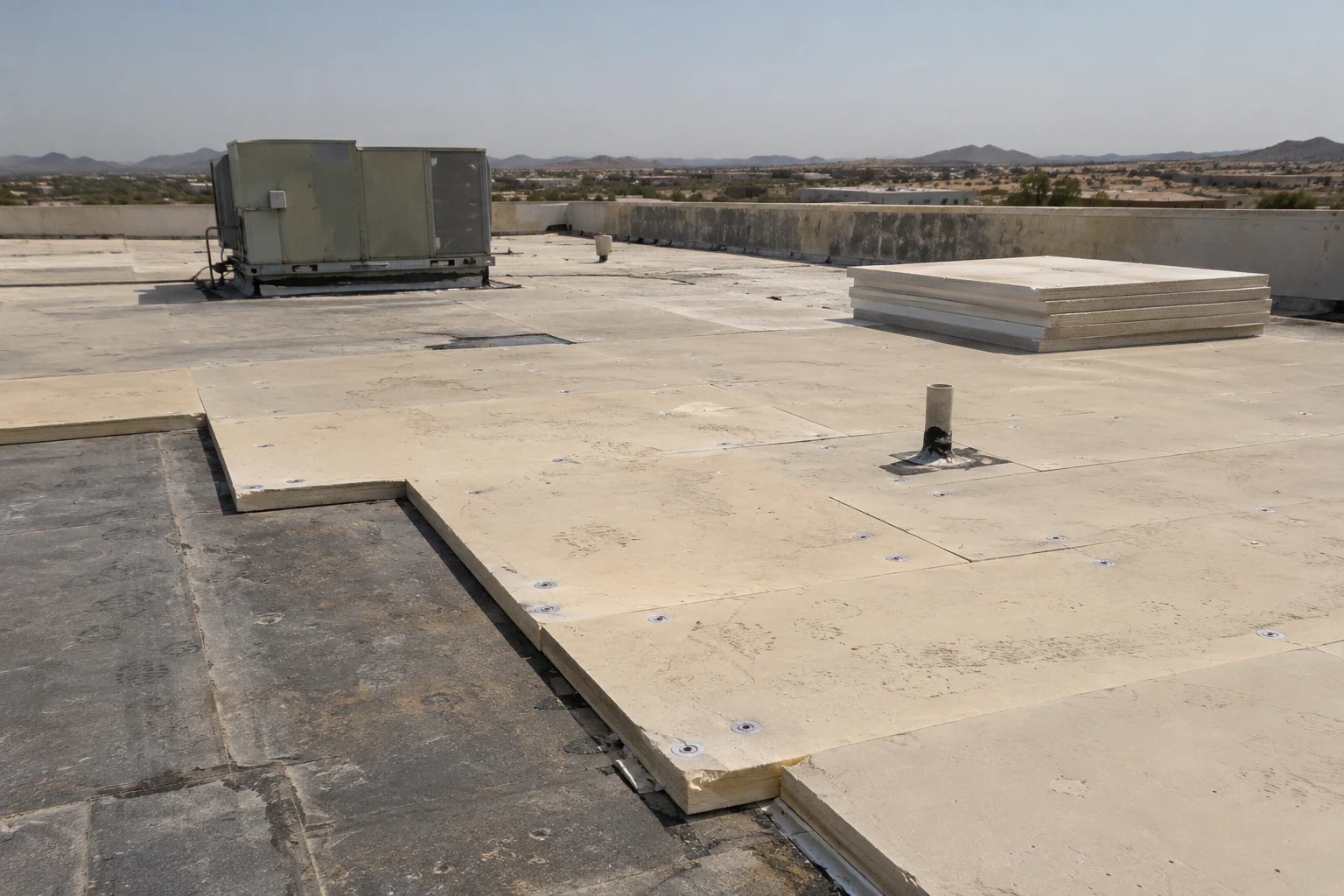
Insulation and cover board change the profile of the roof. Before setting new elevations, we review existing drain bowls, scuppers, crickets, overflow openings and parapet heights. If a drain sits too high relative to the surrounding field, water may remain even when the membrane seams are sound. The scope should identify whether tapered insulation or a localized cricket is included and who verifies the finished slope.
A PVC replacement is only one part of an assembly decision; curb height, perimeter attachment and the condition beneath the sheet can change the scope. The design team should verify the specific requirements that apply to the proposed work. A reroof can affect insulation, wind resistance, fire classification and edge attachment. We provide product and assembly information for review; the design professional and permitting authority confirm compliance.
Monsoon weather in the Phoenix region can bring heavy rain and damaging wind. During installation, we plan the work area so temporary tie-ins can be closed and drains remain clear. Loose insulation, cut membrane and packaging need a secured location. If forecast conditions threaten an open section, crews should stop at the agreed boundary, dry in the roof and record what remains before leaving. The drainage plan and insulation scope should be coordinated rather than priced as unrelated upgrades.
Compare PVC with nearby system options
PVC can be attractive where roof use makes chemical compatibility a central concern, but another assembly may be a better fit. TPO can provide a heat-welded sheet where exposure and project requirements support that choice; TPO system details should be compared on attachment, warranty and substrate. A KEE/PVC alloy may be reviewed for a different formulation; see KEE roofing only after the product requirements are clear. The spec, not a generic material label, controls the comparison.
Cost depends on roof area, tear-off, deck repair, insulation, equipment lifts, flashing complexity, access and working hours. A proposal should state the assumed membrane, thickness, attachment, edge package, drains and protection. If the existing roof is dry and stable, a recover may be worth evaluating; wet insulation or poor attachment can point toward removal. Our recover review explains which conditions need verification before another layer is considered.
Keep closeout records with the roof plan, installed product data, seam checks, repair log, photos and warranty documents. After major weather, inspect drains, parapets, exhaust curbs and any area where another trade worked. A maintenance visit should check for residue and confirm that cleaning practices match the membrane manufacturer's instructions. PVC is one part of a roof assembly that still depends on sound details and disciplined service.
Commercial Roofing Questions
Is PVC always required beneath restaurant exhaust?
A material should be selected from the exhaust condition, chemical exposure, equipment layout and project specification. We review the actual service conditions before recommending a system.
How are PVC membrane seams joined?
Installers typically hot-air weld compatible sheet laps. The crew controls settings and overlap, makes test welds as conditions change, then checks cooled seams and documents repairs.
Can PVC be installed over an existing roof?
A recover depends on moisture, attachment, substrate compatibility and project requirements. We inspect the layers and confirm the allowed assembly before proposing an overlay.
Does PVC eliminate roof maintenance near exhaust fans?
Routine care still matters. The owner should follow equipment and membrane guidance, remove residue safely and inspect flashing, seams and drainage around each discharge area.
What should a PVC proposal include?
A clear proposal identifies membrane type, attachment, substrate preparation, insulation, edge details, drain work, trade coordination, warranty basis and concealed-condition assumptions.
Ready to review the roof scope?
Request a Roof Assessment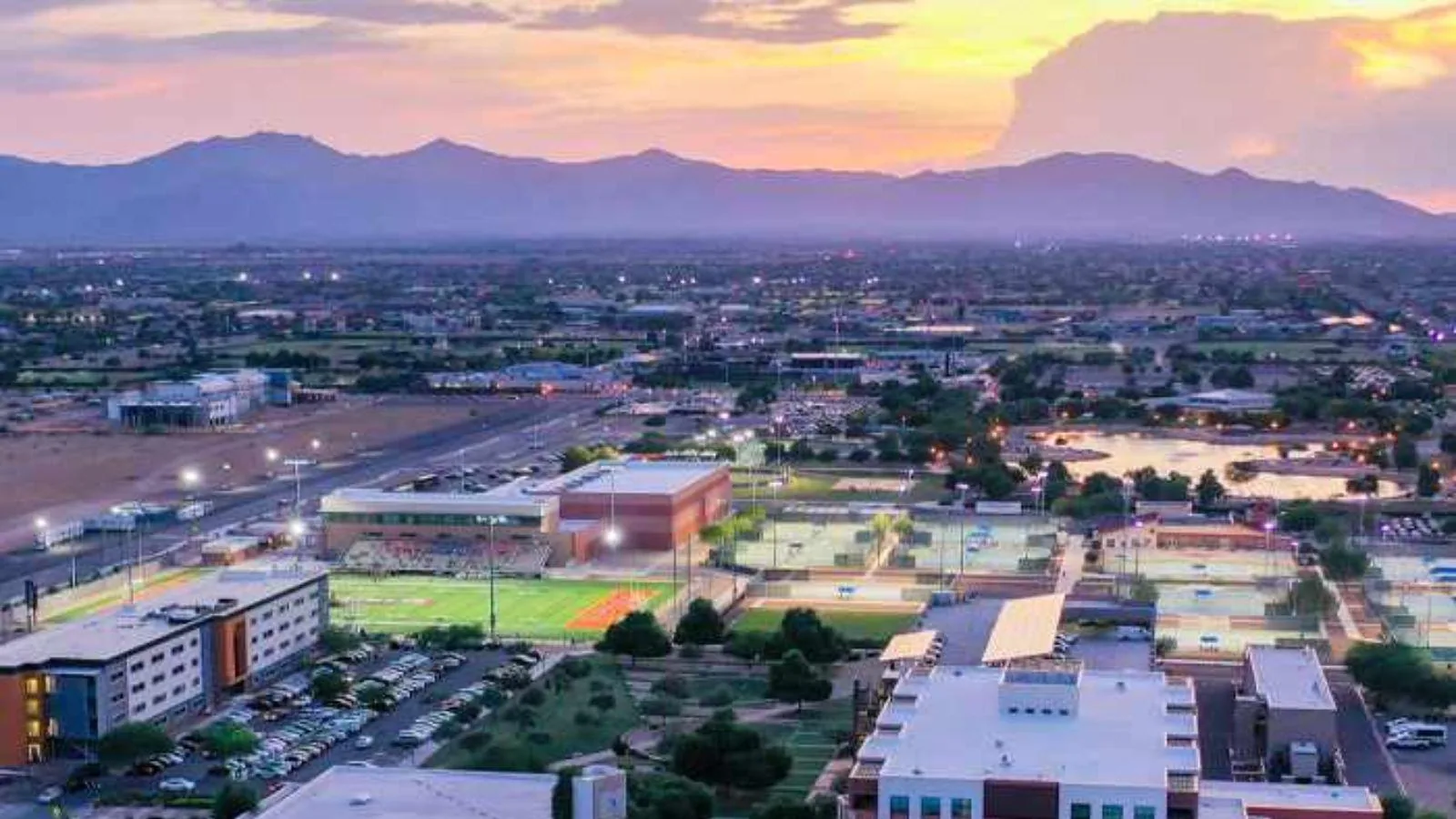
Related Roofing Work
Review the roof around the exhaust path
Share the roof plan, equipment schedule, exhaust details and maintenance routine. We can inspect curbs, seams, drains and transitions before comparing PVC with other assemblies.