A retail roof near Cactus Road and Loop 303 can face a sudden repair need after a monsoon storm, even when the first sign appears inside a tenant suite. We begin with the building's immediate risk: active water, displaced edge metal, loose membrane, or an opening around equipment. Then we secure the area where conditions allow and inspect the roof from a safe access point. The goal is to keep water out now, identify the damaged boundary, and set a permanent repair scope that matches what the roof actually shows.
Protect the opening first
Storm response has two separate parts. Temporary protection limits additional exposure while the permanent repair is prepared; it is not a substitute for correcting the damaged assembly. We identify where water is entering, protect interior contents if the owner has a safe procedure, and keep people clear of unstable metal or exposed electrical equipment. If wind or rain makes roof access unsafe, we do not put a crew on a surface that cannot be worked safely. The next safe window becomes part of the response plan.
During monsoon season, Phoenix-area storms can bring damaging wind, heavy rain, and flash flooding. Hail is also a documented but less frequent regional hazard. Those patterns make it sensible to inspect roof edges, seams, drains, and curbs after a storm, but they do not prove that a specific Surprise building was hit or damaged. We record the reported time, affected room, and roof area so later findings can be tied to the event rather than guessed from a weather map.
Separate storm damage from older wear
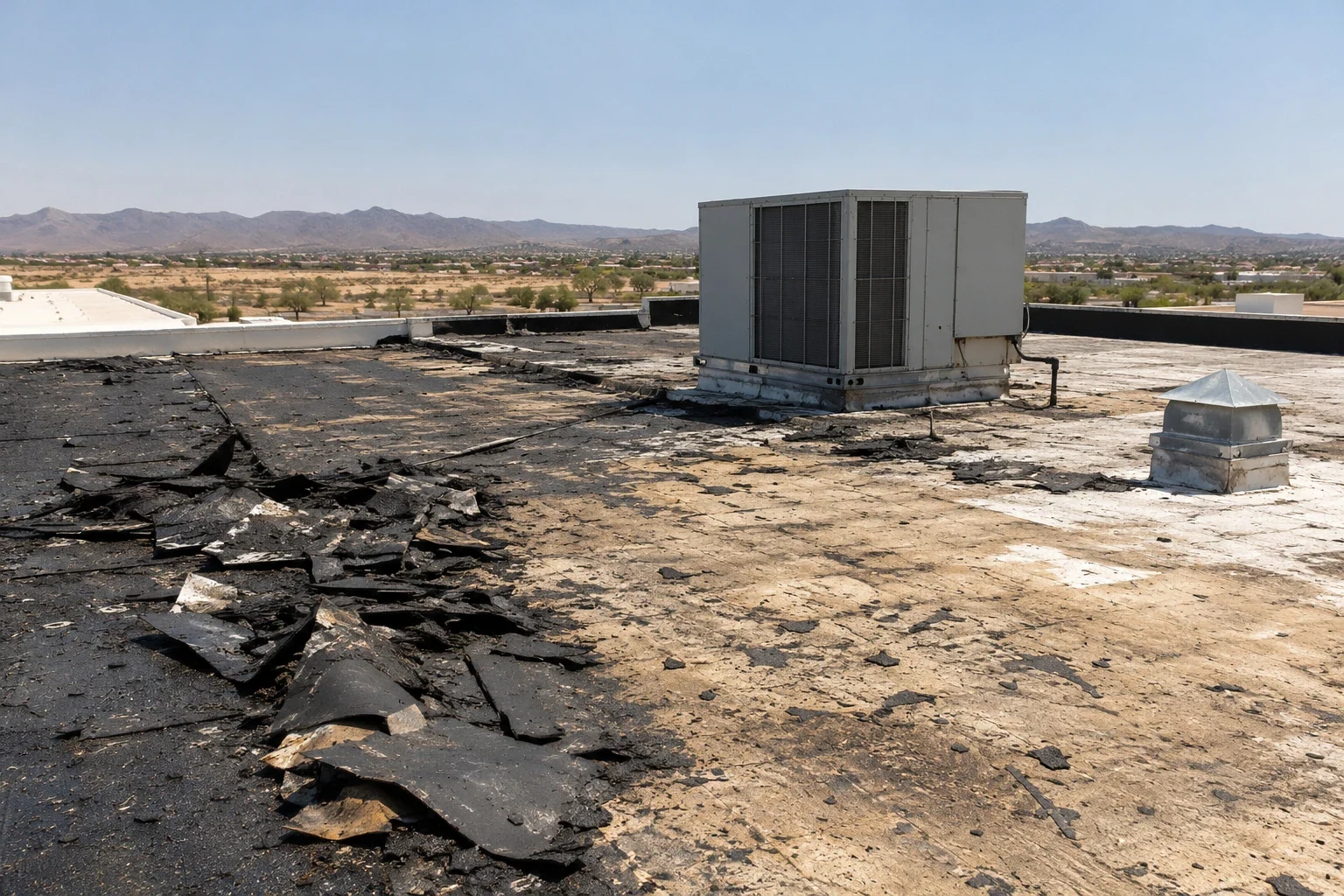
We look for fresh displacement, torn membrane, punctures, opened seams, impact marks, bent coping, lifted flashing, and drainage blockage. The condition can vary across the same roof: one corner may have a wind-related opening while a separate field seam shows older wear. Photos should show both the close detail and its position on the roof plan. That gives the owner a clear repair boundary and helps the service team avoid treating every preexisting condition as storm work.
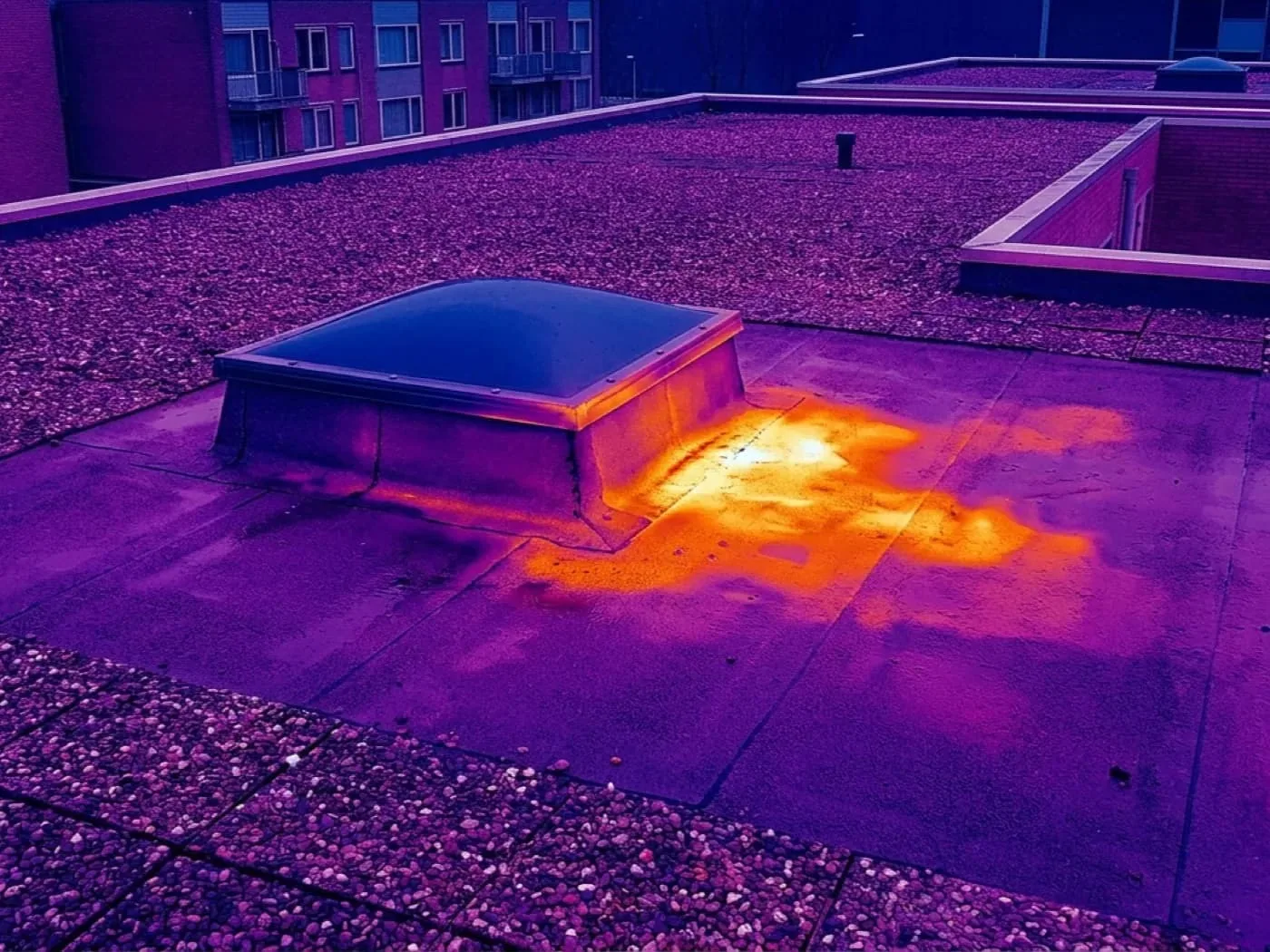
On a low-slope roof, water can travel beneath the surface before it reaches a ceiling. We trace the likely path through laps, penetrations, drains, walls, and edge conditions, then note any area that could not be accessed. If the assembly may be wet below the visible defect, infrared moisture screening can help select locations for confirmation. A hands-on commercial roof inspection remains important where a test or opening must confirm the condition.
Match the repair to the damaged layer
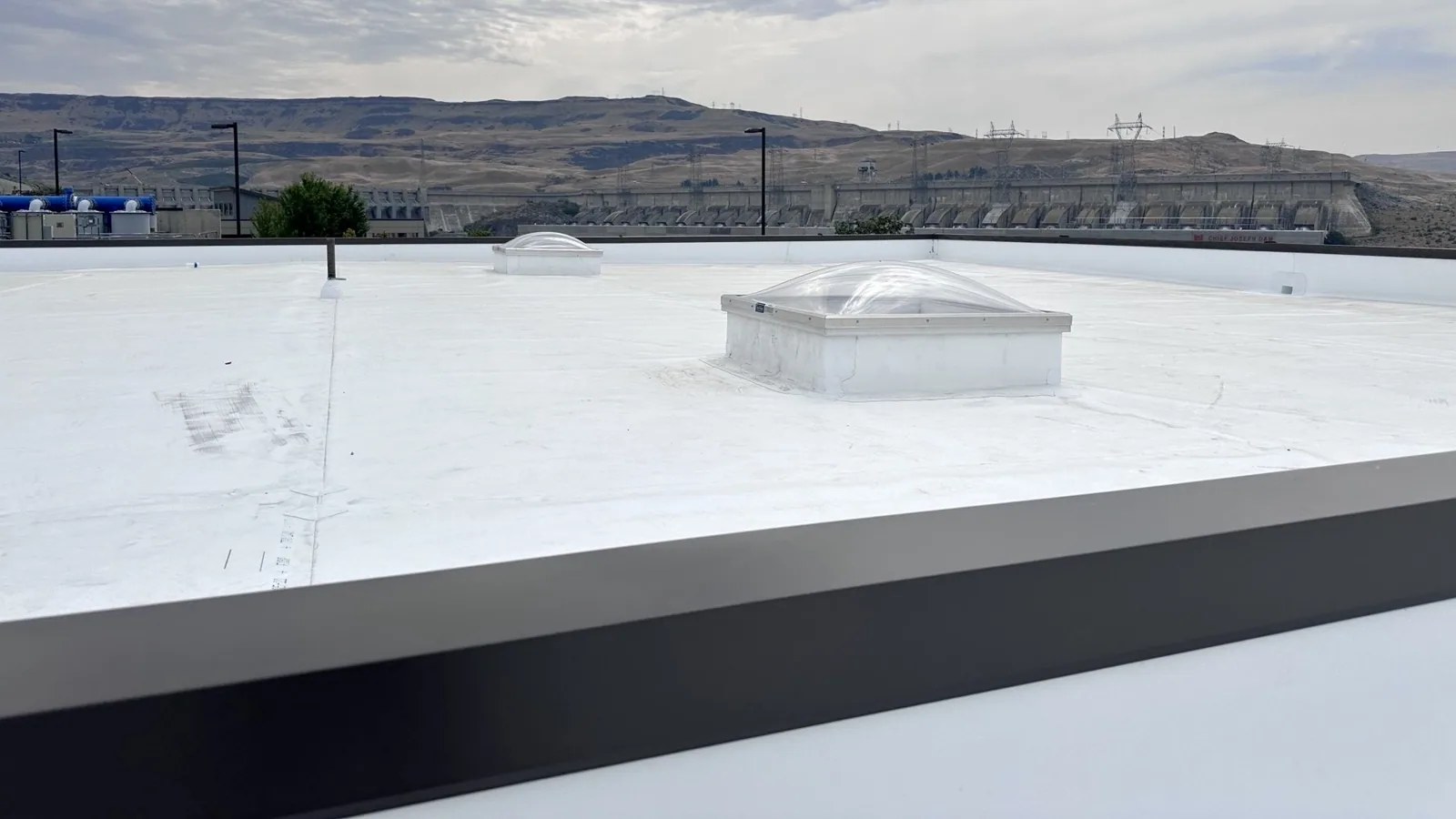
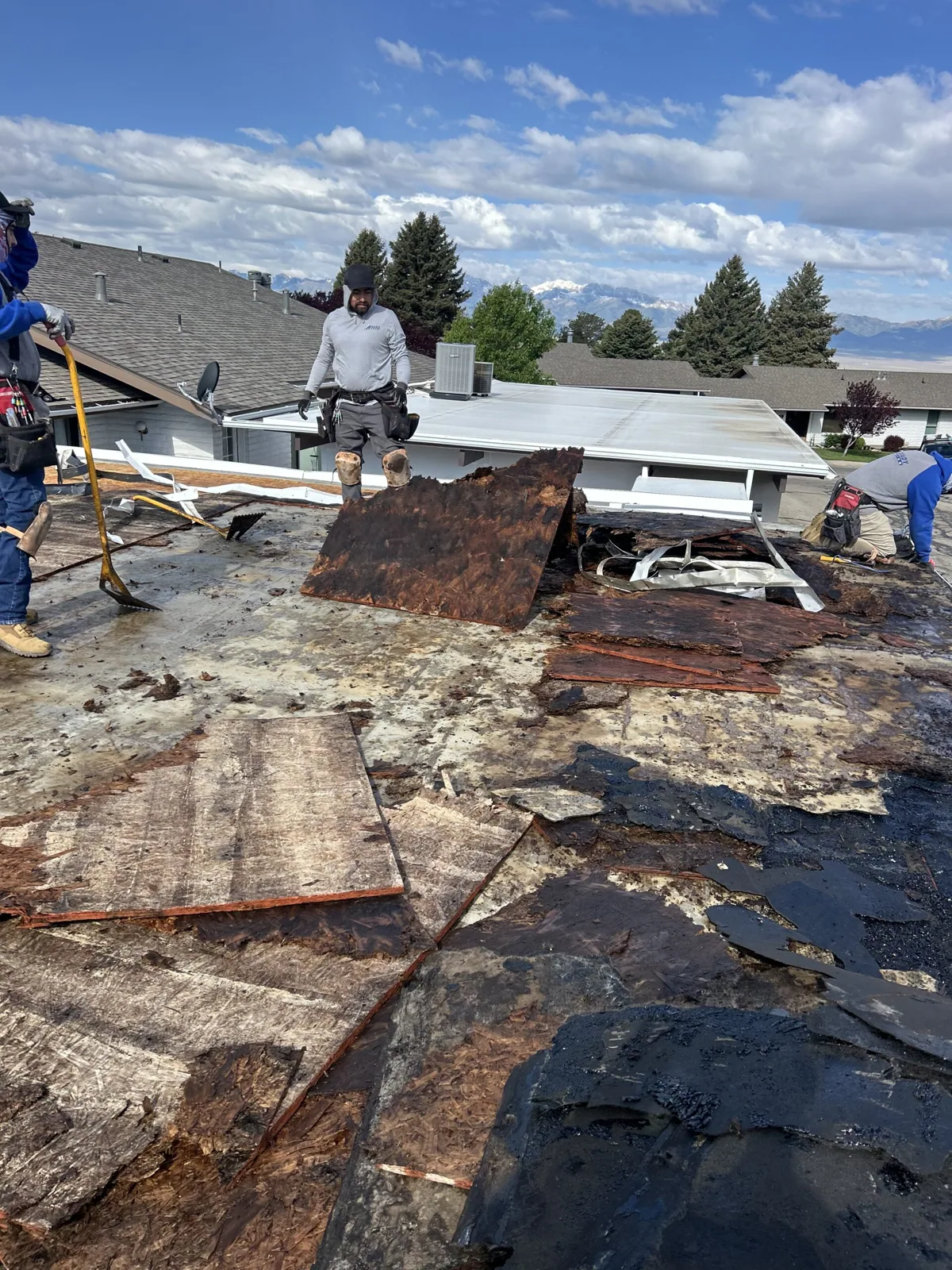
A small puncture, lifted flashing transition, or isolated seam opening may call for a localized repair when the surrounding material is sound. A larger tear, failed attachment, or wet insulation changes the boundary and can require removal back to dry, secure material. We identify which membrane or metal layer is damaged, what must be removed, and how the new work ties into the existing assembly. The written scope should state whether it includes only the immediate opening or also adjacent damage found during the inspection.
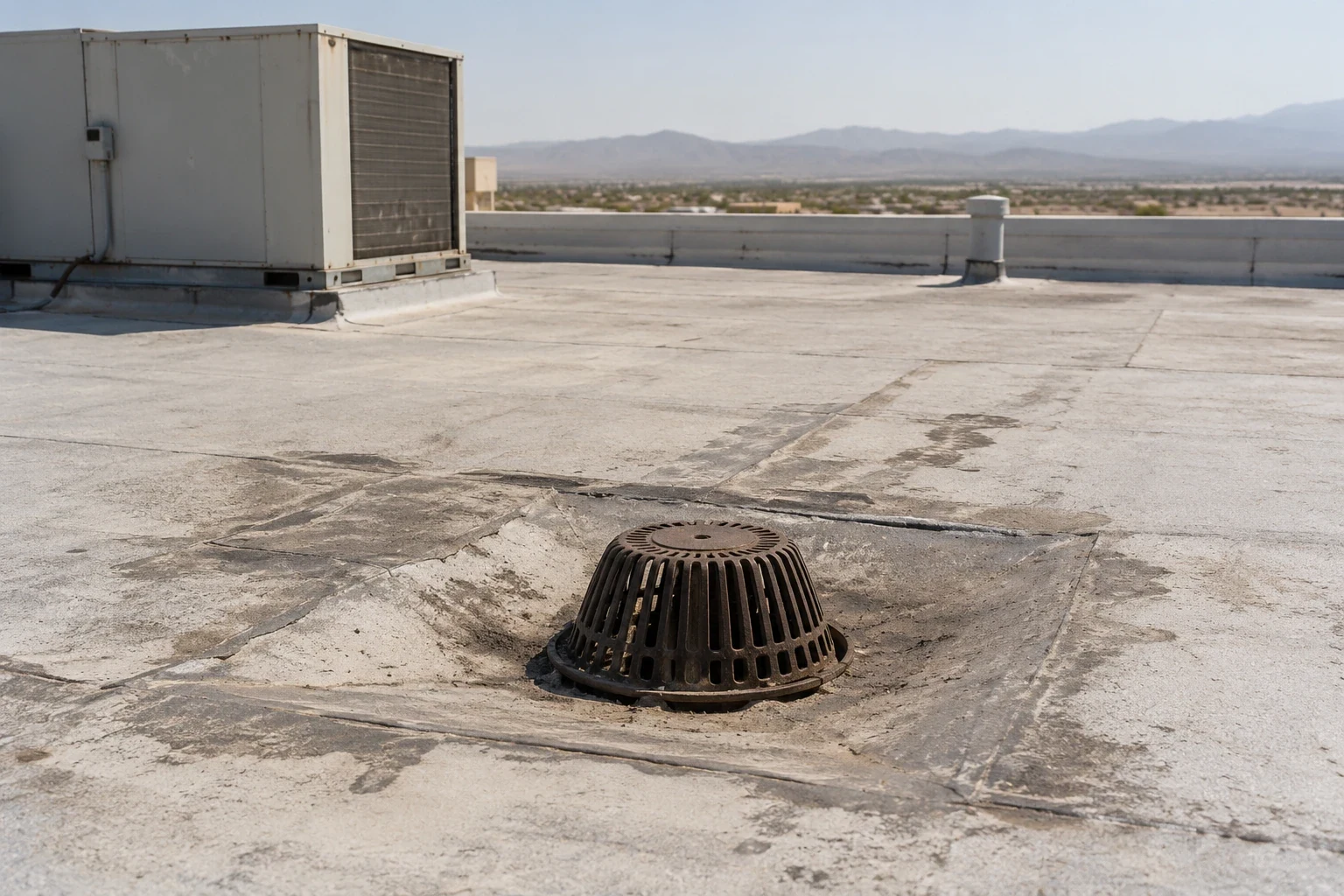
Wind can pull at perimeter details, while heavy runoff can expose weak drains, scuppers, and low areas. If water remains after the storm passes, we check whether the outlet is blocked, the slope is inadequate, or the membrane has been deformed. A drainage correction scope may be separate from storm patching. Where an edge or coping has opened, edge metal and coping repair should be described as its own detail instead of folded into a vague roof repair line.
Keep the building usable
At a shopping or service property in the Cactus Road corridor, storm repair may need to happen while deliveries, customer traffic, and rooftop equipment continue. We coordinate a roof access route, staging area, and any interior protection with the facility lead. If an opening affects an air intake or a tenant space, we mark that boundary and agree on how it will be checked during the work. A service lane should stay clear for the building's operations and any emergency access.
The Surprise Railplex supports freight-oriented industrial activity across a broad area, where loading schedules and vehicle paths can constrain material delivery. We plan lift or hand-carry routes before a crew arrives and identify which roof sections can be closed off. If the repair follows a broader roof replacement decision, we compare a permanent patch with replacement options and document the condition that supports each path. A temporary cover stays labeled as temporary until the permanent detail is complete.
A record for the owner and adjuster
Our documentation can show the event report, time of inspection, roof area, visible damage, temporary protection, and permanent repair boundary. We keep storm findings distinct from prior wear or unrelated roof work, which makes the record easier to review with an insurer or property owner. A claim documentation package can include dated photos and a written scope, but coverage decisions belong to the insurer and the policy terms. A photo-based condition report can preserve the same roof locations for later maintenance decisions, and those photos stay with the scope for later comparison.
Surprise put its locally amended 2024 editions of the International Building Code and Existing Building Code into effect in 2026. When repair grows into a substantial alteration, the project team should confirm the applicable permit path before specifying the work. We can explain the roof conditions and repair options, then coordinate with the design professional or adjuster on the scope they need. For a nearby broad commercial district, a Waddell Road roof response starts with the same building-specific record, not an assumption about every property along the corridor.
Commercial Roofing Questions
Can you put a temporary cover on the roof during a storm?
We can protect an opening when weather, access, and roof conditions make that work safe. If wind, lightning, or standing water prevents safe access, the crew waits for a workable window and the facility lead can protect affected interior areas under its own safety procedures. We label temporary protection and return for the permanent repair.
How do you tell new storm damage from an older defect?
The roof detail, repair history, and dated photos help. We look for fresh displacement or impact and compare it with prior patches, wear, and water marks. If the boundary is uncertain, we state that and recommend the check needed to confirm it. We do not assign every visible problem to the latest storm.
Does a storm inspection prove the roof needs replacement?
No. A storm can damage an isolated detail or expose a broader weakness, and the repair path depends on what the inspection finds. We separate patchable conditions from failed attachment, widespread wet material, or deck concerns, then document the evidence for repair, recover, or replacement.
What should the adjuster receive from the roof visit?
A clear package can include the inspection date, affected roof locations, close and overview photographs, temporary protection, and the proposed permanent work. We keep unrelated maintenance findings separate and identify areas that were inaccessible. The policy and insurer decide coverage, while the roof record describes the observed conditions.
What happens if the leak returns after the temporary work?
We trace the new water path and check whether the original opening, a nearby transition, or a separate roof defect is involved. The return visit should compare photographs and the temporary boundary with current conditions. If moisture has spread below the surface, we identify that area for confirmation before completing a lasting repair.
Ready to review the roof scope?
Request a Roof Assessment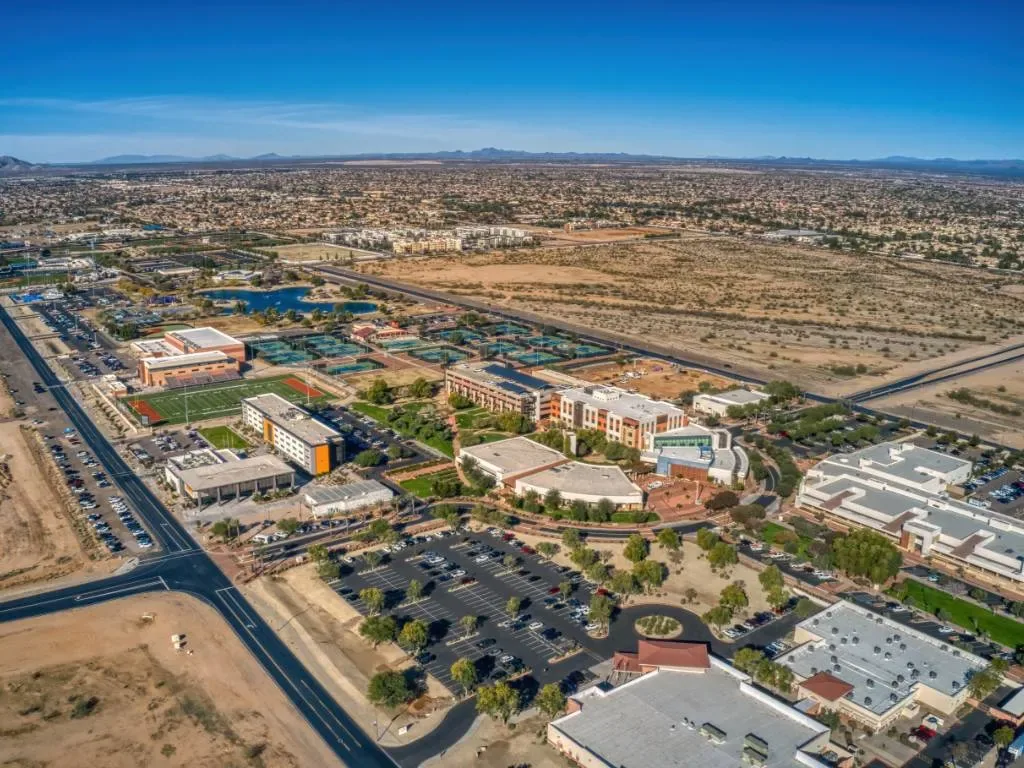
Related Roofing Work
Document and repair the storm opening
Share the reported leak area, building access contact, and any prior roof notes. We can inspect the roof in Surprise, protect an active opening where conditions permit, and prepare a repair record with photographs and a clear scope.