
A building owner near the Cactus Road and Loop 303 corridor may need a roof record quickly after wind or hail, especially when water is moving toward tenant space or equipment. Claim support begins with the roof, not a coverage promise. We inspect the reported area, document what is visible, identify temporary protection, and prepare a repair scope that distinguishes storm conditions from older wear. The insurer applies the policy; our job is to give the owner and adjuster a clear account of the assembly, damage, and work needed to protect the building.
Start with the reported event
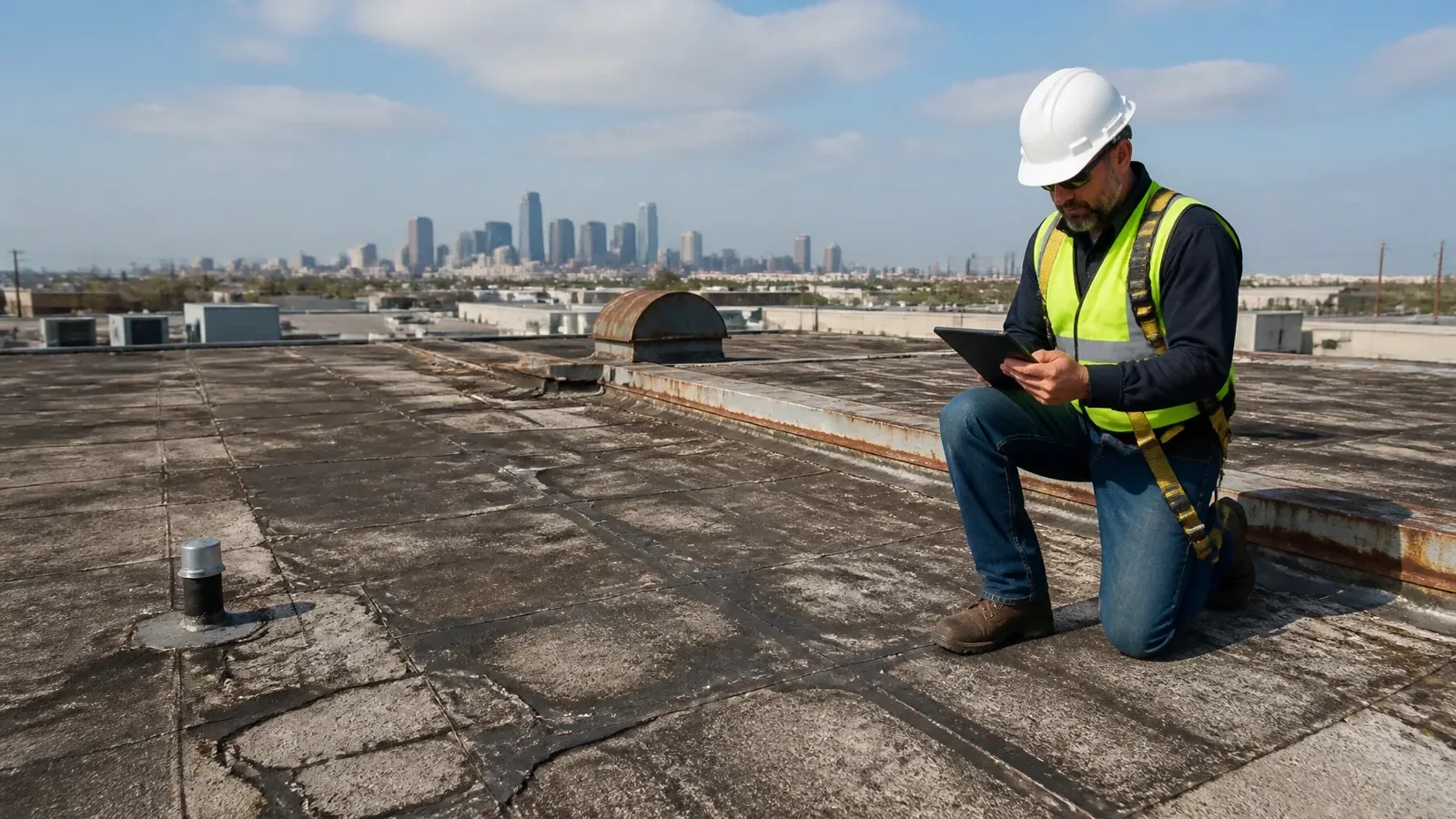
We record when the condition was first noticed, where water appeared inside, what roof areas were affected, and whether temporary work has already occurred. Photos should show the larger roof location as well as the seam, curb, flashing, or edge at issue. A short note ties each image to a roof plan or recognizable access point. That makes the report easier to review and helps separate an opening that needs immediate protection from a condition that can wait for a scheduled repair.
Summer storms in the Phoenix area may bring damaging gusts, flash flooding, and intense rainfall; hail is possible as well, though less common. A nearby weather report does not establish damage at this property. The inspection record remains tied to what we can see. We record the physical condition and note what could not be inspected so the adjuster can compare the evidence with the reported event and policy terms.
Keep roof damage and coverage separate
A roof scope describes work, not whether a claim will be paid. We identify the damaged layer, the area that needs temporary protection, and the repair boundary supported by inspection. If an older seam, prior patch, or ponding area sits outside that boundary, it is listed separately rather than blended into a storm line. This lets an owner compare an urgent repair with maintenance or capital work without asking the claim record to answer a different question.
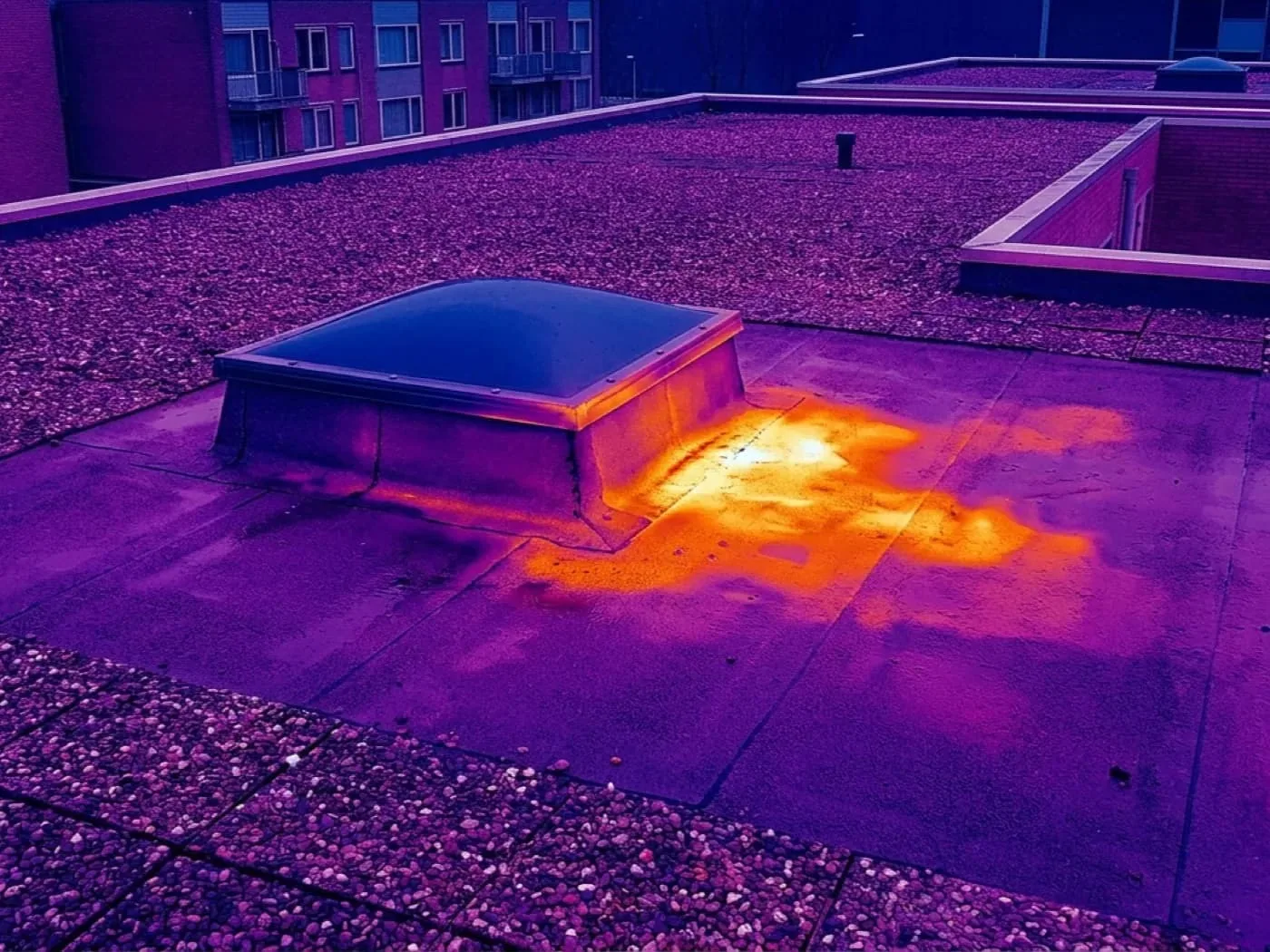
Where moisture may extend beyond the visible opening, we can use infrared screening to help identify areas for confirmation. A hands-on roof inspection can check transitions, drains, curbs, and edge details, while a storm repair visit addresses temporary protection and permanent work. We state what each task will resolve, so the written scope does not promise that a test alone has found every wet area.
A photo record that can be reviewed
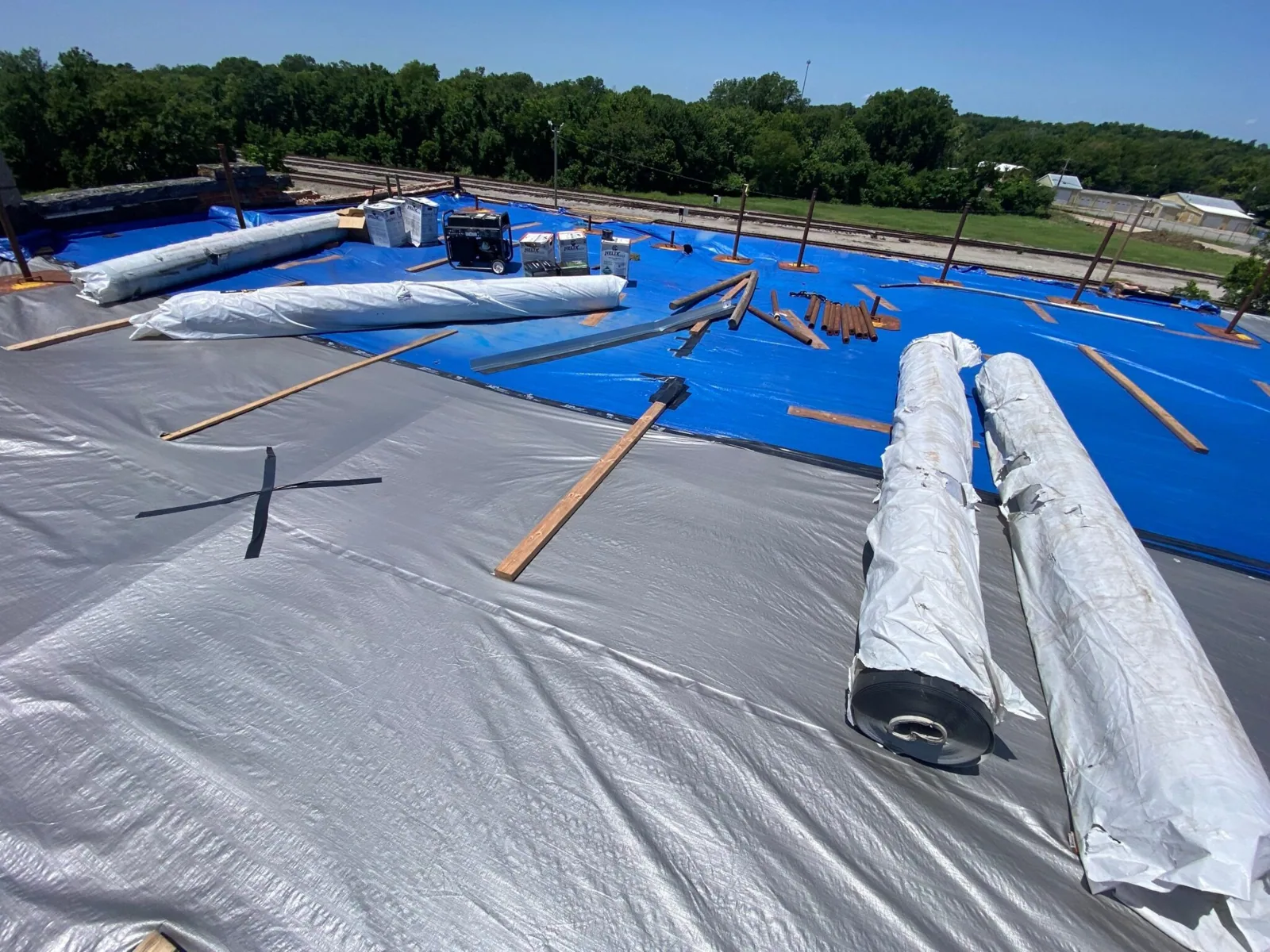
We organize dated photos by roof location and pair them with concise condition notes. An overview can show the field area, while a close photo may show a lifted edge, split flashing, puncture, or displaced coping. Where water is entering, we can include the reported interior location and the likely path to the roof detail. We identify whether a photo was taken before or after temporary protection so the record does not confuse a tarp, patch, or later repair with the original condition.
Surprise's adopted building and existing-building codes took effect in 2026 with local amendments. A repair or alteration may raise a separate permitting question, particularly if the proposed scope changes more than the damaged detail. We can document the existing assembly and proposed roof work, while the project team confirms applicable code and permit requirements. For broader roof condition reports, the same photo locations can support planning beyond a single claim. A capital planning review can keep unrelated long-range needs outside the claim estimate.
Coordinate access without losing the timeline
The inspection route has to fit the building. In City Center, tenant entry, clinic hours, and rooftop air intakes can affect where a crew stages and which roof section comes first. At the Railplex, loading activity and freight movement may control a material delivery window. We coordinate roof access with the owner or general contractor, record any section that could not be reached, and keep the active leak area distinct from unaffected areas. That avoids a report that implies the full roof was inspected when it was not.
If conditions are still active, our emergency response is available overnight, on weekends, and during holidays. We can discuss what can be protected now and what needs a return visit when the roof is safe to work. The inspection date, temporary work, and permanent repair stay in the record. An owner can then provide the same facts to the adjuster and the building team without relying on a loose email chain or memory of a difficult weather day.
What the written scope should answer
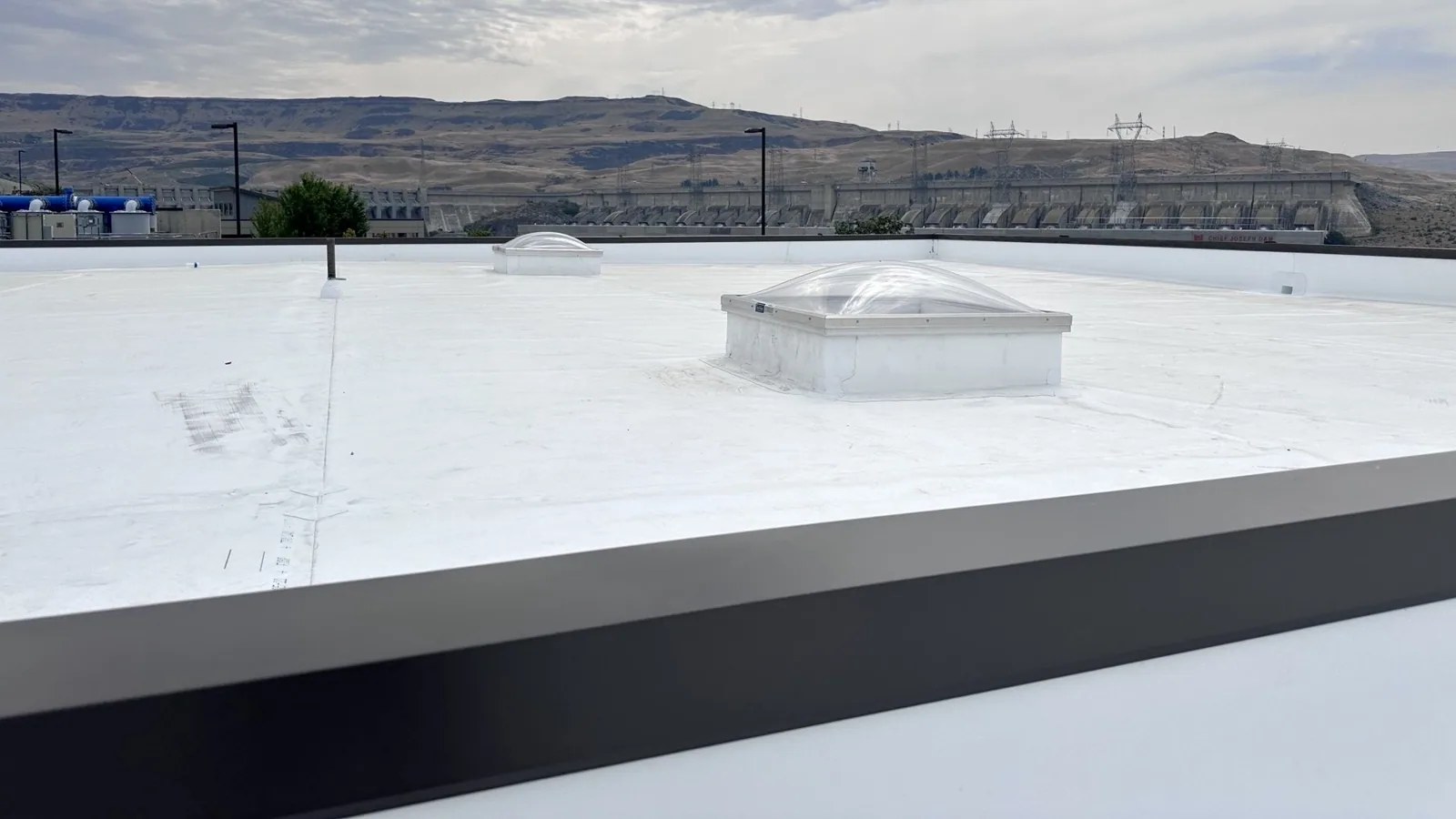
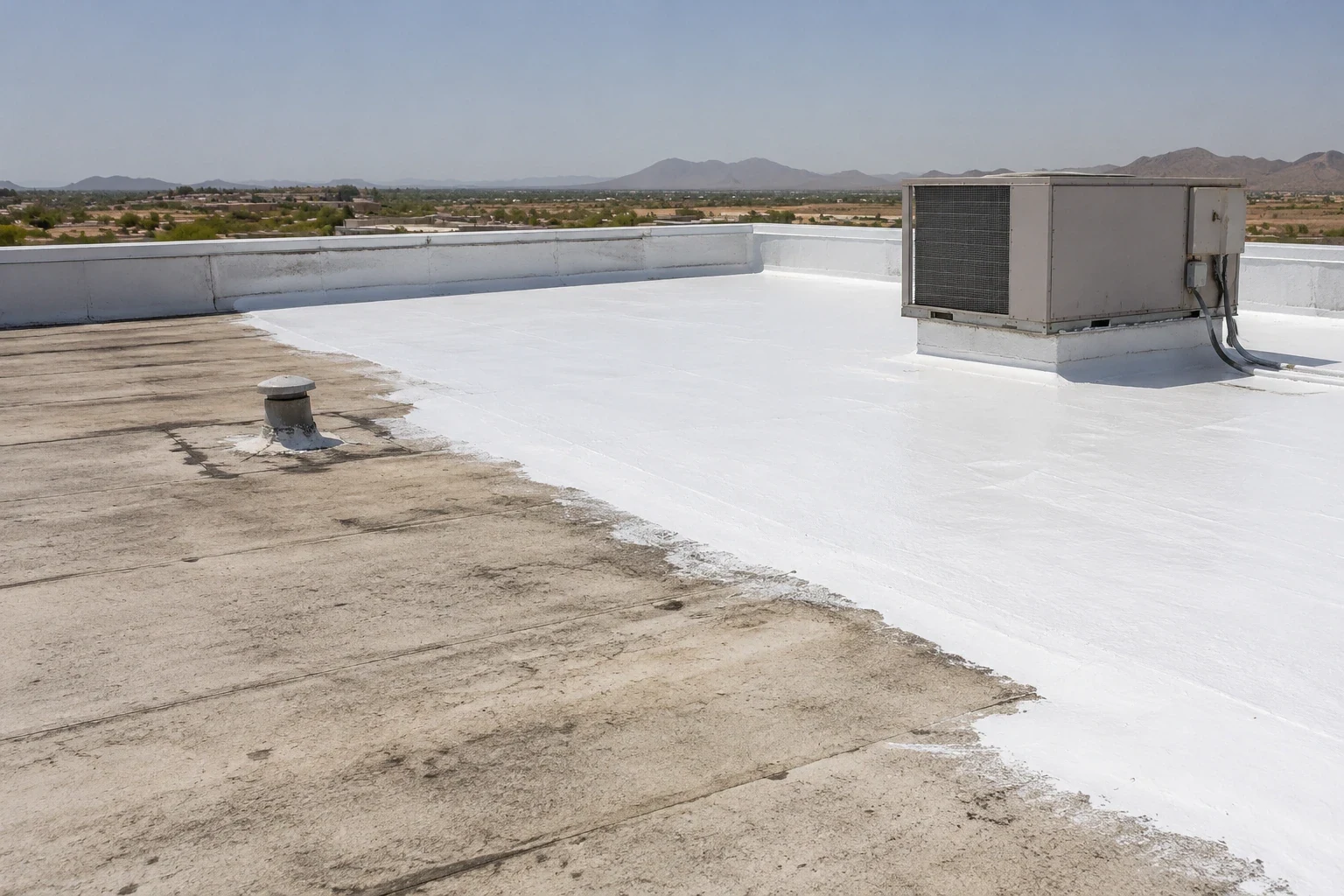
A useful scope names the roof material where identifiable, the damaged areas, the work sequence, and any related insulation or deck condition that was visible. It describes removal, replacement, tie-ins, and protection of open edges, then says what is excluded or remains uncertain. If the repair requires an equipment trade, tenant notice, or a permit review, that coordination belongs in the schedule. We can also explain why a localized repair may be appropriate or why broader work should be priced separately. A clear boundary makes it easier to distinguish the immediate repair from maintenance that may be scheduled later. The adjuster can see which photos support each item, what remains under review, and what access or testing is still needed before the repair can close. That preserves a usable timeline.
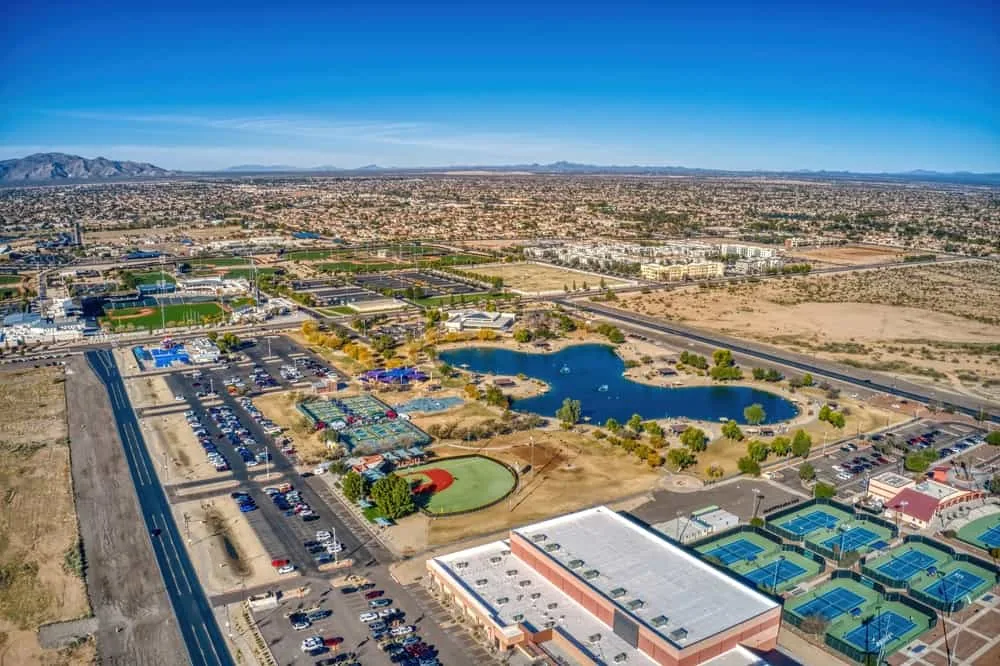
For properties along Cactus Road and Loop 303, a roof claim still turns on the individual assembly and observed damage. The corridor's commercial growth does not make every building alike. We connect the repair notes to the roof walk and keep the location clear if a later inspection is needed. When the claim scope is ready, a Cactus Road corridor roof visit can be arranged around access and operations, and permanent commercial roof repair can follow the approved work plan.
Commercial Roofing Questions
Will your inspection tell us whether the insurer must pay?
No. We document roof conditions and the work needed to address them; the policy and insurer control coverage. A clear report gives the owner a factual scope to discuss with the adjuster, but it does not interpret the policy or promise an outcome.
What should we send before a roof claim inspection?
Send the date the issue appeared, interior locations, prior repairs, roof plans if available, and any temporary protection already installed. We can then plan access and look at the relevant roof details without treating an old patch or unrelated drain condition as part of the reported event.
Can a roof report separate new damage from existing wear?
We can describe visible differences and support them with dated photographs, repair history, and roof locations. Some conditions need an opening or further testing to determine their extent. The scope identifies those limits instead of assigning every defect to a single storm.
What happens when water is still entering the building?
We first assess safe access and the active opening. Temporary protection may limit further water entry, then the permanent repair can be scoped when conditions allow. If the roof is unsafe during wind or lightning, the crew waits and the building team protects the interior using its established procedures.
Does claim documentation include a repair price?
A written repair scope can describe labor and materials for the work proposed, subject to inspection and access. It remains a contractor scope, not a coverage decision. If additional damage appears after removal, we document the change and discuss it before expanding the repair boundary.
Ready to review the roof scope?
Request a Roof Assessment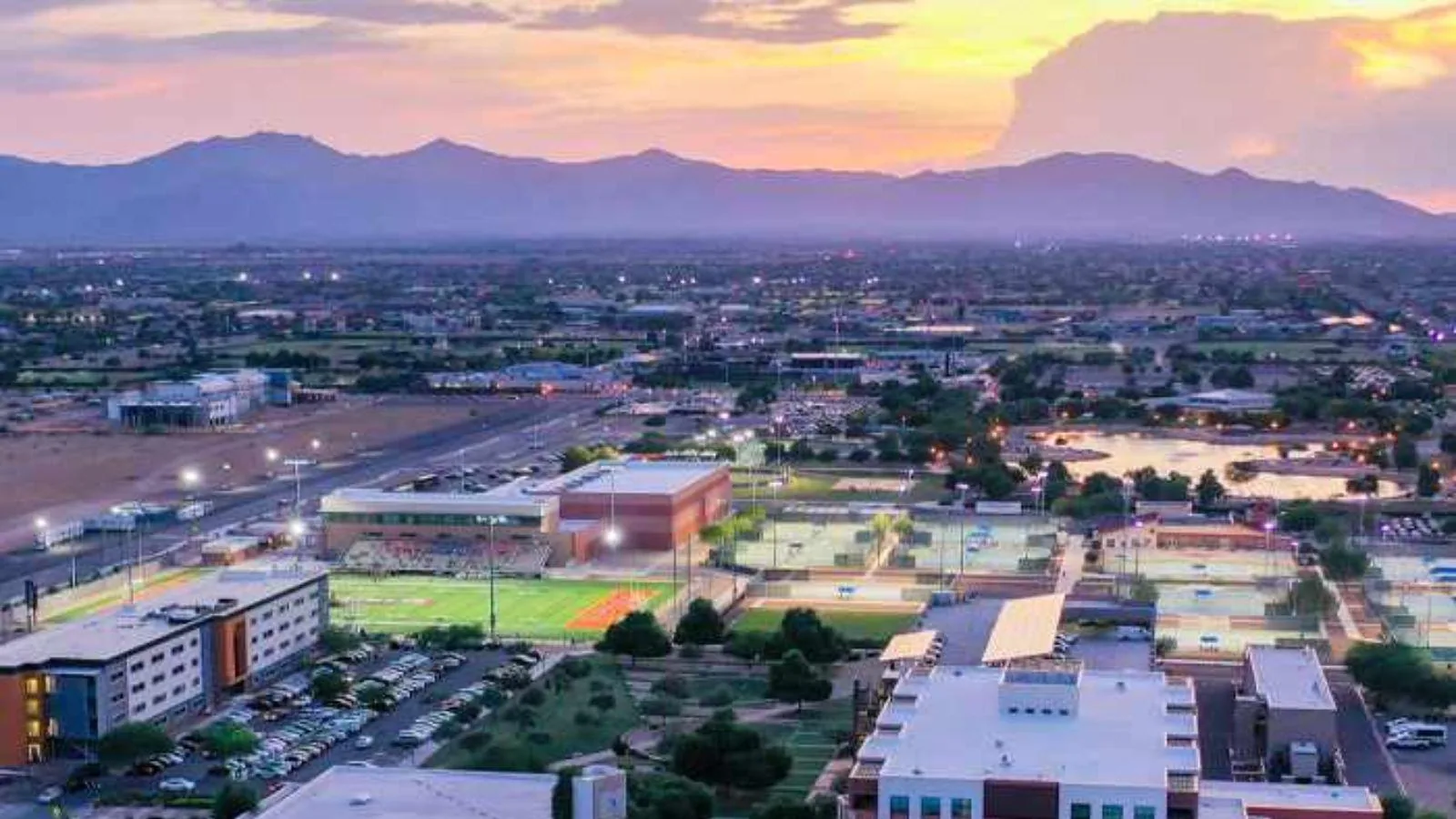
Related Roofing Work
Build a clear roof claim record
Share the reported date, interior leak locations, roof plan, and access contact. We can inspect the Surprise roof, document the repair boundary with photos, and prepare a written scope for your building team and adjuster.