
A hail report can bring a facilities team to the roof, but the weather notice alone does not show what was struck. On a retail or industrial building in Surprise, we look for punctures, bruised membrane, damaged metal, displaced rooftop equipment and blocked drainage, then compare each observation with the roof plan. The Cactus Road and Loop 303 corridor includes multiple retail and commercial developments; each roof still needs its own impact inspection and repair boundary.
Document impacts before work moves
Start with a safe access route and mark roof sections before walking them. We photograph suspected impact points with a scale or fixed feature for reference, then note roof material, nearby seams, curbs, drains and previous repairs. Hail can leave a visible puncture, bruise or dent, but dirt, surface wear and old maintenance marks can resemble fresh impact. We record the observed condition and keep the reported storm date separate from what the roof shows.
The National Weather Service lists hail as a possible severe monsoon hazard in Arizona, alongside damaging wind and flash flooding. Hail is less frequent than those other hazards in the Phoenix metro, and the regional record does not establish a hit at a particular property. A storm inspection should test the actual membrane, edge metal and equipment details rather than assume damage from a forecast or report.
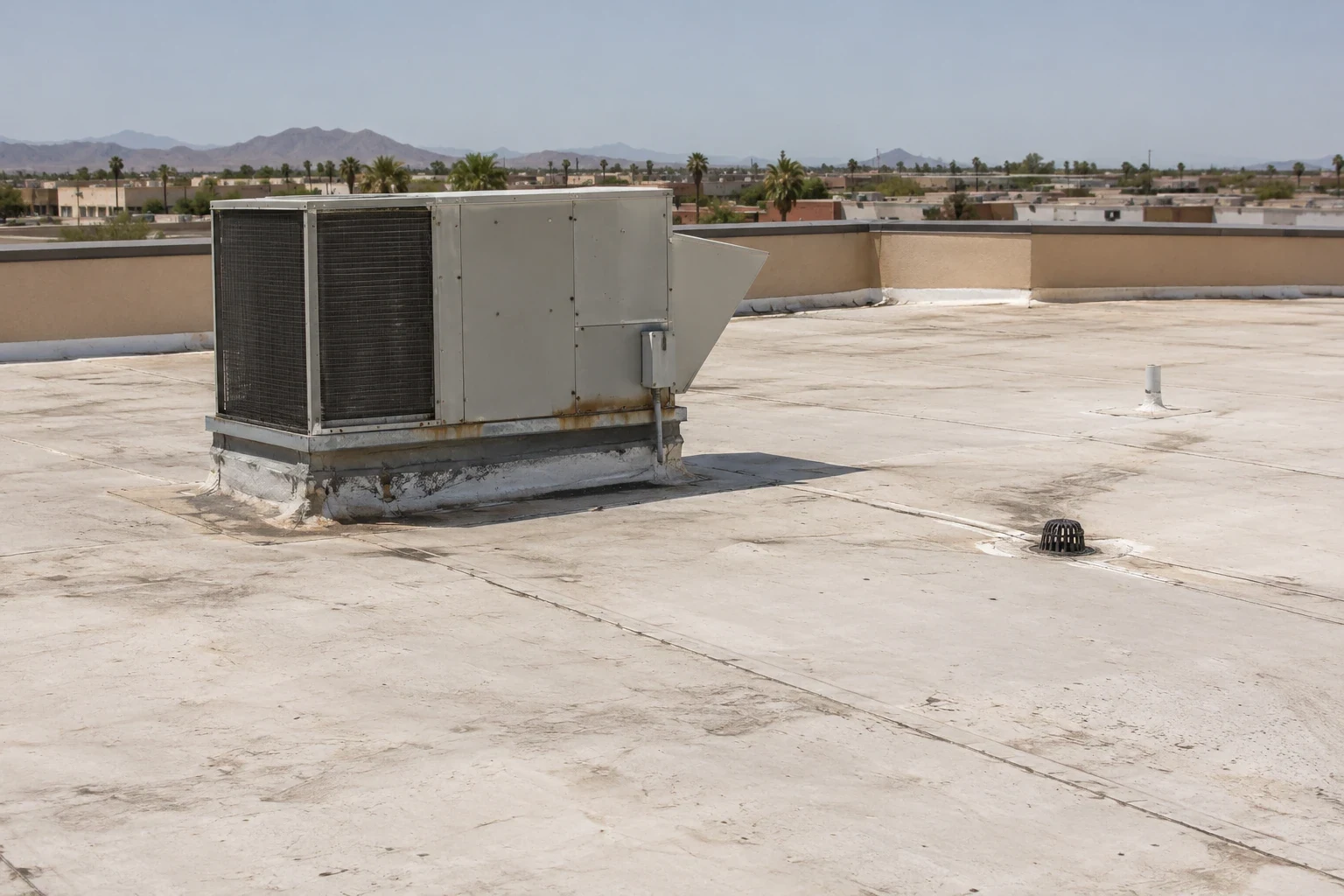
On a low-slope membrane, hail impact may compress insulation or cover board even when the top surface looks intact. We check for soft spots, splits, open welds and signs of moisture around suspected strikes. If a test cut is needed to see below the sheet, mark the location and restore it before leaving. For metal roofing, check for denting at panels, caps, gutters and exposed fasteners without inferring a leak from a cosmetic mark alone.
Check each roof material on its terms
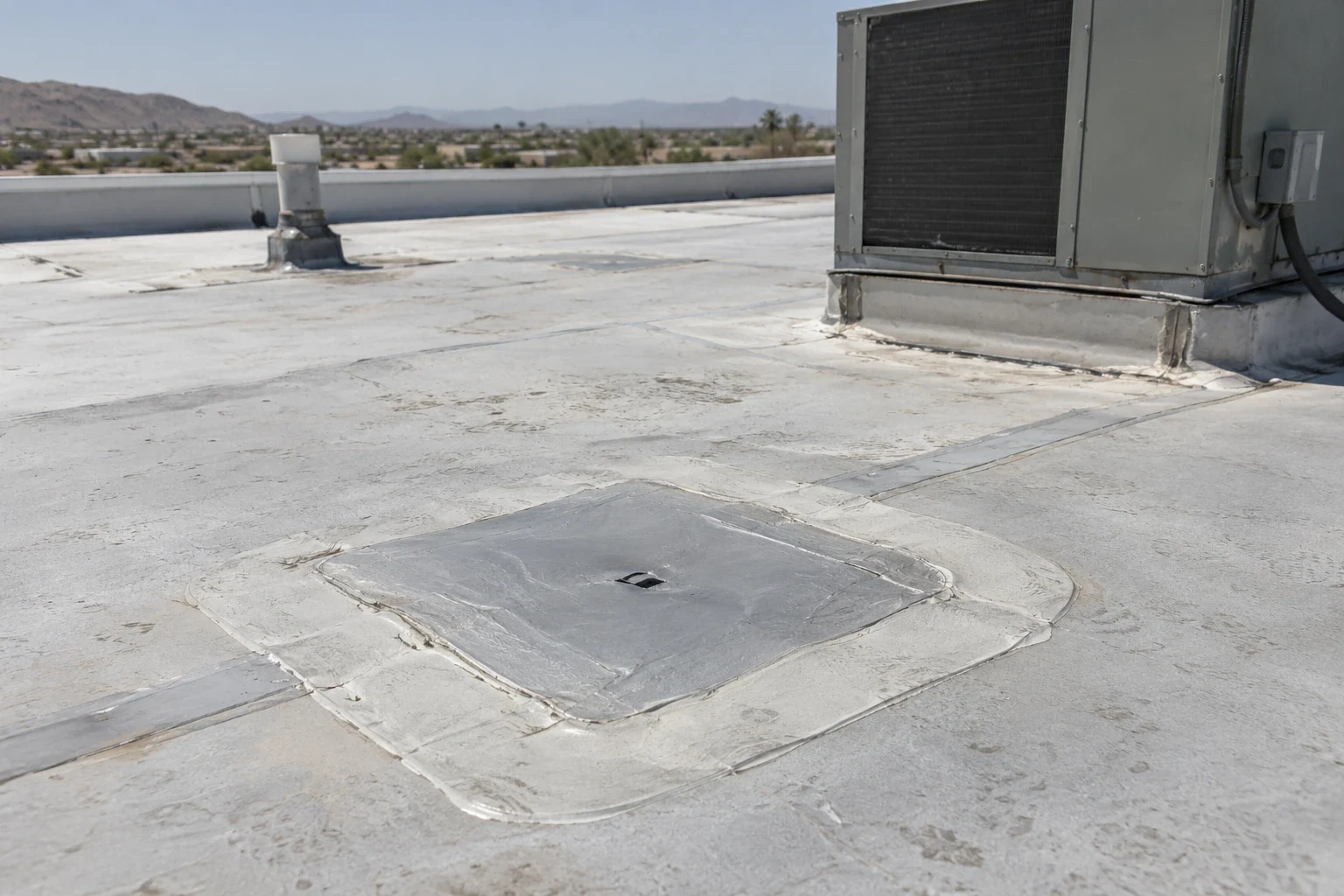
Thermoplastic membranes can show punctures, cuts, displaced seams or visible deformation. EPDM may have scuffs, split laps or damage at corners and penetrations. A coated or built-up roof can show granule loss, cracking, blistering or a broken surface layer. We identify the assembly and choose a compatible inspection method; a dent or surface mark by itself does not establish that the weather plane has opened.
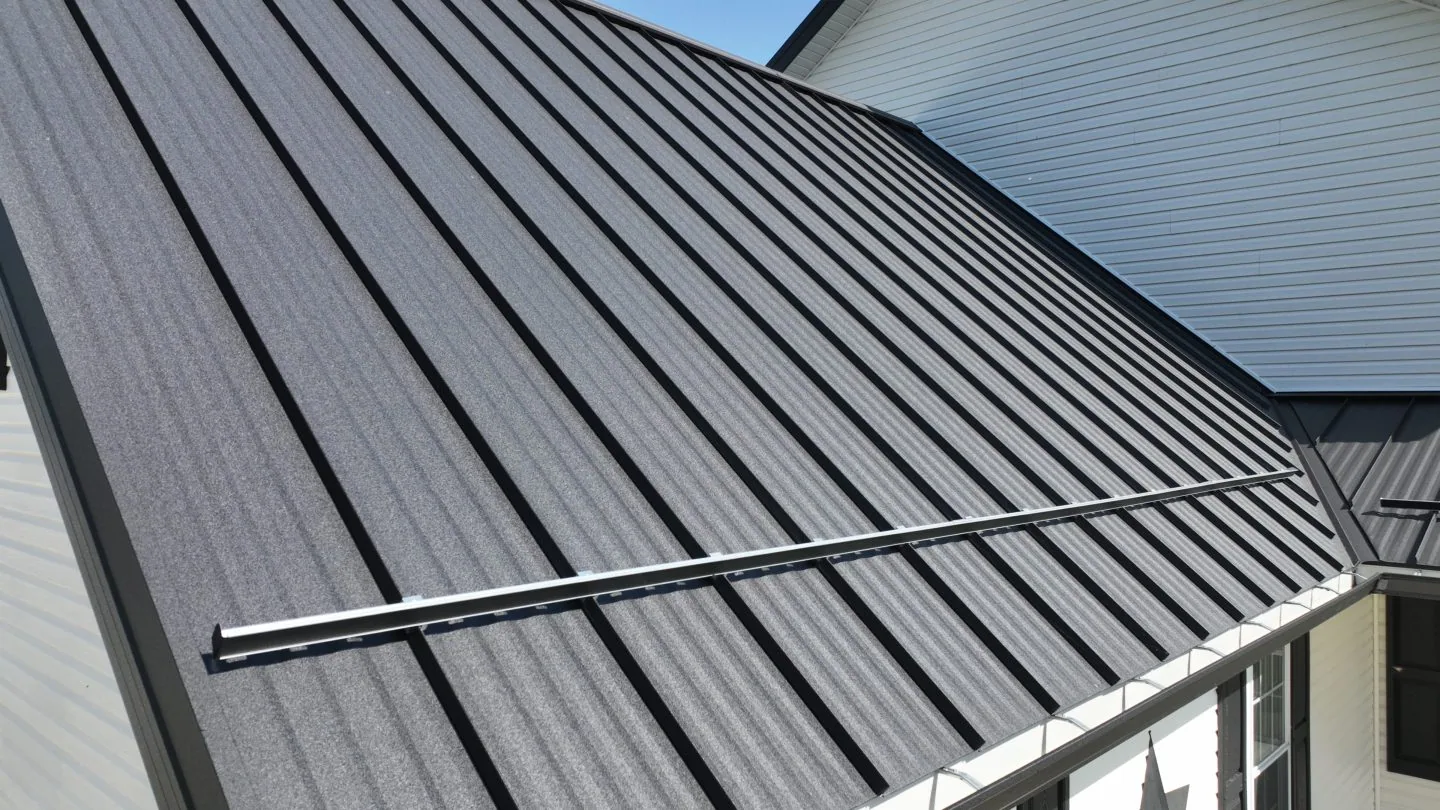
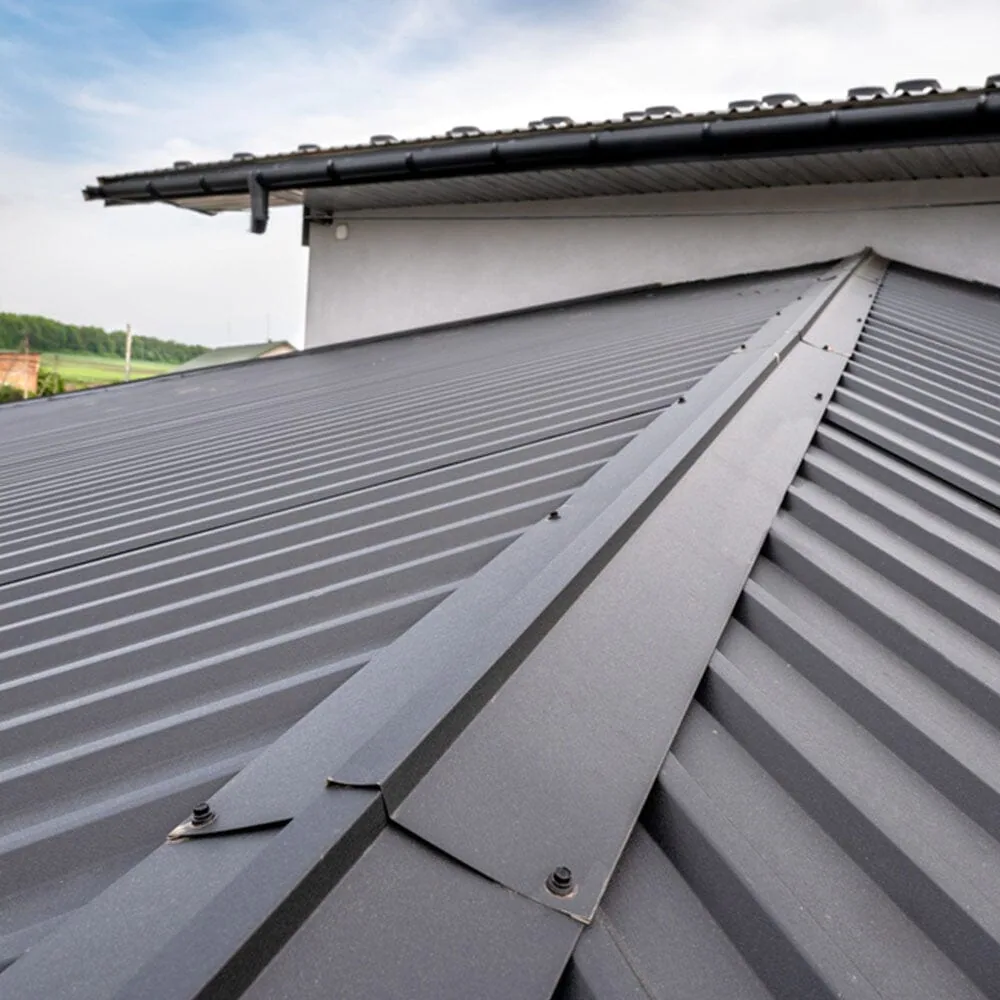
Metal panels should be inspected at clips, fasteners, ribs, ridge details, gutters and wall transitions. Hail can leave dents without breaching a panel, while a displaced fastener or open lap may create a water path. We note where the metal has changed shape and test adjacent joints. If the roof has a standing-seam assembly, its clips and panel movement matter; see the standing-seam system details before setting a repair method.
The Phoenix region's long summer heat is another condition to record because impact damage can sit beside weathered material. Phoenix Sky Harbor's 1991-2020 July normal mean temperature is about 95.5°F, a metro reference rather than a Surprise measurement. We document surface aging and impact findings separately so the owner can distinguish an older repair need from a suspected storm condition. A heat and UV inspection can cover broader aging if the roof shows it.
Trace moisture beyond the marked spot
An interior leak after hail can come from a puncture, open seam, curb transition, drain issue or an older defect exposed by rain. We compare the ceiling location with roof slope, deck direction, insulation joints and nearby details. Water can travel before it appears inside. If the path is not clear, keep confirmed observations separate from likely routes, and do not seal a broad area without finding the opening.
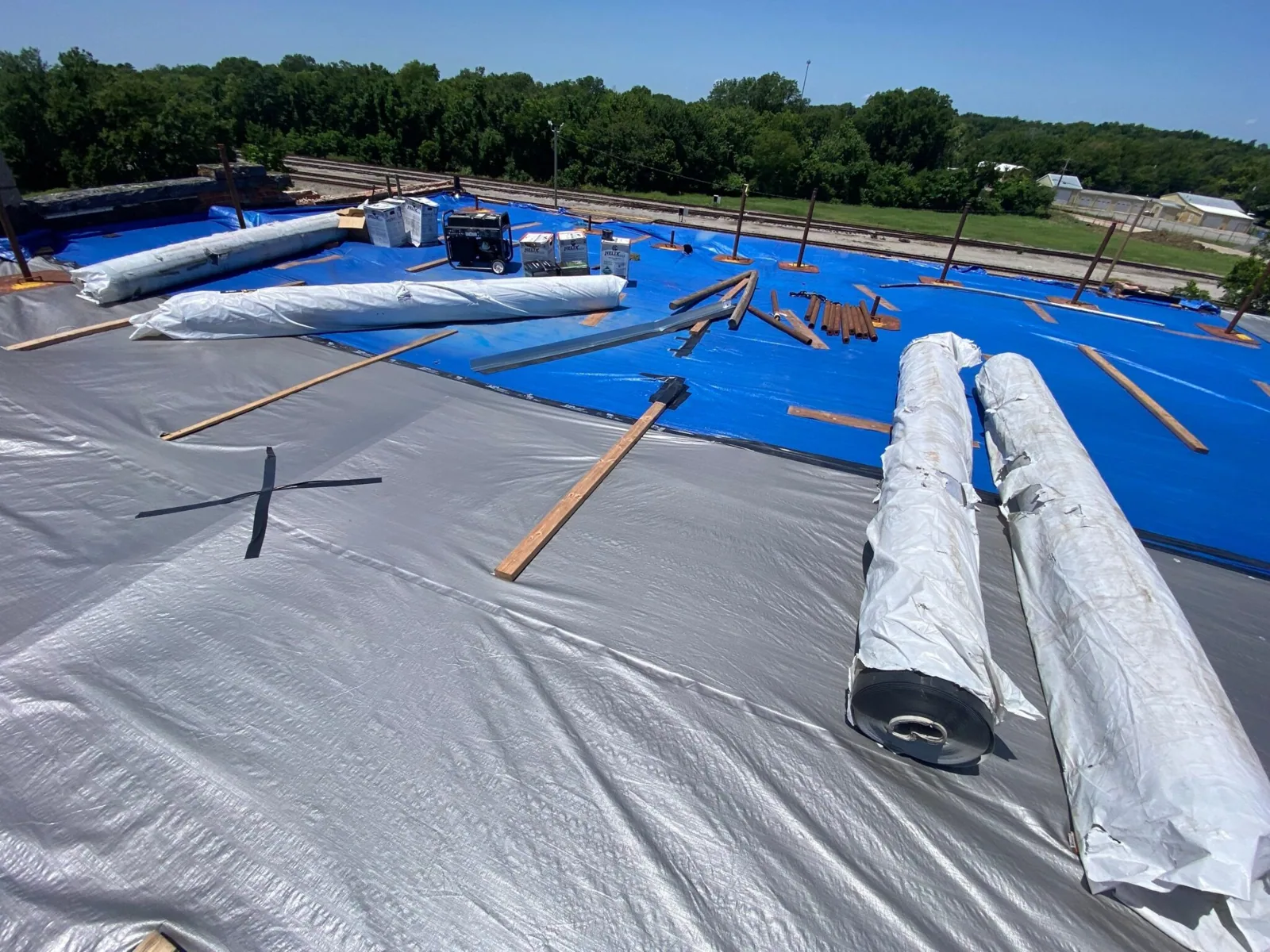
A puncture repair may be localized when adjacent sheet and substrate are sound. If a weld or lap is also separated, scope the seam repair as its own detail. Drain bowls and overflows should be checked when water remains on the roof. We can document repairs, moisture readings or test cuts with photos so the project file shows why a boundary was selected.
At the Surprise Railplex, manufacturing and distribution development makes roof access and loading coordination practical questions. A facility lead may need dock lanes, equipment routes and interior protection maintained during inspection. We plan those controls at the property, not from a generalized description of the area. The crew should know where a lift may stand and which section can be isolated before walking near equipment or an active service route.
Separate storm repair from roof renewal
Localized damage can be repaired when the surrounding membrane, attachment and substrate remain serviceable. The scope identifies the material, preparation, patch size, seam tie-in and how the finished repair will be checked. Metal repairs may replace a fastener, panel component or flashing section if movement and drainage can be maintained. If impacts are widespread or insulation is wet, a broader repair or replacement evaluation may be more appropriate.
Repair cost changes with access, roof height, damaged area, material compatibility, test openings, equipment moves and interior protection. Claim files can require dated weather context, but the contractor's inspection should record roof conditions rather than predict coverage. The claim-documentation support can keep photos, measurements and work scope organized for the owner's process.
For a property with several roof areas, make a map that separates observed impact, water entry and pre-existing wear. The same assembly can have different condition from one section to the next. If roof replacement is considered, review insulation, drainage elevation, parapets, rooftop units and code requirements with the project team. Do not add a layer over hidden moisture or treat a cosmetic dent as proof that the full roof has failed.
Keep the evidence usable later
The closeout record should include roof-plan marks, dated photos, observed material damage, test results and repairs completed. It should also state what could not be inspected, such as a restricted area or concealed layer, and when the owner should return to it. A roof condition report can connect the storm visit with ordinary maintenance. Keep the weather notice separate from photographs of physical damage so a later reviewer can tell what was reported and what was observed.
Before leaving, check that temporary protection is secure, drains are open and no loose material remains. If a mechanical or solar trade needs to return, identify the route and any roof areas that need protection. Follow-up inspection after another rain can confirm whether the repaired detail remains dry, but it does not replace a test needed for wet insulation or an uncertain deck condition.
We can review the findings with the general contractor or facilities lead, separate immediate repair from longer-term capital work and provide a written scope. If the same roof also shows wind-related edge damage, document that as a distinct observation. That keeps the storm file useful without combining unrelated causes or promising a claim result.
Commercial Roofing Questions
Does a local hail report mean the roof is damaged?
No. We inspect the actual roof for punctures, bruising, open seams and displaced details, then record what is visible. A regional hazard or storm report does not confirm impact at one property.
Can a dented metal panel stay in service?
Possibly, if the panel, seam, fasteners and drainage remain sound. We check the connection and surrounding roof before deciding whether the mark is cosmetic or part of a repairable water path.
What should we photograph after suspected hail?
Capture the roof area, a close view of each suspected impact, nearby seams or penetrations and any interior water mark. Add a roof-plan location and keep the date of the reported storm separate from inspection observations.
Can hail damage be repaired with a patch?
A patch can work when damage is local and the surrounding assembly is compatible and dry. If insulation is wet, seams are open or impacts are widespread, open the scope enough to address those conditions.
What belongs in a storm repair record?
Keep photos, roof locations, inspection notes, test results, material details and completed work together. List restricted or concealed areas as open items with a next inspection step.
Ready to review the roof scope?
Request a Roof Assessment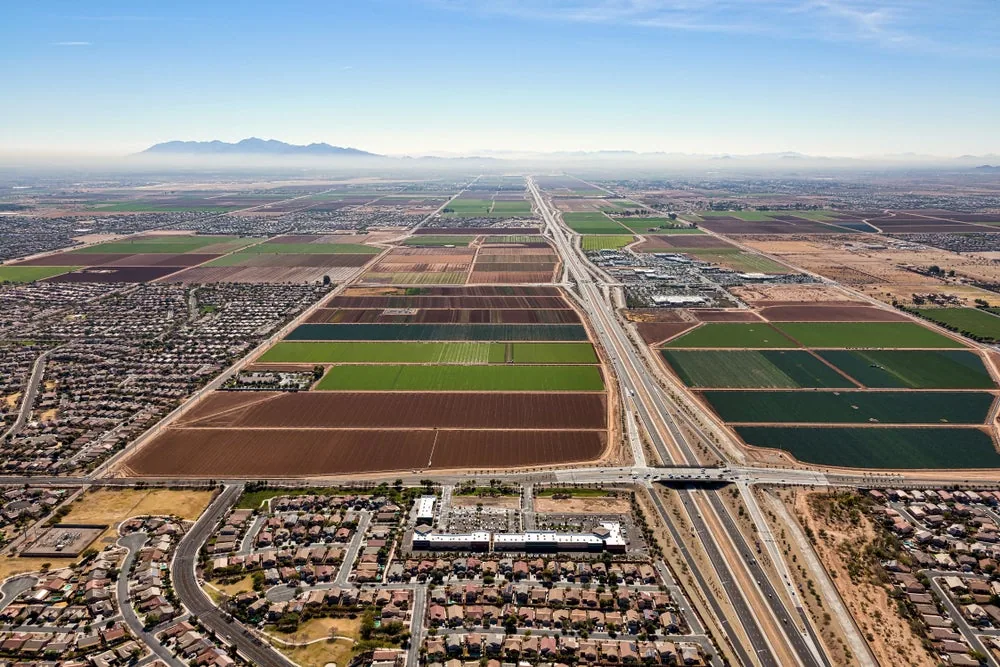
Related Roofing Work

Inspect the roof before pricing repairs
Share the reported storm date, roof plan, access controls and interior observations. We can document suspected impacts, separate confirmed damage from other roof conditions and prepare a repair scope with photos.