
A south-facing roof section in Surprise can take long hours of sun while HVAC units, vents and service paths interrupt the membrane field. Heat and UV exposure can age exposed materials, but the amount of wear varies with roof assembly, shade, maintenance and earlier repairs. We inspect the sheet, seams, flashing and sealants, then distinguish surface aging from a breach or wet insulation. In the Asante development area, planned growth and access improvements make construction staging a practical project question; the actual roof decision still follows observed material condition.
Read the surface, not the calendar
High roof temperatures can make membranes and sealants more vulnerable to movement, shrinkage or loss of flexibility. A dry surface may show fading, chalking or fine cracks without an active leak. We record the material, orientation, shade and visible condition, then check whether seams, flashing or penetrations have opened. The inspection should not label every aged-looking surface as failed, nor overlook a small separation because the rest of the field appears sound.
Persistent summer heat across the Phoenix region makes membrane, sealant and flashing checks relevant. That context does not set a product's service life or prove the cause of a specific defect. The roof's own history and assembly determine the scope.
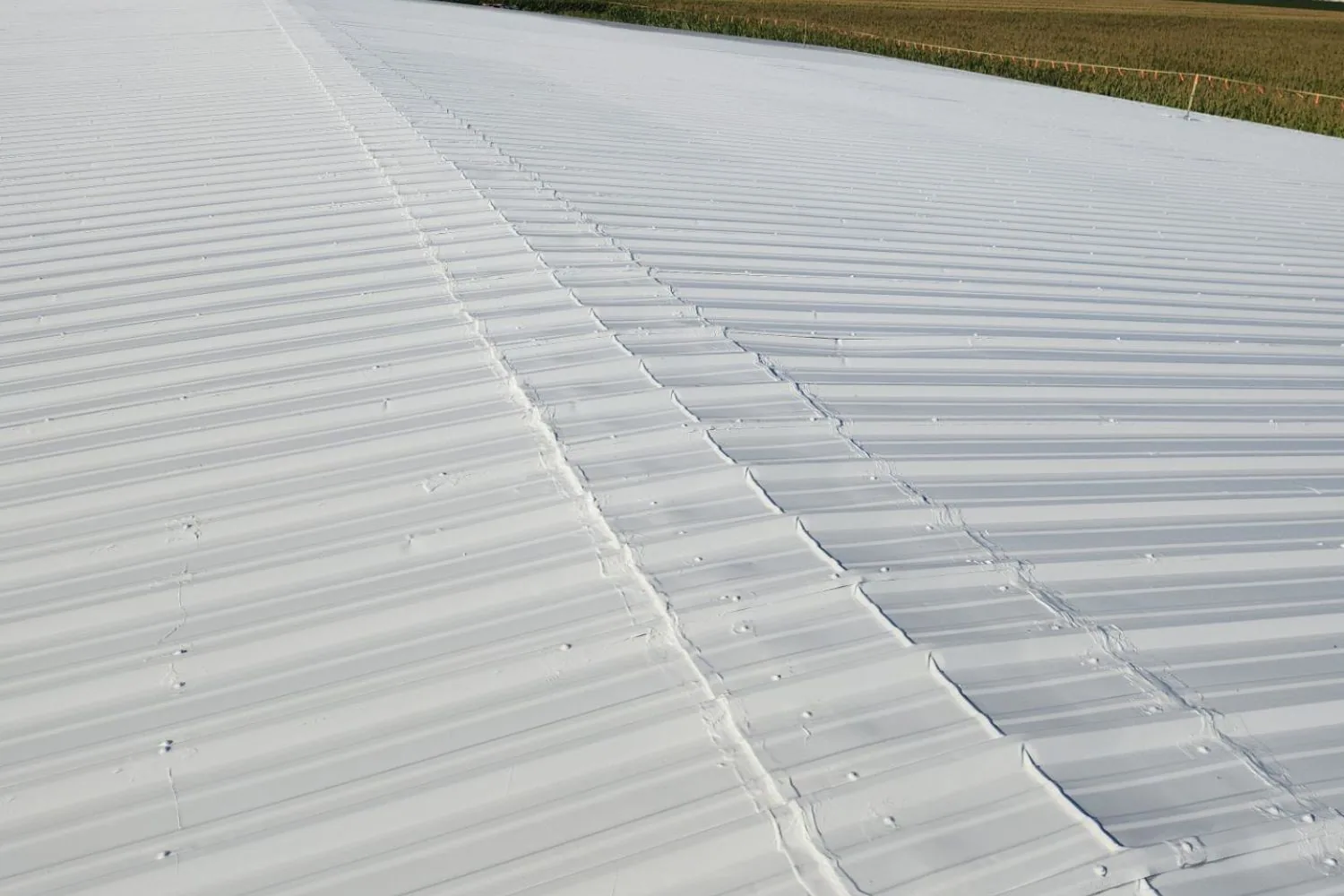
UV exposure can affect coatings and exposed polymer surfaces. We check for erosion, cracking, delamination, blisters, loose granules or exposed reinforcement, as applicable to the system. If coating has worn through, identify the affected area and whether the substrate remains sound and dry. A silicone coating system or another restoration option should be considered only after compatibility and preparation are verified, not as a quick cover over moisture or failed seams.
Check details that move with the roof
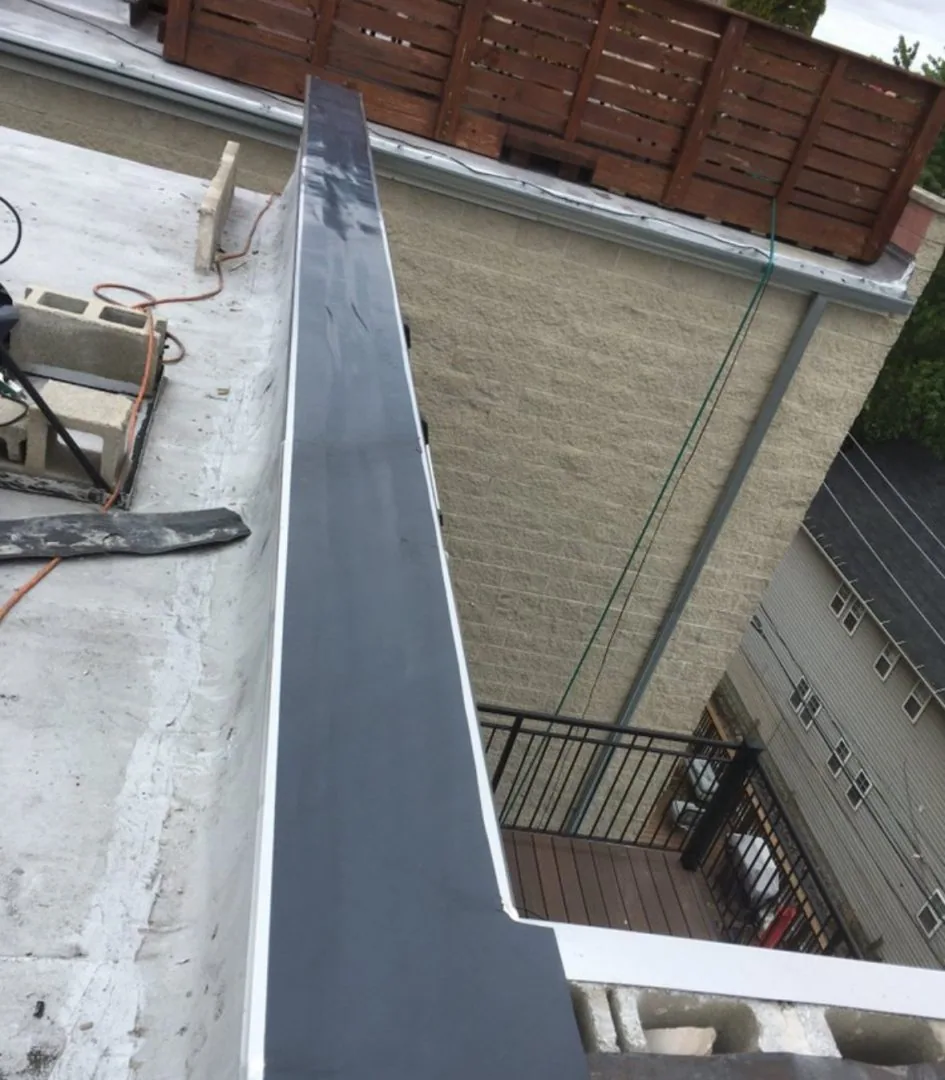
Temperature changes make connections and transitions important inspection points. We examine parapets, coping, edge metal, expansion joints, curbs, pipe boots and terminations for movement, open laps, brittle sealant or separation. Where sheet has pulled tight, a loose edge may need more than surface caulk. We check the attachment and substrate before deciding whether to rebuild a detail or extend the repair into the membrane field.
Roof penetrations can be especially difficult to maintain when equipment is added or serviced. Note conduits, supports and refrigerant lines that cross a flashing, and identify which trade controls them. The repair should leave equipment service access clear and avoid blocking drains or overflow paths. For an active opening, flashing repair may be needed alongside membrane work; list each piece so the owner can see what closes the weather plane.
In Surprise's square-mile center, civic facilities sit near shops, dining, clinics and hotels. Different access rules shape a roof walk: a clinic may need equipment controls, while a shop may require an evening lift. We set the route with the building lead and use City Center as local context for the mix of occupied properties. At the Surprise Railplex, freight-oriented industrial uses raise a different roof-access question: where materials can stage without crossing active loading paths.
Connect aging to a water path
When a leak appears, trace its route before treating heat as the cause. We compare the ceiling mark with roof slope, drains, seams and penetrations, then check for a breach, wet insulation or deck movement. Water can travel away from its entry point, while condensation or an equipment drain can produce a similar interior mark. Document suspected and confirmed conditions separately so the repair boundary remains defensible.
Phoenix-area monsoon storms can bring damaging wind and heavy rain. After weather, inspect the seam, edge, equipment curb and outlet, then record the roof condition without assigning an unsupported cause. Ponding-water repair can address a low area or outlet issue if standing water is part of the observed route.
If membrane is brittle or cracking across several roof areas, repair may only buy time. We compare localized work with restoration or replacement after checking moisture, attachment, insulation, deck and remaining roof layers. A commercial roof inspection can map the condition by section and identify test cuts where surface appearance cannot show what lies below.
Select repair, restoration or replacement
A limited seam or flashing separation may be repaired with compatible materials if the substrate is sound and dry. Coating can restore an eligible surface when adhesion, thickness and existing system allow it, but it cannot stabilize loose sheet or correct trapped moisture. The written scope should name preparation, primer, reinforcement, drainage and termination work, along with areas excluded from treatment. A restoration scope should leave the owner able to see how the repair meets edges and equipment.
Replacement may be the better comparison when membrane shrinkage, brittle laps, wet insulation or deck problems cover a broad area. Tear-off exposes more layers and allows repairs below, while a recover depends on a dry, stable assembly and project requirements. Costs depend on roof area, access, removal depth, insulation, deck repairs, equipment moves, edge metal and occupied-building limits. We identify those assumptions separately so the immediate repair is not confused with a capital project.
Before a reroof changes insulation or assembly, the project team should confirm Surprise's locally amended permit and energy requirements. We provide the roofing conditions and scope for that review, not a promise about permit approval.
Build a useful inspection record
Record the roof section, material, exposed details, repair history and photographs. A useful image shows both the detail and enough surrounding area to locate it on a plan. Note whether an area is merely weathered, visibly cracked, open or wet, and identify any test still needed. A roof condition report can preserve those distinctions for the next walk and help the owner compare one roof section with another.
Maintenance should revisit seams, sealants, drains, edge metal and penetrations after significant weather and after equipment work. Keep debris clear, repair cuts before they collect water and record who crossed the roof. If a walkway is added, mark the service route and check its edges for trapped water. Heat and UV wear can progress unevenly, so date each observation rather than relying on a broad note that the roof is aging.
We can inspect the roof with the general contractor or facilities lead, identify any active leak and prepare a written repair boundary. If a second defect appears, keep it as its own item with its location and next step. That lets the owner decide what requires immediate protection, what can be scheduled and which conditions should be checked again after the next weather window.
Commercial Roofing Questions
Does a faded membrane mean it has failed?
Not by itself. We check for open seams, cracks, loss of bond, wet insulation and other conditions that affect the weather plane. The report distinguishes surface appearance from an active defect.
Can coating fix a roof that has heat-related wear?
It may fit a sound, dry and compatible surface after preparation. Coating does not repair wet insulation, loose attachment or a failed detail, so we inspect those conditions before recommending restoration.
How do you tell UV wear from storm damage?
We document the material, location, shape and condition of each finding, and compare it with earlier photos where available. A storm date is separate from evidence of a puncture, tear or open seam.
Should we repair one detail or replace the roof?
The choice depends on how widespread the condition is, whether moisture is below the membrane, and whether the remaining assembly is stable. We can price immediate work separately from a broader replacement evaluation.
What belongs on a heat-exposure inspection report?
Record roof sections, surface condition, seams, flashing, sealants, photos and any moisture or adhesion test. Note which conditions are confirmed and which need a test opening before the scope is finalized.
Ready to review the roof scope?
Request a Roof Assessment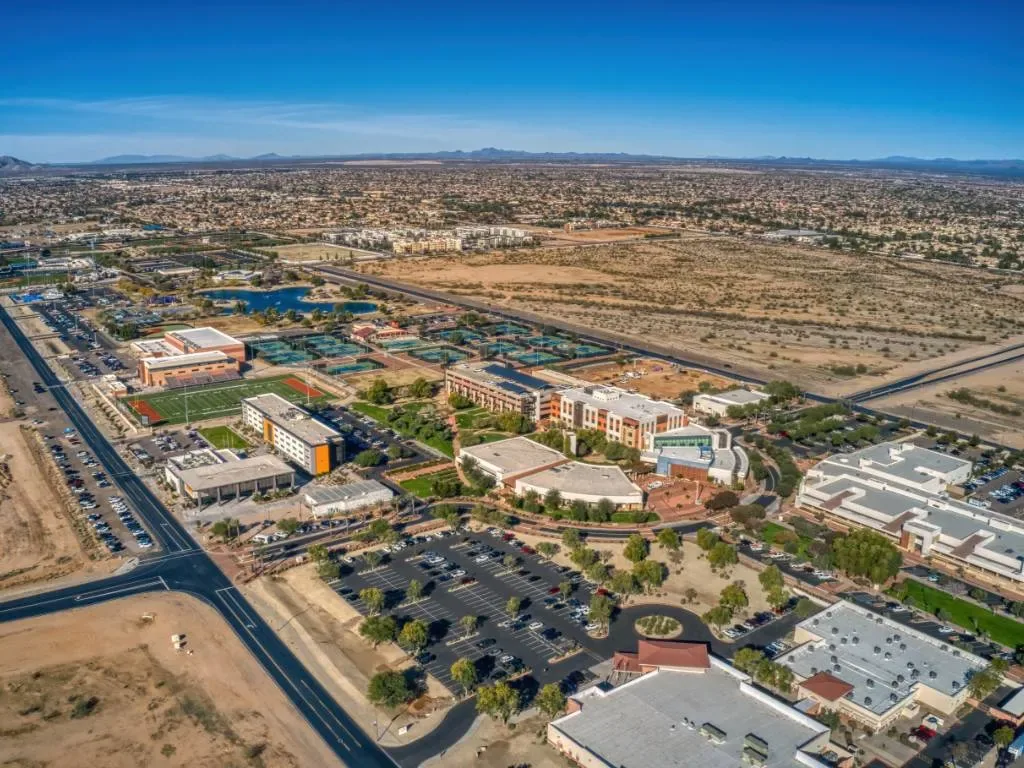
Related Roofing Work

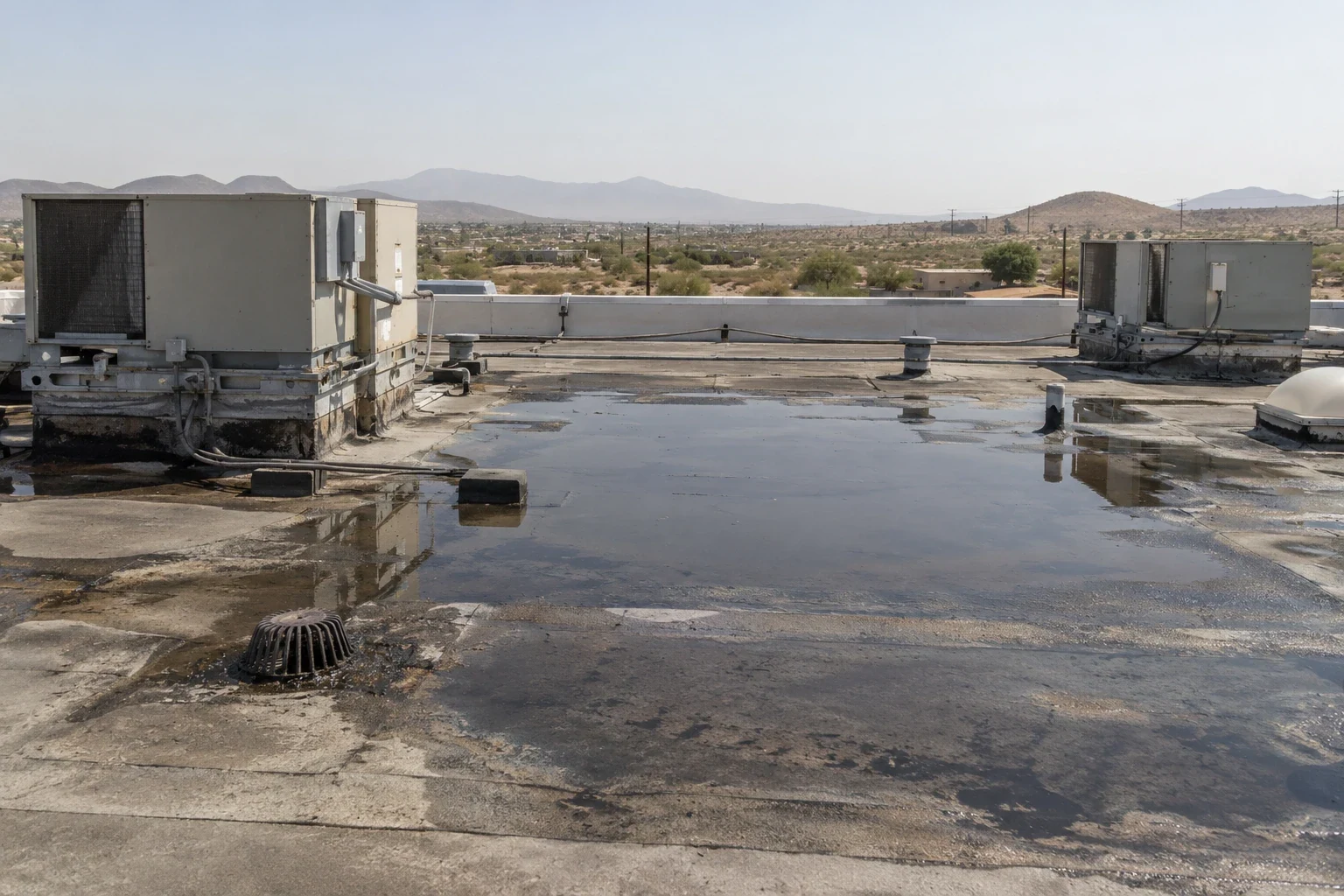
Review the roof after heat exposure
Share the roof plan, system type, leak history and access limits. We can inspect exposed areas and transitions, separate aging from active failure, and prepare a repair or restoration scope with clear follow-up items.