
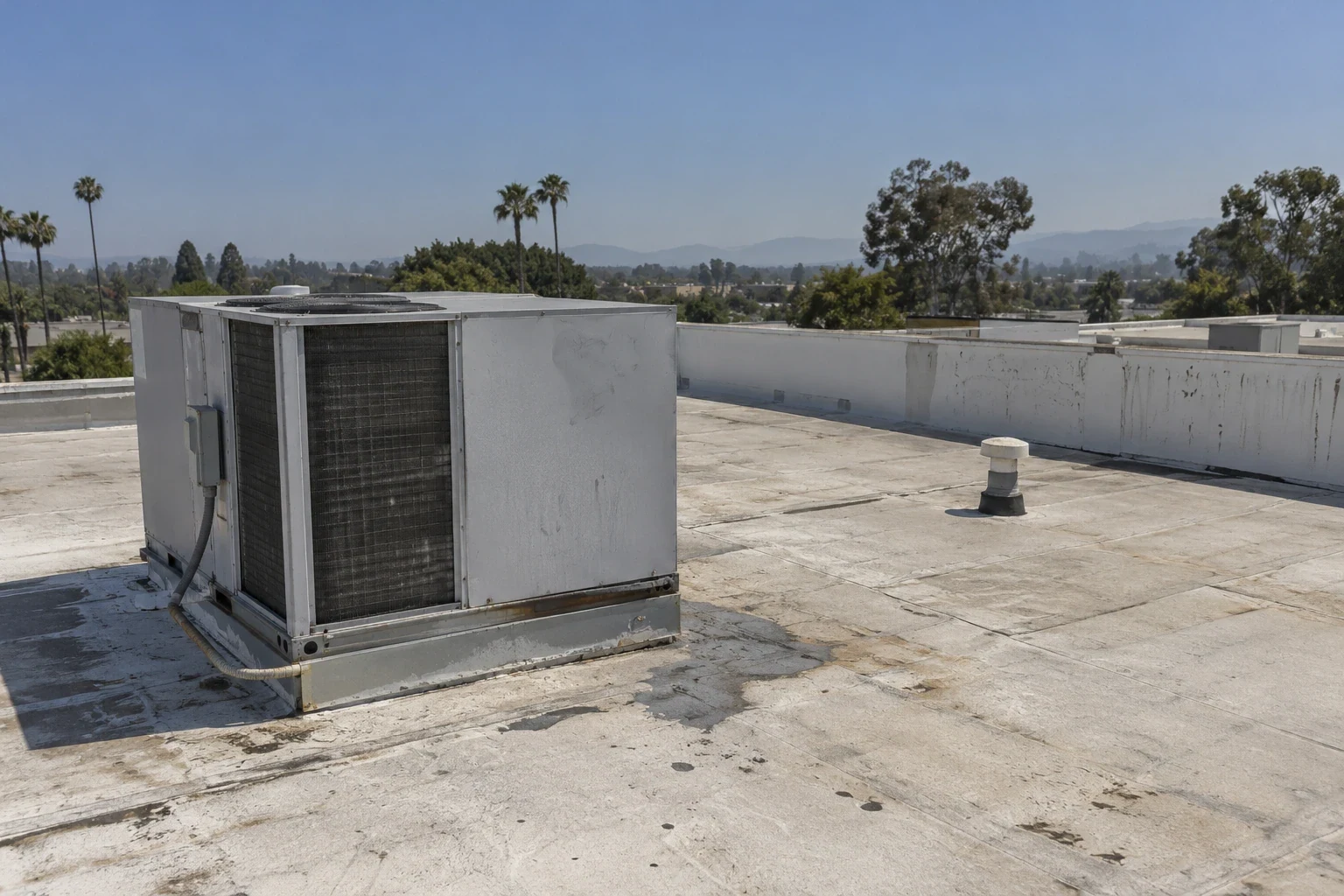
A medical office roof in Surprise can have flashing at parapets, equipment curbs, pipes and wall changes, each with a different movement and exposure. Water at a ceiling below one of those details does not tell us which transition opened. We trace the path, identify the metal and membrane assembly, and check the adjoining surface before settling the repair boundary. The City Center district includes healthcare, civic and commercial-service uses; a repair above an occupied clinic also has to account for patient routes and equipment access.
Find the failed transition
Flashing is the part of the roof assembly that carries the weather surface across a change in plane or material. A curb, wall, pipe, skylight, expansion joint or edge can fail where metal, membrane and sealant meet. We look for an open lap, loose termination, split sealant, corrosion, movement or a patch that bridges only the surface. Photos capture the detail and locate it on the roof plan.
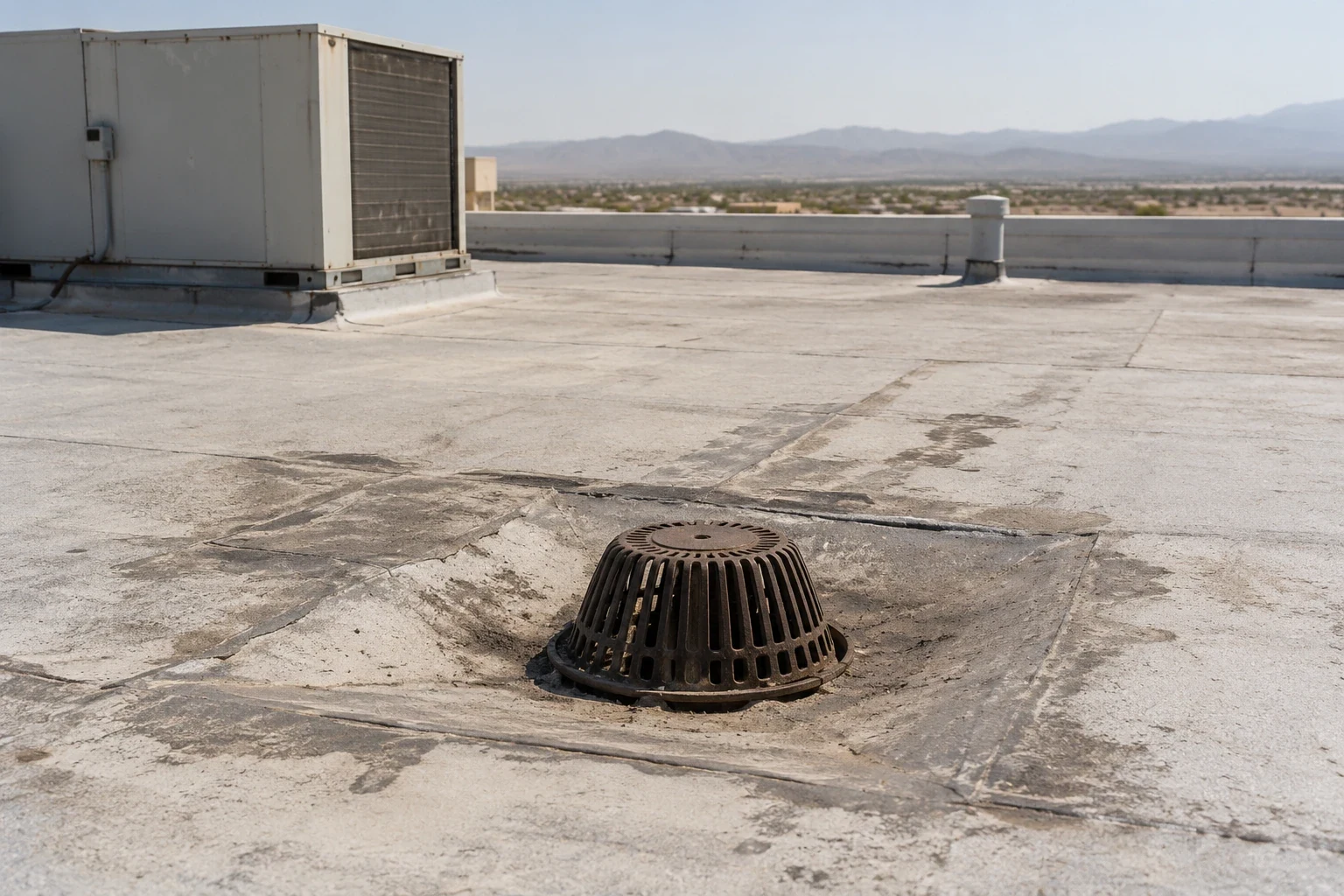
Water may move beneath insulation or along a deck flute before appearing indoors. We compare the mark with likely roof paths rather than assuming the nearest curb is responsible. If a drain or scupper intersects the same route, note it separately; drainage work can be scoped alongside the flashing only when evidence connects the conditions. That prevents a repair from expanding into unrelated roof work.
Surprise's Loop 303 corridor links employment and development areas with different building operations. A service entrance, loading lane or mechanical access route can affect where a lift stands and when the roof section is available. The corridor does not identify a specific roof type. We use the property's actual assembly and access rules to plan the work.
Match repair materials to the roof
A membrane-to-wall detail may need a compatible flashing sheet, secure termination and a finish that sheds water at the transition. Metal coping may need its cleat, splice, fastener or sealant corrected. A pipe boot may be replaceable if the pipe diameter and movement suit the selected part. We check compatibility with the existing membrane and identify substrate conditions before removing material. A bead of sealant alone is not a durable answer when the underlying lap or attachment has failed.
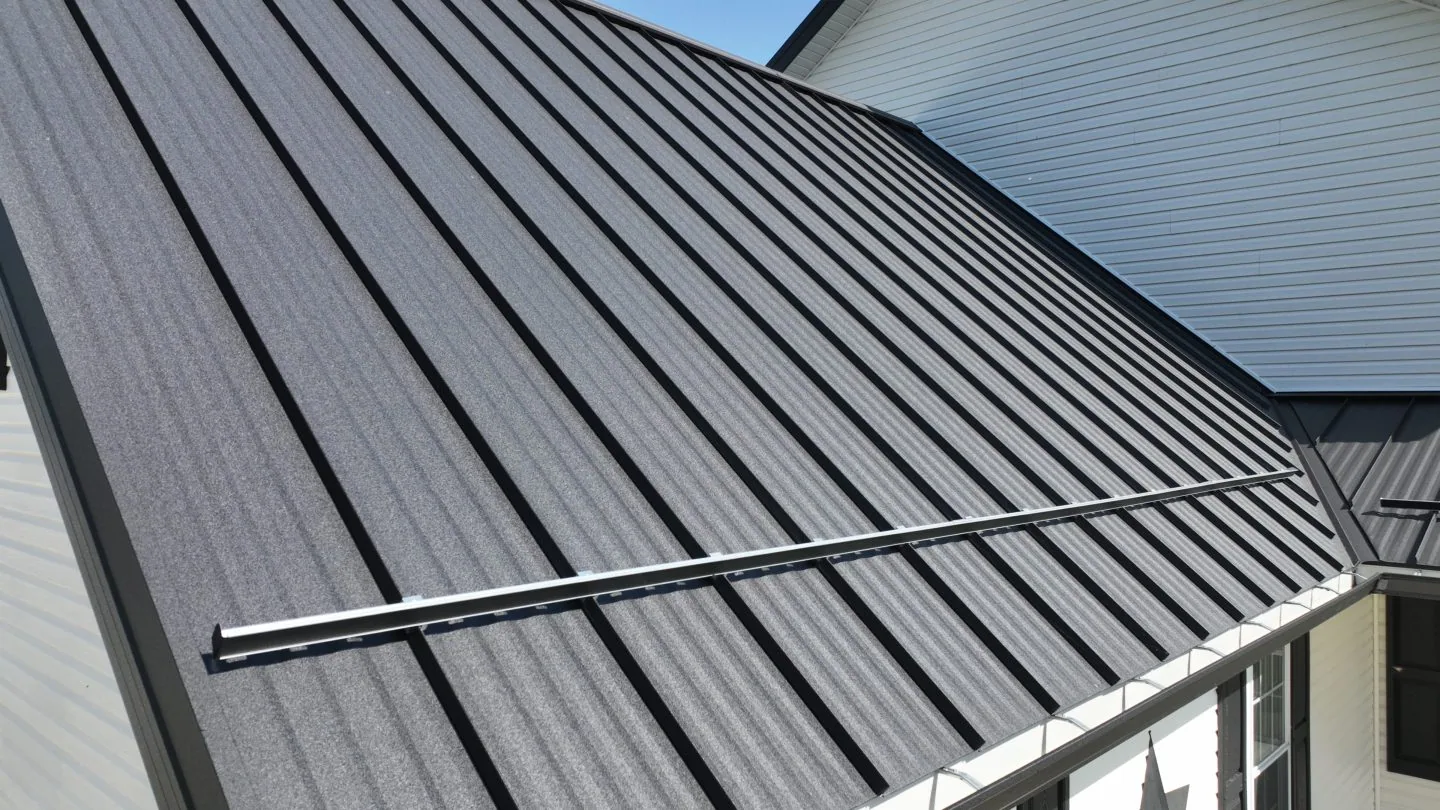
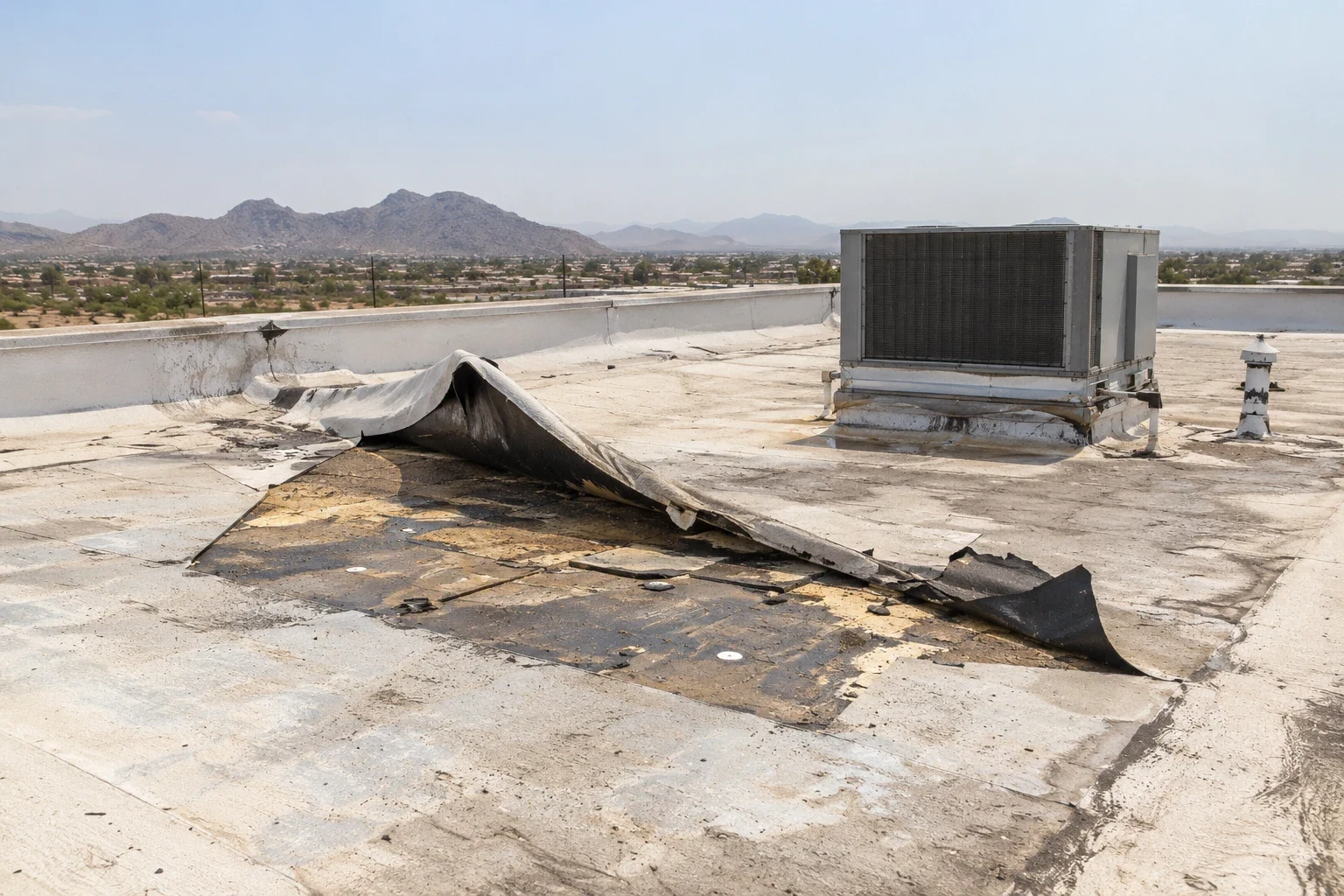
On a low-slope roof, the repair often affects more than the visible vertical face. We inspect the membrane field for loose welds, wrinkles or earlier patches and check whether water can sit at the base of the curb. For a standing-seam or other metal roof, thermal movement and panel direction change how flashing meets the ribs. The standing-seam assembly should keep its movement path while the repair closes the transition.
Persistent summer heat in the Phoenix region makes sealants and exposed membrane details worth regular attention. We note cracked, separated or hardened materials and compare them with the surrounding roof condition, without assigning a cause from climate alone.
Set the repair boundary
We write the scope around the failed detail and enough adjoining material to make a sound tie-in. It should name the existing membrane or metal, removal limits, substrate preparation, new flashing components and how the finished edge will be checked. If moisture extends below the detail, a test cut or broader opening may be needed. The owner should see that as a separate finding, not an assumption hidden inside a line item for flashing.
Access, equipment moves, substrate repair, fabrication and membrane compatibility affect cost. If active operations continue below, define the work zone, interior protection and safe route before opening the roof. A phased access plan can set handoffs when a clinic, office or retail building cannot close. If the detail is part of wider wind damage, compare wind-related edge repair without treating every loose edge as the same failure.
Surprise's adopted building and existing-building codes took effect January 1, 2026 and include local amendments. The permit path depends on the proposed repair or alteration. We describe the roofing detail and work boundary so the project team can confirm the applicable review before permanent construction proceeds. That check is especially useful if a structural attachment, fire protection system or rooftop electrical equipment also needs work.
Protect the roof while details are open
Before removing flashing, we protect the adjacent membrane and set a limit for the opening. Materials stay secure, and the crew keeps a dry-in method ready if conditions change. Close the detail before leaving, or name who maintains and checks temporary protection. If wind or rain moves in, work stops at a boundary that does not expose insulation or deck unnecessarily.
Equipment curbs may require coordination with HVAC or electrical trades. We identify which units remain operating, where a technician needs clearance and whether a conduit or support crosses the flashing. The roofing repair should not leave loose cables, unsupported piping or a blocked condensate route. Before the crew returns the area, the building lead should know what equipment was moved and what needs a separate trade handoff.
For urgent water entry, we can respond around the clock, including nights and holidays, to assess and stabilize accessible conditions. An emergency cover is a short-term measure, not a replacement for rebuilding a failed transition. We photograph the temporary boundary and identify materials or dry conditions needed for the permanent tie-in. That gives the owner a clear next step while the building remains in service.
Make the repaired detail easy to recheck
Closeout photos should include the finished lap, termination, metal attachment and surrounding surface. Mark the roof plan with the detail location and note the material used, weather conditions at application and any adjacent issue left for later review. If the repair is under a warranty or manufacturer requirement, keep the product and installer records with the roof file. A photo-based roof report can connect the current work with earlier inspections.
At the next walk, inspect the repair edges and nearby transitions, not only the center of a patch. Check whether sealant has separated, metal has moved, drains remain clear and equipment service work disturbed the membrane. A seam repair may be needed if a nearby field weld has opened, but the detail should be treated as a separate condition in the report. The aim is to make the repair boundary visible to the next person who has to maintain the roof.
We can review the photos and findings with the general contractor or facility lead, then separate immediate work from any larger assembly question. If the roof has widespread flashing breakdown, a full roof inspection can map the other transitions before the owner prices a restoration or replacement. The written scope should leave no doubt about which detail was rebuilt and what remains outside it.
Commercial Roofing Questions
Can flashing be repaired without replacing the roof membrane?
Often, if the adjoining membrane is sound and a compatible tie-in can be made. We check the field, substrate and termination first; moisture or widespread separation can widen the scope beyond one detail.
Why does a leak show up away from the flashing?
Water can move under the membrane or along the deck before reaching the ceiling. We compare the stain with nearby roof transitions, drains and equipment curbs, then record which path is confirmed and which still needs testing.
Is sealant enough to close an open flashing joint?
Only when the underlying connection remains secure and the specified material suits that detail. If metal, membrane or attachment has separated, the repair needs to rebuild that layer rather than cover the gap.
What should the project lead prepare before a flashing repair?
Share roof access rules, equipment schedules, interior areas that need protection and any prior repair photos. We can then set a work zone and coordinate a dry-in before the detail is opened.
How do we know the transition is ready for another inspection?
The closeout should identify the material, tie-in, attachment and date, with photos and a roof-plan mark. At the next walk, inspect the repair edges and nearby movement points rather than relying on a note that says only 'flashing repaired.'
Ready to review the roof scope?
Request a Roof Assessment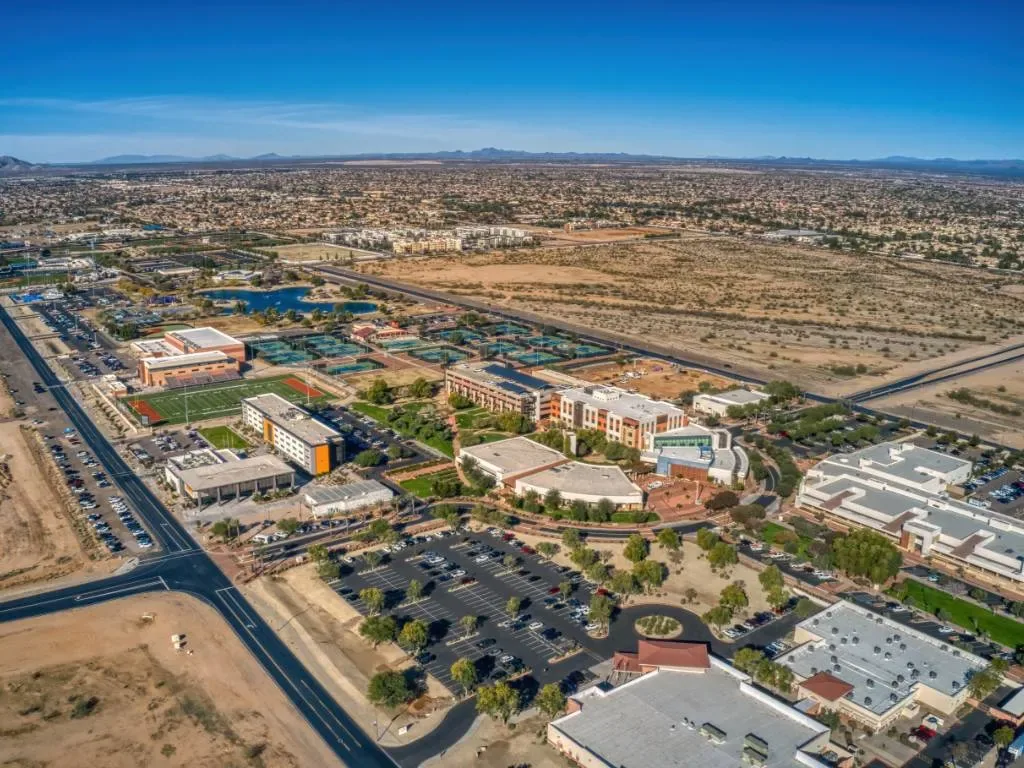
Related Roofing Work

Review the transition on the roof
Send the roof plan, leak location, access rules and photos of prior work. We can walk the detail with your project lead and prepare a written repair boundary with any open conditions listed separately.