
Roof work on a military installation starts with the rules for access, safety and mission continuity. A crew cannot assume that a delivery gate, roof hatch or equipment yard will be available on a normal commercial schedule. The owner or contracting team sets the site process; our role is to define the roofing work, identify trade handoffs and follow the approved sequence. Around Surprise, the surrounding defense and public-sector setting includes Luke Air Force Base and Papago Park Military Reservation. For a commercial roof project, the useful starting point is the property's own scope, roof access plan, operating limits, and contracting path.
Confirm access before planning production
Access requirements belong in the schedule before a crew or material truck is dispatched. We ask the authorized site contact to explain sponsorship, identification, vehicle approval, escort rules, work hours, photography limits and the route from the gate to the roof. The site team decides who may enter and what documentation is required. We do not promise a clearance, bypass a check or treat a commercial visitor process as equivalent to installation access.
Once the rules are known, we map the actual travel and work sequence. The plan records where crews check in, where tools are staged, how material reaches the roof and which areas remain restricted. If an escort must remain with a crew, the production window needs to reflect that constraint. A delayed badge or missed escort can stop the entire work zone, so the schedule should include a named contact and a procedure for rescheduling rather than asking field staff to improvise.
Luke Air Force Base is an active fighter-training installation west of Phoenix, while Papago Park Military Reservation is an Arizona National Guard location in Phoenix. The Surprise Railplex district is a broad industrial area with commercial operations. Luke AFB and Papago Park are separate installations in the wider region. A commercial project has its own site scope and contracting path; for controlled property, the authorized site contact sets entry, escort, delivery, and work-hour requirements before scheduling.
Write a roof scope that can be checked in the field
A useful scope states the existing assembly, roof area, material system, substrate preparation, insulation work, edge details, drains, penetrations and disposal plan. It identifies what is included, what is excluded and how concealed conditions will be handled. Before work starts, we compare the roof plan with the field layout and confirm that the proposed staging point, hoisting path and protection measures fit the site requirements.
Military and public facilities can include hangars, shops, offices, storage and support buildings, but the actual project documents control the building use and performance criteria. A product name alone is not enough. We document seam or attachment requirements, wind-uplift criteria when provided, fire classification, warranty terms and specified approvals. Contracting officials determine the governing standards; we do not carry assumptions over from another project.
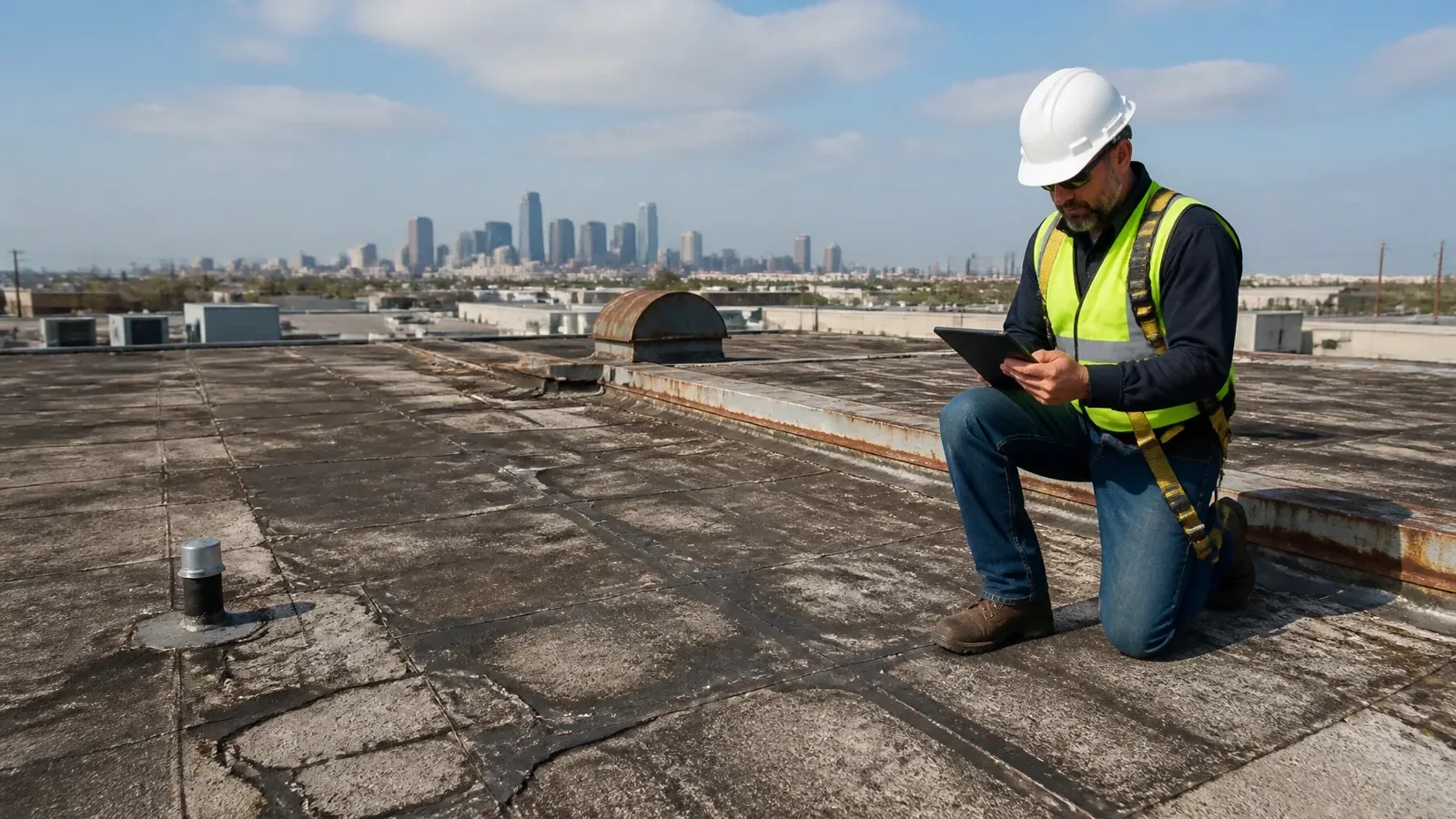
Existing roofs need a condition review before the bid or work plan is fixed. Moisture, loose insulation, failed fasteners, damaged deck and incompatible coatings can change the repair approach. A commercial roof inspection can organize visible observations, while the project specification and approved drawings remain controlling. For a documented survey, a roof condition report can make each finding easier to trace to its roof area.
Coordinate roof trades and mission activity
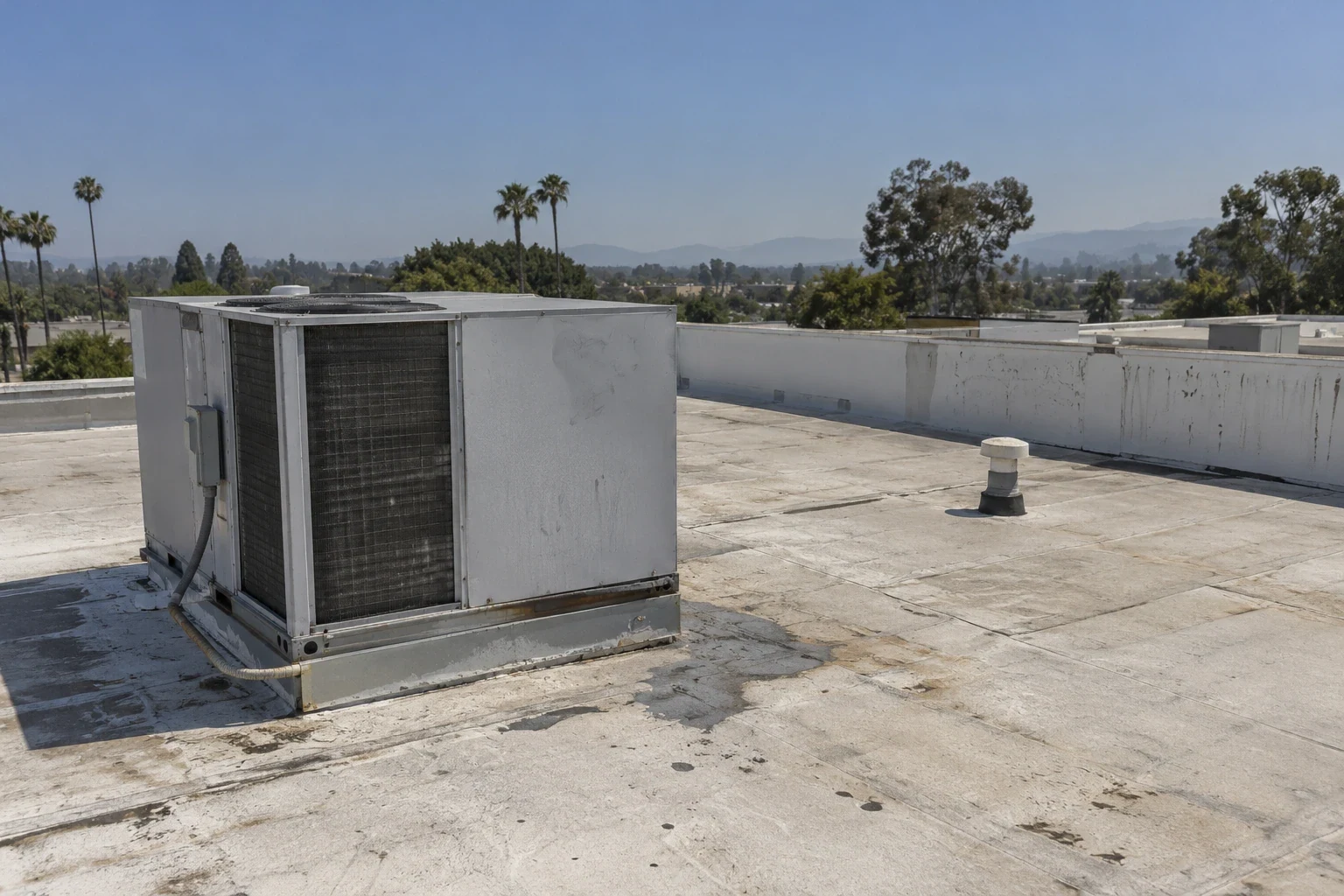
Roofing rarely controls every rooftop system. Mechanical units, exhaust, communications, electrical conduit, fire protection and lightning protection may need a separate trade or authorized facility technician. We identify each interface and confirm who may disconnect, move, test and restore the equipment. The roofing crew should not open a line, move a device or change a protected system without approval from the responsible party.
Mission windows can make one roof section available while another stays off limits. We can divide the scope into work areas, list the start and stop conditions, and show which tasks require a shutdown or escort. If flightline, loading, classroom or administrative activity changes the approved window, the site contact can pause the affected operation and reset the sequence. The plan needs a safe stop point and protected assembly at each shift end.
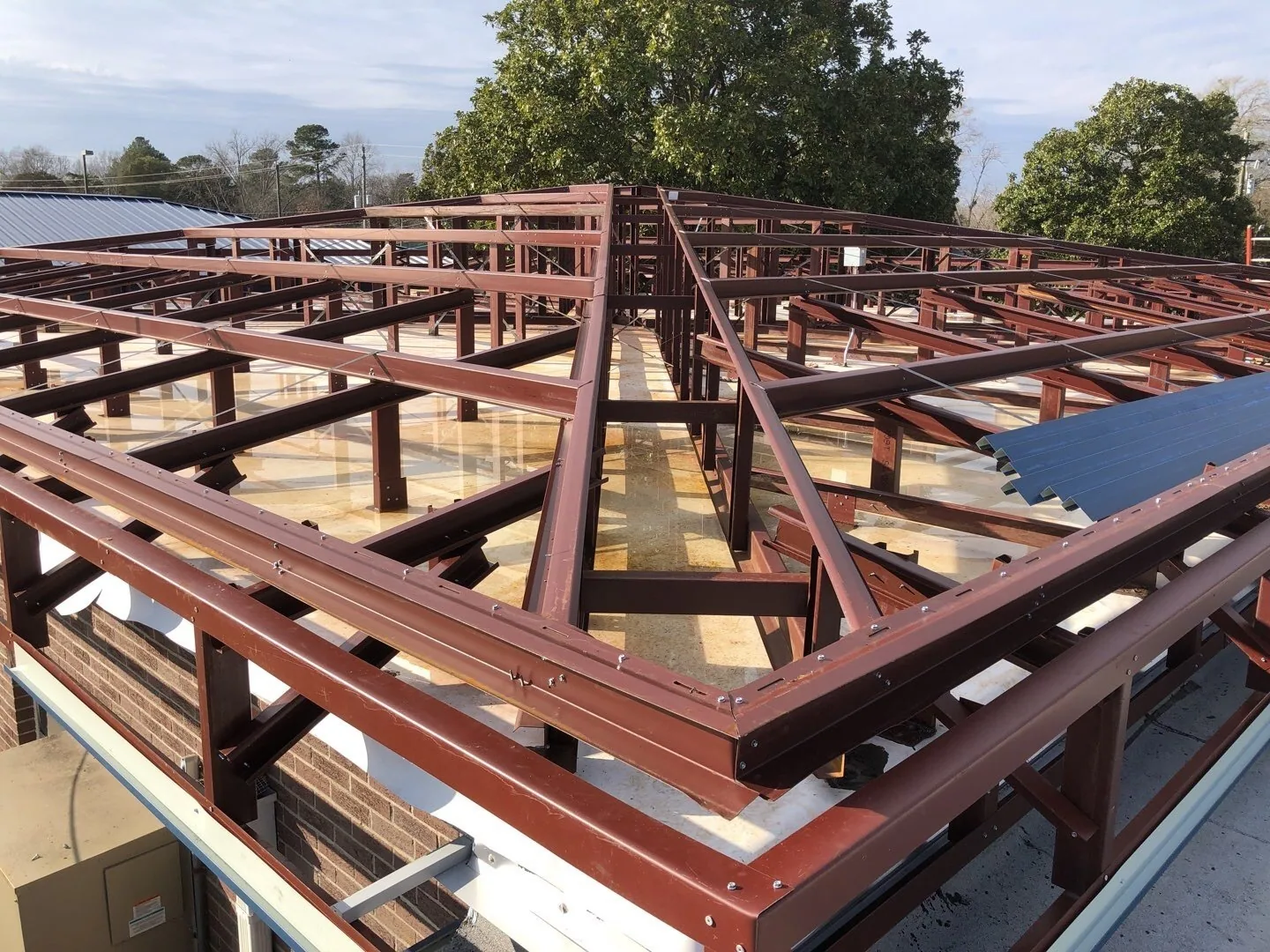
Surprise's Railplex is a broad industrial area with manufacturing, distribution and flex-office or warehouse building types, so it offers a useful local example of how roof work interfaces with active operations. It is not a military site. The same planning discipline applies to any controlled property: keep routes clear, confirm equipment ownership, coordinate lifts and document the handoff between trades. Where a metal assembly needs evaluation, review metal roof retrofit options with the actual scope rather than assuming a coating or recover will be accepted.
Keep site controls visible through the shift
Daily controls should be easy for the site representative to inspect. The work package can identify the crew roster, approved area, equipment, hot-work process if needed, fall protection, debris route and emergency contacts. The contractor follows the site authority's safety rules. A foreman should know when to stop for a changed condition and how to notify the designated contact without entering an area that is not authorized.
Weather protection deserves the same discipline. Phoenix-area monsoon storms can bring damaging wind, heavy rain and flash flooding. Before opening an area, the crew needs a realistic forecast window, materials at hand and a temporary closure detail that can be completed within the approved shift. Name who checks the tie-in and what happens if weather arrives early. Do not leave an exposed boundary overnight.
Material storage and waste handling must follow the site's route and housekeeping rules. Keep access to fire lanes, service equipment and restricted doors intact. Remove scrap, fasteners and packaging from the work area at the approved interval. If an unexpected condition requires a larger exclusion zone, update the site contact before moving barriers or changing a delivery route. Those small checks make the daily record useful instead of ceremonial.
Close the work with records and clear turnover
At each phase boundary, confirm seams, penetrations, edge metal, drains and temporary tie-ins before leaving the roof. The site contact should see completed areas, open items and continuing access limits. Photos should document the actual installation without capturing prohibited material or restricted operations. We follow the property's direction on photography, storage and delivery of records.
Closeout can include the approved product data, daily reports, inspection results, change documentation, warranty material and a roof plan marked by work area. The owner should receive only the records allowed by the contract and site policy. Schedule any required test or acceptance walk while the detail remains visible. Any punch item needs a location, a responsible person and a verification step.
When a project includes commercial operations that continue during roof work, review the occupied-building reroofing sequence and agree on the operating limits with the site team. For edge conditions, include coping and perimeter metal; for water pathways, check drains and scuppers. Those details are part of the assembly, not optional cleanup. A final handoff should leave the authorized facility contact with a clear record of the completed scope and any maintenance instruction.
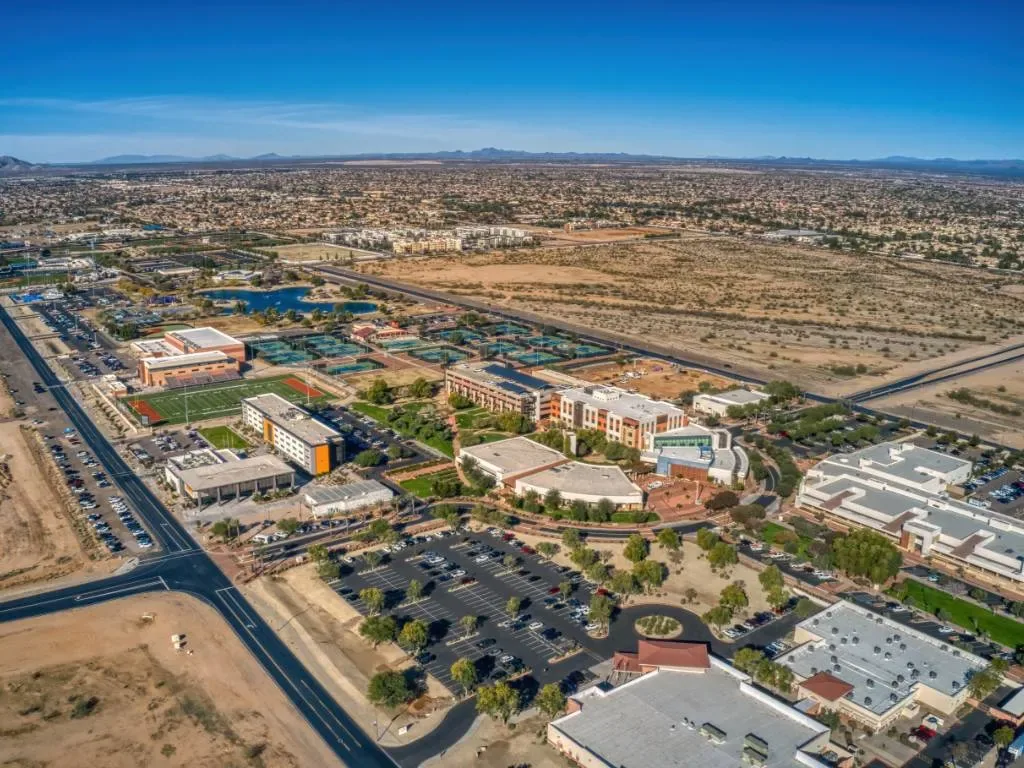
Surprise City Center and the Railplex reflect the region's commercial and industrial mix. For an authorized project, share approved drawings, access rules and performance criteria so we can flag coordination questions before mobilization.
Commercial Roofing Questions
Do you have access credentials for every installation?
Access begins with the authorized installation team, which determines credentials, sponsorship and escort requirements. We confirm the process for each awarded project.
Can crews work around a changing mission schedule?
The schedule can show work windows, phase limits and safe stop points. The site authority decides when an area is available and may revise that window.
Does a prior military roof project set the requirements here?
Each project follows its current solicitation, drawings, specifications and contracting direction. We review those documents rather than carry assumptions from another site.
Who handles rooftop equipment and communications gear?
The equipment owner or authorized trade controls disconnects, relocation, testing and return to service. We coordinate the roofing interface with that party.
Can you quote before the site access process is known?
A preliminary scope can identify open assumptions, but production timing and logistics need verified access rules, work hours, delivery routes and escort requirements.
Ready to review the roof scope?
Request a Roof Assessment
Related Roofing Work
Review the approved project documents
For an awarded or authorized project, share the roof plan, specification, access requirements, escort schedule and trade contacts. We can flag scope interfaces and sequence questions before mobilization.