A civic or retail building in central Surprise can take strong afternoon sun across a broad roof field, while rooftop units add another part to the heat load. A reflective membrane or coating can change how much solar energy the surface absorbs, but it does not replace insulation or correct a leaking assembly. We start with the roof layers, drainage, and equipment layout, then compare a cool-roof option with repair or replacement. The recommendation should name the material and the roof conditions it depends on.
Reflectance is one part of the assembly
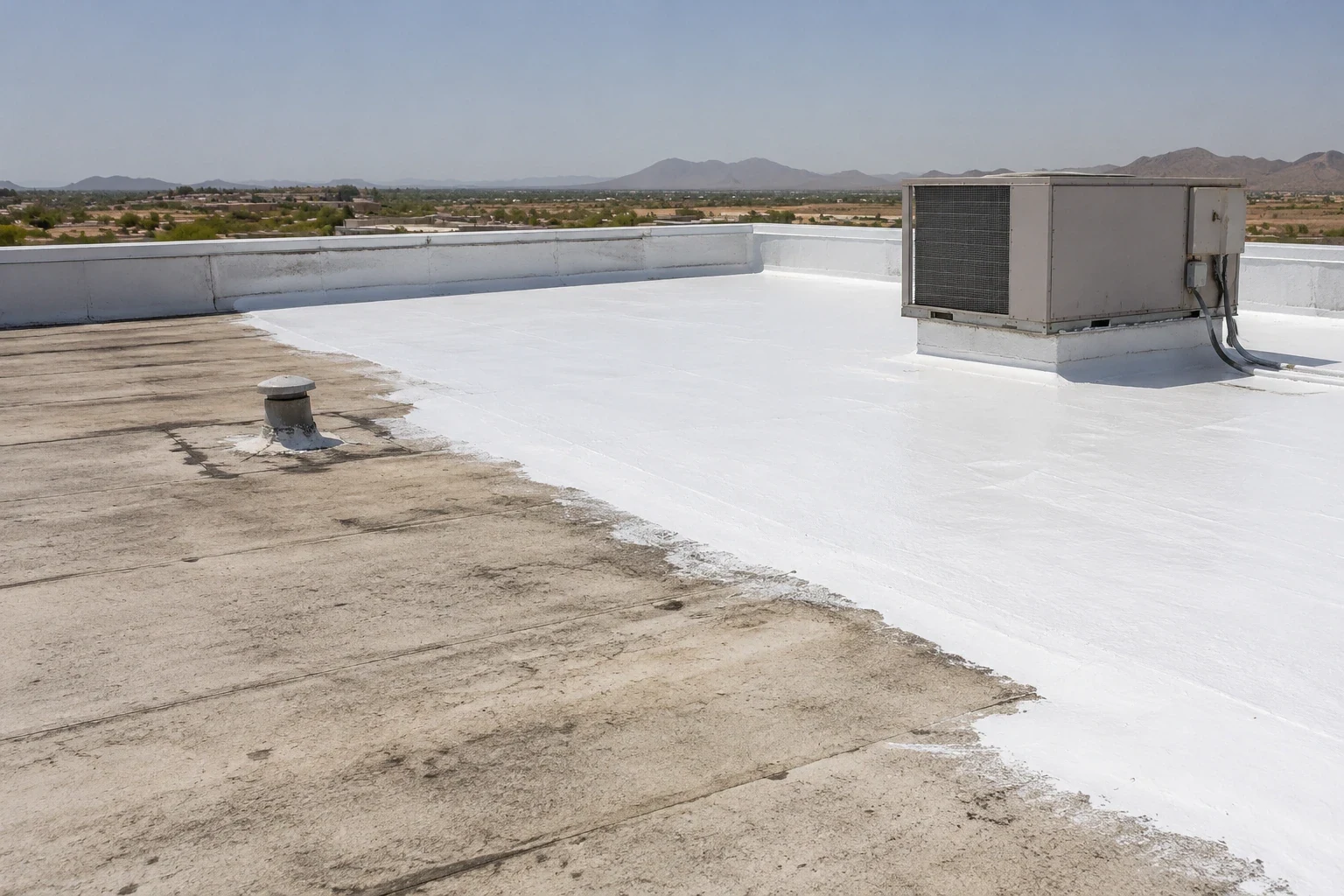
A light-colored surface can reflect more sunlight than a darker one, which may reduce heat absorbed at the roof surface. The effect on the building depends on insulation, deck, air movement, interior loads, and how the HVAC system operates. We do not promise a set energy reduction from color alone. We review the roof build-up and the owner's objective, then identify whether a reflective membrane, coating, or another assembly is a reasonable fit for the project.
If the owner wants to measure building performance, roof work should be compared with the facility's own utility and operating records. Changes to occupancy, controls, equipment, and production hours can affect the same comparison. We can describe the material and the assembly installed, while the energy team evaluates building use over a suitable period. That keeps the roofing scope clear without assigning an unsupported savings number to the surface.
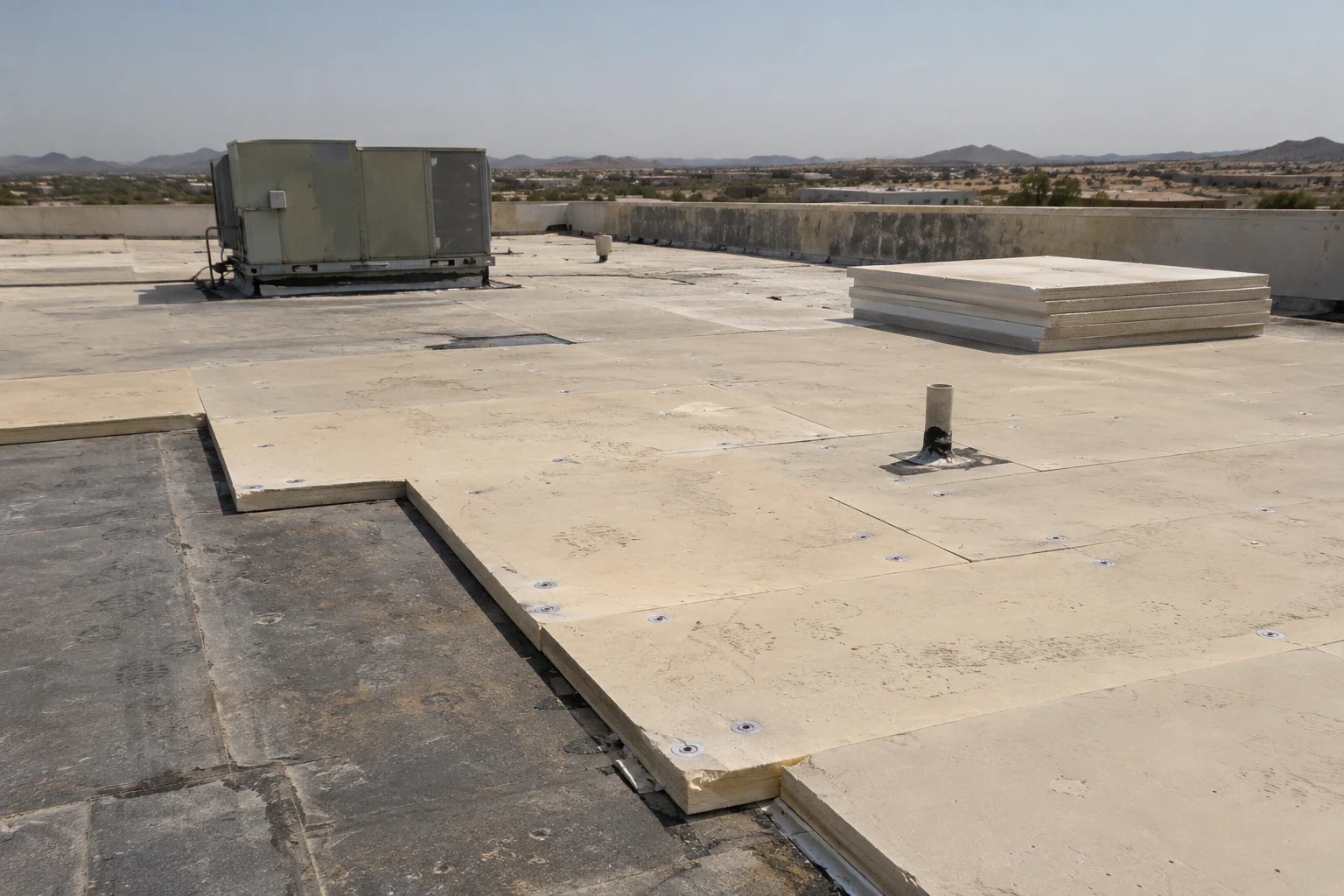
At a roof with older patches or wet insulation, a reflective layer cannot hide the need for repair. We check seams, penetrations, edge terminations, and moisture before recommending a system. If the roof qualifies for restoration, a coating scope must include preparation, adhesion checks, and repair boundaries. A TPO membrane can be considered where the assembly and detailing support it, while a roof insulation review addresses thermal layers separately.
Plan for a low-desert roof
Regional low-desert heat makes surface exposure part of the selection discussion; we still base coating or membrane choices on the roof's measured condition. Summer roof-surface temperatures make insulation continuity, flashing condition, and equipment performance worth discussing as one project. The regional number is not a measurement for a particular building and does not set its required insulation level. We identify the existing layers and compare them with the building's use before proposing a reflective surface.
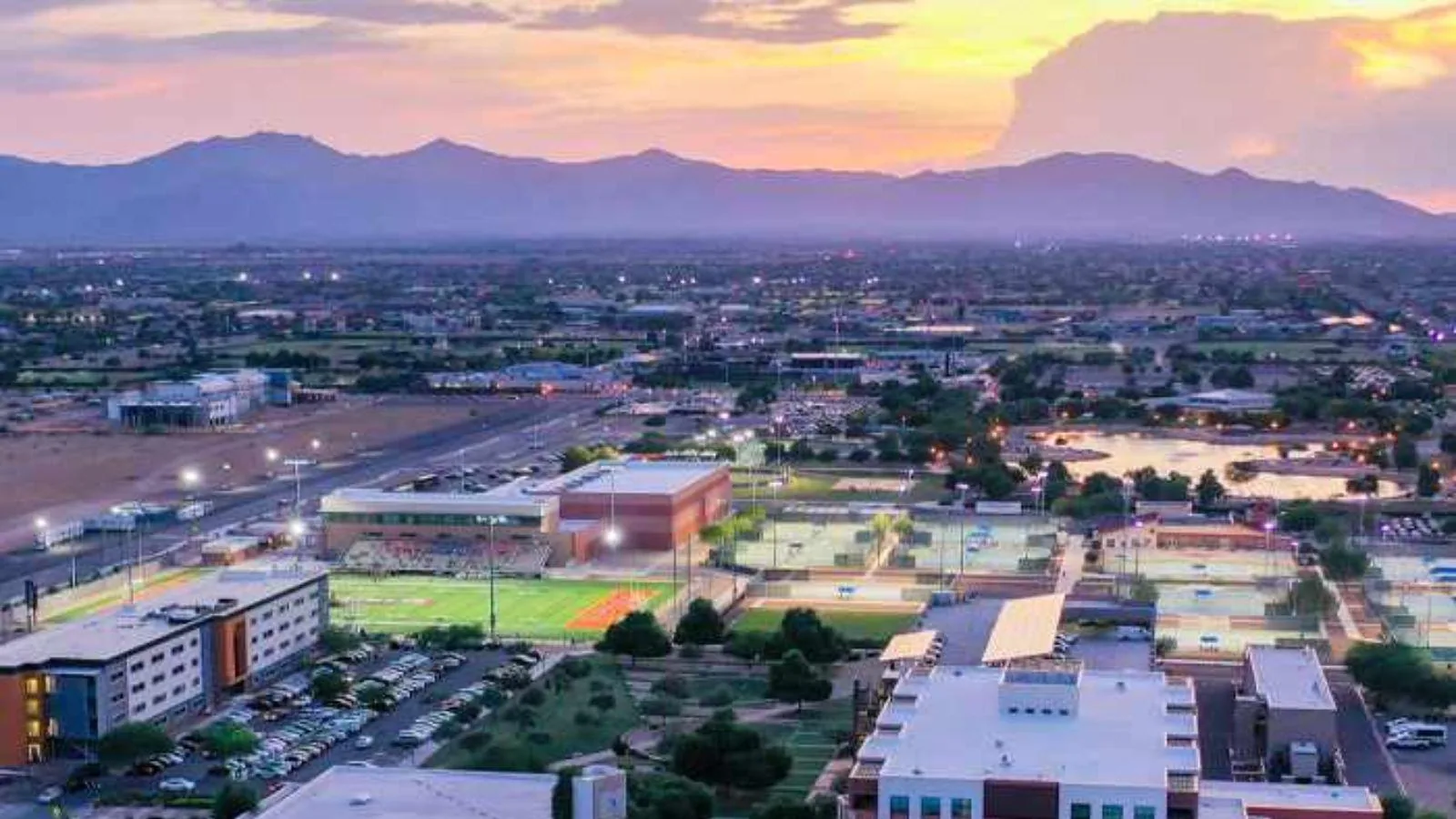
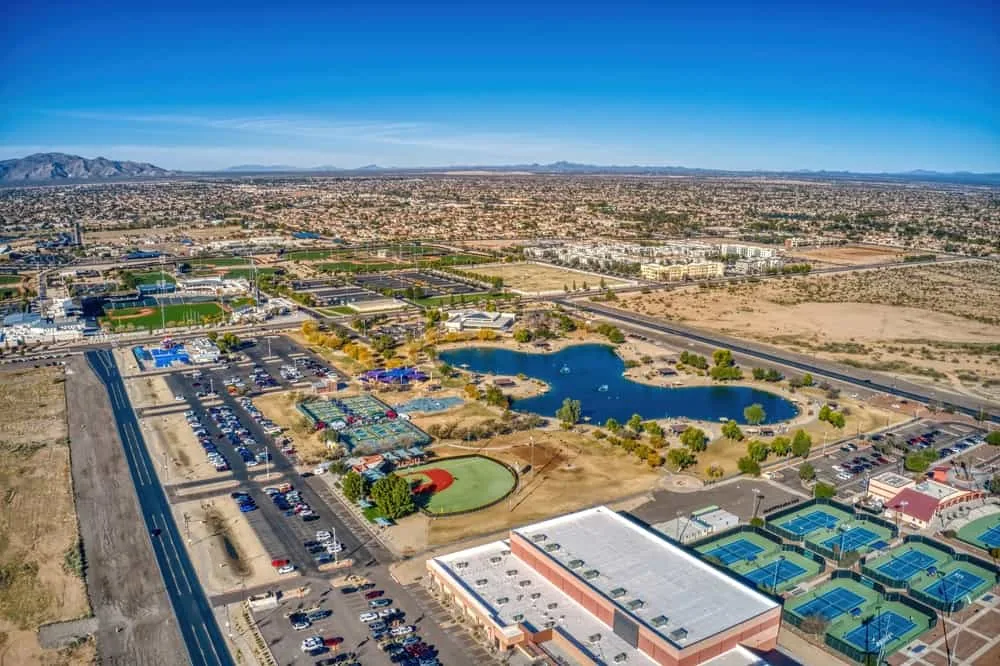
City Center combines civic, retail, healthcare, hotel, and commercial-service uses across several blocks. A commercial roof near the Cactus Road and Loop 303 corridor may serve a different operating pattern than a warehouse roof, so reflective-system planning starts with the building use. A cool-roof scope at either area should account for the actual tenant schedule, rooftop equipment, and service access. We can coordinate a City Center roof walk or a Cactus Road corridor inspection around operations, then mark which roof areas need testing or repair before installation.
Check the project before choosing color
Surprise lists the 2024 International Energy Conservation Code among codes effective in January 2026, with local amendments. Energy-related reroof and alteration requirements should be checked against the actual project scope before specifying a roof surface. The code review may also involve insulation, roof assembly, and equipment changes. We can describe the existing roof and proposed membrane or coating, while the design professional confirms applicable provisions and permit requirements.
A cool roof proposal should state whether it replaces a membrane, restores a sound roof, or covers another system. It should name the preparation, substrate repairs, insulation, edge work, and drain details included. Where coating is being considered, we check compatibility and whether the existing surface can accept the material. If the roof has moisture or unstable attachment, we compare other options rather than assume a reflective finish will solve those conditions.
Keep drainage and equipment in the plan
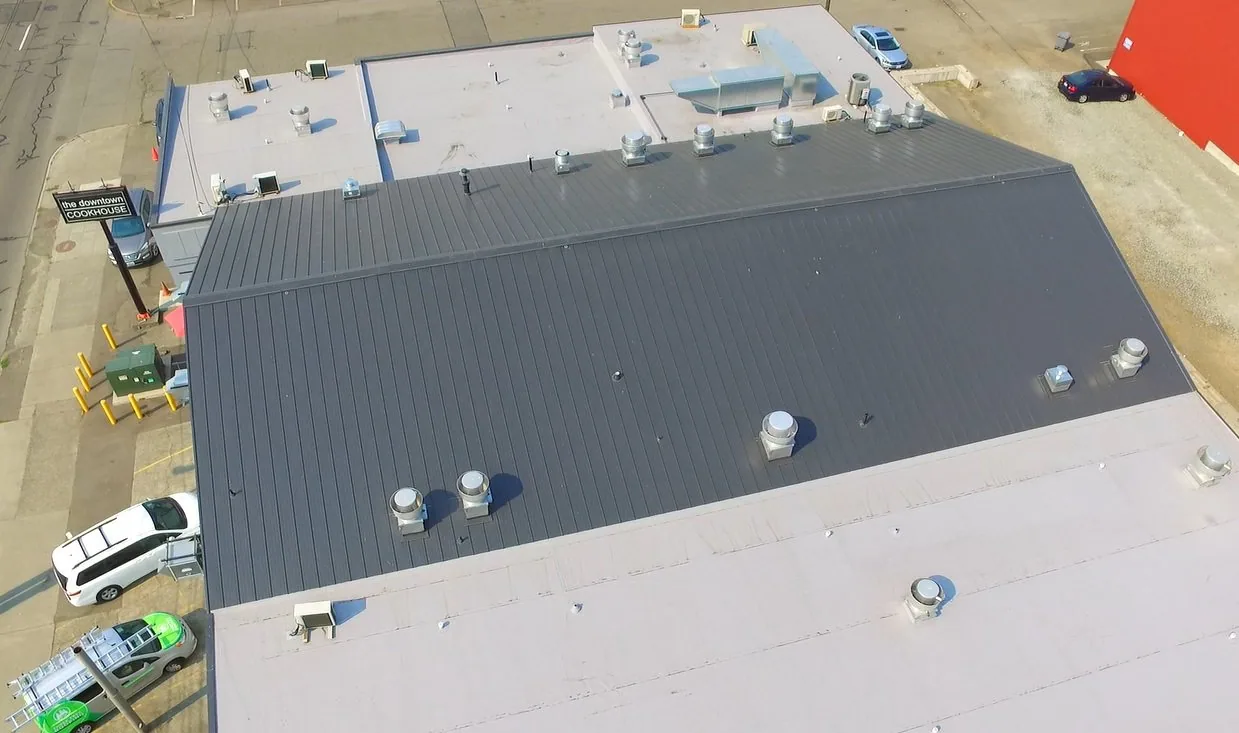
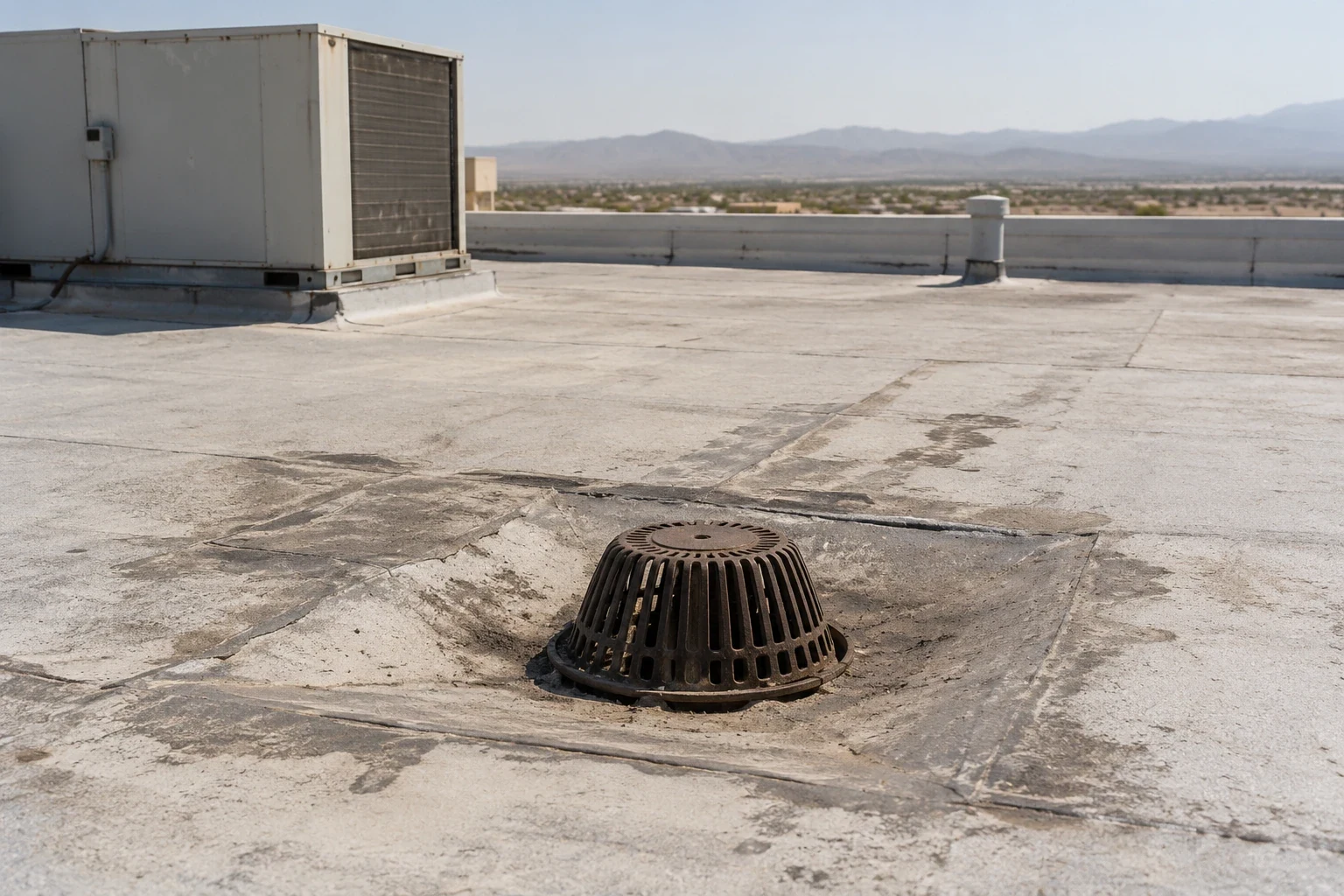
A new surface can change the height at drains, scuppers, curbs, skylights, and perimeter edges. We review those transitions before work begins, including how runoff reaches each outlet and whether equipment needs to be lifted or reset. A reflective membrane installed over an old low area can leave the drainage problem unchanged. The scope should show taper, flashing, roof openings, and any equipment trade so the owner can see how the entire assembly will close.
Summer monsoon storms in the Phoenix area can bring damaging wind, heavy rain, and flash flooding. We plan a weather window, stage materials where they do not block service lanes, and close each opened area before leaving the roof. If heavy rain threatens during installation, the sequence needs temporary protection and a clear stop point. A drainage repair or perimeter detail correction may be part of the same project, but each item should remain visible in the proposal.
Compare performance and roof condition
Before approving a cool-roof system, compare the existing roof's condition, the proposed insulation, the substrate, the repair plan, and the expected disruption. A recover may be possible only if the old assembly is dry, stable, and allowed by the project requirements. A tear-off can reveal hidden damage, while localized repair may preserve a sound system without adding a full new layer. The choice follows inspection evidence rather than a color preference alone.
Cost and timing can change with tear-off depth, moisture removal, curb height, drain adjustment, access for material handling, and any extra energy-code review. A proposal should identify those items and say which concealed conditions could expand the scope. We can show where insulation thickness changes at a parapet or unit curb, and whether a trade must reset equipment. That detail helps the owner compare the reflective surface with the full assembly it sits on.
We document what was inspected, what remains uncertain, and how the proposed system ties into curbs and edges. For ongoing records, a roof condition report can preserve existing conditions, and capital planning can separate an immediate repair from a future replacement. Our written scope lists materials, preparation, drainage work, and access needs. That gives the owner a practical basis for comparing a reflective surface with other roof paths.
Commercial Roofing Questions
Will a reflective roof lower our energy bill by a set amount?
We cannot promise a fixed savings figure from roof color alone. Insulation, HVAC, interior loads, roof area, and building operation all matter. We can inspect the assembly and describe the reflective system being proposed, while the energy analysis should account for the complete building.
Can a cool roof go over a wet or leaking assembly?
Not as a substitute for finding and correcting the problem. We inspect the seams, penetrations, drains, and suspected moisture first. Wet insulation or failed attachment may require removal or repair before a new surface is considered.
Does a reflective coating work on every existing roof?
No. The substrate must be compatible, prepared, and sound enough to accept the coating. We review prior layers, adhesion, moisture, and detail condition, then identify repairs or testing needed. If the roof does not meet those conditions, a membrane or replacement option may fit better.
What should a cool-roof proposal spell out?
It should identify the membrane or coating, surface preparation, insulation, drainage changes, curb and edge details, and any equipment work. We also show whether wet material or structural review is excluded. Those items help the owner compare complete assemblies rather than a surface color alone.
Can the roof stay open during installation?
The work can be phased around the building when access and weather allow. We plan where materials stage, which area can be opened, and how it will be protected before the crew moves. An occupied clinic or retail building needs a schedule that accounts for tenants and rooftop equipment.
Ready to review the roof scope?
Request a Roof Assessment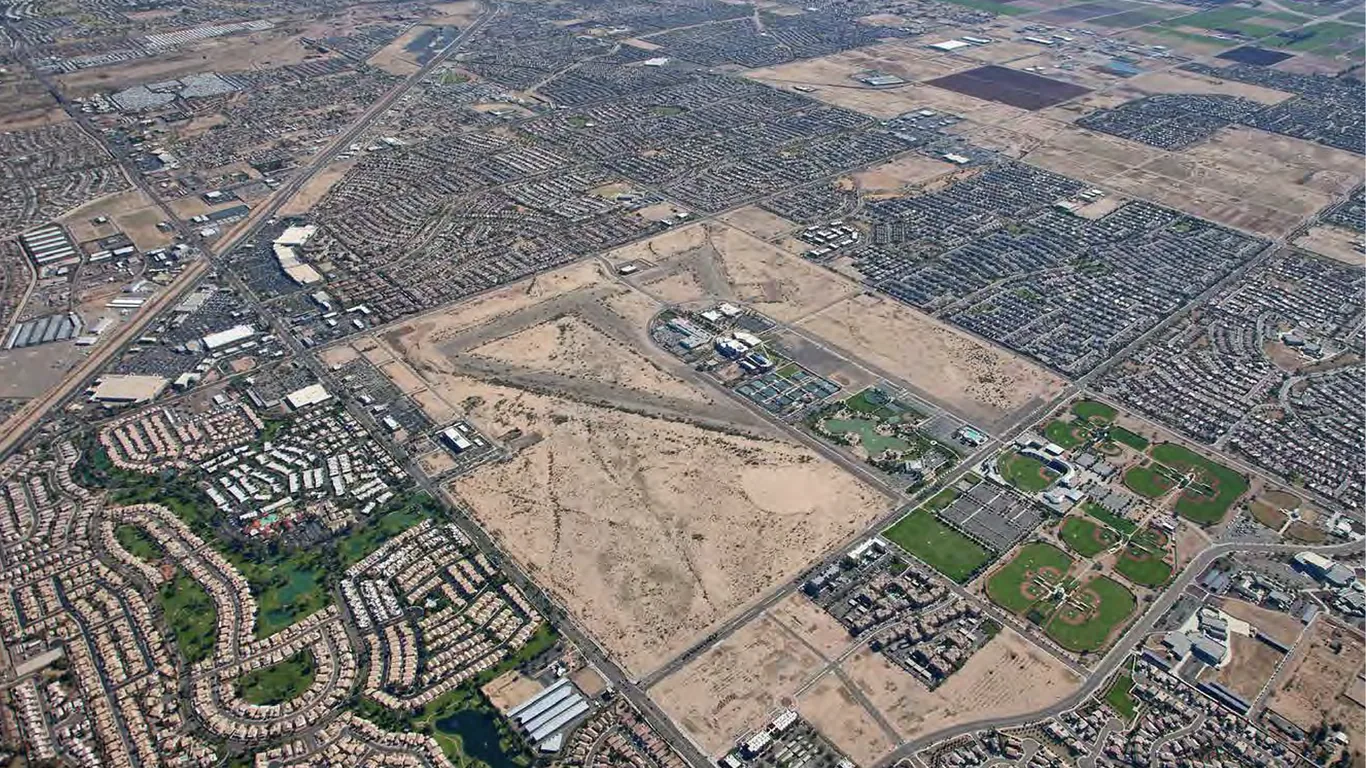
Related Roofing Work
Review the full roof assembly
Share the roof plan, current membrane, energy goals, and equipment schedule. We can inspect the Surprise roof, compare reflective options with the existing layers, and prepare a scope that shows drainage and detail work.