
A commercial roof in Surprise City Center may be considered for solar while the owner is also weighing membrane repair or replacement. The two scopes need to be planned together, because future attachment points, conduit routes, service lanes, and roof access can affect the assembly. We inspect the current membrane, deck information, drainage, and equipment layout before describing a solar-ready roof. The electrical and structural design still belongs to the project team, but roof conditions should be clear before an array is placed.
Check the roof before the array
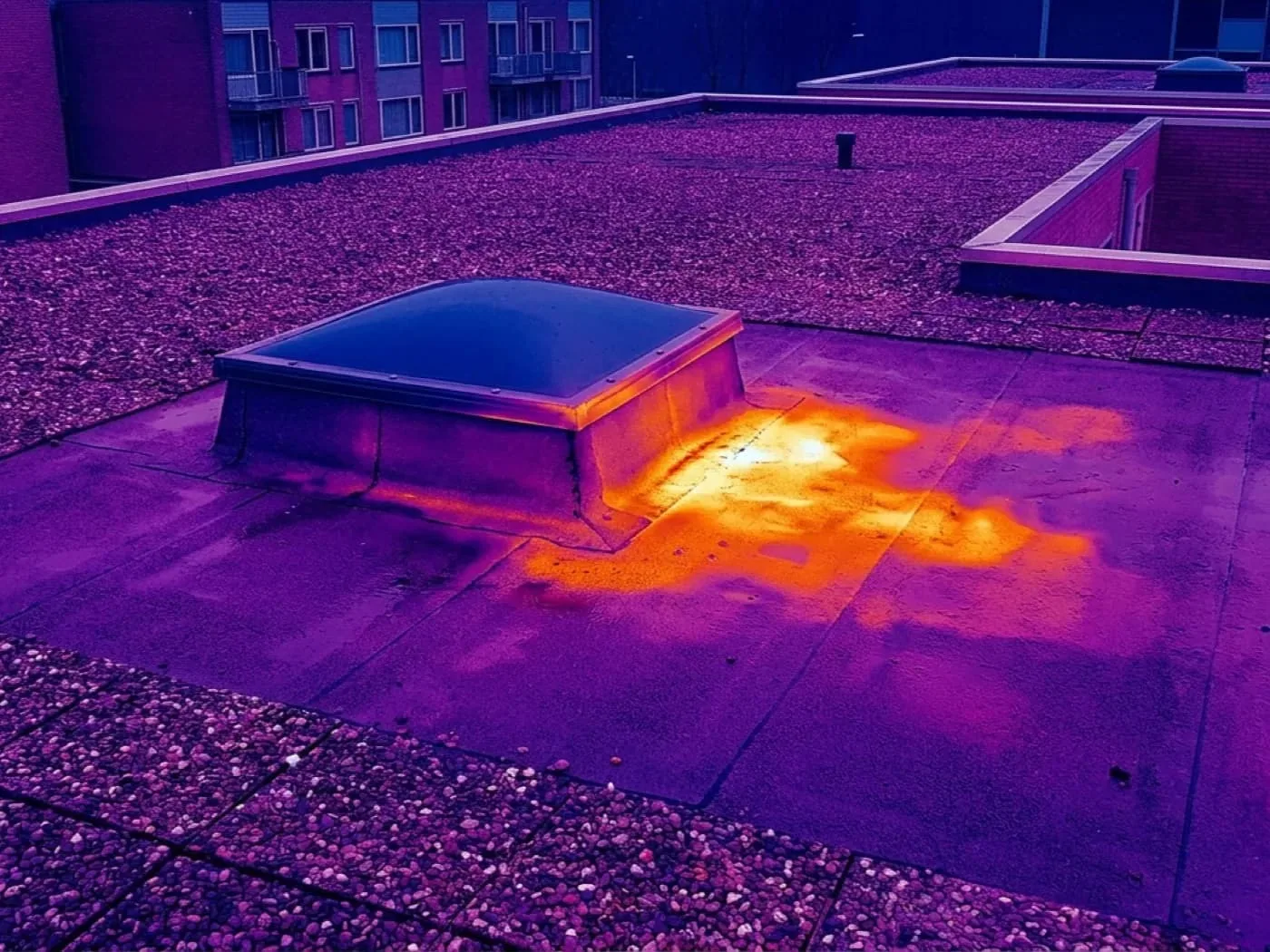
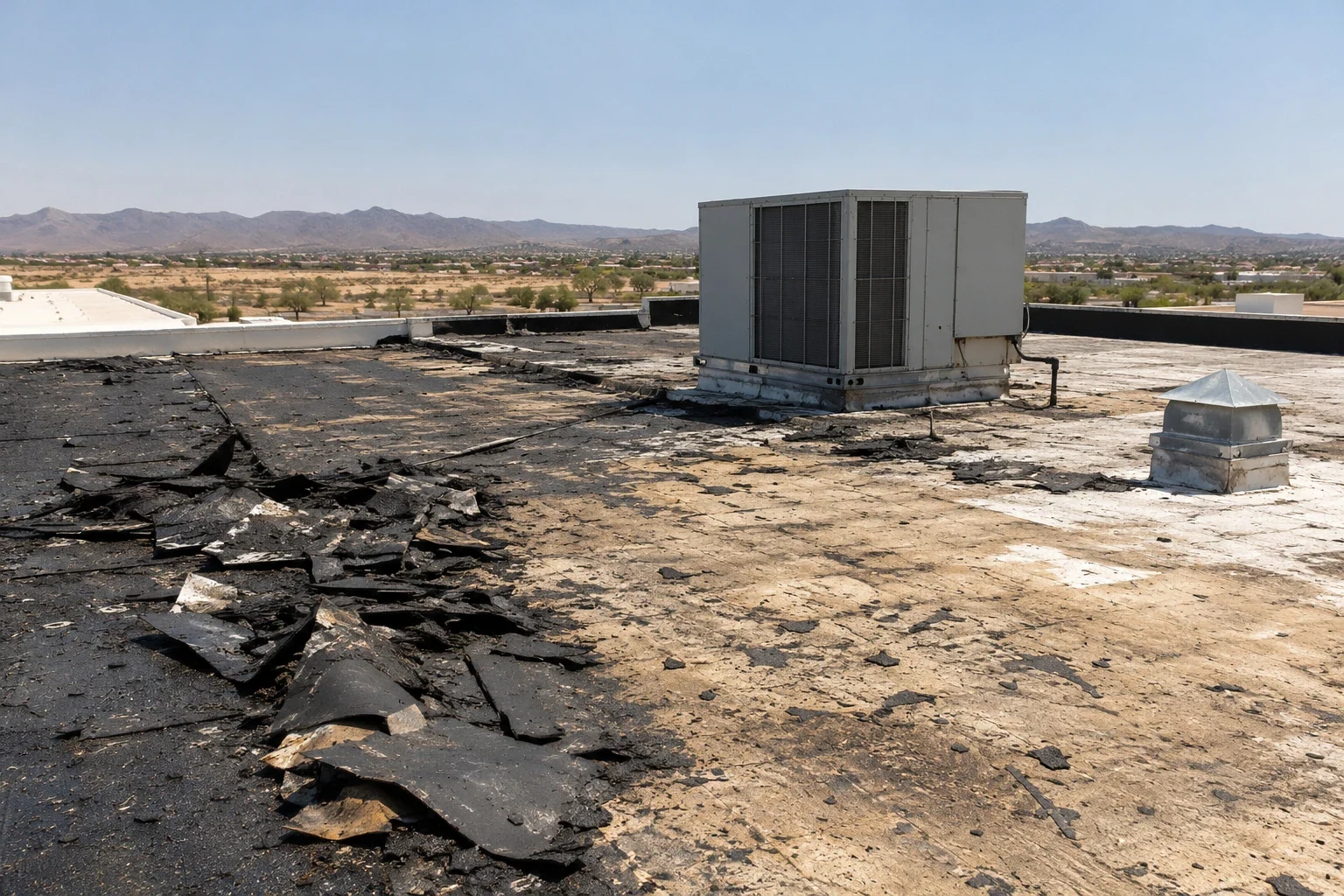
We look for open seams, past patches, wet insulation, soft deck areas, and flashing details that may need attention before solar work. An array can make later roof access more involved, so the owner should know whether the membrane is approaching a repair or replacement decision. We photograph the roof, mark possible work zones, and distinguish a confirmed defect from a location that needs testing. The same walk checks whether drains, curbs, and walk pads can remain serviceable after the layout is set.
The Surprise Railplex includes industrial, distribution, flex-office, and warehouse uses across a broad planning area. Long roof runs may offer array space, but that does not establish deck capacity or clear every structural question. We can prepare a roof inspection record and, where moisture is suspected, use infrared screening to identify areas for confirmation. A structural professional must determine the loads and attachment design before installation.
Choose the sequence with the membrane
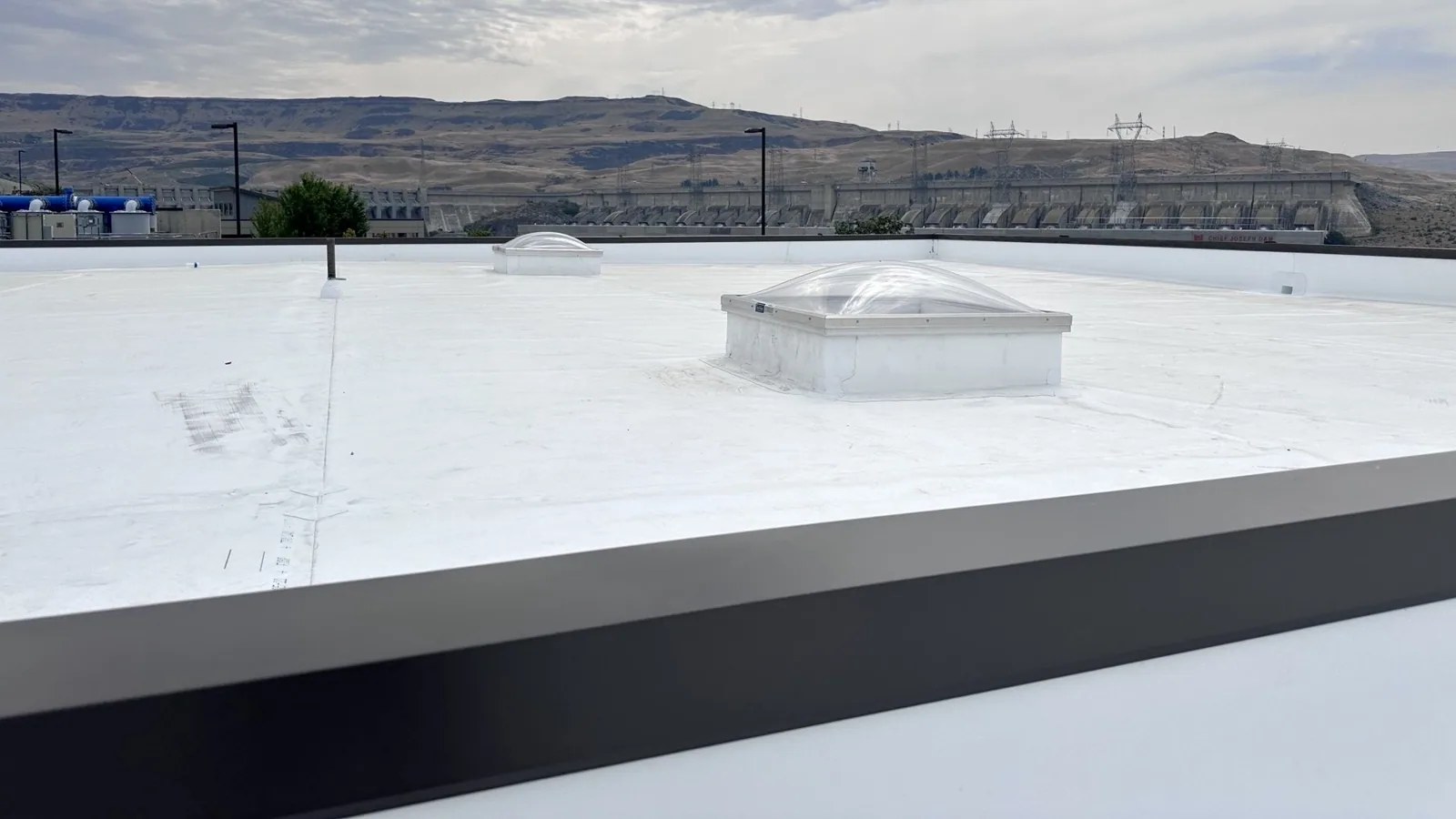
If a roof needs replacement, installing solar first can require removal and reset later. Replacing the membrane first may let the roof and array scopes share access planning, but the best sequence depends on the roof's condition, the solar design, and operating schedule. We identify whether the existing assembly can remain, whether a recover is allowed, or whether tear-off is needed to reach dry material and sound deck. The scope should state which party protects the roof while the array contractor works.
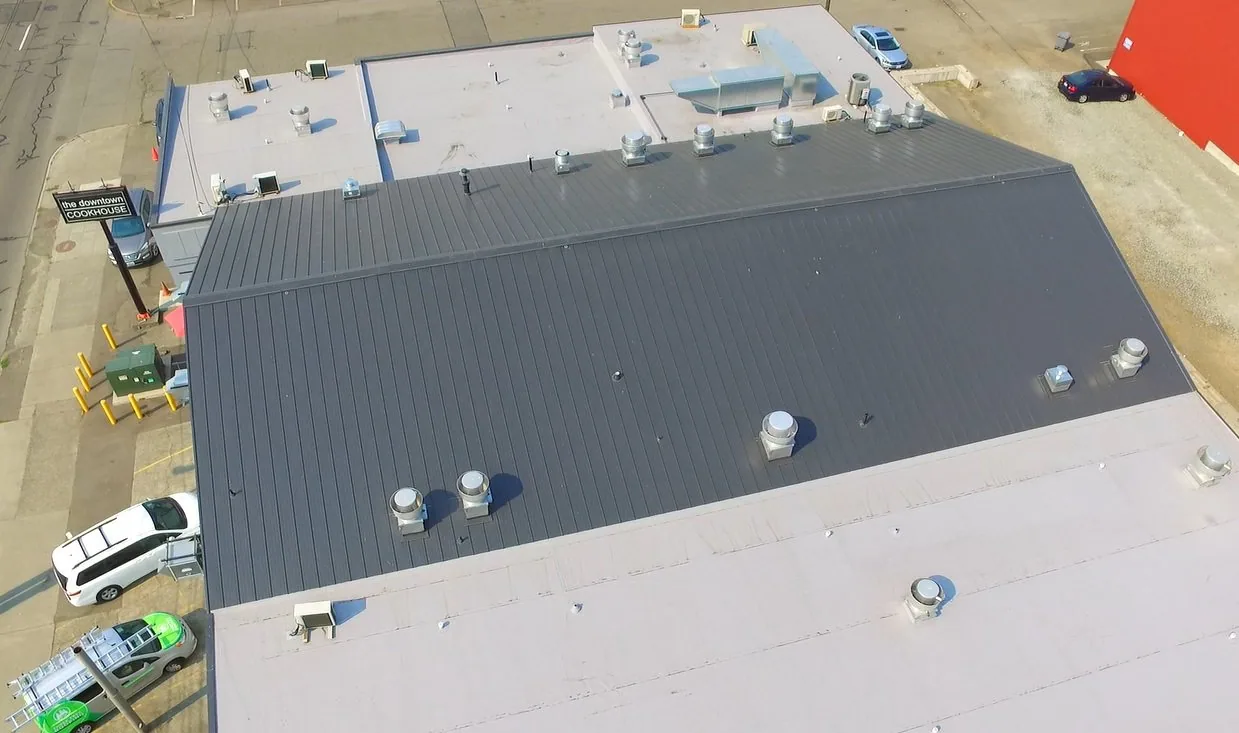
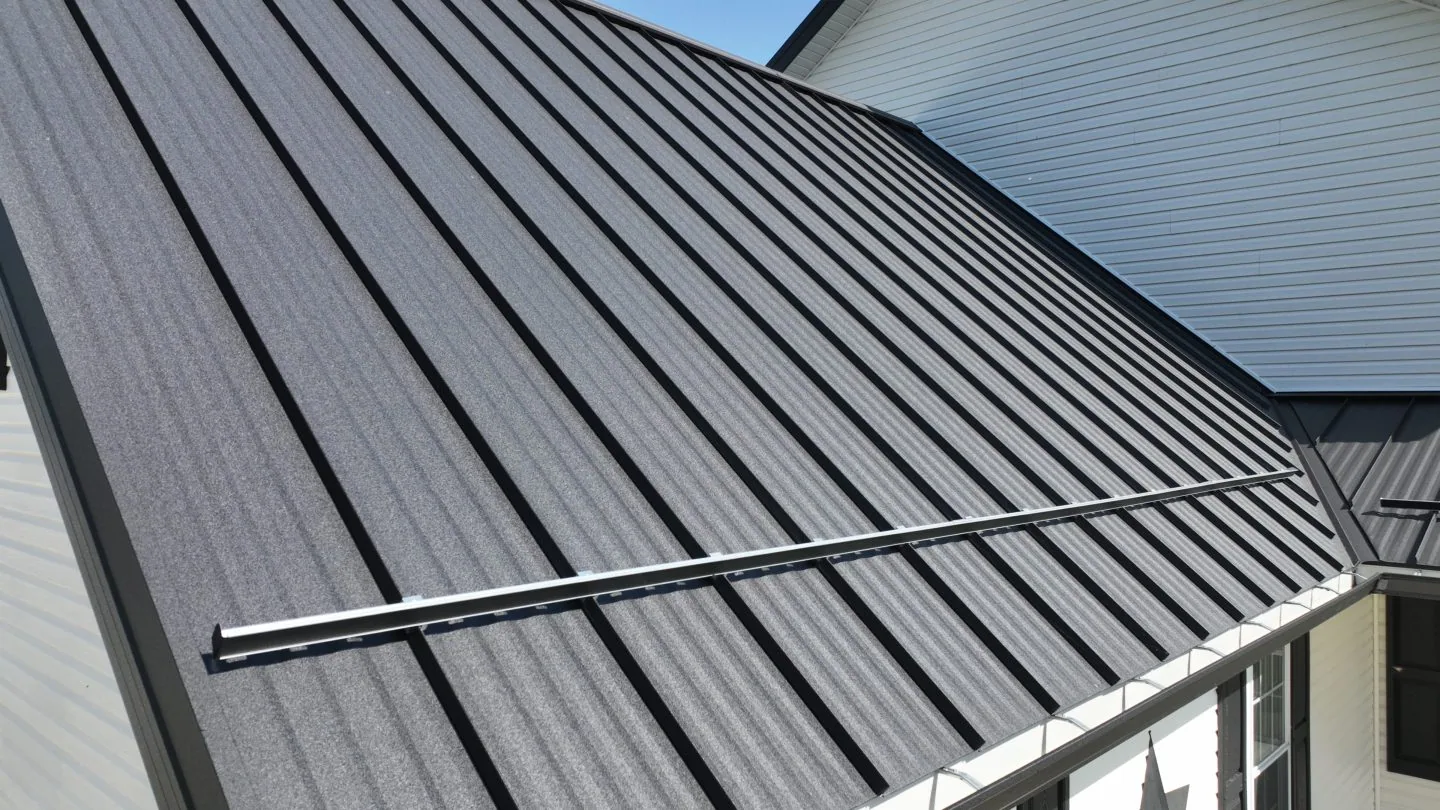
Attachment may use penetrations, ballast, or another engineered detail depending on the design and roof system. Each option has consequences for membrane loading, movement, and future repair access. We coordinate around a layout from the solar team rather than set attachment locations from a roof walk alone. For a membrane comparison, TPO roof assembly details or standing seam attachment options can be reviewed with the design team, while a replacement scope can preserve the chosen roof-to-array boundary.
When the membrane replacement and photovoltaic work are budgeted in different years, record how the planned attachment method affects roof warranty terms and later access. The owner can then decide whether to replace first, repair and monitor, or coordinate both scopes in one construction window. We identify the roofing items that need closure before the solar installer takes over, without setting design criteria for the array itself.
Heat, drainage, and service access
Phoenix Sky Harbor's July normal mean is about 95.5 degrees, a Phoenix-metro reference rather than a Surprise building measurement. The hot low-desert setting makes roof-surface condition and equipment clearances worth including in the planning walk. Monsoon thunderstorms in the Phoenix area can bring damaging wind and heavy rain, so an array layout should not block a drain path or prevent inspection of edge details. Those regional conditions guide the review; they do not establish whether a particular building is suitable for solar.
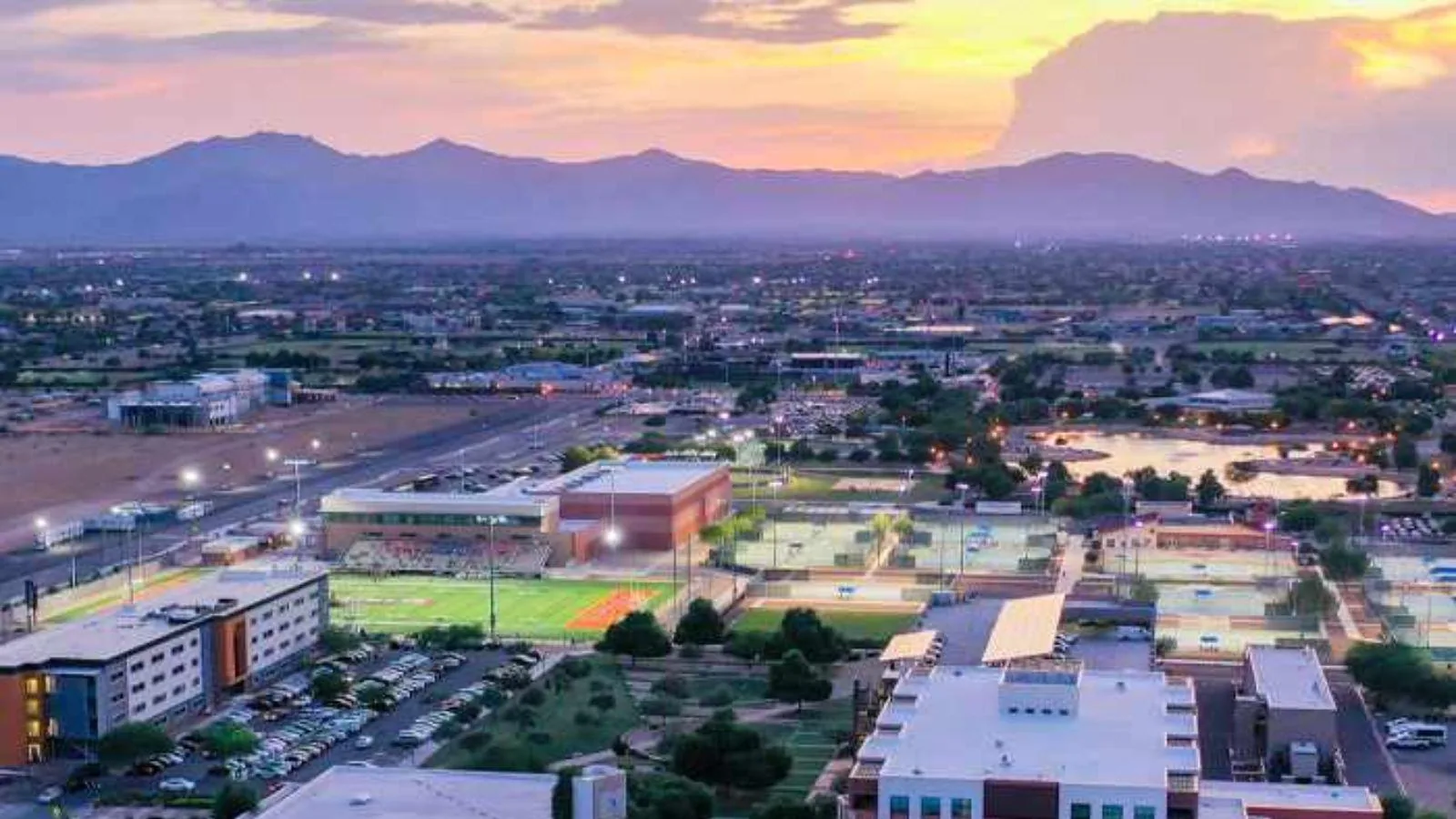
City Center has civic, retail, healthcare, hotel, and commercial-service uses across multiple blocks. At a roof supporting those operations, deliveries, tenant access, and rooftop equipment may set limits on where materials or array components can stage. We coordinate a roof route with the facility contact and identify drains, fire lanes, and service points that need to stay accessible. A City Center roof walk can mark those constraints before drawings are finalized. For an industrial project, Railplex roof access planning should account for the building's own freight movements.
Keep permit and electrical review in view
Surprise's adopted 2024 International Building Code, Existing Building Code, Fire Code, and 2023 National Electrical Code took effect in January 2026 with local amendments. A rooftop solar project can touch structural, electrical, fire, and roof alteration requirements, so the design team should confirm the applicable path before equipment is ordered. We can describe the roof assembly and membrane work; the electrical designer and structural professional address array-specific design and permit details.
The handoff between trades matters at each penetration, conduit support, and access path. The solar installer should identify who seals a roof opening, who checks the membrane after attachment, and how a future repair can be reached beneath or around the array. We keep those items in the scope rather than leaving them as a verbal assumption. If the roof is not ready, insulation and cover-board work or a restoration review may be needed before the array moves forward.
Document the roof-to-array boundary
A useful closeout includes the roof areas installed, membrane details around attachments, drain access, photo locations, and any roof condition that remains outside the solar scope. We can mark the transition between roofing work and array work so a later leak report has a clear starting point. The owner should keep the roof plan, solar drawings, and final repair notes together. That makes a future maintenance visit easier even after equipment and wiring are in place.
Where a roof will support a multi-year energy project, a condition report with roof photos can preserve the pre-array condition. Capital planning can also show when roof replacement should happen relative to the solar installation. The decision follows the deck, membrane, access, and project schedule, not just the array footprint. We can coordinate the roof walk with the general contractor and leave the owner with a written scope for the roof work that is ours to perform. The final record belongs with the maintenance file.
Commercial Roofing Questions
Should we replace the roof before adding solar?
That depends on the membrane condition, concealed moisture, and the planned service life of the array. We inspect the roof and document repair or replacement needs before the solar layout is fixed. If a tear-off is likely, sequencing the roof first can avoid a later removal and reset.
Can panels be attached through a commercial roof?
Some systems use penetrations, while others may use ballast or a designed interface. The solar and structural teams select the attachment for the building. We review how each roof opening will be flashed, inspected, and repaired, and confirm which trade owns that detail before work begins.
Will a solar array block roof drains or walk paths?
The layout should keep drains, service routes, and equipment access usable. We compare the roof plan with the array drawings and flag a blocked outlet or crowded curb before installation. The owner can then revise the layout or approve a separate roof change.
Who is responsible if the roof leaks after installation?
The project should define responsibility for each membrane opening, attachment, and later repair. We document our roofing work and its boundary, while the solar installer records its equipment and electrical scope. Clear photos and drawings help identify which detail needs attention if water appears later.
What local approvals should the solar team check?
Confirm Surprise's current building, fire, energy, and electrical requirements with local amendments, along with structural review for the proposed array. We can describe existing roof layers and planned membrane work, but the designers determine the applicable code and permit documents.
Ready to review the roof scope?
Request a Roof Assessment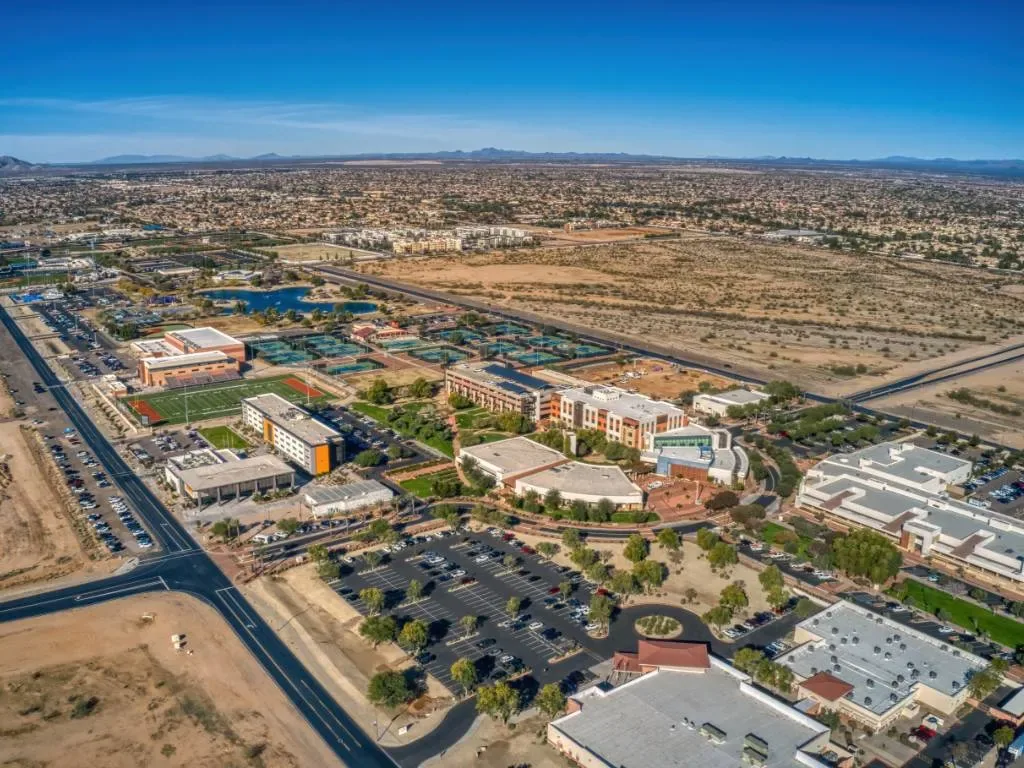
Related Roofing Work
Coordinate roof and solar scopes
Share the roof plan, solar layout, equipment list, and project schedule. We can inspect the Surprise assembly, mark roof access and drainage constraints, and prepare the membrane scope before array work is scheduled.