A buyer reviewing a commercial property in Surprise, AZ needs to know which roof statements are supported by a walk and which still rest on a seller file. We inspect accessible roof areas, identify the assembly where it can be confirmed, map visible defects and flag concealed conditions that need testing. The result is a practical roof view for acquisition or refinancing, not a guess at remaining life. Surprise's industrial, retail, medical, civic and service buildings have different access and operating needs, so each roof gets its own record and repair boundary.
Define what the survey can establish
Before the walk, confirm which buildings, roof sections, interiors and records are included. A due-diligence survey should state access limitations and identify areas that were not inspected. We review available plans, repair invoices, prior reports and warranty documents, then compare those records with the roof. A drawing can show an intended assembly; it does not prove what was installed or whether concealed insulation is dry today.
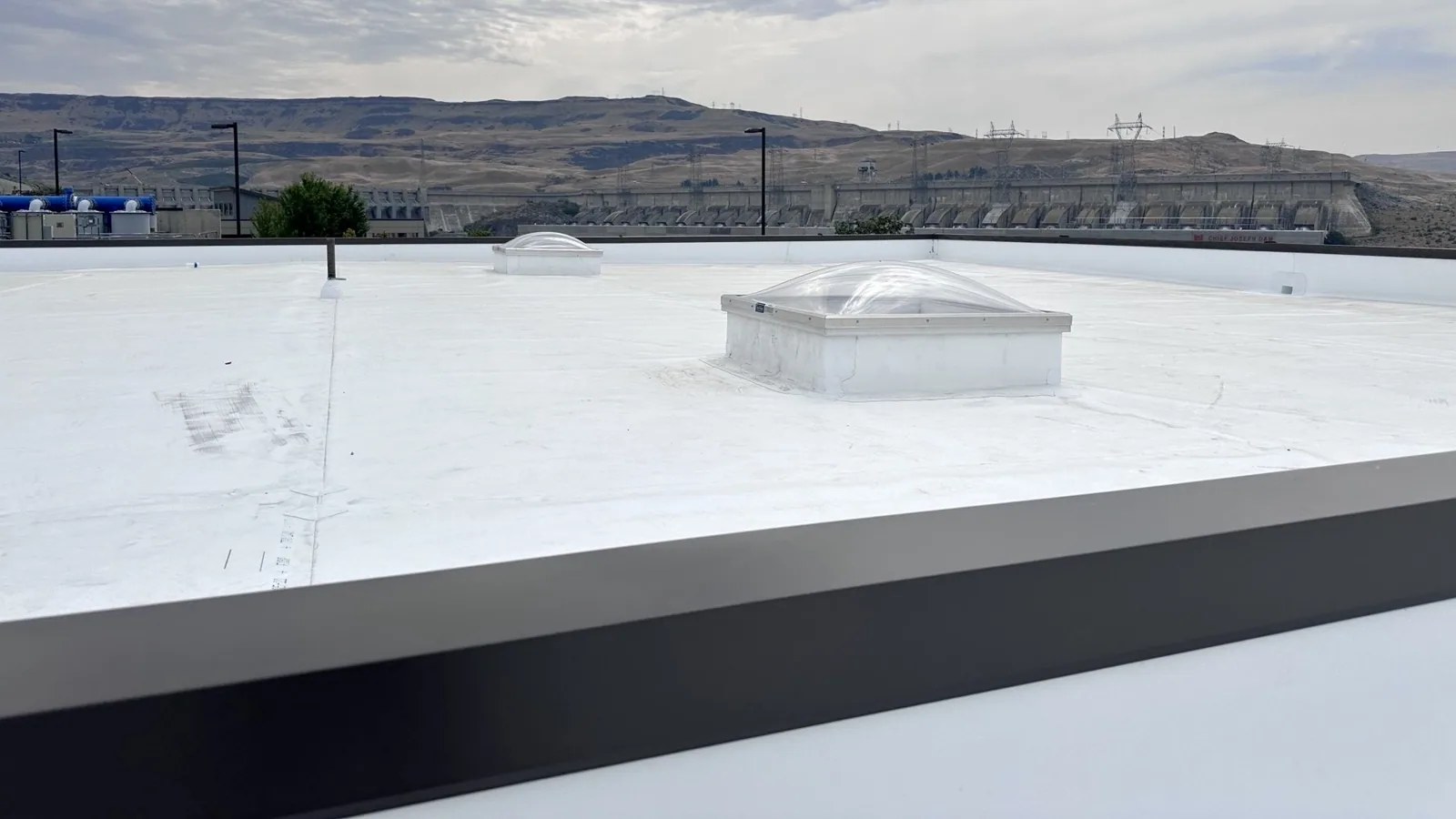
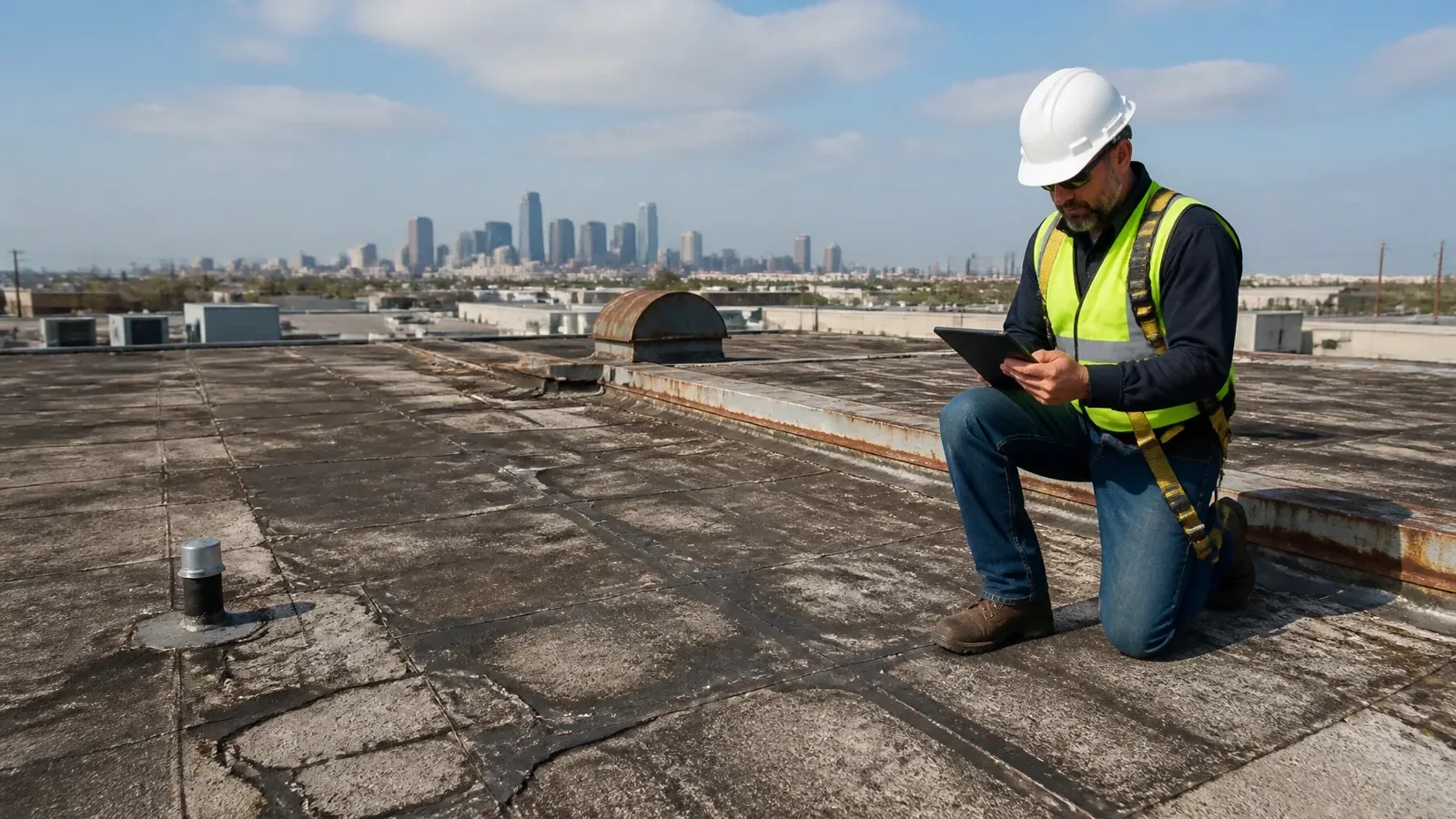
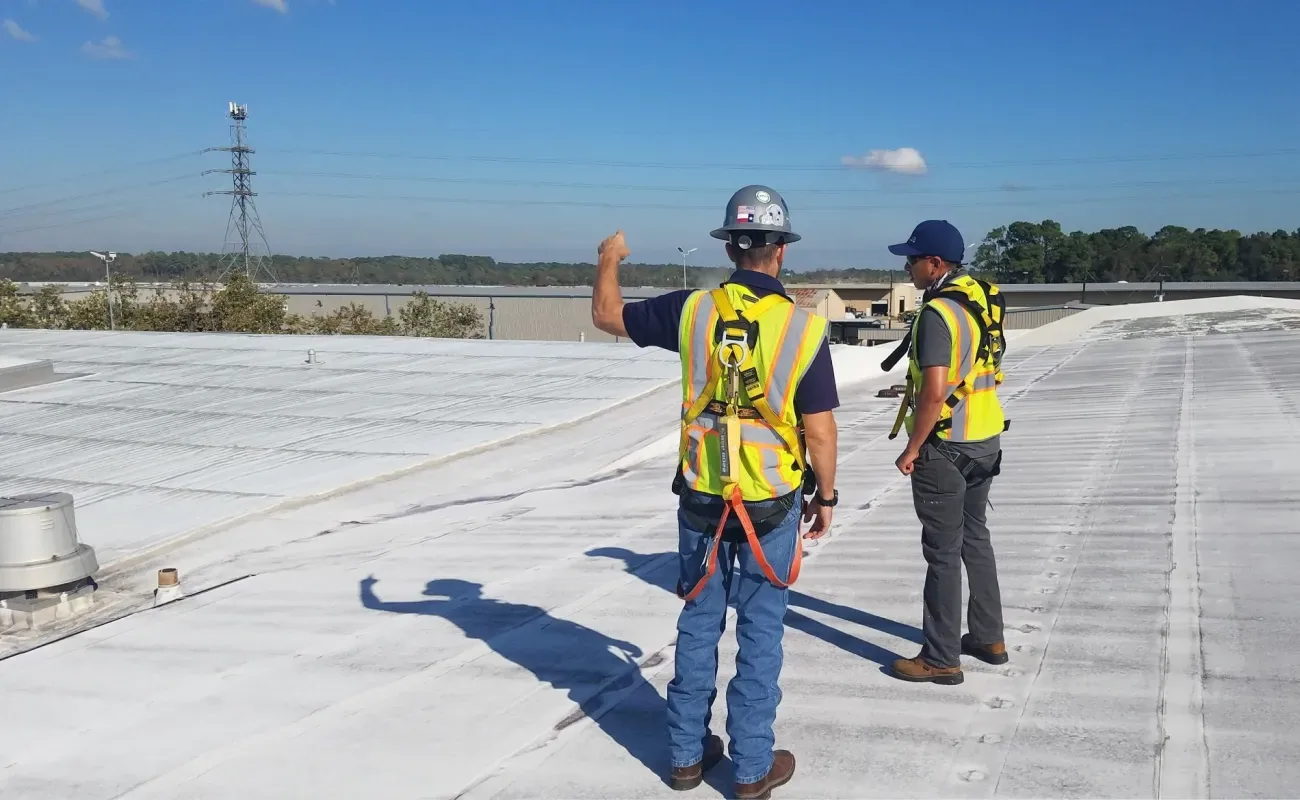
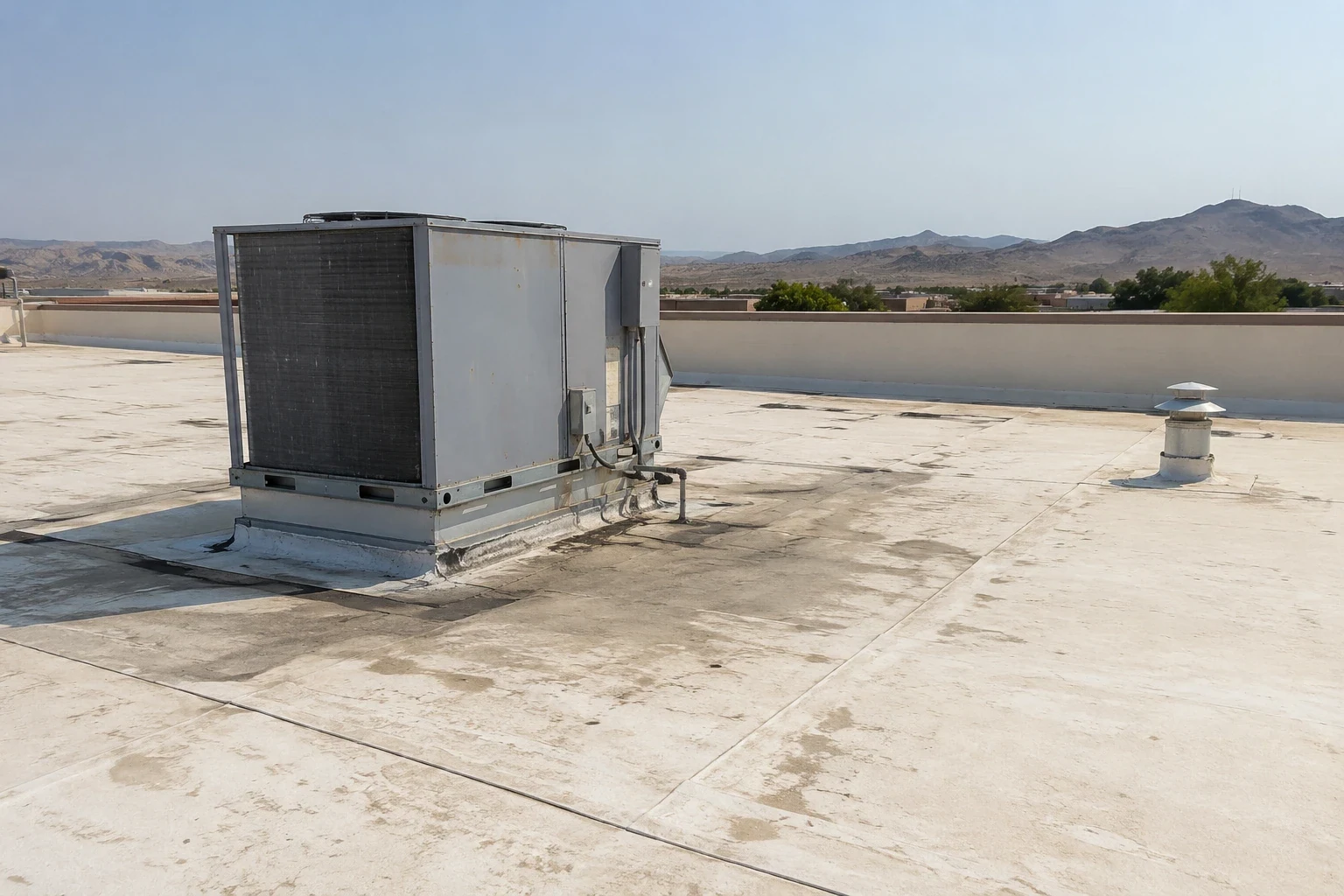
We mark roof zones and photograph seams, flashing, drains, edge metal, penetrations, equipment curbs and visible patches. If there are leak reports, we compare interior marks with slopes and roof details without assuming the entry point sits above the ceiling stain. Moisture scans and test cuts may help when surface conditions cannot settle the question. The inspection scope should say which methods were used and what remains uncertain.
The property's setting can matter to inspection planning. Surprise City Center has civic, retail, restaurant, healthcare, hotel and commercial-service uses across a square-mile district, while the Surprise Railplex is a broad industrial area with freight-oriented development. A buyer reviewing either area may need tenant coordination, loading access and equipment contacts arranged before the roof walk. Those area characteristics do not establish the age, use or condition of any specific building; our report keeps those questions tied to the property records and field observations.
Mark defects and open investigations
Findings should distinguish immediate water entry, maintenance needs and conditions that may change the capital scope. We describe the location, apparent extent, material and next action for each item. An open lap at a curb is different from an isolated worn patch or a suspected wet area beneath an intact sheet. We state whether a moisture condition was confirmed, whether the deck was visible and whether additional access is needed. That gives the buyer's team a repair list they can use without representing an untested area as a known quantity.
Long summer heat in the Phoenix region can make membrane, sealant and flashing condition worth checking; monsoon storms can bring wind and heavy rain across the metro. Neither regional condition proves damage at the property. We record observed splits, displaced metal, open transitions, blocked drainage and interior water evidence. If the property is near a growth corridor such as Loop 303, project staging and future site work may also need coordination, but transport plans are not evidence about the roof itself.
Where multiple roofs are involved, keep a separate plan and condition summary for each building. A photo-based condition report can tie findings to a location and test result, while a roof register can preserve the records after closing. If the seller's file identifies a particular EPDM system, we verify that identification in the field where possible rather than infer it from color or an old proposal.
Frame repair and capital exposure
Cost exposure depends on more than the visible defect. Roof area, access, number of layers, insulation moisture, deck repairs, edge detail, equipment relocation and interior protection can change the scope. We distinguish priced repair work from allowances that depend on opening the roof or coordinating another trade. If the buyer needs a quick transaction decision, prioritize active leaks and safety concerns, then list investigations that can materially change repair or replacement quantities.
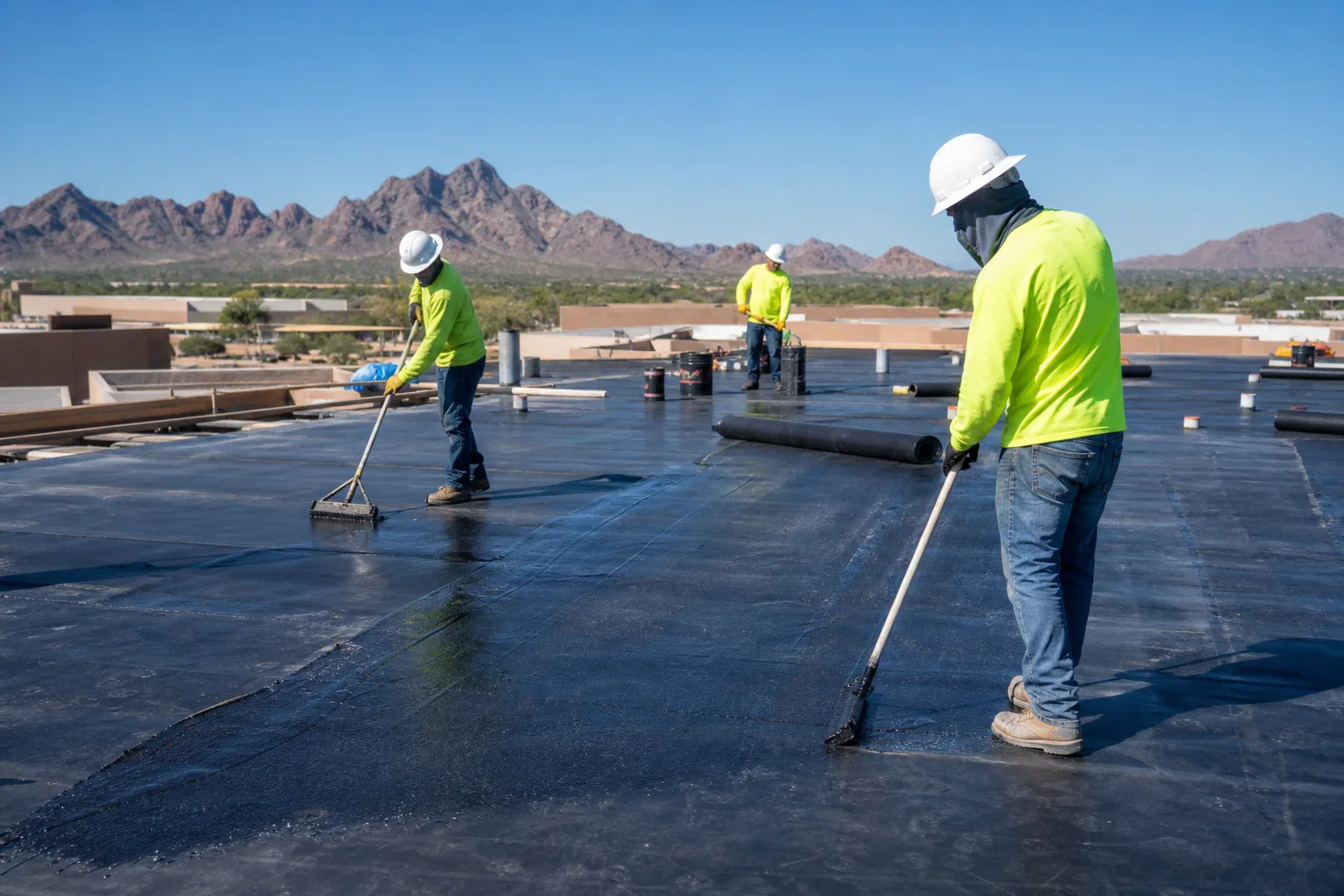
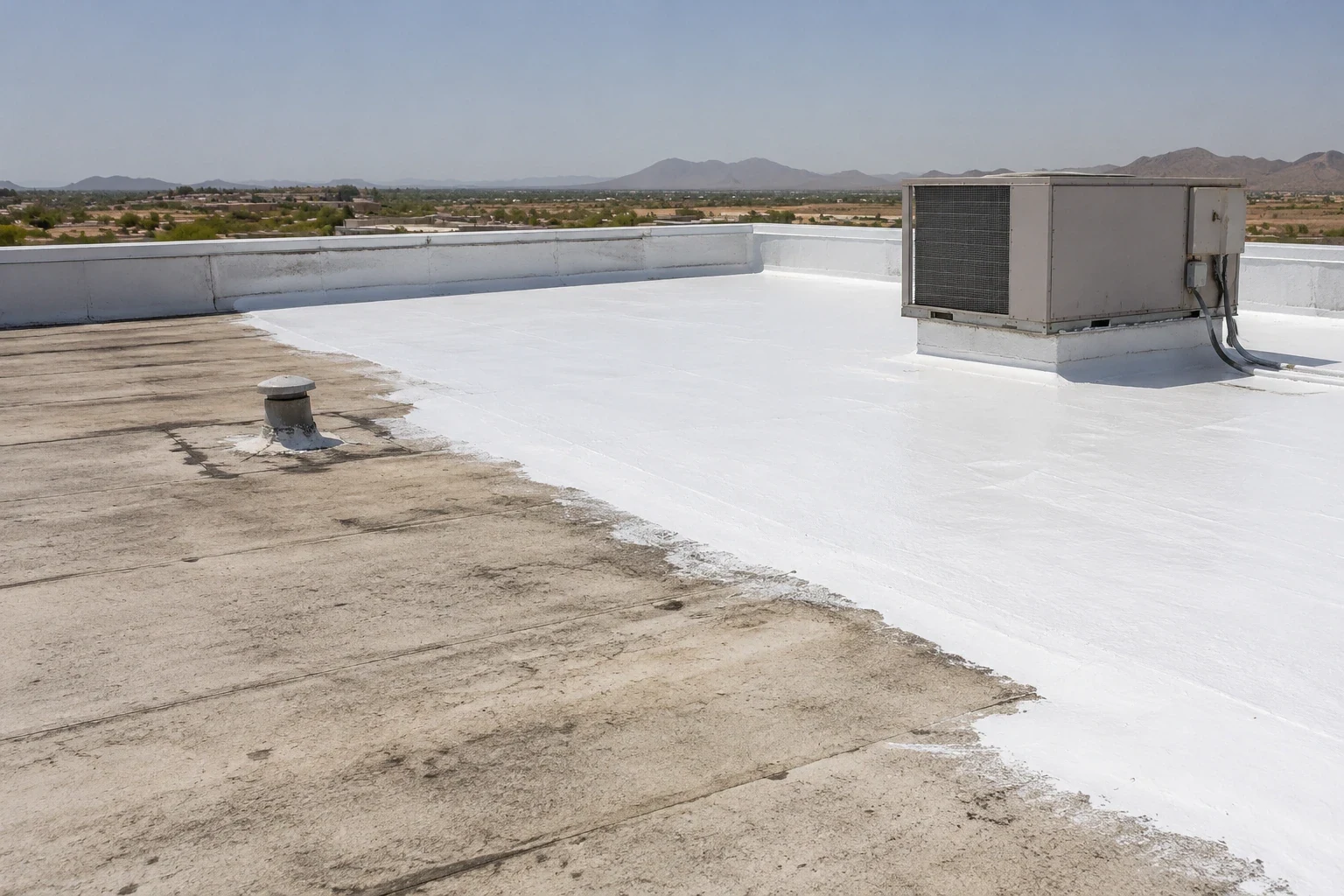
A recover may be possible only if the existing assembly is dry and stable, the layers and drainage can accept another system, and the design review supports it. Tear-off provides a view of concealed conditions but affects debris handling and the property's operation. Restoration has its own limits: surface preparation, adhesion, moisture and terminations have to be suitable. We can compare those paths in a capital planning note and identify assumptions the buyer should test before relying on a forecast.
Surprise adopted the 2024 International Building Code and Existing Building Code effective January 1, 2026, with local amendments. A change to insulation or roof layers may require a project-specific permit review; energy requirements can also apply. We describe the observed assembly and potential scope for the design team, while the buyer confirms code and permit requirements. The survey does not replace legal, structural or environmental due diligence.
Give the transaction team a usable record
A strong handoff contains the roof plan, dated photographs, finding list, test locations, records reviewed, access limits and recommended next steps. Keep immediate repair separate from an optional replacement evaluation, and show what evidence would change each recommendation. If a seller authorizes a repair during escrow, document the area before and after, then identify any nearby conditions left outside the scope. That lets the new owner compare the finished work with the survey instead of treating a paid invoice as proof that an entire roof was corrected.
For a refinance, lenders and asset managers may need the same clear distinction between current maintenance and future capital work. We can review warranty documents and maintenance history, but the issuer confirms coverage. If a system condition needs more testing, state the test, access requirement and expected effect on the scope. The warranty file review can organize applicable records without promising a coverage result. Keep the financial model with the buyer; our role is to document roof conditions and work options.
We can walk the property with the general contractor, buyer's representative or facilities lead and prepare a written survey for the decision date. Emergency roof response is available around the clock if an active opening needs protection before closing. For buildings near Loop 303 or City Center, coordinate gate access, loading paths, tenants and rooftop equipment before the inspection. Send the available plans, leak history and safe-access requirements; we will identify what the roof shows and what still needs confirmation.
Commercial Roofing Questions
Does a survey estimate a roof's remaining life?
We can describe visible condition, repair history and items that may affect timing, but concealed layers or untested moisture can change the picture. The report states its limits instead of assigning a precise life from appearance alone.
Can you inspect every roof area before closing?
That depends on safe access, tenant schedules, equipment and the transaction window. We identify areas reached and list blocked locations with the access or test needed to return.
What records should the seller provide?
Roof plans, prior inspections, repair invoices, leak logs, warranty documents and equipment changes help us compare the file with the roof. Missing records remain open questions, not verified conditions.
How do you handle a suspected wet area?
We map the indication and recommend verification suited to the roof assembly, which may include test cuts. Until confirmed, the report keeps it separate from measured wet insulation or known deck damage.
Can the report recommend a repair before closing?
Yes, when the defect and repair boundary are clear. We separate urgent protection, defined repair and broader capital options so the transaction team can assign each item to the right decision.
Ready to review the roof scope?
Request a Roof Assessment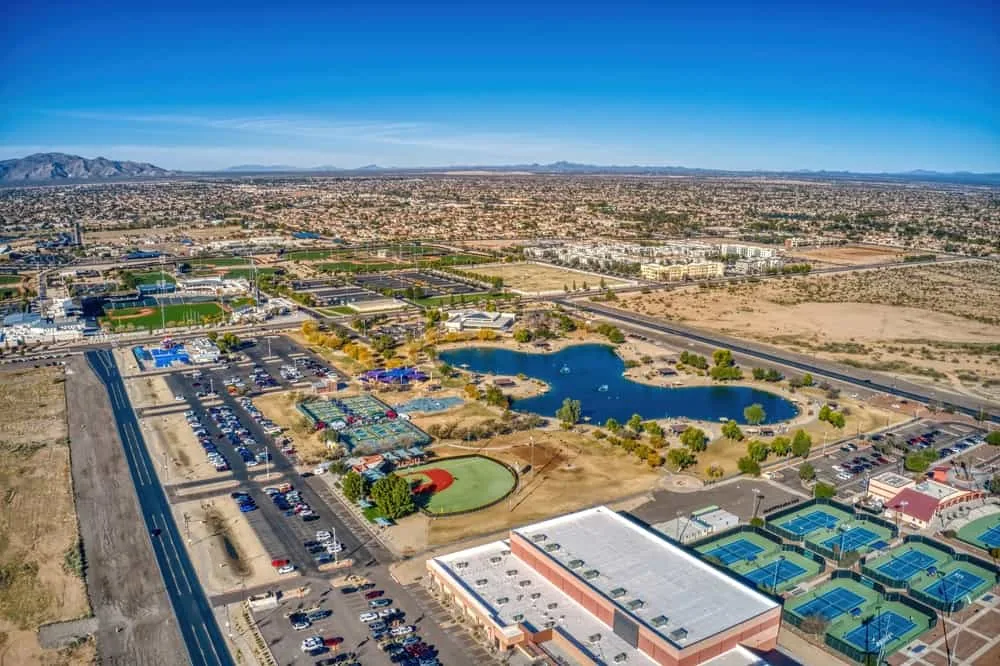
Related Roofing Work
Schedule a roof survey for the decision date
Share the property list, plans, transaction timeline, leak records and access limits. We can inspect the roof areas available, document findings and identify any test that could change the scope.