A warranty file for a commercial roof in Surprise, AZ is only useful when the owner can connect its terms to the roof that is in place. The membrane, flashing, repairs, maintenance visits and equipment changes all matter. We help organize the available documents, inspect visible conditions and record work without assuming that a repair is covered or that a document applies to every roof area. The city's portfolios include industrial, retail, medical, civic and service properties, where access and rooftop work can change as tenants and equipment change. A clean record helps the project lead protect the roof and ask the manufacturer the right question.
Match records to the installed assembly
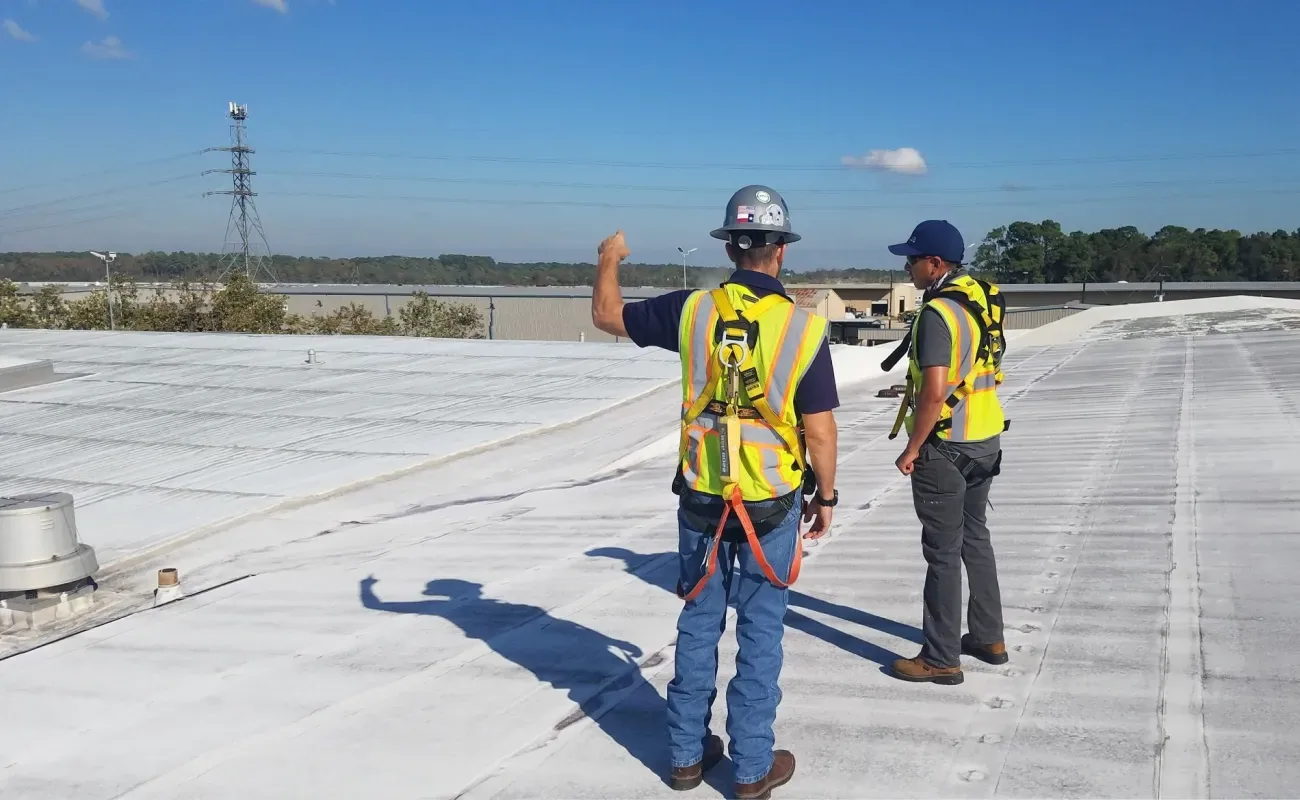
Begin with the original warranty, closeout documents, system description, roof plan and any amendments. Compare those records with what is visible on the building: membrane type, edge details, drains, curbs, penetrations and repair materials. If the roof has been altered or a prior contractor applied a coating, preserve the fact of that work and identify the area. Do not treat a product label or old proposal as proof that the current assembly still matches the original specification.
A roof register can show which documents apply to each building and section. For a portfolio that crosses Surprise City Center and the Railplex, separate files help avoid mixing a retail building's service record with an industrial property's assembly. City Center's civic, health-care, hotel and retail uses may have different operating limits; the Railplex includes freight-oriented industrial and distribution uses where equipment access and loading routes affect inspection. The asset register can link each warranty file to the section labels on the roof plan.
We note the document issuer, covered area, stated conditions and any inspection or maintenance requirements that appear in the file. We do not infer a warranty length or coverage from a system name. If a term is unclear, the owner can request confirmation from the manufacturer or issuing party. A manufacturer-specific system review can help identify the product family and the records needed before a warranty question is sent.
Keep service work compatible and recorded
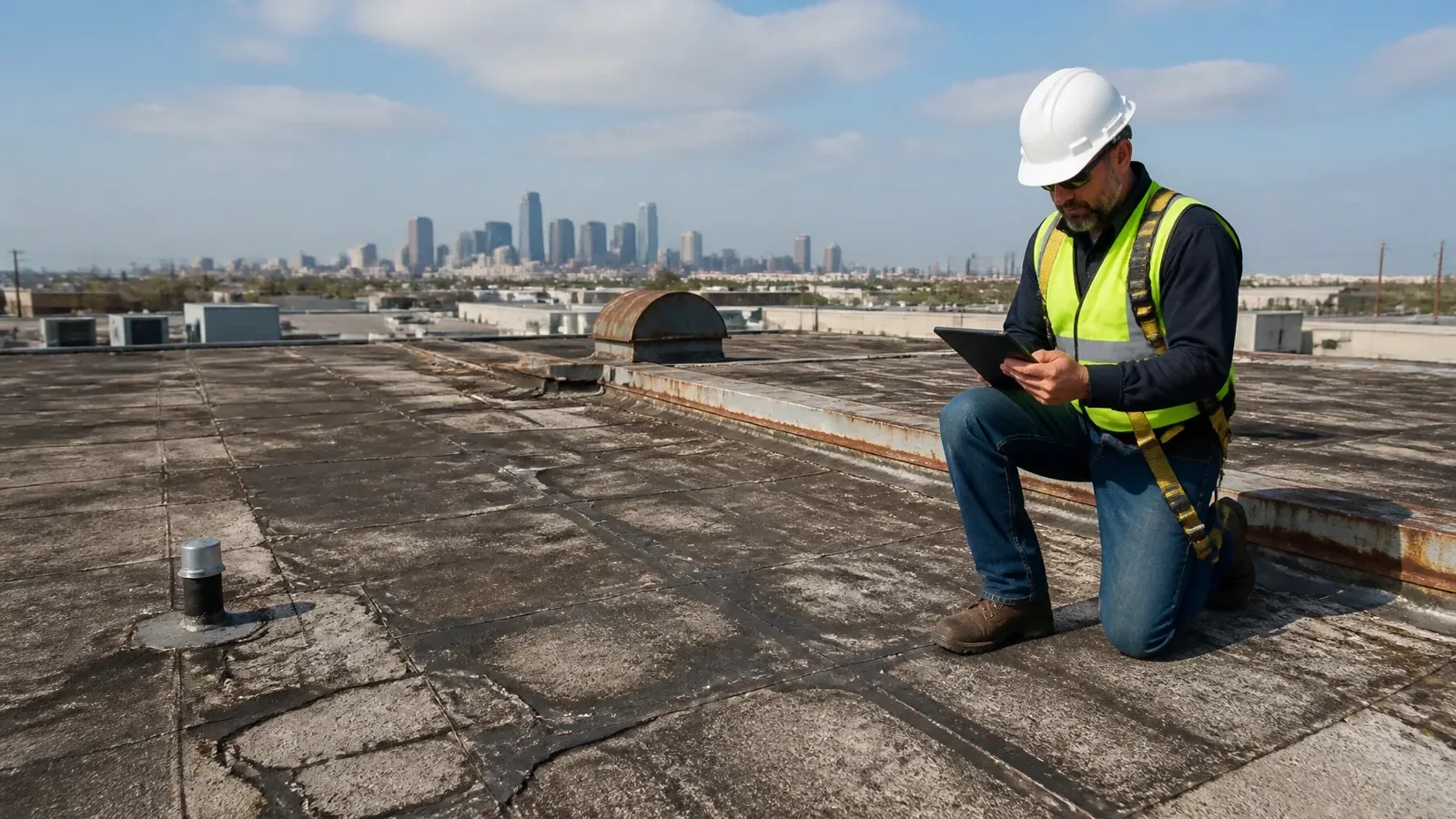
Routine maintenance should leave a record of what was inspected and what was corrected. We check drains, seams, flashing, edge metal, sealants and equipment openings, then document debris removal, compatible repair materials and areas not reached. A broad note that maintenance was completed is less useful than a location, photo and specific action. If an HVAC or solar trade works on the roof, record the path, equipment changes and any opening that was resealed.
Surprise's long summer heat and Phoenix-area monsoon conditions make exposed membrane, sealants, roof edges and drainage details practical points to review. The regional climate does not tell us whether a warranty applies or whether a roof has suffered damage. We document actual conditions and keep a reported storm separate from the inspection findings. If a repair may affect coverage, capture its location and materials before proceeding and route the question to the manufacturer or warranty issuer.
Warranty paperwork may call for inspection, approved repairs or notice before certain work. We can read the maintenance and repair provisions with the owner, then help identify the field information needed for a call. A maintenance visit can record visible conditions, and a condition report can preserve photos and open items. We do not promise that a claim or repair will be accepted. We provide a clear roof record so the decision-maker can make that request with relevant facts.
Review changes before the roof is altered
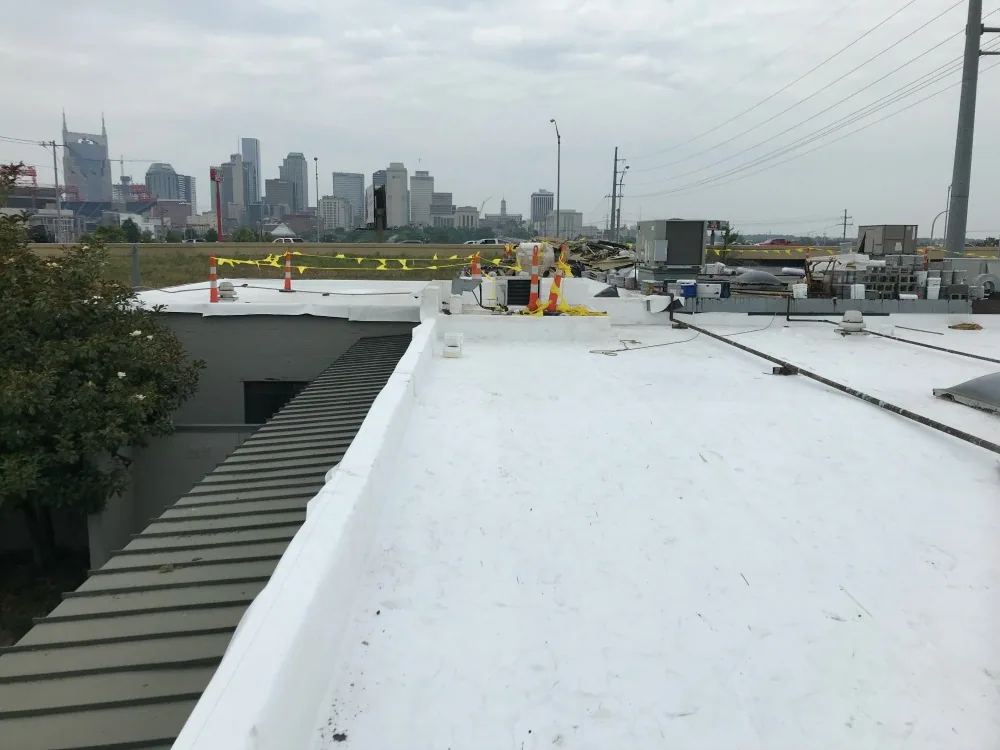
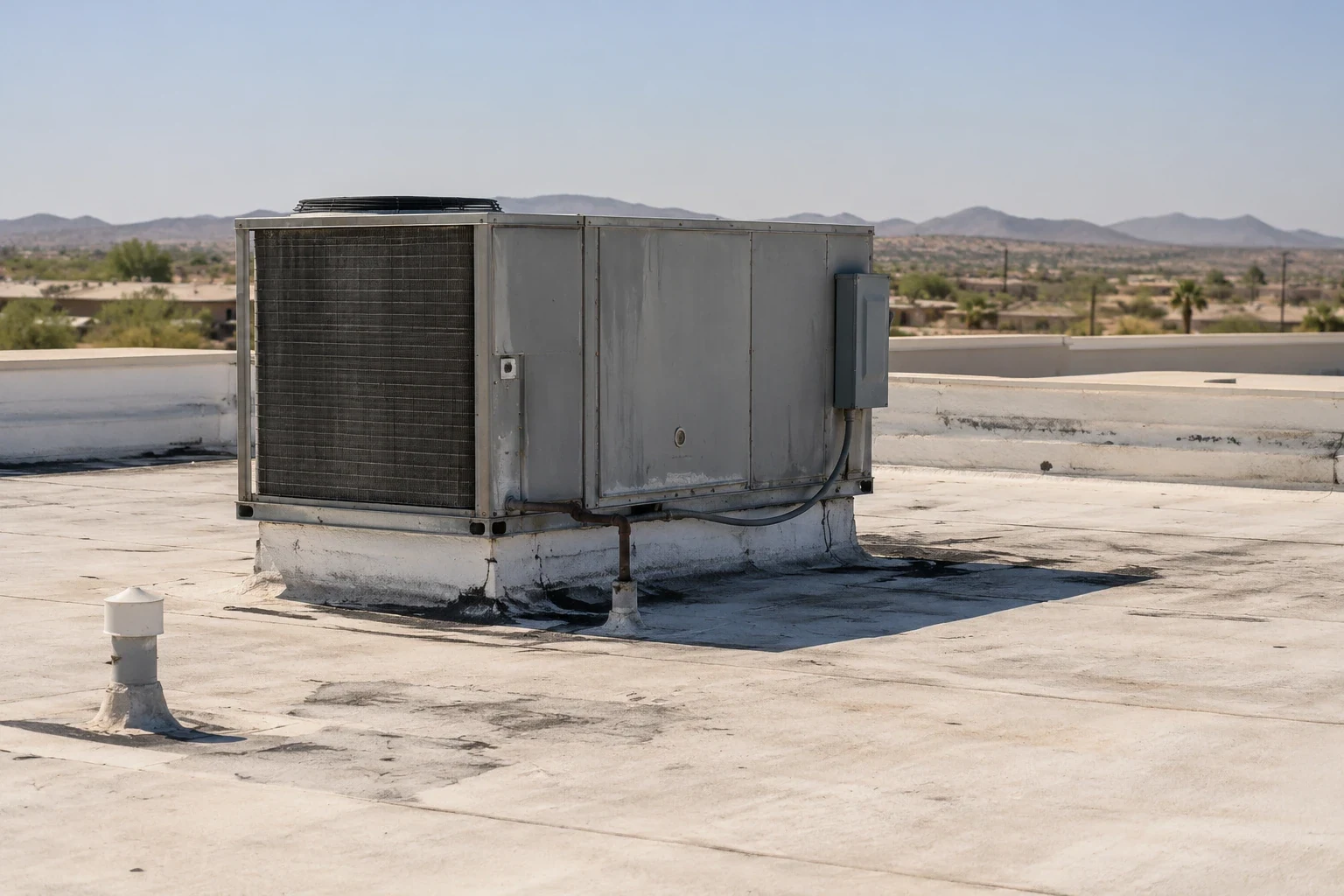
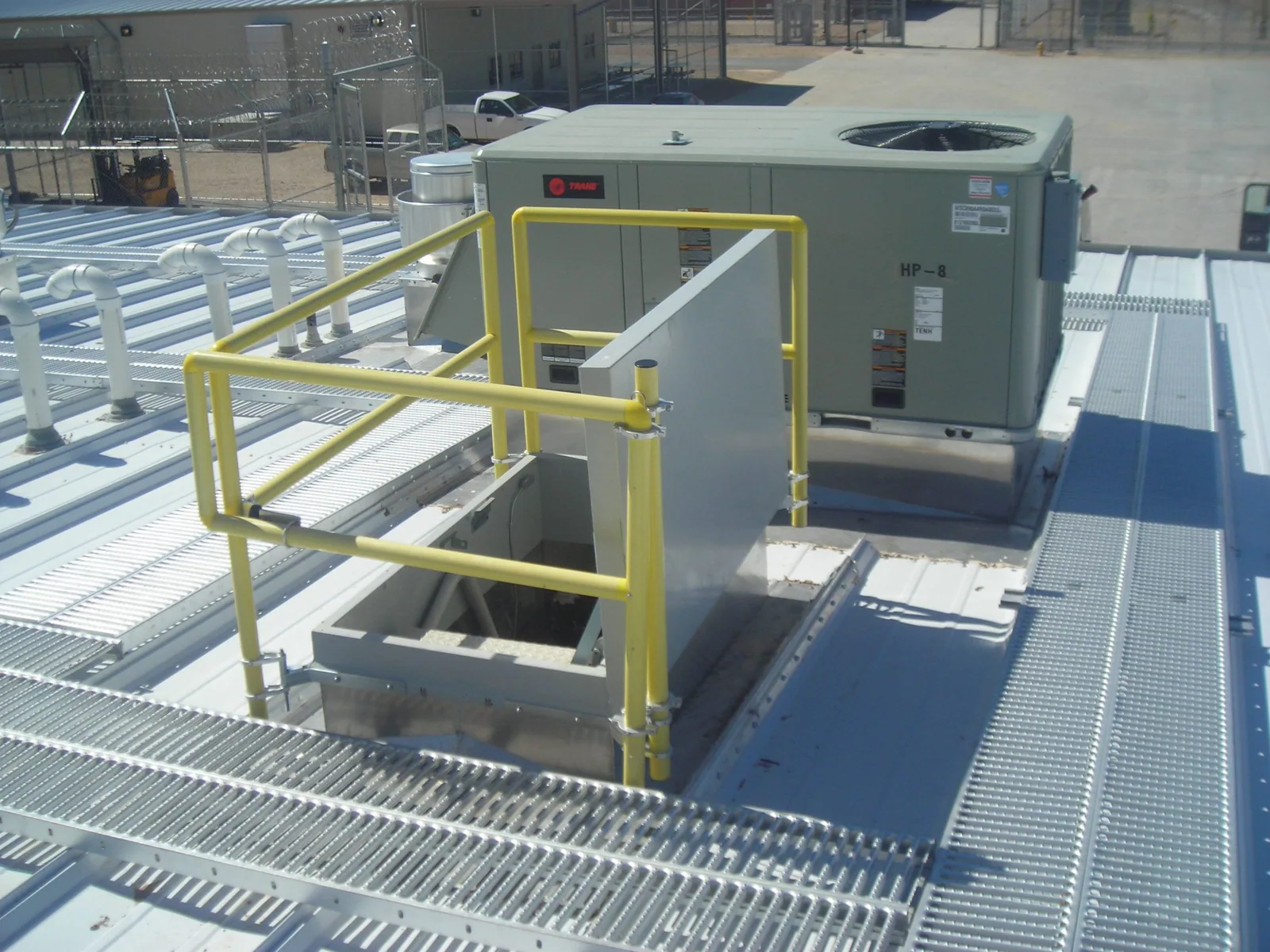
Equipment additions, curb replacements, penetrations, drains, coatings and recover work can change a roof detail or affect the documents that apply. Before work begins, identify the system, warranty language and proposed change. We can inspect the affected section, record its existing condition and describe the repair boundary. When a mechanical contractor owns the equipment work, coordinate who handles the flashing, who controls the shutdown and who photographs the finished tie-in.
If a leak is active, protect the interior and stop water entry as soon as practical, while keeping the temporary action distinct from a permanent repair. Around-the-clock emergency roof response is available when a breach cannot wait for a regular schedule. After stabilization, document the location, materials and extent, then determine whether the manufacturer or issuer requires notice or a particular repair process. A curb and equipment detail review can make the trade boundary clear before the roof is reopened.
Warranty work still has to fit the locally amended building code editions Surprise put into effect in 2026. Where a warranty-related repair changes insulation or the assembly, flag permit review for the project team. The City also lists its 2024 energy code among the adopted requirements. We provide the roof scope information, but the applicable path must be confirmed for the work. The file should include the decision, approval correspondence if received, completed repair photos and the next inspection date.
Plan the next inspection and handoff
As a roof ages, the owner may need to compare maintenance with a larger repair or replacement. Review the warranty terms, prior service record, known moisture, repairs and present condition together. A warranty does not replace a roof inspection, and a roof inspection does not decide coverage. We can separate a confirmed defect from wear, identify test areas, and show which work needs a manufacturer response before the owner commits to a scope.
In a growing market, property transfers and staff changes can leave useful roof information in different folders. Keep the original warranty, amendments, inspection photos, maintenance logs, repair invoices, product data and manufacturer correspondence together by building. For a portfolio spanning Loop 303-area industrial and retail uses or the mixed-use core near City Center, mark which building and roof section each record describes. A multi-site record system can make that handoff easier while preserving separate maintenance histories.
We can review the records with your general contractor or facilities lead, walk the roof and identify any near-term maintenance, repair or documentation gap. A capital plan can carry confirmed roof needs into the budget without treating a warranty as a replacement forecast. Before scheduling, share access rules, roof plans and the documents you have. We will prepare a field record that shows what we inspected, what was changed and what question remains for the issuing party.
Commercial Roofing Questions
Does a roof inspection confirm warranty coverage?
No. We can document the roof condition and compare it with available terms, but the issuer decides coverage. We keep observed defects, repairs and open questions clear for that review.
What should we keep after a repair?
Save the roof location, materials, before-and-after photos, scope, date and any manufacturer direction. We can add those records to the section history and note work that still needs inspection.
Can another trade make a roof penetration?
A new opening needs a defined flashing responsibility and a compatible detail. We coordinate the roof work, document the finished tie-in and flag any manufacturer notice or review requirement in the available terms.
What if the warranty document is missing?
We can identify visible system details and organize the records the owner has, such as invoices, plans and prior reports. The manufacturer or issuer must confirm whether it can locate or validate the applicable document.
Should maintenance stop when a roof is under warranty?
Maintenance remains important, and the document may describe conditions the owner must meet. We review the available language, inspect the roof and record completed work without promising a coverage outcome.
Ready to review the roof scope?
Request a Roof Assessment
Related Roofing Work
Organize the roof file before the next change
Bring the warranty, roof plan, maintenance history, repair records and any planned equipment work. We can inspect the affected details, document the assembly and identify questions for the warranty issuer.