A restaurant or service building near Surprise City Center may need a roof inspection after a fire, even when flames did not reach the full roof field. Heat can affect membrane, insulation, edge metal and rooftop equipment; smoke residue and fire-suppression water can create separate cleanup and moisture questions. We coordinate with the owner and fire-response team before entering, then document visible conditions and protect any opening. The repair scope follows what the assembly shows, not an assumption that every layer above the affected room must be replaced.
Wait for safe access and a clear boundary
Roof access begins after the incident commander or building authority releases the area. We do not disturb structural, electrical or fire-investigation evidence. The project lead identifies restricted zones, damaged equipment, safe ladder points and any roof areas that remain off limits. If the roof deck may be weakened or fire suppression water has collected above a ceiling, an approved access plan and structural review come before a roof walk.
A fire can leave an opening that needs temporary weather protection before permanent repairs are ready. We photograph the boundary, secure loose material and coordinate a dry-in that does not interfere with investigation or mechanical work. If smoke or suppression water affects occupied areas, the interior protection plan should be set with the building team. A urgent roof response can address immediate exposure when authorities permit access, while the permanent scope waits for inspection findings.
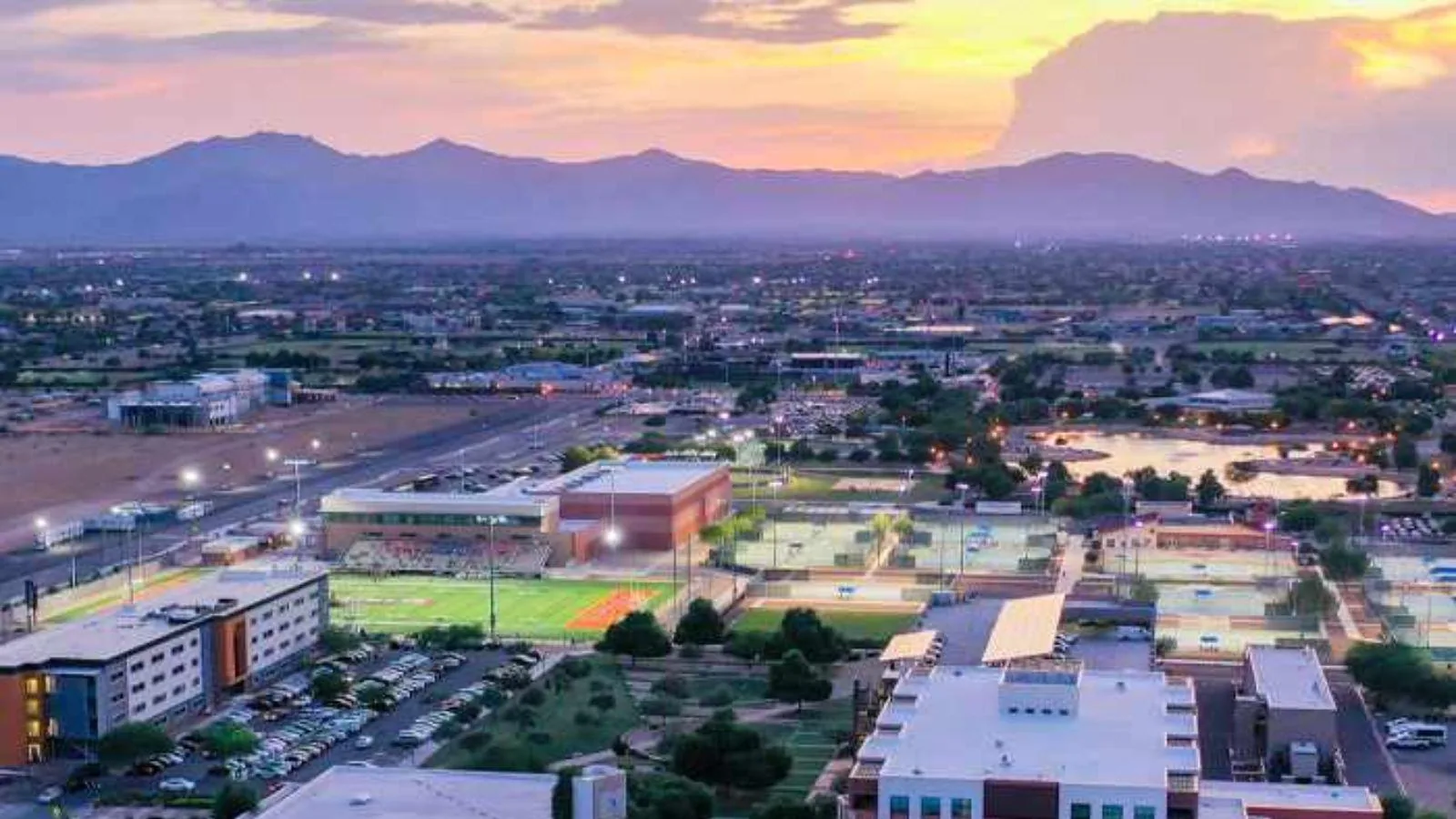
Surprise City Center is a square-mile downtown development area with civic, retail, restaurant, healthcare, hotel and service uses. Those building uses can have different return-to-service needs after an incident. We coordinate the roof work window with the property lead, identify entrances and service lanes that must stay open, and state which areas remain restricted. The work window should follow the affected building's occupancy and access controls.
Separate heat, smoke and water findings
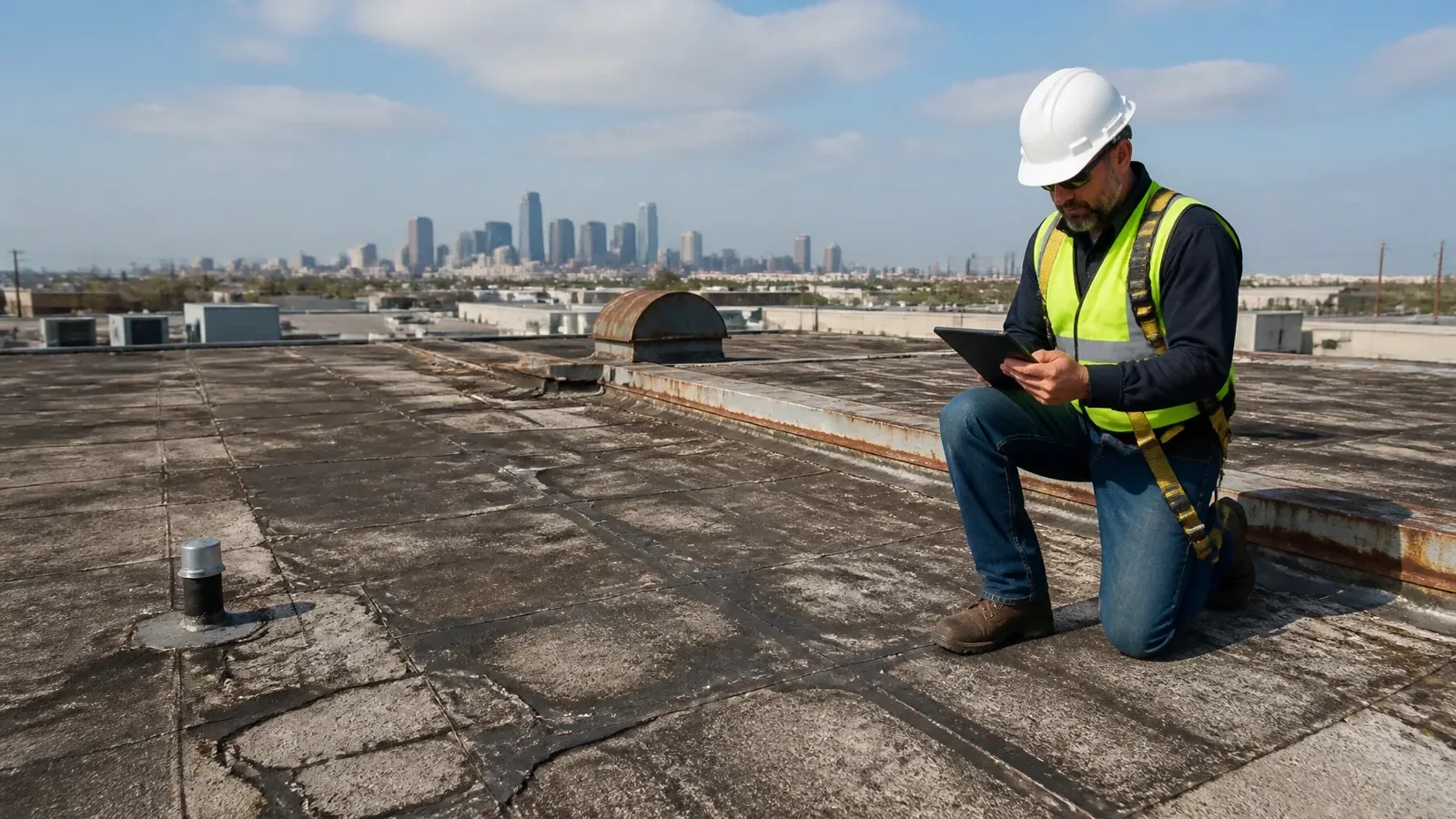
Heat damage may appear as blistering, shrinkage, loss of bond, curled edges, soft insulation or deformed metal. The affected area can extend beyond the visible burn line because heat moves through the assembly. We photograph changes in the membrane and flashing, record the material type and compare them with adjacent areas that appear unaffected. If a detail cannot be judged without opening the roof, list that as a test item rather than calling it sound.
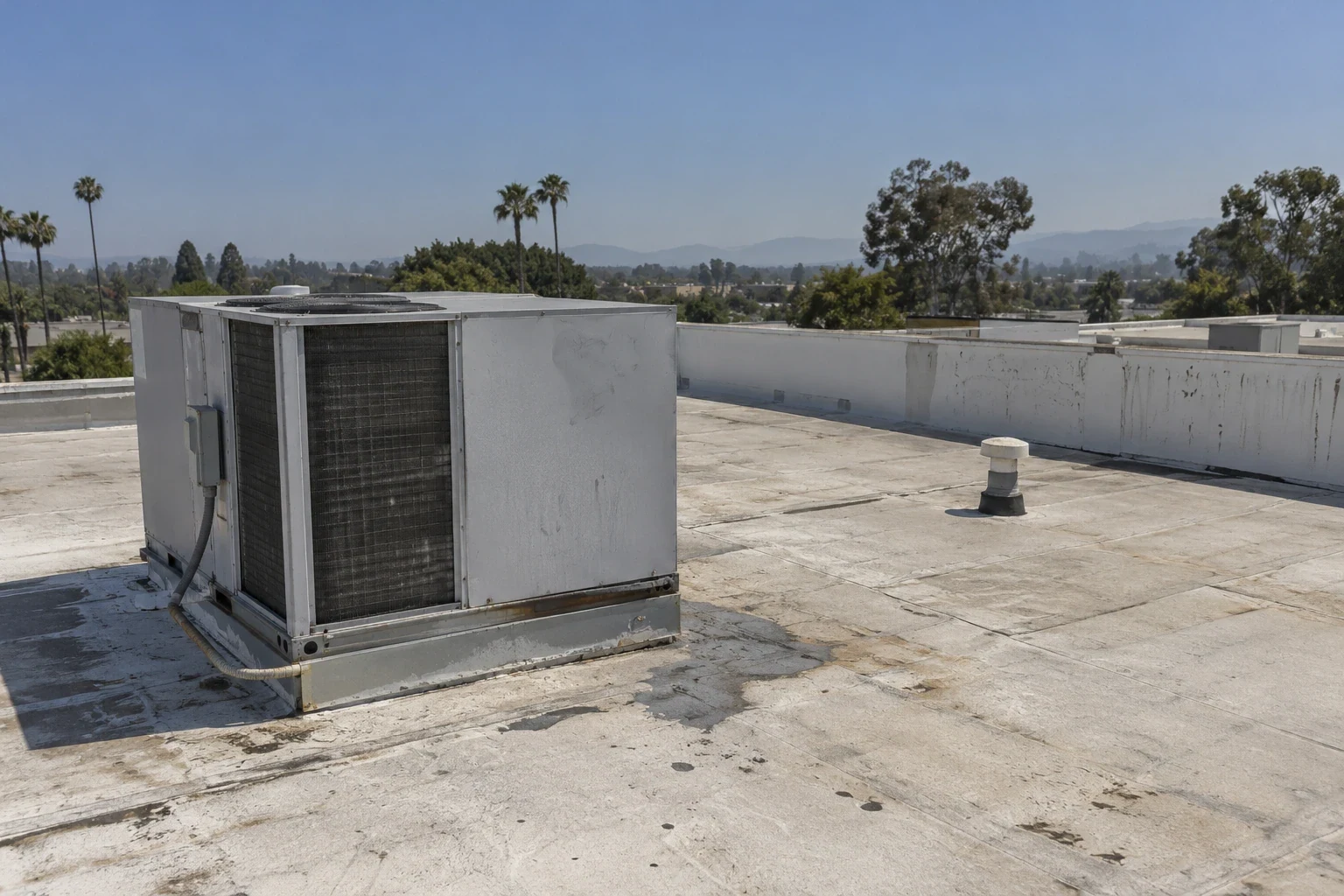
Smoke residue can coat rooftop equipment, vents and nearby roof surfaces. It may affect equipment operation or require cleaning by a qualified restoration trade, but it is not automatically a membrane defect. Fire-suppression water can enter seams, drains, curbs or openings; we inspect the water route and note wet insulation or trapped water where observed. Interior staining, odor and roof damage are separate observations until the connection is established.
In the Phoenix region, intense summer heat is a regular roof maintenance consideration. Phoenix Sky Harbor's July normal mean temperature for 1991-2020 is about 95.5°F, a regional reference rather than a Surprise reading. That benchmark informs material inspection context but does not tell us how hot a damaged surface became during a fire. We document visible condition and recommend testing when the layer beneath may be affected.
Inspect the roof system layer by layer
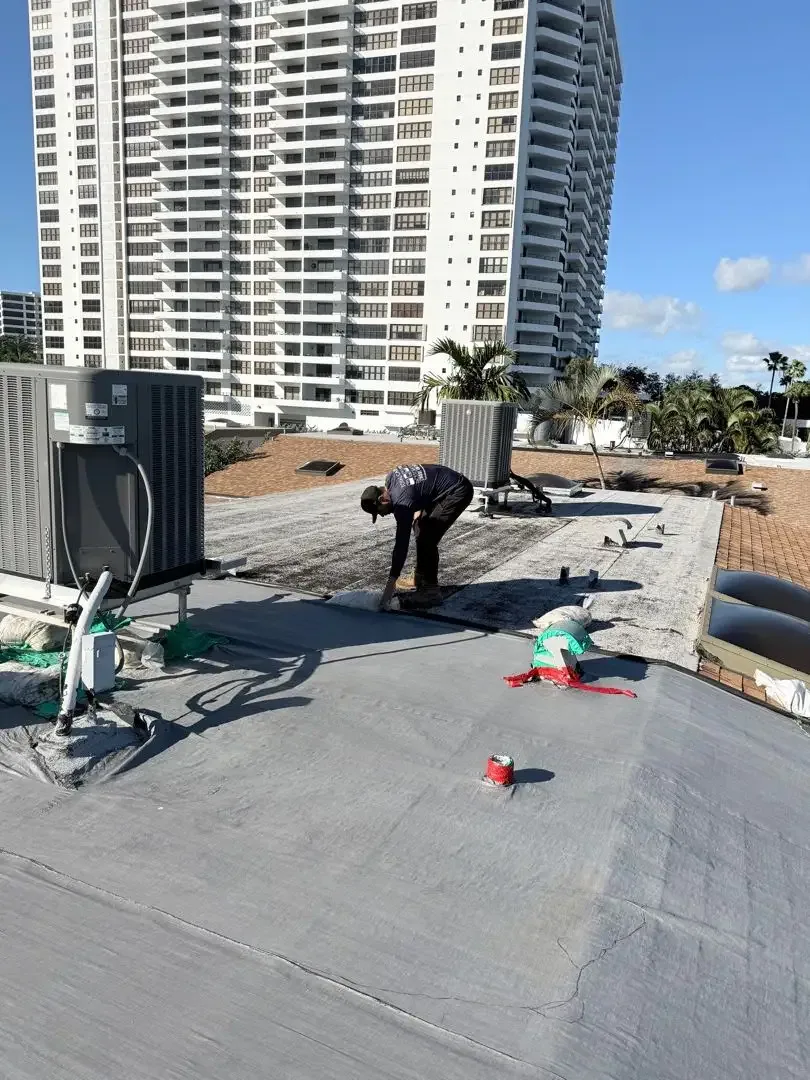
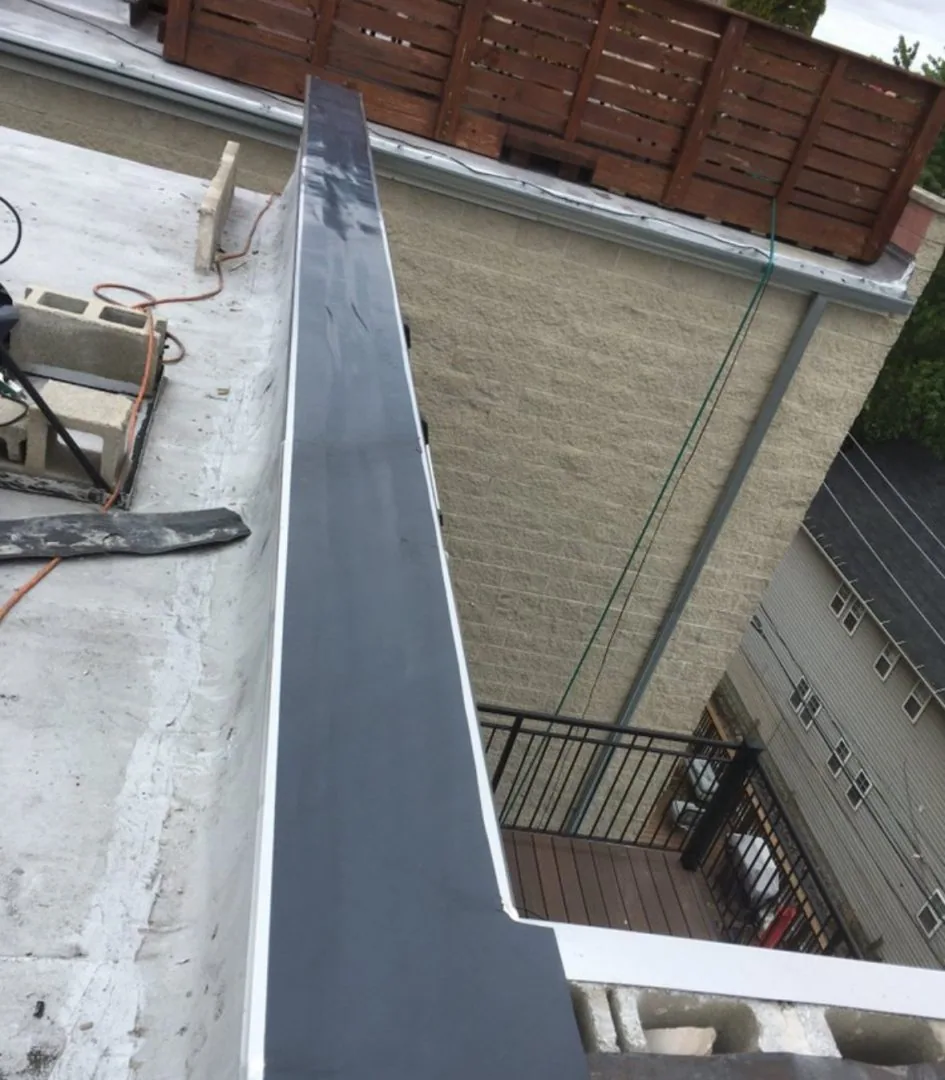
Once access is approved, identify the membrane or metal system and inspect its seams, fasteners, laps, penetrations and edges. A thermoplastic sheet near heat may lose shape or bond; a coated roof can show blistering or surface change; metal may warp or lose coating. The condition depends on exposure and assembly, so the report should say what was seen and where. We do not infer membrane performance from color or a nearby fire mark alone.
Where the roof is opened, check insulation, cover board, vapor retarder and deck for moisture, charring or loss of attachment. A test opening needs a defined location and protection plan. If materials must be removed, record the boundary and restore the roof at the end of the shift. For a membrane transition, a flashing repair may be required along with field membrane work. Any electrical conduit, rooftop unit or fire protection line should be handed to the appropriate trade.
Surprise's adopted building and existing-building codes effective January 1, 2026 include local amendments. The permit path for replacement or structural work depends on project scope and should be confirmed before specifying a permanent assembly. We provide roof material, layer and damage observations to the project team. That information helps coordinate design, fire protection, electrical and roofing work without treating an emergency cover as permit approval.
Compare stabilization with permanent work
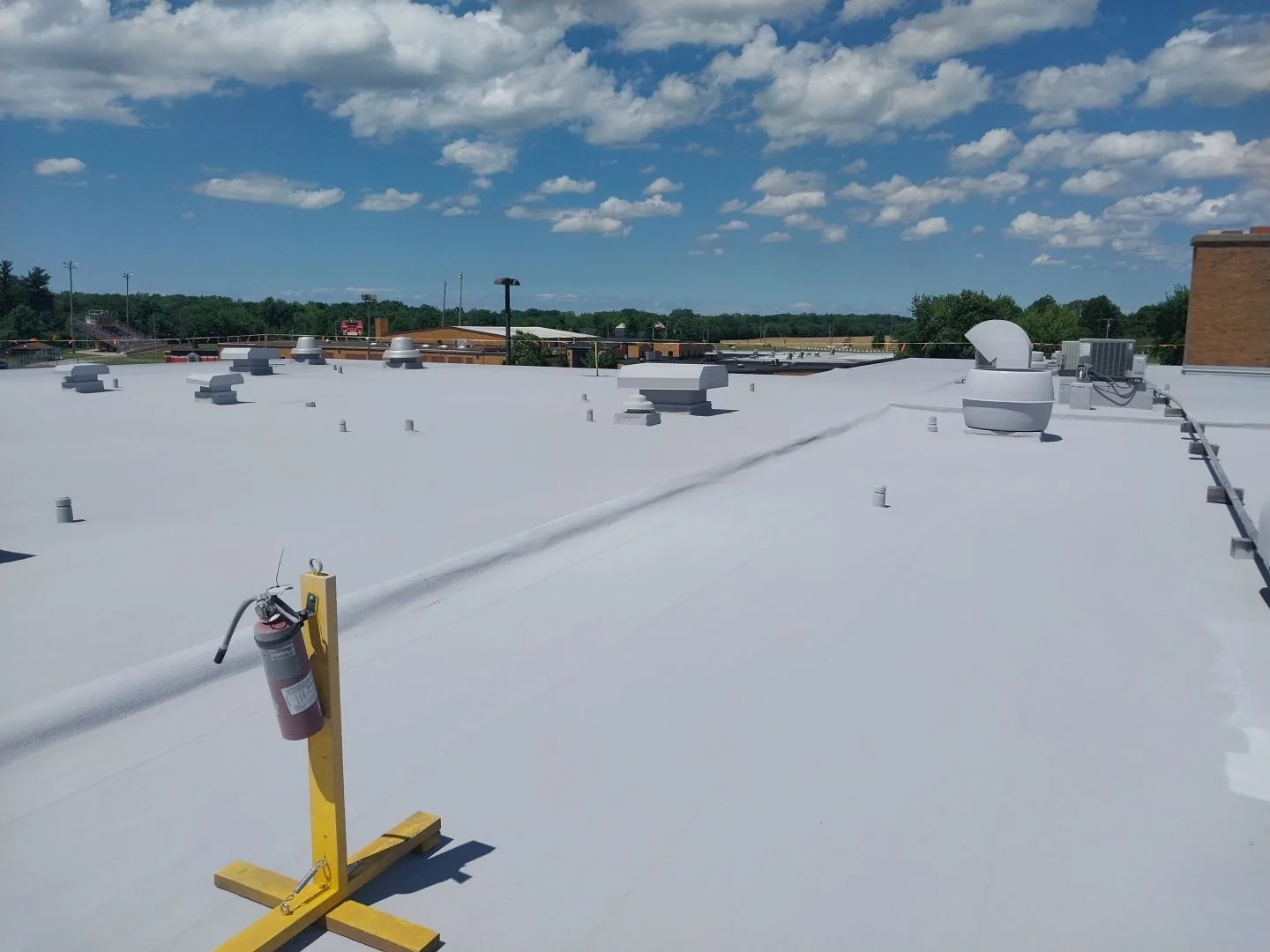
A temporary cover can protect an opening while the owner waits for investigation, equipment review or material decisions. Permanent repair may involve localized membrane replacement, new insulation, deck repair, metal replacement or a larger reroof. The scope should distinguish those pieces and identify the edge where new work meets the existing roof. If the roof is dry and the heat effect is limited, a local repair may be possible. If several layers or roof sections are affected, price a broader replacement or recovery evaluation.
Costs and timing vary with access restrictions, debris handling, structural review, test cuts, smoke cleanup coordination, disposal, equipment removal and the area of damaged assembly. Occupied operations may limit noisy work or require a section-by-section sequence. A phased roof plan can define daily boundaries and handoffs after the property is cleared for work. We list assumptions and concealed conditions rather than presenting a single broad figure without an inspected scope.
For a low-slope system, the replacement decision should also consider drainage elevation, penetrations, edge details and available insulation. An overlay is not suitable over unknown moisture or unstable material. A recover evaluation checks those conditions before another layer is considered. If metal panels or equipment supports distorted, include the connection and adjacent flashing in the scope instead of treating only the burned surface.
Keep the work record tied to the incident
Document the roof area, date of access, observations, photographs and any temporary protection. Separate visible damage from suspected concealed conditions and retain test results or trade findings with the roof file. If insurance documentation is needed, organize roof observations and completed work without forecasting a coverage decision. A photo-based condition report can connect the inspection with repair limits and the next check.
At closeout, identify removed material, replacement layers, flashing and metal repaired, equipment handoffs and any condition left for monitoring. Mark the affected areas on a roof plan. After the building returns to service, inspect the repaired boundary and nearby seams, drains and penetrations. A heat-related roof review can address broader surface aging separately from direct fire effects when the owner needs a wider maintenance assessment.
We can walk the accessible roof with the general contractor or property lead, review the record and prepare a written scope. If a second problem appears, keep it distinct from the fire repair. That makes it clear which work restored weather protection, which conditions need testing and what should be checked before the next maintenance cycle.
Commercial Roofing Questions
Can roof work start while the fire investigation is active?
Only in areas released by the incident authority and building team. We confirm access limits before entering, avoid disturbing evidence and coordinate any temporary cover with the investigation plan.
Does smoke residue mean the roof membrane must be replaced?
Not by itself. We document where residue is present and separate cleaning or equipment work from membrane damage. Heat exposure, bond, seam condition and the roof layers determine the roofing scope.
How do you check for damage below the membrane?
We look for visible moisture, charring, soft areas and separation, then identify where a test opening may be needed. The opening, repair boundary and temporary protection should be recorded before material is removed.
Can a fire repair be completed in phases?
Yes, when access and conditions allow distinct work zones. We mark each area, keep an opening protected between shifts and coordinate return-to-service timing with the property lead.
What should the owner keep for the roof file?
Keep dated photos, roof-plan marks, access approvals, test results, material records and the final scope together. The record should separate completed repairs from concealed conditions or trade work still open.
Ready to review the roof scope?
Request a Roof Assessment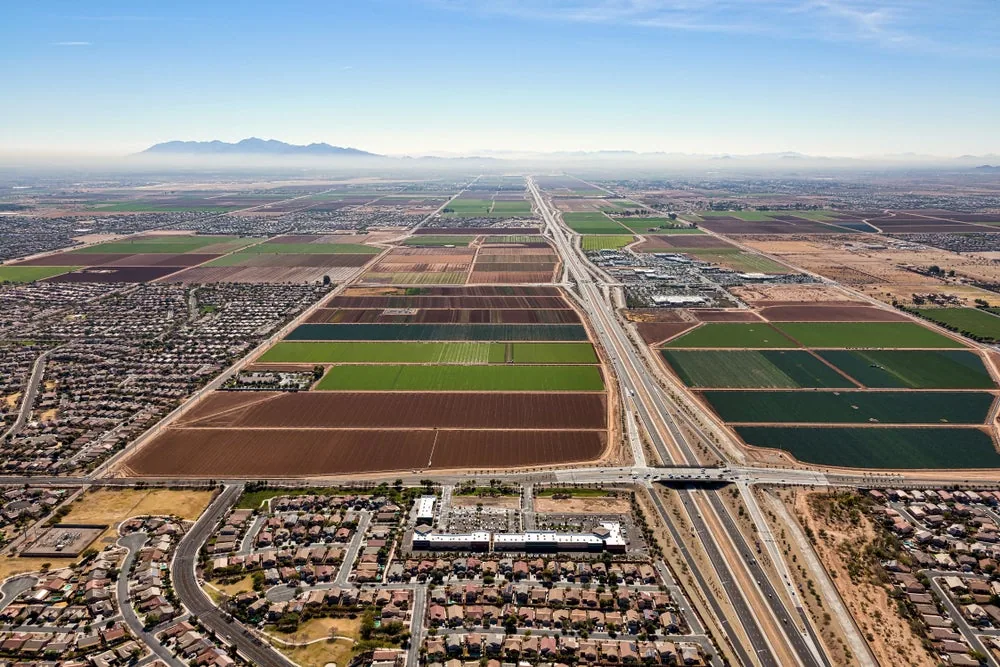
Related Roofing Work
Coordinate a fire-damage roof review
Share the access release, roof plan and building schedule. We can inspect the cleared area, document visible conditions, and prepare a staged scope that separates temporary protection from permanent repairs.