A manufacturer in Surprise, AZ, may have production, storage, maintenance, and office areas sharing one roof line. The Railplex planning area includes manufacturing, distribution, flex-office, and warehouse uses, while Cactus Road and Loop 303 bring a separate mix of retail and commercial development. Those local areas describe the market, not a particular plant's roof. We inspect the building's actual membrane or metal system, equipment penetrations, drainage route, and production limits before setting a repair or replacement boundary.
Keep production zones in the roof plan
A roof opening above production can affect equipment, stock, and the shift schedule. We confirm interior protection, lift staging, and allowed work hours, then divide the roof into zones that can be opened and closed within the approved window. Marked photos show shift leads the active area.
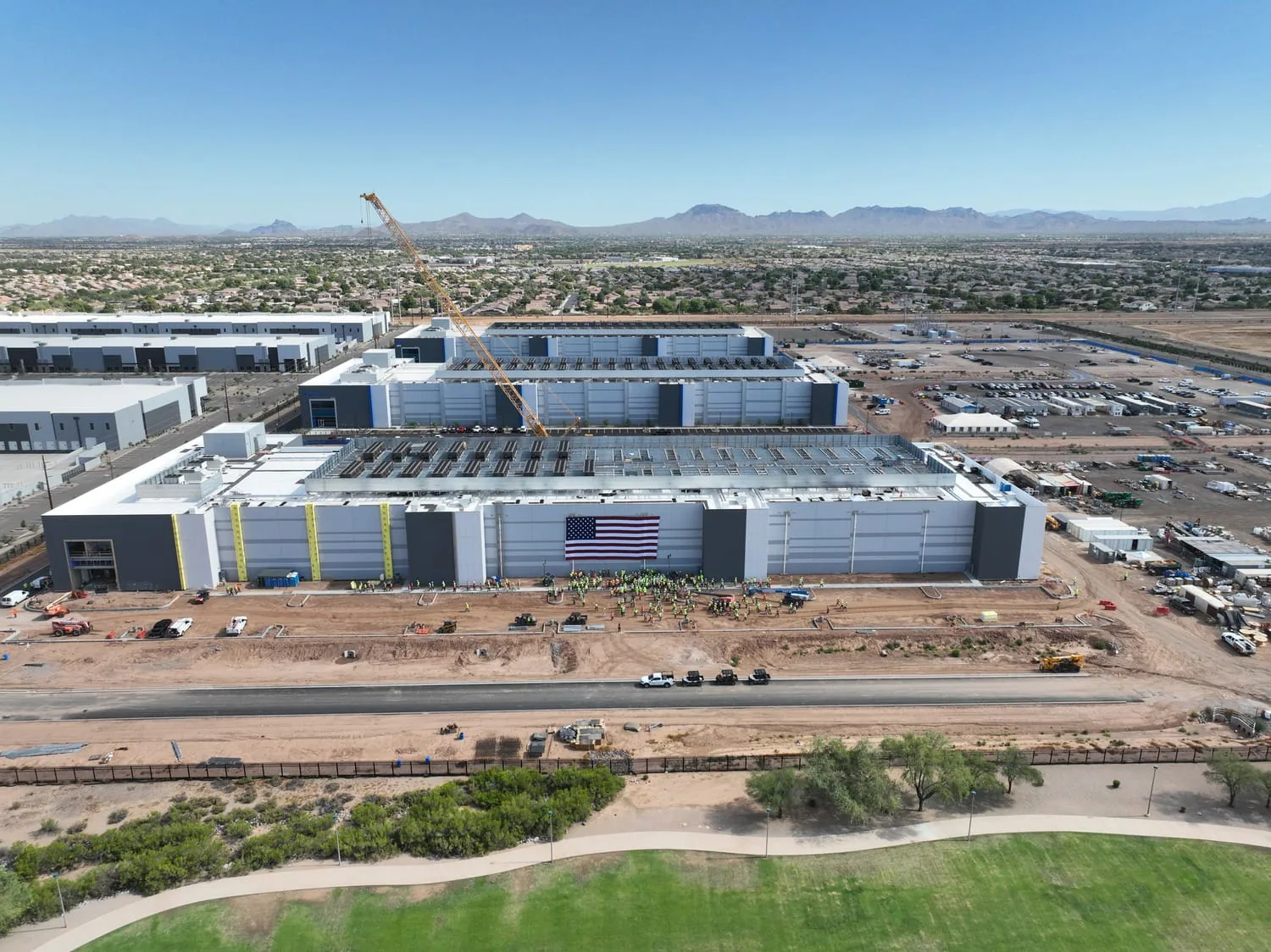
The Railplex includes manufacturing, distribution, flex-office, and warehouse development. That mix does not establish the roof construction at any parcel. A plant needs its own inspection of deck, insulation, seams, fasteners, curbs, exhaust penetrations, and past repairs. A manufacturing-plant roof review starts with the actual operating areas and the assembly above them, not a generic industrial label.
Material handling also matters. We set a route for roofing stock, disposal, and hoisting that does not block a production entrance or a fire lane. If the operation runs continuously, smaller zones and a firm daily dry-in point may be more useful than a large work area that stays exposed. The Railplex industrial district gives local context for freight and industrial access, but each property establishes its own route and restrictions.
Check the layers before choosing a system
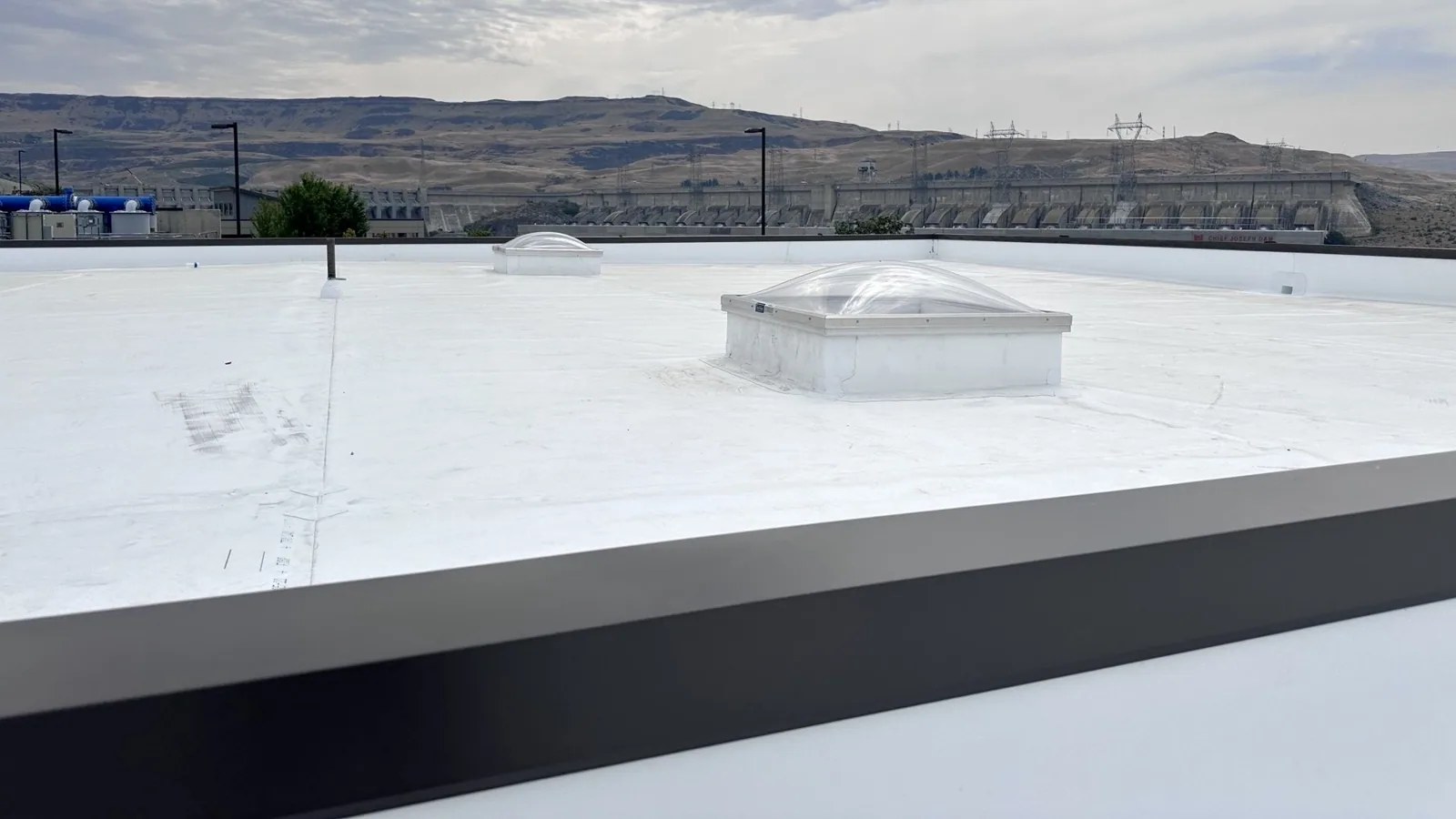
On a low-slope plant roof, we check membrane field seams, wall transitions, perimeter metal, drains, scuppers, skylights, curbs, and exhaust points. A surface patch may solve a local split, but wet insulation, a weak deck, or widespread attachment trouble can require a broader scope. We record what is visible and identify where a test cut or design review is needed. That lets an owner compare repair, recover, and replacement using the same roof-area boundaries.
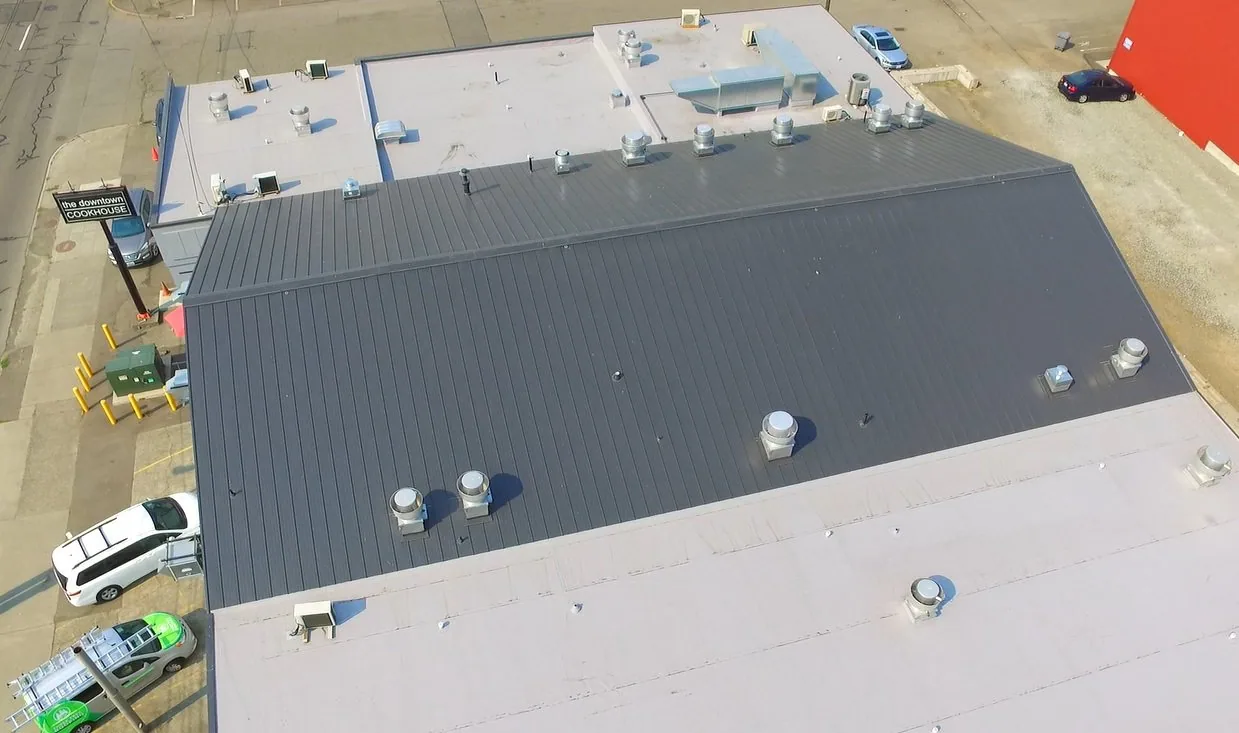
A TPO system may fit when deck, attachment, insulation, and project criteria support it. Metal roofs need review of panel laps, clips, fasteners, ridge closures, and penetrations. System choice must account for equipment service access. A coating will not dry wet layers or fix failed attachment.
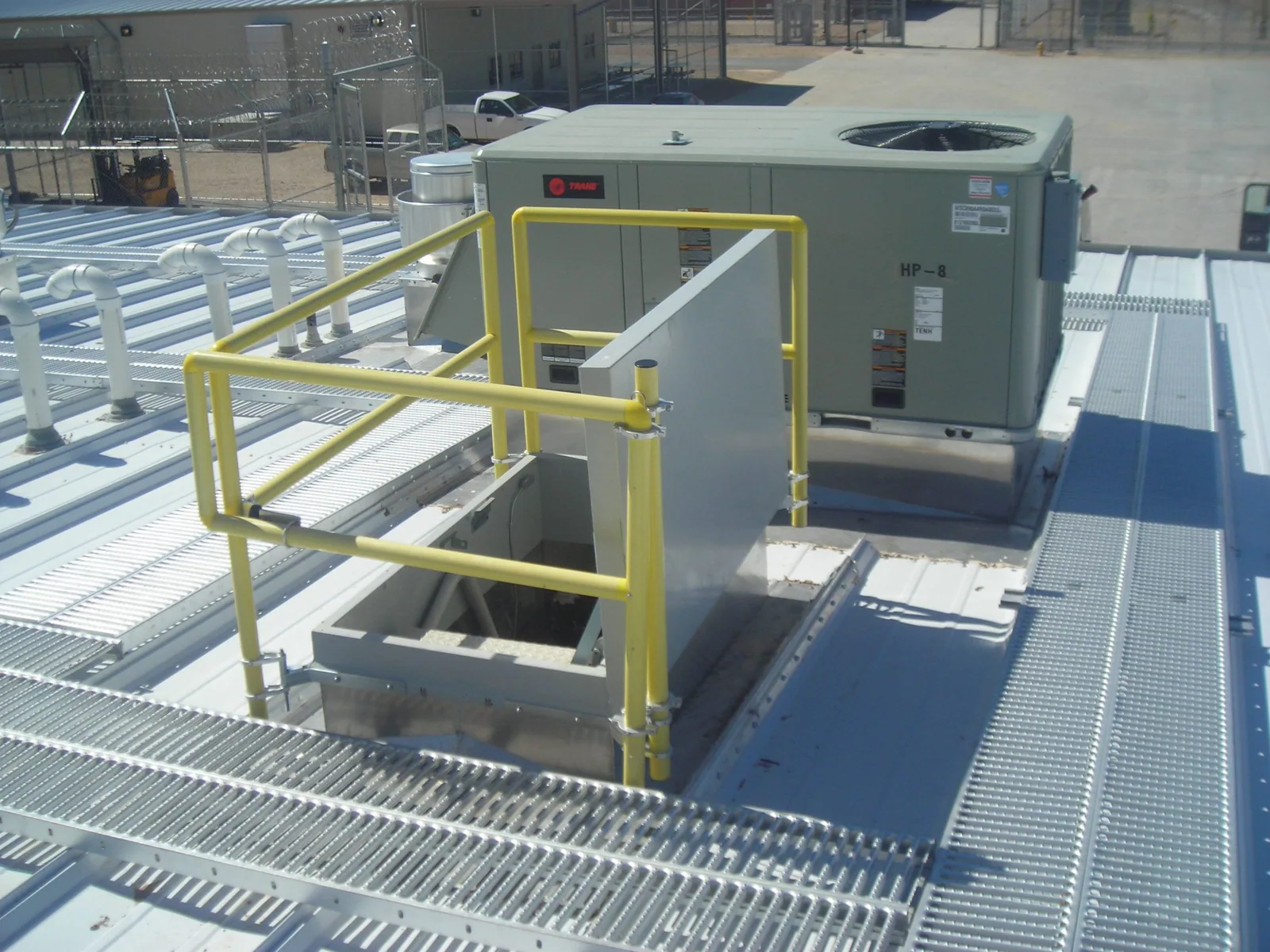
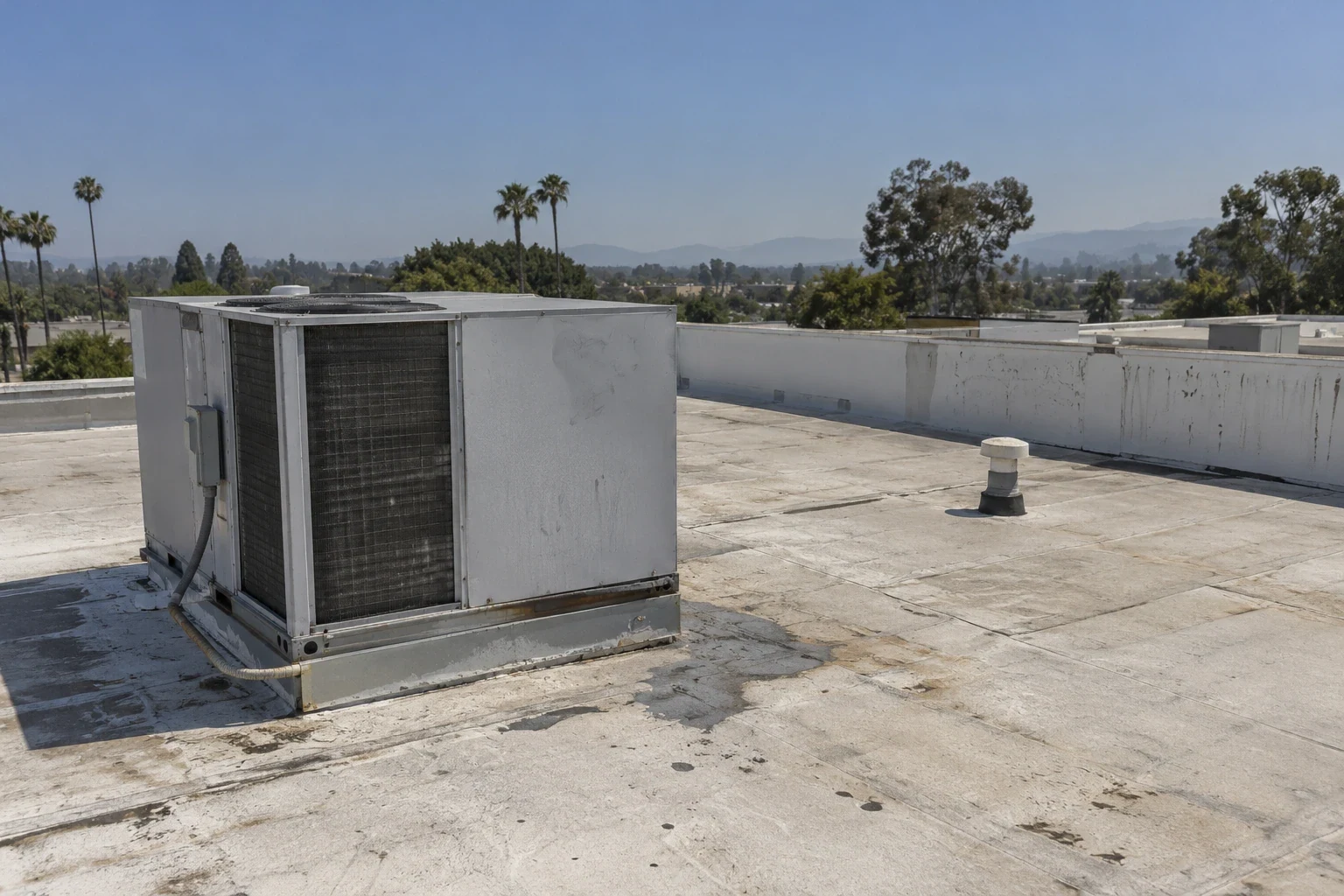
Plant exhaust, vibration, and equipment moves can stress curb corners and flashing. We coordinate with mechanical and electrical trades so each unit has a named disconnect, protection, reset, and test step. Curb and support repairs should state who owns each transition. If an equipment change is planned, the roof scope can be scheduled with that work rather than cutting into a finished membrane later.
Trace water without stopping the line
Water can travel along a deck or insulation layer before it appears inside. We compare a ceiling mark with the roof's slope, drains, seams, curbs, and previous repairs, then identify whether a moisture survey or test opening would answer the remaining question. The report separates the area that needs immediate protection from an area that needs broader testing. A commercial inspection is more useful when each observation can be found again on a plan.
Surprise's low-desert summer heat can age exposed sealants and flashing, while Phoenix-area monsoon storms can bring wind-driven rain and heavy runoff. Those conditions guide checks of perimeter attachment and drainage, but they do not prove that a specific plant has storm damage. After an event, we look for displaced edge metal, opened seams, blocked drains, or a new puncture, and photograph each item separately from prior repair work.
For a critical leak, around-the-clock emergency response can stabilize the opening within the facility's controls. The shift manager needs the protected space, open roof section, and return visit in writing.
Coordinate maintenance and roof access
Production schedules, sanitation windows, equipment shutdowns, and delivery peaks can all change the roof sequence. We use the facility's calendar to choose a work area, set the lift path, and identify the point where a section becomes watertight. If a process cannot stop, the crew may need to work from another side or return for a separate window. A scope that names these assumptions gives plant leadership a chance to approve the sequence before materials arrive.
A factory roof can carry mechanical, electrical, fire-protection, and communications systems. Before work, the facilities lead and each trade define who isolates a unit, who protects the opening, and who verifies restart. Occupied-building phasing can keep the roof, production floor, and delivery route tied together. When a general contractor owns the larger schedule, a roofing trade scope should define detail interfaces and responsibility for temporary tie-ins.
Large projects also need a weather hold point. We identify how far the crew can proceed before rain, where rolls or panels are secured, and how the roof is closed when work pauses. That prevents a planned phase from becoming an unplanned opening above active equipment. The facility contact confirms daily access and protection; the roofing crew records the actual work completed.
Match roof work to the industrial network
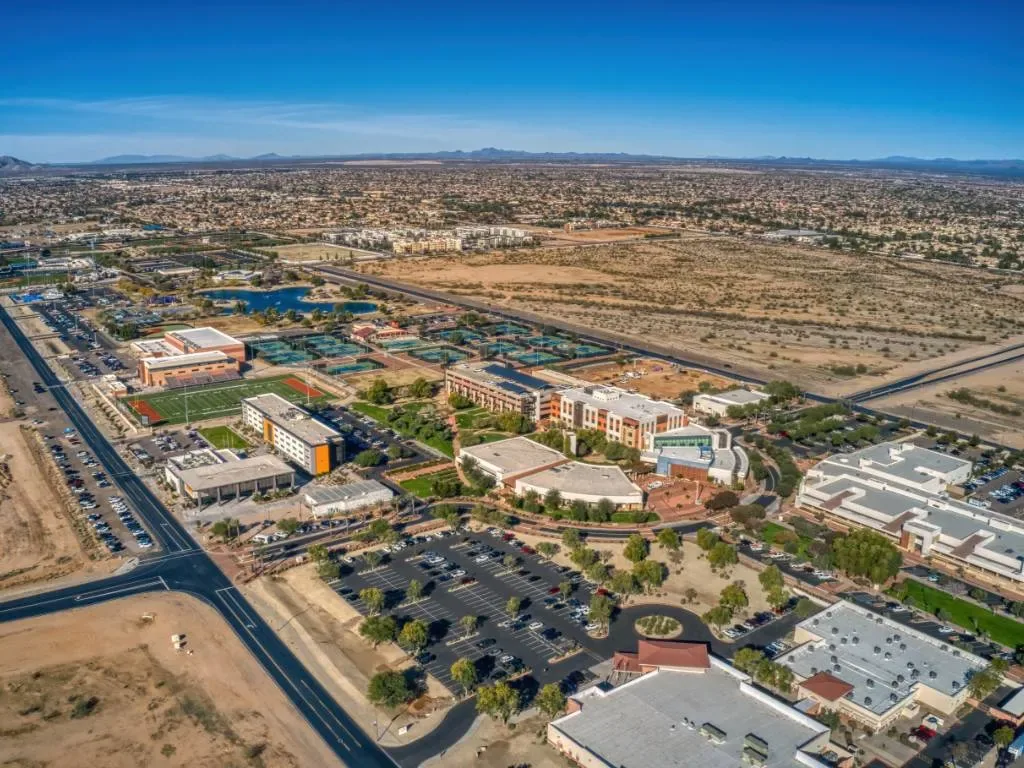
The Railplex is a broad industrial area with manufacturing and freight-related uses. Loop 303 and North Surprise are among Surprise's development areas, with a surrounding commercial mix that includes different roof systems and loading patterns. A manufacturer should not assume that a neighboring warehouse or flex building has the same deck, membrane, or maintenance history. We use plans and field observations from the specific property to set the work.
For multiple plants or distribution buildings, a logistics roof schedule can help coordinate shared dock access, while the manufacturer retains its own production and shutdown constraints. Common reporting fields make comparison easier, but recommendations should remain property-specific. We list immediate repairs, maintenance items, and capital options separately so finance and operations can see what is urgent and what can be planned.
Removal depth, deck repair, insulation, curb height, staging, disposal, and work window affect replacement cost and timing. A scope identifies these drivers and assumptions; coating or recover is considered only when the existing assembly qualifies.
Return a record for facilities and finance
Closeout identifies roof areas completed, details repaired, products installed, and any remaining test. We tie photos to roof-plan locations and note what was observed, so the next work order or capital review can use the record.
When a manufacturer operates several sites, portfolio maintenance coordination can help track the next inspection and open repair boundary for each address. Surprise's Railplex includes manufacturing and distribution development, but the roofing record should follow the plant's current assembly and operating needs. We keep the roof and production details tied to the site contact responsible for them.
Share the roof plan, maintenance history, production calendar, and known leak locations to start a walk. We can document visible conditions, coordinate the work zone, and prepare a repair, recover, or replacement scope that shows what can proceed and what requires another trade or design decision.
Commercial Roofing Questions
Can roof work happen while a production line is running?
That depends on the work area, access, interior protection, and whether equipment needs to shut down. We map a smaller zone and agree on the daily dry-in point with the plant contact.
How do you keep dust or water away from production equipment?
Before opening the roof, we identify sensitive areas, route materials, and specify temporary protection. The work plan includes a closure point and a contact who confirms the area is ready for use.
Does the Railplex location tell us what roof assembly is on a plant?
No. Railplex planning describes a broad industrial setting. We inspect the individual plant's membrane or metal roof, deck, curbs, drains, and repair history before recommending a scope.
What if a leak returns after a patch?
We trace the likely path from the interior to the roof and check adjacent seams, penetrations, drainage, and prior repairs. If moisture extends beyond the visible opening, the report identifies testing before a wider repair is priced.
Which records should operations keep after repair?
Keep the roof-plan location, dated photos, materials installed, repair boundary, and any remaining inspection item with the plant's maintenance record. That makes the next visit more precise.
Ready to review the roof scope?
Request a Roof Assessment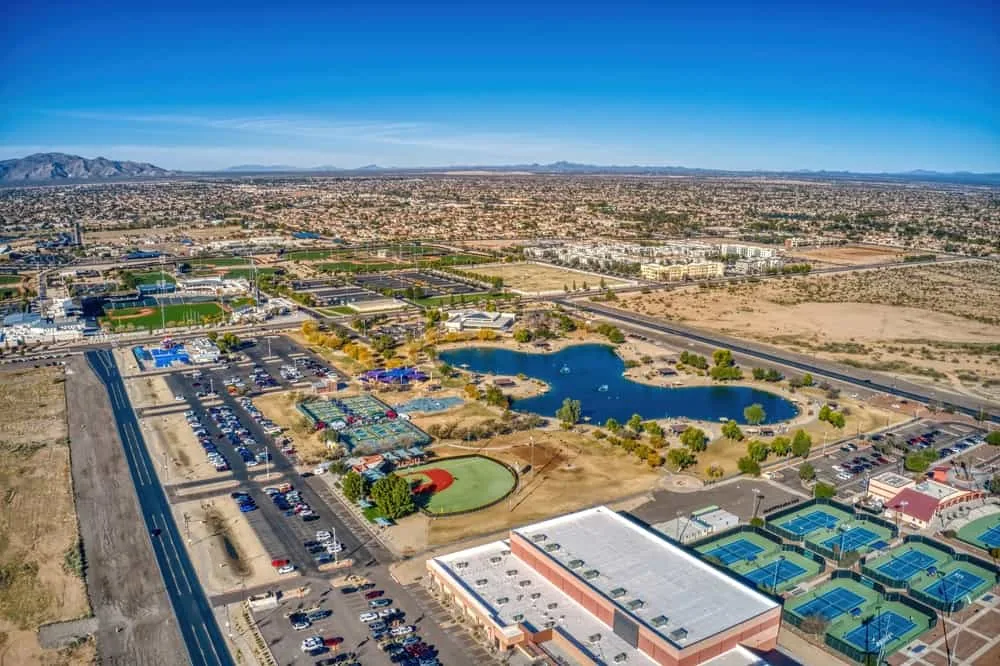
Related Roofing Work
Set the roof sequence with operations
Share the roof plan, process calendar, equipment shutdown limits, and leak history. We can identify a workable zone and return a written scope with access and trade handoffs defined.