A distribution operator moving freight through Surprise, AZ, cannot treat the roof as a separate job from dock flow and trailer access. The Railplex includes a BNSF rail spur and freight-oriented industrial uses, with manufacturing and distribution development; Loop 303 connects other commercial growth areas. Those corridors explain why staging and service lanes matter locally, not what a specific warehouse roof contains. We inspect that property, mark the roof area and loading route, then set repairs around its shift plan.
Keep docks and roof zones in the same plan
Before a repair or replacement, we ask which dock doors stay active, where trailers queue, and when deliveries peak. The crew needs a route for materials and a lift zone that does not cut across an operating lane without controls. We identify the roof section above each work area and the person who can release it. A marked zone plan helps dispatch, facilities, and the roofing crew work from the same boundary during a changing shift.
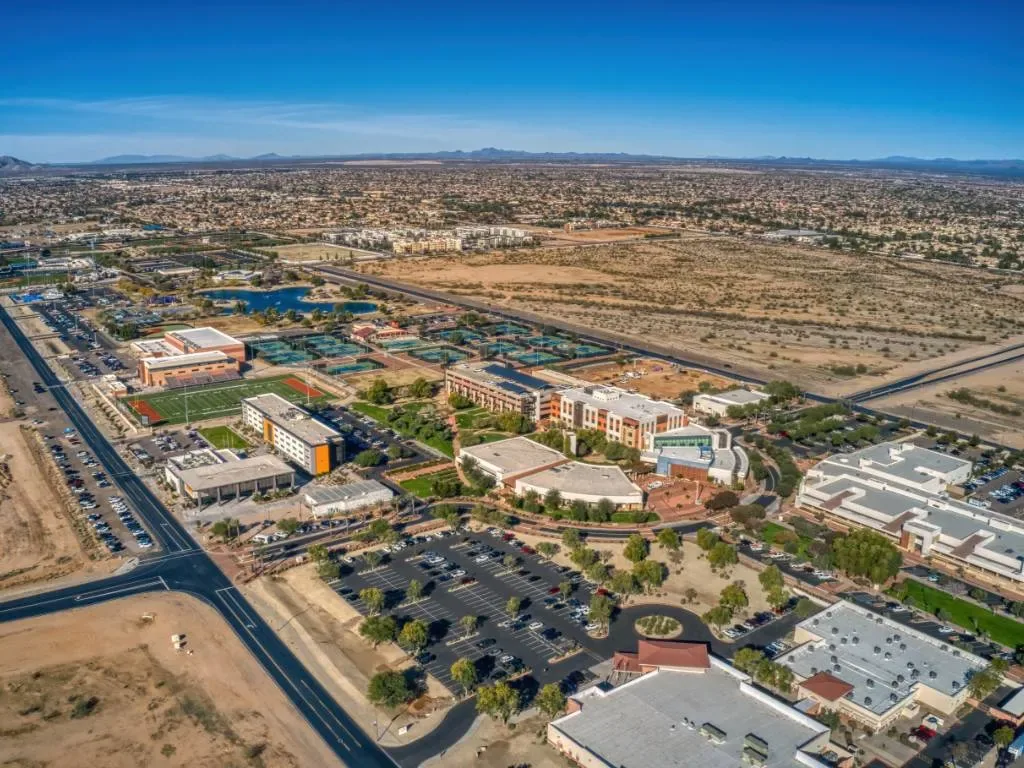
Surprise Railplex is a broad industrial district, not one tenant property. Manufacturing, distribution, flex-office, and warehouse uses share the district, so a roof program may meet different operating patterns across the area. The Railplex industrial area is local context; our field scope still comes from the individual building's assembly, equipment, and access restrictions. For a multi-building operator, a distribution-center roof inspection should record each roof's drains, curbs, loading-side access, and interior protection needs separately.
Freight access shapes delivery planning, but materials follow the property's receiving rules. We confirm pallet staging, lift timing, and the route before the crew arrives.
Follow the roof from field seam to dock canopy
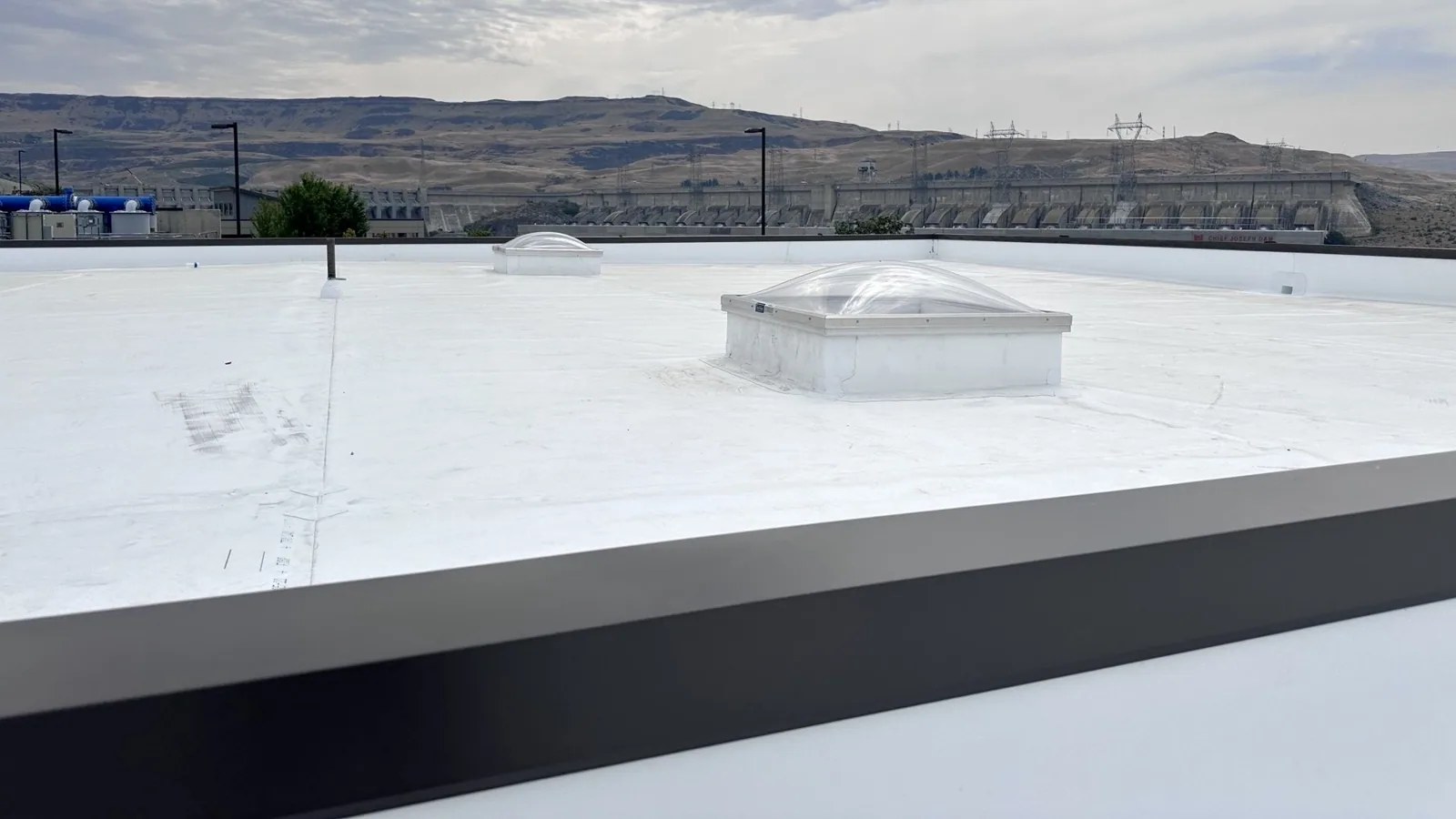
Long low-slope runs can make a small leak difficult to trace from inside. We inspect membrane seams, rooftop units, wall transitions, skylights, drain bowls, scuppers, and dock-canopy connections, then mark each observation on a roof plan. A stained ceiling at the receiving area may sit away from the opening that admitted water. We separate a confirmed defect from a suspected path and list any test cut or moisture survey needed before a larger repair is priced.
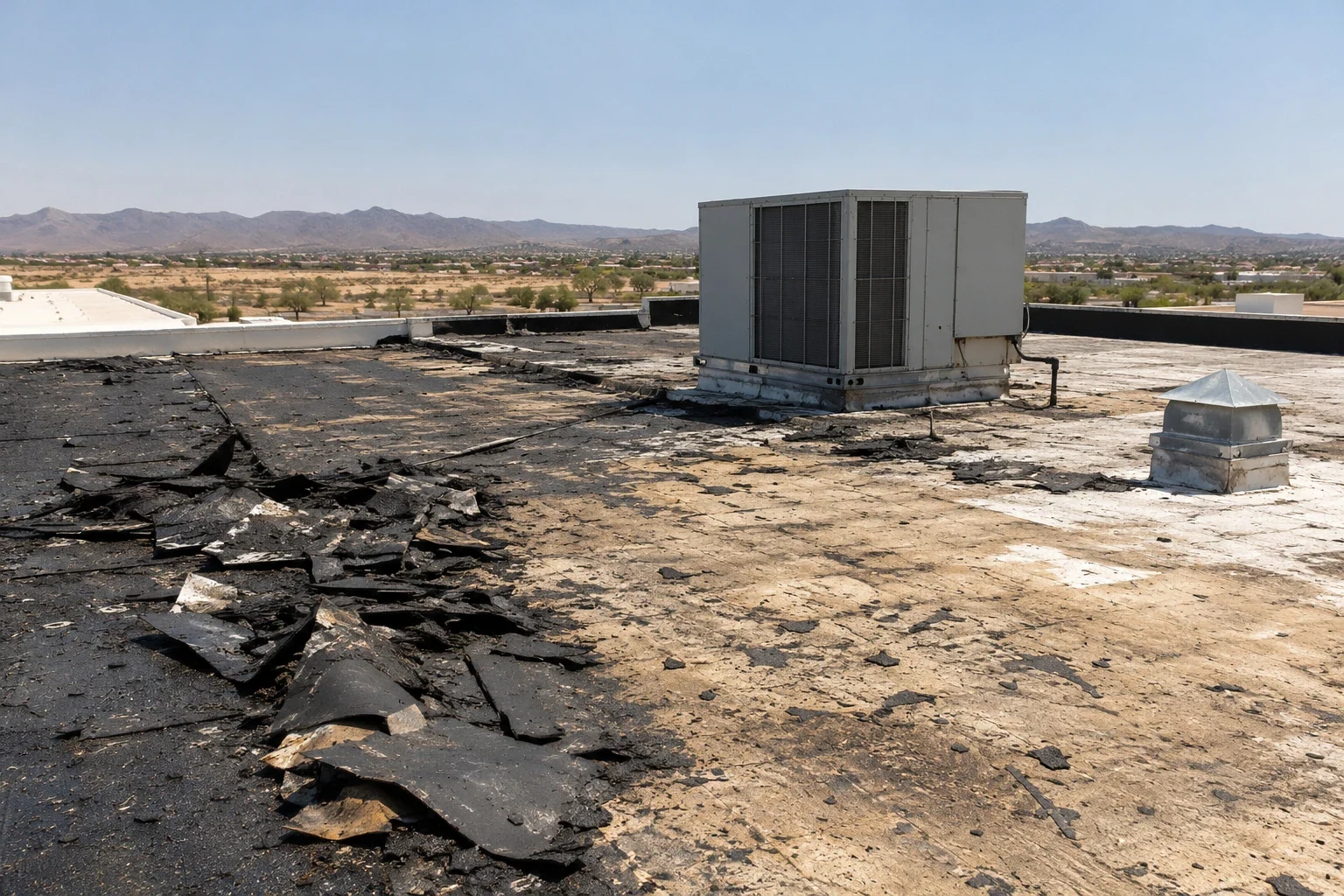
When the deck and insulation remain sound, a local repair or recover may be possible under project requirements. Wet layers, weak attachment, or a deck concern change the decision. A roof condition walk should explain what was observed and the limits of access. If full removal is needed, a replacement scope accounts for tear-off, disposal, substrate work, curb height, drainage, and the number of sections the facility can release.
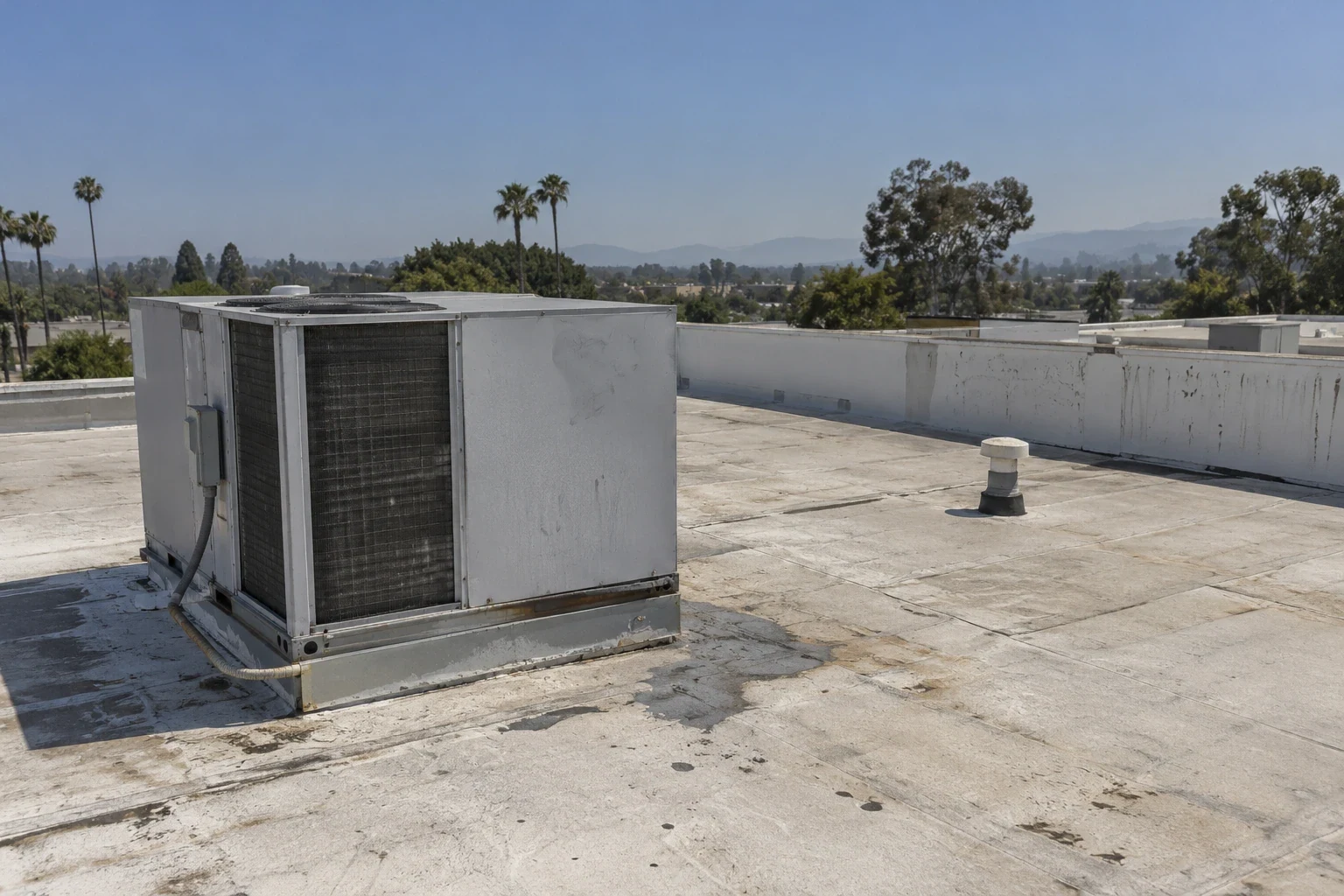
A rooftop-unit move can interrupt freight as well as the roof. The mechanical and roofing leads agree who disconnects, protects the opening, flashes the curb, and verifies restart.
Prepare drainage for desert storms
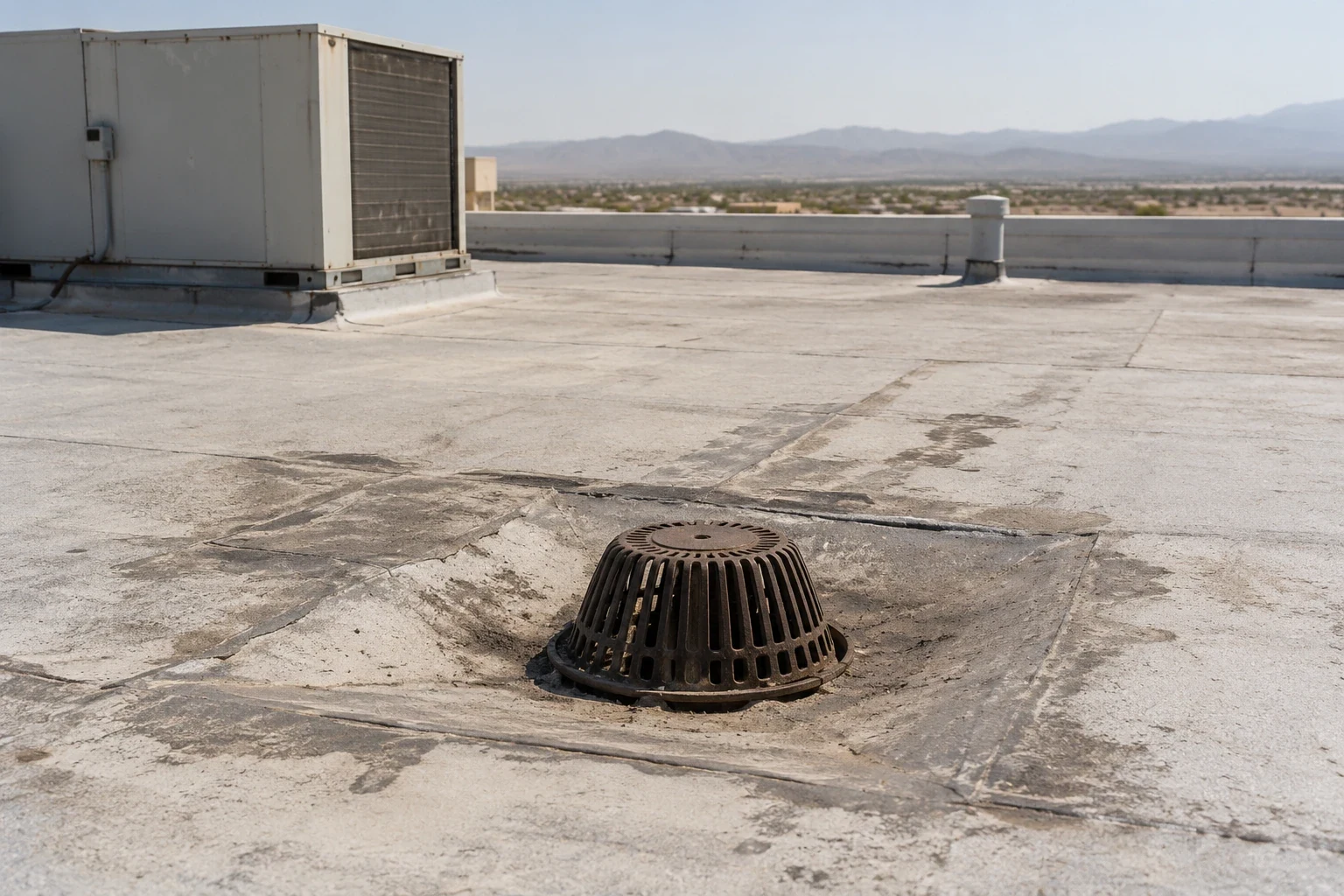
The Phoenix metro's summer monsoon can bring damaging winds, heavy rain, and flash flooding. At a distribution building, water that backs up over a dock canopy or near a roof drain can affect stored goods and truck access below. We trace the drainage route, clear or repair outlets within scope, and inspect edge details and rooftop supports. The weather pattern guides the check; the roof inspection establishes whether anything has moved or failed.
Surprise sits in a hot low-desert setting. Phoenix Sky Harbor's July normal provides regional heat context, not a reading for a warehouse in the Railplex. Repeated heat makes aged sealant and exposed flashing worth inspecting, but a high surface temperature alone is not a defect. We document open laps, brittle transitions, or other visible conditions and note whether a repair can be completed without interrupting a dock.
For active water entry, around-the-clock emergency service can stabilize an opening and protect the interior while the permanent scope is scheduled. Drain and scupper work may be needed alongside membrane repair if the outlet or overflow path is part of the problem. A clean distinction between temporary dry-in and completed correction lets the operations team track the work across shifts.
Sequence work across shifts
One distribution center may run nights while another turns over freight at dawn. We use the facility calendar to choose a work window, identify noisy steps, and coordinate any mechanical shutdown. Each phase has a roof boundary, a material route, an interior protection plan, and a watertight stop point. If rain approaches or a truck route changes, the supervisor knows which area can be closed and which work must wait.
At an occupied site, the work plan also protects staff entrances, fire lanes, and trailer circulation. Phased occupied-building reroofing can separate active operations from roof areas under construction. If a general contractor is coordinating an expansion, the roofing trade scope should define who owns penetrations, curb resets, edge metal, and temporary tie-ins. A daily note records what was closed and which zone the next shift receives.
Loop 303, US 60, and Railplex freight infrastructure shape the regional transport network. The site contact still confirms the property's gate, receiving hours, staging surface, and delivery route.
Keep roof records consistent across facilities
A 3PL operator may need comparable condition records from several buildings without flattening their differences. We can use the same fields for assembly, repair boundary, photo location, and follow-up while keeping each site's drains, equipment, loading hours, and deck conditions separate. That gives an operations manager a record that can move from facilities to finance without confusing one roof with another.
Surprise employment and development areas include industrial, distribution, office, retail, and service uses. The manufacturing roof plan may share logistics routes, but production equipment and shutdown limits can differ from a warehouse's dock calendar. We identify those differences before writing one program across multiple facilities.
Closeout can include a roof plan with repaired locations, dated photos, installed materials, and the next maintenance item. The record should distinguish a completed repair from a temporary patch and any area not opened for inspection. A multi-location operator's roof program can use the same discipline across unlike buildings: a consistent record, followed by a property-specific decision.
Return the dock to its normal route
Before leaving a roof zone, we verify that temporary protection is secure, materials and debris are removed, and the agreed access path is clear. The facilities contact can match the completed roof area to the loading zone and note any restriction that remains. If the repair needs a follow-up test, the open question belongs in the handoff rather than a vague completion note.
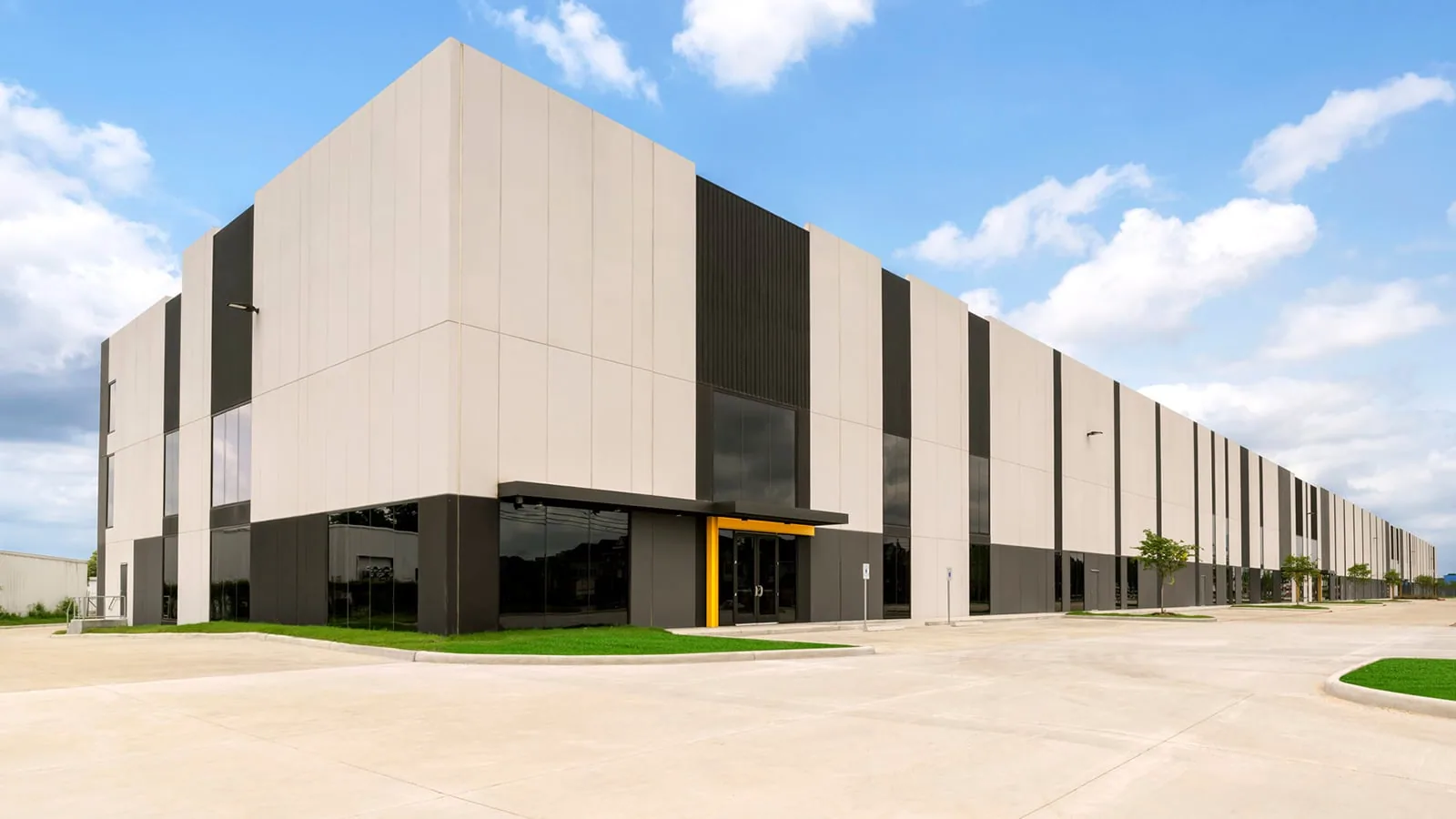
A roof decision for a logistics building often weighs access, storage exposure, tear-off limits, and timing together. We document those drivers so the operator can compare a local repair with a larger project. A roof walk can begin with the site map, a list of active docks, known leak tickets, and the delivery calendar; the scope then follows the building rather than a generic warehouse assumption.
Send the roof plan, shift schedule, receiving rules, and past repair notes to arrange an inspection. We can map the affected zone, coordinate a work window, and return a written scope with the roof repair and dock-access boundaries stated clearly.
Commercial Roofing Questions
Can a roof crew work while the docks stay active?
Often, with a defined lift zone, delivery window, and route that does not cross active movement without controls. We agree on the affected doors and work boundary before materials arrive.
How do you protect freight if a leak is over a loading area?
We locate the roof condition, identify the interior exposure, and set temporary protection before opening the assembly. The shift lead receives the roof zone and the next check in the work record.
Does the Railplex freight setting tell us how a warehouse roof is built?
No. The district's industrial and freight uses provide local context. We inspect the actual deck, membrane, drainage, curbs, and prior repairs at the specific distribution facility.
What should change between day and night shifts?
The handoff should name the roof section closed, any temporary tie-in, equipment shutdown status, access restriction, and the next work area. That keeps operations from inheriting an unclear boundary.
How do you decide whether to repair or replace a roof?
A local seam or flashing failure may be repaired. Wet insulation, weak deck, multiple layers, or broad attachment trouble can point toward replacement; the inspection record shows what changed the recommendation.
Ready to review the roof scope?
Request a Roof Assessment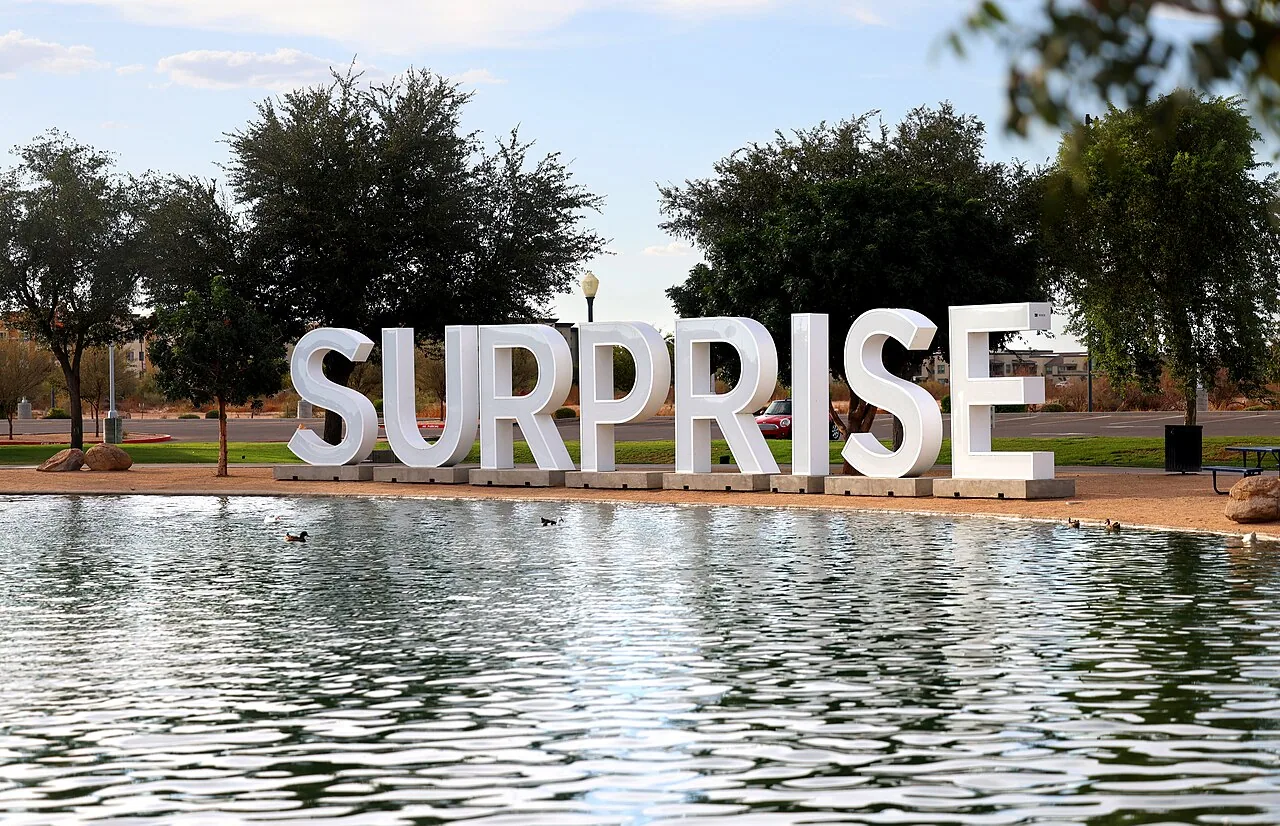
Related Roofing Work
Coordinate roof work with freight flow
Share the roof plan, dock schedule, receiving rules, and leak history. We can inspect the affected zone and prepare a scope with material routes, work windows, and daily closeout points.