
A property manager handling a portfolio in Surprise, AZ, may have retail, healthcare, civic, office, and industrial roofs under the same reporting calendar. City Center's mix of uses differs from the manufacturing and distribution properties represented in the Railplex. We start with each building's assembly, occupancy, and repair record, then separate urgent water entry from capital work. A roof list is useful only when every item can be tied to a property, a condition, and the next decision.
Keep each roof tied to its building
Portfolio records can blur details when a ticket says only “leak” or “roof repair.” We mark the affected roof area, the interior location, what the field walk confirmed, and what still needs testing. A drain issue at a retail property is not the same scope as a failed curb above an office, even when both create ceiling damage. Dated inspection photos and a marked roof plan give the owner a way to compare this visit with the next one.
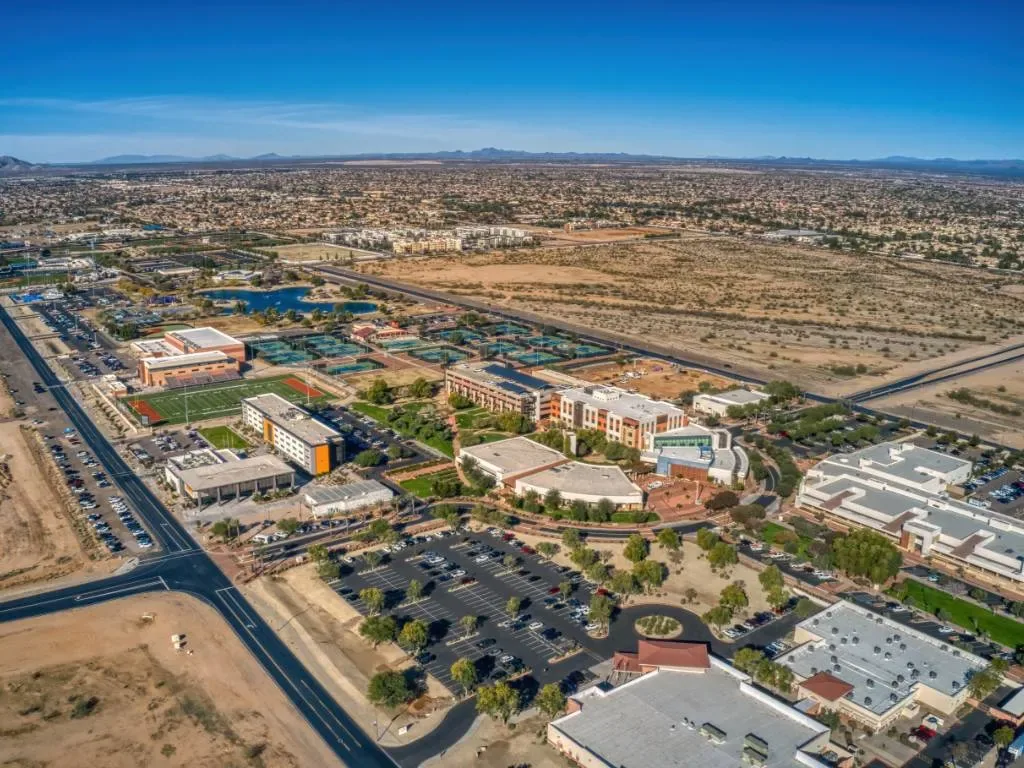
The City Center includes healthcare, retail, restaurants, hotels, and civic uses across multiple blocks. That mix can mean varied operating hours, deliveries, public entries, and tenant expectations within a short drive. The Surprise City Center area is a broad commercial context, not a statement about any tenant's roof. We confirm the actual address, roof access, and business hours before setting a work sequence.
Farther west, the Railplex district represents manufacturing, distribution, flex office, and warehouse development. A property there may need a loading lane kept open while the roof is repaired; a storefront may need pedestrian access protected instead. A multi-site maintenance program can keep those operating limits attached to the correct building instead of copying one generic note across a portfolio.
Separate active leaks from planned capital work
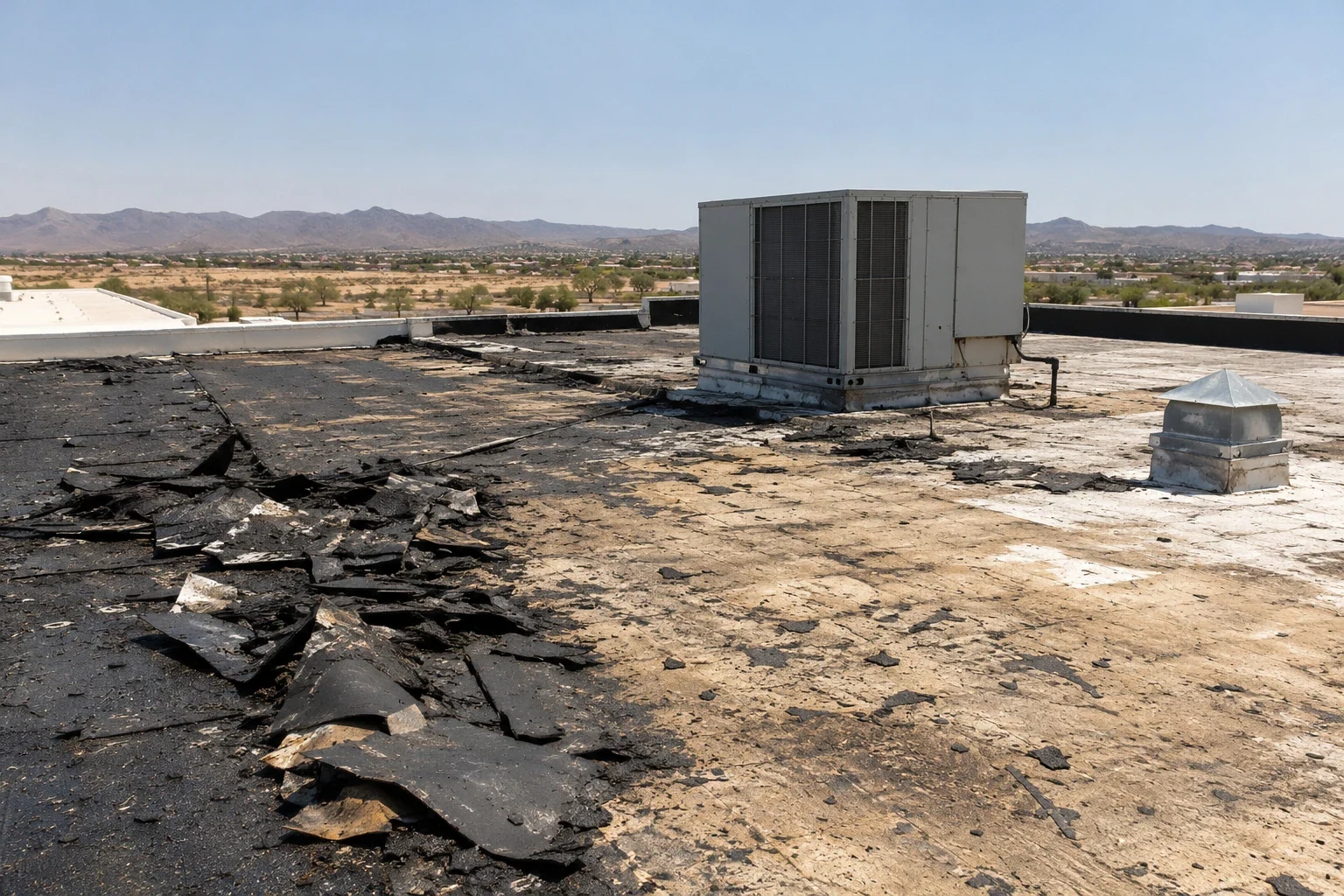
A recurring leak deserves a roof-level trace before another ceiling patch is approved. We compare the interior stain with seams, penetrations, drains, walls, and past repairs above it. If the entry point is clear and the assembly remains sound, a local repair may be enough. Wet insulation, a soft deck, widespread open seams, or failing attachment can shift the conversation to recover or replacement. We write the reason for that change into the scope rather than hiding it in a total.
Property managers often need a first response before a tenant, vendor, or insurer can wait for a capital committee. Around-the-clock emergency response can stabilize an opening, protect the interior, and record the temporary repair boundary. The emergency roof response does not replace a permanent correction; we identify what remains to inspect once the weather passes. For scheduled work, a maintenance visit can address drains, edge metal, exposed sealant, and equipment flashings before they turn into water entry.
Surprise's low-desert summer heat and Phoenix-area monsoon storms make seams, drainage, and perimeter details practical inspection points. Regional weather does not prove a particular roof failed. The visit records what moved, opened, or held water at that property, so the manager can assign a work order based on evidence rather than a weather headline.
Set work around tenant hours
Occupied retail and office buildings need a roof plan that protects entrances, service lanes, and the interior below the work area. Before mobilization, we confirm where materials can stage, which doors remain open, when noisy work is allowed, and whether an HVAC unit or exhaust system needs a coordinated shutdown. A marked zone plan lets tenants and facilities staff see what changes on a given day. It also gives the crew a defined place to stop if the access window closes.
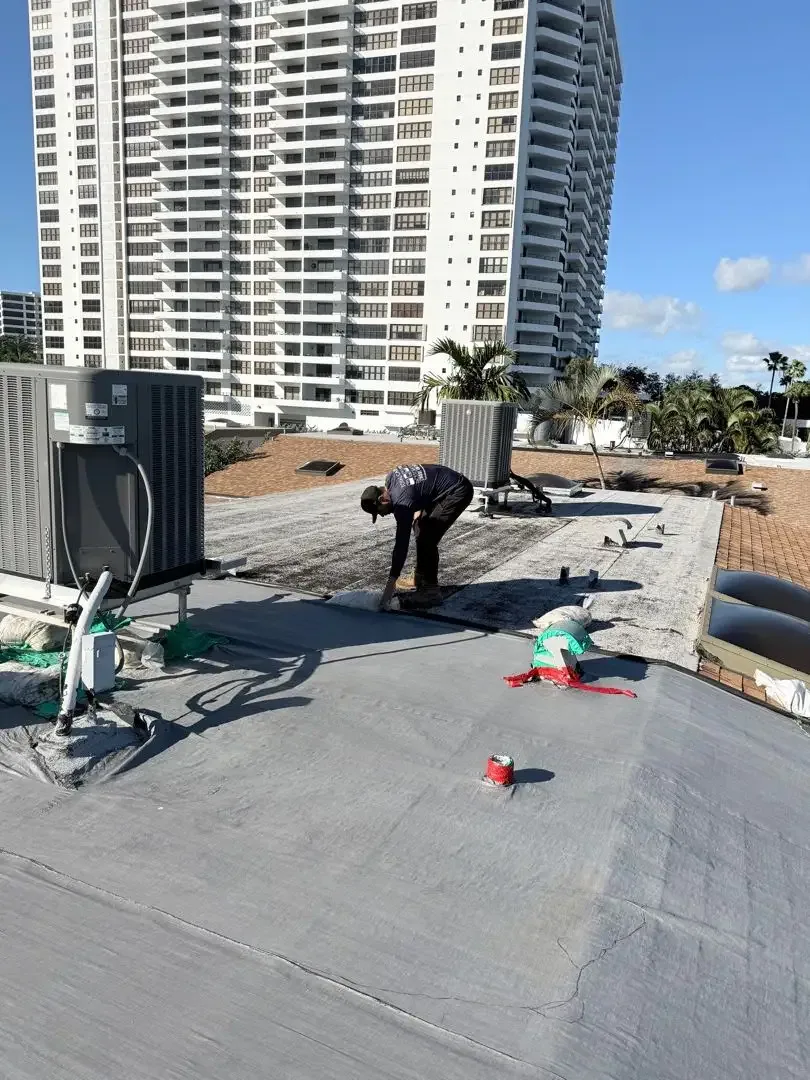
At a multi-tenant property, one open roof section can affect more than the suite below it. We use temporary dry-in at the end of each shift, assign a contact for interior protection, and identify how water will be managed if a storm interrupts the work. Phased occupied-building reroofing is useful when zones can be isolated without closing the entire property. If equipment must move, the roofer and mechanical trade agree who disconnects, protects, resets, and tests each unit.
The manager's responsibility is not to guess at roof chemistry. It is to give the project team roof history, tenant constraints, access rules, and the approval path. We turn those into a scope with separate repair items, exclusions, and a schedule assumption that can be reviewed before the work order is released.
Compare repair, recover, and replacement
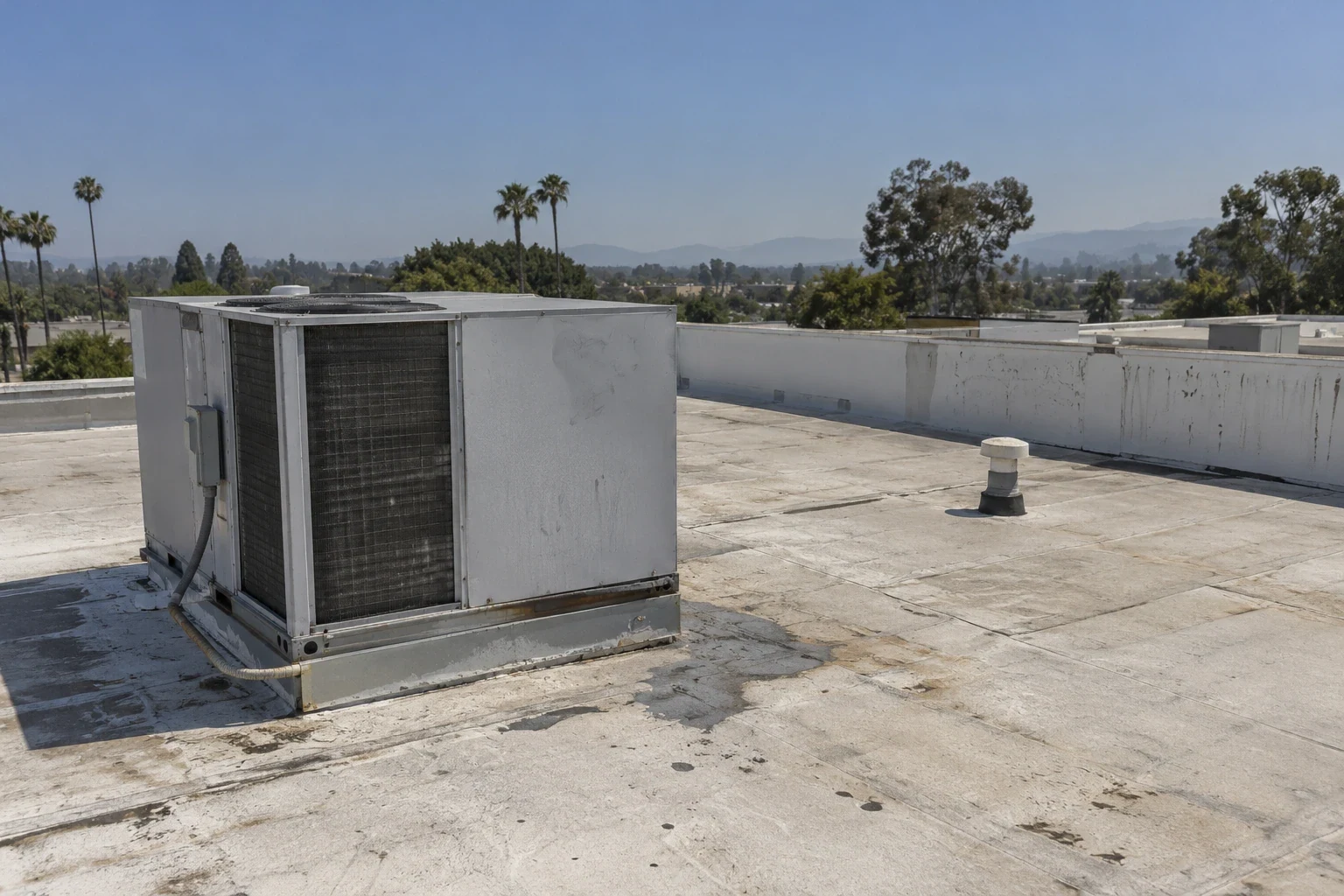
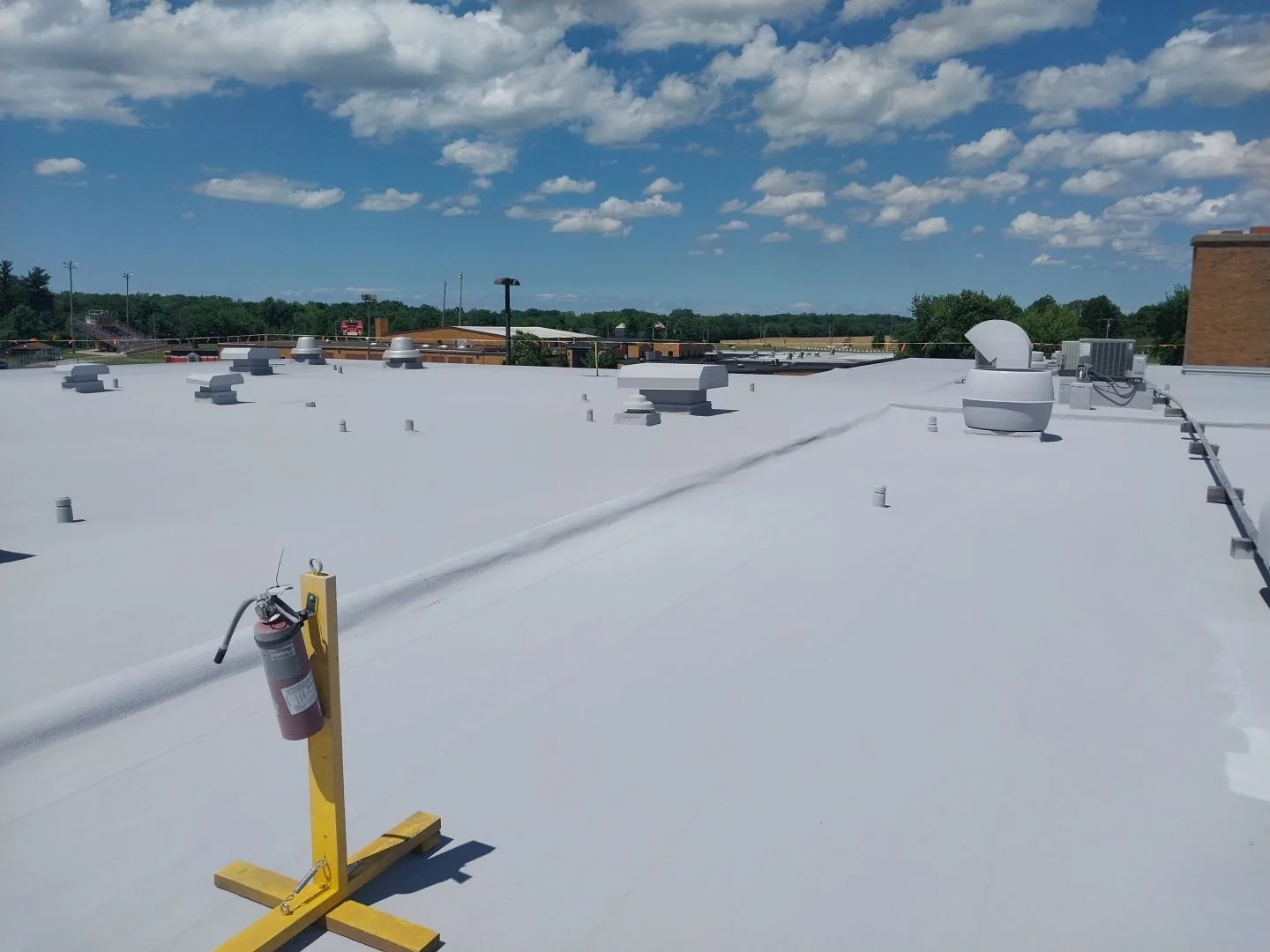
A capital comparison needs more than a membrane label. We identify the existing system, number of layers where known, visible deck concerns, insulation condition, drainage, edge details, and equipment curbs. A recover can reduce tear-off and interior disturbance when the old roof is dry and stable and the project criteria allow another layer. If moisture or attachment failure is widespread, covering it can carry the defect forward. A recover assessment should state the limits of what the inspection could confirm.
Replacement cost drivers include removal depth, deck repair, insulation, curb height, perimeter work, disposal, staging, and the hours available for a safe tie-in. We describe those separately so a manager can compare a near-term repair with a full assembly reset. The replacement scope should say which building areas are included and what assumptions change the price or schedule.
For multi-owner reporting, a portfolio capital plan can connect a roof condition with the timing and reserve decision without treating every address alike. When the project involves a general contractor, a coordinated roofing scope should identify trade interfaces and the details that remain under the roofer's work.
Give the next manager a usable record
Closeout should identify work completed, repairs still pending, and any condition that needs a separate test. We can return photos tied to roof-plan locations, a brief record of materials installed, and notes on temporary protections removed or left by agreement. Warranty records depend on the product and project documents. A clean handoff helps the next manager answer what was fixed, where it was fixed, and what the roof still needs.
City employment clusters include healthcare, education, consumer services, retail, and government/social services, so a local portfolio may span very different interior uses. We keep those use constraints in the site record instead of applying the same access plan to a clinic, a school, and a warehouse. A roof asset record can show the difference between a repeat leak, an aging component, and a future capital project.
Bring the property list, known leak tickets, roof plans, and approval contacts to a portfolio review. We can inspect priority buildings, identify immediate protections, and give each site a written scope with its own access window and repair boundary.
Commercial Roofing Questions
How should we prioritize roofs across multiple properties?
Start with active water entry, interior risk, and any condition that affects operations. We can inspect the highest-concern roofs, document each area, and separate urgent stabilization from planned capital work.
Can you combine roof inspections at City Center and the Railplex?
Yes, a portfolio visit can include multiple addresses, but each roof gets its own findings, access notes, and repair boundary. The building use and operating schedule still control the work plan.
What should a manager send before a roof walk?
A roof plan, leak history, prior repair notes, access rules, and tenant-hour limits make the visit more useful. We use those records to locate the condition and identify the right field checks.
How do you handle an urgent leak while capital approval is pending?
Around-the-clock response can stabilize the opening and protect the affected interior. We record the temporary scope and the follow-up inspection needed before pricing the permanent repair.
Will one maintenance scope work for every property?
No. The inspection list can be consistent, but the roof assembly, tenant use, drainage, equipment, and access differ by address. We keep the recommendation tied to each building's actual conditions.
Ready to review the roof scope?
Request a Roof Assessment
Related Roofing Work
Review the roofs that need a decision
Send the property list, roof plans, leak history, and operating limits. We can coordinate roof walks, mark repair boundaries, and return written scopes by address.