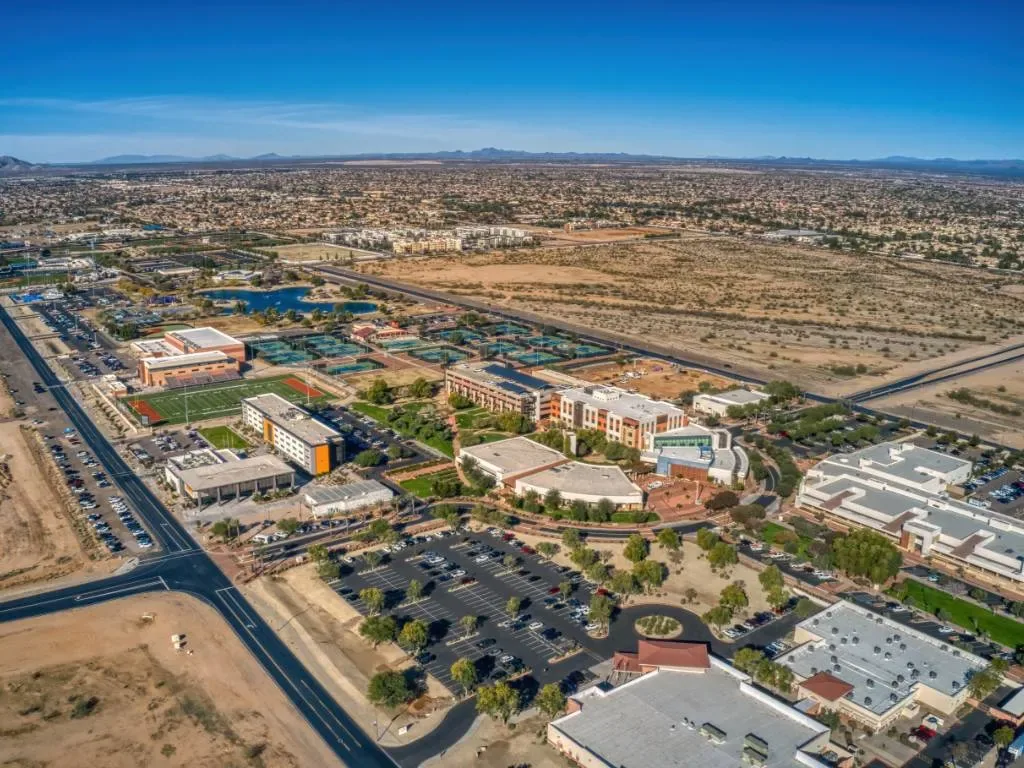
Hangar doors make the roof edge part of aircraft access. A leak near a door track, high wall, or equipment penetration can affect both the interior and the opening clearance below. We begin with a roof inspection, checking the roof field, perimeter metal, drains, and transitions, then ask how the facility schedules door movement and any aircraft or equipment staging. Surprise Railplex supports freight-oriented industrial uses, while the Loop 303 corridor connects varied commercial areas. Those names describe regional building context, not a claim that a particular hangar sits there; our recommendations follow the inspected structure.
Coordinate door movement
The first site question is which door openings must remain available and when maintenance traffic uses the apron. We coordinate ladder and lift locations so material movement does not cross an active path. If a project requires the hangar door to stay closed during overhead work, the facility contact needs a clear time window and safe alternate access. We protect aircraft and equipment from debris, keep tools secured in wind, and close any roof opening before a shift ends. A longer project can be divided into roof zones so operations know which bay is affected without treating the entire building as unavailable.
Inspect spans and edges
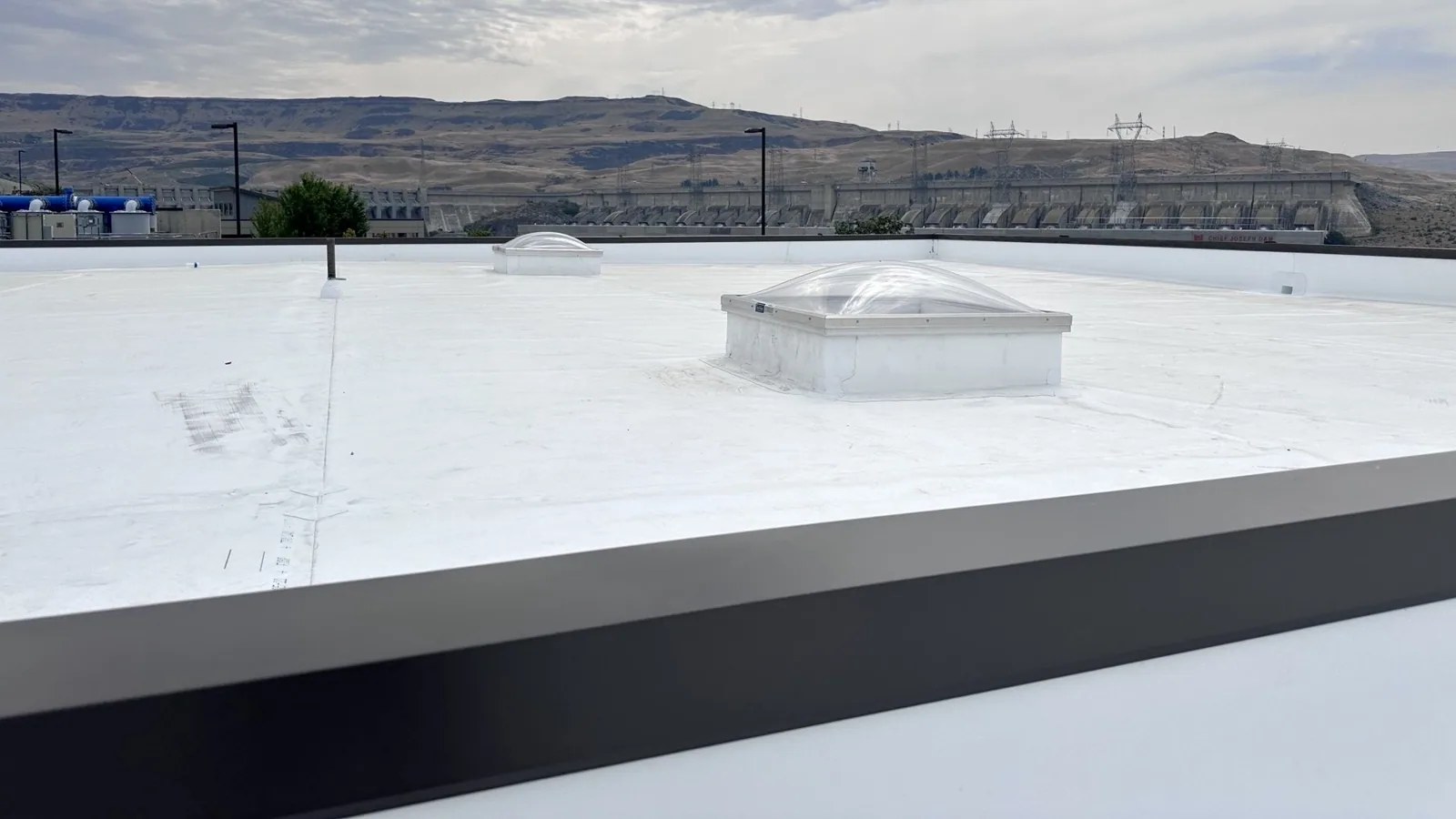
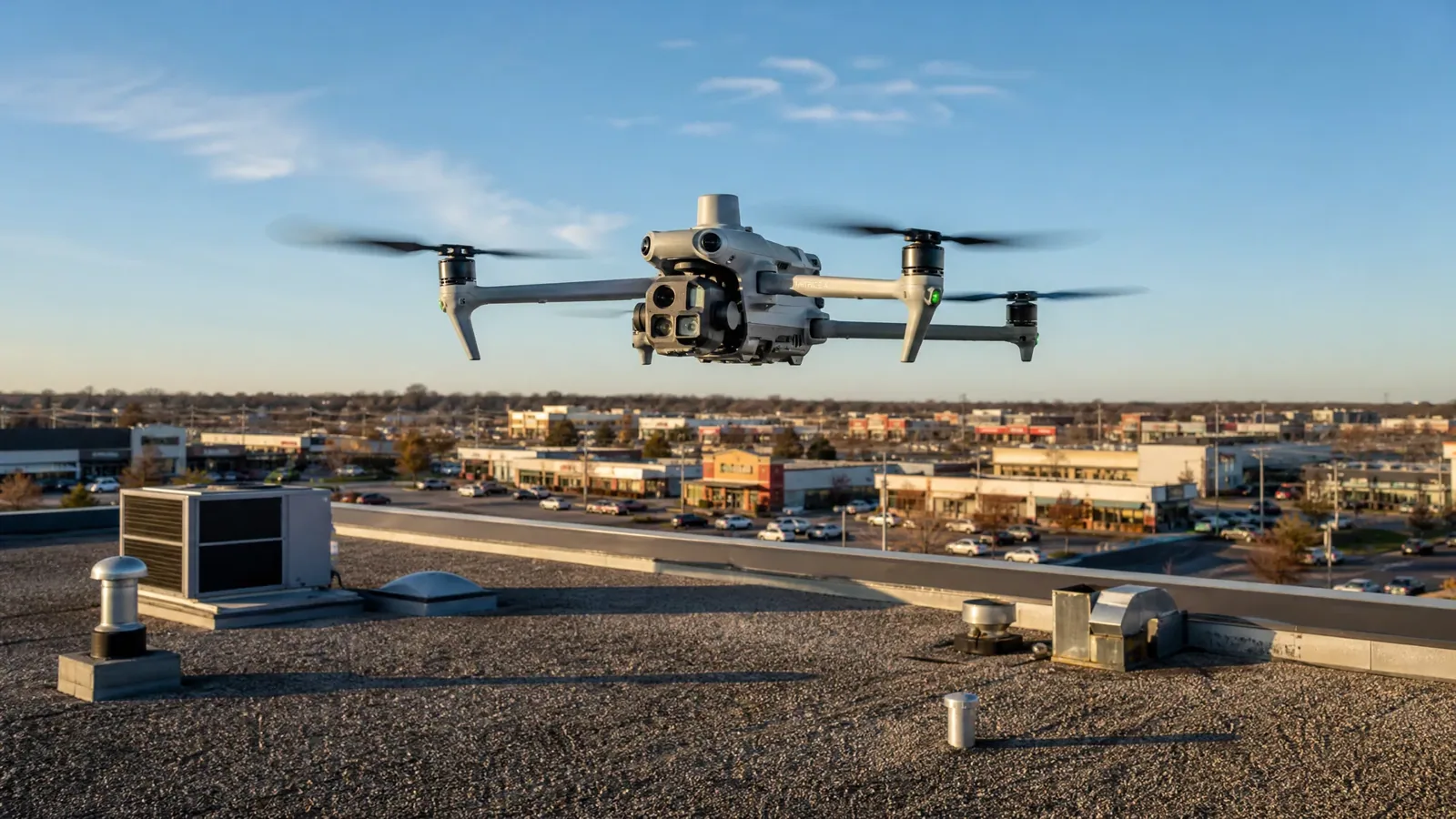
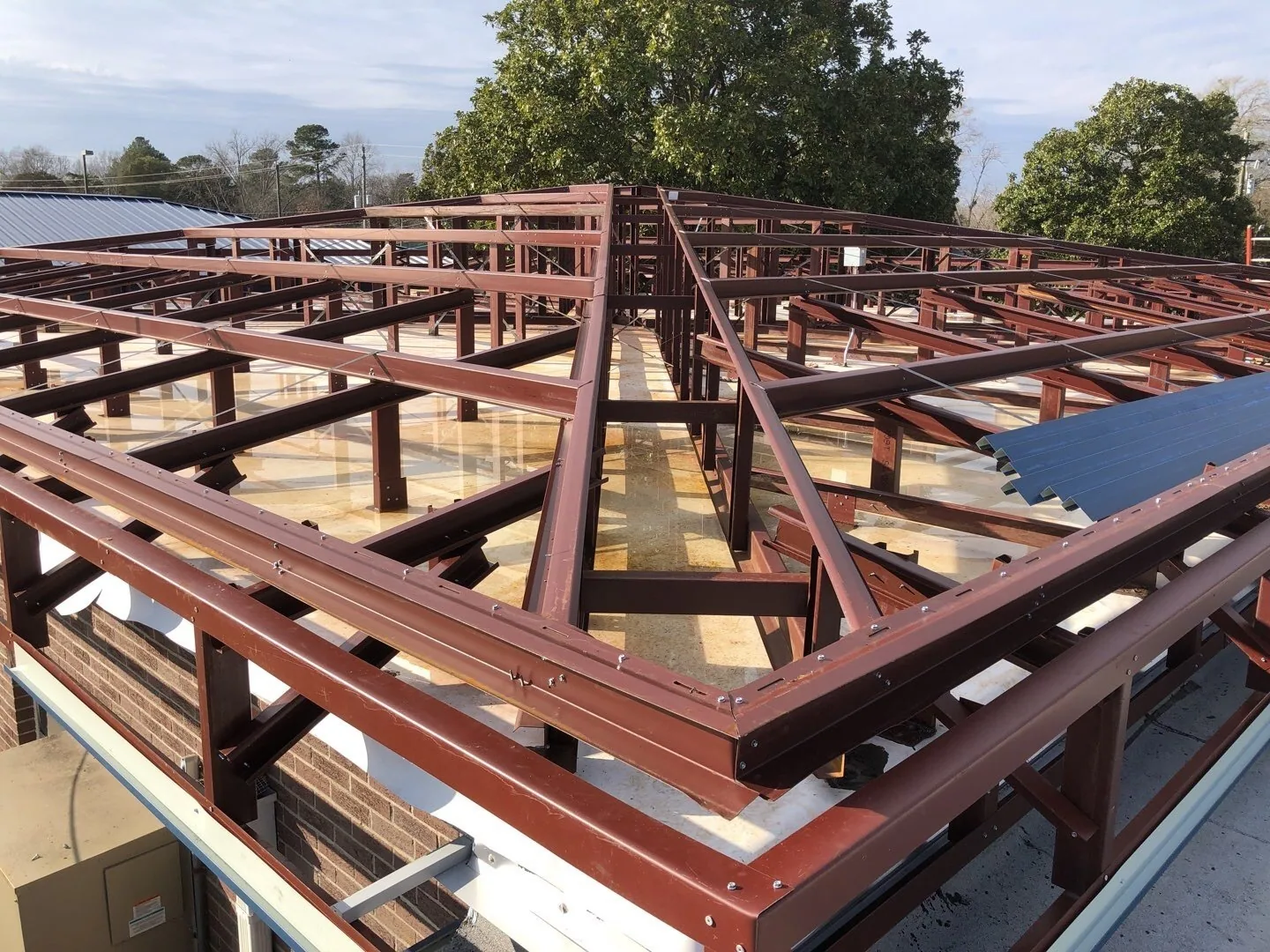
Large metal or low-slope hangar roofs can have long seams, broad panels, movement joints, and substantial perimeter details. The roof type determines whether we inspect fasteners, seams, membrane laps, or attachment at the edge. Around a sliding or folding door, we pay attention to the interface between wall, track, and roof because movement and weather exposure meet there. We also check roof penetrations for communication, lighting, and mechanical equipment, without assuming what is installed before the walk. A marked condition report helps distinguish a surface repair from a larger attachment or drainage concern and can be paired with a drone roof survey when the access plan makes it useful.
Read the roof after a storm
A hangar's broad roof area can catch gusts at the perimeter, and a monsoon downpour tests whether water reaches its outlets without backing up. Summer heat also works on exposed sealants and metal components. Phoenix Sky Harbor temperature normals provide a metro benchmark, not a site measurement for a building in Surprise. We inspect the actual seams, end laps, edge metal, and fasteners for movement or opening. Regional hail is an inspection possibility, not proof of damage. If a storm is reported, we document the affected panels or membrane areas with dated images and check whether interior water corresponds to the roof condition.
Choose repair or replacement
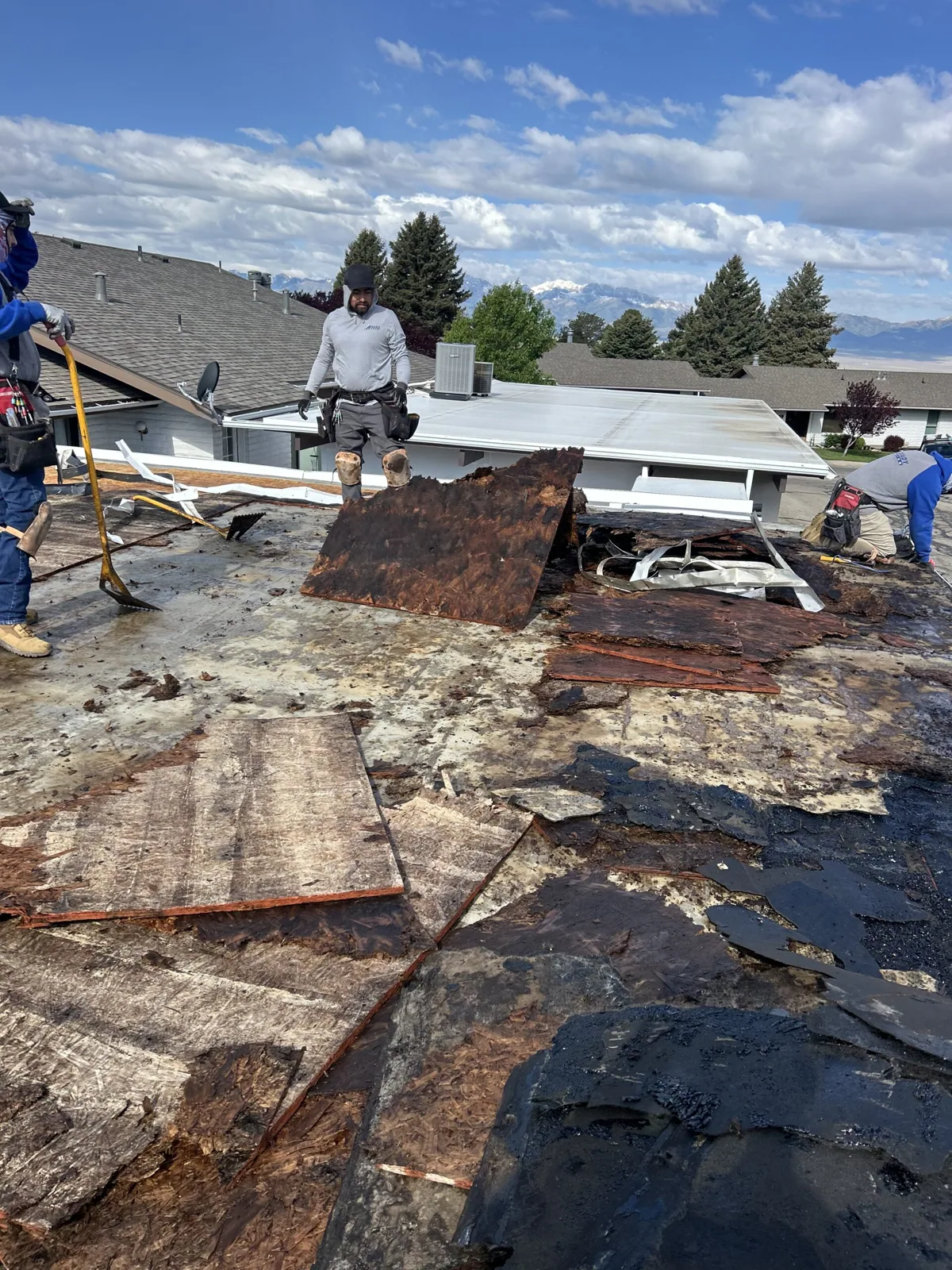
A loose fastener or a failed flashing detail may be repairable without changing the full field. Repeated movement, corroded material, or wet insulation may require a broader scope. We identify the roof material first, then compare a localized repair, panel or membrane section replacement, and complete renewal where supported. For metal structures, metal roof retrofit may be considered when the existing assembly and load conditions allow it; we do not assume that a new layer fits every structure. The scope should state tie-ins, edge details, penetrations, access, and temporary weather protection for each alternative.
Keep the apron available
The Surprise Railplex is a multi-property industrial area with freight-related uses, and the Surprise Loop 303 Corridor serves a wide development pattern. The Surprise Railplex service area offers nearby context for access planning. These regional conditions make staging a real planning question, but a hangar's own apron, gate, and clearances control the work. We ask where the facility permits a crane or lift, which surface can bear delivery traffic, and what escort or sign-in process applies. If a door remains operational, we set a no-work interval before movement and keep the lift outside that route. A phasing sketch and daily closeout help the facility coordinator keep the roof task separate from aircraft handling.
Document the actual roof area
A useful hangar inspection shows where the roof meets the door system, not just a wide overview. We photograph seams, panel ends, fasteners, edge metal, and equipment penetrations, then mark the condition on a roof sketch. If the owner needs an insurance file, our claim documentation records dated observations. we distinguish observed storm effects from older corrosion or sealant wear. A repair log can identify materials, date, and limits, while any area requiring a test opening is listed separately. That record helps maintenance staff compare future movement or leakage without claiming the building had a roof failure before it was inspected.
Confirm access assumptions
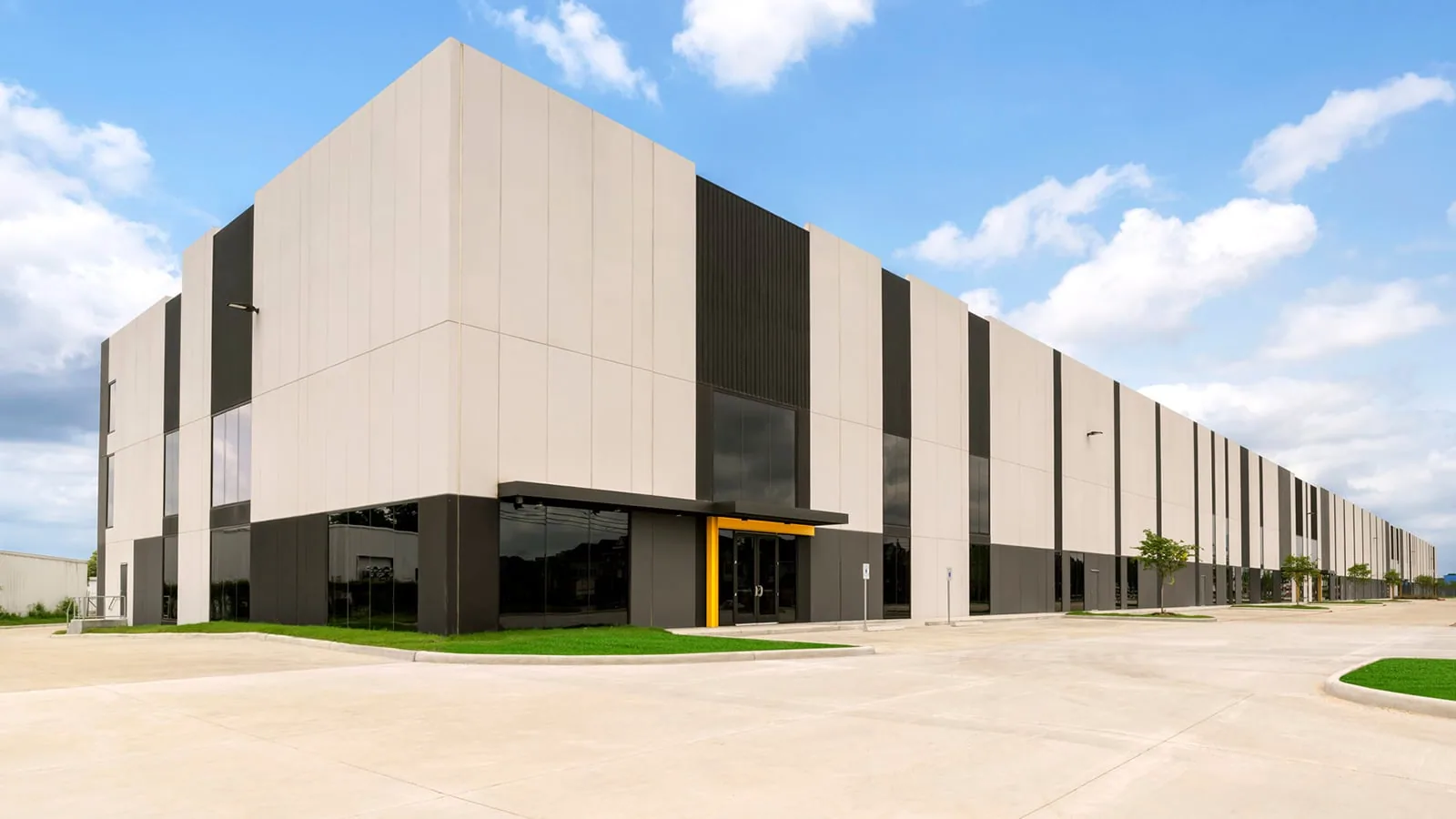
A hangar roof estimate must show the assumptions that drive access and sequencing: the lift size, whether the door can be isolated, the length of the repair run, and protection for equipment below. We state which panels, membrane areas, or edge sections are included and how tie-ins will be completed. If the roof is large, doing a sound section first and scheduling the rest later can be compared with full replacement, provided the condition supports phasing. The distribution-center roof comparison may help an owner consider long roof runs and delivery access, while an aviation building's door clearance and apron rules remain distinct. We will walk the site with the responsible contact and return a written scope.Where a roof connects to tall walls, long spans, or large door openings, the edge assembly can be as important as the field membrane. We record fastener patterns, panel ends, sealant joints, and the way the door track meets the wall, then call out any area that needs an engineer or further testing before repair. A warehouse roof inspection offers a useful comparison for long spans and lift access, but hangar clearances and movement windows remain specific. If equipment must stay indoors during work, we can phase the roof by bay and keep a daily weather closeout. The written estimate should say how temporary protection will be secured, which side of the building remains accessible, and when the facility needs to keep the door stationary. That detail makes the roof scope workable for the operations lead. The Surprise Loop 303 Corridor is regional context for access, not a substitute for the facility's gate and apron rules. We confirm those controls with the operations lead before staging any lift or material. We also record the weather closeout and the exact roof section returned to service, so the next shift knows what was opened and secured. We identify any temporary seal or tie-in that needs a return visit and include it in the closeout notes. The operations lead approves reopening and passes that boundary to the next shift.
Commercial Roofing Questions
How is a repair scheduled around aircraft movement?
We coordinate the lift and work area with the facility lead, then agree on when doors can move. If a safe separation is not possible, the schedule needs a stationary window.
Can a drone help inspect a high roof edge?
A drone can document broad roof areas where access is difficult, but close inspection still may be needed at fasteners, seams, and door transitions.
What causes leaks near a hangar door?
The roof-to-wall transition, track attachment, flashing, or nearby drainage may be involved. We inspect each detail and avoid assuming the drip point is the entry point.
When should a metal roof be replaced rather than repaired?
Repeated movement, corrosion, or widespread attachment concerns can change the choice. We document the affected panels and compare a localized repair with renewal.
What site details affect the estimate?
Clear height, lift capacity, door movement, material staging, and protection for equipment below shape the work plan. A site walk confirms those conditions before pricing.
Ready to review the roof scope?
Request a Roof Assessment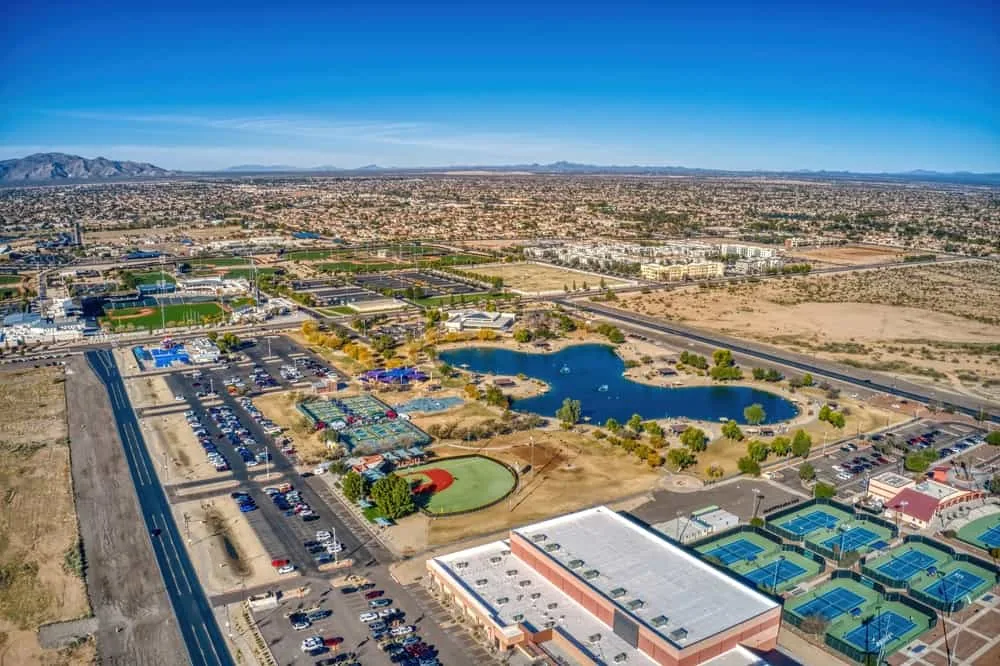
Related Roofing Work
Coordinate the roof and door schedule
Tell us the hangar access rules, door movement windows, and equipment limits. We will inspect the roof edge and return a scope with clear operating boundaries.