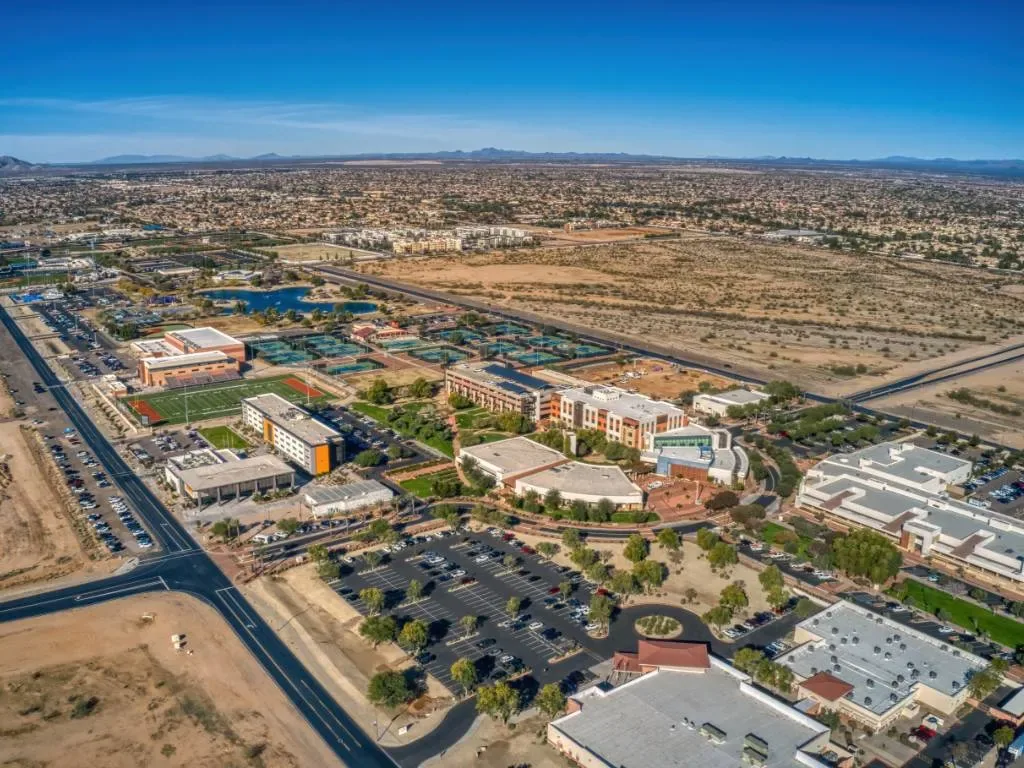
A commercial property in El Mirage, AZ may be part of a southern industrial corridor, a service business or a newer commercial investment. Manufacturing, data-center and innovation investment in El Mirage support commercial and industrial activity, but do not tell us what a particular roof is made of. We meet the site lead, confirm which building is in scope and inspect seams, edges, drains, curbs and prior repairs. A roof decision should follow the actual assembly and access limits, not the business label on a parcel map.
Start with the property and access route
Before setting a roof walk, confirm safe access, active operations, equipment contacts and where materials can stage. In an industrial or commercial setting, a lift can interfere with a delivery lane or service entrance if the route is not planned. We ask the owner or general contractor which areas must remain available, whether rooftop equipment can be shut down and what interior space needs protection. These are property-specific questions; the city's growth profile does not establish a gate, tenant schedule or roof condition.
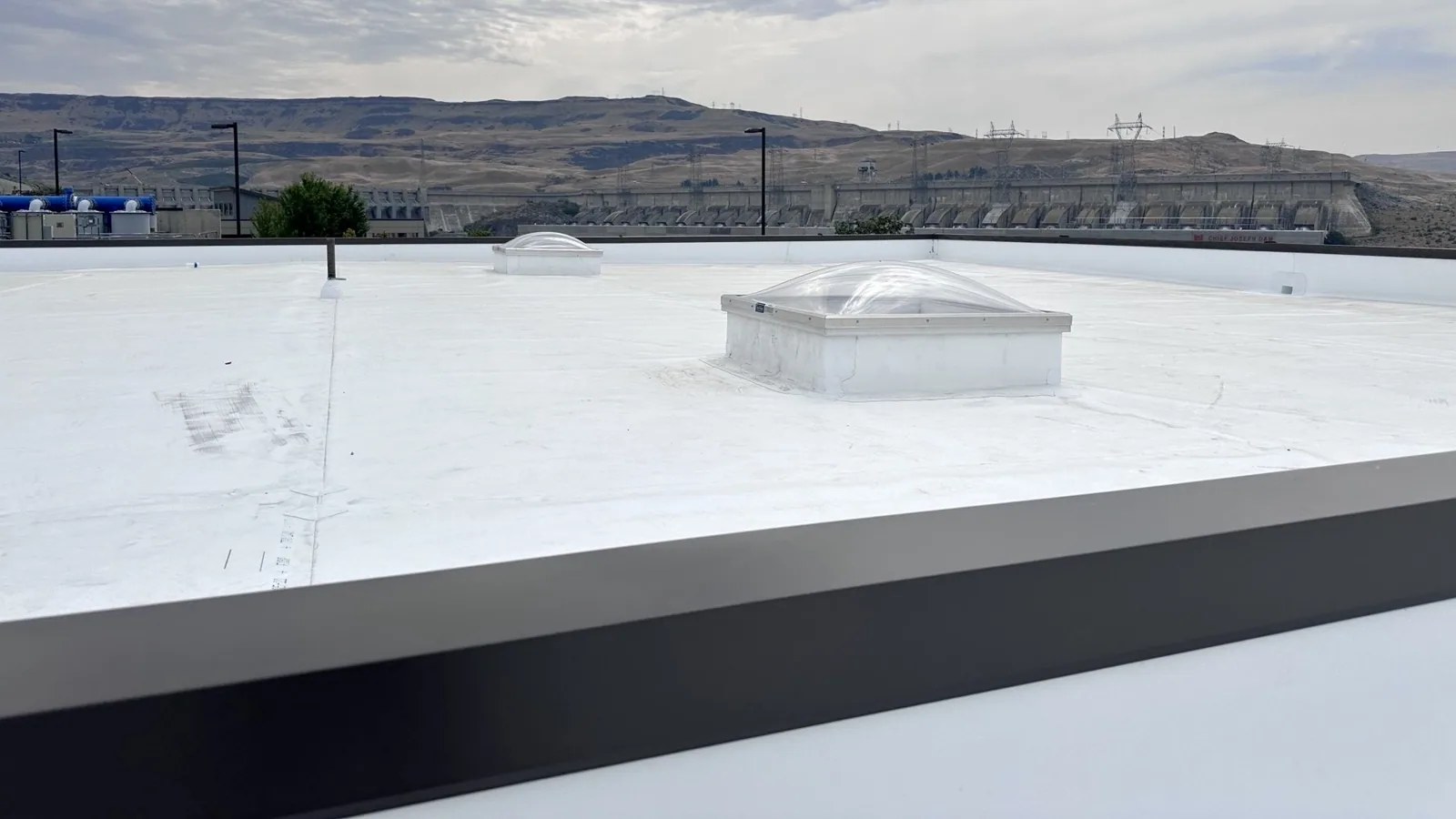
Once access is settled, identify the roofing system from plans, warranty records or visible construction details. Then map roof sections and inspect the membrane, metal edge, parapet transitions, seams, penetrations, curbs and drainage. A recurring water mark inside may not sit directly below the opening. We compare it with slope, drains, wall transitions and equipment lines before recommending a repair. A commercial roof inspection can document confirmed findings, while leak repair addresses a defined water path.
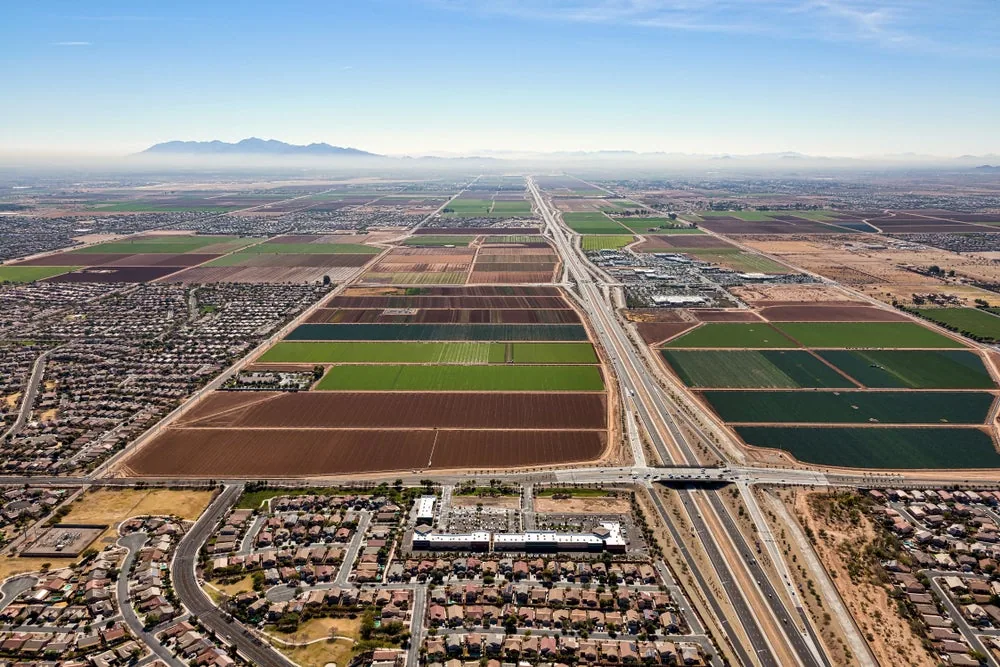
El Mirage's southern industrial and commercial corridor is a broad economic-development focus, not a single building target. If a property lies near that area, describe the roof by the building and section rather than by a neighboring employer. Surprise's Railplex is another broad industrial area with freight-oriented uses, while the Loop 303 corridor links several western Surprise development areas. Each location raises access questions, but each roof still needs its own field record.
Check exposed details in desert weather
The Phoenix region's hot summers and monsoon thunderstorms make exposed membrane, sealants, roof edges and drainage practical inspection points. We look for a split seam, loose termination, brittle flashing, open curb corner, blocked outlet or signs of moisture below the surface. Weather patterns explain why those details deserve attention; they do not prove that a specific El Mirage building has storm damage. If a reported event preceded a leak, we record the date separately from physical observations and keep the repair boundary tied to what we can verify.
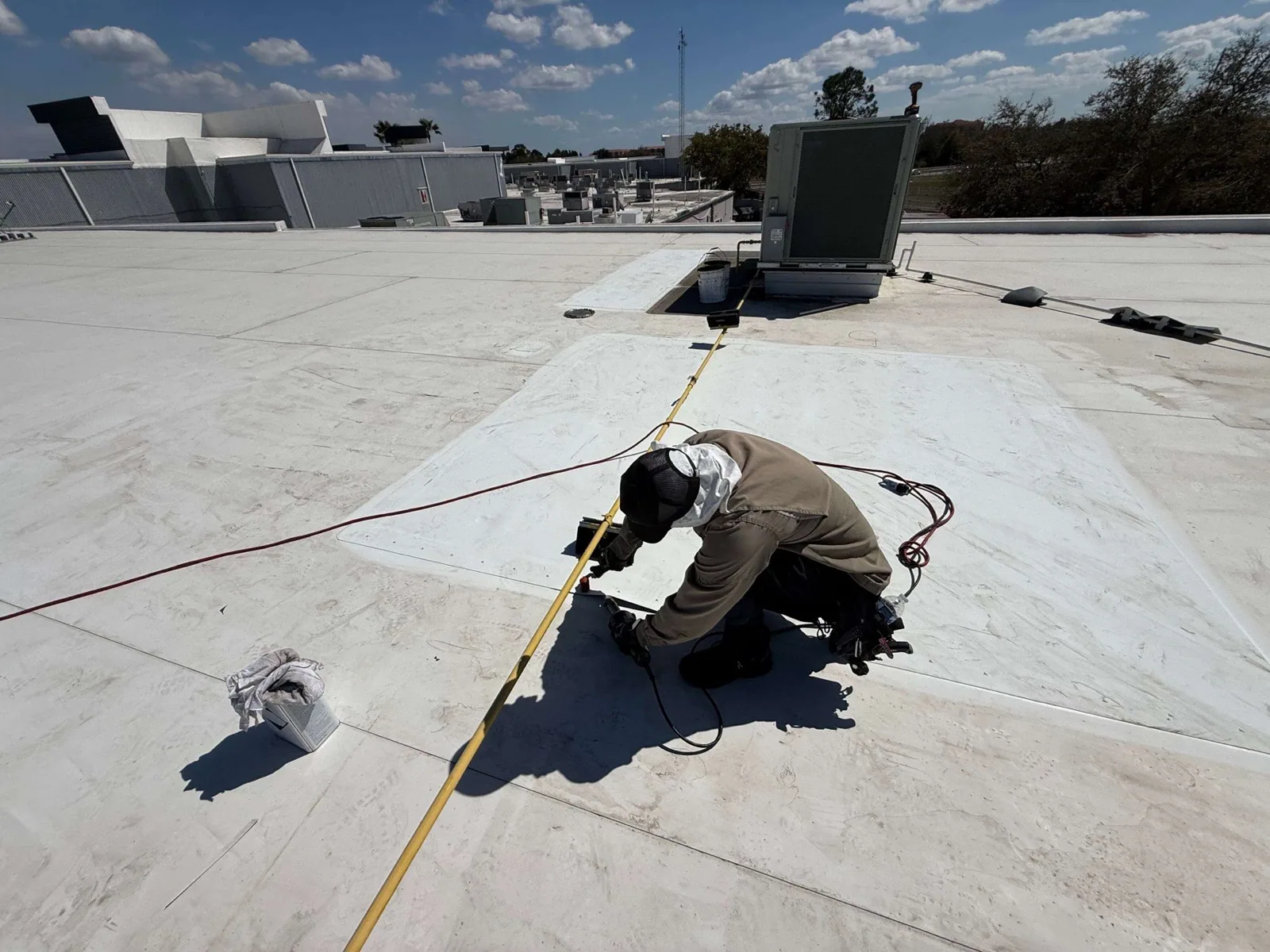
At the edge, check metal attachment, laps, coping joints, wall transitions and the substrate beneath a loose piece. Sealant alone may not correct a detail that has pulled away or lost fastening. At equipment curbs, look for movement, service penetrations, conduit and line supports that may have changed the flashing. A roof edge repair or equipment curb scope should specify the tie-in and who restores each opening when another trade is involved.
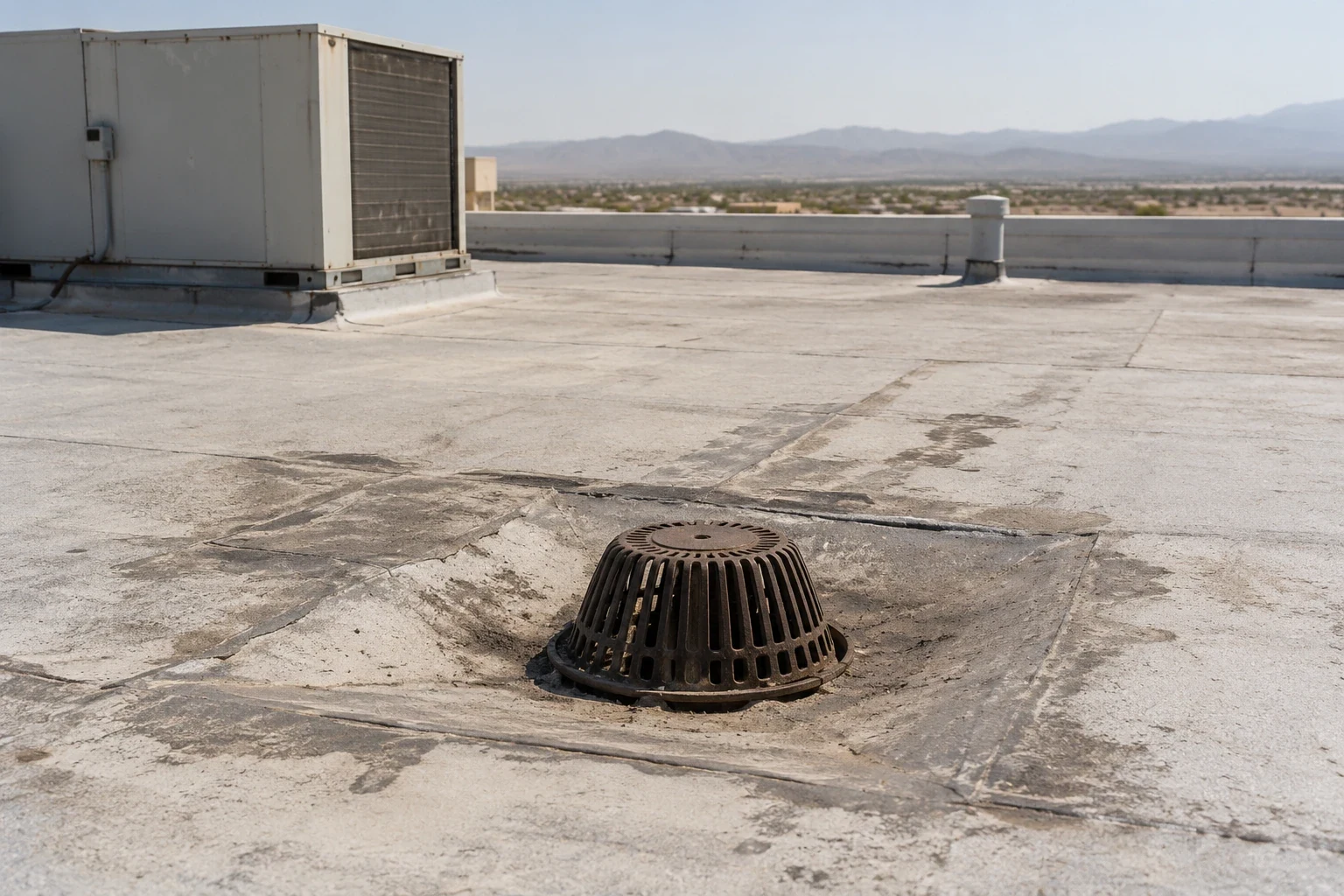
Drainage needs a separate look. We inspect bowls, strainers, scuppers and overflow paths, then note where water remains and whether the surface is depressed. A blocked outlet is different from a low area caused by insulation or deck movement. The drain work should name the observed condition, while a ponding-water evaluation may call for moisture testing or a broader drainage plan. We do not use a coating to disguise a low spot or cover material that has not been checked.
Match the repair to the assembly
A localized seam or flashing defect may be repaired when surrounding material is sound and dry. We identify preparation, compatible materials, reinforcement if required, tie-in and final inspection. If the membrane is brittle across multiple areas or insulation is wet, a patch may leave the underlying problem in place. A broader review can compare restoration, recover and replacement after checking existing layers, attachment, moisture, deck, drainage and equipment transitions.
Cost and schedule move with access, roof height, material compatibility, test openings, tear-off depth, insulation, deck repairs, equipment relocation and interior protection. A recover depends on a dry, stable assembly and suitable drainage and attachment. A coating requires an appropriate substrate and sound terminations. Replacement exposes concealed layers but may involve noise, debris, staging and downtime. A replacement proposal should keep known quantities separate from conditions that could only be confirmed after removal.
Surprise has locally amended building and existing-building requirements based on the 2024 codes that took effect in January 2026. If an El Mirage project changes insulation or roof layers, confirm the permit and energy review applicable to that city's scope. We record the existing assembly and proposed details; the project team checks requirements with the relevant authority. Do not carry a permit assumption from another municipality into a neighboring city.
Keep the repair record useful
Mark the roof plan with inspected sections, findings, photographs, repairs and areas that remain inaccessible. Closeout should list the material installed, the repair boundary, when temporary cover came down and what condition warrants another roof walk. If a leak returns, that record helps distinguish a reopened seam from a different water path. A condition report can preserve the photo and test history; a roof register can carry those labels into future service visits.
For an active opening, emergency roof response is available around the clock. We can protect the interior, stabilize the exposed area and document what permanent repair remains. Keep temporary dry-in separate from a planned replacement or restoration recommendation. If the building operates near retail or public uses, set notice and access steps with the site lead before work starts. The right sequence follows the owner's operations and the roof section that can be isolated safely. The closeout should identify who receives the photos, who approves remaining work and when a return visit is needed. That handoff keeps an open water path from becoming an untracked issue between contractors or property managers.
We can walk an El Mirage building with the owner, facilities manager or general contractor, review available plans and prepare a written scope. Share recent leak locations, equipment work, roof access rules and the timing of other trades. We will identify what can be repaired now, what needs testing and what should be priced as a larger capital option. If you also manage a property in Surprise near City Center, keep that roof's findings in a separate file so the two municipal scopes are not confused.
Commercial Roofing Questions
Does El Mirage's industrial corridor tell you what roof a building has?
No. The corridor is an economic-development area. We verify each building's system from records and field details, then note any identification that remains uncertain.
How do you investigate a leak near equipment?
We inspect the curb, flashing, penetrations and nearby seams, then compare the roof route with the interior mark. If equipment work changed the detail, we identify the trade boundary and any test still needed.
Can a roof recover avoid tear-off?
Possibly, when the existing assembly is dry, stable, properly attached and able to drain with another layer. We check concealed moisture, layer count and project requirements before comparing that option with replacement.
What affects the timing of a commercial roof repair?
Access, lift location, tenant hours, material availability, weather protection, equipment shutdowns and concealed conditions can all change the sequence. We identify those constraints before setting the work window.
What will you leave after the inspection?
We map findings to roof sections, include photos, distinguish confirmed conditions from open questions and recommend the next step. The owner can then compare a defined repair with further testing or capital work.
Ready to review the roof scope?
Request a Roof Assessment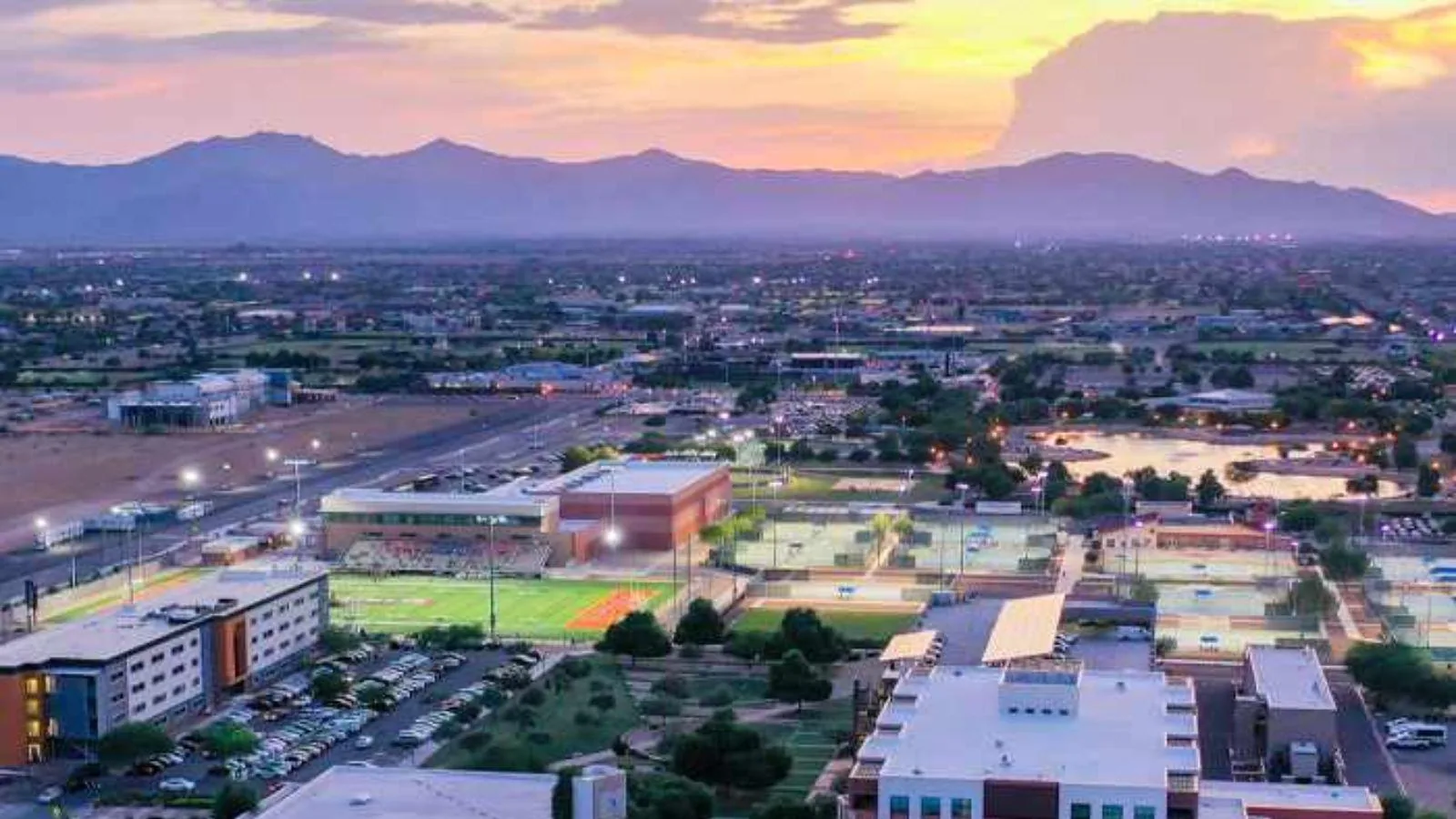
Related Roofing Work
Schedule an El Mirage roof inspection
Send the roof plan, building use, access rules, recent leak notes and equipment schedule. We can walk the property and return a repair boundary, test plan or replacement comparison.