
Roof planning for a Sun City property starts with what the owner can see and verify, not assumptions about a community's age. We look at membrane or panels, edges, drains, penetrations, prior patches, and the interior locations where water has appeared. The regional map places Sun City near Surprise, Peoria, and Glendale, with Bell Road and other arterials connecting community commercial areas. That geography helps plan a visit; it does not establish a building's roof type or repair need.
Use the regional network to plan the visit
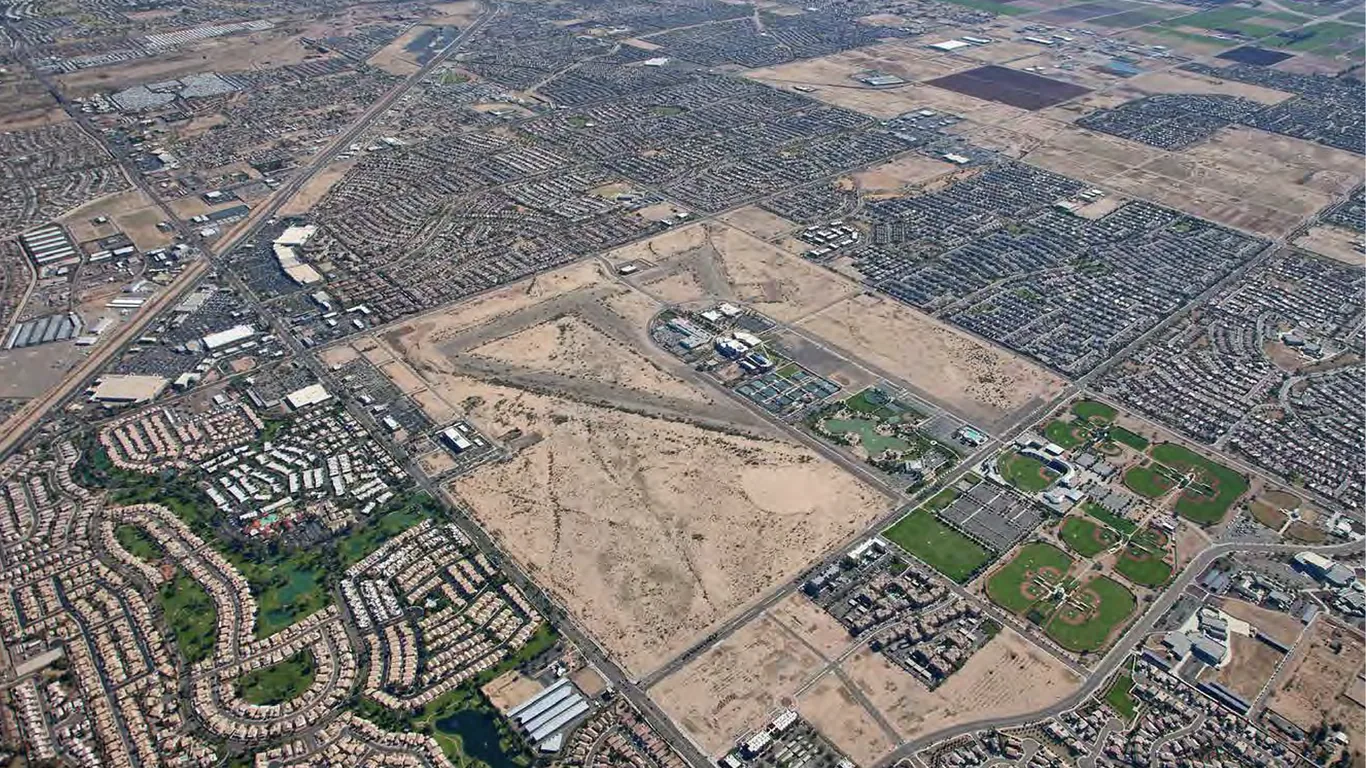
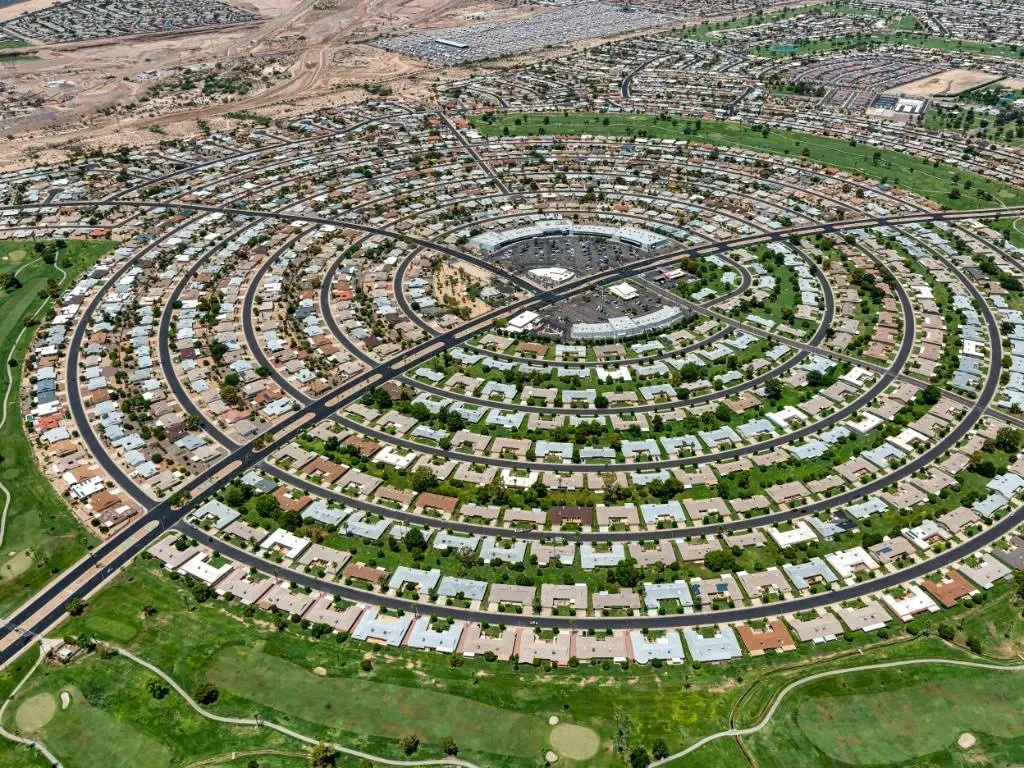
Sun City is a West Valley community southeast of Surprise in the regional street network. Bell Road and other arterials link commercial areas around Sun City with Surprise, Peoria, and Glendale. A Bell Road service-area review or a Grand Avenue corridor visit can help coordinate nearby work, but route planning must be confirmed with the property contact. We ask where trucks can enter, where a lift can stand, and which doors or driveways must stay open.
Phoenix-metro heat and summer monsoon storms are relevant roof-maintenance conditions for commercial and community properties here. Those conditions can stress exposed details, but they do not prove that a particular building has a leak or failed assembly. We check for open flashings, brittle sealant, loose edge metal, blocked drains, displaced materials, and evidence of past water entry. The findings separate weather exposure from a confirmed defect.
Some properties serve visitors or residents throughout the day, while others have limited operating windows. The roof walk should identify how service access, noise, or a temporary barrier affects those operations. A Sun City West work plan may coordinate a separate nearby project, yet it should not combine one roof's findings with another's. Each address needs its own photos, conditions, and work boundary.
Map the water path and roof details
We begin with the reported symptom: when it appears, where it shows inside, and whether it follows a storm or equipment operation. Then we inspect the roof above and around that area. Seams, laps, penetrations, curbs, skylights, edge metal, and old repairs can point to a failure. Water may travel under the membrane before it reaches the ceiling, so an interior stain is not always directly below the entry point. We connect observations with photographs and a roof sketch.
Drainage deserves attention even when the call begins with a leak at a different detail. We check drains, scuppers, overflows, low spots, and transitions to walls or higher roof sections. Ponding can affect repair choices, and adding a layer may change elevations. A commercial repair evaluation can define an isolated problem, while a built-up assembly review is appropriate only if the roof walk or records confirm that system is present.
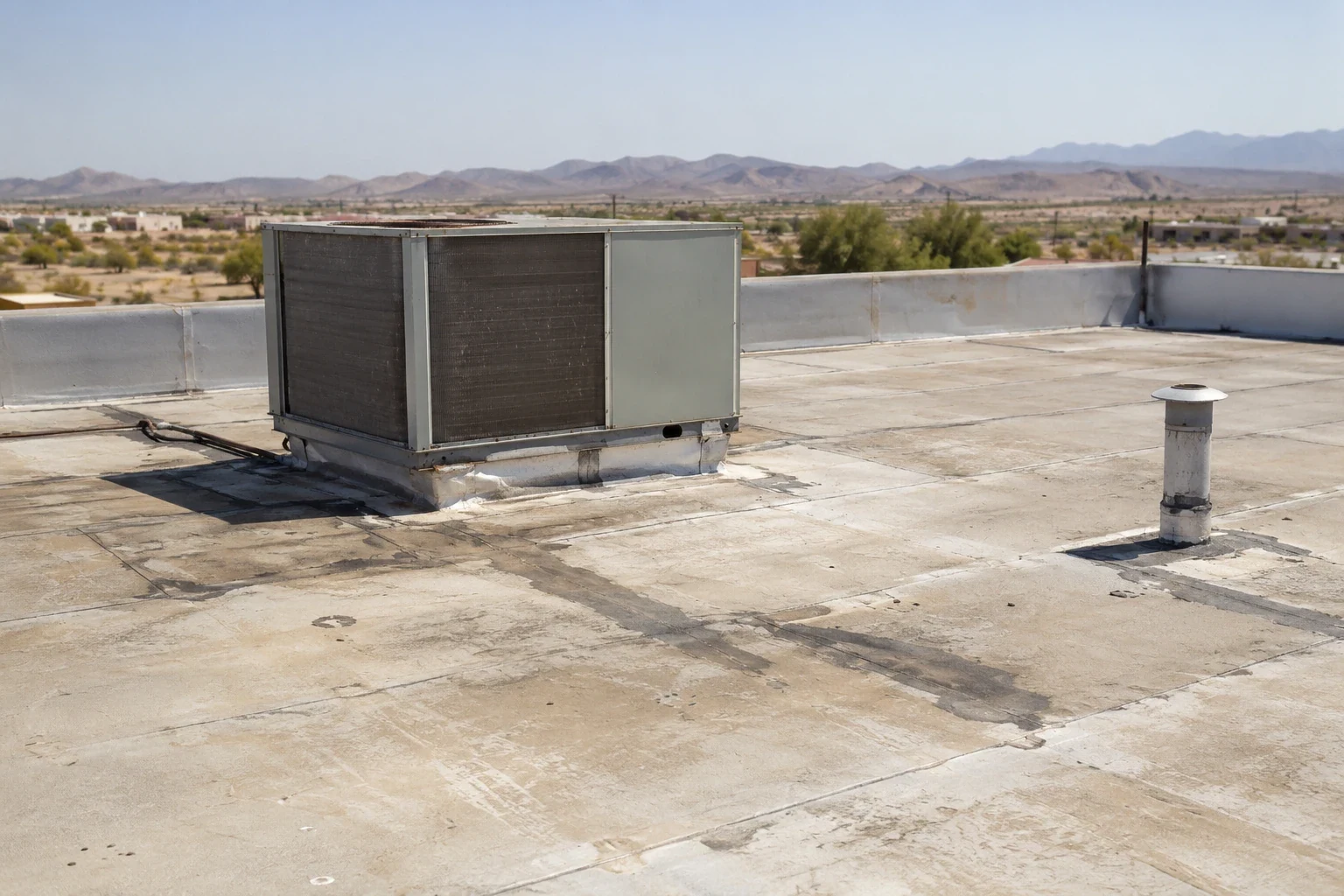
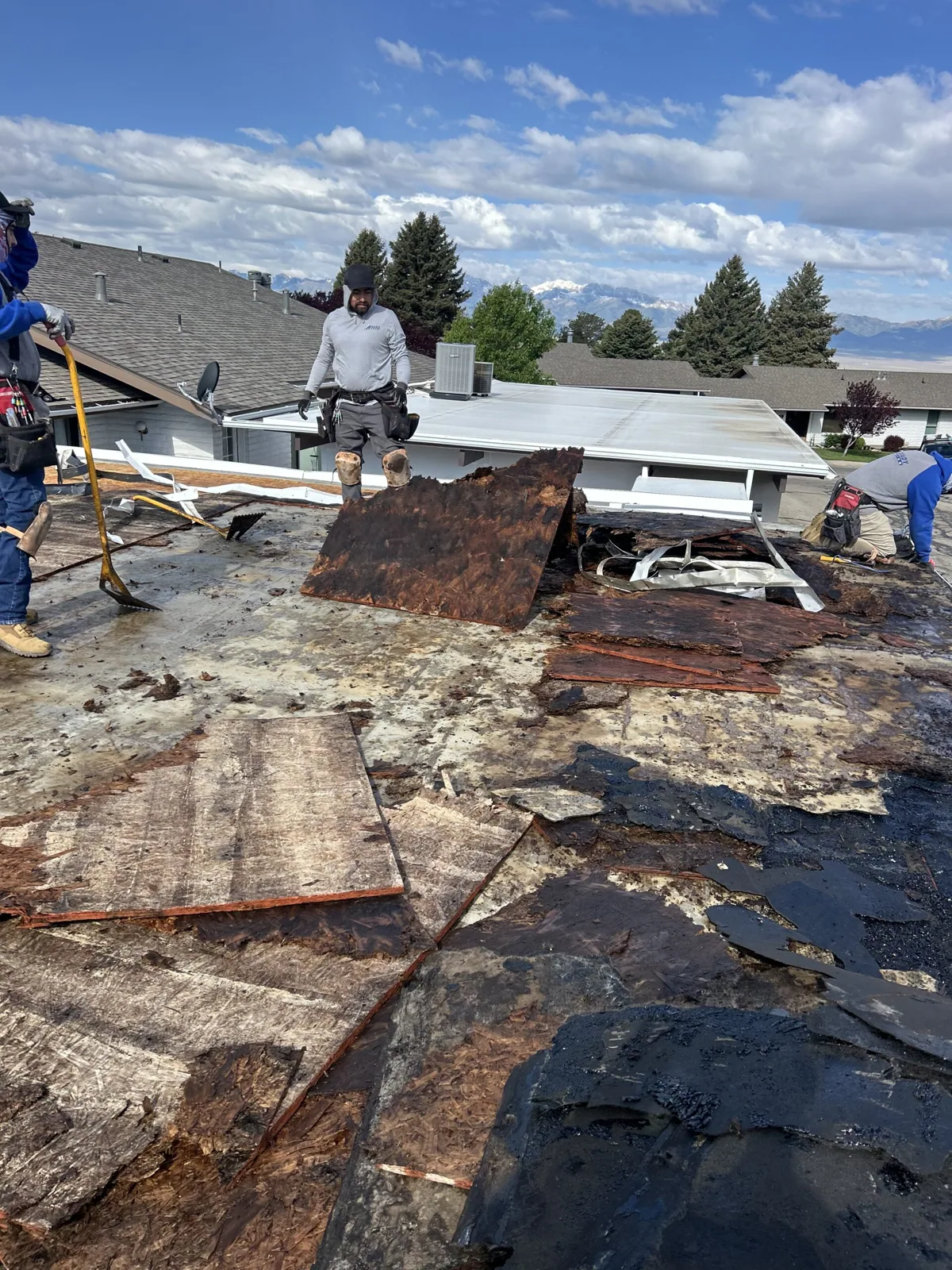
We also note rooftop equipment and the condition of its supports, pitch pans, and flashing. If an HVAC contractor needs to move or disconnect equipment, that handoff belongs in the plan before roofing opens the detail. When the roof is not safe to access or the source remains unclear, we identify a survey or controlled test opening and explain what it can establish. The owner then decides whether the extra information is worth the time and access involved.
Match the intervention to the documented condition
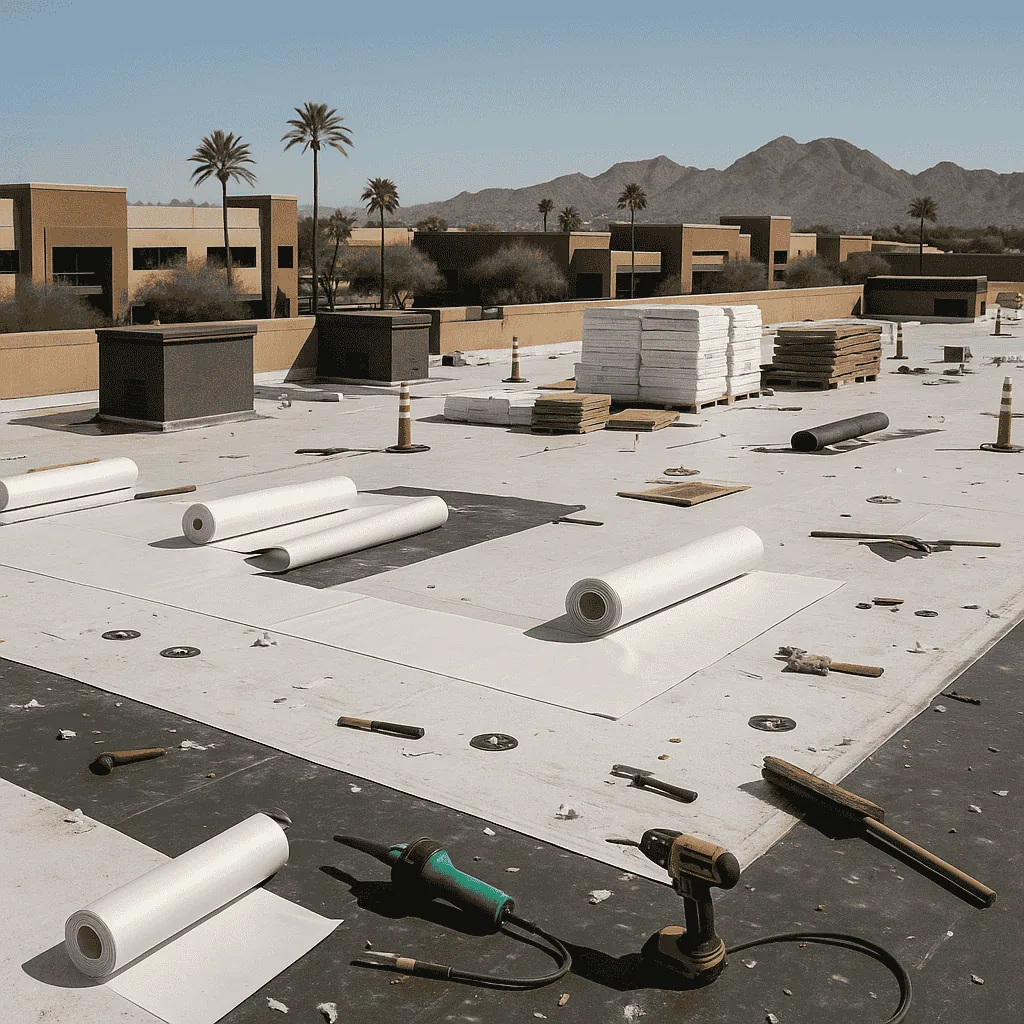
A repair can be appropriate when one seam, penetration, or membrane area has a defined failure and the surrounding roof remains serviceable. A recover may suit a stable, dry assembly that can remain under project requirements. Broader replacement may be warranted when wet materials, attachment problems, deck deterioration, or multiple failures cross the roof. We show the evidence that supports each path and identify what still needs confirmation.
Pricing reflects roof area, height, access, removal depth, insulation, edge metal, equipment work, disposal, and the time available to complete each phase. The scope should state whether testing, deck repair, or another trade is included. For a weather-related event, a claim-support review can organize inspection photos and repair documentation, but coverage decisions remain with the policyholder and insurer. Our roofing assessment distinguishes observed damage from other maintenance findings.
When an owner has several properties, consistent records can make future work easier to compare. A multi-site roof program can track condition, priority, and next review without treating every building as identical. A senior-living property evaluation may require distinct access or operating coordination where that use is actually present; inspection determines the appropriate plan for each site.
Keep the work area controlled from start to close
Before the crew arrives, the property contact and field lead agree on access, staging, equipment, pedestrian routes, and the section of roof that can be opened. The plan also identifies the dry-in point and who can approve a change if concealed conditions appear. Clear communication matters when a roof shares entrances or service areas with the people who use the building.
Summer weather can shift an exposed-roof work window. We limit the open area to what the crew can close safely, secure loose materials, and protect insulation from water. If wind or rain changes the sequence, the lead reports which section is complete, which is covered, and what remains for the next visit. A temporary repair should be documented with its extent and any follow-up condition so the owner understands the remaining exposure.
At phase closeout, we review the completed details and walk the accessible area with the owner or facilities contact. Photographs show the work boundary, and the notes identify anything that needs another trade or inspection. If the work continues later, the next crew has a defined starting point rather than a verbal handoff.
Make the next roof decision easier
A useful roof file links inspection photos to locations on a plan and explains why each repair or recommendation was made. We label confirmed conditions, unresolved questions, and work completed. That distinction helps prevent one water event from being used as a blanket conclusion about the full assembly.
Keep drawings, material data, warranty information, leak logs, and notes about equipment replacements together. If a future project changes a curb or conduit, the roof team can check that interface before cutting into the membrane. For owners coordinating buildings in Peoria and the Surprise City Center, separate property records keep the service history tied to the correct roof.
For a first appointment, share the roof plan if available, leak locations and dates, earlier repairs, and limits on access. We inspect the assembly and provide a scope that separates repairs, maintenance, and replacement considerations. Where a test, design review, or another trade is needed, the report names that next question without presenting it as a completed result.
Commercial Roofing Questions
Does the regional map tell us which roof system is on a property?
No. It shows communities and transportation connections, not individual building assemblies. We verify the roof surface, details, records, and reported concerns during an inspection.
Are heat and monsoon conditions proof of roof damage?
No. They are relevant maintenance conditions, but a site inspection is needed to establish whether a particular roof has a defect. We record visible evidence and distinguish it from general exposure.
What should we do before a roof contractor visits?
Gather any roof plan, recent leak notes, earlier repair records, and access instructions. Identify entrances or operating areas that need to remain open so the work plan can reflect the building's use.
Can one report cover several properties?
A portfolio summary can organize priorities, but each building needs its own findings, photographs, and work boundary. That keeps recommendations tied to the correct roof.
When should a repair become a replacement discussion?
A replacement review is useful when moisture, attachment, deck, or repeated failure concerns extend beyond one repair area. We explain what supports broader work and what additional test could change the decision.
Ready to review the roof scope?
Request a Roof Assessment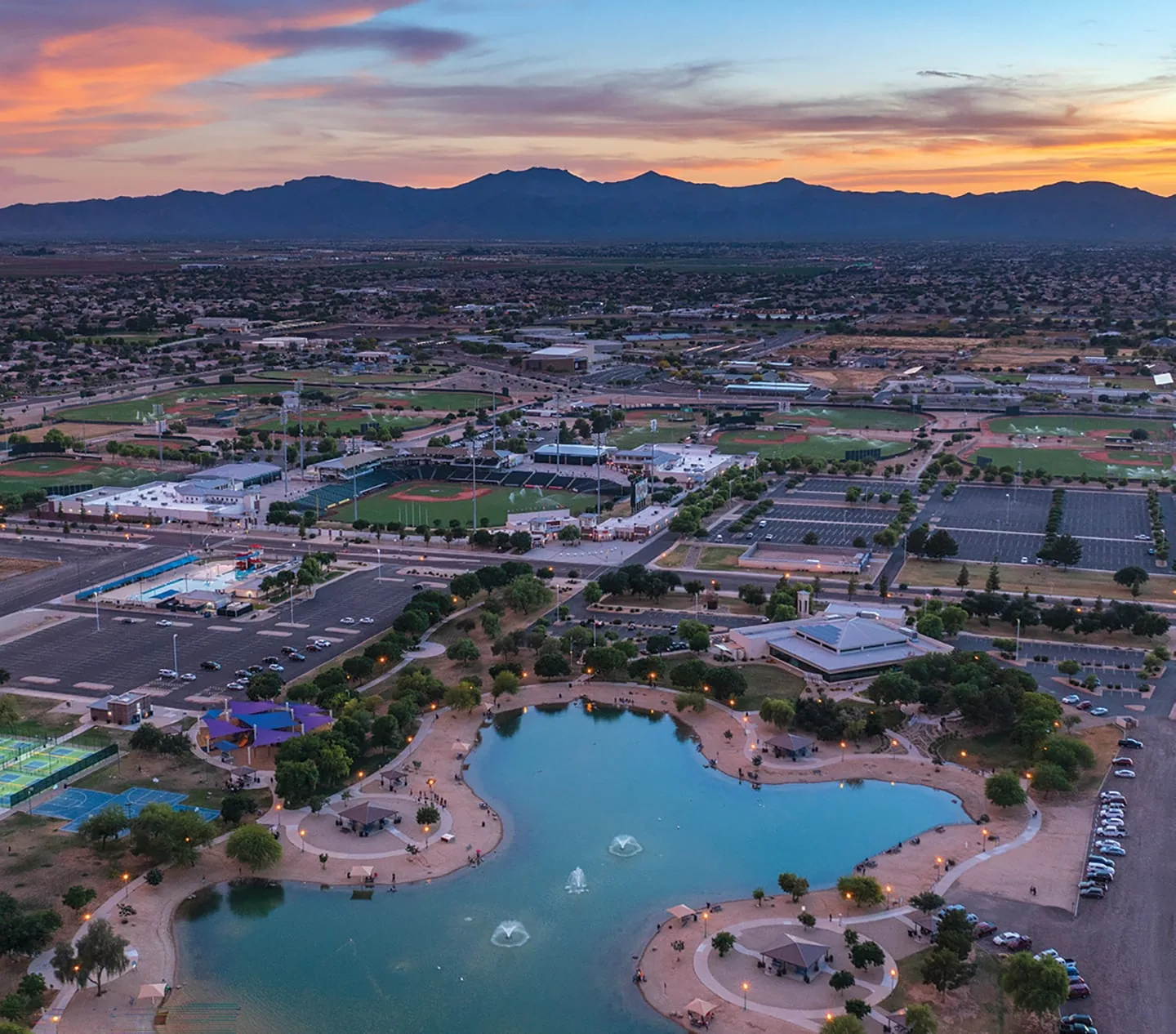
Related Roofing Work
Arrange a documented roof inspection
Provide the property address, roof plans if available, leak history, and access limits. We can review visible conditions and return a scope with the next repair or planning step clearly defined.