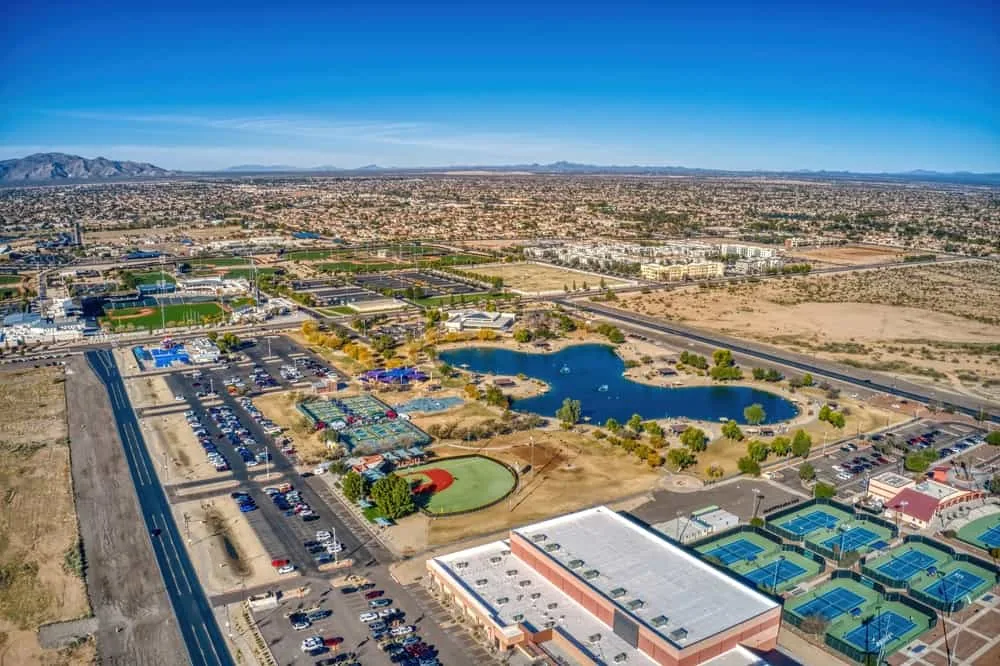
A dealership can have a showroom, service bays, parts storage, and customer parking under different roof sections. We begin with the specific leak or renewal question, then inspect the assembly above it, including seams, wall edges, exhaust curbs, drains, and canopy connections. The service department may need a different work window from the showroom, so the roof scope has to account for lift routes and vehicle movement. Surprise's Village at Prasada and the Cactus Road and Loop 303 Commercial Corridor hold broad retail and service uses; we verify the building's own roof and operating plan before setting a schedule.
Keep sales and service moving
A service lane with customer cars beneath it changes how materials and debris move. We identify which bays need to remain usable, where vehicles can be moved temporarily, and whether a lift can reach the roof without crossing a delivery route. If only one section is affected, work can be separated from the showroom and sales hours. We notify the contact about overhead work, protect parked vehicles where needed, and clear loose debris at the end of a shift. For facilities with a separate parts or wash area, we mark those zones so the manager can keep everyday operations moving. This is the practical side of occupied-building roofing.
Inspect the bay roof
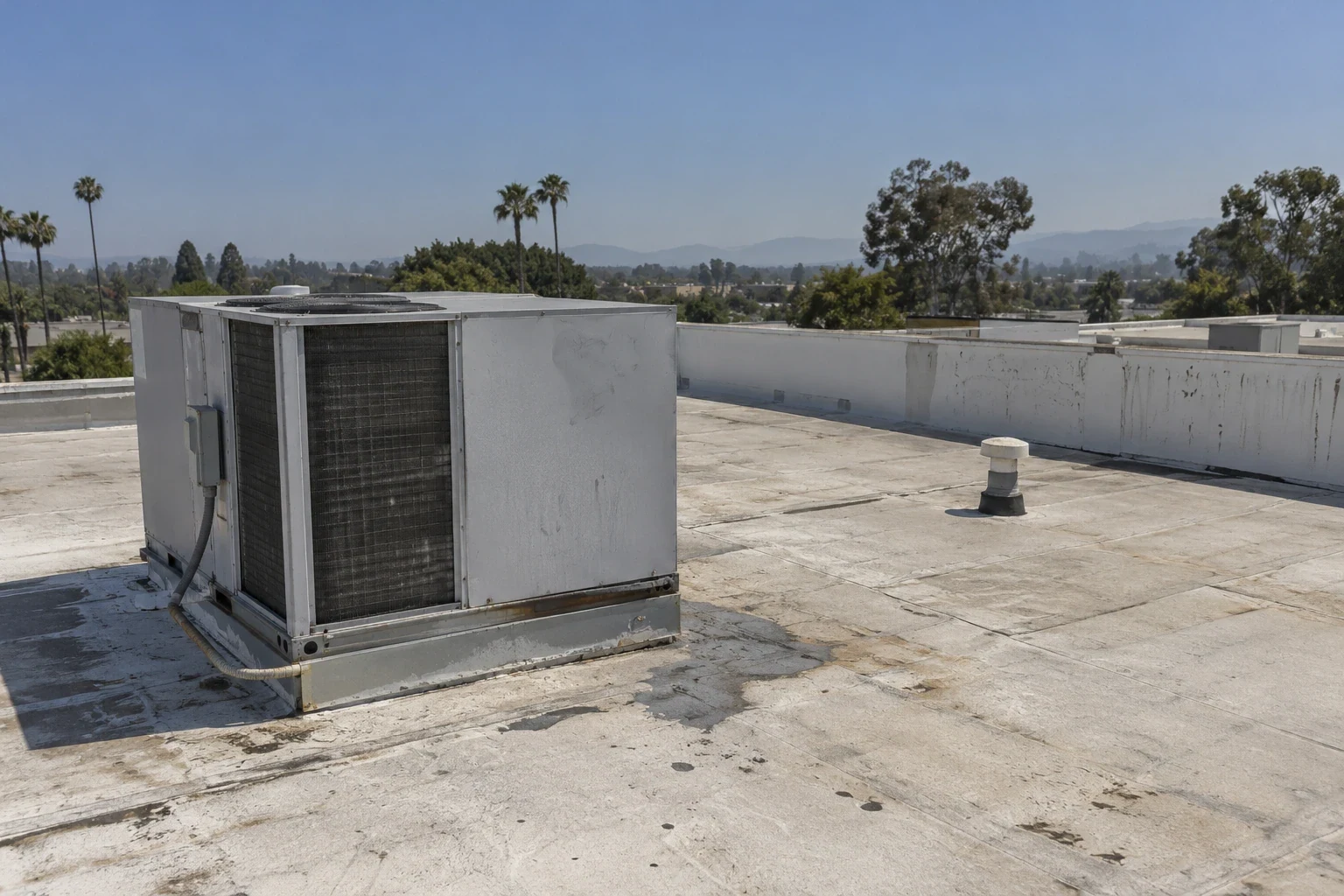
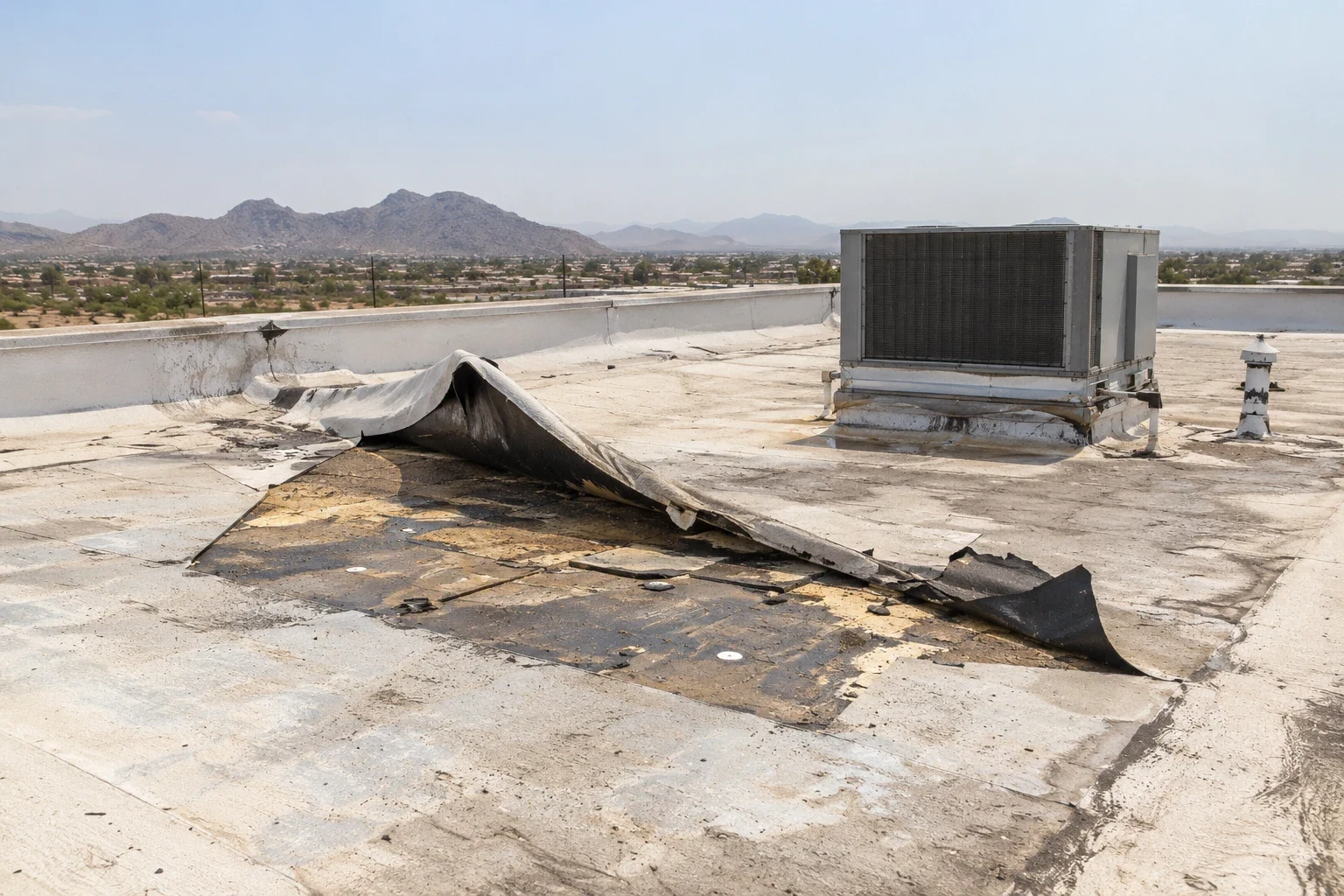
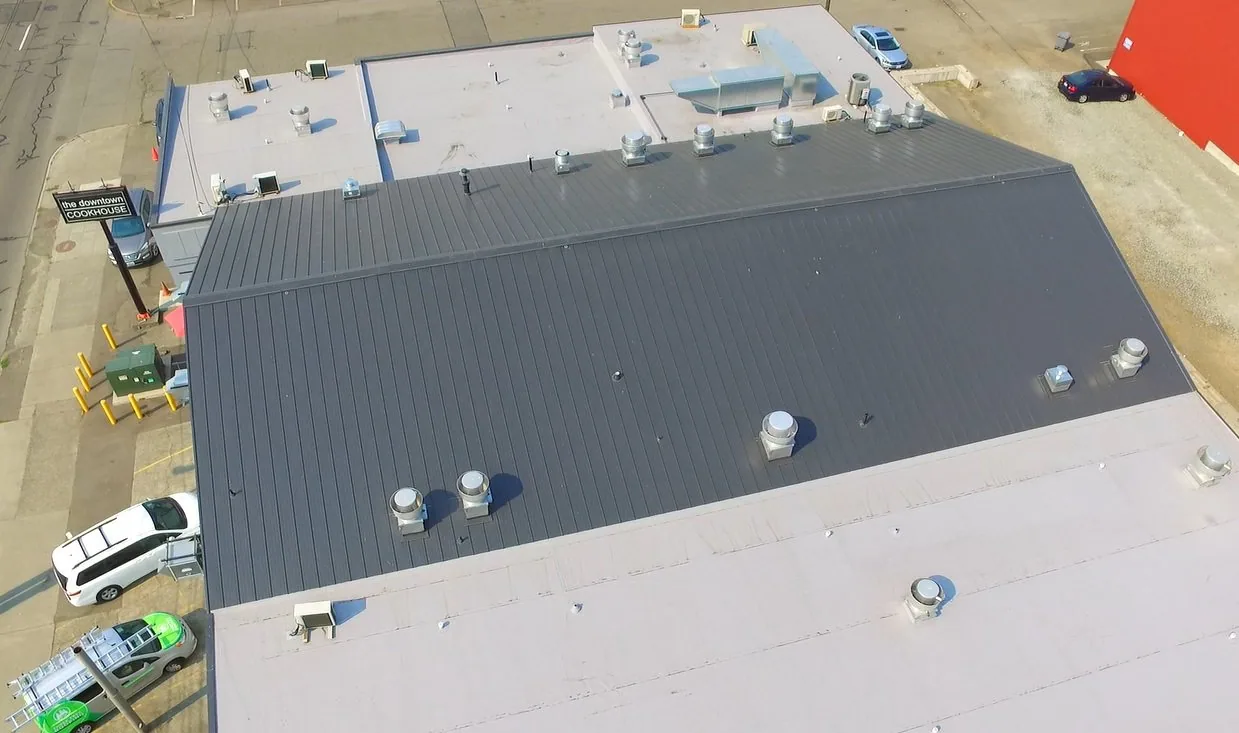
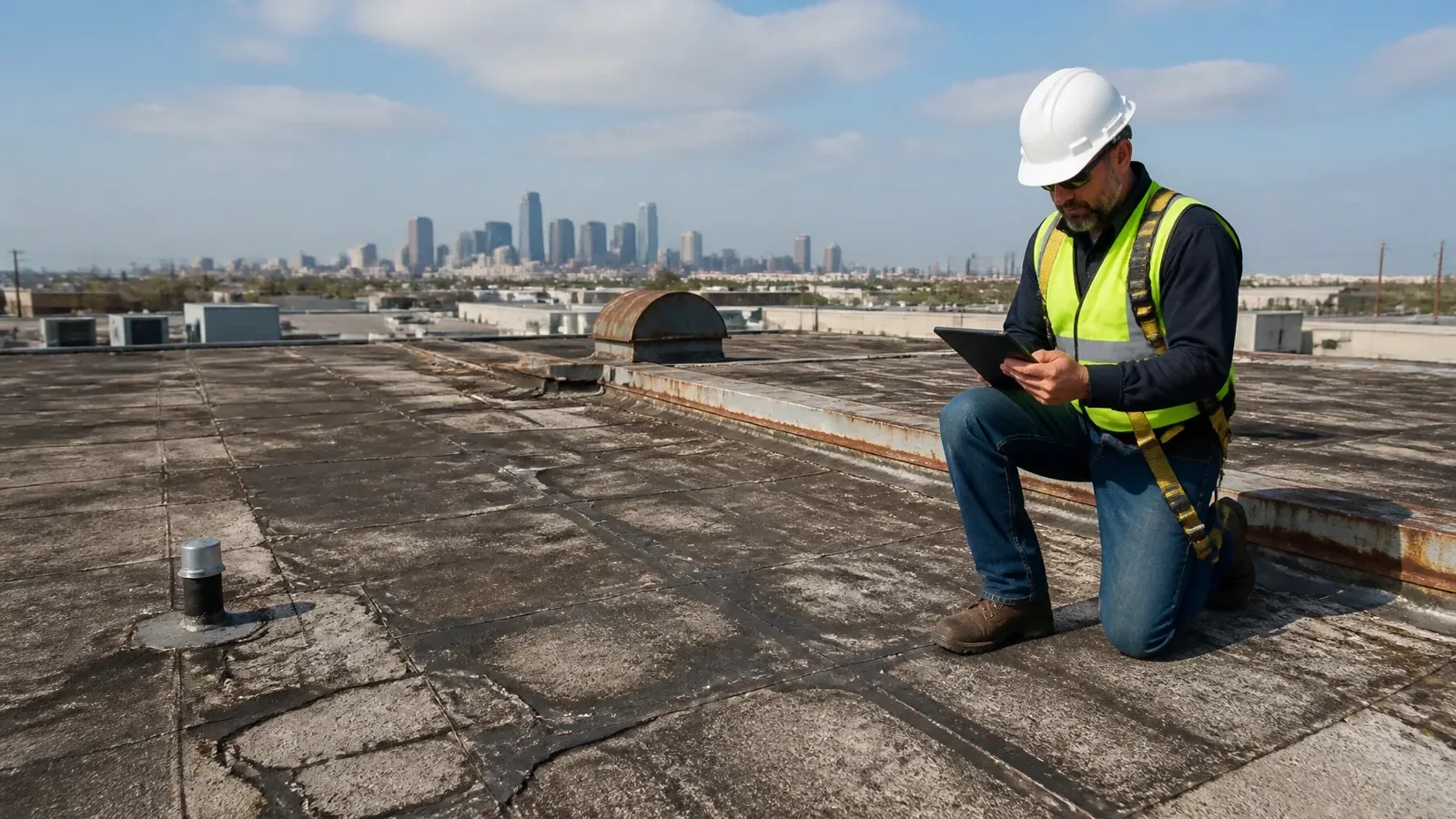
Dealership roofs may combine a low-slope membrane, metal fascia, service-bay exhausts, and covered walkways. We identify each assembly before selecting a repair material. At the seam, we check for separation, open laps, fastener movement, and moisture below the surface. Around exhausts and curbs, we look for cracked sealant, loose flashing, or a gap where the roof meets a vertical surface. A stain in a service bay may track away from its entry point, so we compare it with the roof plan and photograph likely paths. A roof inspection gives the owner a marked boundary and a clear distinction between confirmed openings and areas that merit testing.
Check edges after summer weather
Exposed roof surfaces in the west valley take sustained summer heat, and monsoon thunderstorms can bring gusty wind and heavy rain. Phoenix climate normals are regional context, not a measurement on a Surprise showroom. We check the actual roof for brittle flashing, open seams, blocked drains, and lifted edge metal. Wind can affect fascia and perimeter details; rain tests whether runoff can pass from the field to the outlet. Hail is possible in the metro, but a visual mark alone does not prove a puncture. If we find an opening, wind damage roof repair is scoped to that condition and the surrounding assembly.
Choose the size of work
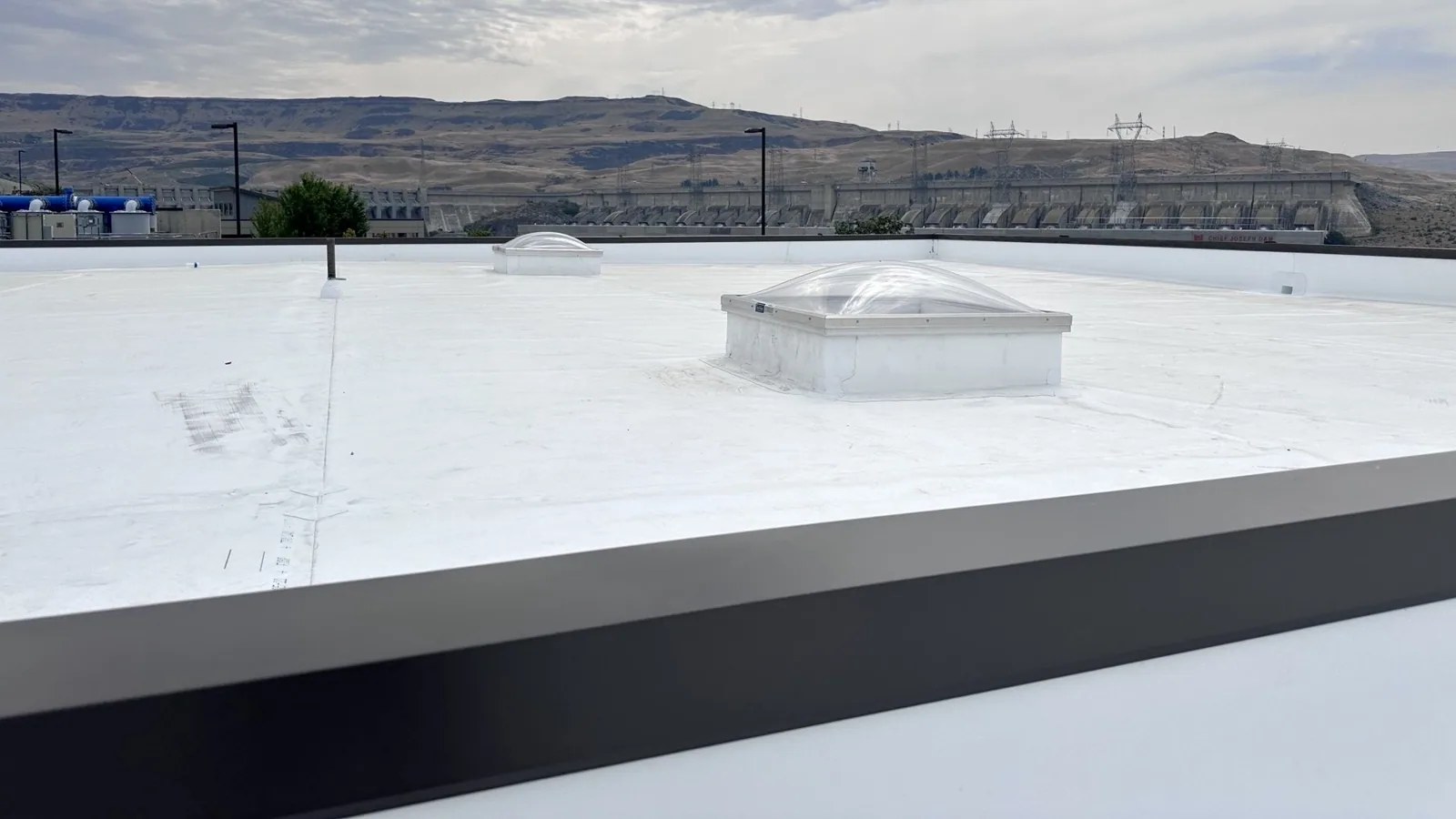
A few failed curb details may be repaired while the surrounding field remains in service. Repeated seam openings or wet insulation can justify replacement of a larger section. We document what is visible and identify any test cut that would change the recommended option. A dealership can compare repair with replacement using the included roof area, insulation plan, edge metal, disposal, and protection for the service floor. A single-ply system such as TPO roofing can be repaired when the sheet and substrate are compatible; its presence should be confirmed rather than assumed. Coating belongs in the discussion only when adhesion and drainage are suitable.
Protect cars and deliveries
At the Village at Prasada or along Cactus Road, retail traffic illustrates why delivery and customer paths matter. We map the actual dealership entrance, service drive, and delivery turn before staging. If a bay must close, the contact can route appointments to another area and tell customers when it reopens. Roof work can proceed above an active facility when a safe zone and lift control are agreed; otherwise, the schedule may use an off-hour window. The plan names the affected section and temporary protection so the service manager has a concise notice for staff.
Record the repair location
A dealership manager should not have to infer which roof section was repaired from an invoice alone. We include dated photos, assembly notes, and a marked sketch with the curb, drain, or seam location. If a later leak appears in a different bay, the record helps determine whether it is a new detail or inside the previous work boundary. We can also identify items outside the scope, such as an adjacent canopy or wall joint, so they remain visible for a later decision. For owners managing multiple commercial sites, roof condition reports make field findings easier to compare without treating each property as identical.
Compare repair and renewal
The cost and schedule depend on the roof material, number of details, amount of wet insulation, access for a lift, and whether vehicles need protection or relocation. We separate urgent openings from work that can be included in a planned reroof. If the repair is temporary, the report says what it restores and when another inspection is sensible. A replacement scope should state whether it includes the showroom canopy, service-bay roof, and transition between them. The shopping-center roof context is useful for comparing access needs, but the dealership's sales floor and service bays need their own sequence. We return the options in writing and invite the facilities lead to review the boundary before work begins. A future project can also include details that are easy to miss in an initial leak response, such as canopy tie-ins, metal fascia, and the transition between a showroom and service bay. We list each as included, excluded, or subject to a separate inspection. That avoids a mismatch between the estimate and the roof plan after vehicles have been moved. If the property is part of a larger portfolio, an office-building roof review may help compare equipment and access patterns, but the dealership's parts delivery and customer routes remain unique. We can arrange a roof walk with the facilities and service leads, take photos of the affected area, and return an option set that distinguishes a limited repair from replacement. The manager can then schedule work around the busiest service windows. The Surprise Cactus Road and Loop 303 Commercial Corridor gives local context for retail access, but the manager should confirm the dealership's own service-lane hours and entry controls before scheduling work. We will note them in the scope. A final walk with the service lead confirms that no temporary cover, tool, or loose debris remains above the customer area. We note any short-term protection separately from permanent repair, so the service manager knows what should be checked again after the next rain.
Commercial Roofing Questions
Can the service bays stay open while the roof is repaired?
We review bay use, lift reach, and overhead protection with the service manager. A limited zone may be closed while the remaining bays operate.
Which details commonly need inspection above a showroom?
We check skylights, rooftop units, parapet corners, and membrane transitions. The actual scope follows the roof material and the condition we observe.
How should a dealership handle a leak over inventory?
Move vehicles or stock from the work zone, then let us trace the roof condition and establish the repair boundary. We coordinate the access window with the site lead.
Does hail automatically mean a full reroof?
No. We document impact and look for punctures, opened seams, or displaced details. A broader scope is considered only if the assembly condition warrants it.
What should the closeout show?
Photos, repair materials, a marked bay or roof zone, and any limits on the work help the manager track future leaks and maintenance.
Ready to review the roof scope?
Request a Roof Assessment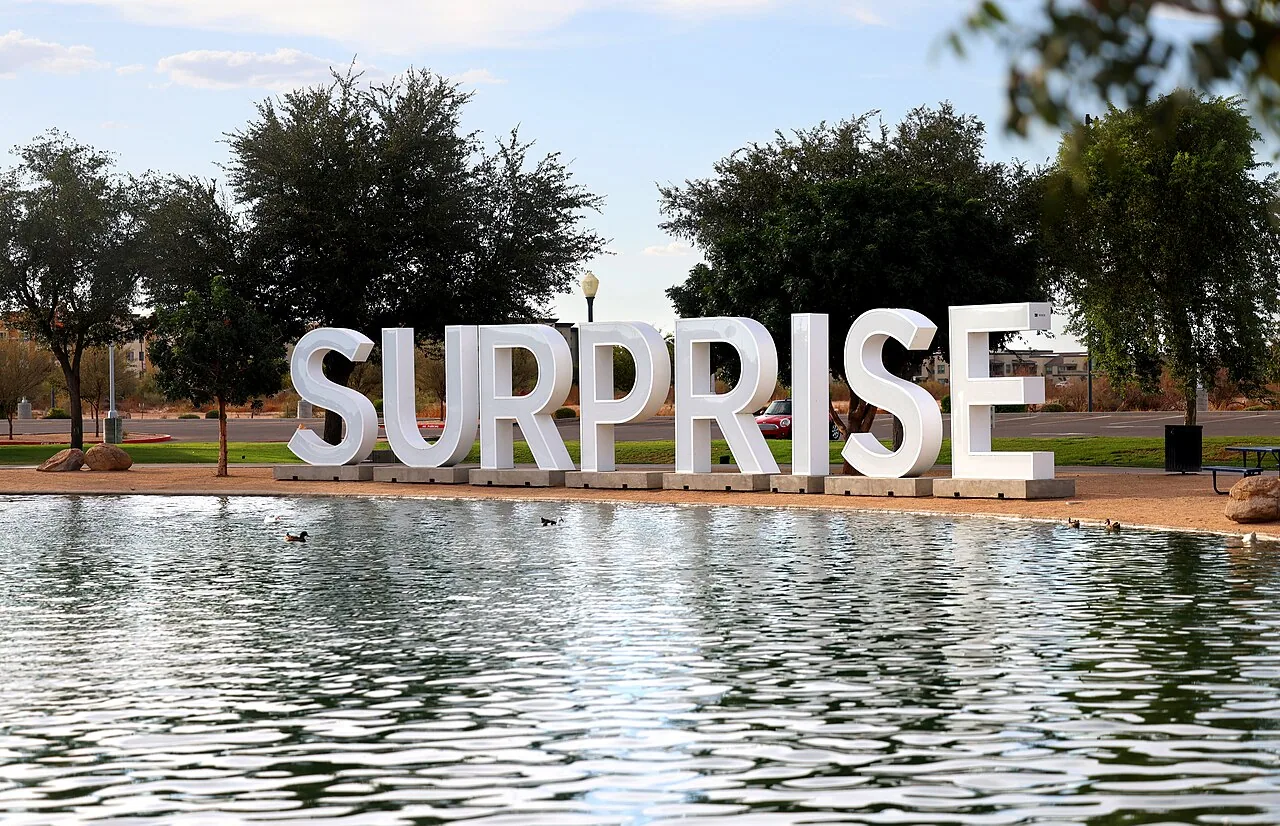
Related Roofing Work
Schedule a roof walk with the service lead
Share the service-bay hours and vehicle routes that matter. We will inspect the roof, mark overhead protection needs, and outline options for the facilities contact.