A municipal office, public works building, or community facility has to remain usable while its roof is repaired. We begin with the reported room or leak, inspect the assembly above it, and mark drains, seams, equipment curbs, and parapet transitions before recommending work. Surprise City Center combines civic, healthcare, retail, and service uses across multiple blocks, so public buildings sit within a broader, active district. Our scope still follows the individual structure: what roof type is present, which entrances must stay open, and how the public can reach services while a crew works overhead.
Plan around public service hours
A public counter, council room, records area, or maintenance shop may have different access restrictions. We ask the facility contact which rooms hold records or sensitive equipment, what hours public appointments run, and where deliveries enter. Those answers determine lift placement and whether a task can be completed in one visit or phased by wing. We keep a marked route for staff and visitors, set debris controls, and close the roof opening before the day ends. For buildings along the Surprise Heritage District, access can be affected by civic activity around the Original Town Site, so a work window should be agreed before materials arrive.
Identify the roof assembly
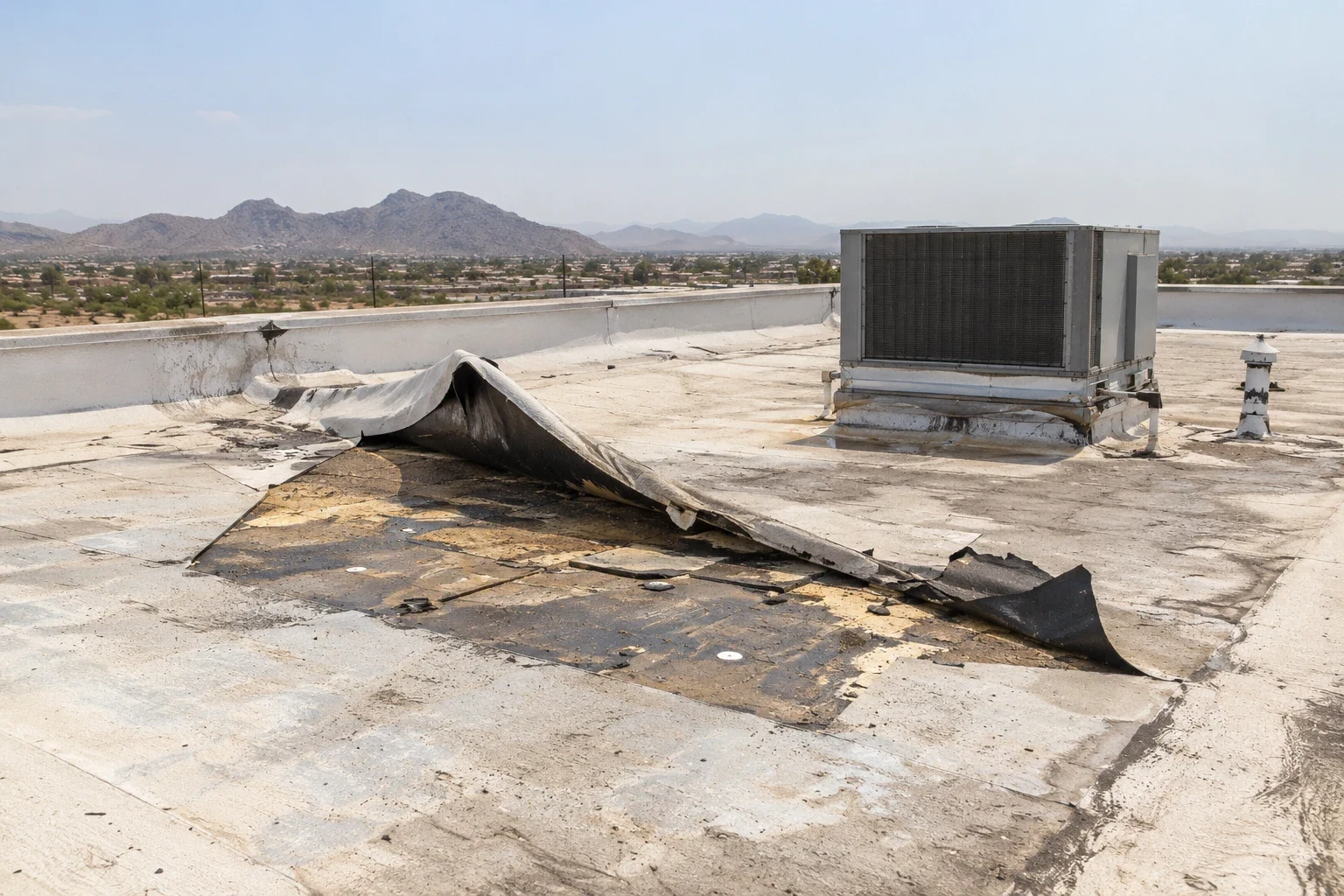
A government roof may have low-slope membrane sections, metal transitions, equipment screens, and additions built at different times. We identify the assembly rather than assuming the roof type from the building's use. Then we check seam condition, flashing terminations, drain paths, and any curb where water can get behind the membrane. If moisture has reached insulation, a surface patch will not solve the entire condition. We record the visible boundary and recommend a test opening only when its result will change the work choice. A photo report supports a clear inspection record for facilities and procurement.
Inspect for monsoon runoff
Heat on the roof field and strong storm runoff put attention on seals, edges, and drains. A Phoenix-area July temperature normal provides regional context, but it is not a reading from a particular municipal roof. Monsoon thunderstorms can bring heavy rain and damaging wind, so we inspect whether scuppers and internal drains are clear and whether edge metal remains secure. After a reported event, dated photos distinguish new openings from prior repairs. Hail is possible across the area; we document functional damage rather than treating every surface mark as a failure. For a building with a leak, we can provide wind damage roof repair after confirming the affected details.
Set a repair boundary
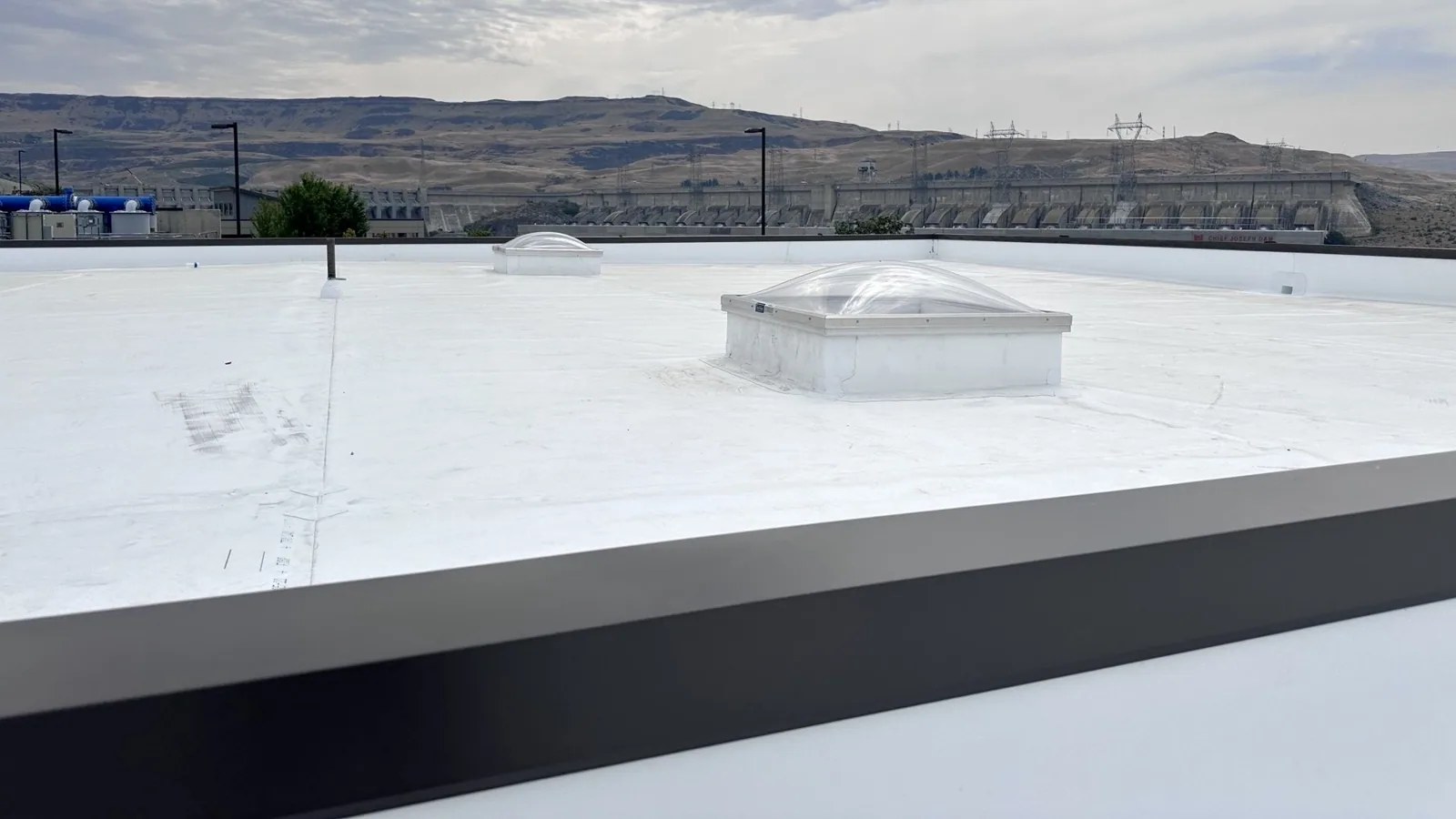
The first decision is whether a localized detail can be restored without disturbing the field membrane. If water is trapped below the surface, seam failures repeat, or multiple drains are not carrying runoff, the scope may widen. We compare a repair, section replacement, and full replacement only when the observed condition supports those choices. The estimate should identify tear-off, insulation, edge metal, tie-ins, temporary protection, and public-area controls. A TPO assembly can be welded where compatible material and a sound substrate remain, but the existing roof must be checked first. Each option receives a marked limit and a clear maintenance follow-up.
Keep entries and lots clear
Public work has a second schedule: the building still receives calls, deliveries, and walk-in visitors. We coordinate roof access with the person responsible for facility operations, identify the door or lot section affected, and avoid placing materials where emergency vehicles need to pass. If a roof section sits over a records room or public counter, the contact can decide whether the task belongs after hours or behind a temporary interior barrier. The neighboring Original Town Site service area has its own access pattern, but the building manager should confirm the actual route and any security check before the crew arrives.
Make closeout useful
A useful closeout gives a public owner a record that can be reviewed later. We supply dated photos, a roof sketch, repair limits, and notes about conditions that were visible from the surface. The report separates completed repairs from areas needing testing or monitoring. It can also name the materials used and identify the section that remains outside the scope. This matters when maintenance staff change or when a procurement file needs the repair basis. For office and service buildings, related guidance on office-building roofs may help organize equipment and access observations, but the closeout stays specific to the inspected property.
Compare bid and reserve choices
A capital plan should separate a leak that needs attention now from deterioration that can be scheduled. We describe the risk of waiting in roof terms: continued wet insulation, recurring interior damage, or a detail likely to reopen in heavy rain. We do not turn a regional storm forecast into a claim about this roof. Instead, the owner receives repair and renewal options with the included area, tie-ins, staging, and expected access constraints. If a public project requires bid documents, a clear scope gives bidders a consistent boundary and avoids comparing unlike work. We can review the roof with the facility lead, mark priority sections, and return a written scope that aligns with the next funding decision. For a public works bay, we also note whether rooftop units or exhausts serve an area that must stay available. A marked photo helps the building engineer match a repair to equipment access rather than relying on a verbal location. If procurement needs a second scope, we label the alternate clearly and keep it mutually exclusive from the base repair. That makes it easier to compare a quick restoration with renewal of a larger roof section, while the facility retains a usable record for future maintenance cycles. A public owner may need to compare maintenance funds with a capital request, and the roof scope should make that discussion concrete. We identify the affected area, explain what continued water entry could damage, and state which tests are still needed. If a roof is split among an office wing, a records room, and a vehicle bay, we label each zone instead of rolling the whole building into one allowance. A related warehouse roof review may help a facilities team think through access and equipment movement, while the municipal building keeps its own assembly-specific work plan. We can also prepare replacement planning with tear-off, insulation, drainage, and tie-in assumptions visible. These details let procurement compare bids against the same boundary and give maintenance staff a record that remains useful after the project closes.
Commercial Roofing Questions
Which roof information helps with a public bid?
A roof plan, prior repair records, access hours, and known leak locations help define the work. We identify quantities and alternates so bidders can price the same boundary.
Can public service continue during repairs?
That is set by the affected entrance, room use, and lift position. We coordinate with the facility lead and identify closures before materials arrive.
What belongs in a maintenance report?
Dated photos, a marked roof sketch, completed work, and items needing further testing give staff a usable record. We separate visible conditions from assumptions about concealed layers.
How should a storm claim be documented?
We record the date, location, and visible roof conditions with photos. The owner and carrier determine coverage; our scope describes the repair needs we can verify.
When is a larger roof project warranted?
Widespread moisture, repeat seam failures, or failing edges can support a broader plan. We price localized repair and renewal separately when both fit the observed condition.
Ready to review the roof scope?
Request a Roof Assessment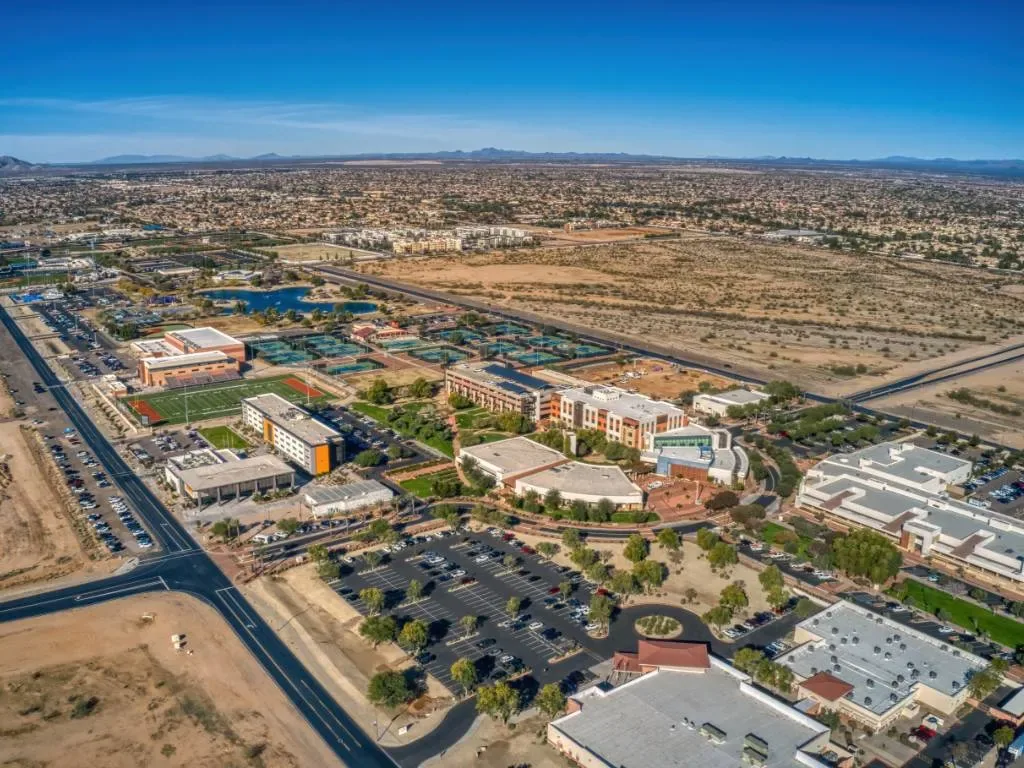
Related Roofing Work
Set a facilities and procurement review
Tell us which public rooms must stay open and what records are available. We will document the roof condition and return a scope that can be compared for funding.