Commercial roofs in Surprise's Original Town Site need repair plans grounded in the actual building and the rules governing its work. A designated Opportunity Zone lies in the Original Town Site. The Surprise Heritage District is among the city's planning and zoning areas. Those designations make early scope review useful; they do not tell us a property's roof type, age or condition. We inspect the membrane, edge details and drainage, then check what permit path applies to the work.
Our visit records observed conditions, leak locations and photos. We separate a repair with a clear boundary from issues that call for testing or a larger capital plan. Where the building has records or prior repair notes, those help connect today's condition to the work already completed. A roof condition report gives a property owner a practical basis for maintenance and budgeting.
Start with the property, not its designation
The Original Town Site is a broader part of Surprise with a designated Opportunity Zone, while the Heritage District appears among the city's planning and zoning areas. These planning contexts can matter to a project, but they are not a substitute for inspecting the roof. We confirm the building's use, current assembly, leak history and access before recommending a scope. We also identify whether the owner needs a repair now, documentation for capital planning or coordination around a permitted alteration.
Surprise maintains land-development and engineering standards that govern building types and site development in the area. We check the applicable requirements with the project team before setting roof details, especially where drainage, energy scope, equipment or edge conditions may change. If the building is being altered, we do not assume a standard replacement can proceed without review. Local amendments accompany Surprise's 2024 building and existing-building codes, effective from January 1, 2026. We confirm how the proposed scope fits the applicable permit path.
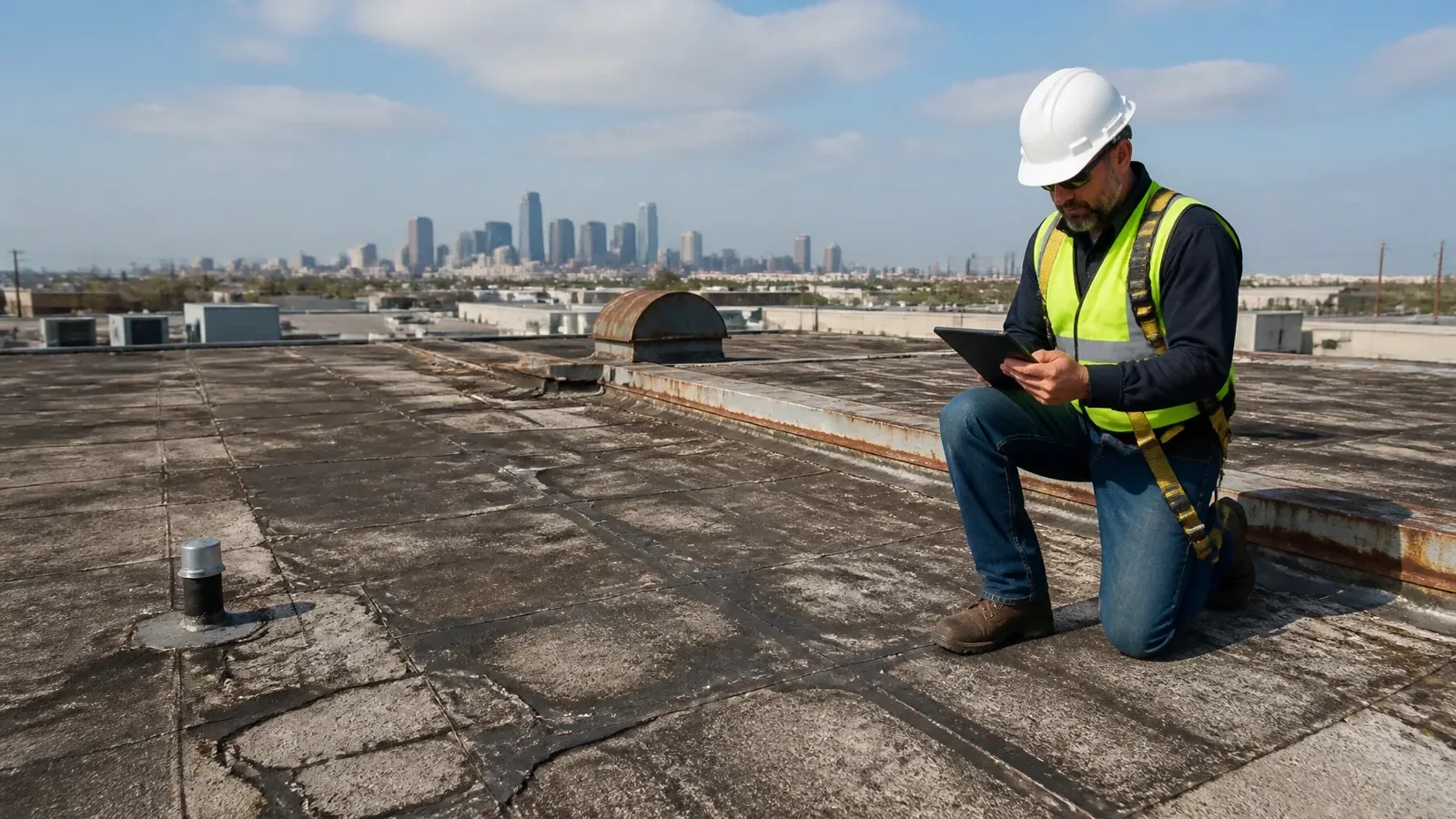
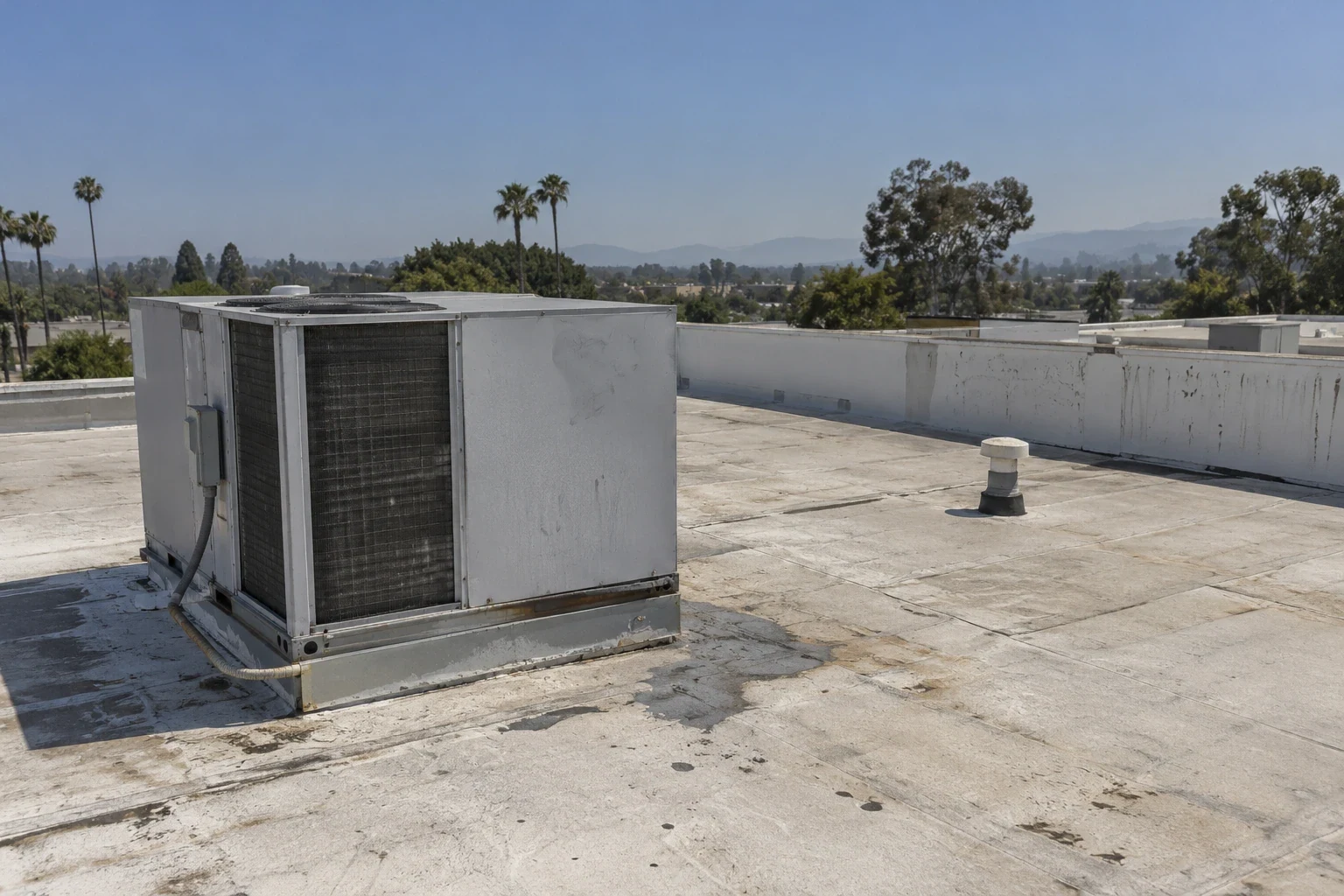
On the roof, age alone does not establish failure. We look at seams, flashing, penetrations, fasteners, drains and insulation condition. A visible stain indoors can be several feet away from the opening, so we trace the path rather than patching directly above the mark. For an owner weighing an older roof, a commercial roof inspection can identify what needs immediate attention and what can be monitored.
Sun exposure and storm water test the details
Sky Harbor's normal mean for July is about 95.5 degrees in the 1991 to 2020 climate record. This Phoenix station offers a metro reference; Surprise shares the low-desert heat. Surface temperatures put seams, sealants and flashing transitions under repeated stress. We look for dried or split material, loss of adhesion and repairs that have stopped moving with the roof. Surface preparation and compatibility need to be checked before a coating is considered.
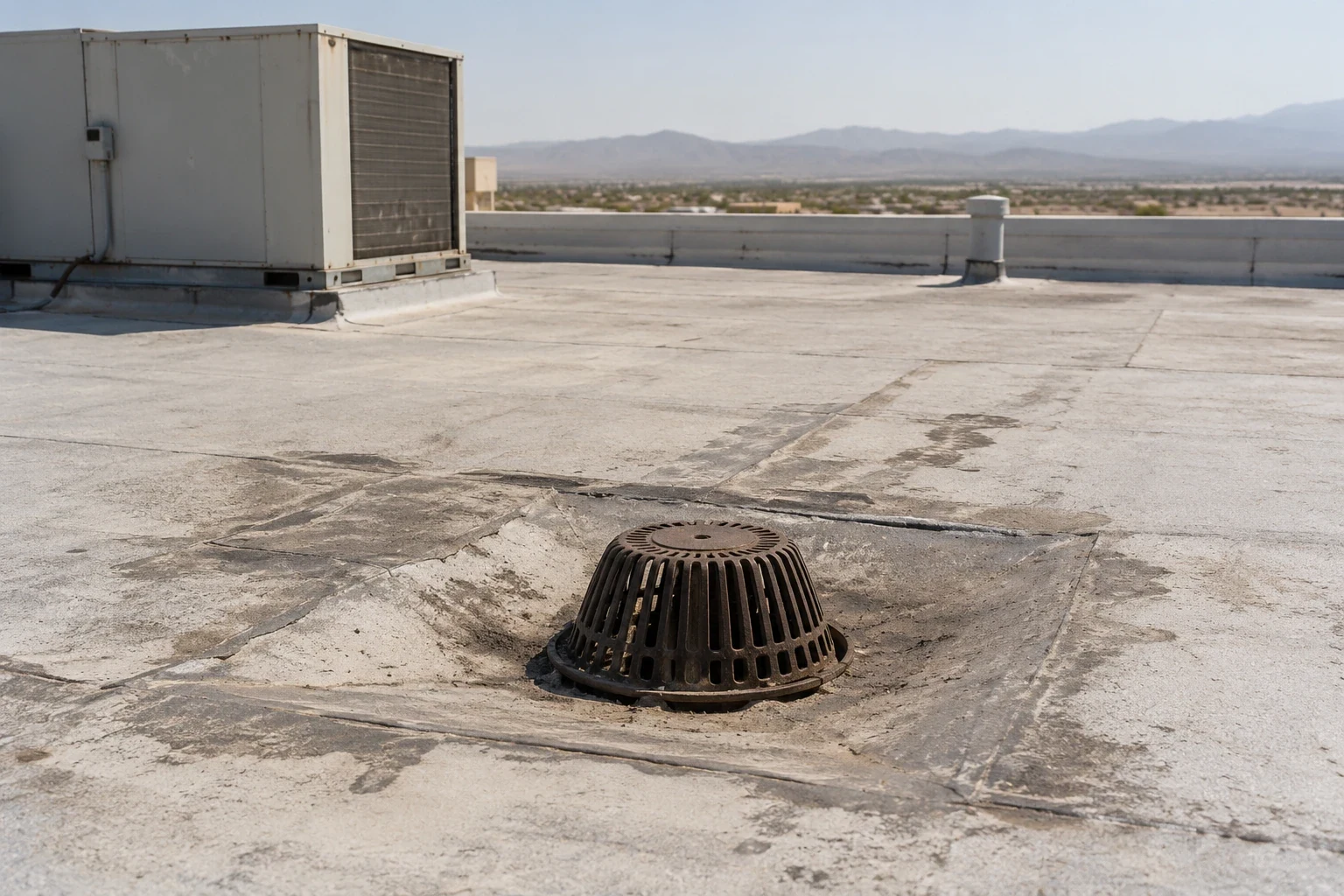
Central-Arizona monsoon hazards for the Phoenix metro include damaging winds, flash flooding and possible hail. We inspect edge metal and terminations for movement, then follow drainage from roof slope through drains, scuppers and overflow outlets. A clear outlet does not fix a low area by itself, so we record where ponding remains and whether a structural or drainage review is warranted. After a storm, we document observed damage on this roof rather than applying a broad conclusion to neighboring properties.
For any roof near an active construction or maintenance area, protecting the building during a repair matters. We check whether interior finishes, electrical equipment or occupied rooms sit beneath the work zone, then plan temporary protection and cleanup. When water entry is active, our emergency response is available around the clock, including holidays. The first priority is limiting further exposure while preserving enough information to set the permanent repair.
Find the right repair boundary
A small, isolated opening can be repaired if the surrounding field and insulation remain sound. We clean and prepare the area, use compatible materials and verify the tie-in. If failures repeat at several seams or water has entered the insulation, a series of patches may not address the cause. Our findings show whether the defect is contained, whether additional testing would change the recommendation, and whether restoration or replacement deserves a separate price.
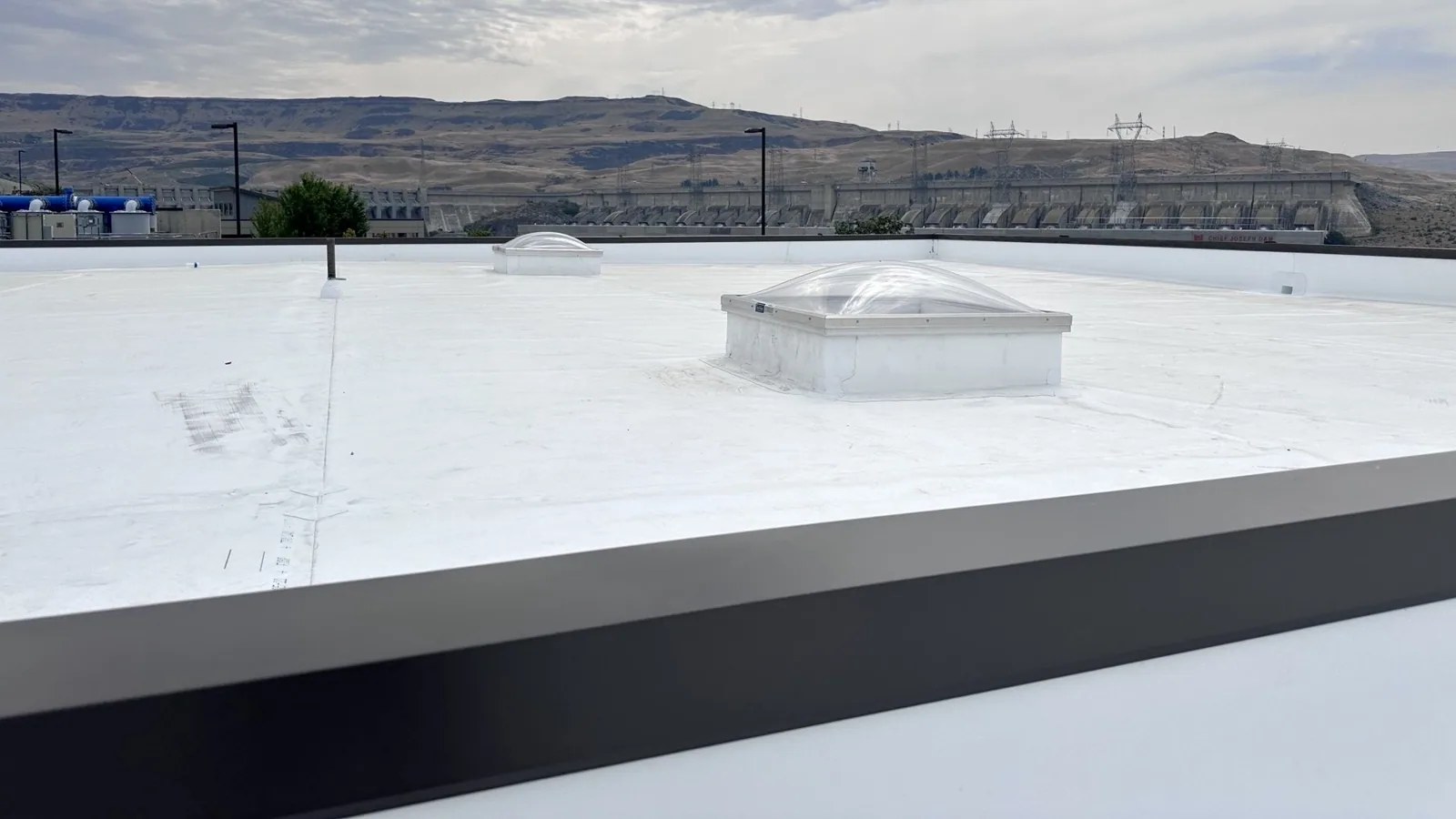
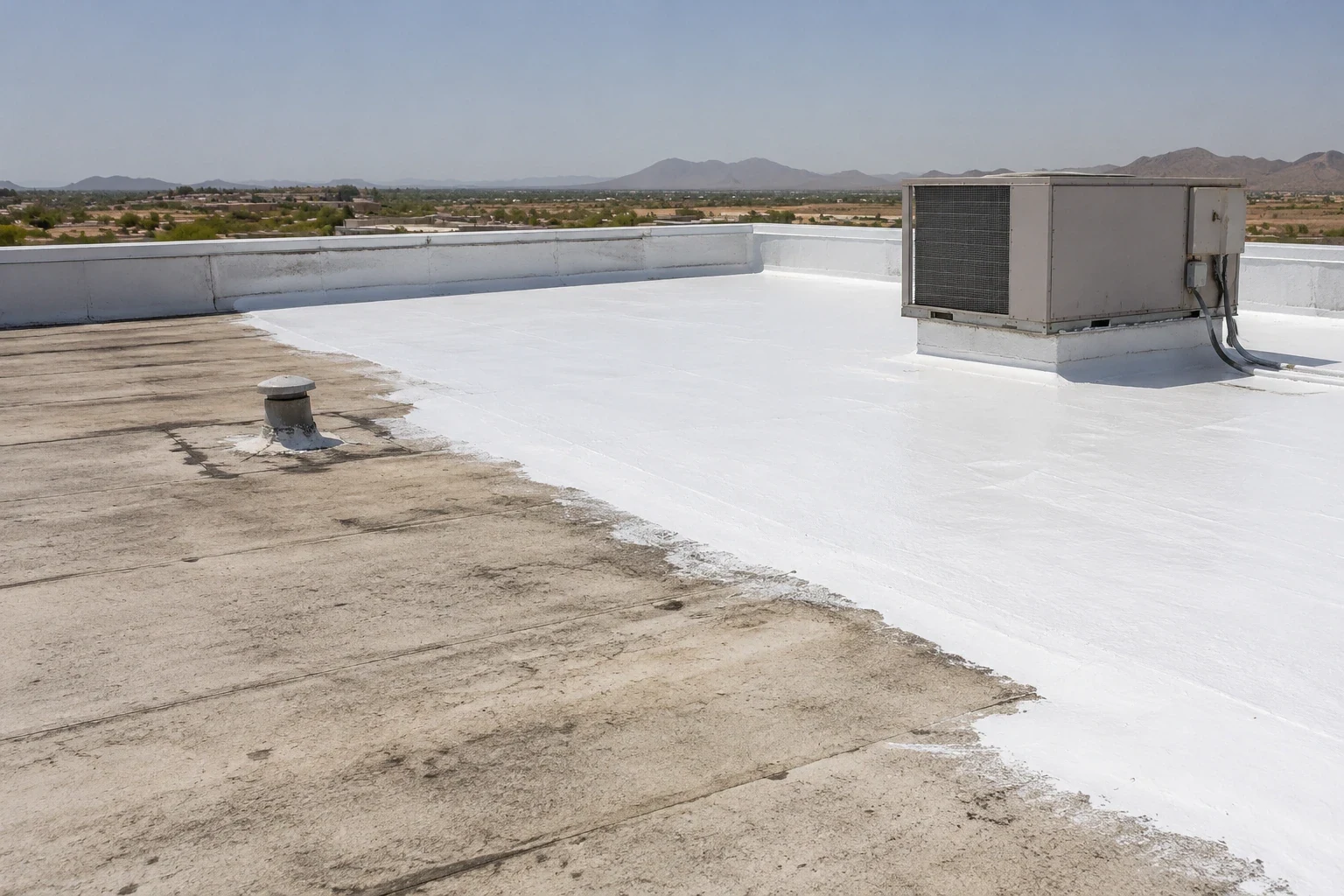
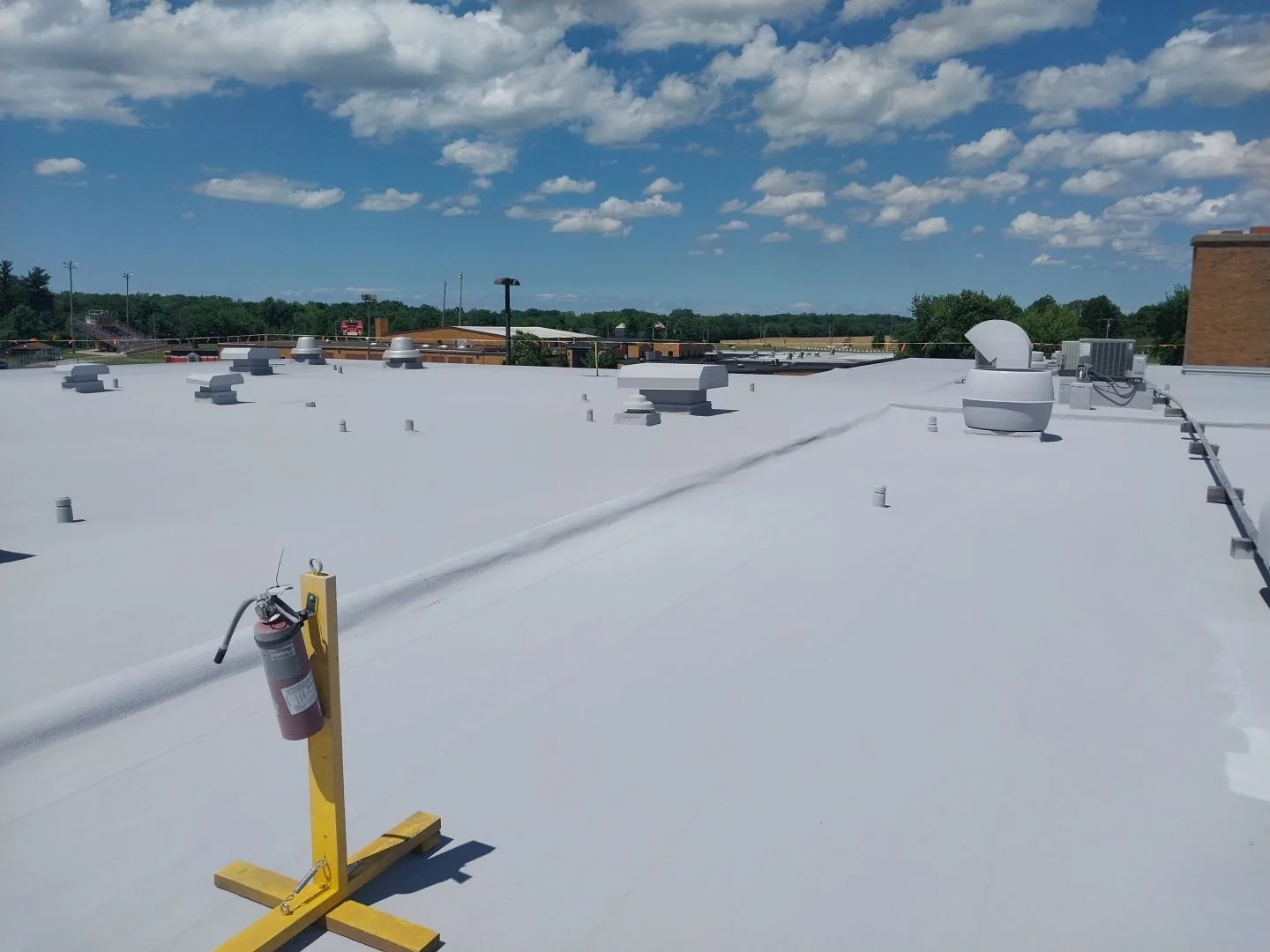
Recover and coating options depend on moisture, attachment and substrate condition. We test for compatibility and check the transitions before proposing either route. If those conditions do not support another layer, we explain why a repair or replacement is the better scope. A roof replacement plan accounts for tear-off, insulation, disposal, access and disruption. For systems that remain eligible, coating and restoration work can be compared with recover or overlay options against the existing roof condition.
Timing and price depend on the roof area that needs work, the number of details, penetrations and drains, insulation condition, access and the requirements for the project. A heritage or zoning designation may require coordination, but it does not by itself specify a roofing material. We keep those questions in the permit and project review, while our roofing scope describes the assembly and work needed on the building. That separation makes responsibilities clearer.
Coordinate approvals and roof work
Before construction, the owner should know who reviews the scope and what documentation the city expects. We can provide a roof plan, assembly description and condition notes for coordination, then confirm details with the project contact. If rooftop equipment, electrical work or fire protection changes, those trades need a sequence that protects completed flashing and membrane. The adopted energy, fire and electrical codes may affect parts of the scope, so we check applicable local amendments with the permit team.
Work on an occupied property can be divided into zones to maintain access. We confirm roof hatch entry, staging, tenant notice, noise windows and protection below the work. For that sequence, our occupied-building reroofing service lays out phases and temporary protection. If drainage is the main concern, drain and scupper repair starts by locating the restriction and checking discharge. A property with recurring water entry may also need an infrared moisture survey if conditions make that test useful.
The Opportunity Zone and Heritage District have different planning contexts. We confirm the parcel and approvals with the project team. We explain roof conditions and coordinate installation, delivery, tie-ins and weather protection.
After completion, photos and repair records help the next inspection focus on known transitions. If a roof has a history of patches, we mark them and check whether any have separated. Maintenance can then follow actual conditions rather than a calendar alone. The file supports later property decisions. Near the west-side network, the Grand Avenue and US 60 corridor carries industrial, retail and service development. The Cielo Crossing planning area includes planned residential, retail, office and industrial uses.
Commercial Roofing Questions
Does an Opportunity Zone or Heritage District label determine the roof system?
No. Those designations are planning context, not a roof specification. We inspect the building and coordinate the proposed work with the owner and applicable city reviewers. The roof system recommendation comes from the existing assembly, condition, drainage and project requirements.
Can you help document a roof before a property alteration?
Yes. We can inspect the assembly, photograph details and note repair needs or questions that require further evaluation. The project team can use that record while confirming applicable planning, permit and code requirements for the alteration.
When is a moisture survey useful for an older roof?
It can help when visual inspection leaves uncertainty about concealed moisture and the roof conditions support the selected test method. We first review the assembly and surface conditions, then explain what the result could change. It is not a substitute for inspecting seams, drains and penetrations.
What records should remain after roofing work?
Keep the scope, material information, permit documents, photos and any repair or maintenance notes with the property file. Those records help a future inspector distinguish a prior patch from a new defect and make a later repair more precise.
Ready to review the roof scope?
Request a Roof Assessment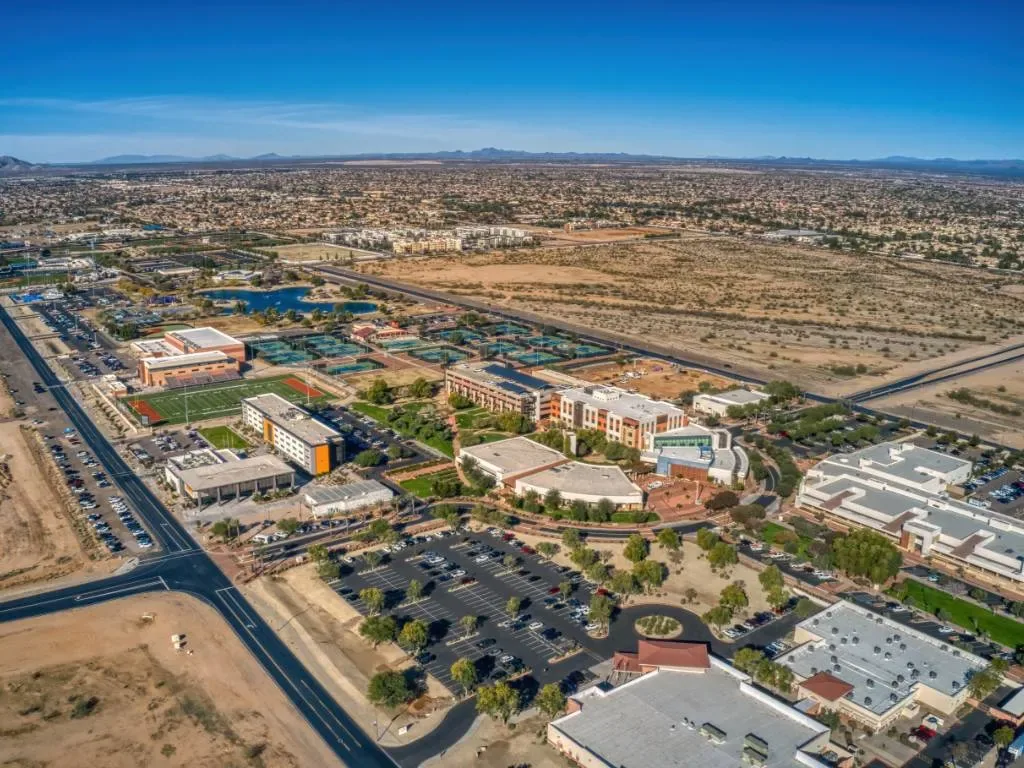
Related Roofing Work
Get a scope tied to the building and approvals
Share the property's roof history and any planned alteration or permit documents. We will inspect the roof and help define repair, maintenance or replacement work for your Original Town Site property.