Self-storage roofs have long rows of units, frequent roll-up doors, and circulation lanes that remain busy while maintenance happens. We inspect the roof and the path below it together, noting membrane seams, wall edges, drains, and equipment that could route water into a unit. Surprise Railplex is a broad industrial area with distribution and flex-office uses, while Prasada's retail districts have different traffic and tenant patterns. Neither determines the condition of a storage property's roof. The field walk does: we connect each reported damp unit to a roof detail, photograph it, and define what a repair will cover.
Protect unit access
A row of occupied units means materials cannot be staged across every drive aisle. We ask which lanes carry customer traffic, where a service vehicle can enter, and how the property contact wants tenants notified. A smaller leak repair may fit between scheduled access periods; broader work can be split by building or roof bay so gates and corridors stay usable. The crew sets a debris zone, protects unit doors below the active area, and identifies where a lift or dumpster may sit. These details make occupied-building work easier to manage without making a promise that every unit remains accessible every hour.
Inspect long roof rows
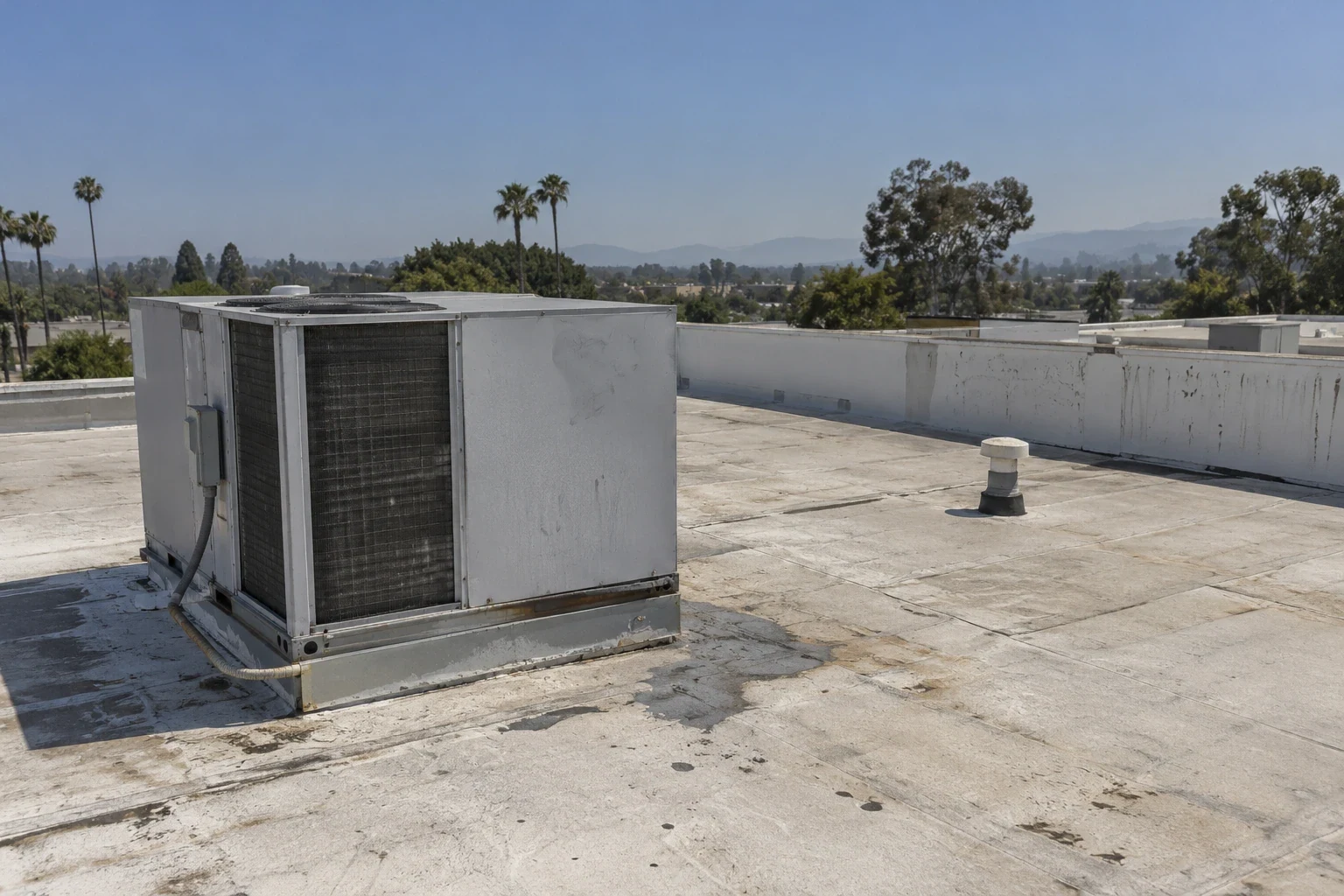
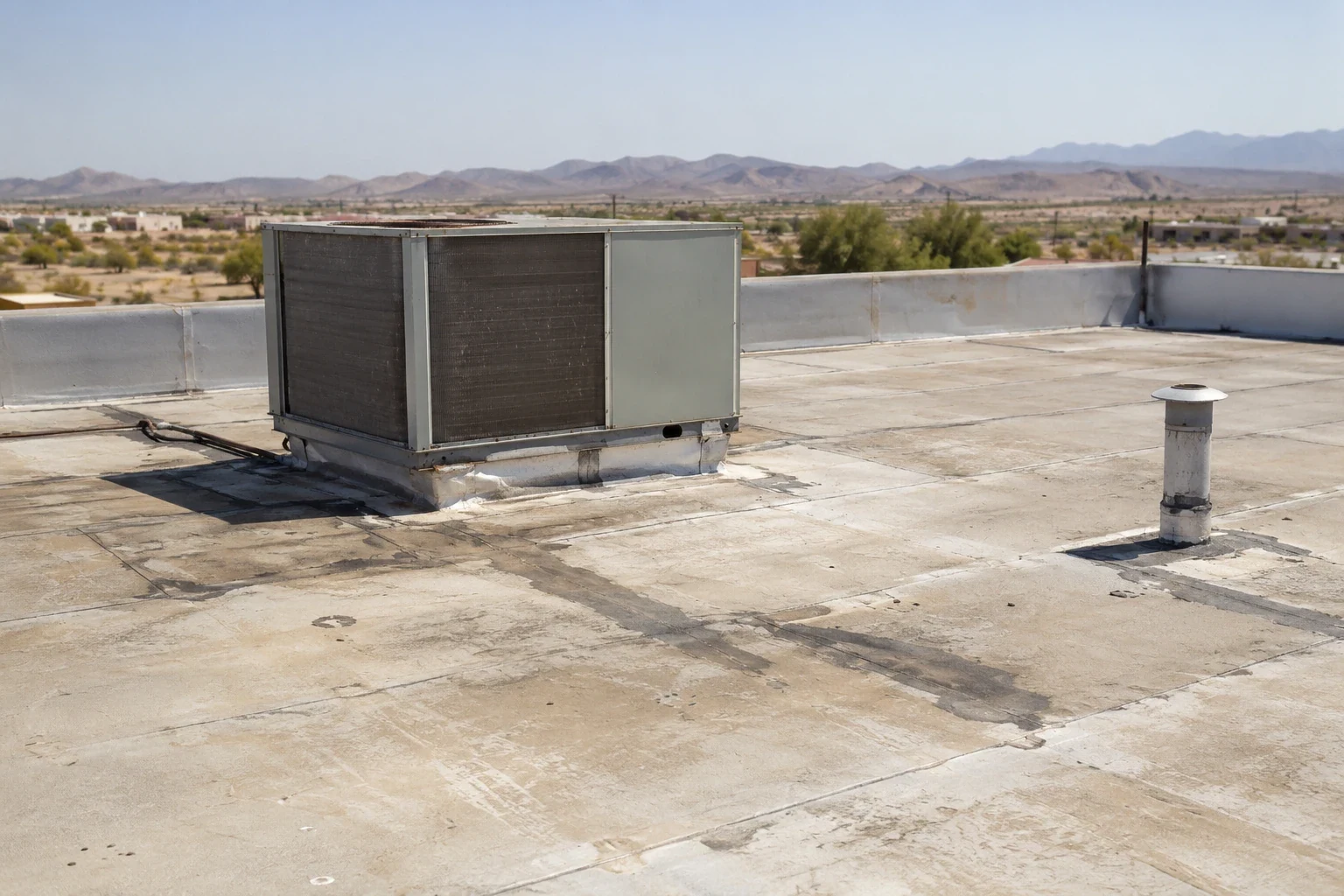
Storage buildings can have a simple low-slope field, metal walls, and repeated transitions at ridges or party walls. We locate the assembly and inspect the seams and perimeter details before deciding whether a patch, recover, or replacement is appropriate. Water at one unit may have moved along a deck or insulation layer, so we check more than the space immediately above the stain. Photos and a marked unit row help the manager track where the condition was found without exposing a tenant's stored contents. If the roof has an older coating, we test whether it is bonded and whether drainage remains open before recommending another layer or a focused repair.
Follow the water path
Summer heat in the Phoenix region puts repeated thermal stress on exposed membranes and sealants. A heavy monsoon shower also tests the drain route across a long roof row, especially when debris gathers at an inlet. We inspect the roof after a reported leak for open laps, split corners, displaced edge metal, or water that has nowhere to leave. Regional hail is possible but should be tied to observable impact, not used as a default explanation. When storm-related damage is visible, hail damage roof repair starts with photos, measurements, and a specific repair boundary that the owner can share with a carrier.
Distinguish patch from renewal
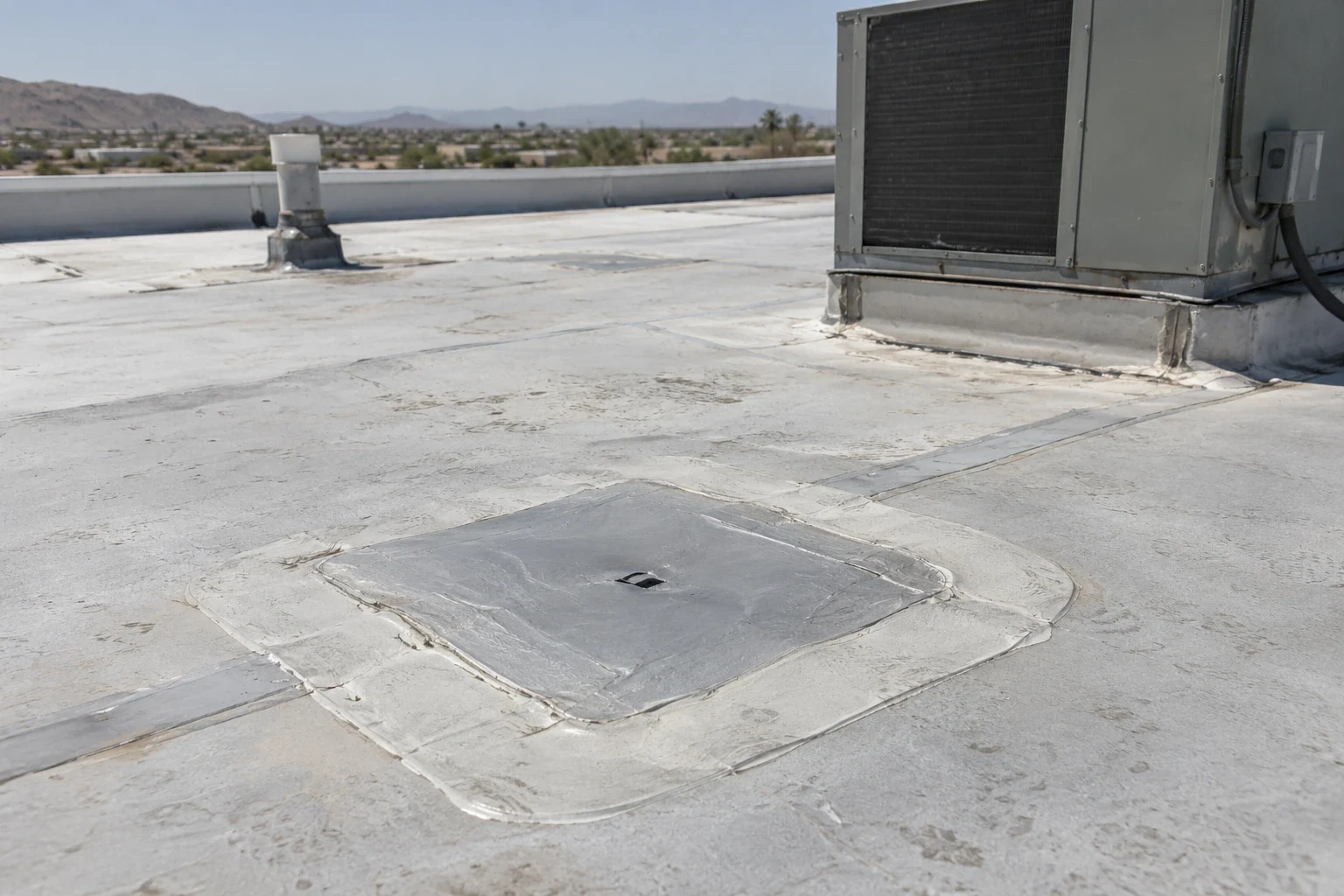
One puncture near a service path may call for a small compatible patch; repeated openings across several rows suggest a larger issue. We identify wet insulation, failed seams, or weak perimeter fastening and separate each confirmed area from parts that need a test cut. The owner can compare selective replacement with a full reroof using quantities and access assumptions rather than a broad label. Coating is considered only if the surface is suitable and the roof drains as intended. For a membrane roof, EPDM system work depends on identifying the sheet and using a compatible seam or flashing repair, not simply covering the symptom.
Keep the drive aisle usable
Gate codes, customer quiet hours, and fire lanes affect how a crew reaches a storage roof. We confirm a check-in contact and keep ladders, hoses, and materials away from tenant doors and emergency routes. If work spans several rows, a map can show which drive is affected and when it reopens. For properties near the Surprise Railplex, freight and industrial traffic may add another access constraint, but we verify each property's own circulation plan. We coordinate noisy tasks in advance and protect any open roof area when a shift ends or a weather change approaches.
Tag each building and bay
A storage operator may oversee several buildings with similar footprints, so photos need a location tag that distinguishes one roof bay from another. We mark the row, drain or curb, and repair boundary, then note whether the issue was active, repaired, or left for testing. The closeout can include a list of units reported, but tenant details remain with the property manager. The goal is a usable maintenance record for the next inspection, not a claim that every roof matches. If several roofs need review, roof asset management can help organize conditions and reserve planning across the owner's portfolio.
Price the work in phases
Storage roofs are evaluated by the number and spread of repairs, substrate condition, access, and any interior protection required below. We describe the near-term exposure and the next decision separately: make the leak tight, investigate a hidden wet area, or budget a broader renewal. A written scope identifies whether it includes tear-off, insulation, edge metal, and disposal, plus which lanes must remain clear. Managers can then plan tenant notices and seasonal work windows with enough detail to avoid a surprise closure. If the field is sound but penetrations or perimeter metal need attention, a targeted maintenance plan may be more useful than replacing an entire roof prematurely. Where units turn over often, the manager may need a repair record that does not disclose tenant information. We can identify roof zones by building and bay, then keep the interior report with the authorized property contact. If the problem returns after a patch, the next walk can compare the same seams and drainage route instead of starting over. A schedule that names the affected drive, lift location, and expected reopening gives customers a practical notice while preserving access to the rest of the property. Those details belong in the work plan, not as an afterthought once materials arrive. A manager comparing several roofs should be able to see whether a problem is isolated to one row or repeated across the property. We label each building, drain path, and access lane so a contractor returning later can locate the condition without asking tenants to move stored goods. If the inspection identifies wet insulation, we show the test area and explain how opening it would change the repair choice. A warehouse roof inspection can offer a useful comparison for long roof runs, and data-center roof planning shows how equipment zones change access control. For storage, the estimate should also state when a drive aisle is affected and how the manager will notify customers. That keeps roof quantities and property operations in the same conversation rather than treating staging as a separate afterthought.
Commercial Roofing Questions
How do you locate a unit leak without disturbing stored property?
We use the manager’s report to identify the unit row, then trace the roof detail above it. Dated photos and a roof-zone mark keep the repair file clear without recording tenant contents.
What if several rows report moisture after one storm?
We inspect common drainage paths, seams, and perimeter details, then record which areas show a functional opening. Similar timing alone does not prove one shared roof failure.
Can work be phased while customers access units?
Yes, if lift and material routes can be separated from the active drive. The manager receives the row, lane, and work window so notices can be specific.
How do you price a repair above a long storage row?
The estimate depends on the assembly, number of failed details, wet insulation, and safe access. We state the included length and any test area separately.
Should an older coating simply receive another coat?
Only after checking adhesion, moisture, and drainage. If the surface is loose or water is trapped, another layer can hide the issue instead of resolving it.
Ready to review the roof scope?
Request a Roof Assessment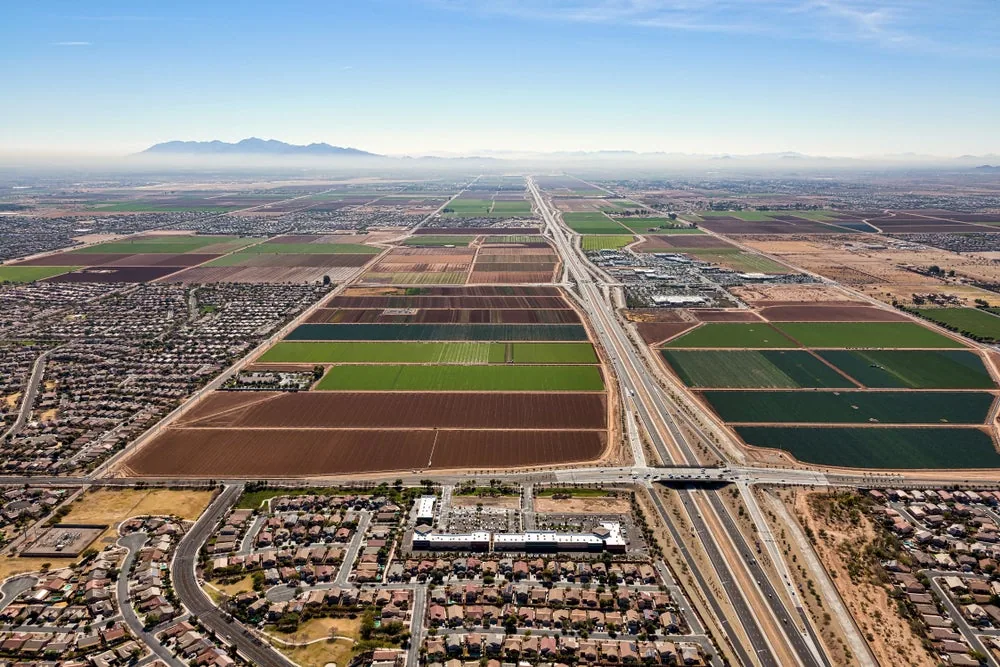
Related Roofing Work

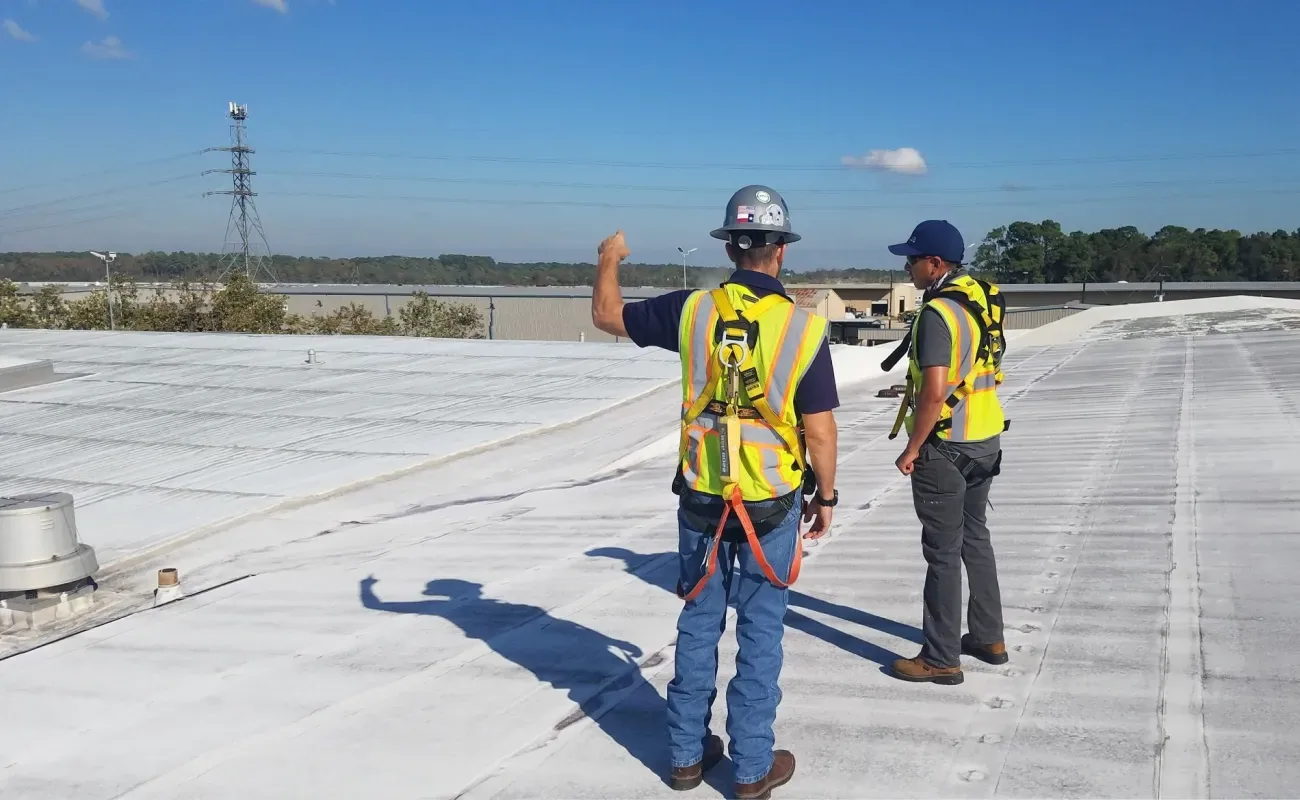
Plan access without blocking the drive
Identify the buildings, gate hours, and lanes that must remain open. We will mark the affected roof rows and give the manager a schedule and repair boundary.