A hotel roof in Surprise, AZ, can sit above guest rooms, kitchens, meeting space, and mechanical equipment that stays in service through each shift. Surprise City Center's planned mix includes hotels alongside healthcare, civic, retail, restaurant, and commercial-service uses. That district describes a local hospitality setting, not the assembly or condition of a particular property. We inspect the building itself, locate water entry, and set the roof sequence around guest access, room protection, and the hours the facility can release.
Protect guest areas before roof work begins
A leak over a guest room, lobby, or kitchen needs an interior plan as well as a roof repair. We compare the reported location with the roof plan, drains, curbs, parapets, and past repairs, then identify which spaces need protection. The hotel contact can flag occupied rooms, event areas, deliveries, and quiet hours. A marked zone lets staff explain where work occurs without broad closures that affect unrelated areas.
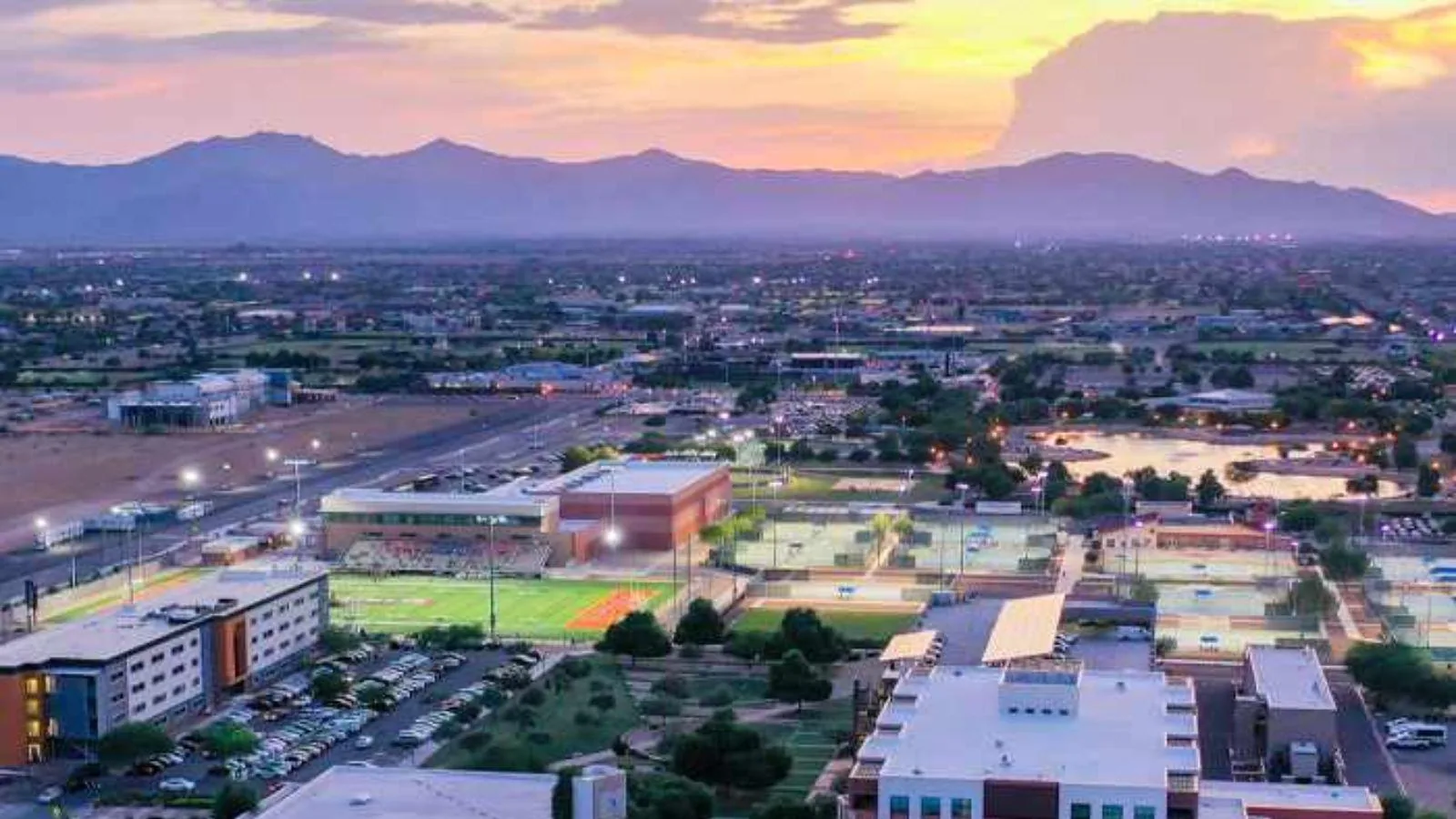
City Center is a multi-block development area with civic, healthcare, retail, hotel, and service uses. The City Center district provides context for mixed-use properties, but one hotel's room schedule does not establish another's. We confirm the actual property route, where tools can stage, and how guests avoid the lift or service lane. A hotel roof scope should state which areas remain open and how each roof section is protected at day's end.
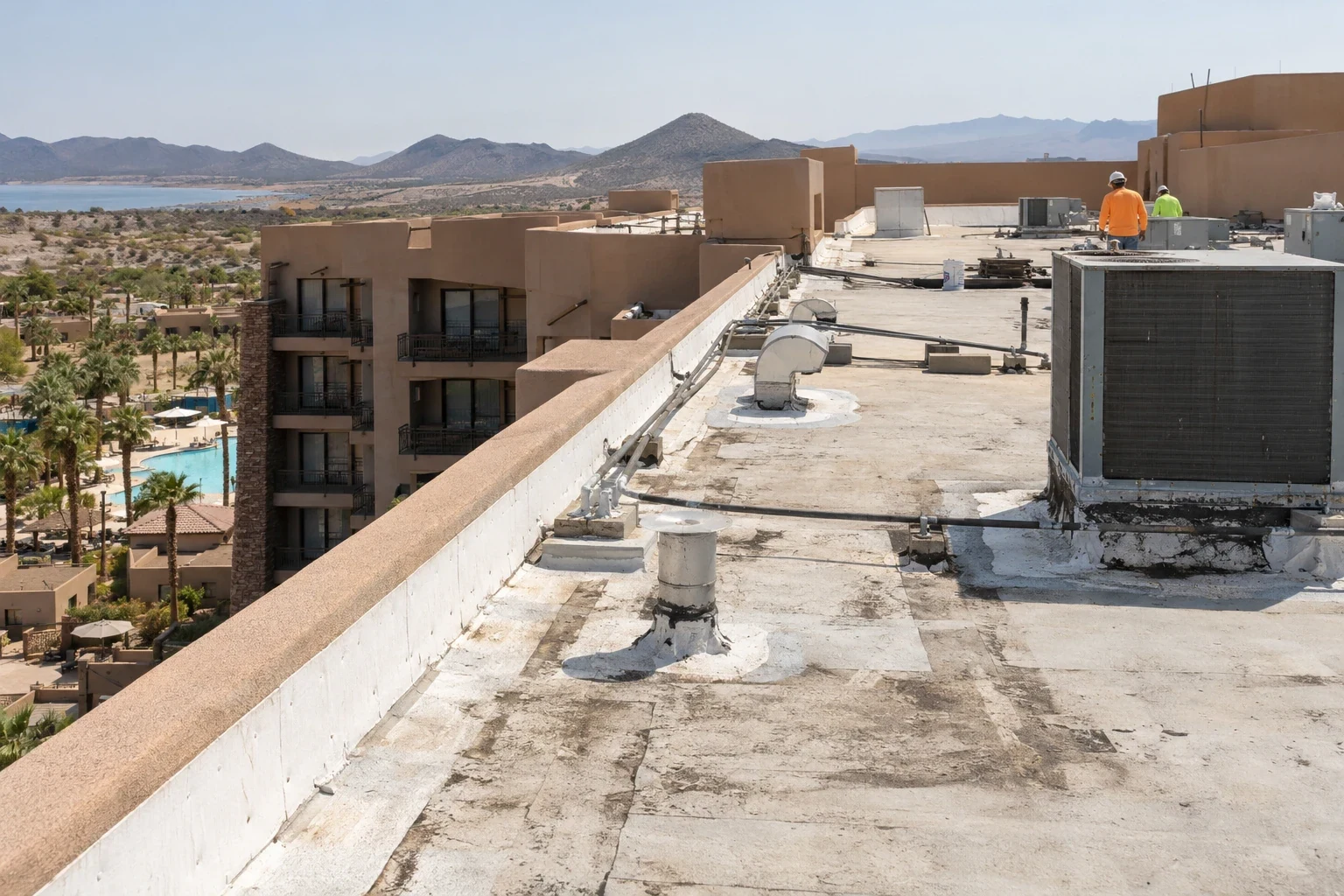
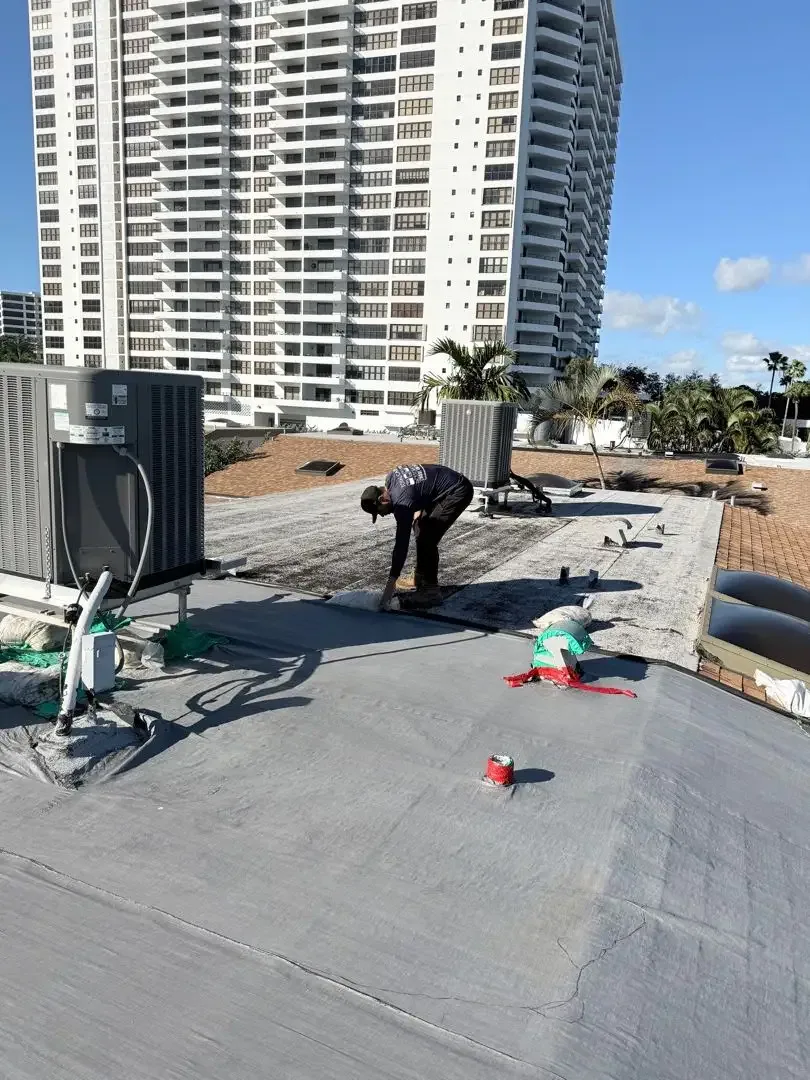
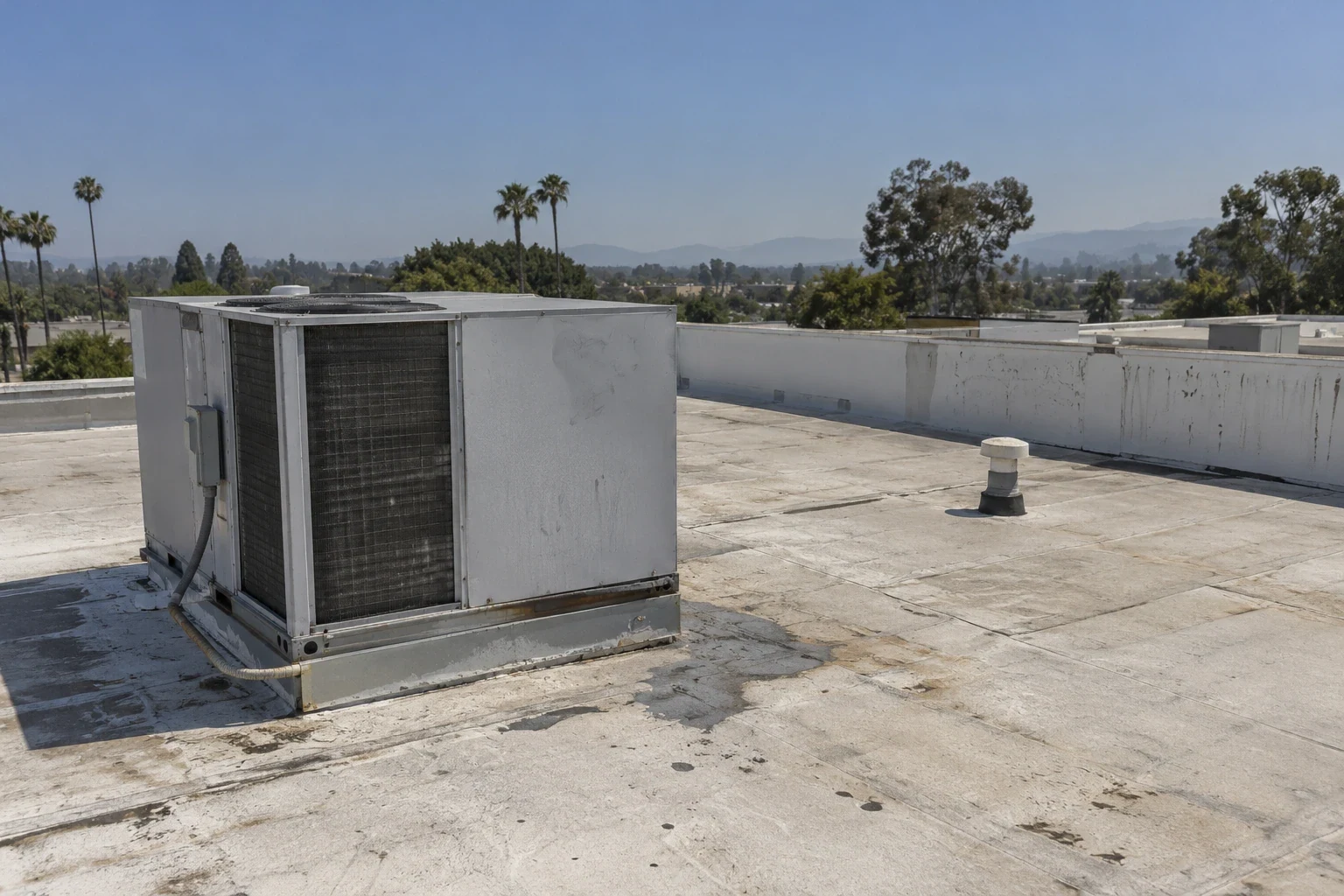
Kitchen exhaust, pool or spa equipment where present, rooftop HVAC, and service access can all affect roof detailing. We inspect the actual penetrations and curb conditions instead of inferring them from the building type. If a mechanical unit has to move, the roofer and mechanical trade agree on disconnection, protection, flashing, restart, and testing before lifting begins.
Trace the water path above the room
Ceiling stains may appear away from the seam or penetration that admitted water. We trace the likely path through the assembly, checking membrane laps, wall transitions, drains, scuppers, skylights, and equipment curbs. Photos identify the roof area and interior location, while the report distinguishes a confirmed defect from a suspected route. If moisture extends below the surface, a test may be needed before a recover or coating is considered.
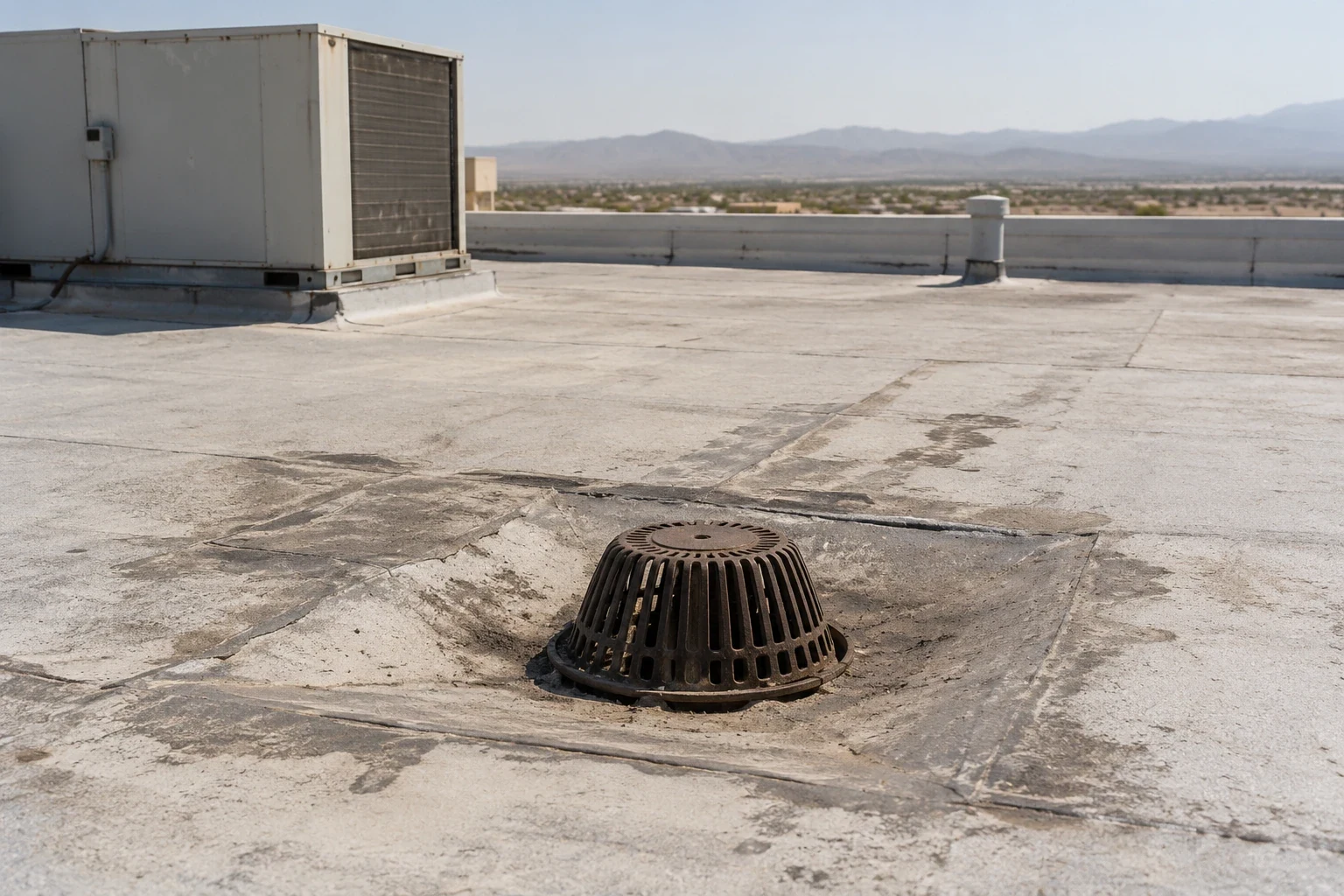
Drainage routes can be affected by a blocked bowl, a raised patch, or an outlet connection that has moved. Drain and scupper repairs can prevent water from backing toward a guest area, but the roof plane may also need a design correction. A commercial roof walk documents both the water path and the limit of what the visit could confirm.
Surprise's low-desert summer heat puts stress on exposed sealants and flashing, while Phoenix-area monsoon storms can bring heavy rain and damaging wind. We inspect actual seams and edge metal after weather passes; regional conditions do not establish damage at a hotel. If a leak threatens a room or public space, emergency response can stabilize the opening before the permanent work is scheduled.
Sequence the work between guest turnover
Hotel operations have recurring windows for check-in, housekeeping, deliveries, food service, and events. We work with the facility contact to choose lift times, set staging limits, and identify noise-sensitive hours. A roofing phase should name the guest-facing area affected, the service route used by the crew, and the time the roof will be watertight. The work plan keeps the construction boundary distinct from rooms and entrances that remain open.
For replacement, each shift needs an end point that closes the roof before weather moves in. Temporary dry-in, interior protection, material storage, and equipment shutdowns belong in the sequence. Occupied-building phasing can divide a hotel roof into manageable sections, with the facilities team approving the daily access path and release of each room or floor.
Regional hotel and service uses are also represented in Surprise City Center, while the Railplex has a distinct industrial and distribution character. The operating environment around a property informs delivery planning, but the hotel's own site rules determine where materials can stage. We confirm those rules before booking a crane or delivery so the job does not compete with guest arrival or a scheduled event.
Match repair and replacement to the assembly
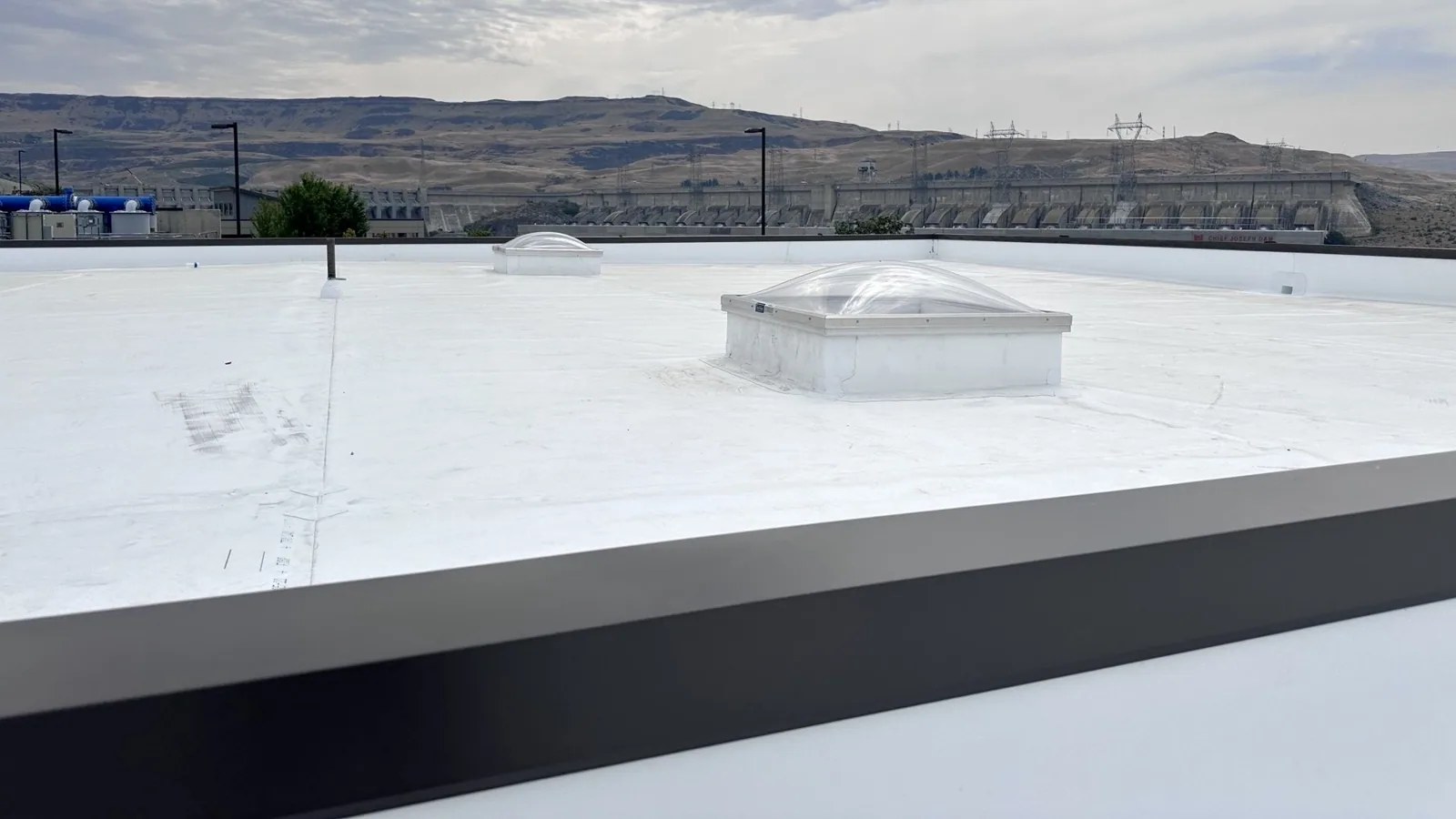
A local flashing defect may be repairable without replacing a sound roof. If the assembly has widespread moisture, a weak deck, or multiple layers, a broader replacement may be the better option. We inspect the membrane or metal panels, insulation, attachment, drains, curbs, and edge details, then compare repair, recover, and tear-off. A TPO system can be considered for a low-slope replacement when deck, insulation, fastening, and project criteria align.
Cost and timing depend on removal depth, deck work, curb elevations, insulation, disposal, and the hours the hotel can release. A proposal shows those drivers and states what remains unknown until tear-off. Roof-top equipment and kitchen exhaust need their own handoffs, so the scope identifies which trade disconnects and who protects each opening.
A hospitality group with other commercial locations may use the same inspection record fields across properties, while keeping each building's assembly and guest schedule separate. The retail and restaurant roof program has different customer patterns but similar need for site-specific access notes. Property-management coordination can keep owner approvals and work notices tied to the right hotel.
Close out with the operating team
At completion, we can provide a roof-plan location for each repair, dated photos, materials installed, and a note of any remaining test or maintenance item. Temporary protections should be removed or transferred by agreement, and the hotel contact should know which room or service area can return to its normal use. The record should distinguish completed roof work from a temporary patch that needs another visit.
If the same room reports water after a repair, compare the new mark with the prior patch location and weather date. A return leak can follow a nearby curb, drain, or wall joint rather than the original seam. The maintenance log should keep both locations so the next visit can test the water path instead of repeating the surface repair.
Surprise's employment mix includes healthcare, education, retail, consumer services, and government services, with City Center specifically including hotel uses. Those local facts establish a varied commercial setting, not a hotel roof inventory. The operating team's records and the field inspection establish the actual roof condition and access plan.
Share the roof plan, known leaks, room or event calendar, and property access rules. We mark each roof zone, identify guest-sensitive spaces and give the facilities lead a written sequence with trade handoffs and protection measures.
Commercial Roofing Questions
Can roofing work happen while hotel rooms are occupied?
Often, if the work area, lift route, noise, and interior protection are planned with the facilities team. We define a roof zone and the rooms or entrances affected before work starts.
How should a leak above a guest room be handled?
Protect the room, trace the roof path, and document the temporary boundary. We inspect nearby seams, curbs, and drains before pricing a permanent repair so the scope follows the actual opening.
Can you schedule a lift around check-in and events?
Yes, the facility's calendar sets the available window. We confirm crane staging, deliveries, guest routes, and the roof's daily closure point before mobilization.
What changes if a hotel roof needs replacement?
The plan must account for tear-off, disposal, interior protection, mechanical equipment, kitchen exhaust, and a watertight close at each phase. Those drivers affect both sequence and cost.
What should the hotel receive after the work?
A marked roof plan, dated repair photos, materials installed, and any remaining service item help facilities staff track what was completed and what needs follow-up.
Ready to review the roof scope?
Request a Roof Assessment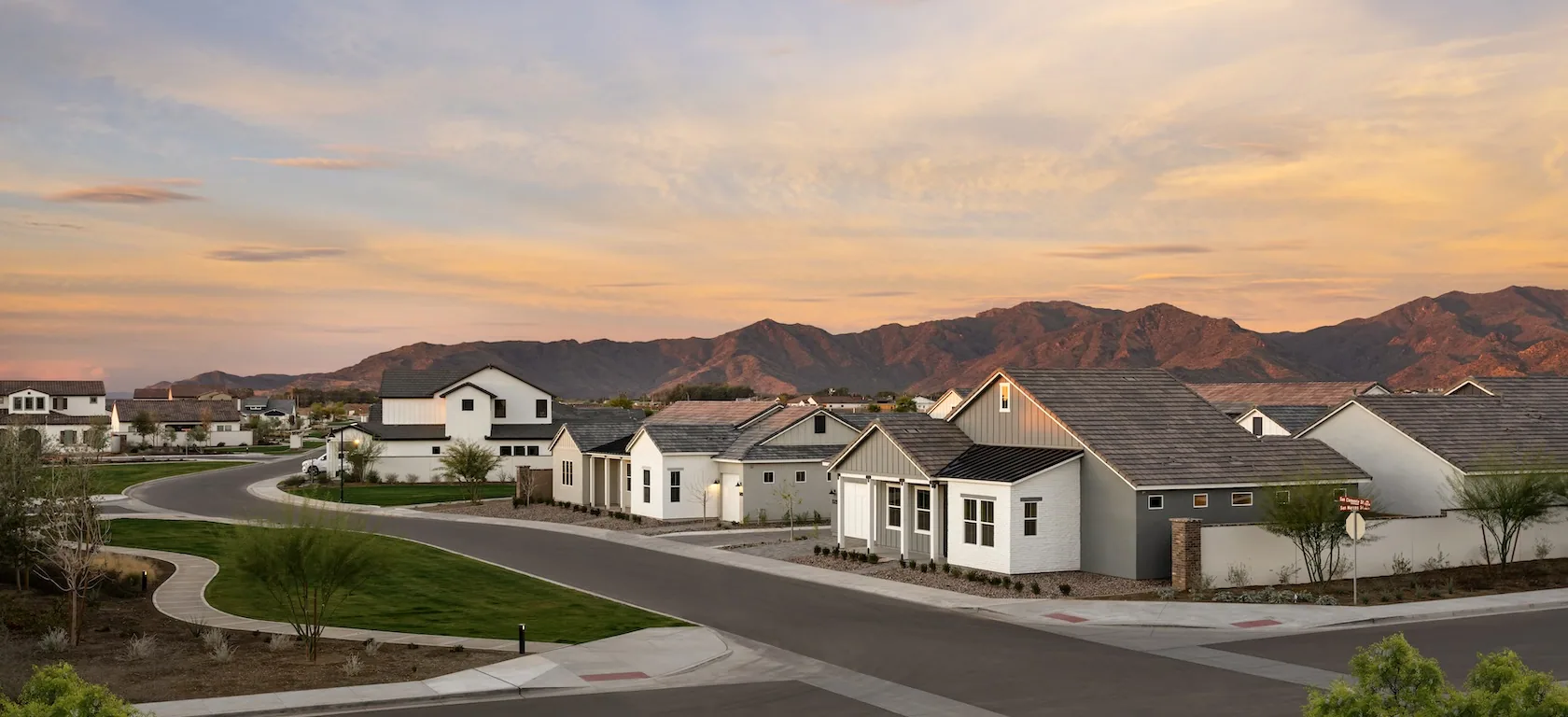
Related Roofing Work
Plan the next roof window around guests
Share the roof plan, known leak locations, room or event schedule, and access rules. We can inspect the assembly and return a scope with guest routes and daily dry-in steps identified.