
A hotel roof sits above guest rooms, kitchens, meeting areas, corridors and mechanical equipment that may remain in use every day. We coordinate with the property contact before a repair or reroof, map the roof and interior areas below it, then set a boundary the staff can explain to guests and service teams. Surprise City Center includes hotel and hospitality uses in its commercial mix, but the building's own access rules and roof condition set the scope. We inspect seams, drains, curbs and edges before deciding whether the issue needs a repair, test or wider assembly review.
Keep guest and service routes clear
The hotel team can identify check-in and checkout periods, event schedules, housekeeping routes, deliveries, loading access and areas where noise should be limited. We mark the lift location, material staging, affected entrances and any route that changes during a phase. A guest notice needs a specific time and path, while staff need to know who can answer a question if weather shifts the crew's work area. If roof access passes through a guest floor or a controlled service space, the plan should state who provides access and when it is returned.
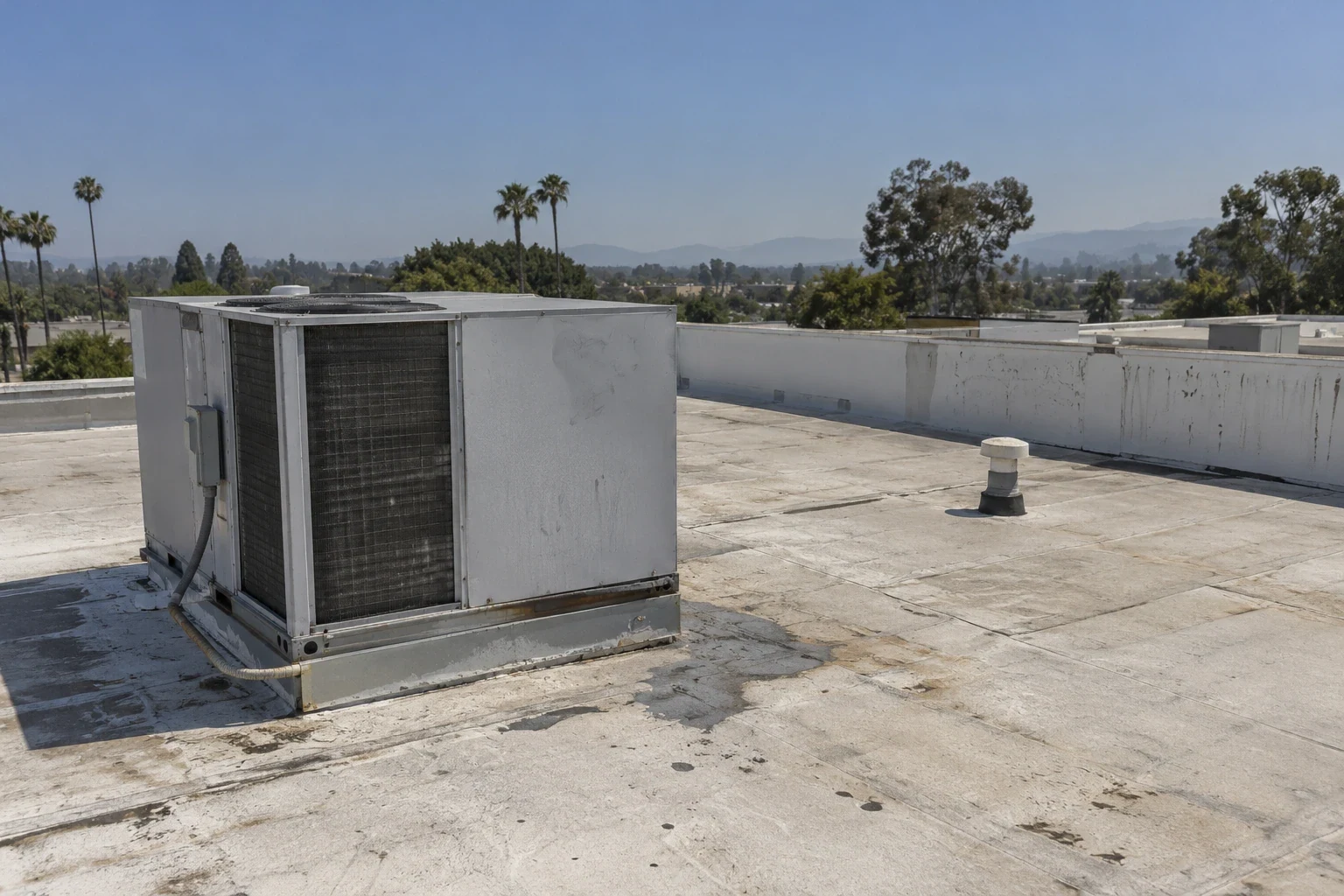
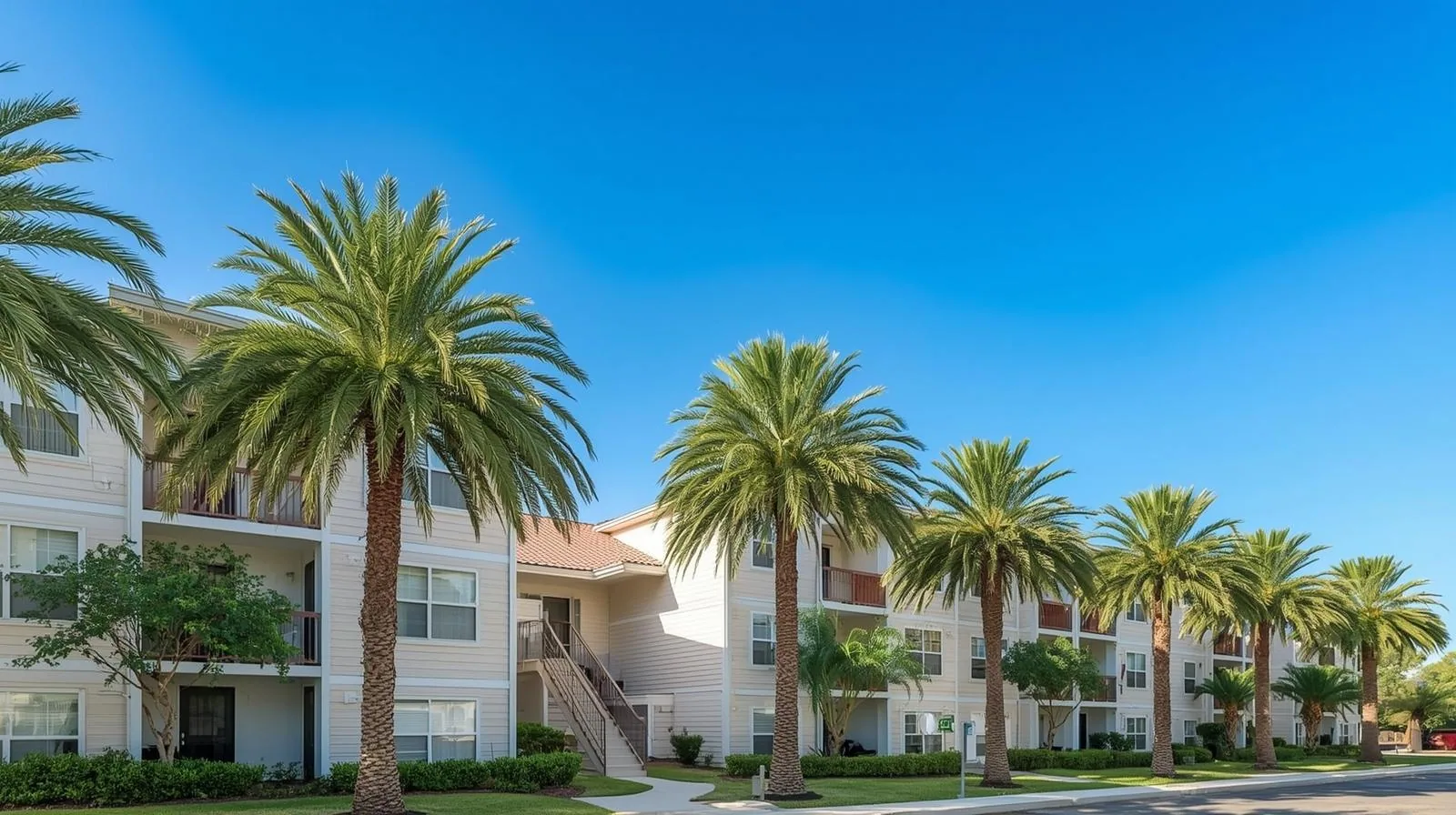
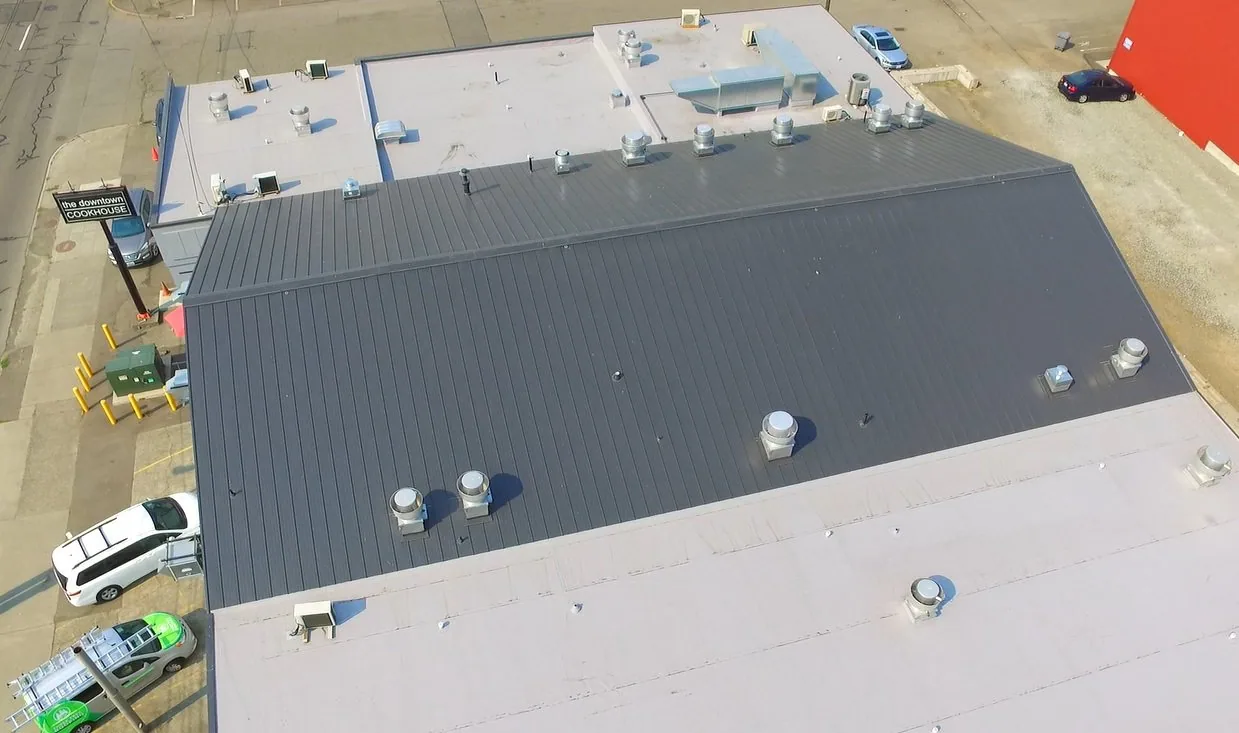
Rooftop HVAC, kitchen exhaust, plumbing and electrical systems may serve different parts of the property. The trade responsible for a unit confirms shutdown and restart; we coordinate the membrane opening, curb repair and dry-in with that handoff. A phased occupied-building plan can keep the work area away from guest paths, while multifamily roofing may present different move-in patterns and shared access needs. The actual hotel schedule, not a general property label, drives the work window.
Trace water above the room or service area
A ceiling mark over a guest room may not sit directly below the opening. We compare the room location with roof slope, drains, membrane seams, skylights, curbs and previous repairs, then photograph the likely path. If the assembly is concealed, a test cut or moisture survey may be needed before the owner approves a wider repair. We record where that test occurred and what it confirmed, keeping other roof sections outside the result until they are checked.
Where guest rooms sit below a work zone, the hotel can identify which rooms should be blocked from sale, what time staff can enter and whether a hallway or service corridor has to remain clear. We set the roof phase against that information and name who can pause work if an unexpected opening is found. The property manager can give front desk staff a concrete update about noise, access or a temporary route instead of a general message that roofing is in progress.
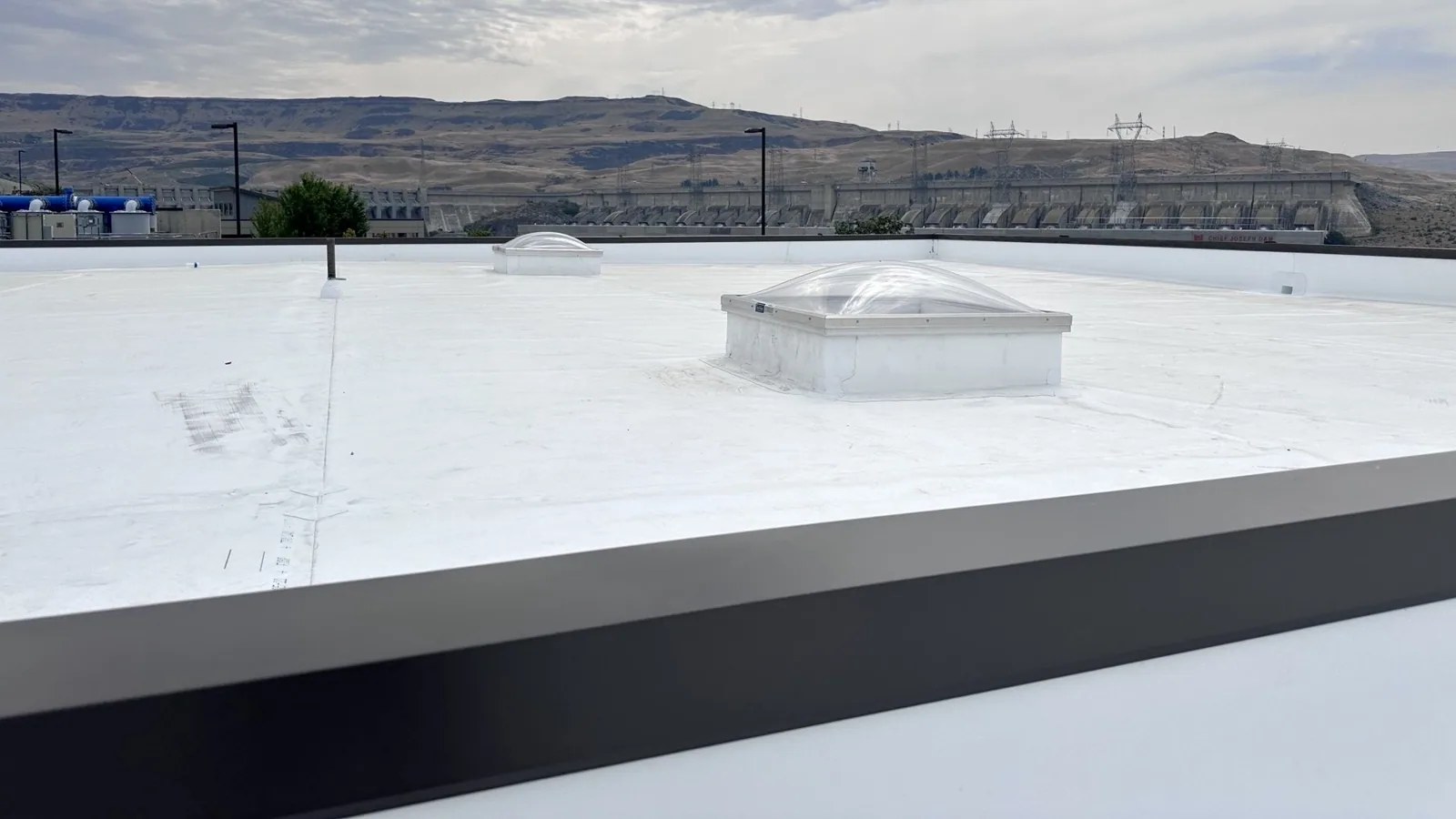
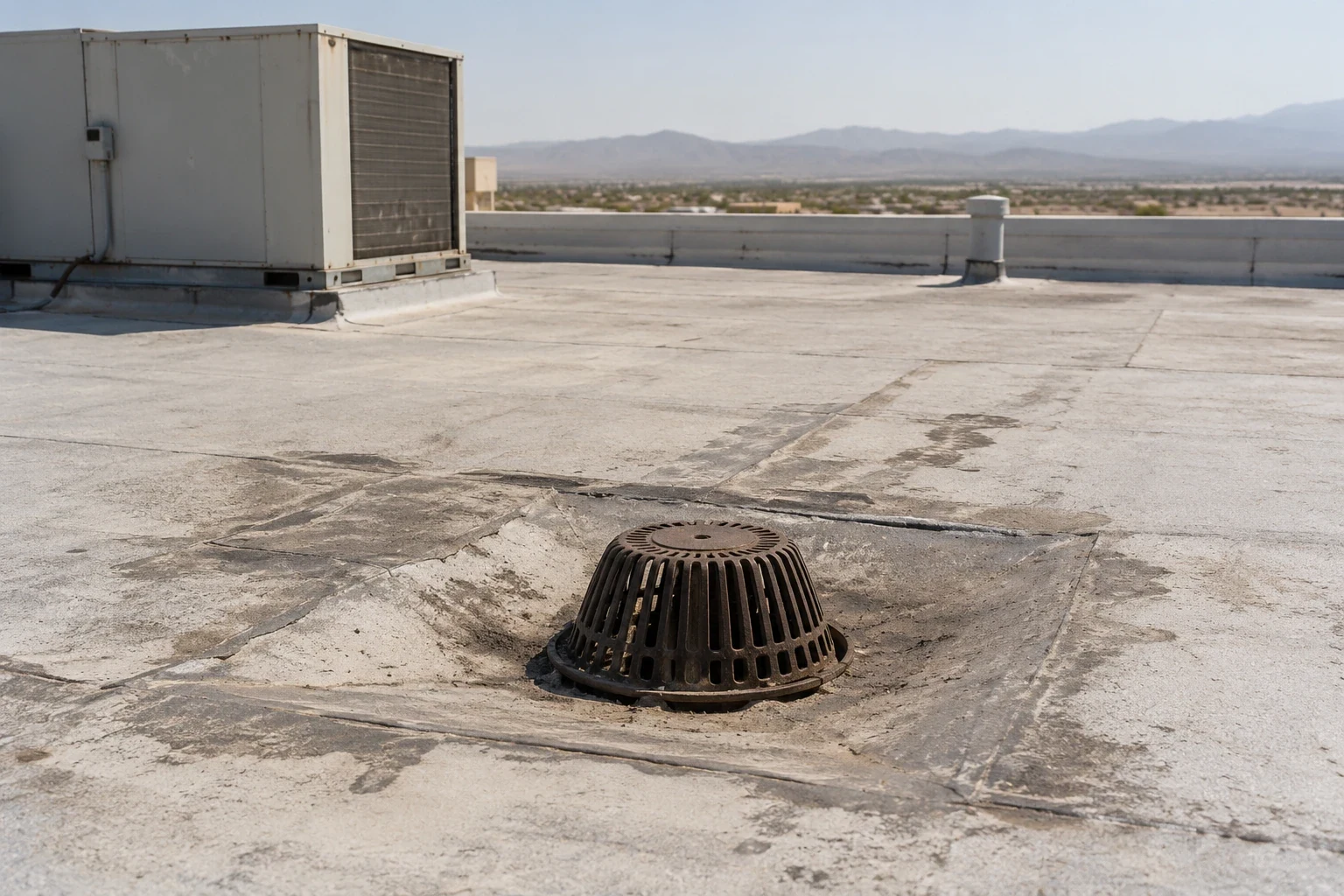
Hotel roofs can include several transitions at parapets, equipment screens, kitchen exhaust, roof decks and mechanical platforms. We mark each detail on the plan and separate the visible wear from a confirmed opening or wet insulation. A commercial roof inspection can set a baseline; a drain and scupper review can identify a blocked route or failed flashing when water is moving toward an occupied space. The result should point to a scope the property manager can schedule.
Compare a repair with larger roof work
A bounded repair may be appropriate when the defect is local and nearby attachment and membrane remain sound. If water has spread into insulation, seams have failed across several areas or the deck needs attention, the scope may need a test or removal. We identify the evidence and the unknowns before comparing repair, recover and full replacement. The estimate should state the roof area, access assumptions, materials, equipment moves, disposal and work hours that affect price and guest operations.
Estimate the guest-facing protection separately from roof production. Costs can change with night work, lift access, room closures, debris handling, unit shutdowns, material staging and the number of return trips needed for flashing. We list those assumptions so management can compare a repair with replacement without hiding a service interruption inside a general allowance. The project calendar should name the dates when guests, staff or event vendors need the area back.
A recover is possible only when the existing layers, moisture, attachment and project requirements support another assembly. For replacement, a TPO membrane or other system is chosen for the deck, insulation, perimeter, drains and service details. We coordinate curbs and flashing with mechanical trades, and keep each open area protected if weather changes. A hotel may have meeting or dining functions below the roof, so staging, noise, guest notice and restoration of the service route belong in the schedule.
Prepare for heat and monsoon shifts
Phoenix Sky Harbor's 1991 to 2020 July normal mean is about 95.5°F, a metro reference rather than a reading from this hotel roof. In summer, we check exposed membrane, sealant, flashing and equipment transitions for wear that could affect water control. Phoenix-area monsoon storms can bring hard rain and gusts into the West Valley, so we check drains and guest-area transitions before opening a roof section. The phase plan sets a stop point, temporary dry-in, material tie-down and a person to check the roof before the crew leaves.
For a hotel reroof, the design professional should confirm how Surprise's adopted 2024 code set and local amendments affect the selected assembly and connected building work. The project designer and permitting authority confirm what applies to the proposed scope. If a storm causes active water entry, a roof repair can protect the opening while a separate replacement study is prepared. That response follows the condition found at the property, not the region's weather pattern.
Close the phase with a useful operations record
When a phase is complete, we inspect the membrane, flashing, drain openings, edge metal and tie-ins, then remove debris and restore the agreed routes. The property contact should know which room or roof area was protected, whether equipment was reset by another trade and whether any restriction remains. If a punch item needs a return visit, it is marked by roof location with a responsible person and date. This gives guest services and facilities the same account of what changed.
Closeout can include a roof plan, dated photos, materials, completed repairs and maintenance steps. A condition report can help facilities carry those findings into a later budget review. For a building with long-term resident occupancy, senior-living roof work needs a separate resident and staff access plan, while hotel schedules follow guest stays and event operations. We can review the finished area with management and prepare a written next scope.
Commercial Roofing Questions
Can a hotel stay open during a reroof?
It can, when the work can be separated from guest, service and mechanical routes. We coordinate room and event schedules, lift locations, notices and the temporary protection for each phase with the property team.
What happens if a guest-room ceiling shows a leak?
We document the room and compare it with roof slope, drains, curbs and seams. The roof report separates the observed opening from any test needed to confirm concealed moisture or the full repair boundary.
Who manages rooftop HVAC shutdowns?
The mechanical contractor or facilities team confirms isolation and restart for its equipment. We plan the roof opening and flashing around that handoff and record which unit or curb is involved.
When is a recover worth considering?
The existing roof must be dry, attached and suitable for another layer under project requirements. Wet insulation, deck concerns, curb height, drainage and layer count may shift the decision to tear-off.
What should management receive after work?
A marked roof plan, dated photos, material and repair notes, remaining items and maintenance instructions give staff a shared record. The closeout can also identify any access restriction or trade handoff that remains.
Ready to review the roof scope?
Request a Roof Assessment
Related Roofing Work
Arrange a hotel roof walk
Share the roof plan, guest schedule, HVAC contacts and leak history. We can coordinate with facilities, mark the work boundary and prepare a repair or replacement sequence that keeps hotel operations in view.