After a storm at a Surprise, AZ, commercial property, the owner needs the roof stabilized and the condition recorded before a permanent scope is set. Summer storm cells in the Phoenix basin can combine strong gusts with heavy precipitation and runoff; a building inspection still has to establish what was affected. Cactus Road and Loop 303 has a broad commercial corridor, while the Railplex includes industrial and distribution development. We inspect the actual roof, photograph observed conditions, and keep mitigation separate from the cause or coverage decision.
Stabilize the opening and preserve the boundary
If water is entering, the immediate task is to protect the interior and stop further exposure where it is safe to do so. Around-the-clock emergency roof response can document the affected area, place temporary protection, and record what remains open. We do not turn a temporary dry-in into a permanent repair without inspecting the surrounding assembly. The owner and claim representative should know which materials are temporary and what follow-up inspection is needed.
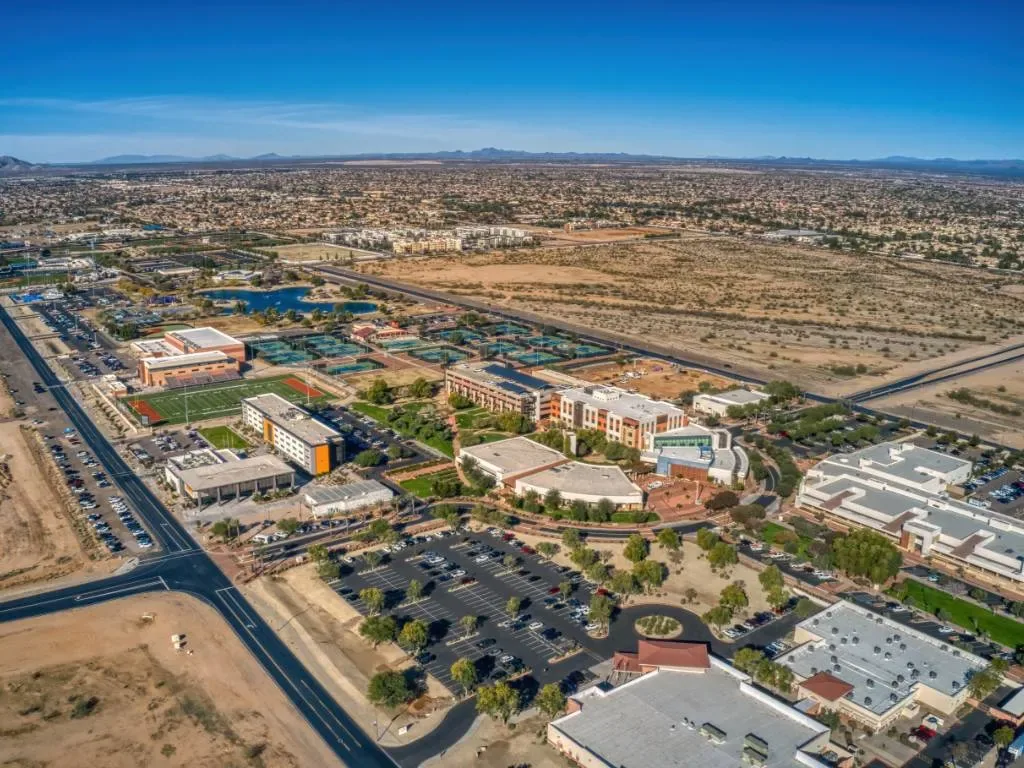
City plans place commercial construction near Cactus Road and Loop 303; the Railplex serves a separate industrial and freight context. Those local areas show different operating conditions but do not identify the roof type at a specific loss location. A Railplex property may need dock access protected; a storefront may require a clear customer route. We note the actual access and interior protection in the mitigation record.
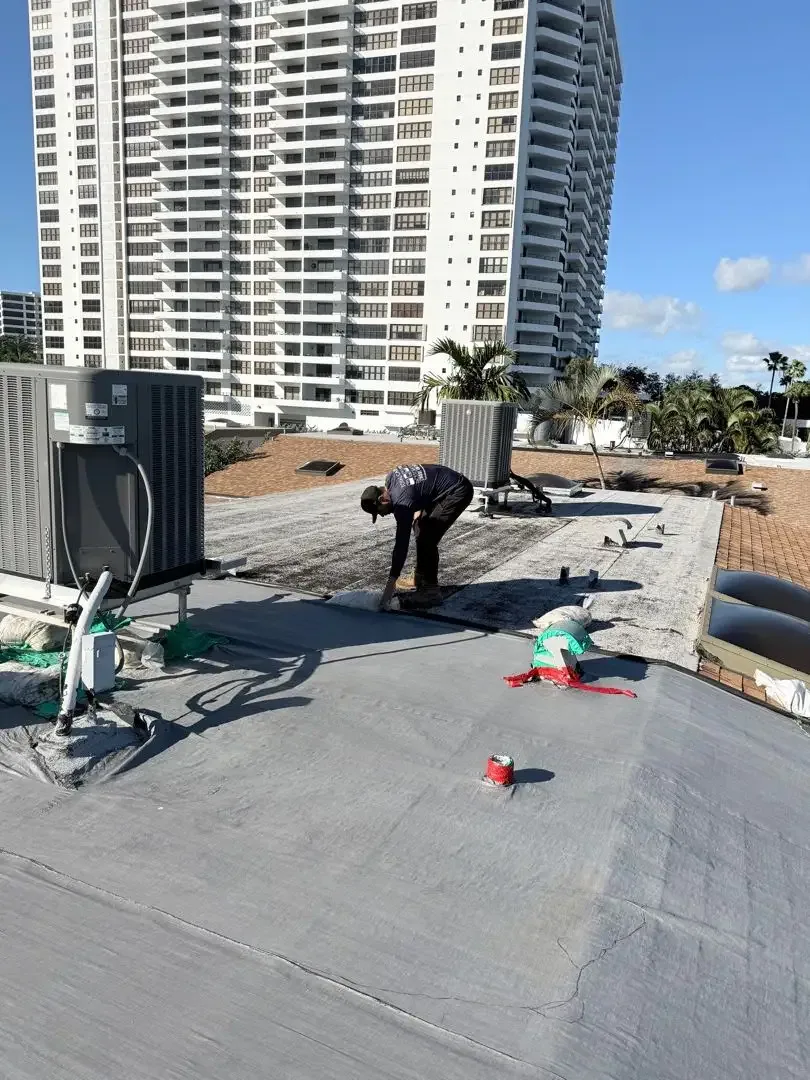
Photographs should show the roof detail, its location on a plan, and the interior effect where permitted. A close-up without a reference point can be difficult to match to an estimate later. We record the date, repair boundary, material used, and any condition that was concealed or inaccessible. That gives the owner a practical handoff for the next inspection.
Separate observed damage from the cause question
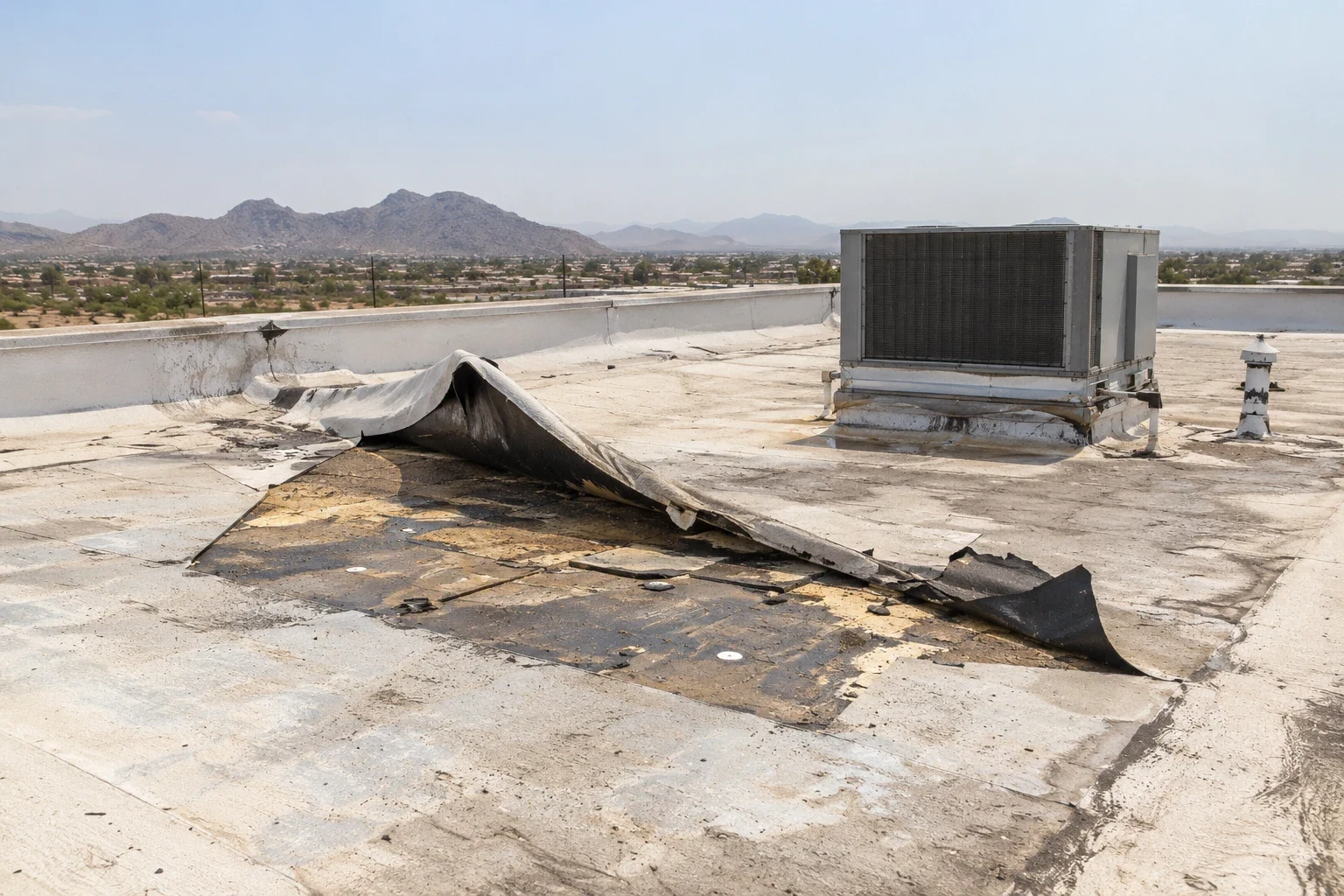
A claim record benefits from precise language. We can document an opened seam, displaced edge metal, puncture, damaged flashing, ponding, or interior staining that is visible during the inspection. We distinguish those findings from a suspected cause, prior wear, or concealed condition that requires additional testing. A commercial roof inspection should include a plan location, dated photos, and a note on what was not accessible.
Water can travel through insulation or along the deck before appearing on a ceiling. We trace the route from the interior mark to the roof, comparing drains, parapets, penetrations, and previous repairs. If a moisture survey or test cut is needed, the report names the question it will answer. A wind-related repair review should examine nearby terminations and attachment, not only the first visible flap.
The insurer or adjuster determines coverage and policy application. Our roofing scope identifies the condition, proposed repair, quantities or work limits, and any assumptions requiring approval. A claim-support scope can organize roof observations and repair documentation, while leaving coverage decisions to the carrier and policyholder.
Build the permanent repair from the assembly
A permanent repair must address the roof component that failed. On a membrane roof, that may mean a seam, penetration, wall transition, drain, or perimeter detail. On metal, it may involve panel laps, fasteners, clips, closures, or flashing. We check the substrate and adjacent material before selecting the repair method. If moisture or deck damage extends beyond the opening, the scope should state whether testing or a larger area is required.
When damage is local and the surrounding assembly is sound, a targeted repair may restore the water plane. Widespread wet insulation, unstable attachment, or multiple roof layers can change the decision to recover or replacement. We identify those alternatives and the conditions that would support them in a commercial repair proposal. Cost and timing drivers include access, removal depth, deck work, disposal, interior protection, and the operating window.
Surprise's hot low-desert summers also put repeated heat on exposed sealants and membrane laps. Phoenix Sky Harbor's July normal is a regional benchmark, not a measurement at the loss property. We use local climate context to prioritize inspection of seams and flashing, then base the repair on visible evidence. A broad weather pattern is not a substitute for a site-level condition record.
Coordinate the claim file and roof work
Roof repair may need to proceed while estimates and approvals are still being reviewed. The owner can authorize temporary protection, while the claim team reviews permanent work and any requested documentation. We mark which actions are mitigation, which are permanent repairs, and which areas still need a decision. That separation helps keep the field sequence clear without representing a coverage determination.
At a retail property, the work plan may protect customers, deliveries, and tenant hours; in the Railplex, it may preserve loading lanes and production routes. Property-management coordination can keep notices and approvals connected to the correct building. If a general contractor is managing broader reconstruction, a trade coordination plan should assign penetrations, equipment resets, interior work, and temporary dry-in responsibilities.
Before opening a roof, we confirm the work window, staging point, interior protection, and daily watertight stop. If weather interrupts, the crew secures the material and records the section that remains temporary. The property contact receives the current boundary so operations staff do not treat an active repair area as complete.
Deliver a usable record after restoration
A closeout package can include photos tied to a roof plan, temporary mitigation details, permanent repair work, products installed, and any remaining condition. We identify what was inspected and what could not be confirmed without opening the assembly. A condition report can help the owner track future maintenance separately from the claim repair.
After a temporary patch, we can return for an inspection after the next rain or an approved water test when conditions allow. We compare the repaired seam with nearby drains and penetrations, then update the roof plan with any new observation. That record helps distinguish movement at temporary material from a separate opening.
Surprise City Center includes civic, retail, healthcare, hospitality, and commercial-service uses across multiple blocks. That mixed-use setting can affect access, tenants, and work hours, but the property-specific roof history still controls the next maintenance step. The owner should retain the project record with the roof plan and prior repairs so a later leak can be compared with the documented boundary.
Share the loss location, roof plan, available photos, repair history, and operating limits to schedule an inspection. We can stabilize active water entry, document the roof condition, and prepare a permanent repair scope with assumptions and open questions stated for the owner and claim team.
Commercial Roofing Questions
Does a storm report prove that a roof was damaged?
No. It describes regional conditions. We inspect the specific roof for visible changes, photograph each detail, and distinguish observed damage from conditions that need testing or a cause determination.
Can temporary mitigation happen before an adjuster visit?
The owner may authorize steps needed to protect the building. We document the temporary materials, affected area, and remaining exposure so the claim team can review the work.
What should roof photos show for a claim file?
Include a wide view or plan location, a clear detail photo, and the interior effect where allowed. The record should identify the date, repair boundary, and any area that could not be inspected.
Who decides whether the policy covers the roof repair?
The carrier and policyholder apply the policy terms. We describe roofing conditions, mitigation, and proposed repair work; we do not determine coverage.
When might a local repair become a replacement scope?
If testing shows widespread moisture, weak deck, failed attachment, or multiple unstable layers, the repair boundary may expand. We document the finding and compare options before proceeding.
Ready to review the roof scope?
Request a Roof Assessment
Related Roofing Work
Document the roof and define the repair
Share the loss location, roof plan, available photos, repair history, and building schedule. We can inspect the assembly, document mitigation, and prepare a permanent scope with clear boundaries.