A public agency in Surprise, AZ, may manage civic, service, office, and community buildings across different operating schedules. Surprise City Center includes civic, healthcare, retail, hotel, and commercial-service uses, while the Railplex covers a separate industrial and distribution setting. Those districts show the range of local property uses, not the condition of any government roof. We inspect the building, document its assembly, and prepare a scope that the agency's facilities and procurement teams can review against the actual project requirements.
Write a scope the project team can review
A public roof scope should say what is included, where work occurs, and which conditions remain unresolved. We identify roof areas, visible defects, access limits, trade interfaces, temporary protection, and the products or assemblies being considered. If an inspection cannot confirm a concealed layer, the scope states what test would answer the question. That gives the agency a basis for comparing bids without treating an allowance as a known repair.
Alternates help only when each option describes the same roof area and its own assumptions. We can separate a repair allowance, a recover assembly, and a full tear-off, then show which deck or moisture findings would change the recommendation. If bid documents call for unit pricing or allowances, those quantities and limits should be stated before bids arrive. The agency can compare scope differences without treating an unknown concealed condition as a confirmed repair.
Public roof scopes in Surprise must account for the locally amended 2024 building and existing-building codes that took effect in January 2026. The applicable permit route depends on the actual project, and the agency's design professional confirms it. We can document the roof assembly, fastening assumptions, drainage, and perimeter details for that review. A government-building roof survey should connect those assumptions with the specific facility plan.
For public procurement, submittals, alternates, inspections, and closeout records may be defined in project documents. We separate labor sequence, material selections, deck assumptions, and exclusions so the agency can compare scope rather than only a total. A general contractor coordination plan can assign curb, conduit, and temporary dry-in responsibilities when other trades share the roof.
Record the roof before assigning capital
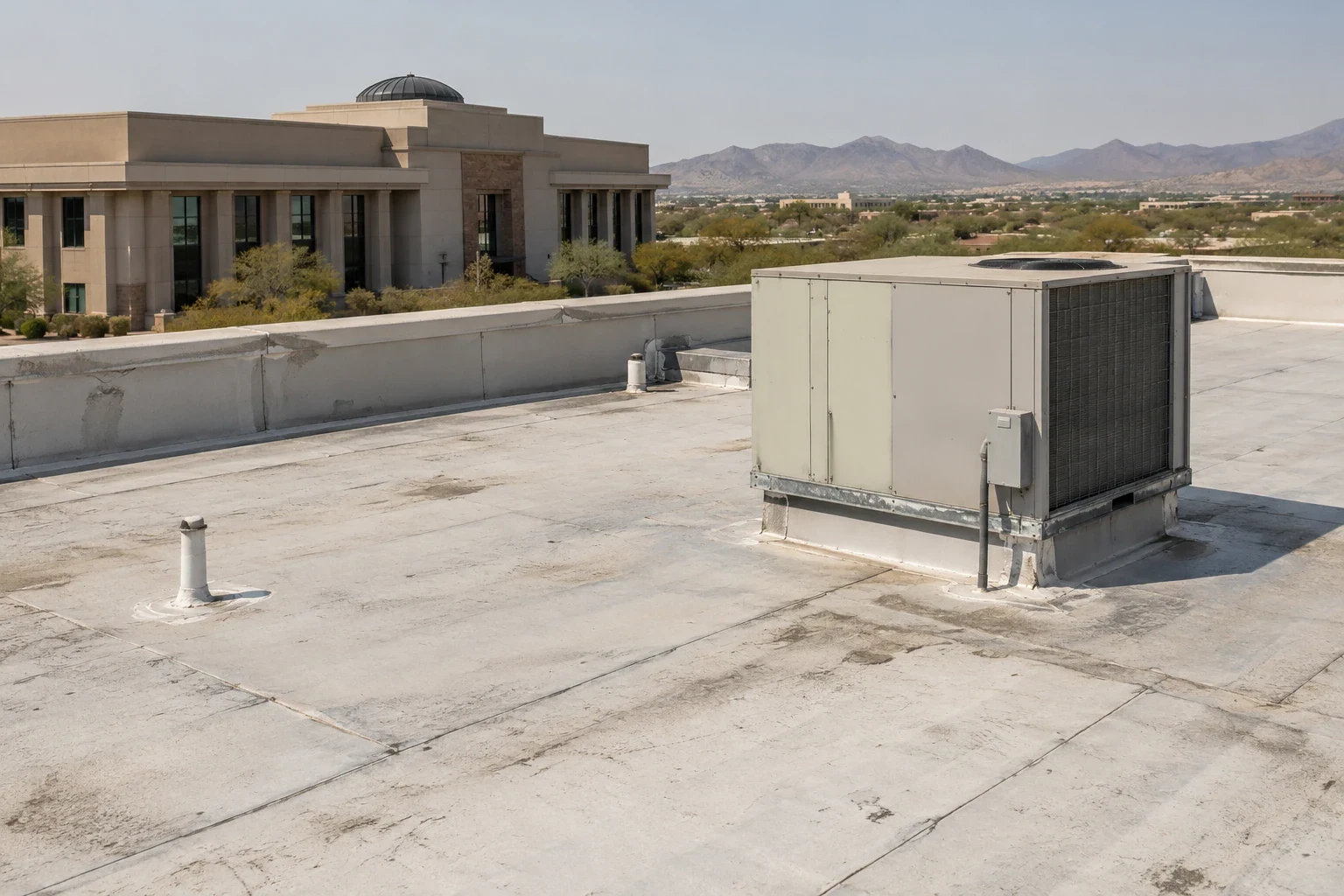
A recurring ceiling leak can lead to repeated repair tickets unless each visit locates the roof condition. We check seams, penetrations, drains, walls, edge metal, and past patches, then mark photos to the roof plan. A commercial inspection can distinguish a local flashing issue from a larger condition that needs testing or replacement. The report states what was visible and what remained inaccessible.
City Center's multi-block mix of civic and public-facing uses means access, event schedules, and entrances may differ from an industrial property around the Railplex. The City Center district is a broad planning area, not a single facility roof. For each agency building, we confirm the route for materials, areas that need protection, and who can release a work zone.
A capital plan should compare repair with recover or replacement using the existing layers, moisture evidence, deck condition, drainage, perimeter, disposal, and work windows. The marked condition report can place urgent corrections alongside future work without declaring a roof's remaining life from a visual walk alone.
Plan drainage and roof edges for storms
Summer monsoon storms across the Phoenix metro can bring damaging winds, heavy rain, and flash flooding. We inspect the outlet route, overflow provisions, perimeter attachment, and rooftop equipment supports, then photograph any movement or blockage found. Weather context helps determine what to check; it does not establish damage at an agency building. A water entry that affects public service rooms should be stabilized and documented by location.
Heat in the low desert also makes exposed sealants, seams, and metal transitions worth reviewing. Phoenix Sky Harbor's July normal is a regional benchmark, not a reading at a Surprise facility. We look for an actual split, loose termination, or failed flashing before recommending repair. Around-the-clock emergency response can protect an opening when a leak cannot wait for the next procurement meeting.
Surprise's code updates also include the 2024 International Fire Code and 2023 National Electrical Code, effective January 1, 2026. Rooftop work that interfaces with fire protection, electrical systems, or solar equipment needs project-specific review. We identify roofing details and trade boundaries; the agency's design team determines how those adopted requirements apply to the work.
Coordinate public access and site operations
Libraries, offices, service counters, and public meeting areas can remain in use while a roof is repaired. The agency sets entry, delivery, safety, noise, and public-notice requirements. We use those limits to select material staging, lift timing, roof sections, and temporary dry-in points. A field plan names the building contact and the route the crew will use so public entrances and emergency access stay clear.
If several buildings are scheduled, each needs a separate zone plan and daily closure record. A school district work plan may include bus routes and classroom calendars, while a public office has public counter hours and records areas. One contract may bundle the work, but the access limits still belong to the individual facility. We maintain that distinction in the schedule and the closeout record.
When mechanical or electrical trades need to move equipment, the project team identifies who disconnects and restores each unit. Curb and support scope should state who protects the roof opening and who verifies the equipment after the flashing is complete. That handoff prevents a roof repair from ending with a unit left out of service.
Close out records by facility
Agency turnover should leave a clear record of completed work, materials installed, inspection locations, and any item that remains open. We can provide dated photos, a roof plan marked by area, and separate notes for repairs and unresolved design questions. The procurement file may define how those records are submitted and retained. A project contact can then tie the roof work to the facility's maintenance and capital records.
Surprise's City Center, North Surprise, and Railplex areas include civic, office, retail, industrial, and mixed-use buildings. Those local settings call for different staging and access plans. For a series of agency properties, portfolio-level facilities coordination can organize the schedule, while every roof keeps its own assembly and condition history.
Share the facility plan, project specifications, known leaks, access rules, and procurement calendar to start a scope review. We can inspect the roof, identify trade interfaces, and prepare a written repair or replacement scope with assumptions visible to the agency's project team.
Commercial Roofing Questions
Can you prepare a scope before an agency issues procurement documents?
A condition review can identify roof areas, visible defects, and open questions. The agency controls procurement; we can provide scope information for its design and contracting team to use as allowed.
How should a public owner compare roof bids?
Compare included roof areas, removal depth, deck assumptions, insulation, drainage, perimeter details, temporary protection, access, and closeout. We state those items separately so the scope can be reviewed.
Who confirms which building codes apply?
The responsible design professional and permitting authority determine the applicable code path and local amendments. We document the roof assembly and proposed details for that project review.
What if a leak affects a public service area?
Around-the-clock response can stabilize the opening, protect the room, and record the repair boundary. A later roof walk checks adjacent details before the permanent scope is finalized.
How do you coordinate work at a building that stays open?
The agency sets public hours, delivery access, and restricted rooms. We sequence roof zones around those limits, set a daily watertight stop point, and record which entrances or areas are affected.
Ready to review the roof scope?
Request a Roof Assessment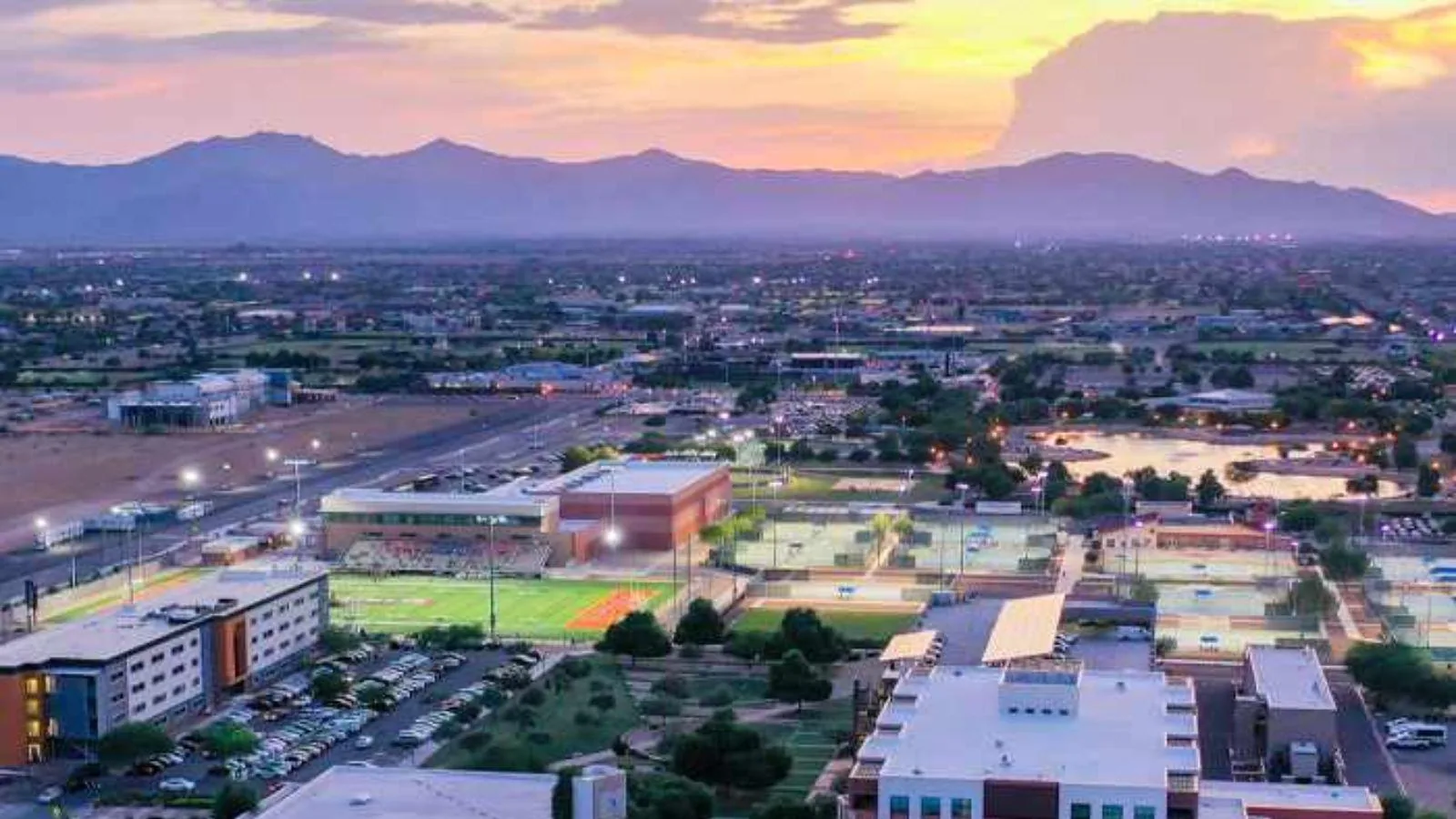
Related Roofing Work
Review the facility and procurement scope
Send the roof plan, project requirements, access limits, known leaks, and procurement calendar. We can inspect the roof and prepare a written scope with assumptions and trade boundaries identified.