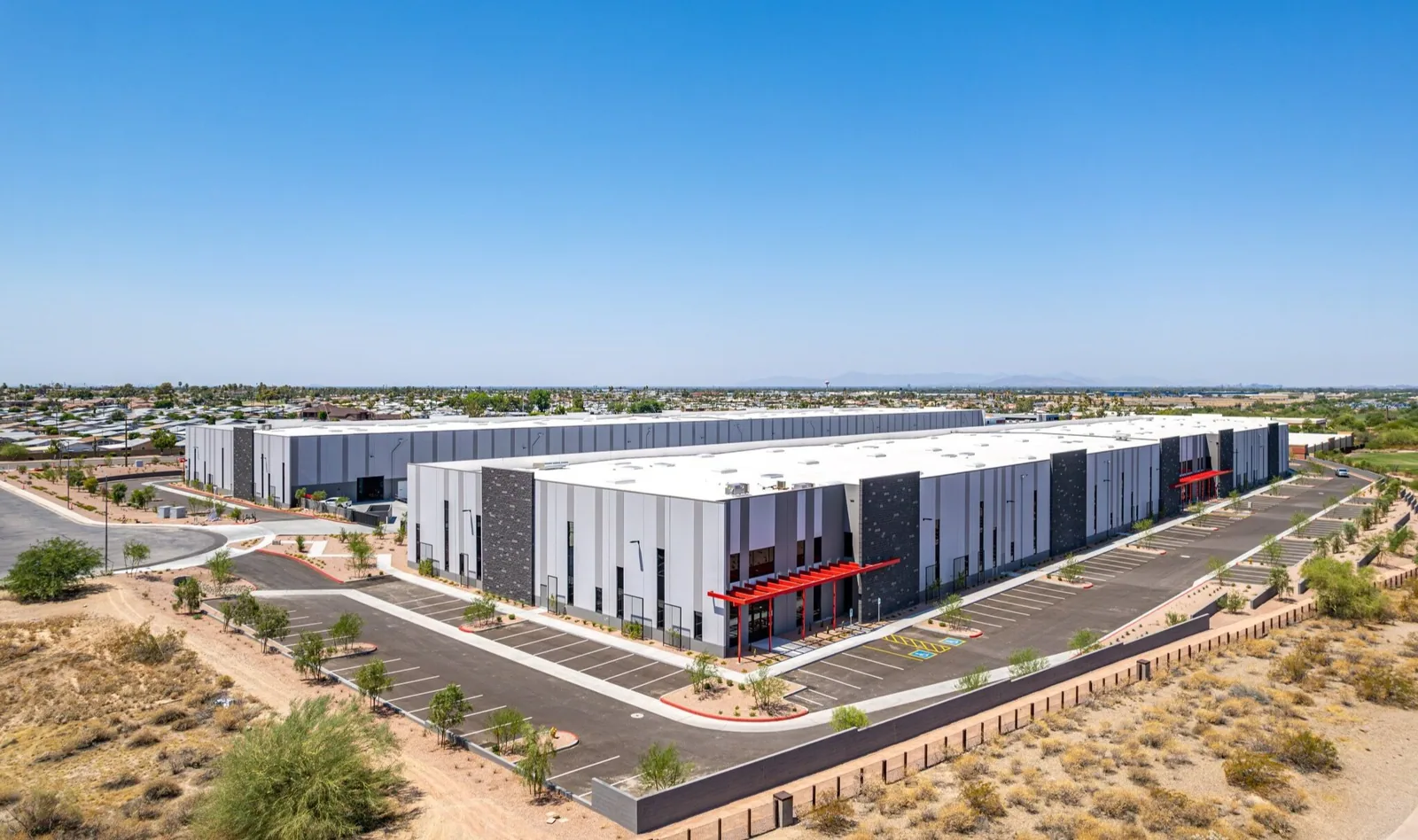
A light-industrial building near Surprise's Railplex may have offices at one end, loading activity at the other, and equipment across a long roof. Versico is a commercial roofing manufacturer with system choices that must be checked against the building and project documents. We inspect the existing membrane, deck, insulation, drains, and curbs before comparing a repair, recover, or replacement. Heat and monsoon exposure in the Phoenix area guide the inspection of seams and edges, but they do not substitute for what the roof walk finds.
Select the specified Versico assembly
Versico system options can include single-ply roof assemblies, and the project submittal must identify the exact membrane and components. Compare Carlisle SynTec assemblies against the same roof conditions. We review insulation, cover board, fasteners or adhesive, flashing, termination, and approved details together. The deck and existing layers can limit which attachment method is practical. A written scope states the selected assembly and where it meets another membrane, a wall, an expansion joint, or an equipment curb.
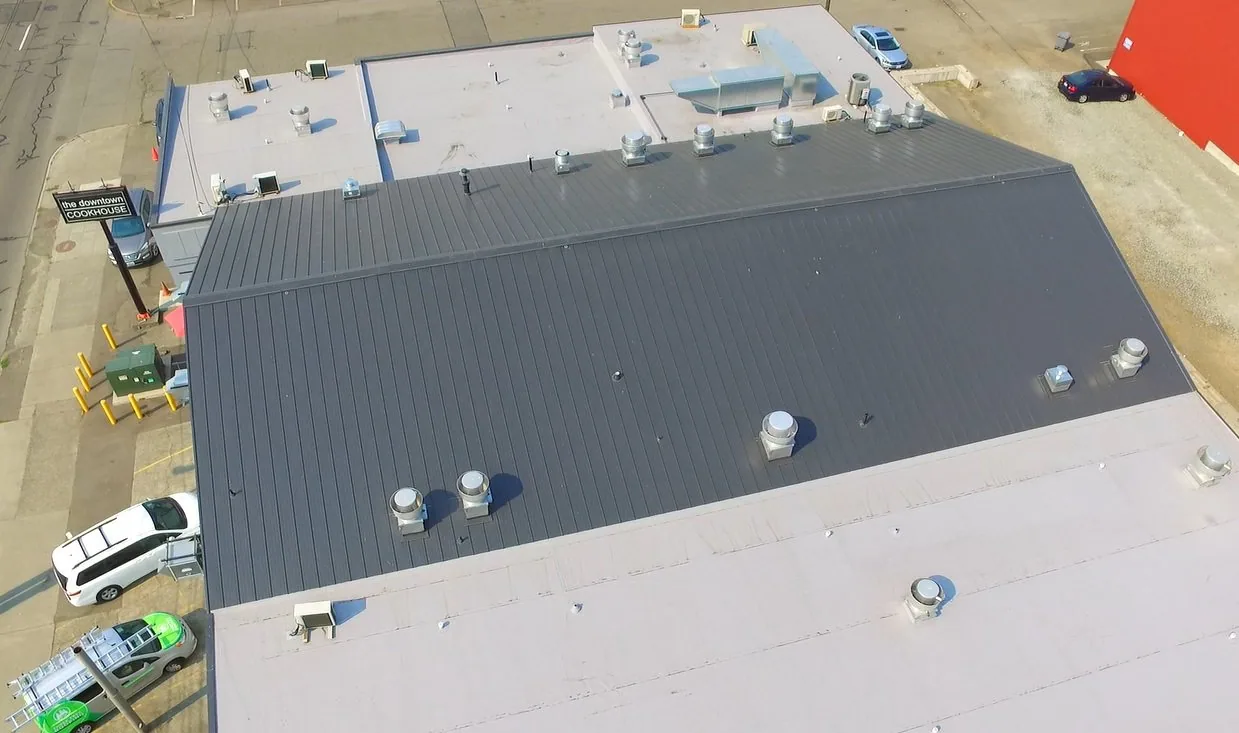
Single-ply materials do not all use the same seam or flashing method. A heat-welded thermoplastic membrane depends on prepared overlaps and controlled welds; other membranes may rely on different seam products and procedures. We confirm the roof material before planning a repair so the crew does not bring a product that only looks similar. A TPO system review and a rubber-membrane comparison should use the same roof areas and design conditions.
Where several roof sections have different histories, the plan should mark those boundaries. An addition, repair strip, or older overlay can change the substrate beneath a new system. We note the transition and identify any product compatibility question before ordering. This helps the owner compare a Versico assembly with other options without mixing assumptions about deck, insulation, and tear-off.
Map the roof before committing to a recover
We inspect the field, perimeter, and penetrations, then mark soft areas, ponding, opened seams, loose metal, and previous patches. A recover can cover moisture or an unstable layer if the roof is not investigated first. The walk may show where a test cut is needed; the opening confirms what the surface alone cannot. We separate each known condition from an area that remains unverified.
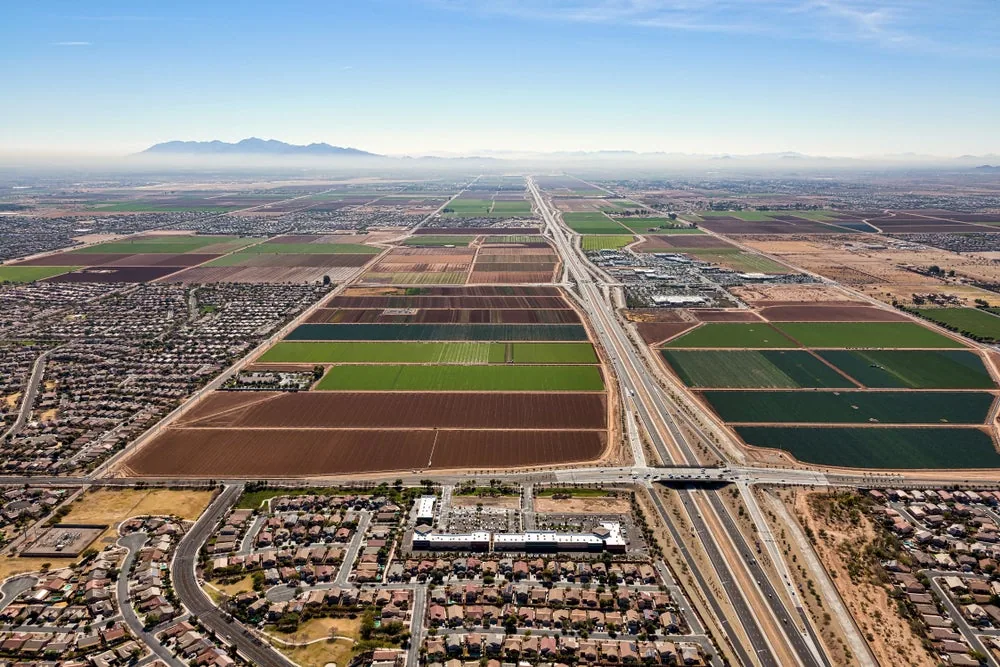
The Railplex is a broad industrial area in Surprise rather than one business site, with manufacturing, distribution, flex-office, and warehouse development. That setting can bring dock traffic, rooftop equipment, and delivery windows into a project plan, but it does not establish how an individual roof is built. We inspect the property and check its service lane before placing materials. A flex-industrial roof plan can account for mixed tenant uses while keeping the assembly decision tied to field evidence.
Insulation changes affect the finished elevation and can reduce the space available at a drain. We measure low points, bowls, scuppers, and overflow openings before recommending added thickness. If a recover raises the roof plane, drainage and edge transitions need coordinated detail. A cover-board scope should state how the new layers meet the existing roof and whether drain adjustments are part of the project.
Track seams, curbs, and perimeter metal
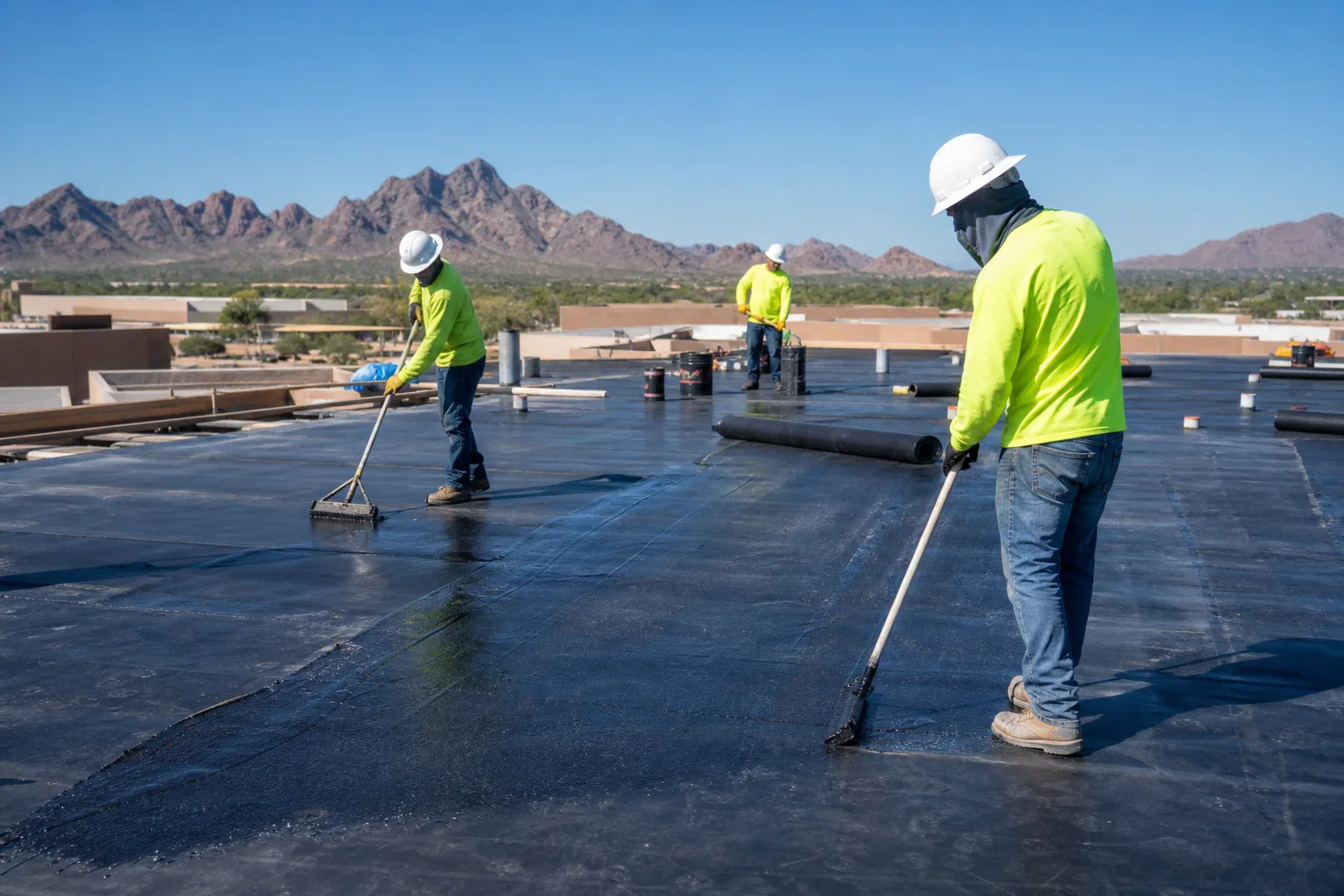
Seams and flashing are inspected as parts of one water-shedding plane. For a welded membrane, test welds establish settings and cooled seams are probed; repair points are marked before the crew moves to another section. Curbs, pipes, skylights, and wall terminations require compatible details. We check that supports are secure and that no abandoned opening remains under a cover plate or patch.
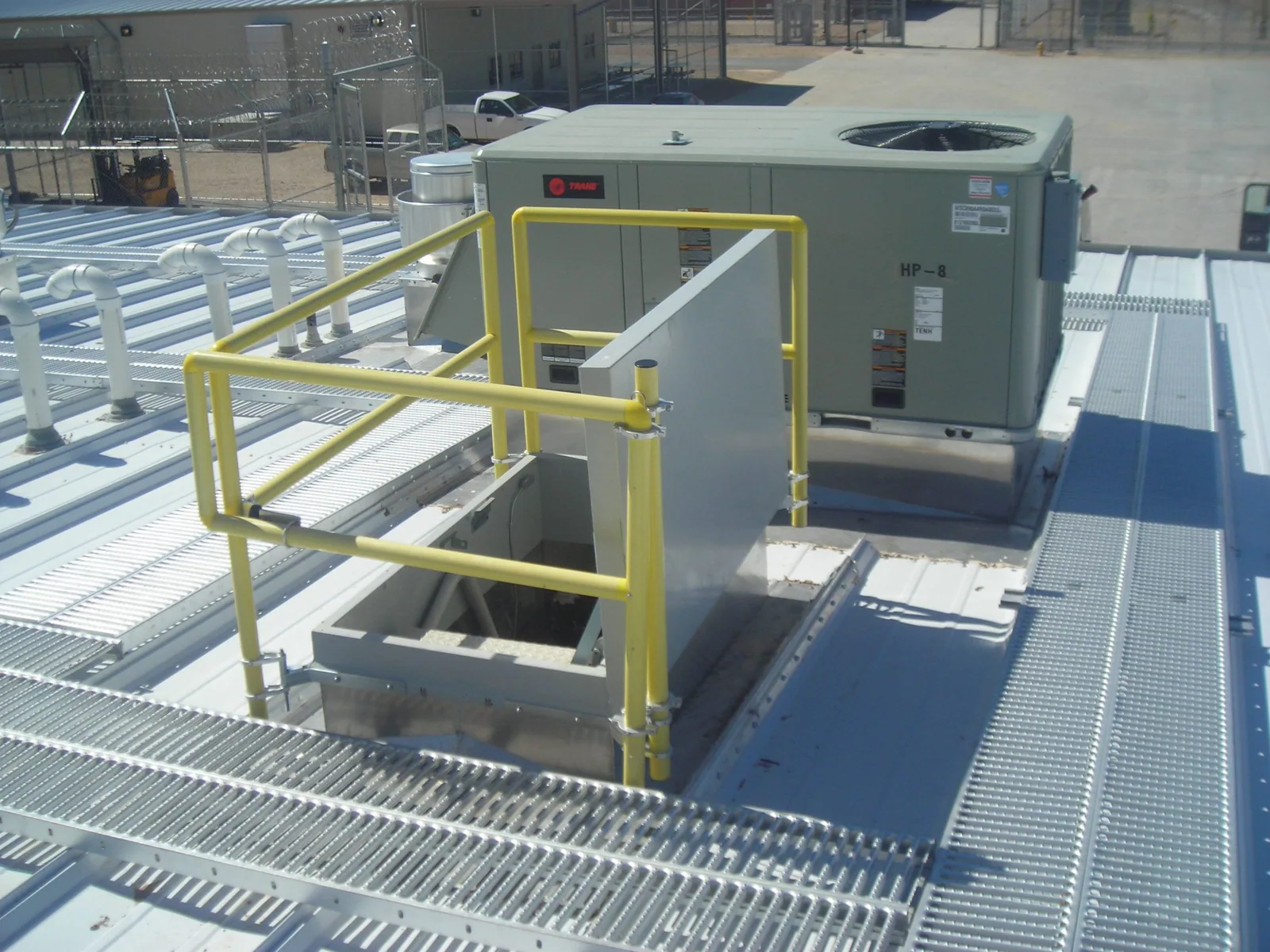
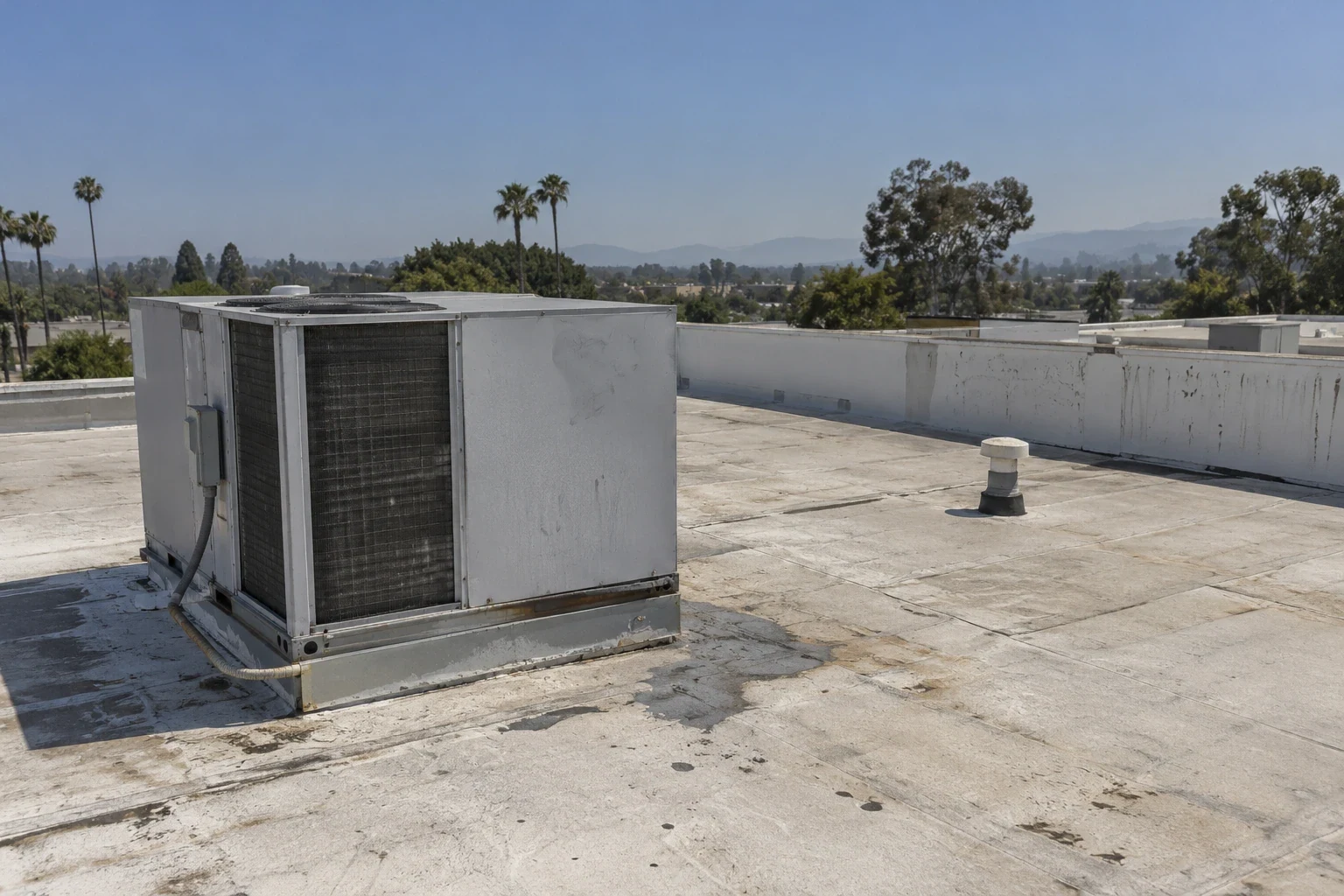
Equipment service can disturb a finished roof. We identify units that move, who disconnects them, where temporary protection goes, and who confirms restart. Rooftop trades need a safe route and a defined handoff before the roof area is closed. A curb and equipment detail should show its flashing and support condition, not simply state that the unit will be reset.
Phoenix-area monsoon storms can bring damaging winds and heavy rain. We look at perimeter attachment, coping, drains, and temporary dry-in protection before a storm window. On the Surprise Loop 303 corridor, staging and delivery timing may matter to the ground crew, but safe roof closure remains the daily priority. A perimeter scope identifies the metal termination and the substrate that holds it.
Build a dry-in boundary into the schedule
A distribution or industrial operation may need dock doors and equipment kept online. We choose a roof section the site can release, agree on material lifts, and protect the service route. Each shift ends at a dry-in boundary with loose materials secured and temporary tie-ins checked. The site contact knows which part of the roof is complete and which area remains under protection.
Monsoon rain can arrive after a hot afternoon, so a work plan names the stop point and who checks temporary coverage. Open insulation is not left exposed because a calendar says the shift has ended. If rooftop equipment must remain operating, we sequence around it and coordinate any disconnect with the responsible trade. Phased roof work can keep building hours and weather limits in the same schedule.
Loop 303 is a north-south access and employment corridor through western Surprise. It supports commercial and industrial development, while access to a particular property depends on its gate, dock, and staging area. We confirm those details before delivery and adjust the crew route to keep fire access clear. That preparation helps avoid moving rolls or equipment across an active loading path during production hours.
Compare scopes by condition and area
A repair is often the smaller choice when a defect is isolated and the surrounding system remains sound. Replacement can be warranted when wet insulation, widespread seam failure, or deck deterioration extends beyond one section. Recover sits between the two only if the existing assembly is stable, dry, and permitted to remain. We show the roof area supporting each option and what investigation would change the recommendation.
The estimate identifies removal, deck allowance, insulation, cover board, membrane, attachment, flashing, drainage, edge work, and equipment handling. It also states access limits, disposal, and concealed-condition assumptions. A replacement plan should identify the daily work zone; if repairs are the right interim path, a repair scope should show the boundary and follow-up condition.
Keep the final product data, accepted submittals, roof plan, seam records, photos, and maintenance notes together. For a separate PVC option, a Sika Sarnafil review can be compared against the same deck, access, and drainage assumptions. The maintenance plan should record new penetrations, service visits, and drain condition so later repairs can be tied to the area that was inspected.
Commercial Roofing Questions
How do we confirm which Versico material is already installed?
We check roof records, visible labels, seam construction, and field conditions. If identity remains uncertain, we document the question and use an appropriate inspection step before specifying a tie-in product.
What makes a recover acceptable for a warehouse roof?
The existing assembly needs to be dry, stable, and permitted to remain, with attachment suitable for the new system. We inspect the layers and drains and identify test cuts where the surface does not answer the question.
What does the crew record during membrane installation?
The record should locate seam checks, repairs, flashing, transitions, and any area held for another trade. Photos tied to a roof plan let the owner find the work after equipment and materials leave.
How can loading continue during roof replacement?
We set a delivery and hoist route, identify docks and fire lanes that stay open, and choose a work section operations can release. The sequence closes each day's roof area before the crew stops.
Which conditions could change a repair recommendation?
Moisture beyond the opening, weak attachment, deck damage, or repeated failure across adjacent seams can widen the repair area. We explain what is observed and what additional testing would confirm before pricing broader work.
Ready to review the roof scope?
Request a Roof Assessment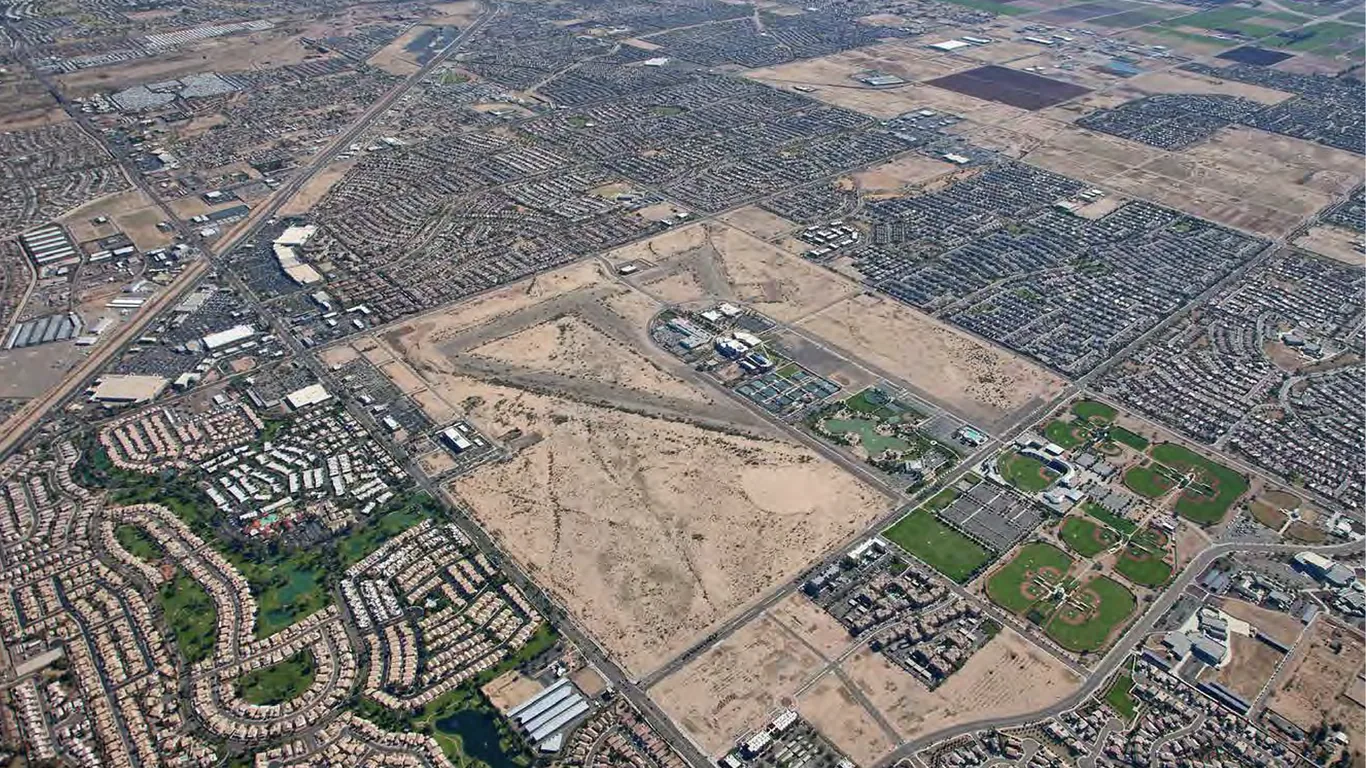
Related Roofing Work
Review the Versico roof plan
Send the roof plan, existing-system records, leak locations, and dock schedule. We can inspect the assembly and prepare a scope that identifies the work area, system components, and daily dry-in point.