
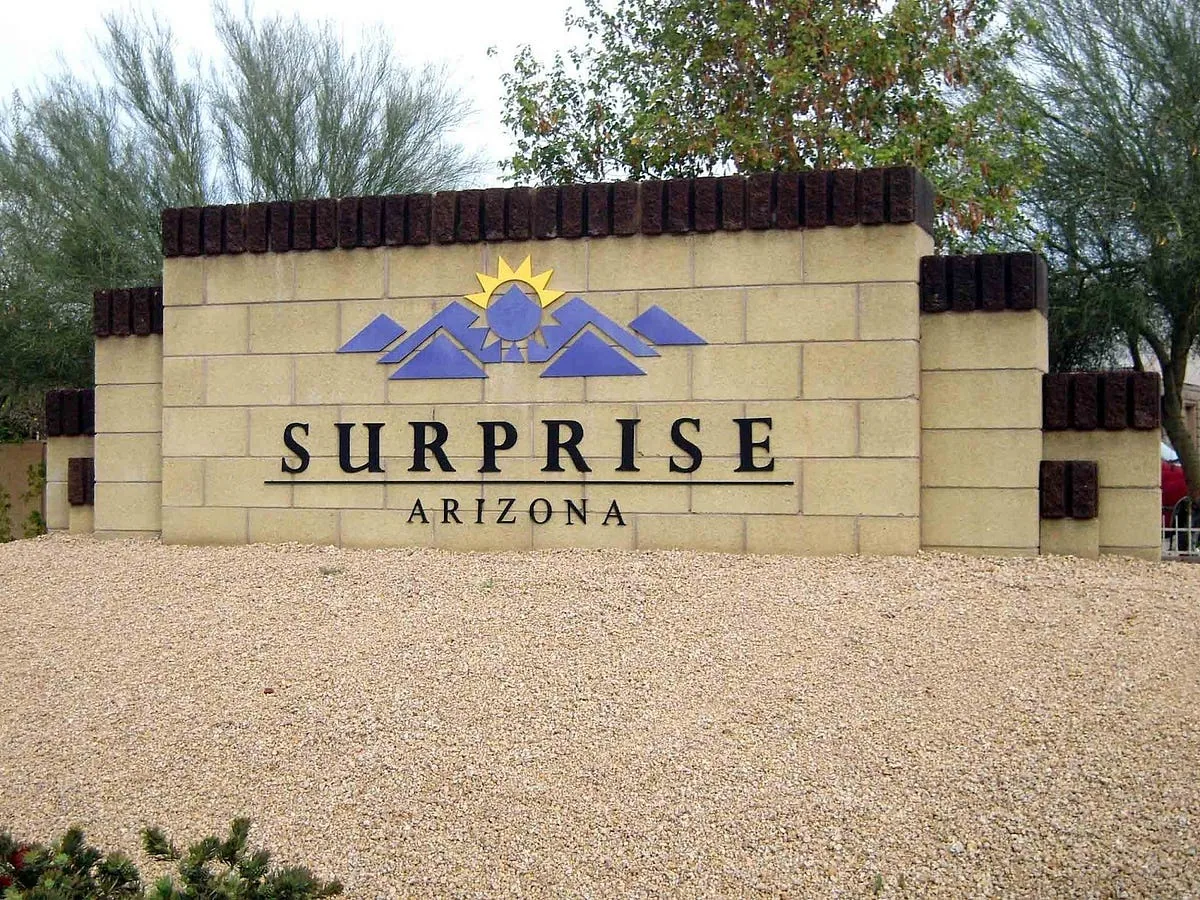
A worship building may hold a sanctuary, classrooms, offices, and a fellowship hall under one roofline, but those rooms do not share a schedule. We begin with the leak report or planned work area, then inspect the membrane, roof edges, penetrations, and drainage above it. We note which rooms need to stay quiet or open and where a repair crew can stage without crossing a service entrance. The Surprise Heritage District and Original Town Site are part of a city with civic and community uses; each congregation still needs an inspection tied to its own roof and calendar.
Keep the calendar in view
Services, weekday programs, meal preparation, and community events can make a straightforward repair hard to time. We ask which entrances are active, when rooms are occupied, and whether a lift or delivery will cross a planned gathering. Work can be divided into zones, with noisy tasks placed in an agreed window. If an opening cannot be closed before people return, we protect it and leave a visible boundary. That handoff matters where volunteers, staff, and vendors use the same doors. Our occupied-building reroofing plans keep access and roof work on the same schedule.
Trace transitions into the assembly
On a low-slope sanctuary or classroom wing, the field membrane can look sound while water enters at a parapet, curb, vent, or change in roof height. We trace the likely path from the interior stain and inspect nearby seams, flashing, and drain connections. Built-up roofing needs a different repair detail from a single-ply sheet, so we identify the assembly before selecting materials. Dated photos show what we opened and repaired. If several transitions have failed or water has reached insulation, we explain what a test opening would confirm and compare that with a roof inspection with photos.
Inspect after summer storms
Hot summer sun works on exposed membranes for long stretches, and monsoon storms can send heavy rain and gusts across roof edges. Those regional conditions are a reason to look, not proof of damage at a particular property. We check laps, coping joints, drain baskets, and penetrations for movement or debris, then compare the interior timeline with the storm date. If hail is reported, we document visible marks without treating every mark as a functional failure. A repair report can separate weather observations from ordinary aging and help a board decide whether to repair a low-slope roof now or plan a broader project.
Match the repair to the layers
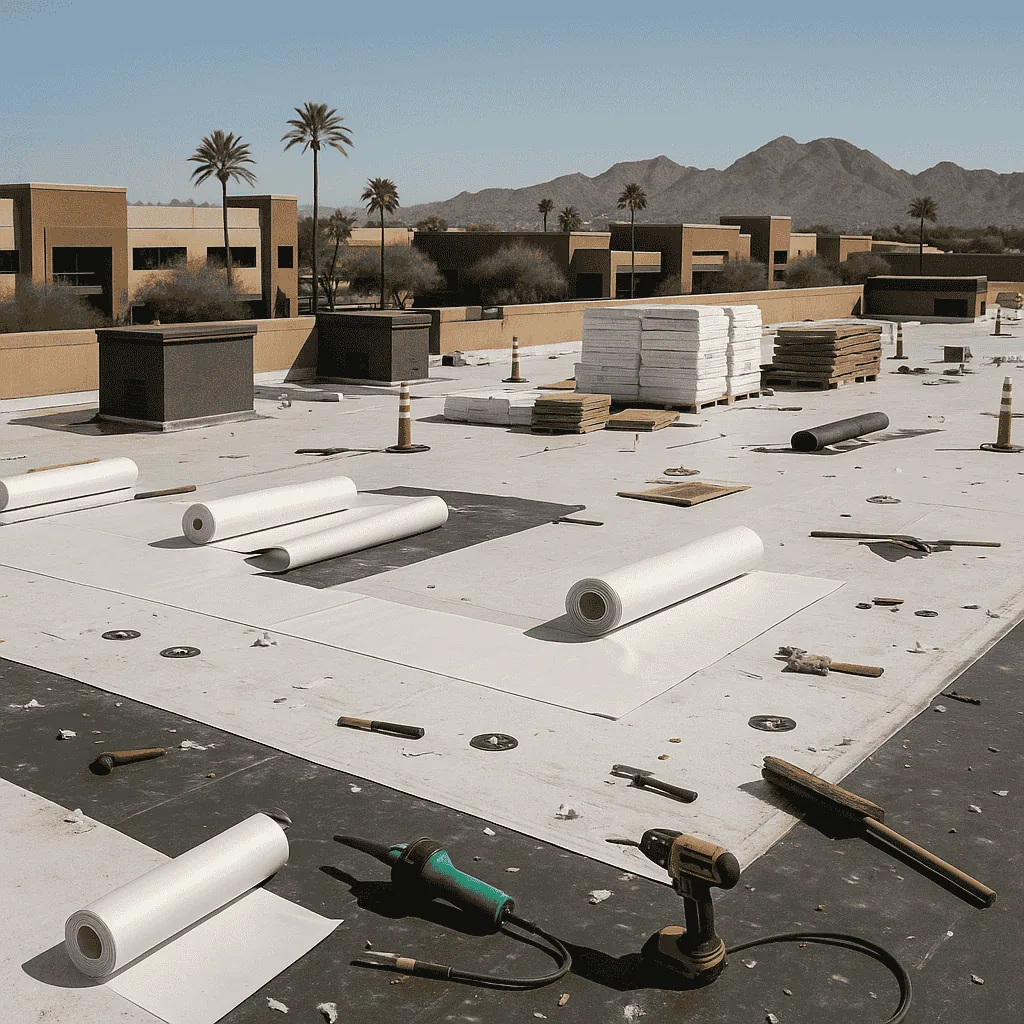
The roof assembly determines which repair can hold. A small opening at one flashing can often be closed without disturbing a healthy field, while recurring seams, wet insulation, or weak edge metal may call for selective replacement. We draw the repair boundary and state what is visible, what needs a test cut, and what remains outside the scope. Coating should be considered only when adhesion and drainage support it. If a built-up roof has several layers, removal and tie-in details affect the schedule. We can compare it with built-up roof assembly work and the other material options after the field walk.
Protect doors and gathering times
A Sunday service, food delivery, and weekday community program may each use a different entrance. Before staging, we identify roof ladders, material routes, public doors, and the parking area that must remain open. A simple notice can name the affected area and work window without sending people around the whole campus. In the Surprise Waddell Road Corridor, commercial access patterns vary from one block to the next, so we verify the route at the property rather than assume a standard setup. For a campus with classrooms, the sequencing can resemble school roof work, but the service calendar and room use are specific to the congregation.
Leave a useful repair record
After repairs, the facilities contact should be able to see which detail changed and where the roof still needs attention. We provide photos, a marked boundary, and notes on the conditions observed. Those records help a board compare the completed work with the next budget request and avoid repeating an exploratory repair without knowing its limit. If an insurer needs storm documentation, we keep date-specific observations separate from prior wear. A building in the Original Town Site service area can use the same clear record, while the repair plan remains tied to its actual roof.
Compare timing and scope
Budget alternatives should distinguish the urgent leak from roof areas that can wait for a planned project. We list open seams, wet insulation, or displaced flashing separately from sealants or fasteners that need monitoring. A replacement scope should state whether it includes tear-off, insulation, new edge metal, tie-ins, interior protection, and disposal. These details shape cost and timing more than a generic roof label. If the building hosts weekday programs, phasing may keep the sanctuary available while a classroom wing is renewed. We can also coordinate flashing around roof openings and set the work sequence with the building contact. A roof can have several additions from different construction periods, such as a classroom wing tied into an older sanctuary or a covered walkway meeting the main parapet. Those joints deserve a close look because movement and separate drainage paths can leave a narrow opening that spreads moisture beyond the visible stain. We photograph each change in level, check that flashing terminates securely, and note where water can reach the drain. A marked record lets the owner decide whether to repair one connection or include it in a larger renewal. For a property with multiple community buildings, a comparison with hospital roof planning can help organize access and room schedules, while the congregation's roof assembly and event calendar remain the basis of its scope. We do not treat a campus as one roof when the wings have different membranes, heights, or service routes. When an event space has a ceiling stain, the response should preserve the timing and location before anyone moves furniture or paints over it. We ask the contact to keep a dated image and note whether rain was active, then match that record to the roof walk. This does not identify the cause by itself; it gives us a point to inspect. If access is restricted above a sanctuary, we coordinate a safe route and make the inspection window explicit. A clear sequence keeps a small leak response from becoming a conflict with a scheduled service or community meal.
Commercial Roofing Questions
Which calendar details matter for roofing work?
Service times, room bookings, deliveries, and entrances identify when a lift or noisy task can proceed. We agree on those windows with the building contact.
How do you document a roof leak for a board?
We provide a marked roof sketch, dated photos, the repair boundary, and any condition that needs testing. The report keeps recommendations separate from confirmed repairs.
Can a congregation approve a small repair before replacement?
Yes. We describe the limited repair and its expected boundary, then explain what would trigger a larger scope. The board can review both choices.
What happens if rain is forecast during an open repair?
We protect the opening and confirm the weather closeout before leaving. If conditions make the planned work unsafe, we reschedule the exposed portion.
Should the roof be checked after a storm?
A reported event is a useful prompt to inspect edges, drains, and penetrations. We document what is visible rather than assuming damage from the storm alone.
Ready to review the roof scope?
Request a Roof Assessment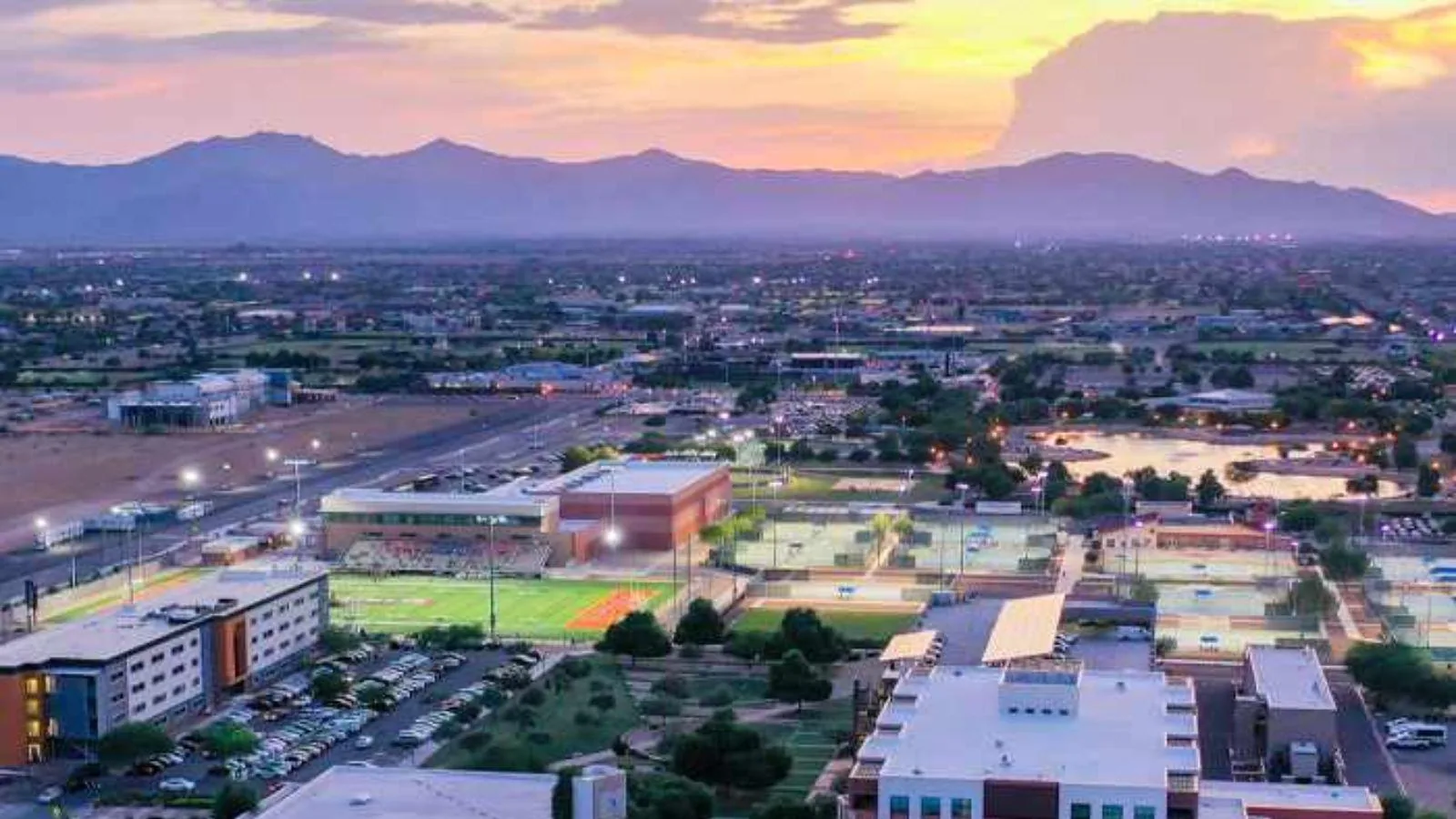
Related Roofing Work
Review the roof before the next gathering
Send the dates and entrances that shape the work window. We will inspect the assembly, photograph the affected details, and prepare repair options for the building contact.