
A school roof needs a work plan that fits students, staff, deliveries and classroom hours. We start with the roof sections above the spaces that need protection, then coordinate access, noise and lift routes with the school facilities contact. Surprise's employment profile includes education among its local clusters, while City Center has civic and commercial activity nearby; neither fact tells us what is on a particular school roof. We inspect seams, flashing, drains and equipment curbs, then set a repair boundary and phase that can be explained before the crew arrives.
Build the roofing window around the school day
The school contact can identify arrival and dismissal windows, athletic or community events, bus circulation, visitor parking and areas that cannot be closed. We mark where a lift can set up and how material will reach the roof without crossing student paths. If work sits above classrooms, the plan should state what protection is needed indoors and when noisy tasks can occur. A summer break may provide more access, but it does not remove the need to protect an open roof from weather or coordinate other trades working during the same window. City planning maps employment growth along the Loop 303 corridor, where delivery and crew access can differ from a civic setting. We confirm the actual campus route and parking rules with facilities before staging.
Before work, we confirm ladder or stair access, keys, escorts, roof areas that can be released and who approves a change. A phased approach can keep one wing in service while another is inspected or repaired. For occupied campuses, a zoned reroof sequence can identify daily boundaries, temporary tie-ins and the time each area returns to normal access. The notice should tell staff which entrance or corridor changes and who can answer a question, not just say that roofing is underway.
Check the rooms below the roof detail
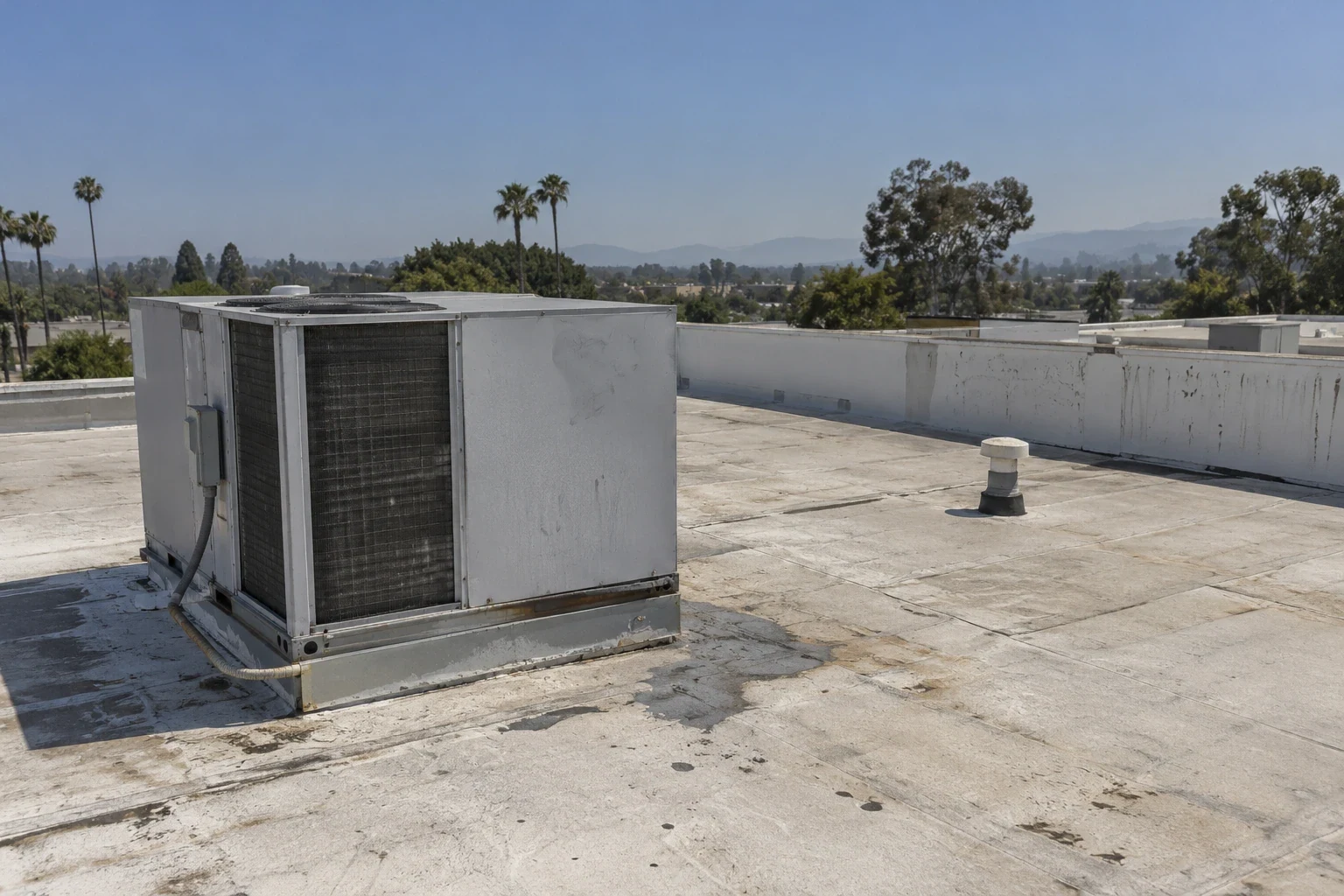
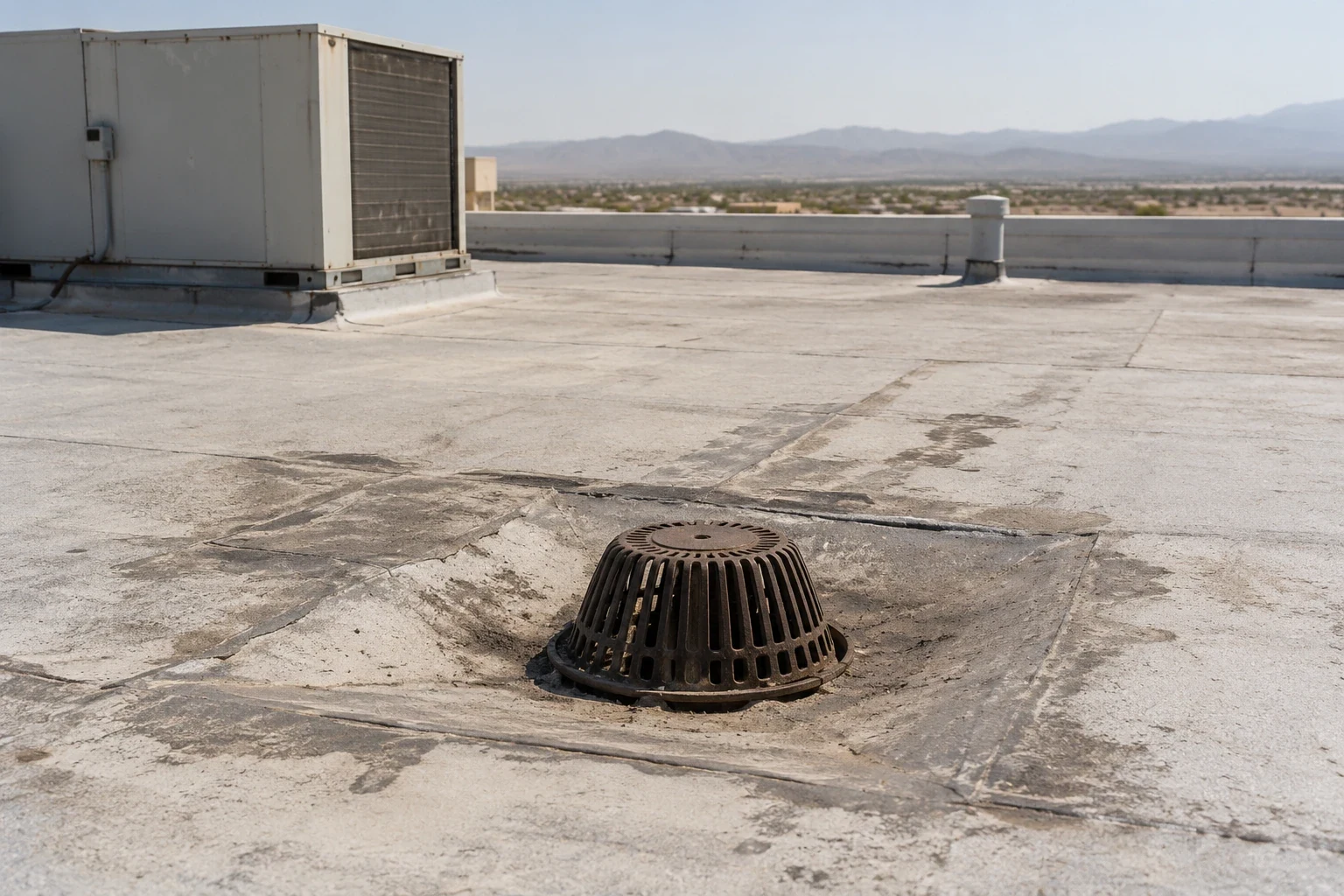
A ceiling stain, odor or damp tile gives the facilities team a place to start, not an automatic diagnosis. We compare the room location with roof slope, drains, seams, skylights and curb details, then mark what is visible and what needs a test. A water path can travel under the membrane before it reaches a classroom. Photos tied to a roof plan help the district staff see the repair boundary and distinguish an active opening from a condition that still needs confirmation.
Where the assembly is concealed, a moisture survey or targeted opening may help answer whether insulation is wet. We record the sample location and keep its result within that area. A commercial roof inspection can establish the condition before budget approval, and drain and scupper work can be included when runoff or blocked outlets are part of the issue. If a roof includes classroom additions or a separate gym, the plan should mark each field rather than assume one membrane and one repair path cover the whole campus.
Compare repair, recover and replacement
A local seam or flashing failure may call for repair if the surrounding assembly is dry and attached. Widespread moisture, soft deck, repeated leaks or poor fastening can shift the decision toward removal. We identify the conditions that support each choice and any test still needed. For a recover, the existing layers and project requirements must allow another layer, with curbs, edges and drainage adjusted to the finished height. Roof area, deck work, disposal, equipment moves, school calendar and temporary weather protection all affect schedule and cost.
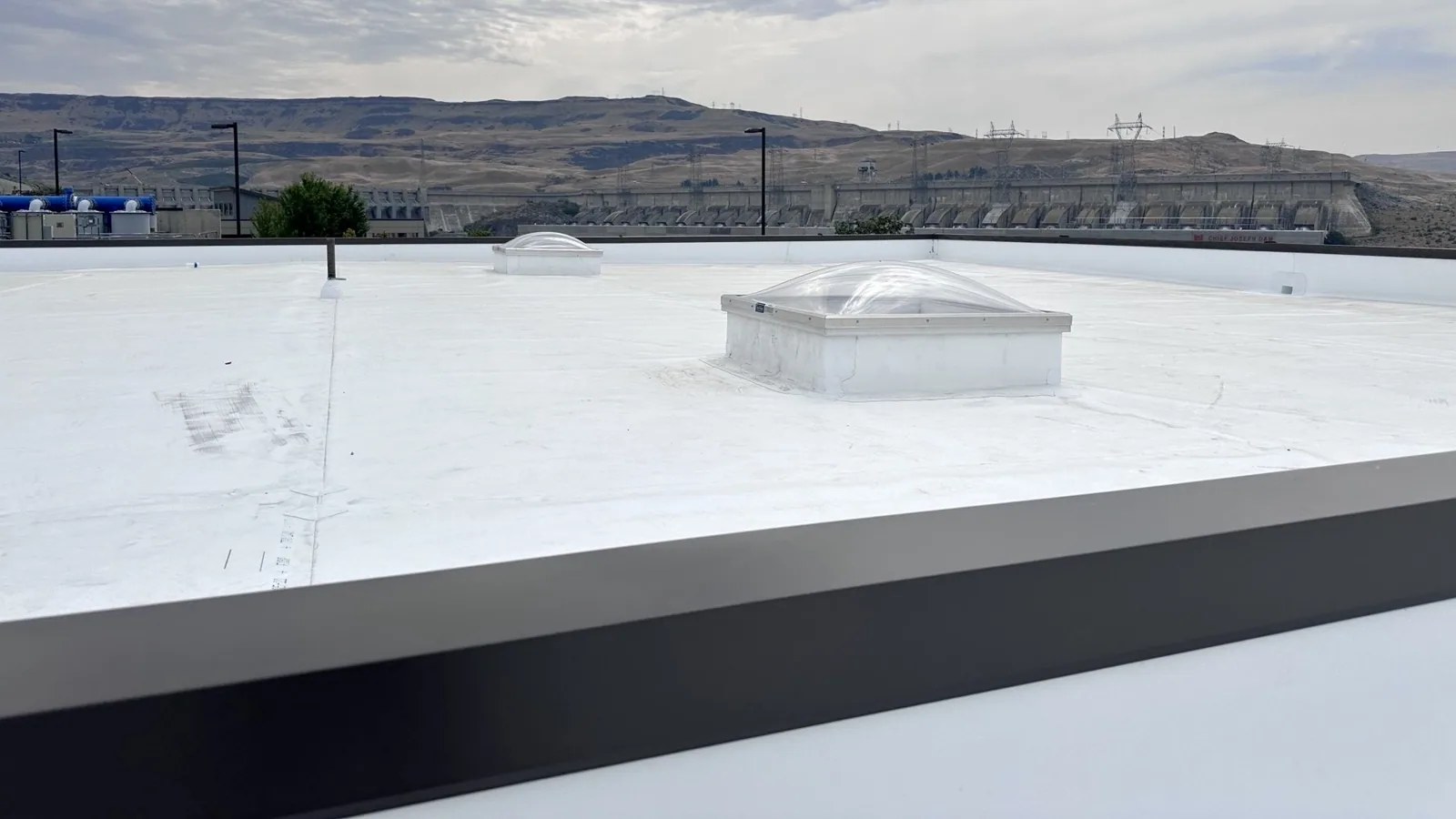
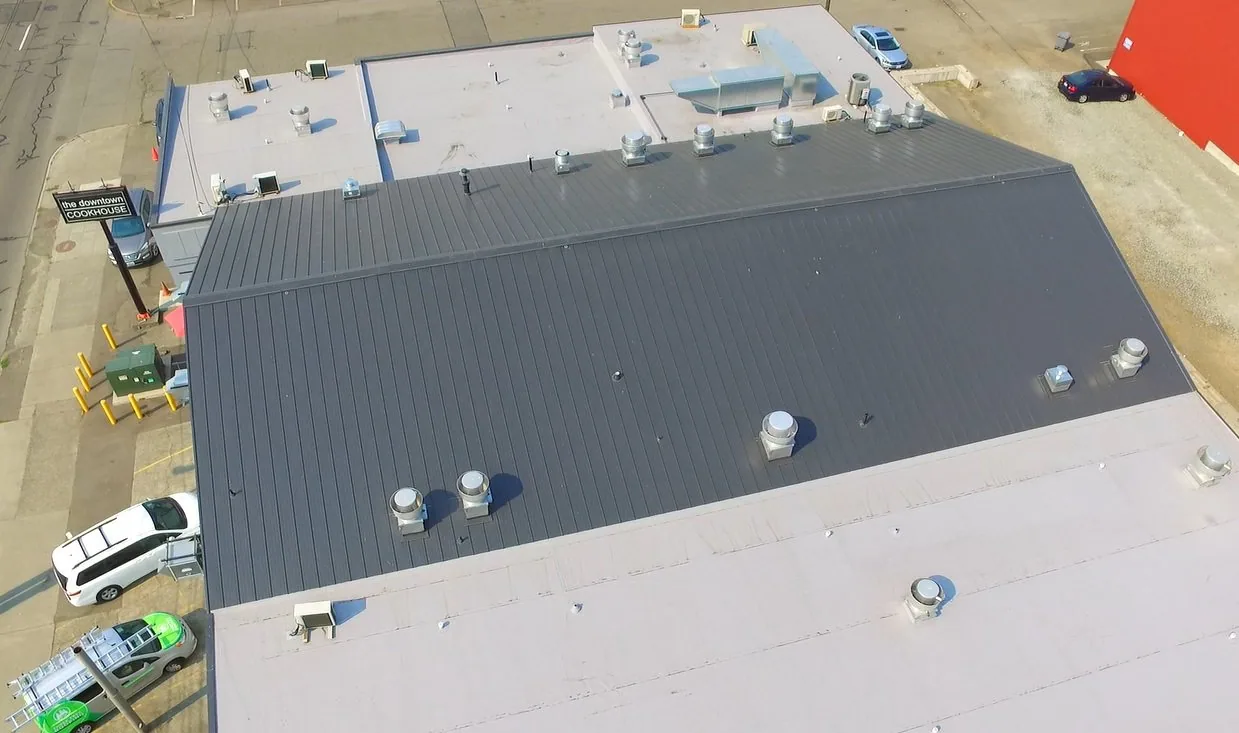
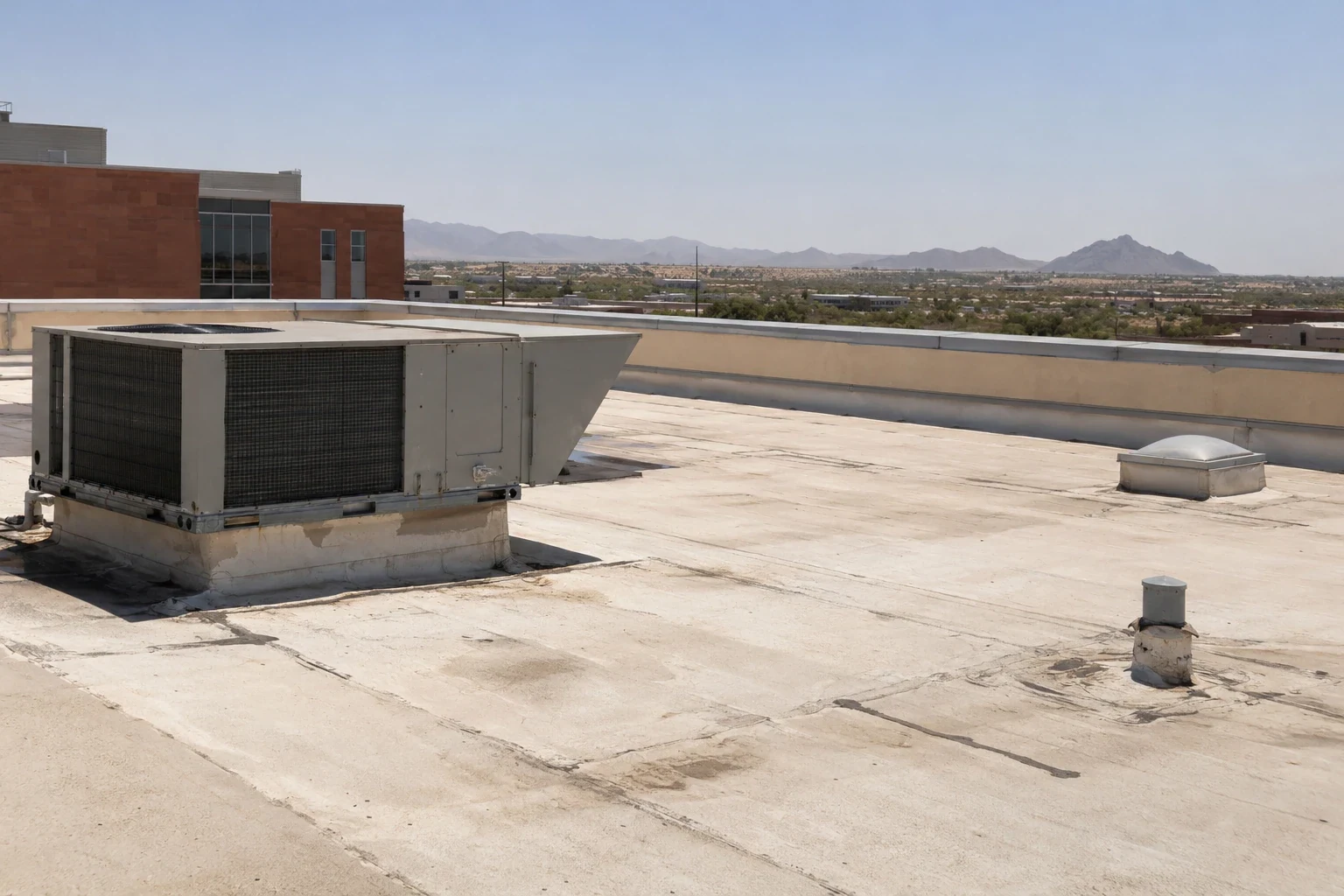
Replacement may use a TPO membrane or another assembly selected for the deck, insulation, attachment, service details and project design. We mark drains, expansion joints, skylights, parapets and mechanical units on the roof plan so those transitions are part of the scope. The design professional should confirm the permit and energy path for the actual work. A roof with a different building use, such as a college or university facility, may have another access calendar, but the same need to verify the existing assembly.
Use the weather record to plan protection
Phoenix Sky Harbor's July climate normal is about 95.5°F, which frames regional heat but does not measure an individual school roof. We inspect school roof edges and drainage after a reported event. A seasonal roof walk can log wear by classroom wing, but the airport record should not be treated as a reading from school surfaces. We photograph open seams and edge details at the affected wing before selecting a repair or replacement path.Monsoon hazards in the Phoenix metro include wind and intense rainfall; we inspect drains, laps, and occupied-wing transitions. We set a stop point for exposed sections, secure materials and leave each opened area with a weather-tight tie-in before a shift ends. The school contact should know who checks that protection and whether roof access remains closed.Before a school scope is finalized, its design team can check the proposed work against Surprise's adopted 2024 building-code editions and local amendments. The permit reviewer can identify the applicable requirements before classroom protection and roof phasing are approved. We provide the roof observations and scope, and coordinate classroom protection and site access around those decisions. After a storm, a roof damage inspection can identify an open edge, puncture or displaced detail without assuming that every classroom leak began on the roof above it.
Leave the district a record it can revisit
At completion, we can provide a marked roof plan, dated photos, repaired details, material notes and any area that still needs a test or return visit. A facilities lead can use that map to locate the work before the next maintenance season. If the project involves multiple buildings, the record should separate one building's findings from another and say what was not accessed. A roof condition report can connect the project file to future budgeting without turning a repair photo into a warranty or remaining-life claim. Keep that plan with the project file.
We review the final work area with the school contact, restore agreed access and list any remaining restrictions. A school near Surprise City Center may have a different event schedule from a campus closer to the employment areas around Loop 303, but we confirm the actual calendar before mobilizing. For an office or administrative building, office roof work can involve similar rooftop equipment while having a different occupant flow. The next scope should name who approves roof access and how facilities staff will see a change in the work boundary.
Commercial Roofing Questions
Can roof work take place while students are in school?
It may, if the access route, work zone, noise window and protection are agreed with school facilities. We coordinate lifts and material movement away from student routes and set a contact for any same-day change.
What happens if a leak appears during the school year?
We document the room and roof area, protect the interior as directed and trace likely water paths. A repair can stay local if the surrounding assembly is sound; concealed moisture may require a test before the scope expands.
Is summer break always the best time for a reroof?
It can provide more access, but weather windows, material availability, other construction and classroom reopening dates still shape the sequence. We set the phase limits and dry-in plan against the district calendar.
Can one inspection cover several school buildings?
Yes, if each roof is mapped and recorded separately. The report should list which sections were accessed, the assembly observed, conditions found and any test needed for each building.
What should the district keep after closeout?
Keep a marked roof plan, dated photos, materials and repair notes, and remaining work items with an owner. That record helps staff find the scope when a later inspection or budget review begins.
Ready to review the roof scope?
Request a Roof Assessment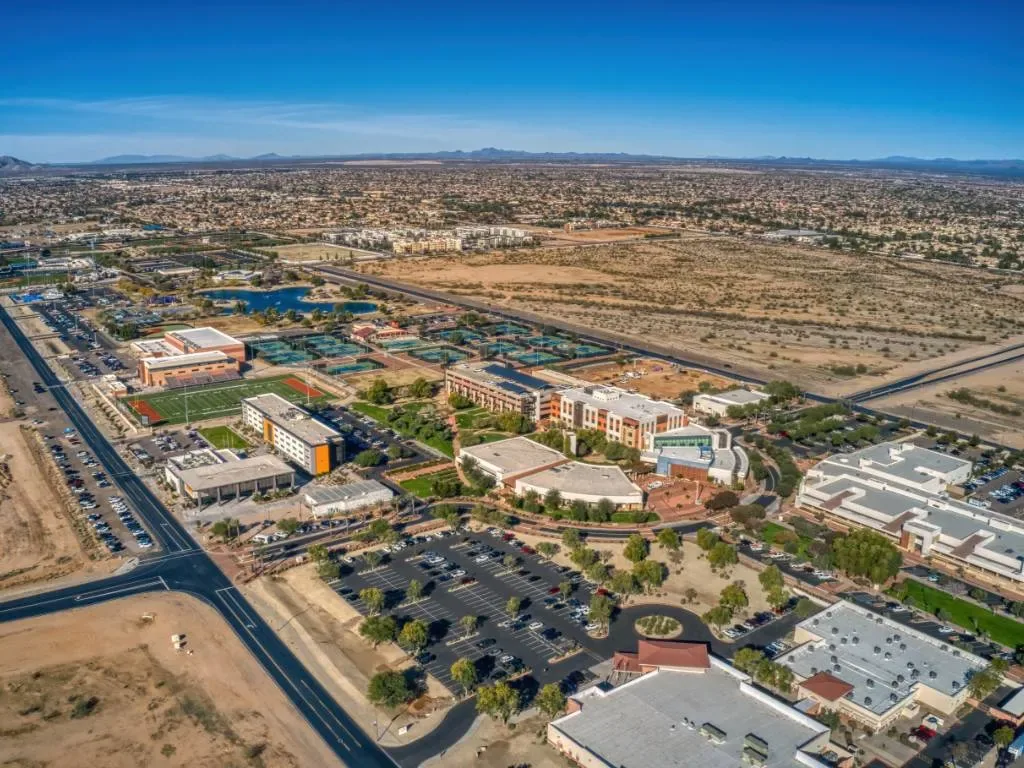
Related Roofing Work
Coordinate a school roof review
Share the building plan, school calendar, access rules and leak locations. We can coordinate a roof walk with facilities, mark the work boundary and prepare a sequence that protects the school day.