An armory roof protects equipment, training space, offices, and the daily readiness work below it. Near Surprise, Papago Park Military Reservation in Phoenix is an Arizona National Guard location, while Luke Air Force Base represents a separate nearby military installation. The building types there include hangars and maintenance facilities. Those facts describe the region, not a particular roof or project. We scope commercial roofing from the facility's actual assembly, access rules, and operating calendar, leaving installation entry and contracting decisions with the authorized owner or agency.
Readiness buildings and mission windows
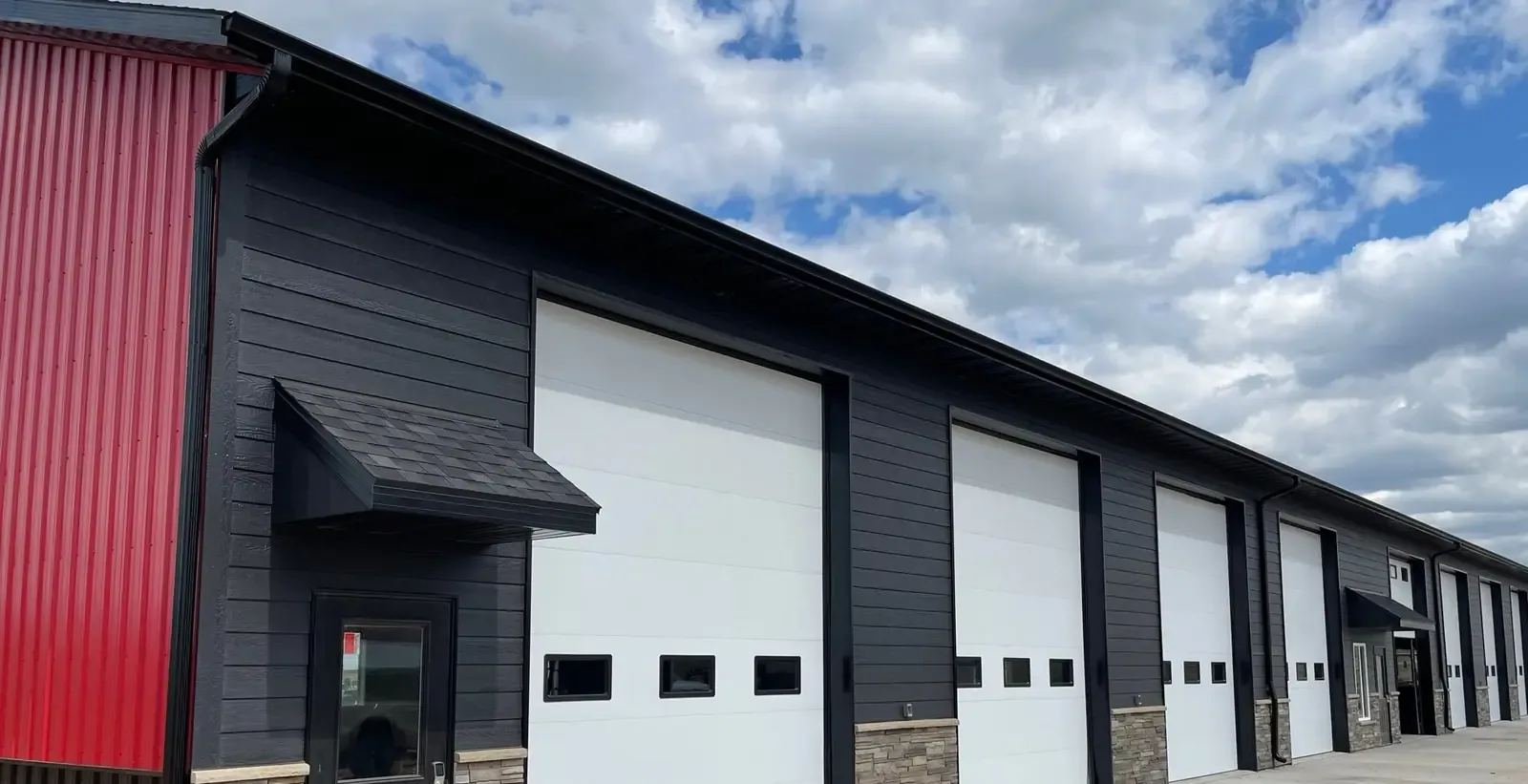
A readiness center may combine training rooms, vehicle storage, offices, equipment areas, and support spaces under one roof. The building plan should show which areas remain occupied, which equipment needs protection, and where a crew can stage without crossing an active route. We walk each roof zone with the site contact, map curbs and drains, and connect each reported leak to the area above it. The work plan can then separate urgent dry-in from broader membrane or metal repairs.
Papago Park is an Arizona National Guard location and headquarters. For an armory or readiness center, the roof drawings, maintenance records, and approved access process set the project-specific starting point. The roof planning needs at an Air Force installation can differ from a Guard facility, even when both require controlled work windows.
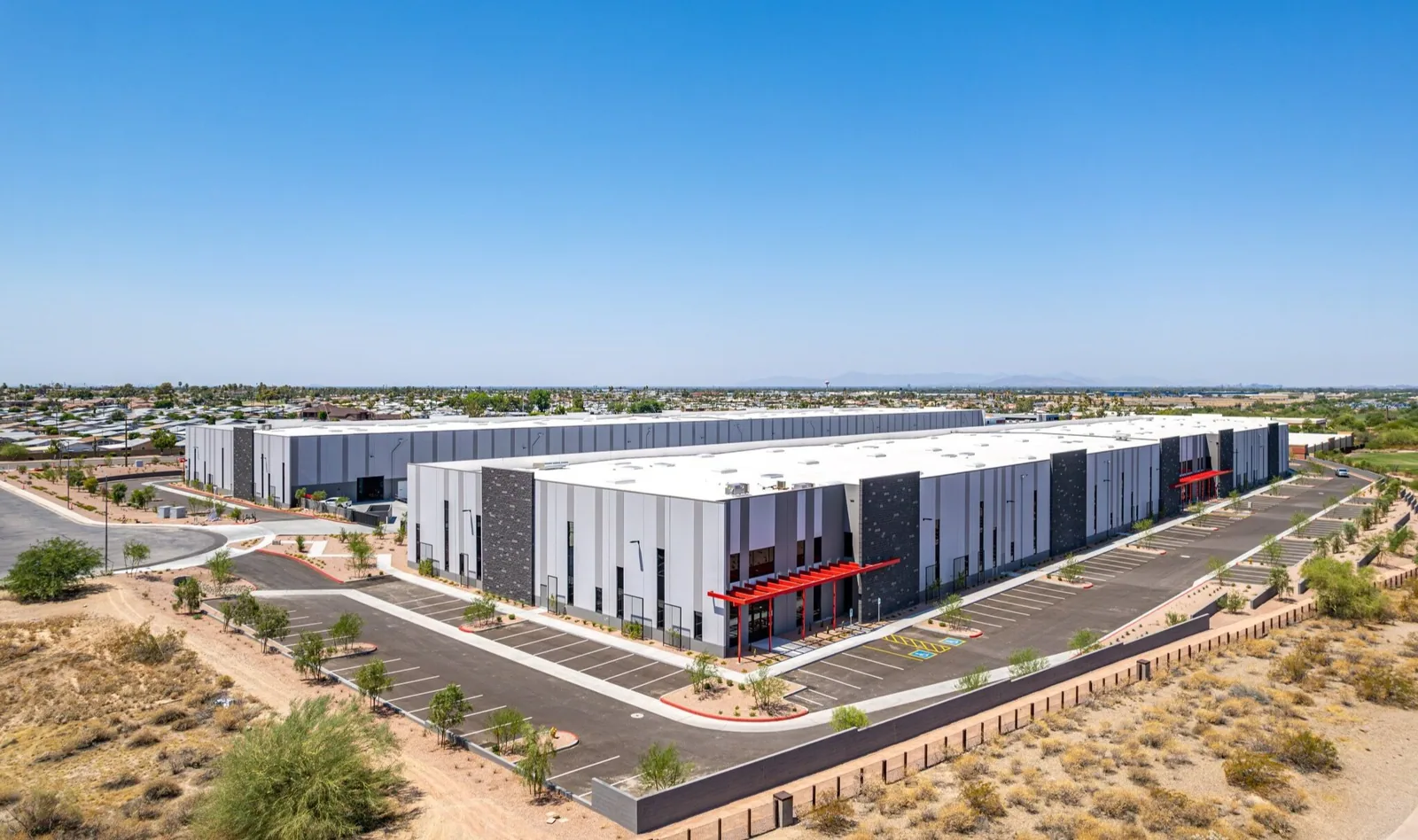
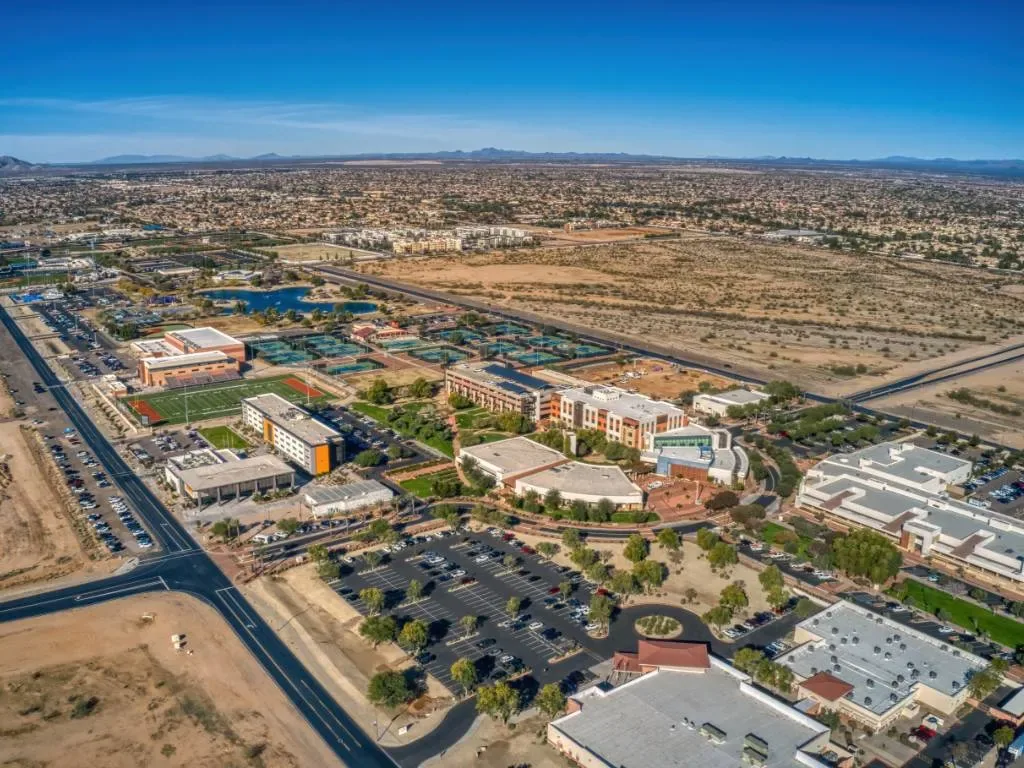
In Surprise, the Railplex industrial area provides a different local building reference, with manufacturing, distribution, flex-office, and warehouse uses. Those operating patterns are not a proxy for military property. They do show why a roof scope should identify building use, delivery routes, and roof access instead of relying on a generic detail sheet.
Assembly checks at the roof line
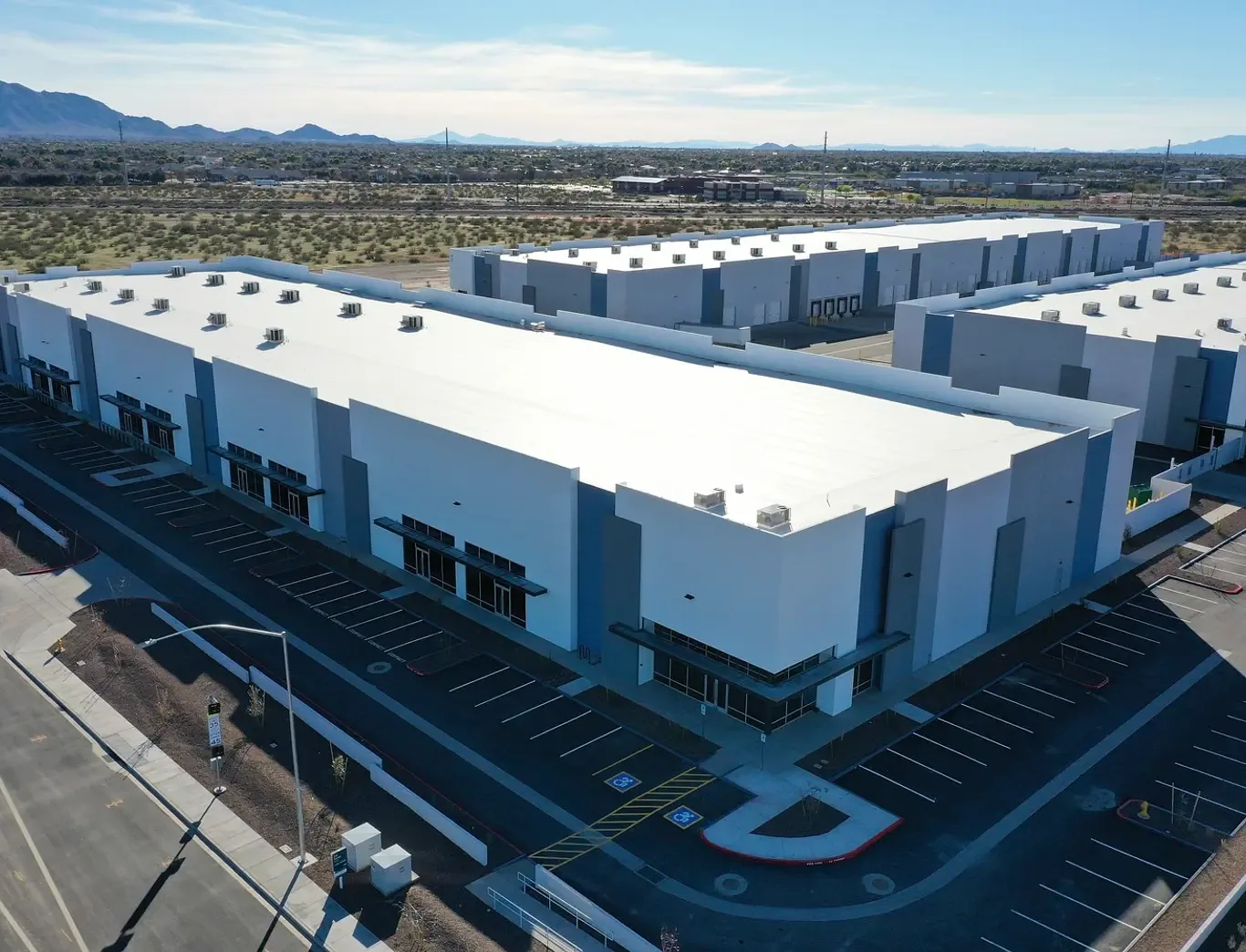
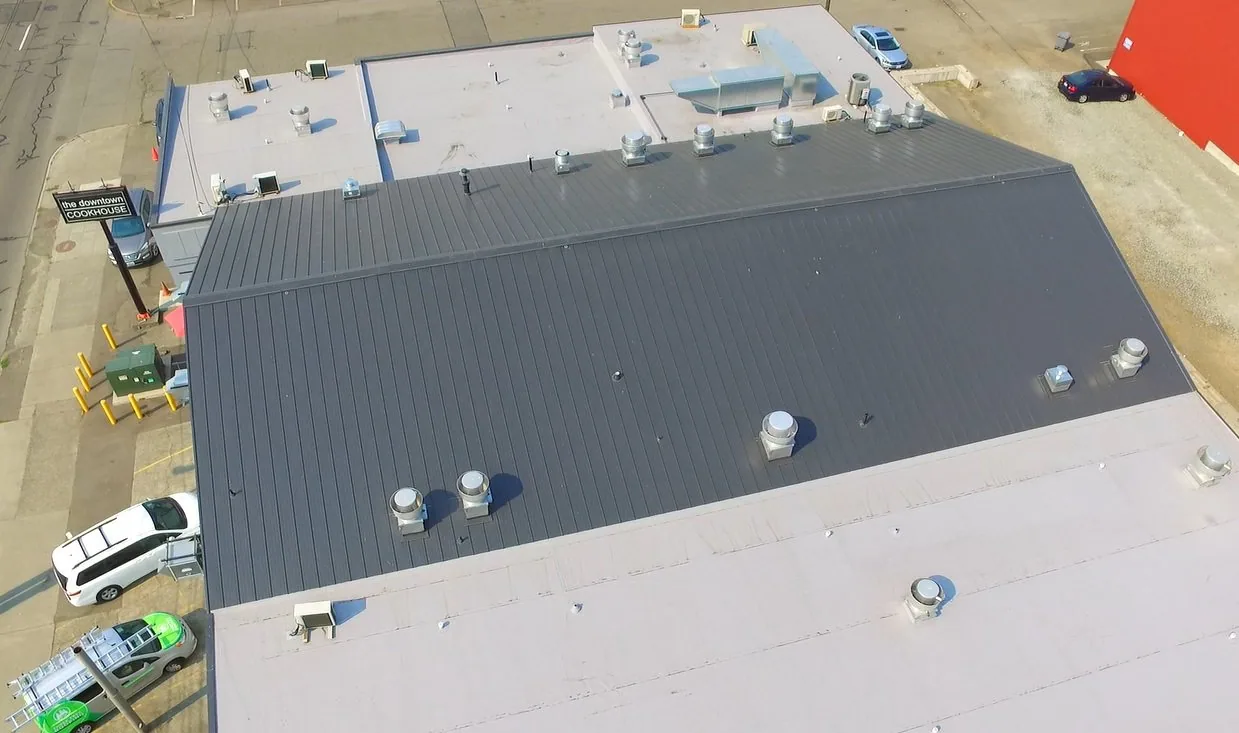
On a low-slope armory, we inspect the membrane field, seams, wall terminations, perimeter metal, drains, scuppers, and every curb that interrupts the weather plane. A brittle lap or loose termination may be a localized repair; widespread wet insulation or unstable attachment changes the decision. We mark each condition on a roof plan and take photos that show both the detail and its location. That makes it possible to compare a patch with a recover or replacement without treating one leak as proof of whole-roof failure.
A metal roof needs a different review. We look at panel laps, clips, fastener condition, ridge and eave details, penetrations, and how thermal movement is handled. On either system, the deck and edge design control the attachment method. A TPO assembly may suit some low-slope applications when the assembly and project criteria support it; it does not erase weak substrate or poor drainage. Perimeter metal work should be included where edge movement or water entry is part of the observed condition.
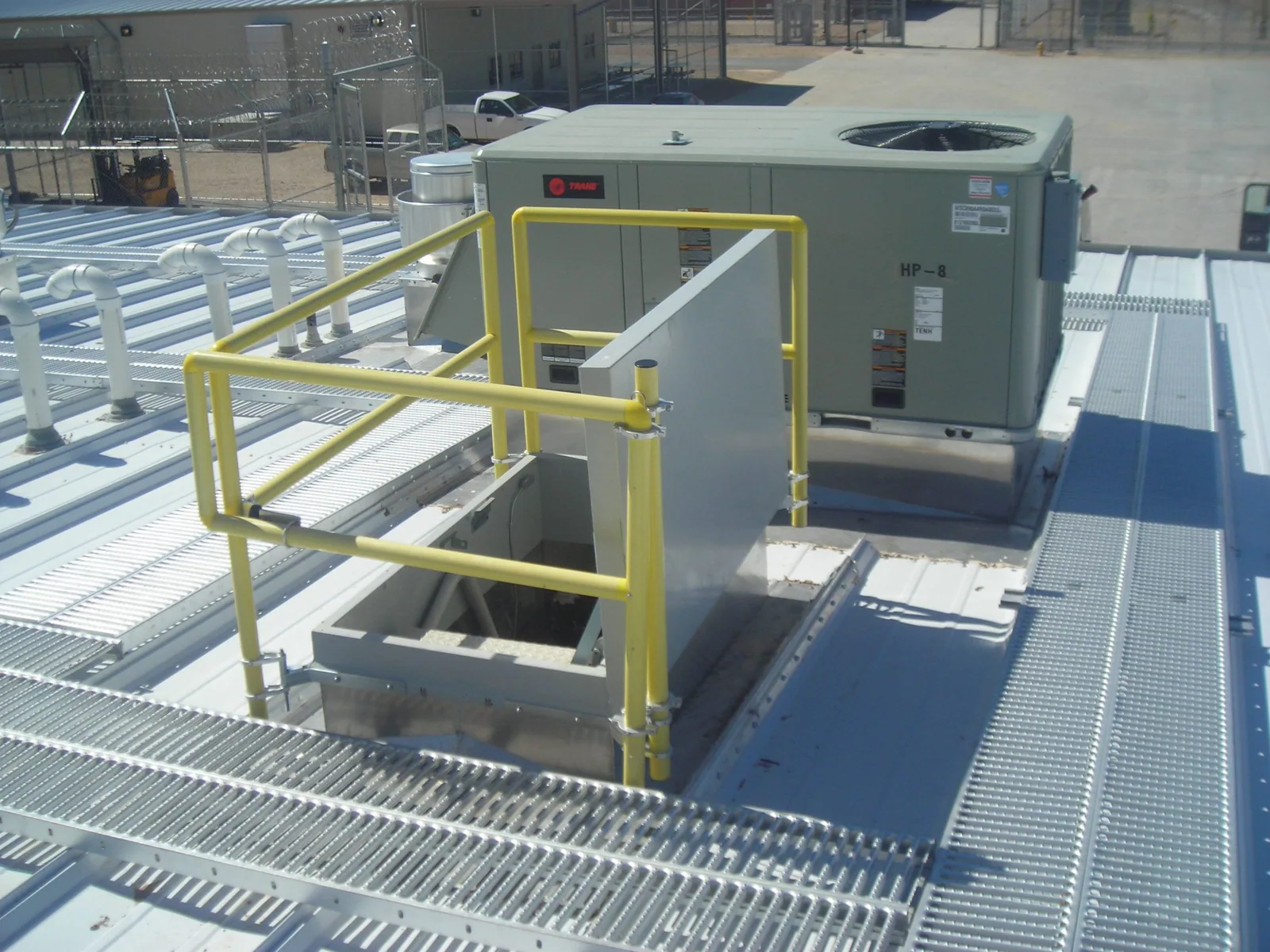
Roof-top units, antennas, and conduit supports can make a small repair area more involved. We identify which trade owns each removal and reset, then agree how the opening remains protected. The curb and support details need to be understood before a unit move is scheduled, not after the membrane has been cut.
Heat, wind, and monsoon runoff
The low-desert summer exposes roof surfaces to repeated heat. Phoenix Sky Harbor provides a regional temperature baseline; it is not an armory reading, though prolonged heat makes sealants, exposed laps and metal transitions useful inspection points. We look for a condition that can be seen or tested: a split seam, lifted flashing, loose fastener, or coating that has lost adhesion. Heat informs the inspection; it does not by itself establish damage.
Phoenix-area summer monsoon storms can bring strong wind, heavy rain, and flash flooding. At a readiness facility, the roof review should trace runoff from the field to its drain or scupper and inspect the perimeter that can see wind pressure. We also check whether rooftop equipment is properly supported and whether past repairs left a raised edge that blocks flow. A wind-related repair scope records the affected detail and the repair limit, then lists any remaining condition for a second visit.
Surprise's Railplex and Papago Park serve different purposes, yet both sit within the wider Phoenix-area operating environment. We use the local heat and storm pattern to prioritize field checks, not to infer what a named facility has experienced. A commercial inspection gives the owner a current roof record before the next maintenance or capital decision.
Access and trade coordination
Controlled access changes how a crew, material truck, lift, and disposal container reach the work area. The owner or contracting team establishes identification, escort, vehicle, photography, and operating rules. We use the approved process to plan staging and roof access, then set a work sequence that closes each section before the permitted window ends. If a site must keep training or readiness functions available, the plan should state which rooms or routes are protected and who confirms the area is clear.
A roof opening can overlap electrical, mechanical, fire-protection, or communications work. Before mobilization, we agree which trade disconnects equipment, who protects it during roofing, and who confirms restart. A phased schedule can isolate a roof zone while other building areas remain in use. For larger occupied sites, occupied-building reroofing should include access lanes, interior protection, daily tie-ins, and the sequence for returning each zone.
When design criteria or public procurement documents govern an armory project, the contracting and design professionals set those requirements. Our written scope can identify the observed assembly, proposed materials, preparation, attachment assumptions, and trade boundaries for their review. It does not replace the approved drawings or grant access. An urgent leak can be stabilized through emergency roof service while the permanent repair is developed.
Closeout for the next facilities contact
A useful handoff gives the next facilities contact more than a completion date. We can provide photos tied to roof-plan areas, identify repaired seams and penetrations, and list any condition left for design or follow-up. The record should say what the walk confirmed and what could not be seen without a test or opening. That distinction helps the owner decide whether to budget a broader project or keep the next visit focused on a defined detail.
For a maintenance program, a marked condition report can separate near-term repair from later replacement planning. If work overlaps public procurement, only the documents allowed by the contract and property policy should be retained or shared. A turnover walk should confirm temporary protection, roof access, material staging, and any restricted area are left in the agreed condition.
Share the roof plan, known leak locations, assembly history, and authorized work window to begin a scope review. We can inspect the roof, identify the repair boundary and trade handoffs, and prepare a practical repair or replacement proposal for the responsible project team.
Commercial Roofing Questions
Does Papago Park's presence mean a contractor can work at that reservation?
No. The authorized owner or contracting team determines solicitation, credentials, escorts, and entry. A nearby National Guard location is regional context, not permission or evidence of a project.
What roof details deserve attention at an armory?
The first walk checks the membrane or panels, perimeter, drains, penetrations, curbs, and interior leak locations. We mark confirmed conditions separately from concealed areas that need testing.
Can roof work continue while training or readiness activity is underway?
The approved site calendar sets the available window. We can divide work into zones, protect interior uses, and set a watertight stop point before the crew leaves each shift.
How do you decide between repair and replacement?
A local split seam or flashing failure may be repairable. Wet insulation, a weak deck, widespread attachment trouble, or multiple roof layers can change the scope; inspection findings and project criteria determine the options.
What should a scope include for a controlled facility?
It should identify the roof assembly, work limits, staging assumptions, trade handoffs, access window, temporary protection, and closeout records. The owner or agency supplies the access and procurement rules.
Ready to review the roof scope?
Request a Roof Assessment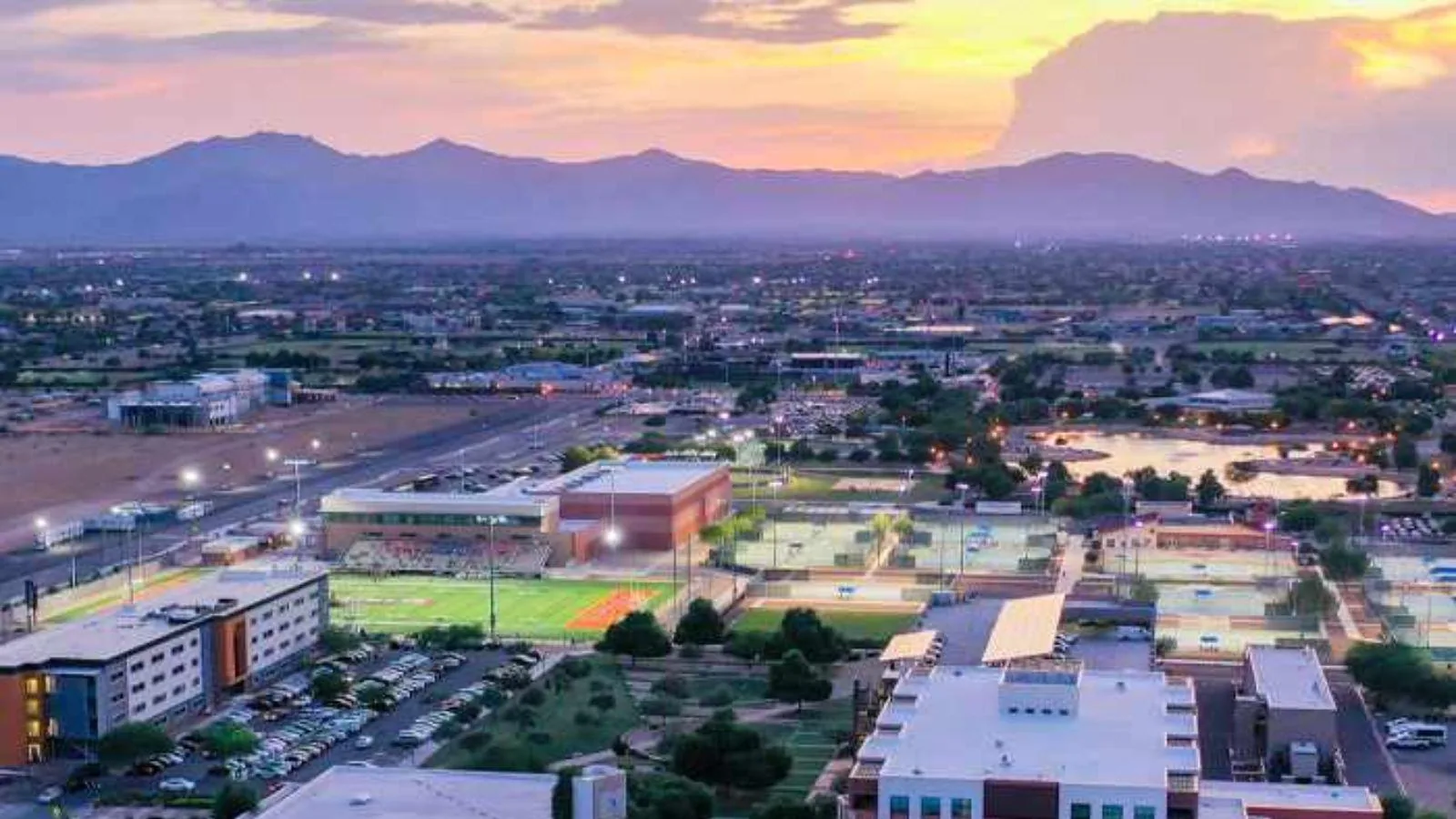
Related Roofing Work
Coordinate a roof walk and work window
Share the roof plan, operating calendar, known leaks, and authorized access process. We can define the repair boundary, flag trade interfaces, and prepare a written scope for review.