An industrial building, healthcare space or retail property in Avondale, AZ needs a roof plan tied to its use and actual assembly. Avondale serves as a regional hub for business, healthcare and manufacturing, with commercial growth along Interstate 10. Those facts point to varied operating schedules and project access needs; they do not establish what is installed above a particular tenant. We walk the roof, map the visible defects and identify what must be tested before the owner chooses a repair or larger scope.
For a facilities manager, the early work is practical: find the safe route, confirm active equipment and agree on protection for the space below. We record which sections are reached, where access is restricted and what will need a return visit. The proposal distinguishes confirmed work from allowances or tests, so the project team can plan around operations without treating broader commercial growth as a substitute for a roof inspection.
Start with operations and access
Before the first ladder is set, coordinate the property contact, access hours, fall-protection requirements and any active process below the roof. Industrial work may involve loading schedules or equipment that cannot be shut down without notice; healthcare areas may have sensitive rooms, while retail spaces need customer routes kept clear. Those are project-specific conditions to verify, not assumptions based on the business category. Mark staging, lift placement and daily dry-in boundaries on the plan.
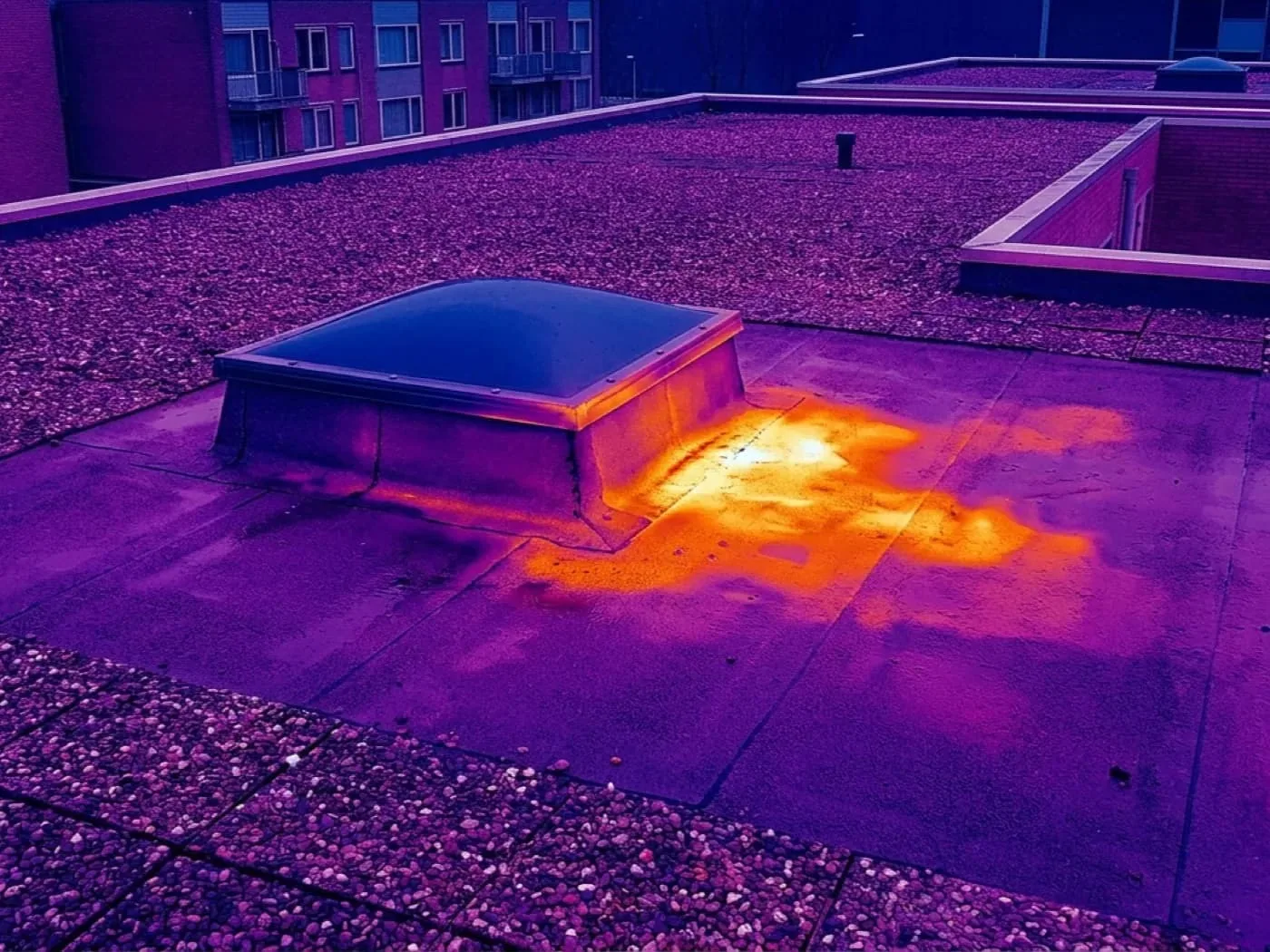
On the roof, inspect seams, membrane terminations, edge metal, penetrations, curbs, drains and previous repairs in the zones that can be reached. Trace interior water marks along slopes and transitions before deciding where to open. A commercial inspection documents findings with photos and a clear limit; a moisture survey may help map concealed wet areas, but testing should be selected for the assembly and question. We label any inference and identify how a test could confirm it.
Avondale includes business, healthcare, manufacturing and retail activity, as well as the multi-use BLVD district. A roof within the BLVD district may have different hours and rooftop services than an industrial building near Interstate 10. We record the address and roof section on every photo, then keep material and repair notes with that section. For work extending toward Goodyear or Tolleson, preserve separate histories and access instructions for each site.
Inspect the points where details meet
Phoenix-area monsoon storms can bring damaging wind and heavy rain, while intense heat affects exposed roof surfaces. Those regional conditions make edge attachment, sealants, drainage and equipment transitions worth checking; they are not evidence of damage at a specific Avondale property. We look for lifted metal, split laps, open flashing corners, blocked outlets, punctures and softened material, and photograph each condition before assigning a repair. The report should connect a physical observation to a water path or test.
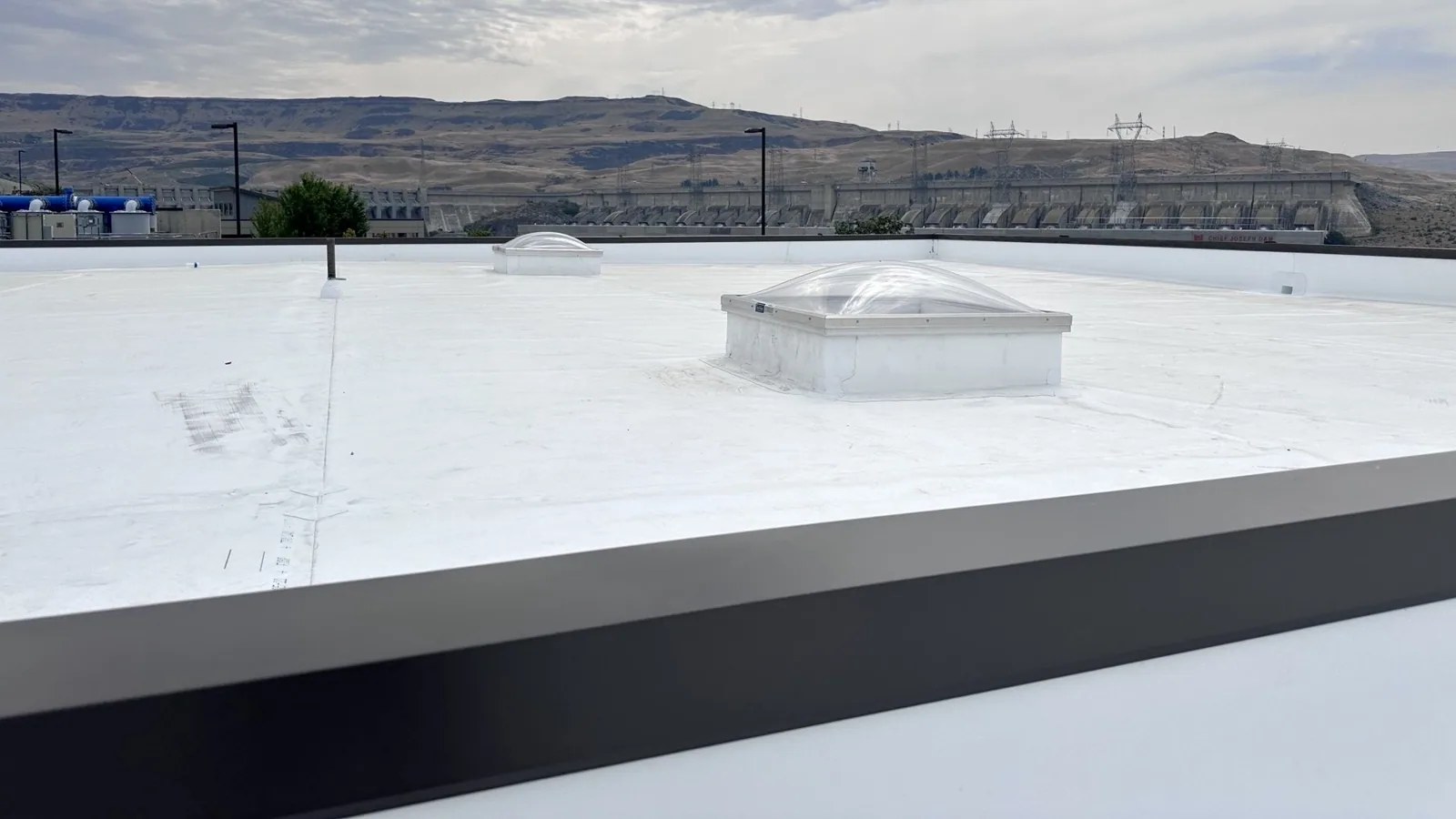
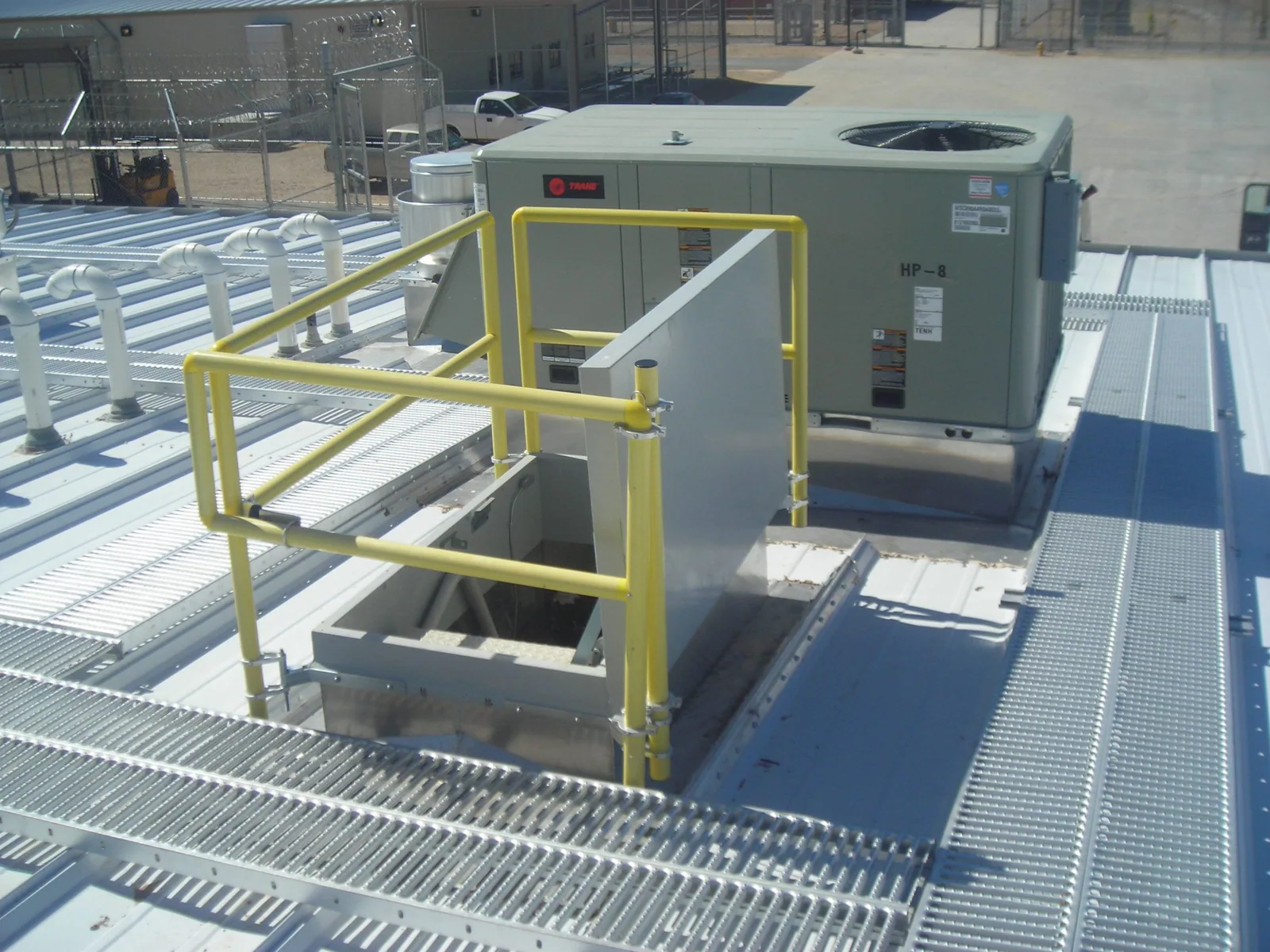
At an edge, check corners, fasteners, cleats, coping joints and the wall termination. Repeated sealant alone may not restore a loose assembly; the scope can require removing metal, repairing the substrate and rebuilding the membrane tie-in. At equipment supports, check clearance, flashing height and whether service work has disturbed the roof. A perimeter metal repair and a curb flashing scope should state which trade moves equipment and who signs off on the finished detail.
Drainage needs inspection at the outlet and across the roof field. Verify strainers, drain bowls, scuppers and overflow openings, then compare the slope with the plan. When water remains after rainfall, mark its outline and note whether a depression or soft spot appears. A drain repair can restore a separated or obstructed outlet, but it cannot correct slope or a damaged deck. If a larger area holds water, test insulation and substrate before proposing a coating or recover over it.
Set the right boundary for each option
A defined patch or flashing rebuild can work when the defect is localized and the surrounding roof is stable. Several leak points, broad moisture, loose attachment or damaged decking may change the decision to restoration or replacement. A coating requires a compatible, prepared assembly and will not make wet insulation sound. A recover depends on existing layers, secure attachment, dry materials and drainage. Tear-off exposes more of the deck but brings disposal, interior protection and a larger work area. We show the findings and unknowns that support each path.
Cost and timing move with access, height, lift use, equipment removal, material selection, testing, insulation, deck work, tenant protection and production hours. Industrial or healthcare operations may require a tighter sequence, while retail work can call for careful separation from customer entry. We confirm those site details before scheduling. Emergency response is available around the clock when an opening is active; temporary protection and permanent repair are scoped separately so the owner knows what remains after the urgent visit.
For a property near Interstate 10, verify current delivery and staging rules with the site manager before mobilizing. Industrial building completions during 2025 add local economic context, but they do not specify the roof assembly on any one building. If a project involves a newly occupied or recently completed space, request available roof plans, warranty records and contractor closeout photos. A roof due-diligence survey can organize review questions, while a phased reroof plan can set access, protection and turnover by section.
Document the work for the next crew
After a repair, compare the completed detail with the marked roof plan. Record the materials, work limits, photographs, drain status, test results and any area that could not be reached. If equipment or another trade will return, make the curb and flashing handoff explicit. A condition report can keep open items and the next inspection trigger with the repair record. For recurring maintenance, note which drains, edges or penetrations need another look after the next significant storm.
We can meet an owner, general contractor or facilities team, review the operating schedule and prepare a written repair, testing or capital scope. Manufacturing, healthcare, retail and the BLVD district are all part of Avondale's commercial mix. Keep each building's roof observations tied to its own address even when one portfolio manager oversees several locations. A separate page for the district or a nearby city is not a substitute for that site's plan and permit history.
Before closeout, verify temporary openings are sealed or protected, tools and debris are removed, and the site contact has the photos and remaining actions. If hidden moisture or deck damage changes the scope, document the discovery and authorize the added work before closing the assembly. This leaves the next decision with evidence, a defined repair boundary and a clear schedule for any return work.
Commercial Roofing Questions
Does Avondale's commercial growth tell you which roofs need replacement?
No. Development and business activity describe the city, not the age or condition of a building's roof. We inspect the assembly, trace leak paths and test concealed areas when the result could change the recommendation.
How do you work around manufacturing or healthcare operations?
We coordinate the roof route, equipment shutdowns, noise, tenant notice and interior protection with the site lead. The work plan identifies daily limits and how each opening will be made weather-tight before the crew leaves.
What if a leak is near an HVAC curb?
We inspect the flashing, curb corners, nearby seams and equipment clearance, then define who handles any disconnection or move. A repair should restore the roof detail and leave a photo of the completed tie-in.
Can a coating fix drainage problems?
A coating may protect a compatible, dry assembly, but it does not create slope or repair wet insulation. We check the outlet, roof field and substrate before including a coating in the scope.
What should be included when the roof is handed back?
Keep the marked plan, before-and-after photos, repair materials, excluded areas, open tests and return triggers together. That record helps the next trade avoid disturbing a completed flashing detail.
Ready to review the roof scope?
Request a Roof Assessment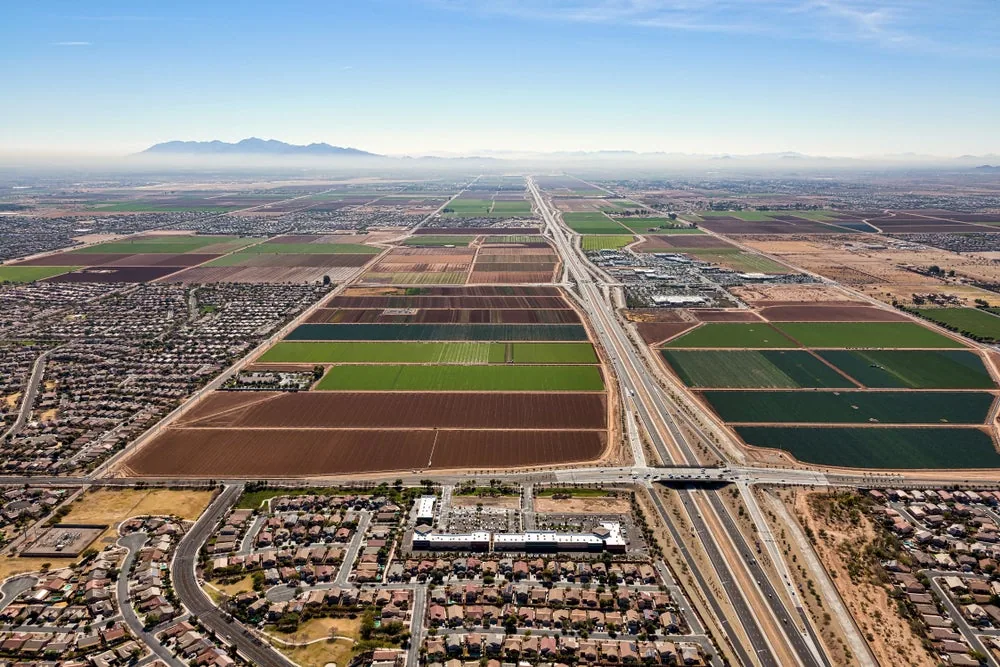
Related Roofing Work
Plan a commercial roof walk in Avondale
Share the roof plan, building hours, equipment schedule and known leak locations. We can inspect the accessible sections and prepare a written scope for repair, testing or phased replacement.