Warehouse and industrial roof work in Tolleson begins with the loading schedule and the route a crew can use safely. Tolleson is an incorporated West Valley municipality, tied into the regional commute and workforce pattern. Its street network connects with Avondale, Glendale and the west-side I-10 industrial area. That connected setting can bring delivery and shift activity to the same property, so we confirm roof access, staging and hours before setting a repair or reroof sequence.
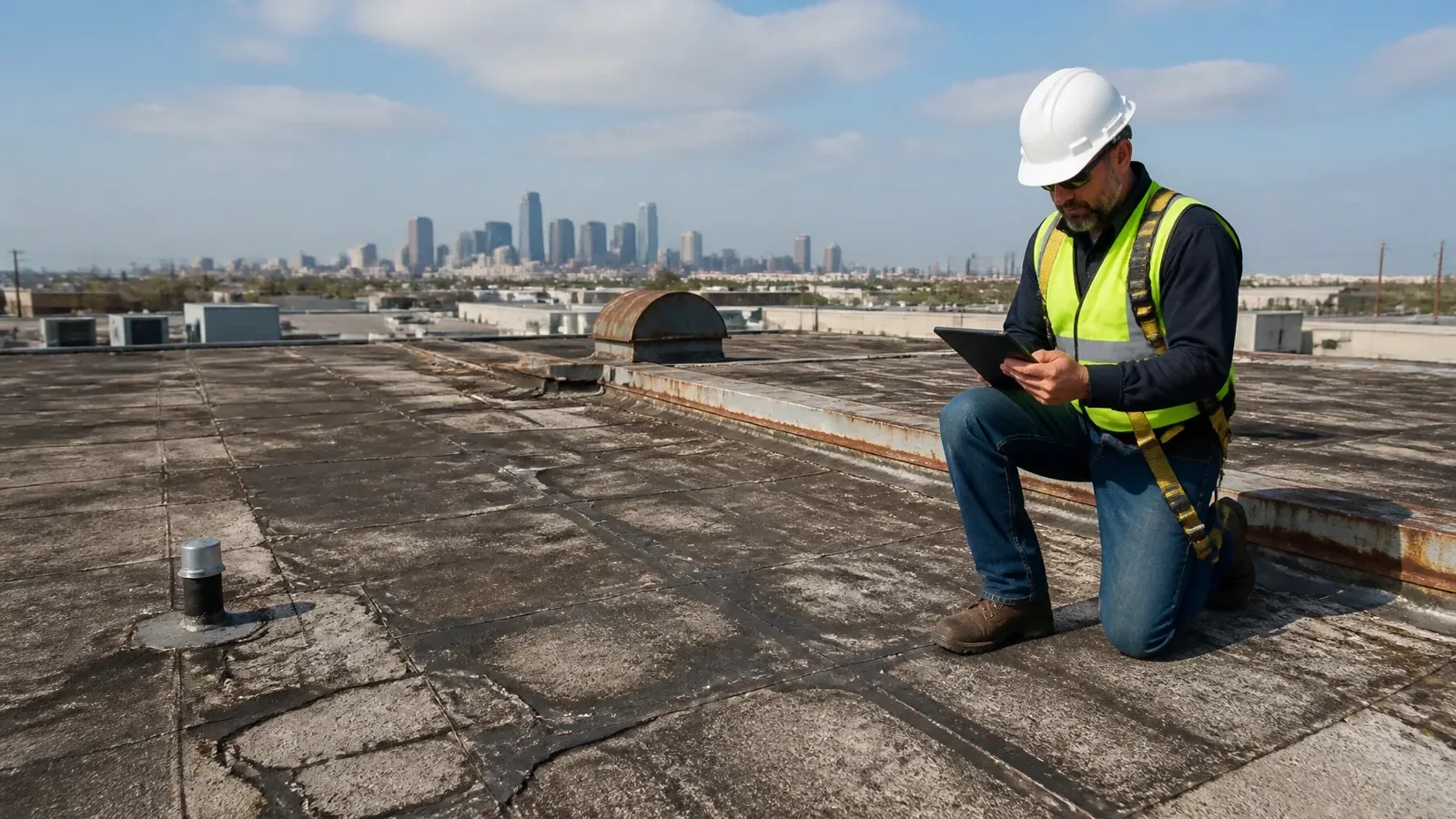
On the roof, we check membrane seams, edge metal, drains, flashing and equipment penetrations, then connect each finding with the leak or maintenance record. A report should tell an owner which defect has a boundary and which area needs more investigation. Our condition report with inspection photos records what was visible and what decision the field findings support.
Plan for connected streets and active loading
The links among Tolleson, Avondale, Glendale and the west-side industrial area along I-10 make property access a real scheduling question. A truck route, gate window or loading dock can shape where roofing material stages and when a roof zone can be isolated. We ask the facilities contact about freight movements, shift changes and other trades before mobilizing. The regional network is useful context, but the property manager still confirms the actual delivery entrance and safe rooftop access.
We start an inspection by locating known leaks and checking the assembly near each interior mark. Water can travel below the surface before it drips, so the nearest ceiling stain may not sit below the opening. We inspect seams, curbs, wall transitions and drain bowls, then look for moisture or prior repairs that change the repair boundary. A commercial roof inspection can distinguish a local defect from repeated failure across roof areas.
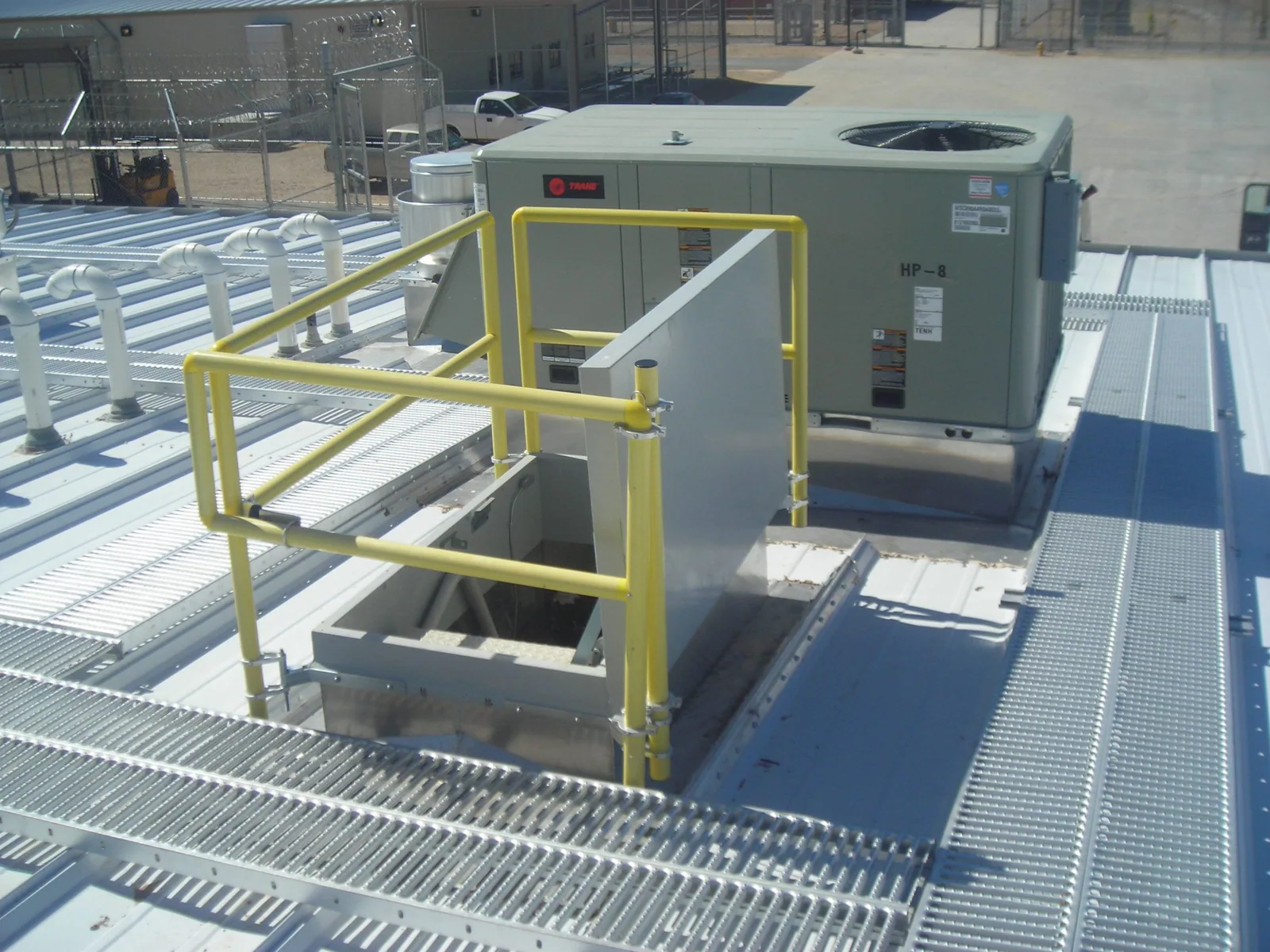
Industrial roofs often have equipment and service routes to manage, but the exact system on a Tolleson property must be confirmed on site. We identify the membrane or metal system from records and field details rather than guessing from the business type. Curb flashing, abandoned penetrations and support legs need compatible waterproofing around them. When a mechanical change is planned, our equipment curb and support work coordinates the roof interface with the trade doing the installation.
Check the roof after heat and monsoon exposure
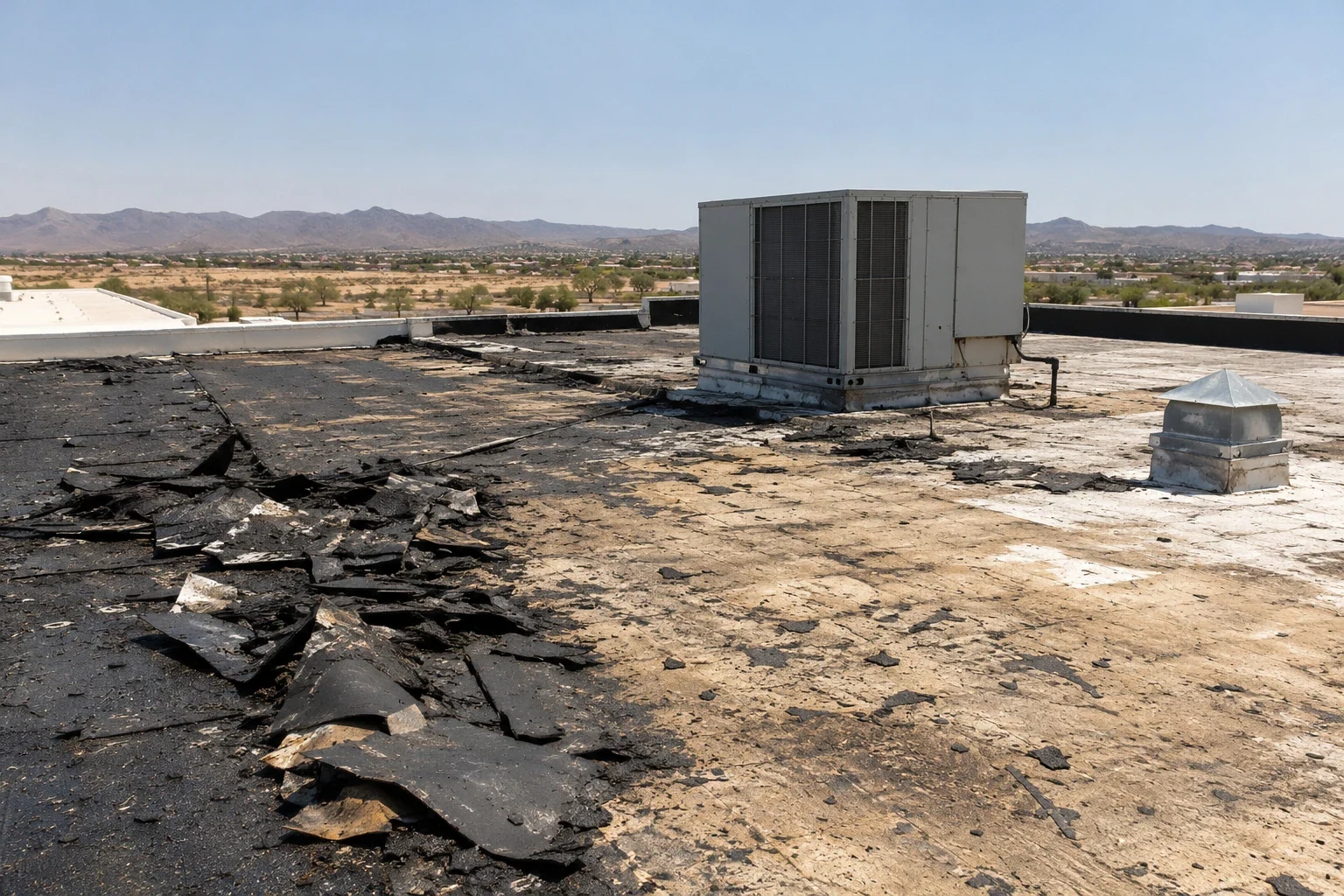
Tolleson shares the Phoenix low-desert summer heat and monsoon weather pattern. Thermal aging can show up as dry sealant, brittle patches, open laps or flashing that has pulled away from a curb. We document the condition by location instead of assuming every section has aged the same way. Roof surface, shade, maintenance and material all affect the result, so a general climate description cannot replace a field check.
During the monsoon period, wind and heavy rain put pressure on edge details and drainage. We inspect termination bars, coping, drains, scuppers and overflow routes, then record water paths that remain after a storm. A blocked outlet needs a different correction from a low area or failed flashing. If water is entering now, emergency response is available day or night, including holidays; our first task is to stabilize exposure and plan the permanent repair.
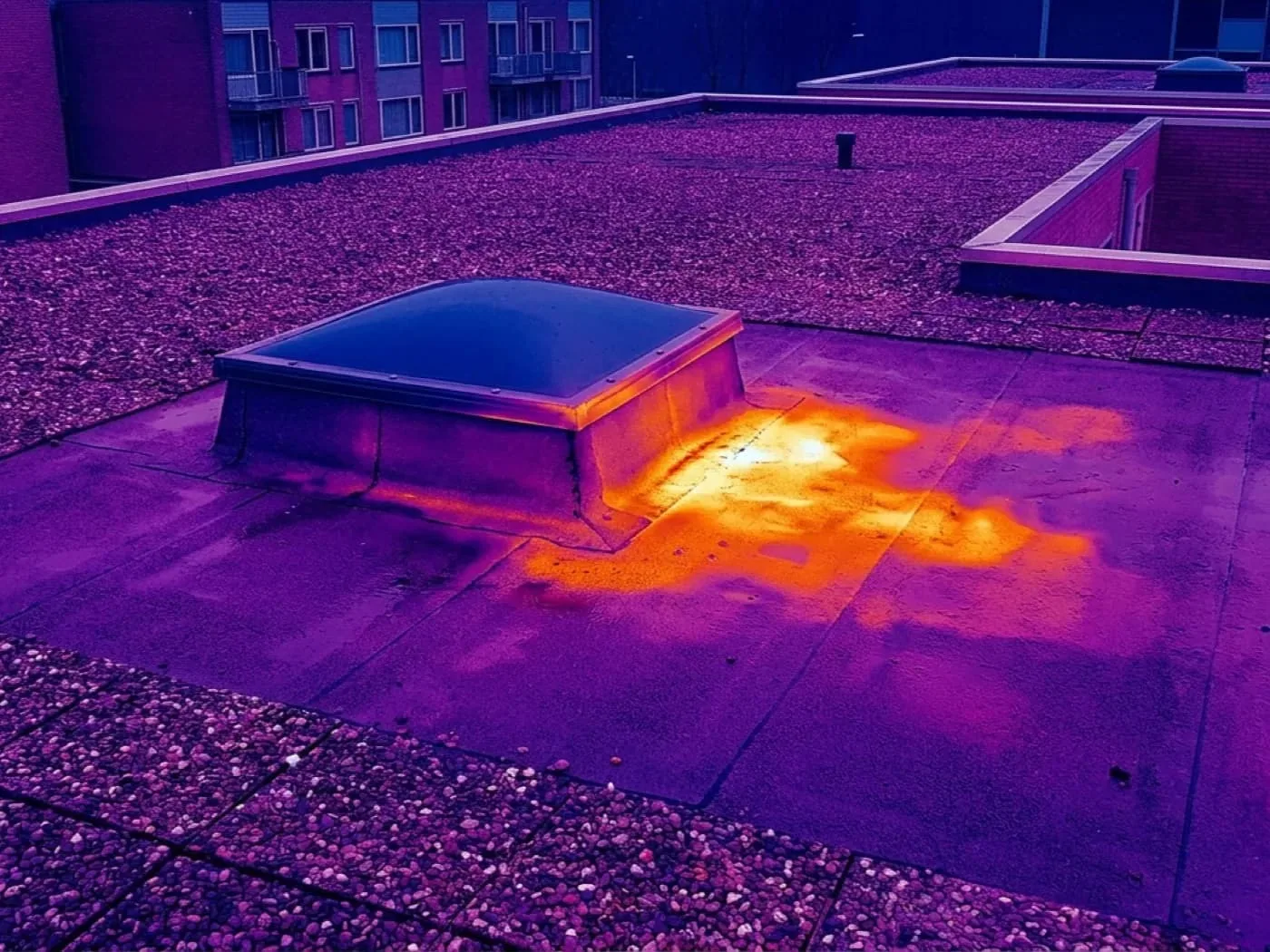
Possible hail and wind effects should be recorded on the roof that is actually inspected. We note punctures, displaced metal, lifted seams or impact marks and compare them with prior photos where available. An insurance scope can then point to observed areas instead of broad assumptions. If concealed moisture could change the choice between coating and replacement, we identify a suitable test before covering the assembly. Our infrared moisture survey can be discussed when the roof surface and system make that method useful.
Compare the repair boundary with the full assembly
A contained seam or flashing failure may be repaired when nearby membrane and insulation remain serviceable. We prepare the surface and tie the repair into sound material. When leaks repeat or moisture extends beyond one area, another patch may not be enough. We map each finding and explain whether the roof needs an immediate correction, more testing or a replacement budget.
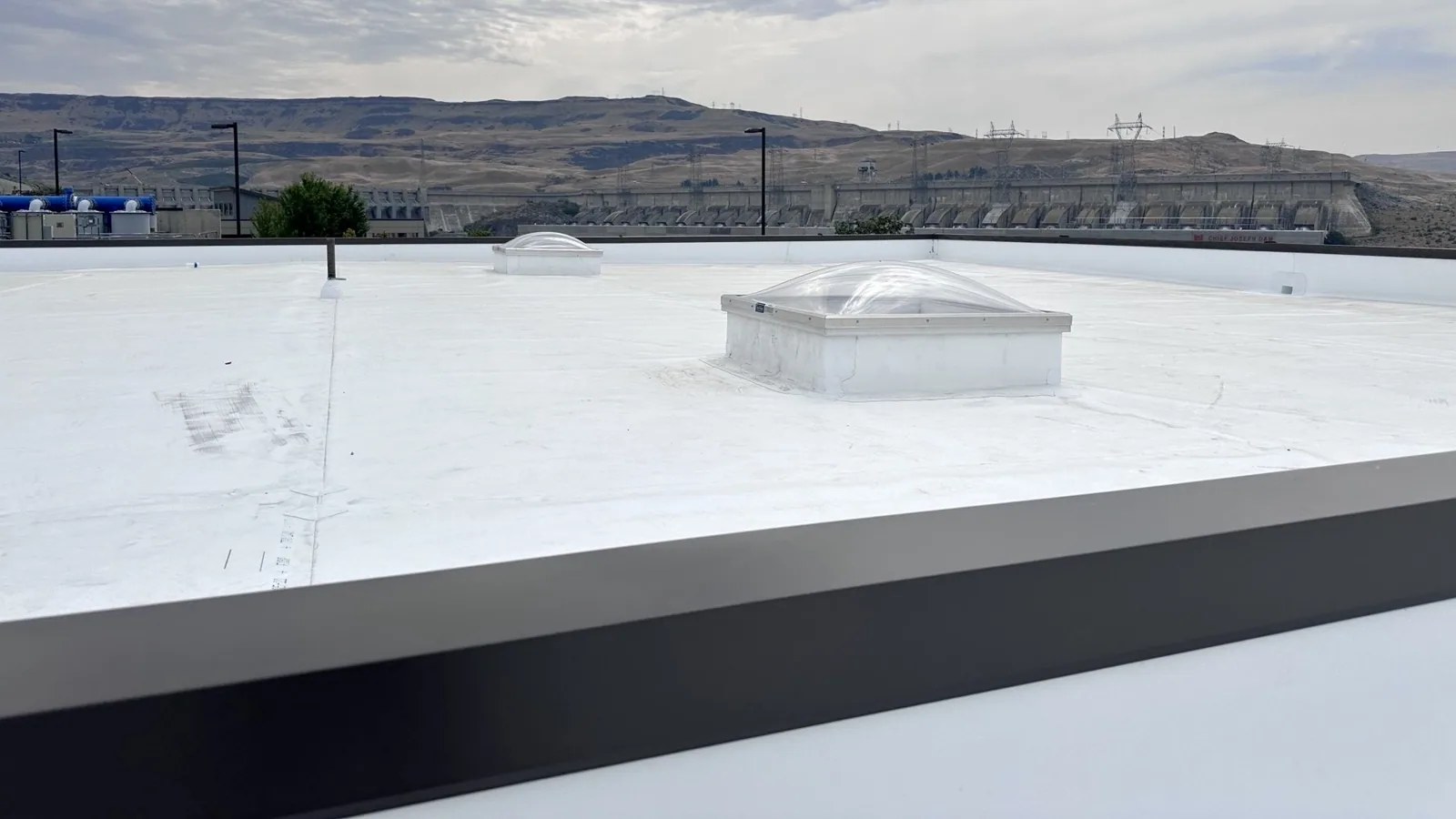
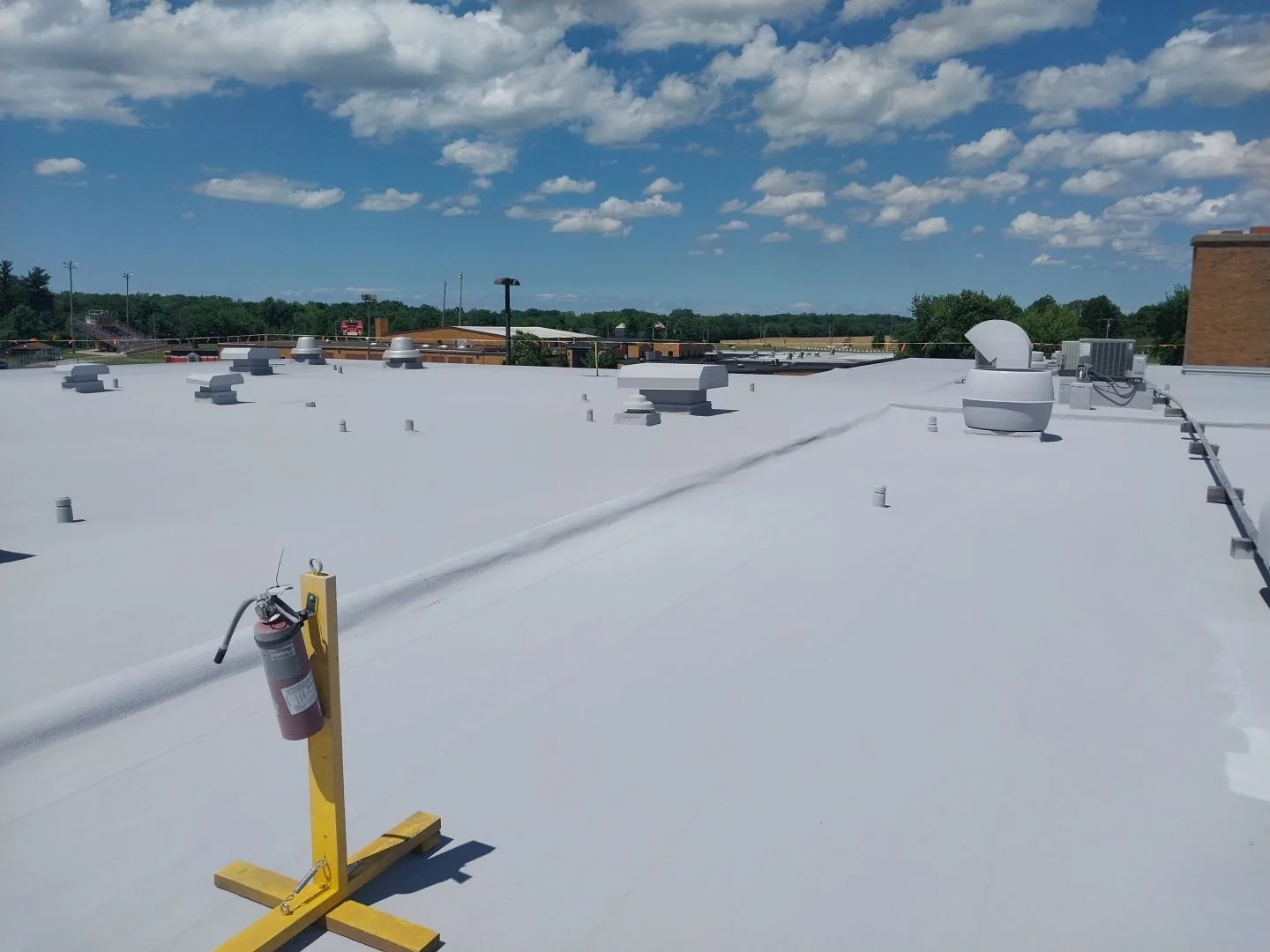
A recover or coating is not selected by age alone. We check existing layers, attachment, substrate moisture, drain heights and edge transitions. If the roof is dry and stable, another layer might be considered; if not, we compare repairs with tear-off and replacement. The recover and overlay assessment verifies eligibility before a second assembly is priced. For widespread failure, a replacement plan identifies insulation, perimeter, disposal and access requirements.
Cost and duration follow quantities and conditions: roof area, penetration count, wet insulation, edge length, equipment moves, staging and hours available for noisy work. We separate emergency stabilization from permanent repairs and identify any concealed condition that may alter the final amount of work. A scope written that way helps the owner compare a short service call with a planned project and gives the operations team a sequence to communicate.
Keep the work usable for the site team
Before the crew arrives, the owner and roofing lead should agree on roof access, staging, forklift or lift use, loading routes and protected interior areas. We establish which roof sections can be opened, how each will be made watertight before the shift ends and who receives the handoff. If the site serves multiple tenants or shifts, one contact can coordinate notices and restricted areas. A clear boundary reduces the chance of an unprotected opening or blocked service lane.
For an occupied warehouse or distribution property, our occupied-building work plan sets out sequencing and access controls. Drain problems can be handled through drain and scupper repair after the blockage or failure is identified. If the findings support replacement, we coordinate with the facility team around loading and shift needs rather than assuming the building can stop operating.
Tolleson's regional ties to Avondale and Glendale are useful when a property manager is reviewing roofs across the West Valley. The West Phoenix service area and Goodyear have their own municipal and site conditions. We can still keep the review organized by building: system, defects, priority, access and recommended next action. One roof's repair history should not stand in for another property's inspection.
After work, inspection photos and repair notes belong with the building's maintenance record. On a return visit, we can compare the repaired seams, curbs and outlets with the documented condition and see what changed. If the owner has drawings, warranty details or leak tickets, we include the useful items in the file. The next roof decision is stronger when it starts from a known repair boundary and a record of what the crew completed.
Commercial Roofing Questions
Can roofing work continue while freight is moving through the property?
We plan the staging area and work zone with the site contact, then set the delivery and roof access windows. If a dock or service lane must remain clear, we keep material and equipment outside that route and phase roof areas that can be isolated safely.
What does monsoon-related roof damage look like during an inspection?
We look for loose edge metal, open seams, damaged flashing, punctures and drainage restrictions, then photograph what is actually present. A storm date alone does not establish the cause or extent, so we connect each observation to a roof zone and repair recommendation.
When should a Tolleson warehouse consider a recover?
A recover requires a stable, dry assembly and sufficient height at drains, curbs and perimeter details. We check those conditions and applicable project requirements first. If moisture or attachment problems are present, we compare repair and replacement rather than adding a layer.
How do you keep a repair from turning into a larger disruption?
We identify the repair boundary, agree on access and protect the interior before opening the roof. If concealed conditions extend beyond it, we stop and document what changed, then review the next scope with the owner before proceeding.
Ready to review the roof scope?
Request a Roof Assessment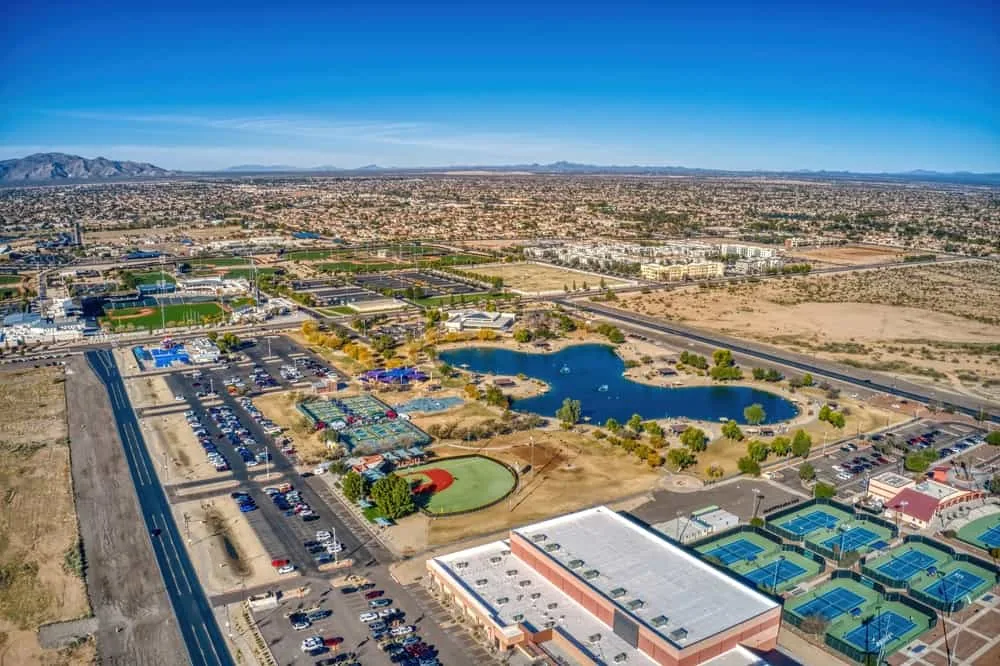
Related Roofing Work
Set a roof walk around the loading plan
Share the leak notes, roof access rules, work hours and loading constraints. We will inspect the assembly and return a written scope matched to the site's actual operation.