A commercial roof in West Phoenix has to hold up through long summer heat while the building keeps working below. The western suburbs connect with Phoenix employment areas through a network that includes Loop 303, I-10, US 60 and central-city freeways. For an owner managing a property in that broad district, we start with the actual roof system, leak history, equipment and access plan. We inspect seams, flashing, drains and edge metal before setting a repair boundary or capital scope.
Roof water can move away from the opening before it appears inside. We compare leak marks with penetrations, seams and drainage routes, then photograph the conditions that support the recommendation. The condition report and photo record help a facilities lead coordinate repair, budget and follow-up work across separate buildings.
Connect the corridor to the property
Loop 303, I-10 and US 60 are part of the regional network joining West Valley communities with Phoenix employment areas. That network can make delivery and crew routing practical, but it does not describe a property's gate, loading schedule or roof access. We confirm those details with the site contact before scheduling equipment and material. A site plan that marks service lanes and roof access points can prevent a delivery conflict on the morning work begins.
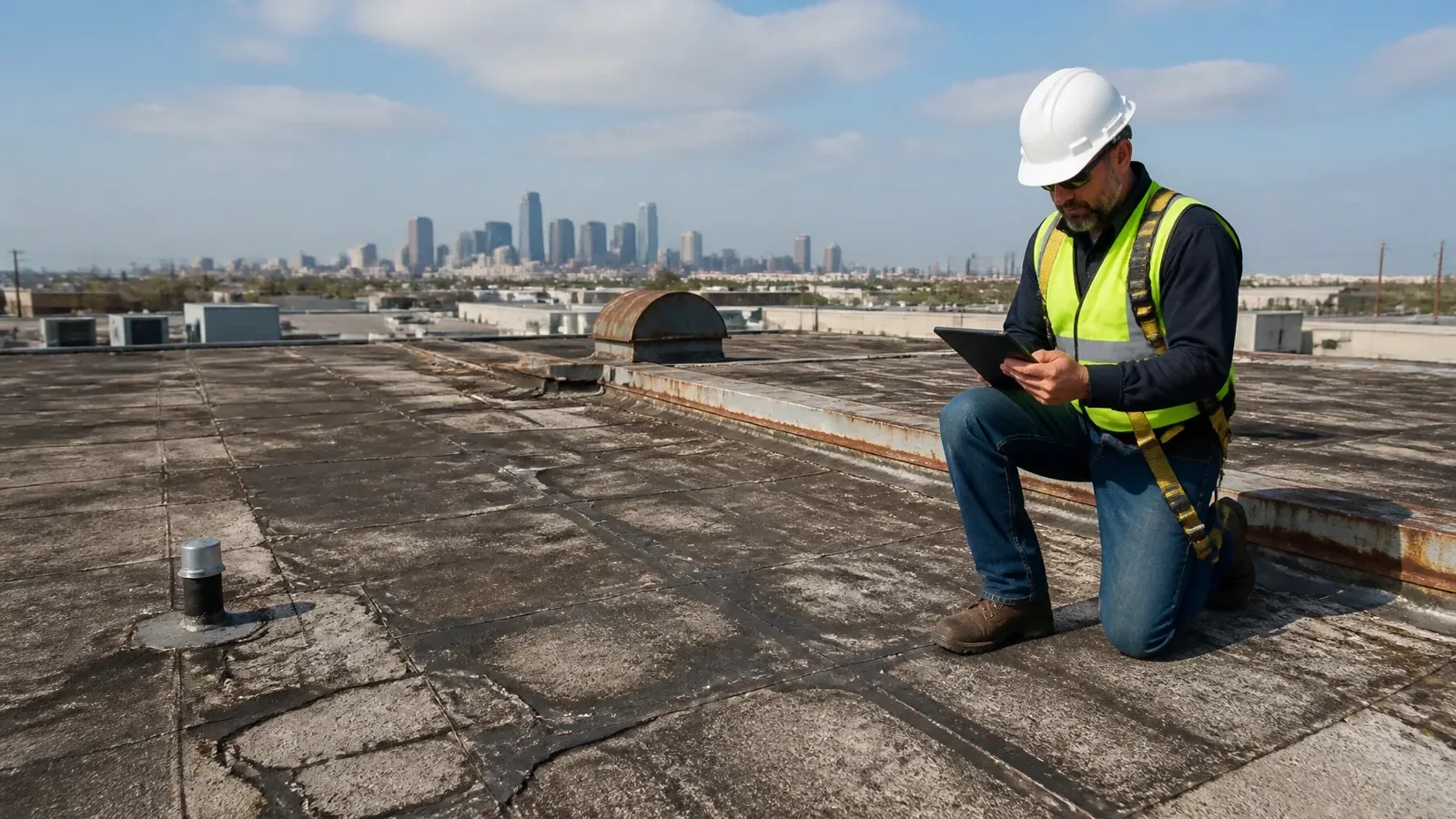
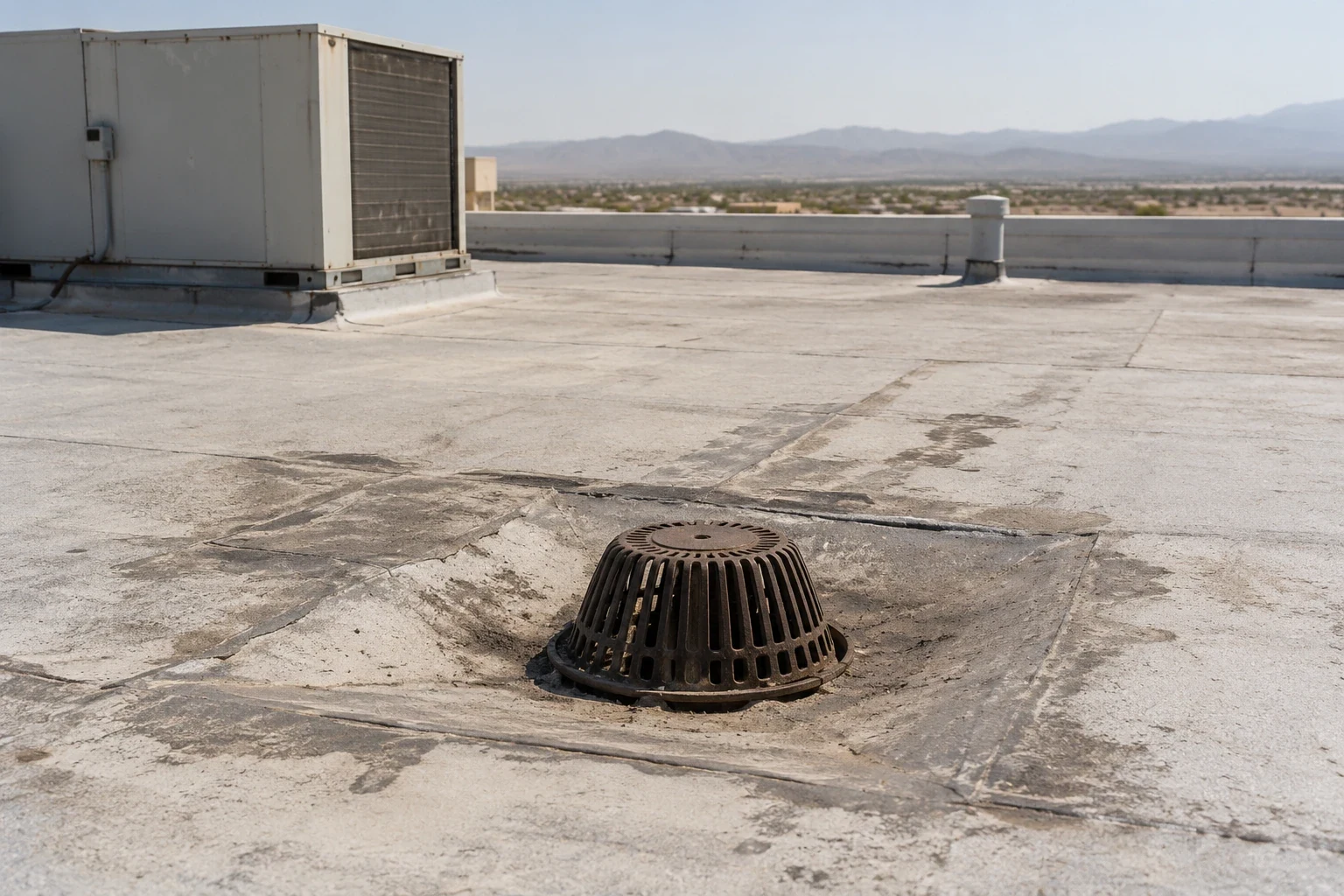
In the field, a roof walk checks the membrane, edge and transitions rather than assuming a system from its neighborhood. We inspect seams for separation, probe repair edges where appropriate and look for cracked flashing around curbs and walls. We also check drain bowls, strainers, scuppers and overflow outlets. A blocked opening, a damaged drain connection and a low area call for different corrections. Our drain and scupper service follows the full water route before a repair is priced.
Property use matters to the sequence. A warehouse may need loading doors clear; a healthcare or office operation may need interior protection and a quiet window near occupied rooms. The owner and roofing lead can mark which roof areas are available each shift, where materials can stage and how temporary openings will be closed. For a multi-property plan, our property management roofing program keeps each asset's condition and work history separate.
Read heat and storm marks carefully
Phoenix metro weather combines extreme summer heat with a summer thunderstorm and monsoon season. That regional context makes exposed seams, sealants and roof edges worth checking, but it does not prove that any individual property has damage. We inspect the actual surface for brittle patches, open laps, loose terminations or fasteners that have backed out. The repair history, assembly and maintenance record help us tell normal weathering from a water path.
Monsoon rain tests how roof slope moves water toward drains and overflow points; gusts can expose weak perimeter details. We look at the top and underside of edge metal, check the securement and inspect penetrations where air and water can enter. After a storm, we document observed impacts by roof zone and compare them with earlier photos when available. If active water entry needs immediate attention, we respond around the clock, holidays included, and record any temporary stabilization separately from the permanent fix.
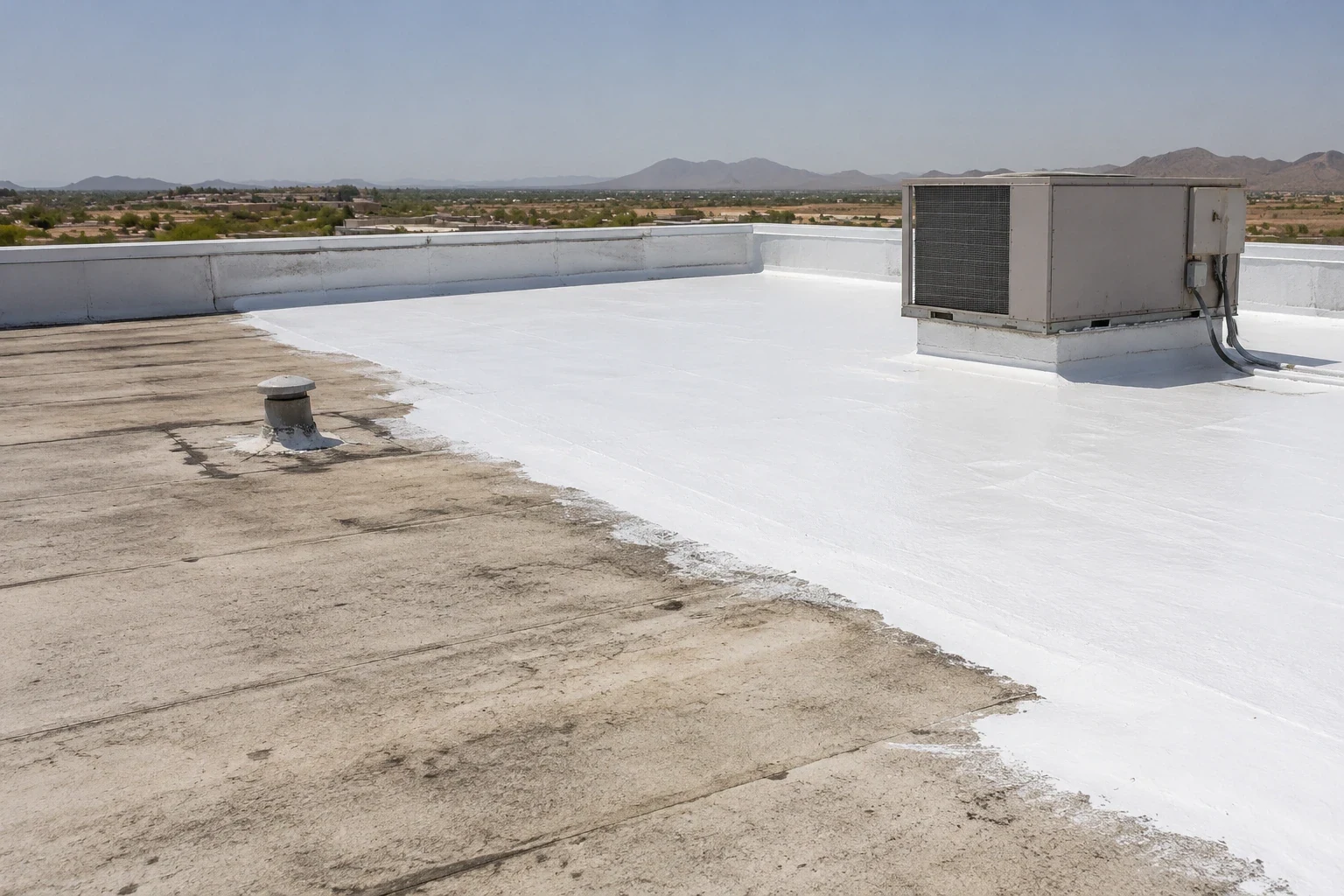
Heat also affects the choice of repair material and the preparation window. Before pricing a coating, we test how the roof surface holds material, check for damp insulation and inspect perimeter joints. Loose details or trapped water point to another repair path; sound conditions leave room to evaluate restoration. If the roof is beyond a surface repair, the owner needs options for a recover or replacement instead. A coating evaluation starts with compatibility, while a TPO assembly review requires confirming the installed system and detail condition.
Compare the scope against observed failure
A contained puncture or seam opening may be repaired when the surrounding field remains sound. We trace the water path, prepare the surface and extend the patch into compatible material. Widespread seam separation, multiple leak zones or wet insulation can point to a larger issue. The owner should see which finding supports each option and what test might change the decision.
A recover needs an existing assembly that is attached, dry and eligible for another layer. We review drain heights, edge transitions and curb details before writing that scope. If the substrate is not suitable, we compare localized repair with replacement. A recover assessment checks the layer and attachment conditions, while a replacement proposal should show tear-off, insulation, disposal, staging and tie-ins.
Cost and schedule depend on area, roof height, access, penetrations, drains, equipment moves, insulation and the time windows available to the building. We describe those drivers and the work sequence in plain terms. If water is active, we separate stabilization from permanent work so the owner knows what has been completed and what remains. A clear repair boundary helps keep a small service call from turning into an untracked patch history.
Coordinate the work with the operation
Before opening the roof, we agree on delivery route, staging, interior protection, fall protection and the daily dry-in limit. For an occupied property, the building contact can identify areas that cannot close and times when noise or vibration must be controlled. We keep temporary tie-ins watertight at the end of each shift and tell the owner what area is still pending. That handoff matters if another trade has to install equipment or conduit before roofing can close a curb.
A site in the broad West Phoenix area may connect through I-10 or Loop 303, while a particular project may be reached through local streets and property controls. We verify the route and site rules directly. Owners comparing regional coverage can also review the West Phoenix and Loop 101 corridor or the Surprise Loop 303 corridor, both part of a wider transport network, with each roof inspected according to its own assembly.
After work, photos and repair notes should identify the roof area, material and completed boundary. At the next visit, we can compare the condition with the closeout record and identify any change. If maintenance is deferred, we list an inspection trigger and areas that need attention first. Emergency response is available any hour when a roof opening cannot wait, but a documented preventive visit can identify loose details before water reaches the interior.
To plan a visit, share roof plans, reported leaks, access rules and any previous repair scope. We can walk the available areas, record visible conditions and identify questions requiring further testing. The recommendation then fits the building's schedule and the roof's actual condition, not the fact that it sits within a broad regional district.
Commercial Roofing Questions
What does a roof inspection cover for a West Phoenix portfolio?
We inspect accessible roof zones, seams, penetrations, edge metal, drains and reported leak areas. Each property gets its own notes and photos, with conditions marked as repair, monitor or further evaluation. A broad location does not replace building-level findings.
Can you plan roof work around an active warehouse or office?
Yes. We coordinate loading access, tenant hours, equipment shutdowns, staging and interior protection with the property contact. A roof can be divided into phases when the assembly and weather conditions support a safe dry-in boundary.
How do you know whether storm damage needs a claim scope?
We record visible conditions, identify the affected roof zones and compare them with prior records if available. A weather event by itself does not establish the roof's damage or cause. We can document the observed repair needs for the owner to review.
When is a coating a poor fit for a commercial roof?
Before pricing a coating, we test how well the roof holds material, check for damp insulation and inspect perimeter joints. Loose details or trapped water call for a different repair path; a stable surface can then be evaluated for restoration.
Ready to review the roof scope?
Request a Roof Assessment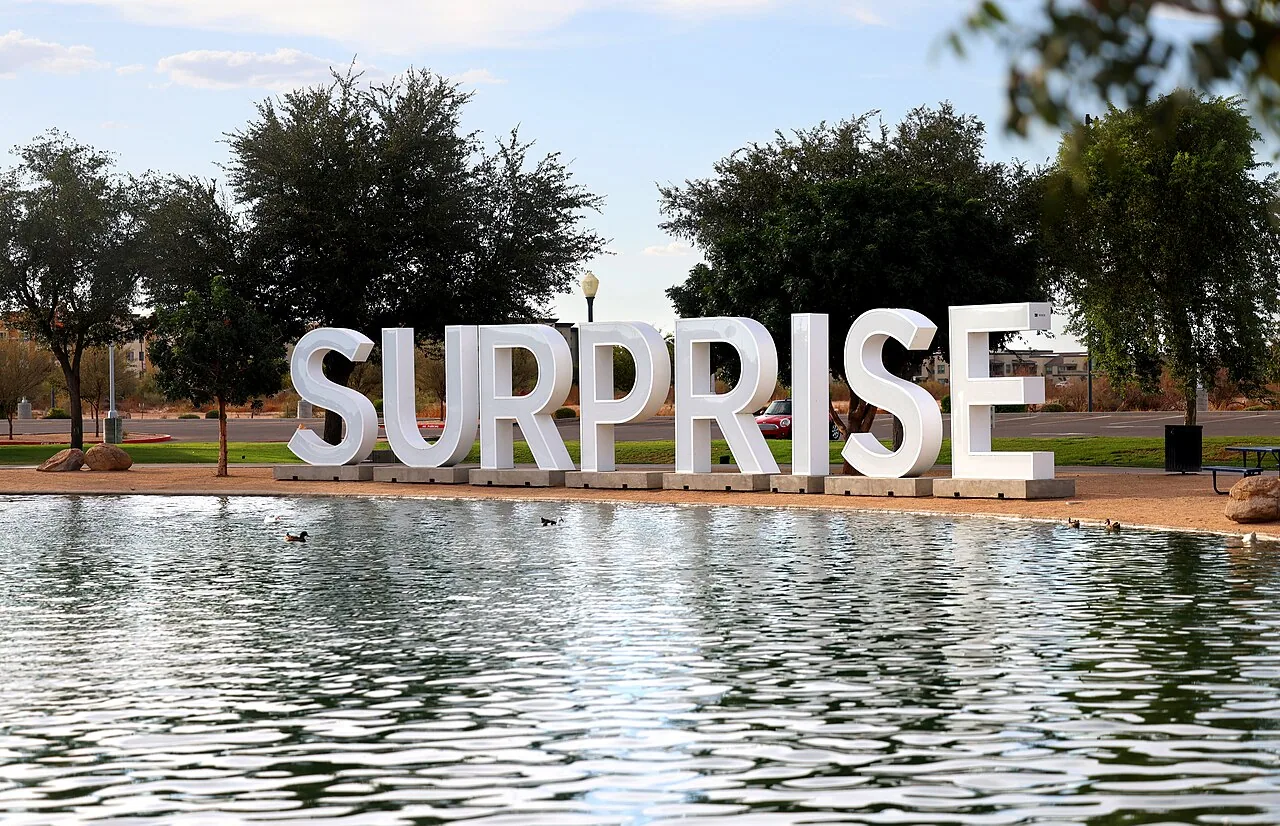
Related Roofing Work
Set a roof walk for the building under review
Send the property address, roof history, reported leaks and access requirements. We will inspect visible conditions and return a clear scope for repair, maintenance or replacement.